Fukushima Fifty आणि Corporate Responsibility ची खरी परीक्षा
प्रत्येक संस्थेत असा एक क्षण येतो, जेव्हा दबाव वाढतो, अनिश्चितता निर्माण होते आणि लोक मिशनपेक्षा स्वतःचा विचार जास्त करू लागतात. संकटाच्या काळात अनेक टीम्स कोसळ...
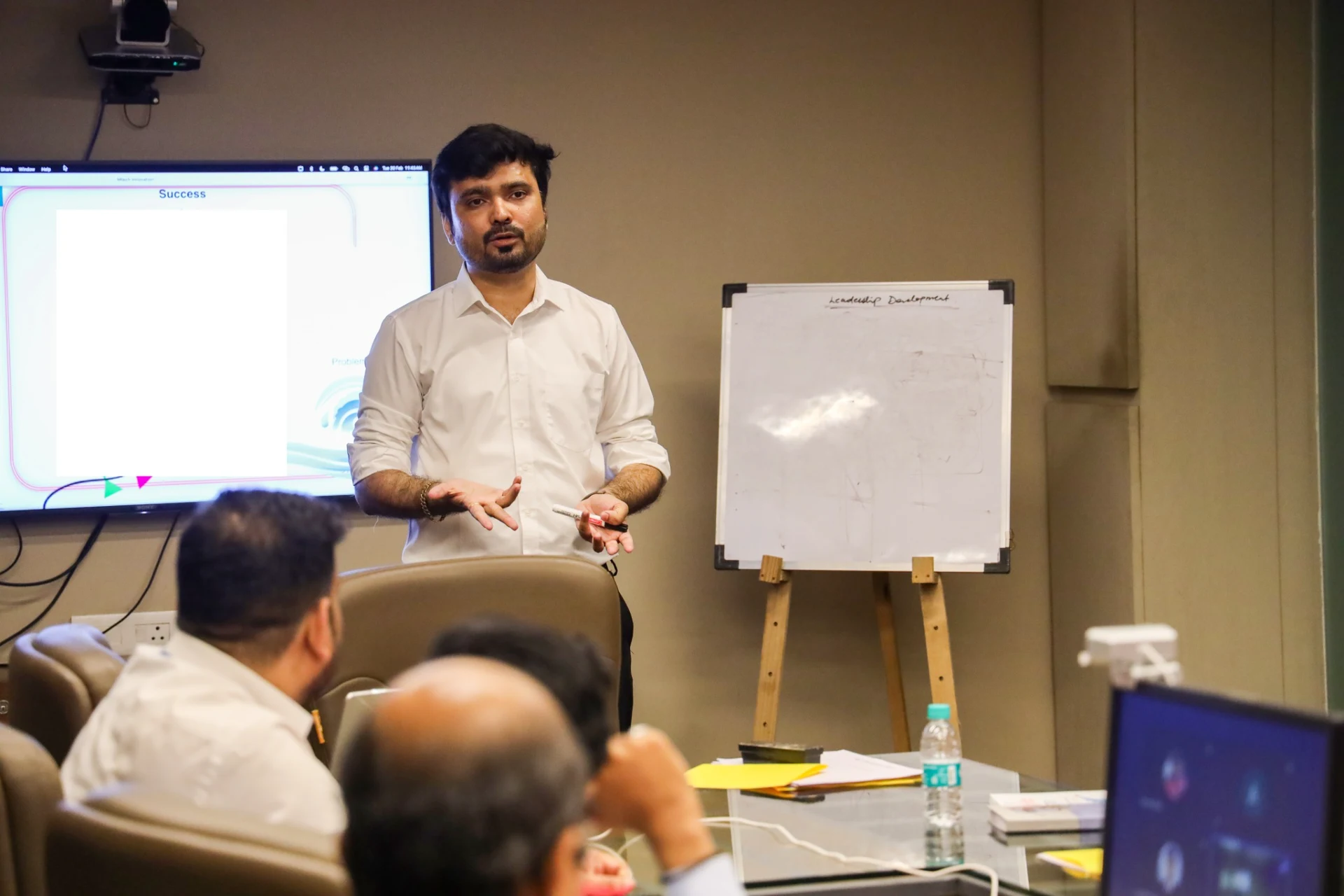
Avinash Chate - Corporate Coach at annual leadership conference
When Responsibility Is Tested: What Fukushima Fifty Teaches Us About Corporate CharacterEvery organization eventually faces a defining moment. It may not look dramatic from the outside, but inside the workplace, the pressure is real, uncertainty is high, and people are forced to choose between comfort and commitment. In such moments, responsibility stops being a job description and becomes a character test.
Key takeaway: True corporate responsibility begins when people choose duty over convenience, values over fear, and purpose over personal comfort.
I often tell leaders and teams that culture is not built during annual celebrations, motivational posters, or strategy meetings. Culture is built in moments of stress. It is built when deadlines tighten, when outcomes are unclear, when blame is easy, and when stepping back feels safer than stepping forward.
The story of the Fukushima Fifty is one such powerful reminder. In 2011, during the Fukushima nuclear disaster in Japan, a small group of engineers and workers stayed back under extreme risk to prevent a much larger catastrophe. They knew the danger. They understood the consequences. Yet they chose responsibility.
For me, this is not just a story of bravery. It is a masterclass in commitment, leadership, and corporate character. As Avinash Chate, I see this story as deeply relevant to every team, every manager, and every organization that wants to build trust-driven performance.
Responsibility Is Not a Policy, It Is a Personal Choice
Many organizations talk about ownership. They mention accountability in induction sessions, performance reviews, and leadership meetings. But responsibility cannot be activated only through policies. It becomes real only when individuals internalize it.
The Fukushima Fifty did not act because someone gave them a motivational speech in that moment. They acted because duty had become part of their identity. That is the difference between compliance and commitment.
In my corporate training sessions, I often ask participants a simple question: Do you do what is required only when it is safe and convenient, or do you do what is right even when it is difficult? The answer to that question defines the maturity of a professional.
Avinash Chate has worked with teams across 80+ organizations, and one pattern is clear to me: high-performing cultures are not built by talented people alone. They are built by responsible people. Talent may create speed, but responsibility creates trust.
That is why corporate responsibility should never be treated as a department, a slogan, or a ceremonial value. It must become a daily behavior. It must show up in how people communicate, support one another, solve problems, and respond under pressure.
What Leaders Must Learn from Crisis Behavior
In times of crisis, people do not simply follow instructions. They observe leadership. They watch tone, emotional control, clarity, and intent. If leaders panic, teams fragment. If leaders hide, teams lose confidence. If leaders blame, teams protect themselves instead of the mission.
The lesson here is powerful: leadership is most visible when the environment is most unstable.
I have always believed that leaders must become anchors, not amplifiers of fear. This is where the KITE Leadership Framework becomes highly relevant. A strong leader must create knowledge, inspire intent, build trust, and drive execution. During difficult times, these four dimensions become non-negotiable.
When I work with organizations such as JSW Steel, I see that sustainable performance comes from leaders who create psychological safety while also maintaining performance standards. They do not allow chaos to define the team. They help the team define the response to chaos.
As a TEDx speaker and author of The Winning Edge, I have spoken often about this truth: people do not need perfect leaders. They need dependable leaders. A dependable leader does not always have all the answers, but they create confidence that the team will face reality together.
Why Teams Collapse When Responsibility Becomes Optional
Most teams do not fail because of lack of intelligence. They fail because responsibility becomes selective. People start saying, “This is not my job,” “Someone else should handle it,” or “Why should I take the risk?” The moment this mindset spreads, the team weakens from within.
Responsibility is contagious, but so is avoidance.
That is why team building is not about games alone. It is about strengthening mutual trust, shared purpose, and emotional commitment. A team becomes reliable when every member understands that their actions affect the whole system of relationships and results.
In the Fukushima story, what stands out to me is not individual heroism alone. It is collective duty. A group of people chose to stand for something larger than themselves. That is the essence of a strong team.
In the corporate world, this may not involve life-threatening danger, but it does involve ethical pressure, customer commitments, internal conflicts, and moments where integrity is tested. The principle remains the same. If everyone protects only themselves, the institution suffers. If people protect the mission with maturity, the institution grows stronger.
This is also why I encourage readers to explore 5 Essential Managerial Behavioural Skills Every Manager Should Have in Mumbai. The title may mention one location, but the lessons on ownership, maturity, and people management apply to leaders everywhere.
How to Build a Culture Where People Step Up
Responsibility does not appear automatically during a crisis. It is cultivated much earlier. If you want people to step up under pressure, you must prepare them before pressure arrives.
Here are a few principles I strongly recommend.
- Clarify purpose repeatedly: People take responsibility faster when they understand why their work matters.
- Recognize ownership publicly: Celebrate those who solve problems, support others, and act with integrity.
- Train for emotional resilience: Teams need calm minds, not just capable hands.
- Reduce blame culture: If every mistake leads to humiliation, people will hide instead of helping.
- Model responsibility at the top: Leaders cannot demand ownership while avoiding it themselves.
These are not abstract ideas. They are practical culture builders. In my experience, when organizations invest in communication, leadership development, and value-based team building, employees begin to think beyond tasks. They begin to think like custodians of the organization.
Avinash Chate believes that the strongest workplaces are not those where people work out of fear. They are those where people act out of meaning, pride, and responsibility.
Courage in Corporate Life Is Often Quiet
When people hear the word courage, they often imagine dramatic acts. But in professional life, courage is often quiet. It is speaking the truth respectfully. It is standing by a colleague when pressure is high. It is taking ownership when others are looking for excuses. It is staying committed when recognition is absent.
This is the kind of courage organizations need today. Not loud confidence, but steady character.
I want every manager and every team member to reflect on this: when a difficult moment comes, what will define your response? Fear, convenience, and self-protection? Or responsibility, clarity, and collective commitment?
If this question resonates with you, I also recommend reading Best Motivational Speaker in Maharashtra — Top 10 Trainers 2026 and The Role of Corporate Training in Navigating Digital Transformation Challenges. While every article has its own context, the deeper message is consistent: organizations grow when people grow in mindset, responsibility, and leadership maturity.
The Real Test of Corporate Character
The story of the Fukushima Fifty reminds us that the real test of any institution is not what it says in safe times. The real test is what its people do in difficult times.
Corporate responsibility is not only about external image. It is about internal character. It is about whether people can be trusted when pressure rises. It is about whether leaders can hold the team together. It is about whether values remain active when fear enters the room.
As Avinash Chate, I believe every organization must ask itself a hard but necessary question: are we building employees who only perform when monitored, or are we building professionals who can be trusted when it matters most?
That answer determines long-term credibility, culture, and growth.
If you want to build a culture of ownership, leadership, and responsibility in your organization, I invite you to book a corporate training session. The future belongs to teams that do not run away from responsibility. They rise to it.
Frequently Asked Questions
What is the main leadership lesson from the Fukushima Fifty story?
The biggest lesson is that responsibility becomes meaningful only when people choose duty even under pressure. Leadership is not only about authority. It is about courage, clarity, and commitment during difficult moments.
How can organizations build a stronger sense of responsibility among employees?
Organizations can build responsibility by clarifying purpose, recognizing ownership, reducing blame culture, training managers in behavioral skills, and ensuring leaders model accountability consistently.
Why do teams fail during crisis situations?
Teams often fail when responsibility becomes optional, communication breaks down, and individuals focus more on self-protection than shared goals. A lack of trust and emotional resilience also weakens team response.
What role does corporate training play in building responsible teams?
Corporate training helps people strengthen communication, emotional resilience, leadership behavior, and team alignment. It prepares individuals to respond maturely when pressure rises.
How can managers inspire accountability without creating fear?
Managers can inspire accountability by setting clear expectations, offering support, recognizing initiative, giving constructive feedback, and creating a culture where people feel safe to take ownership.
Related Articles by Avinash Chate
- The Power of Emotional Intelligence at Workplace in Mumbai
- The Tetra Pak Lesson: Solve the Real Problem, Not the Visible One
- Corporate Training in Nashik for Sinnar MIDC and Emerging Industrial Corridors
About the Author
Avinash Chate is a TEDx speaker, published author of The Winning Edge and The Unanswered, and founder of The Future Corporate & Business Coaching. With over 15 years of experience training 80+ organizations including Mumbai Port Authority, NRB Bearings, CIE Aluminium casting India Ltd, Morbull Solutions, Avinash is recognized as Maharashtra's leading corporate trainer. He created the KITE Leadership Framework and the 25-Star Competency Framework™, delivering high-impact programs across leadership, team building, sales transformation, and emotional intelligence.
📞 +91 8793630001 | ✉️ connect@avinashchate.com | 🌐 avinashchate.com
Book Avinash Chate for Your Next Event
Maharashtra's #1 Corporate Trainer · India's leading Motivational Speaker & Team Building Expert · 2x TEDx · Available across India in English, Hindi & Marathi.
✅ Thanks! Avinash team will reach out within 24 hours.'}).catch(function(e){f.outerHTML='Something went wrong. WhatsApp +91 8793630001
'});return false;"> Select Service Motivational Speaking / Keynote Team Building Workshop Corporate Training / Leadership Development Manager Development Employee Training Outbound Training Book Avinash Now →Or WhatsApp directly: +91 87936 30001
Avinash Chate services
Corporate Trainer in Maharashtra · Top Corporate Trainers in Maharashtra · Leadership Trainer in Maharashtra · Top Leadership Trainers in Maharashtra · Team Building Trainer in Maharashtra · Top Team Building Trainers in Maharashtra · Motivational Speaker in Maharashtra · Top Motivational Speakers in Maharashtra · All service locations
← Back to all articles · Book Avinash Chate
By Avinash Chate — Maharashtra’s #1 Corporate Trainer & Motivational Speaker. .