Mary Kom Controversy सारखं तुमच्या Office मध्ये घडतंय का?
Office किंवा partnership मध्ये trust एका दिवसात तुटत नाही. तो हळूहळू erosion होत जातो. Mary Kom Controversy मध्ये जे आपण पाहिलं, ते फक्त personal matter नाही. त...
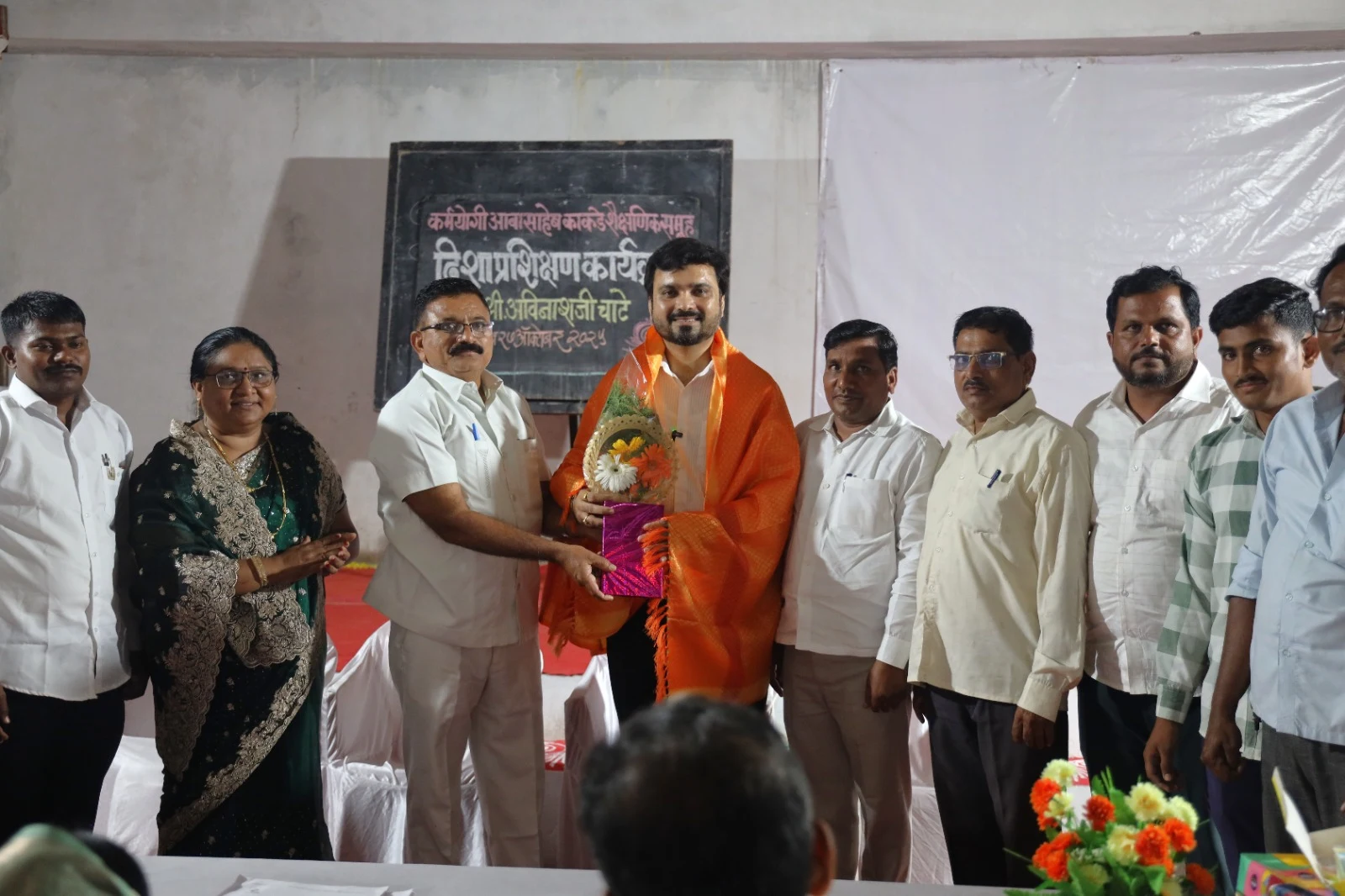
Avinash Chate - Corporate Training Expert at team building workshop
When Trust Erodes at Work: The Silent Breakdown Behind Team and Partnership ConflictsIn my experience, trust in an office, a team, or a business partnership does not collapse in a single day. It weakens slowly. It gets damaged in small moments that people ignore. A missed conversation here, an unspoken disappointment there, a growing assumption that the other person no longer cares. Over time, these small cracks become deep emotional distance.
Key takeaway: Most workplace conflicts are not caused by one big betrayal. They are caused by silence, assumptions, and the lack of honest communication over time.
As Avinash Chate, I have seen this pattern repeatedly while working with leaders, founders, managers, and teams across 80+ organizations. Whether it is a business started by close friends, a high-performing team inside a company, or a leadership partnership at the top, the story is often the same. People stop talking openly before they start blaming each other openly.
That is why this topic matters so much. A controversy may look personal from the outside, but the lesson behind it is deeply professional. In workplaces too, relationships break when communication becomes selective, respect becomes conditional, and transparency disappears.
As a TEDx speaker and author of The Winning Edge, I believe one of the biggest responsibilities of leadership is not just driving results. It is protecting trust before it starts eroding.
Why Trust Breaks Quietly Before It Breaks Publicly
Most people imagine conflict as something loud. An argument. A confrontation. A resignation. A legal dispute. A dramatic fallout. But the real damage starts much earlier and much more quietly.
In many offices, the first warning sign is not anger. It is avoidance. People stop sharing updates. They begin filtering information. They assume the other person will not understand. They postpone difficult conversations because they want to “keep the peace.” Ironically, this false peace becomes the foundation of future conflict.
I often tell participants in my corporate training sessions that trust is like emotional credibility. It grows when words, actions, and intentions stay aligned. The moment alignment weakens, doubt enters the relationship.
For example, one partner may feel, “I am carrying more responsibility.” The other may feel, “I am not being valued for what I contribute.” Neither says it clearly. Both keep functioning. Outwardly, work continues. Internally, resentment grows.
When people stop clarifying, they start assuming. When they start assuming, they begin misjudging. And when misjudgment becomes a habit, trust begins to die.
This is exactly why leaders must pay attention not only to performance indicators, but also to relationship indicators.
The Common Pattern I See in Teams and Partnerships
Let me simplify the pattern I have observed over the years. It usually begins with shared enthusiasm. Two people or two departments start with mutual respect. Roles are clear enough. Intentions are positive. Energy is high.
Then growth happens. Pressure increases. Priorities change. Expectations become more complex. But communication does not evolve at the same pace.
That is where the trouble begins.
Meetings become less frequent or less honest.
Feedback becomes indirect.
Important concerns are discussed with others, not with the concerned person.
One side feels excluded from decisions.
The other side feels constantly questioned or mistrusted.
At this stage, people are still working together, but they are no longer emotionally aligned. They are cooperating mechanically, not collaborating wholeheartedly.
As Avinash Chate, I have noticed that many teams mistake proximity for connection. Just because people sit in the same office or attend the same review meetings does not mean trust is healthy. Real trust requires openness, consistency, and the courage to address discomfort early.
This is one of the reasons leadership development is so important. Through the KITE Leadership Framework, I emphasize that effective leaders do not wait for conflict to explode. They create a culture where difficult conversations can happen with dignity and clarity.
How Silence and Assumptions Damage Professional Relationships
Silence is often misunderstood as maturity. Many professionals feel that staying quiet is the same as being professional. It is not always true. Sometimes silence is simply fear in a polished form.
People stay silent because they do not want confrontation. They stay silent because they fear rejection, misunderstanding, or politics. They stay silent because they hope the issue will disappear on its own.
But unresolved emotions do not disappear. They change shape.
Silence becomes distance. Distance becomes suspicion. Suspicion becomes storytelling.
And once storytelling begins, every action gets interpreted negatively.
If someone misses a meeting, it is seen as disrespect. If someone delays a response, it is seen as manipulation. If someone makes an independent decision, it is seen as disloyalty. The facts matter less than the emotional lens through which they are viewed.
This is why communication is not just about speaking more. It is about speaking clearly, early, and honestly.
I have worked with institutions such as Maharashtra Institute of Technology, and one lesson remains universal across audiences: strong teams are not free from misunderstandings; they are skilled at resolving them before they become identity-level conflicts.
If you want to build stronger people skills, leadership awareness, and emotional maturity in teams, you may also enjoy reading Corporate Training for IT Companies in Pune: Agile Leadership and Team Motivation. The context may differ, but the human challenges of trust, motivation, and accountability remain deeply relevant.
What Leaders Must Do Before Trust Collapses
If you are a founder, manager, team leader, or business partner, your role is not to avoid discomfort. Your role is to create clarity.
Here are a few practices I strongly recommend.
1. Make expectations discussable
Do not assume people know what you expect from them. Discuss responsibilities, boundaries, decision rights, and communication norms openly. Ambiguity is one of the biggest enemies of trust.
2. Address emotional undercurrents early
Whenever energy changes between people, do not ignore it. A simple conversation can prevent a major breakdown. Ask, listen, and clarify before assumptions harden.
3. Separate intent from impact
Many conflicts continue because one person keeps defending intent while the other is hurt by impact. Mature communication requires both to be acknowledged. You may not have intended harm, but the impact still needs attention.
4. Build a culture of direct conversation
Encourage people to speak to each other, not about each other. Gossip gives temporary relief but creates long-term damage.
5. Review trust, not just tasks
In team reviews, do not only ask, “What is the progress?” Also ask, “Where are we misaligned? What is not being said? What needs clarification?”
This is the kind of leadership mindset I speak about in my sessions as Avinash Chate. Sustainable performance is built on healthy human equations, not just smart plans.
How to Rebuild Trust Once It Has Been Damaged
Let me be honest. Rebuilding trust is harder than building it. But it is possible if both sides are willing to move from ego to honesty.
The first step is acknowledgement. Not justification. Not image management. Acknowledgement.
People need to feel that what they experienced is being heard. Without that, every attempt at reconciliation feels superficial.
The second step is specificity. Vague apologies do not rebuild trust. Clear ownership does. What exactly went wrong? What was not communicated? What expectation was violated? What pattern needs to stop?
The third step is consistency. Trust does not return because of one emotional conversation. It returns when new behavior is repeated over time.
I often say that trust is rebuilt in installments. One honest meeting. One fulfilled commitment. One respectful disagreement. One transparent update. Slowly, confidence returns.
If you are interested in deeper reflection on human potential and overlooked strengths, I also recommend reading The Hidden Talent of Rural Children We Often Overlook. It reminds us that growth begins when we truly learn to see people beyond assumptions.
The Real Leadership Lesson: Protect the Relationship Before the Result Suffers
Many professionals focus on output until the relationship becomes too damaged to support the output. That is backwards. Healthy relationships are not a soft extra in the workplace. They are the foundation of execution, commitment, and resilience.
As a corporate trainer, TEDx speaker, and author of The Winning Edge, I believe leadership is tested most not in public speeches, but in private conversations. Can you speak truth without insulting? Can you listen without becoming defensive? Can you clarify before judging? Can you repair before replacing?
These are not just communication skills. These are career-defining life skills.
If your team is under pressure, if your managers are struggling with trust gaps, or if your organization wants to strengthen leadership, collaboration, and accountability, this is the right time to act. You can also explore Motivational Speaker for Mumbai Real Estate Companies — Energizing Sales Teams at Godrej Properties, Lodha, and Oberoi for additional insights on motivation and team energy.
When trust is protected, performance becomes stronger. When communication becomes honest, relationships become lighter. And when leaders choose clarity over silence, teams stop drifting and start growing again.
If this is a challenge your organization is facing, book a corporate training session. I would be glad to help your people build the trust, communication, and leadership maturity that lasting success demands.
Frequently Asked Questions
How do I know if trust is eroding in my team?
Common signs include reduced openness, indirect communication, delayed feedback, growing assumptions, emotional distance, and people discussing concerns outside the room instead of addressing them directly.
Can workplace trust be rebuilt after a serious conflict?
Yes, but it requires honest acknowledgement, clear communication, specific corrective actions, and consistent behavior over time. Trust is rebuilt gradually through repeated credibility.
Why do business partnerships often fail even when the intention is good?
Partnerships usually fail not because intention was bad, but because expectations were unclear, communication became infrequent, and unresolved emotions turned into assumptions and resentment.
What is the leader’s role in preventing trust breakdown?
A leader must create clarity, encourage direct conversations, address emotional undercurrents early, and build a culture where people can disagree respectfully without damaging the relationship.
How can corporate training help improve trust and communication?
Corporate training helps teams develop self-awareness, listening skills, conflict resolution ability, emotional intelligence, leadership maturity, and practical communication habits that strengthen trust and collaboration.
Related Articles by Avinash Chate
- The Untold Truth Behind UPSC and MPSC Failure: What 99% of Aspirants Are Never Told
- Motivational Speaker for Mumbai's Hybrid Work Challenges — Bridging the Office-WFH Divide in India's Corporate Capital
- Best Motivational Speaker in Maharashtra — Top 10 Trainers 2026
About the Author
Avinash Chate is a TEDx speaker, published author of The Winning Edge and The Unanswered, and founder of The Future Corporate & Business Coaching. With over 15 years of experience training 80+ organizations including Rajarambapu Patil Sahakari Sakhar Karkhana Limited, Magnus Farm Fresh, Gurukul English School, Kiran Gems, Avinash is recognized as Maharashtra's leading corporate trainer. He created the KITE Leadership Framework and the 25-Star Competency Framework™, delivering high-impact programs across leadership, team building, sales transformation, and emotional intelligence.
📞 +91 8793630001 | ✉️ connect@avinashchate.com | 🌐 avinashchate.com
Book Avinash Chate for Your Next Event
Maharashtra's #1 Corporate Trainer · India's leading Motivational Speaker & Team Building Expert · 2x TEDx · Available across India in English, Hindi & Marathi.
✅ Thanks! Avinash team will reach out within 24 hours.'}).catch(function(e){f.outerHTML='Something went wrong. WhatsApp +91 8793630001
'});return false;"> Select Service Motivational Speaking / Keynote Team Building Workshop Corporate Training / Leadership Development Manager Development Employee Training Outbound Training Book Avinash Now →Or WhatsApp directly: +91 87936 30001
Avinash Chate services
Corporate Trainer in Maharashtra · Top Corporate Trainers in Maharashtra · Leadership Trainer in Maharashtra · Top Leadership Trainers in Maharashtra · Team Building Trainer in Maharashtra · Top Team Building Trainers in Maharashtra · Motivational Speaker in Maharashtra · Top Motivational Speakers in Maharashtra · All service locations
← Back to all articles · Book Avinash Chate
By Avinash Chate — Maharashtra’s #1 Corporate Trainer & Motivational Speaker. .