Tupperware Collapse Explained: Why Success Strategies Can Destroy Your Career
Many professionals continue using the same skills and strategies that once made them successful, without realizing that the world around them has already change...
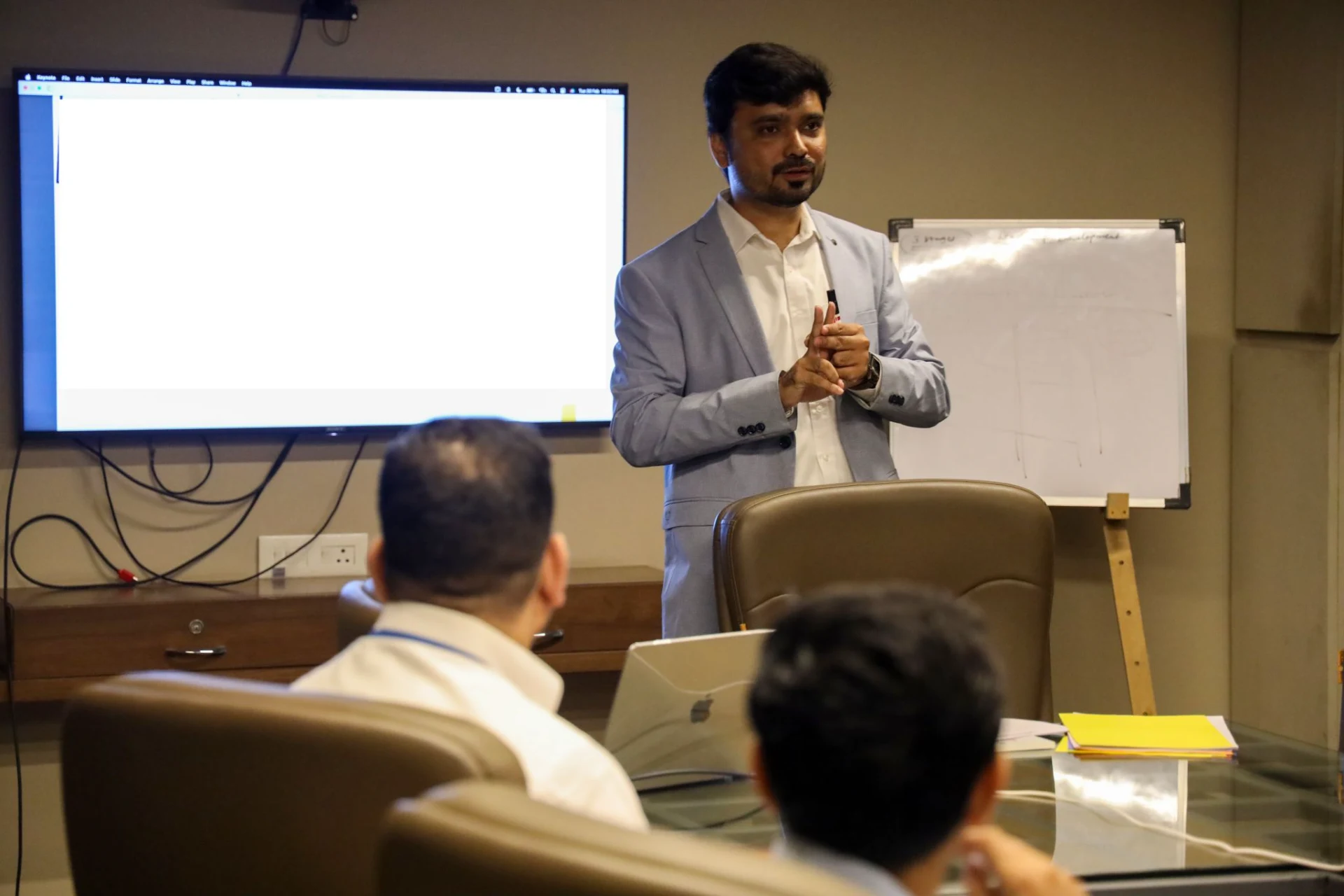
Avinash Chate - TEDx Speaker delivering keynote at corporate event
When Yesterday’s Success Becomes Today’s Biggest RiskI have seen this pattern repeatedly in professionals, managers, sales teams, and even business leaders across industries. The very strategy that once gave them recognition, confidence, and results slowly becomes the reason they stop growing. They keep doing what worked in the past, believing consistency is strength, without noticing that the world around them has already changed.
Key takeaway: success is never dangerous by itself, but attachment to old success patterns can quietly destroy future relevance.
This is exactly why the story behind Tupperware is so powerful. It is not just a business story. It is a human story. It is a leadership story. It is a career story. And for me, it is one of the best reminders that if we do not evolve, our strengths can turn into limitations.
As Avinash Chate, I often tell professionals in my corporate training sessions that collapse rarely happens in one dramatic moment. It happens slowly. First, people stop questioning themselves. Then they stop learning. Then they defend old methods. And finally, they become irrelevant while still believing they are experienced.
Tupperware became iconic because it understood people, relationships, trust, and influence. Its home party model was once brilliant. It created community, personal recommendation, and emotional selling. But when buying behavior changed, when convenience became king, and when customers wanted easier access through modern marketplaces, the old formula was no longer enough. The lesson for all of us is simple: if your identity is tied only to one method, one style, or one old strength, you are at risk.
Your career does not decline because you lack talent. It declines when you stop adapting your talent to a changing world.
The Real Problem Is Not Failure, It Is Fixed Thinking
Most people are afraid of failure. But in my experience, fixed thinking is often more dangerous than failure. Failure can make you reflect. Fixed thinking makes you rigid. It convinces you that because something worked before, it must continue to work forever.
That belief is comforting, but it is also costly.
Many professionals build their identity around one capability. A salesperson says, “I know how to convince people.” A manager says, “I have always handled teams this way.” A leader says, “This approach built my career.” And all of that may be true. But the question is not whether it worked before. The question is whether it still works now.
As a TEDx speaker and author of The Winning Edge, I have interacted with people from 80+ organizations, and one pattern stands out clearly: high performers often struggle to reinvent themselves because past success gives them emotional comfort. They do not want to let go of what once made them valuable.
But growth demands that we update ourselves. Confidence is useful only when it is combined with awareness. Otherwise, confidence becomes blind stubbornness.
How Old Strengths Quietly Become New Weaknesses
This is where many careers begin to slow down without people realizing it. A person who was once appreciated for discipline becomes too controlling. Someone known for confidence becomes unapproachable. A leader respected for decisiveness stops listening. A salesperson admired for persistence becomes pushy. A manager praised for process orientation becomes resistant to change.
What changed? The quality did not disappear. The context changed.
That is why I always emphasize self-awareness in leadership and personal growth. Your strengths are valuable, but they are not permanent answers. They must be refined, adjusted, and aligned with changing expectations.
The Tupperware story is a reminder that even a powerful model can become a trap when people confuse proven success with permanent relevance. The same thing happens in careers. Professionals continue using the same communication style, same leadership approach, same selling method, and same mindset long after the environment has shifted.
In one of my sessions with teams from CIE Aluminium casting India Ltd, I discussed how performance today is not only about working hard. It is about reading people, understanding change, and responding with agility. The organizations and individuals who thrive are not always the strongest in the old game. They are the ones who learn the new game faster.
Why Adaptability Is a Human Skill, Not a Trend
When people hear the word adaptability, they often think of market changes or external shifts. But I see adaptability as a deeply human skill. It begins with humility. It requires emotional maturity. It demands that we accept one difficult truth: what brought us here may not take us further.
Adaptability is not about abandoning your values. It is about updating your methods. Your integrity can remain the same. Your commitment can remain the same. Your work ethic can remain the same. But your way of connecting, leading, influencing, and contributing must evolve.
This is why the KITE Leadership Framework is so relevant in today’s workplace. It reminds us that leadership is not static. It requires knowledge, influence, transformation, and execution in balance. When one part becomes outdated, the leader begins to lose effectiveness even if intention remains good.
Avinash Chate believes that professionals must regularly ask themselves a few uncomfortable questions. Am I learning fast enough? Am I listening deeply enough? Am I too proud of my old strengths? Am I still relevant to the people I serve? These questions are not signs of weakness. They are signs of maturity.
If you want to strengthen this mindset further, I also recommend reading Top 5 Leadership Training Programs in India for Senior Managers in Maharashtra because leadership growth depends on continuous reinvention, not one-time success.
The Career Trap of Repeating What Once Worked
One of the biggest mistakes professionals make is assuming repetition equals mastery. It does not. Repetition without reflection often becomes stagnation. True mastery includes renewal.
I have met people who are hardworking, sincere, and experienced, yet they feel invisible in their organizations. Their frustration is real. They say, “I am doing everything I always did.” And that is exactly the problem. They are doing everything they always did, while expectations, team dynamics, customer behavior, and workplace culture have already moved ahead.
Your experience is valuable, but only when it remains relevant. Otherwise, experience becomes memory, not capability.
This is especially important for ambitious professionals who want to grow into leadership roles. Leadership today is not just about authority or knowledge. It is about emotional intelligence, communication, team alignment, trust building, and the ability to inspire people through change. If your style does not evolve, your influence will shrink.
This lesson is not limited to business. It applies to students, job seekers, managers, entrepreneurs, and anyone who wants to remain effective in a changing environment. In fact, the broader principle of self-correction is something I also explore through a different lens in The Untold Truth Behind UPSC and MPSC Failure: What 99% of Aspirants Are Never Told. The central idea is the same: effort alone is not enough if direction is outdated.
What Professionals Must Do Before Their Relevance Declines
So what should you do if you do not want yesterday’s success to become tomorrow’s weakness?
First, review your strengths honestly. Ask yourself whether your biggest strength is still creating value or whether it is now creating friction. Sometimes the answer is uncomfortable, but it is necessary.
Second, seek feedback without becoming defensive. Feedback is one of the fastest ways to detect blind spots. The people around you often notice your outdated patterns before you do.
Third, keep learning beyond your comfort zone. Do not only sharpen what you are already good at. Develop the capabilities that your next level of growth demands.
Fourth, observe changing expectations. Whether you are leading a team, serving clients, or building your own career, relevance comes from understanding what people need now, not what they needed five years ago.
Fifth, detach your ego from old methods. This is difficult, but essential. Mature professionals do not worship their past. They learn from it and move forward.
As Avinash Chate, I have seen that the most respected leaders are not those who keep talking about their past victories. They are the ones who remain curious, grounded, and adaptable. Their confidence comes from growth, not nostalgia.
You may also find it useful to explore Transform Your Business with Automated WhatsApp Systems from the perspective of changing customer expectations and communication behavior. The real insight is not about tools. It is about staying responsive to how people prefer to connect and engage.
The Final Leadership Lesson from Tupperware
For me, the rise and fall of Tupperware is not a story about one company alone. It is a warning for every professional who believes past success guarantees future security. It does not.
The world rewards value, not history. It respects contribution, not nostalgia. It promotes those who can grow with changing realities.
If you want a meaningful career, do not just protect your old strengths. Re-examine them. Re-shape them. Re-apply them. That is how relevance is maintained. That is how leaders stay effective. That is how professionals avoid silent decline.
Avinash Chate often says that growth begins the moment we stop saying, “This has always worked for me,” and start asking, “What does this moment require from me now?” That one shift can transform your career, your leadership, and your future.
If you want your team or organization to build adaptability, communication strength, leadership depth, and a growth mindset, book a corporate training session. The future belongs to those who are willing to evolve before they are forced to.
Frequently Asked Questions
Why can past success become dangerous in a career?
Past success becomes dangerous when it creates overconfidence and stops a person from adapting. A method that worked earlier may not work in a changed environment, and relying on it blindly can reduce relevance.
What is the main career lesson from the Tupperware story?
The main lesson is that success models must evolve with changing customer behavior and expectations. In careers too, professionals must keep updating their mindset, communication, and leadership approach.
How can professionals know if their strengths are becoming weaknesses?
They can identify this through honest self-reflection, feedback from others, and by observing whether their usual style is still producing trust, results, and influence in the current environment.
Why is adaptability important for leadership?
Adaptability helps leaders stay relevant, connect better with people, respond to changing expectations, and guide teams effectively through uncertainty. Without adaptability, leadership becomes rigid and less effective.
How can corporate training help teams avoid stagnation?
Corporate training helps teams build self-awareness, communication skills, leadership capability, motivation, and a growth mindset. It encourages people to update their approach before outdated habits begin affecting performance.
About the Author
Avinash Chate is a TEDx speaker, published author of The Winning Edge and The Unanswered, and founder of The Future Corporate & Business Coaching. With over 15 years of experience training 80+ organizations including Ferrero Rocher, Bangdiwala Group, Ellora Natural Seed Pvt Ltd, Veritas Engineering & Erectors, Avinash is recognized as Maharashtra's leading corporate trainer. He created the KITE Leadership Framework and the 25-Star Competency Framework™, delivering high-impact programs across leadership, team building, sales transformation, and emotional intelligence.
📞 +91 8793630001 | ✉️ connect@avinashchate.com | 🌐 avinashchate.com
Book Avinash Chate for Your Next Event
Maharashtra's #1 Corporate Trainer · India's leading Motivational Speaker & Team Building Expert · 2x TEDx · Available across India in English, Hindi & Marathi.
✅ Thanks! Avinash team will reach out within 24 hours.'}).catch(function(e){f.outerHTML='Something went wrong. WhatsApp +91 8793630001
'});return false;"> Select Service Motivational Speaking / Keynote Team Building Workshop Corporate Training / Leadership Development Manager Development Employee Training Outbound Training Book Avinash Now →Or WhatsApp directly: +91 87936 30001
Related Articles by Avinash Chate
- Sustainability Training for Employees: Why Mindset Beats Labels
- Givers vs Takers vs Matchers: Which Mindset Builds Leaders?
- Skill Se Zyada Behavior: Why Attitude Beats Talent India 2026
Work with Avinash Chate
- Best Motivational Speaker in Pune →
- Best Motivational Speaker in Maharashtra →
- Best Motivational Speaker in Mumbai →
Avinash Chate services
Corporate Trainer in Maharashtra · Top Corporate Trainers in Maharashtra · Leadership Trainer in Maharashtra · Top Leadership Trainers in Maharashtra · Team Building Trainer in Maharashtra · Top Team Building Trainers in Maharashtra · Motivational Speaker in Maharashtra · Top Motivational Speakers in Maharashtra · All service locations
← Back to all articles · Book Avinash Chate
By Avinash Chate — Maharashtra’s #1 Corporate Trainer & Motivational Speaker. .