When You Have No Money, This Is What Destroys Your Career
When money becomes tight, most professionals make one dangerous mistake. They start avoiding calls, stop meeting people, and isolate themselves. Slowly, stress ...
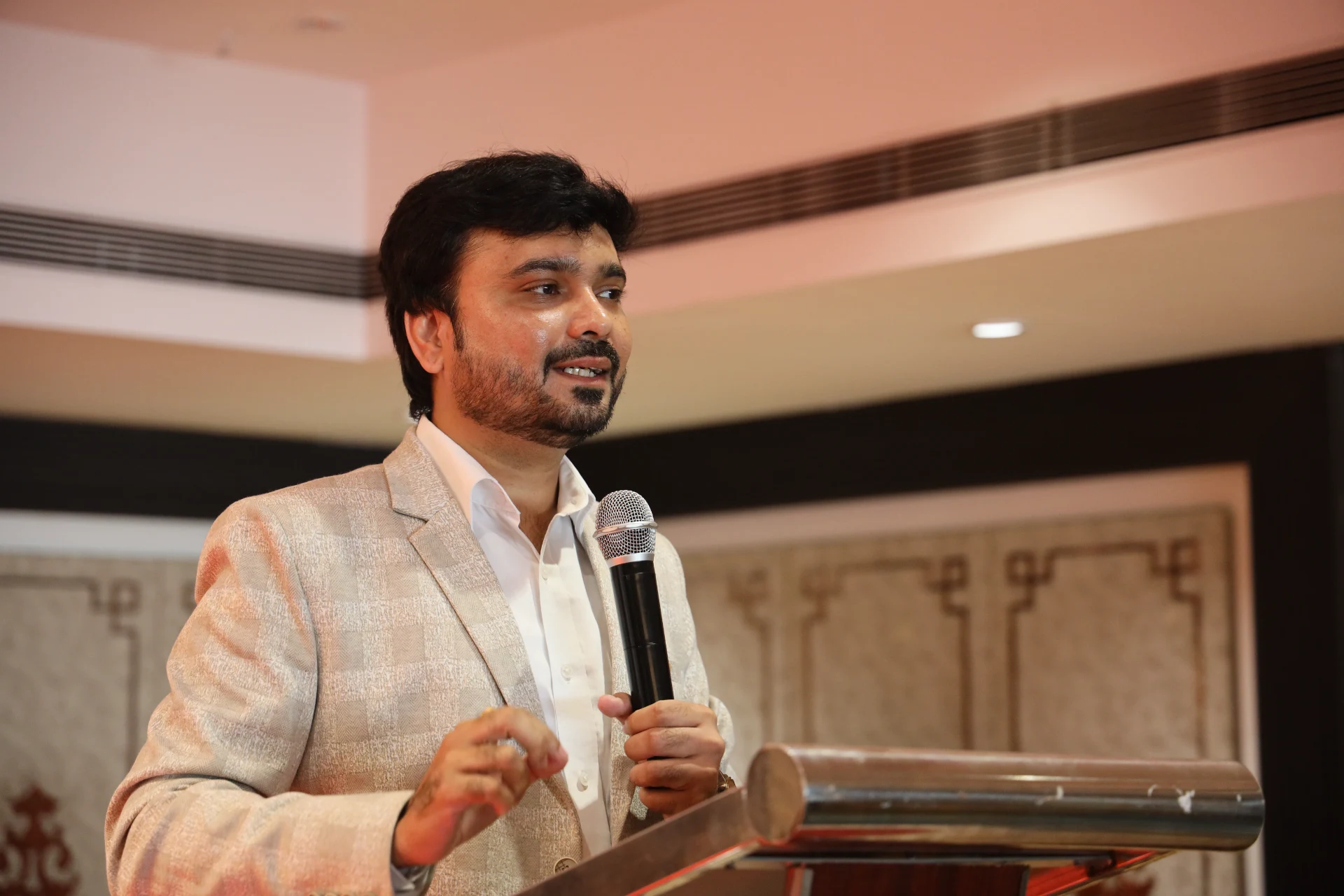
Avinash Chate - Corporate Training Expert at team building workshop
When You Have No Money, Don’t Make This Career-Destroying MistakeThere is one mistake I have seen professionals make again and again when money becomes tight. They stop calling people. They avoid meetings. They disappear from conversations. They isolate themselves and hope the problem will solve itself.
Key takeaway: financial pressure is difficult, but isolation is what silently destroys your confidence, relationships, and career momentum.
As Avinash Chate, I have interacted with professionals across 80+ organizations, and I can tell you this with complete conviction: lack of money is not always the biggest danger. The bigger danger is the mindset that comes with it. When stress increases, many people withdraw. They feel ashamed, distracted, and mentally exhausted. But the moment you disconnect from people, you disconnect from opportunities.
I am sharing this not just as a corporate trainer, but as someone who has spent years observing human behavior under pressure. As a TEDx speaker and author of The Winning Edge, I have seen a clear pattern. Average professionals shrink during difficult times. Strong professionals stay visible, stay connected, and stay active.
Your worst financial phase should not become your worst networking phase.
Why Financial Stress Pushes People Into Isolation
When money is low, the mind becomes heavy. Every conversation starts feeling uncomfortable. You begin to assume that people will judge you. You think, “Let me first fix my situation, then I will reconnect.” But that thinking becomes a trap.
Stress changes behavior. It reduces energy, weakens communication, and creates self-doubt. A person who was once enthusiastic becomes hesitant. A professional who used to take initiative starts postponing calls and delaying responses. Slowly, the outside world interprets this as lack of seriousness.
This is where careers begin to suffer. Not because the person lacks talent, but because they disappear from the spaces where visibility matters.
I often tell participants in my sessions that difficult times test not only your patience, but also your relationship discipline. When you feel low, your instinct may be to hide. But growth demands the opposite. You must remain engaged.
What Average Professionals Do During Tough Times
Let us be honest. Most people under financial pressure become reactive. They overthink. They compare themselves with others. They start believing that everyone else is doing better. This emotional spiral damages performance.
Here is what average professionals commonly do:
- They stop answering calls from mentors, clients, or colleagues.
- They avoid professional gatherings and networking opportunities.
- They delay important conversations because they feel embarrassed.
- They allow negative self-talk to dominate their day.
- They reduce effort at exactly the time when effort is most needed.
This behavior does not protect them. It weakens them further. The less they communicate, the more disconnected they feel. The more disconnected they feel, the less confident they become. Then even small tasks feel difficult.
Avinash Chate has often said in training rooms that confidence is not built by waiting for perfect conditions. Confidence is built by taking action even when conditions are imperfect.
What Star Performers Do Differently
Star performers are not free from stress. They also face uncertainty. They also have moments of fear. The difference is in their response.
They stay in touch. They continue conversations. They ask for guidance. They show up with dignity, even when life feels unstable. They understand that relationships are not only for good times. Relationships are the bridge through difficult times.
In my leadership and motivation sessions, I connect this idea with the KITE Leadership Framework. One of the most powerful lessons from this framework is that emotional steadiness and engagement matter deeply in moments of pressure. A professional who can manage emotions, maintain trust, and keep interacting with people creates possibilities even in adversity.
Star performers do a few simple but powerful things:
- They maintain daily contact with their professional circle.
- They keep learning and improving their communication.
- They ask, “How can I contribute?” instead of only thinking, “What is wrong with me?”
- They remain visible through action, attitude, and consistency.
- They protect self-respect without cutting off support.
That is why they recover faster. Opportunities often come through people, not through isolation.
How Isolation Damages Career Growth and Financial Recovery
Many professionals think isolation is temporary and harmless. It is not. It creates a chain reaction.
First, your emotional energy drops. Then your communication quality suffers. Then your professional presence reduces. Then people stop considering you for opportunities because they do not see your interest or availability. Soon, the very network that could have helped you starts becoming distant.
This is why I insist that communication is not just a soft skill. It is a survival skill. During hard times, your ability to speak, connect, ask, listen, and follow up becomes even more important.
I have seen this in interactions with institutions and organizations such as the Institute of Company Secretaries of India, where professionals understand that competence alone is not enough. Your mindset, responsiveness, and relationship strength shape your long-term success.
If you are under financial pressure today, do not make silence your strategy. Silence may feel safe, but it is expensive. It costs momentum, trust, and visibility.
If burnout is also affecting your motivation, I recommend reading 7 Effective Strategies for Managing Employee Burnout in Corporate Settings. It will help you understand how emotional exhaustion influences professional behavior.
Five Practical Steps to Stay Strong When Money Is Tight
Let me make this practical. If you are going through a financially difficult phase, here are five actions I strongly recommend.
1. Stay reachable
Answer calls. Reply to messages. Even a short, respectful response keeps relationships alive. People appreciate honesty and consistency more than perfection.
2. Keep meeting people
Do not disappear from professional circles. Attend conversations, connect with peers, and remain present. One conversation can open an unexpected door.
3. Watch your self-talk
When money is low, negative thoughts become louder. Replace “I am finished” with “I am in a phase, and I will move through it.” Language shapes emotional strength.
4. Focus on contribution
Ask yourself how you can add value. Help someone. Share an idea. Offer support. Contribution restores confidence because it reminds you that you still matter.
5. Build disciplined routines
Wake up with purpose. Dress with intention. Speak with energy. Follow a structure. Your routine can protect your mindset when circumstances are unstable.
These may look simple, but simple disciplines create powerful recovery.
Your Network Is Not a Luxury, It Is Your Lifeline
One of the biggest misconceptions people have is that networking is only for ambitious growth phases. I disagree. Your network matters most when life becomes uncertain.
When you stay connected, you receive not only opportunities, but also perspective. People remind you that one bad phase does not define your future. They help you think clearly. They introduce you to possibilities you may not see on your own.
As Avinash Chate, I always encourage professionals to build relationship capital before they desperately need it, and to protect it especially when they feel vulnerable. Pride should never become a wall between you and progress.
If you are serious about becoming more resilient in changing environments, also read Change Management Training for Indian Manufacturing Companies in Maharashtra. The lessons on adaptability and mindset are valuable for any professional. And if you want a broader perspective on what shapes future-ready leadership, explore AI and Data Will Decide the Next Market Leaders from the lens of leadership preparedness and business awareness.
The core lesson remains the same: when pressure rises, do not disconnect from people. Stay visible. Stay grounded. Stay active.
Money problems can be temporary. But the habits you build during those problems can either strengthen your future or damage it. Choose wisely.
If you want to build stronger professional confidence, communication, leadership presence, and resilience in your team, book a corporate training session with Avinash Chate.
Frequently Asked Questions
Why do professionals isolate themselves during financial stress?
Many professionals feel embarrassed, anxious, or mentally overwhelmed during financial difficulty. This often leads them to avoid conversations and withdraw from people, even though connection is exactly what they need most.
How does isolation affect career growth?
Isolation reduces visibility, weakens relationships, and limits access to opportunities. When people stop hearing from you, they may assume you are unavailable, disengaged, or not interested.
What should I do first if I am facing financial pressure?
Start by staying reachable and maintaining communication. Speak to trusted mentors, colleagues, and professional contacts. Do not let stress cut you off from support and possibility.
Can communication really help during a money crisis?
Yes. Communication keeps trust alive, preserves relationships, and helps you stay mentally engaged. It also opens doors to guidance, opportunities, and encouragement when you need them most.
How can corporate training help professionals handle pressure better?
Corporate training helps individuals build emotional resilience, communication skills, leadership mindset, and practical habits that improve performance under stress. These skills are essential for long-term career success.
Related Articles by Avinash Chate
- Motivational Speaker for Pune BPO and KPO Night-Shift Teams — Combating Burnout and Boosting Engagement
- Micro Management vs Ownership: Lessons for Maharashtra's Corporate Leaders
- When the Hunger for Power Kills Humanity
About the Author
Avinash Chate is a TEDx speaker, published author of The Winning Edge and The Unanswered, and founder of The Future Corporate & Business Coaching. With over 15 years of experience training 80+ organizations including Aabasaheb Kakde Educational Group of Organization, Perfexan Chem Pvt. Ltd, Rajuri Steels, Vascon, Avinash is recognized as Maharashtra's leading corporate trainer. He created the KITE Leadership Framework and the 25-Star Competency Framework™, delivering high-impact programs across leadership, team building, sales transformation, and emotional intelligence.
📞 +91 8793630001 | ✉️ connect@avinashchate.com | 🌐 avinashchate.com
Book Avinash Chate for Your Next Event
Maharashtra's #1 Corporate Trainer · India's leading Motivational Speaker & Team Building Expert · 2x TEDx · Available across India in English, Hindi & Marathi.
✅ Thanks! Avinash team will reach out within 24 hours.'}).catch(function(e){f.outerHTML='Something went wrong. WhatsApp +91 8793630001
'});return false;"> Select Service Motivational Speaking / Keynote Team Building Workshop Corporate Training / Leadership Development Manager Development Employee Training Outbound Training Book Avinash Now →Or WhatsApp directly: +91 87936 30001
Avinash Chate services
Corporate Trainer in Maharashtra · Top Corporate Trainers in Maharashtra · Leadership Trainer in Maharashtra · Top Leadership Trainers in Maharashtra · Team Building Trainer in Maharashtra · Top Team Building Trainers in Maharashtra · Motivational Speaker in Maharashtra · Top Motivational Speakers in Maharashtra · All service locations
← Back to all articles · Book Avinash Chate
By Avinash Chate — Maharashtra’s #1 Corporate Trainer & Motivational Speaker. .