Mary Kom Controversy Explains Why Business Partners Turn Enemies
In every workplace, trust does not break suddenly. It erodes silently. What we recently saw in the Mary Kom controversy is not just a celebrity issue. It is a c...
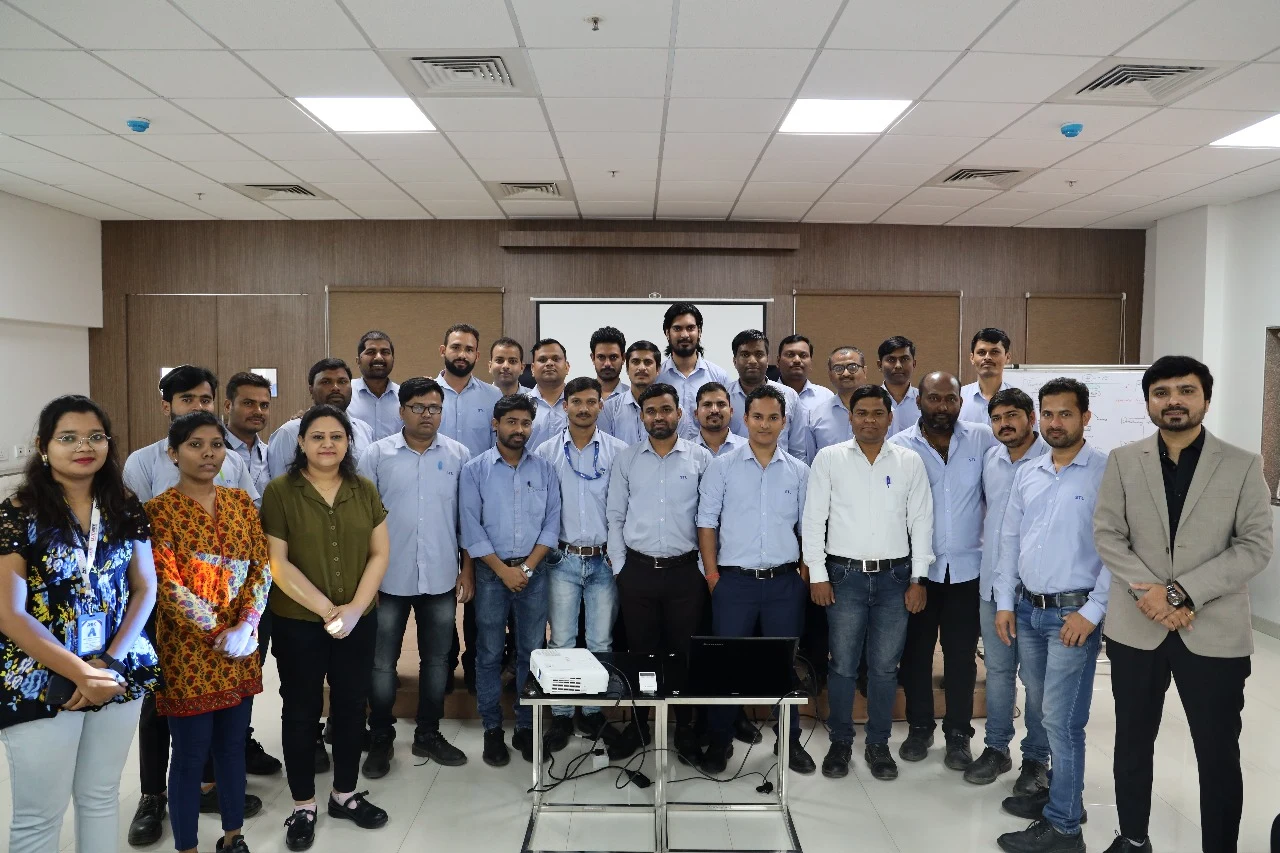
Avinash Chate - Best Motivational Speaker in India addressing corporate audience
Why Business Partners Turn Into Enemies: The Silent Breakdown of TrustIn my work with leaders, founders, managers, and teams across industries, I have seen one painful truth again and again: relationships do not usually break because of one big betrayal. They break because of many small silences. The recent public conversation around the Mary Kom controversy reminded me of something deeply relevant to the corporate world. Whether it is a friendship, a leadership team, or a business partnership, trust rarely disappears overnight. It erodes quietly.
Key takeaway: business partners do not become enemies in one day. They become strangers first, then critics, and finally opponents when communication stops and assumptions take control.
When two people begin a venture together, there is excitement, shared ambition, and mutual respect. One may lead operations and sales, while the other may focus on strategy, delivery, or growth. In the beginning, intent is pure. But over time, if appreciation reduces, expectations become unclear, and difficult conversations are postponed, even strong partnerships begin to crack.
As Avinash Chate, a TEDx speaker and author of The Winning Edge, I believe this is one of the most important lessons for professionals today. In more than 15+ years of working with people and organizations, I have learned that success is not sustained by talent alone. It is sustained by trust, communication, and emotional discipline.
How Trust Breaks Without Anyone Noticing
Most partnerships do not fail because people are bad. They fail because people stop expressing what they feel. One person starts believing, “I am doing more.” The other starts feeling, “I am not being valued.” Neither says it openly. Both continue working. Outwardly, everything looks normal. Internally, resentment is growing.
This is how the breakdown begins. Not with conflict, but with hesitation. Not with shouting, but with silence.
In many organizations, I meet co-founders, senior leaders, and department heads who once had complete faith in each other. Then, slowly, small misunderstandings become emotional stories. A delayed response is seen as disrespect. A missed update is interpreted as secrecy. A decision taken independently is viewed as disloyalty. When assumptions replace conversations, trust has already entered dangerous territory.
If you do not discuss disappointments early, they return later as accusations.
Avinash Chate often shares in leadership sessions that the biggest threat to any partnership is not disagreement. It is unexpressed disappointment. Healthy people can handle disagreement. Unhealthy silence is what poisons relationships.
The Four Hidden Reasons Business Partners Drift Apart
1. Undefined expectations
At the start of a partnership, roles often feel obvious. But what feels obvious is not always clear. Who makes final decisions? How are profits discussed? What happens when one person contributes more time and the other contributes more ideas? If these questions are not discussed early, they become future battlegrounds.
2. Lack of regular emotional check-ins
Most partners review numbers, performance, and targets. Very few review emotions, concerns, and frustrations. That is a serious mistake. Business is run by people, and people carry feelings into every meeting, every call, and every decision.
3. Ego disguised as self-respect
Sometimes people say, “I will not bring it up because I have self-respect.” In reality, it is often ego. Self-respect helps us communicate with dignity. Ego prevents us from communicating at all. When ego grows, listening disappears.
4. Third-party influence
Many strong partnerships weaken when outside voices become louder than direct conversation. Team members, family, friends, or advisors may add their opinions. Instead of checking facts with each other, partners begin trusting interpretations. This is where distance increases rapidly.
I have seen this pattern in leadership interventions across 80+ organizations. The names and industries may change, but the human pattern remains the same.
What Strong Leaders Do Before Relationships Reach Breaking Point
One of the frameworks I often connect to this issue is the KITE Leadership Framework. Strong leadership in partnerships requires clarity in communication, intention in action, trust in relationships, and emotional balance under pressure. When even one of these weakens, the partnership becomes vulnerable.
Let me simplify what effective partners do differently.
They clarify roles before confusion begins.
They discuss expectations before disappointment builds.
They raise concerns early instead of collecting emotional evidence.
They separate intent from impact and ask questions before reacting.
They protect the relationship, not just their position.
In one of my corporate learning engagements, I observed leaders in a large organization struggling with internal friction because responsibilities had expanded but conversations had not. Once they began structured communication and honest reflection, the tension reduced significantly. This is why institutions like Sports Authority of India and many other respected organizations invest in people development. Performance improves when relationships become healthier.
If you are interested in how motivation influences workforce performance, I recommend reading How Motivational Speaking Transforms Textile and Manufacturing Workforce Performance.
The Warning Signs You Should Never Ignore
Before a partnership collapses, it sends signals. The problem is that most people notice these signals but dismiss them. They hope time will fix what only communication can fix.
Watch for these warning signs:
Conversations become formal instead of open.
One partner stops sharing updates voluntarily.
Feedback starts sounding like personal criticism.
Meetings are avoided or delayed unnecessarily.
Past contributions are forgotten and present mistakes are magnified.
People begin speaking about each other more than speaking to each other.
These are not small signs. These are emotional cracks. If ignored, they widen.
As Avinash Chate, I always remind teams that trust is like physical fitness. You cannot build it once and assume it will remain forever. It must be maintained. It must be renewed through consistency, honesty, and respect.
How to Repair a Damaged Business Relationship
Not every damaged partnership must end. Some can be repaired if both people are willing to choose maturity over blame.
The first step is to stop arguing about who is more hurt. Start by understanding what has remained unsaid. Ask simple but powerful questions. What changed between us? What expectation was not met? What have we assumed without confirming? What conversation have we been avoiding?
The second step is ownership. Not legal ownership. Emotional ownership. Each person must ask, “How have I contributed to this distance?” Without that honesty, every discussion becomes a courtroom.
The third step is rebuilding communication rituals. Weekly alignment conversations, clear responsibility reviews, and direct appreciation can restore stability. Trust returns slowly, but it can return when behavior changes consistently.
If your growth feels blocked because of the environment around you, read Why Your Growth Is Stuck: The Hidden Power of Environment. The people around us shape not only our performance but also our emotional resilience.
The Deeper Lesson for Every Professional
The real lesson here is bigger than business partnerships. It applies to managers, colleagues, founders, spouses, and friends. Human relationships weaken when people stop being curious and start being certain. Certainty without conversation creates conflict.
In my sessions, I often say that maturity is not measured by how strongly you feel. It is measured by how responsibly you express what you feel. This is especially true in high-pressure workplaces where ambition is high and time is limited.
Avinash Chate believes that sustainable success is built on human skills, not just business skills. Communication, empathy, accountability, and emotional awareness are not optional qualities. They are leadership essentials.
For leaders working in people-intensive sectors, this perspective is equally relevant. You may also explore Corporate Training for Hospital and Healthcare Staff in Pune, Maharashtra to understand how communication and behavioral excellence shape performance in demanding environments.
Let me leave you with a simple reflection. If there is someone in your professional life with whom the connection feels strained, do not wait for a bigger problem. Start the conversation now. Clarify. Listen. Apologize if needed. Reset expectations. A timely conversation can save years of trust.
If you want to strengthen leadership, communication, team trust, and workplace motivation in your organization, book a corporate training session. That is the work I am deeply committed to through every keynote, workshop, and intervention.
Frequently Asked Questions
Why do business partners become enemies even after years of trust?
They usually do not become enemies suddenly. The shift happens through repeated silence, unclear expectations, unspoken resentment, and assumptions that are never addressed openly.
What is the biggest reason partnerships fail?
The biggest reason is poor communication. When people stop discussing concerns honestly and early, emotional distance grows and trust weakens.
Can a damaged business relationship be repaired?
Yes, if both people are willing to take responsibility, have difficult conversations with maturity, and rebuild trust through consistent actions over time.
What are early warning signs of a broken partnership?
Some common signs are reduced transparency, formal communication, delayed conversations, increased defensiveness, and a tendency to speak about each other instead of to each other.
How can corporate training help prevent partnership conflicts?
Corporate training helps people improve communication, emotional intelligence, trust-building, conflict resolution, and leadership maturity, all of which are essential for healthy professional relationships.
Related Articles by Avinash Chate
- Why Corporate Success Feels Empty and What Truly Makes It Meaningful
- Why Financial Stability Comes Before Real Leadership
- How to Understand Your Boss and Team Psychology for Better Workplace Relationships
About the Author
Avinash Chate is a TEDx speaker, published author of The Winning Edge and The Unanswered, and founder of The Future Corporate & Business Coaching. With over 15 years of experience training 80+ organizations including Rajarambapu Patil Sahakari Sakhar Karkhana Limited, CIE Aluminium casting India Ltd, Morbull Solutions, Bhabha Atomic Research Centre, Avinash is recognized as Maharashtra's leading corporate trainer. He created the KITE Leadership Framework and the 25-Star Competency Framework™, delivering high-impact programs across leadership, team building, sales transformation, and emotional intelligence.
📞 +91 8793630001 | ✉️ connect@avinashchate.com | 🌐 avinashchate.com
Book Avinash Chate for Your Next Event
Maharashtra's #1 Corporate Trainer · India's leading Motivational Speaker & Team Building Expert · 2x TEDx · Available across India in English, Hindi & Marathi.
✅ Thanks! Avinash team will reach out within 24 hours.'}).catch(function(e){f.outerHTML='Something went wrong. WhatsApp +91 8793630001
'});return false;"> Select Service Motivational Speaking / Keynote Team Building Workshop Corporate Training / Leadership Development Manager Development Employee Training Outbound Training Book Avinash Now →Or WhatsApp directly: +91 87936 30001
Avinash Chate services
Corporate Trainer in Maharashtra · Top Corporate Trainers in Maharashtra · Leadership Trainer in Maharashtra · Top Leadership Trainers in Maharashtra · Team Building Trainer in Maharashtra · Top Team Building Trainers in Maharashtra · Motivational Speaker in Maharashtra · Top Motivational Speakers in Maharashtra · All service locations
← Back to all articles · Book Avinash Chate
By Avinash Chate — Maharashtra’s #1 Corporate Trainer & Motivational Speaker. .