Sugarcane Worker कुटुंबातील मुलं School का सोडतात?
अनेक वेळा आपल्याला असे वाटते की मोठे यश किंवा क्षमता फक्त शहरांमध्येच तयार होते. पण प्रत्यक्षात ग्रामीण भागातील आणि शेतकरी कुटुंबातील मुलांमध्ये प्रचंड क्षमता अ...
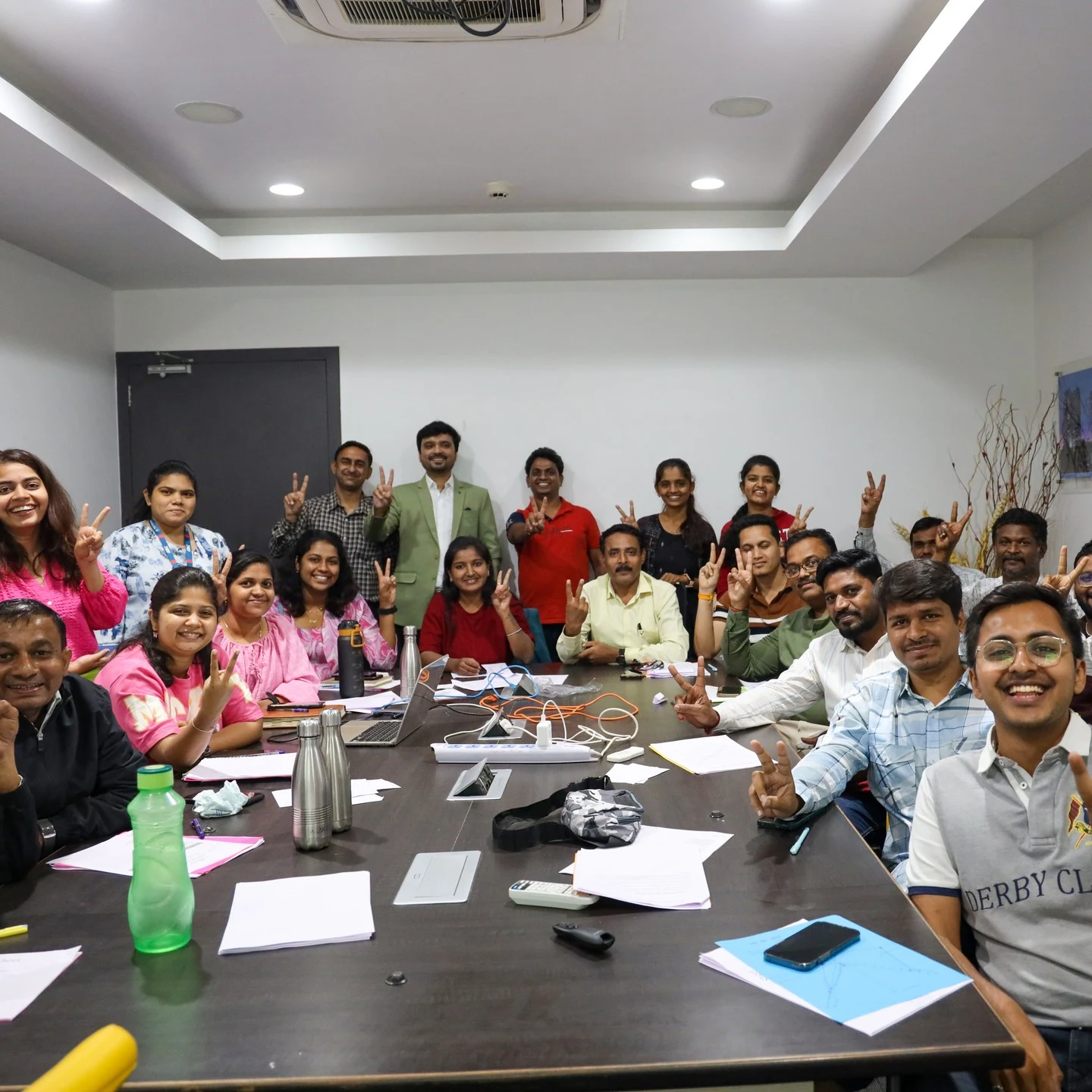
Avinash Chate - Best Motivational Speaker in India addressing corporate audience
Why Children from Sugarcane Worker Families Leave School—and What We Must ChangeAs Avinash Chate, I have spent years interacting with students, parents, teachers, business leaders, and communities across India. One truth has become very clear to me: talent is not urban, and potential is not reserved for privilege. Some of the most determined, intelligent, and resilient children I have seen come from farming and labour-intensive families. Yet many of them leave school far too early.
The real problem is not capability. The real problem is interrupted opportunity.
When I reflect on children from sugarcane worker families, I do not see a lack of ambition. I see unstable routines, migration, financial pressure, weak educational continuity, and very limited exposure. These children are not dropping out because they do not matter. They are dropping out because the system around them is not designed to hold them consistently.
In this conversation, the deeper issue is not just schooling. It is about dignity, aspiration, access, and the environment that shapes a child’s belief about what is possible. If you have read my article Is Your Environment Quietly Destroying Your Future?, you already know how strongly I believe environment influences destiny.
The dropout problem starts long before the child leaves school
Many people think a child drops out because of one sudden event. In reality, dropping out is usually the final stage of a long process. It begins with irregular attendance. Then comes learning loss. Then emotional disconnect. Then a feeling of inferiority. Finally, the child or family starts believing that school is no longer practical.
For sugarcane worker families, migration plays a major role. When parents move seasonally for work, children often move with them. This breaks the rhythm of education. A child who was learning in one classroom suddenly finds himself in a completely different environment, or no learning environment at all. Months of school are lost. Once the gap widens, returning becomes harder.
There is also the burden of responsibility. Older children may be expected to support the family, care for younger siblings, or contribute indirectly to survival. Education then begins to look like a luxury instead of a necessity.
As Avinash Chate, I often say that children do not only need schools. They need continuity, emotional safety, and someone who keeps reminding them that their future is bigger than their current circumstances.
Rural children have ability, but exposure changes confidence
One of the biggest differences between many rural students and urban students is not intelligence. It is exposure. Exposure changes vocabulary, confidence, imagination, and decision-making. A child can only dream with the raw material he has seen, heard, and experienced.
When a student grows up seeing professionals, entrepreneurs, authors, trainers, engineers, and role models, ambition becomes normal. But when a child grows up in an ecosystem where survival is the dominant conversation, ambition can feel unrealistic.
This is why I believe motivation alone is not enough. We must create structured exposure. Children need to meet people who expand their mental world. They need mentors, school visits, libraries, stories of possibility, digital access, and environments where asking questions is encouraged.
I have seen this principle repeatedly in my work with 80+ organizations. Whether I am speaking to corporate teams or students, the pattern is the same: people rise when their inner potential meets an enabling environment.
A child’s future changes when someone helps that child see a life beyond immediate hardship.
This is also why emotional regulation matters. A student facing instability needs not only academic support but mental strength. That is why I recommend reflecting on Master Your Mind: The Science Behind Staying Calm Under Pressure. Calm thinking creates better choices, especially in difficult environments.
Why free education alone is not enough
Whenever we discuss educational inequality, many people immediately say, “Make education free.” Yes, affordability matters. But free education alone does not solve the real challenge.
A child may have free admission and still struggle because of transport issues, migration, nutrition gaps, lack of parental literacy, emotional stress, social comparison, or low self-belief. If the school experience does not feel supportive and relevant, attendance will remain fragile.
This is why the inspiring efforts of people working for children from farming families matter so much. When institutions offer not just tuition-free education but structure, care, discipline, and belief, they create transformation. I have seen how organizations and educators with a mission can become the bridge between raw potential and meaningful achievement.
Even in the corporate world, I teach through the KITE Leadership Framework that sustainable growth needs more than talent. It needs knowledge, intention, training, and execution. The same applies to students. A child may be talented, but without guidance and systems, talent stays hidden.
That is one reason I deeply respect leaders and institutions that invest in long-term human development. In my journey as a TEDx speaker and author of The Winning Edge, I have repeatedly emphasized that success is never an accident. It is designed through repeated support systems.
The psychology of inferiority can silently destroy potential
Another important reason children leave school is psychological withdrawal. When students from difficult backgrounds compare themselves with more privileged peers, they may begin to feel they do not belong. Their clothes, language, confidence, and social ease may be different. Over time, this creates shame.
And shame is dangerous. It makes children silent. It makes them avoid participation. It makes them hide their questions. It makes them think education is “for others.”
This is where teachers and school leaders have a huge responsibility. Education should not only transfer information. It should restore identity. A good school tells a child, “You belong here. Your background is not your limitation.”
I have seen this transformation in many learning and leadership environments, including interactions connected to groups such as Bangdiwala Group, where the focus on people development reminds us that growth begins when individuals feel seen and valued.
As Avinash Chate, I strongly believe that if we want to reduce dropouts, we must reduce emotional alienation. The child must not only attend school. The child must feel accepted in school.
What families, schools, and society must do differently
So what can we do? First, we must stop assuming that children from labouring families are less interested in education. Most families want a better future for their children. But intention without support collapses under pressure.
Second, we need flexible educational models for migratory families. Seasonal hostels, bridge schooling, mobile learning support, and local mentoring can help maintain continuity.
Third, schools must invest in aspiration-building. Career awareness, storytelling, spoken communication, digital learning, and role-model interaction can dramatically change a child’s self-image.
Fourth, we need stronger parent engagement. Even if parents are not formally educated, they can still become emotional partners in the child’s journey. They need encouragement, not judgment.
Fifth, we must treat education like a long-term investment, not a short-term expense. If you understand business, you will appreciate the power of compounding. The same principle applies to learning. A small daily investment creates extraordinary long-term returns. In business terms, this is why systems matter so much, a lesson that also connects with The Gillette Strategy Every Business Owner Must Understand to Build Recurring Revenue. Sustainable outcomes are built through repeatable structures.
Create continuity for migratory children.
Build confidence, not just curriculum coverage.
Give rural students real exposure to possibility.
Train teachers to identify emotional withdrawal early.
Support parents with practical, respectful guidance.
My final message: do not underestimate the child who has struggled
I want to end with a conviction I hold deeply. Some of the strongest future leaders of this country may come from the toughest backgrounds. A child from a sugarcane worker family may have already learned endurance, sacrifice, observation, and responsibility at a level many others have not. If that child receives the right education, guidance, and exposure, the result can be extraordinary.
As Avinash Chate, I do not believe we should feel pity. I believe we should build pathways. We should create systems where no child’s future is decided by migration, poverty, or lack of access. We should make sure that talent from rural India is not lost before it is even discovered.
If you are a school leader, business owner, NGO, or institution that wants to create meaningful impact, I invite you to take this seriously. Real nation-building begins when we protect the dreams of children who are most at risk of being forgotten.
Book a corporate training session or leadership intervention at avinashchate.com.
Frequently Asked Questions
Why do children from sugarcane worker families often leave school?
The most common reasons include seasonal migration, financial pressure, interrupted schooling, family responsibilities, and lack of emotional and academic support.
Is the issue a lack of talent among rural children?
Not at all. Rural children often have immense resilience and potential. The real gap is in exposure, continuity, confidence, and access to quality support systems.
Can free education alone solve the dropout problem?
No. Free education helps, but children also need stable attendance, transport, nutrition, mentorship, emotional safety, and a school environment where they feel they belong.
What can schools do to reduce dropouts?
Schools can create bridge programs for migratory students, strengthen parent engagement, identify emotional withdrawal early, and provide aspiration-building exposure through mentors and role models.
How can organizations contribute to this issue?
Organizations can support scholarships, school partnerships, mentoring, teacher training, digital access, and community-based education models that help vulnerable children stay connected to learning.
Related Articles by Avinash Chate
- The Untold Truth Behind UPSC and MPSC Failure: What 99% of Aspirants Are Never Told
- Motivational Speaker for Mumbai's Hybrid Work Challenges — Bridging the Office-WFH Divide in India's Corporate Capital
- Best Motivational Speaker in Maharashtra — Top 10 Trainers 2026
About the Author
Avinash Chate is a TEDx speaker, published author of The Winning Edge and The Unanswered, and founder of The Future Corporate & Business Coaching. With over 15 years of experience training 80+ organizations including JSW Steel, Gadharva Finchart Enterprises LLP, Aurangabad electricals, Rajarambapu Patil Sahakari Sakhar Karkhana Limited, Avinash is recognized as Maharashtra's leading corporate trainer. He created the KITE Leadership Framework and the 25-Star Competency Framework™, delivering high-impact programs across leadership, team building, sales transformation, and emotional intelligence.
📞 +91 8793630001 | ✉️ connect@avinashchate.com | 🌐 avinashchate.com
Book Avinash Chate for Your Next Event
Maharashtra's #1 Corporate Trainer · India's leading Motivational Speaker & Team Building Expert · 2x TEDx · Available across India in English, Hindi & Marathi.
✅ Thanks! Avinash team will reach out within 24 hours.'}).catch(function(e){f.outerHTML='Something went wrong. WhatsApp +91 8793630001
'});return false;"> Select Service Motivational Speaking / Keynote Team Building Workshop Corporate Training / Leadership Development Manager Development Employee Training Outbound Training Book Avinash Now →Or WhatsApp directly: +91 87936 30001
Avinash Chate services
Corporate Trainer in Maharashtra · Top Corporate Trainers in Maharashtra · Leadership Trainer in Maharashtra · Top Leadership Trainers in Maharashtra · Team Building Trainer in Maharashtra · Top Team Building Trainers in Maharashtra · Motivational Speaker in Maharashtra · Top Motivational Speakers in Maharashtra · All service locations
← Back to all articles · Book Avinash Chate
By Avinash Chate — Maharashtra’s #1 Corporate Trainer & Motivational Speaker. .