Why Emotional Intelligence Is the Leadership Advantage Businesses Need Today
I believe emotional intelligence is no longer a soft skill on the sidelines. It is a core leadership capability that helps businesses build trust, improve performance, manage stress, and create teams that stay resilient in a fast-changing world.
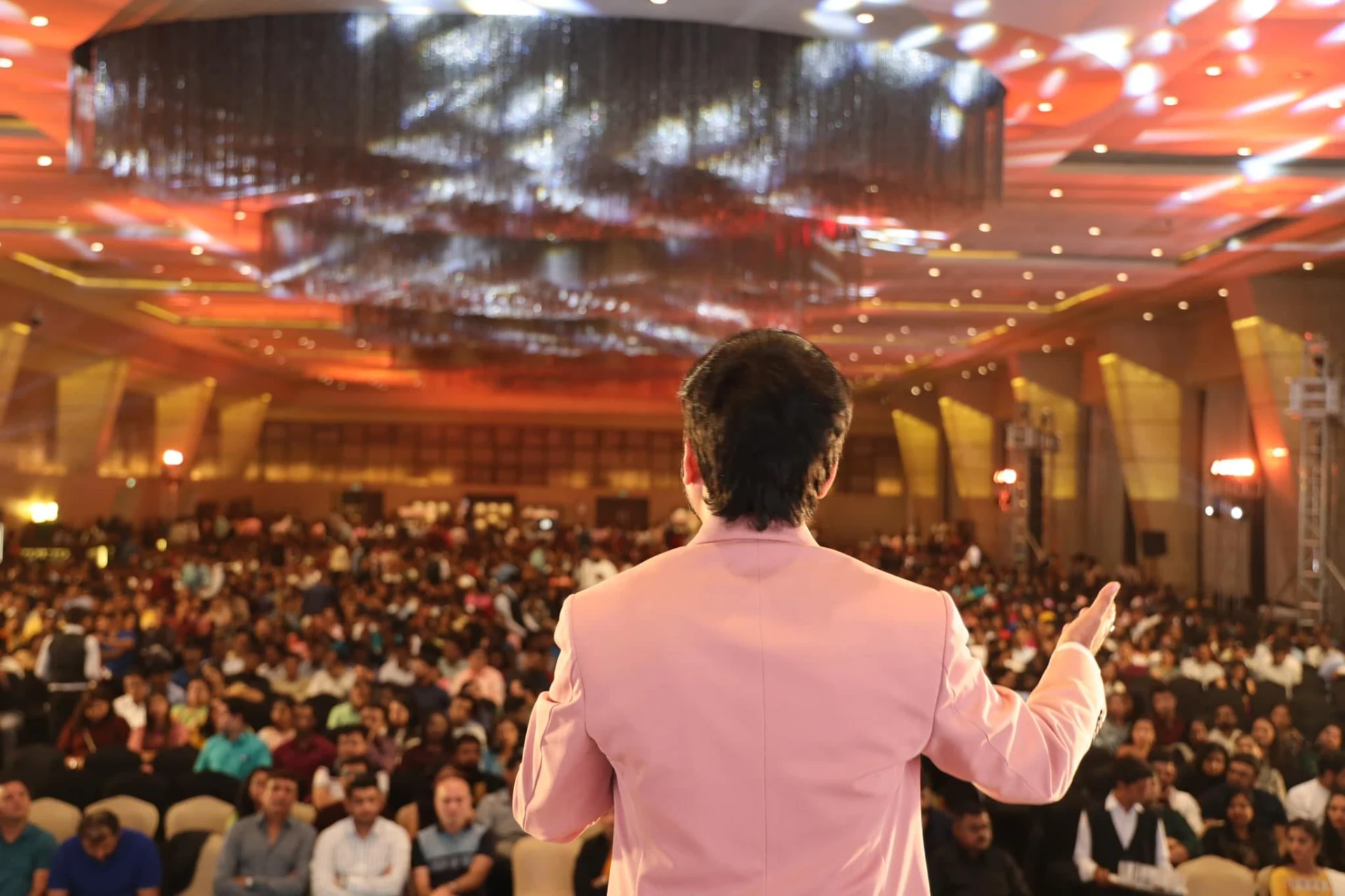
Avinash Chate - Team Building Expert conducting interactive workshop
Why Emotional Intelligence Is the Leadership Advantage Businesses Need TodayIn my experience, the leaders who create lasting business impact are not always the loudest, the toughest, or the most technically brilliant. They are the ones who understand people. They know how to listen, regulate their emotions, respond with clarity under pressure, and build trust when uncertainty rises. That is why I believe emotional intelligence is one of the most important leadership capabilities in today’s businesses.
Key takeaway: emotional intelligence helps leaders turn pressure into perspective, conflict into collaboration, and authority into influence.
As a corporate trainer, TEDx speaker, and author of The Winning Edge, I have seen this repeatedly across teams, managers, entrepreneurs, and senior leaders. In a business environment shaped by rapid change, hybrid work, performance pressure, and rising expectations, technical skills may open the door, but emotional intelligence determines how far a leader can go.
Over 15+ years of working with professionals across industries, I have noticed one pattern very clearly: employees may join an organization for opportunity, but they stay, contribute, and grow when leadership makes them feel respected, understood, and inspired.
What Emotional Intelligence Really Means in Leadership
Emotional intelligence is often misunderstood as simply being calm, polite, or empathetic. In leadership, it goes much deeper. It is the ability to recognize your own emotions, understand how they affect your decisions, read the emotions of others, and respond in ways that strengthen outcomes rather than damage relationships.
For me, emotional intelligence in leadership includes self-awareness, self-regulation, empathy, social awareness, and relationship management. A leader with emotional intelligence does not react impulsively. Instead, that leader pauses, interprets the situation accurately, and chooses a response that aligns with both people and performance.
This is especially important today because business challenges are rarely only operational. They are human. Missed deadlines often involve miscommunication. Low morale often begins with poor leadership behavior. Team conflict is usually not just about process but about unspoken emotions, assumptions, and trust gaps.
When I work with organizations, I often explain that emotional intelligence is not a soft alternative to strong leadership. It is strong leadership.
Why Businesses Need Emotionally Intelligent Leaders More Than Ever
Today’s workplace is faster, more diverse, more connected, and more demanding than ever before. Teams are managing constant deadlines, digital overload, cross-functional expectations, and the pressure to perform consistently. In such an environment, leadership style directly affects culture, engagement, and productivity.
An emotionally intelligent leader creates psychological safety. People feel comfortable sharing ideas, raising concerns, and taking ownership. That does not mean standards become weak. It means accountability becomes healthier and more sustainable.
I have seen leaders lose credibility not because they lacked knowledge, but because they lacked emotional control. A single dismissive comment, a public outburst, or a habit of not listening can quietly reduce trust across an entire team. On the other hand, a leader who stays composed, communicates clearly, and respects people during difficult moments earns influence that no designation can guarantee.
This is one reason organizations increasingly invest in leadership development that goes beyond technical capability. Emotional intelligence improves collaboration, decision-making, conflict resolution, employee retention, and customer relationships. It is not just good for culture. It is good for business.
How Emotional Intelligence Improves Team Performance
Leadership is tested most clearly in everyday team dynamics. Can the leader handle disagreement without making it personal? Can the leader give feedback without demoralizing people? Can the leader motivate different personalities without using fear? Emotional intelligence shapes all of this.
When leaders are self-aware, they understand the impact of their tone, timing, and behavior. When they are empathetic, they do not assume everyone is driven by the same pressures or aspirations. When they regulate emotions well, they reduce unnecessary tension and help teams stay focused on solutions.
I have observed this in training interventions with organizations such as Kaeser Compressors India, where leadership effectiveness is deeply connected to communication, accountability, and the ability to align people across functions. In such environments, emotional intelligence is not separate from execution. It strengthens execution.
Emotionally intelligent leaders also create better conversations. They ask more than they accuse. They clarify before they conclude. They coach instead of controlling every move. As a result, teams become more engaged, more responsible, and more willing to contribute beyond minimum expectations.
If you are building leaders in operational or business-facing roles, you may also find value in reading Corporate Training for Manufacturing Companies in Maharashtra — Shopfloor to Boardroom, where I discuss how leadership development can connect frontline realities with strategic outcomes.
The Link Between Emotional Intelligence, Stress, and Decision-Making
One of the biggest leadership challenges today is not just managing teams. It is managing pressure without passing that pressure on in destructive ways. Leaders often make poor decisions when they are emotionally flooded, mentally exhausted, or operating from ego rather than awareness.
Emotional intelligence helps leaders slow down internal chaos. It creates space between stimulus and response. That space is where better judgment lives.
In many of my sessions, I emphasize that stress is contagious, but so is composure. A leader who panics creates panic. A leader who stays grounded helps others think clearly. This is why emotional intelligence and stress management are closely linked.
Leaders who develop emotional intelligence are better able to handle setbacks, difficult conversations, underperformance, and uncertainty. They do not ignore emotions, but they do not become controlled by them either. They learn how to process pressure, communicate with maturity, and keep teams aligned even when the environment is unstable.
For organizations looking to support employees and leaders in this area, I recommend exploring Stress Management Workshop for Corporate Employees in Pune. The principles are relevant for any business that wants stronger resilience and healthier workplace performance.
When leaders manage emotions well, they do not just protect relationships. They protect decision quality, team morale, and business momentum.
How I See Emotional Intelligence Through the KITE Leadership Framework
In my work, I often connect emotional intelligence with the KITE Leadership Framework because leadership cannot be built on intent alone. It must translate into visible behavior and measurable impact. Emotional intelligence becomes powerful when it supports how leaders think, interact, take responsibility, and elevate others.
For me, emotionally intelligent leadership means knowing yourself honestly, engaging others respectfully, and leading with consistency even under pressure. It means balancing confidence with humility and authority with empathy. This is where many leaders transform from being managers of tasks to builders of people and culture.
Avinash Chate has always believed that leadership development must be practical, not theoretical. That is why I encourage leaders to treat emotional intelligence as a daily discipline. Notice your triggers. Listen fully. Ask better questions. Give feedback with dignity. Respond instead of reacting. These are not small habits. They are leadership multipliers.
As Avinash Chate, I have seen that once leaders improve emotional intelligence, they often improve many other leadership dimensions naturally. Communication becomes clearer. Delegation becomes smarter. Trust grows faster. Conflict reduces. Accountability improves. The ripple effect is significant.
Building Emotionally Intelligent Leadership Across Business and Society
One reason I care deeply about emotional intelligence is that its impact goes beyond boardrooms and business metrics. It shapes how we mentor young people, support talent, and create environments where people can grow with confidence. Leadership is not only about results. It is also about responsibility.
That is why I often speak about the importance of nurturing human potential early, whether in organizations, schools, or sports ecosystems. If this broader idea resonates with you, I invite you to read Why Rural Talent Deserves International-Level Sports and Schooling. It reflects my belief that performance and human development must go together.
In today’s businesses, emotionally intelligent leaders are the ones who can unite diverse teams, sustain performance under pressure, and create cultures where people feel both challenged and valued. This is no longer optional. It is a competitive advantage.
Avinash Chate, as a TEDx speaker and author of The Winning Edge, continues to advocate for leadership that is human-centered, performance-driven, and future-ready. If we want stronger businesses, we need stronger leaders. And if we want stronger leaders, we must invest in emotional intelligence.
If you want to build emotionally intelligent leaders in your organization, book a corporate training session with me. The right leadership shift can transform not just individual managers, but the entire culture they influence.
Frequently Asked Questions
What is emotional intelligence in leadership?
Emotional intelligence in leadership is the ability to understand and manage your own emotions while also recognizing and responding effectively to the emotions of others. It helps leaders communicate better, build trust, and make balanced decisions.
Why is emotional intelligence important for business leaders today?
It is important because modern workplaces are fast-paced, diverse, and high-pressure. Leaders with emotional intelligence handle conflict better, improve team morale, reduce stress-driven reactions, and create stronger performance cultures.
Can emotional intelligence be developed?
Yes, emotional intelligence can be developed through self-awareness, feedback, reflection, coaching, and consistent practice. Leaders can improve how they listen, regulate emotions, communicate, and respond under pressure.
How does emotional intelligence affect team performance?
Emotionally intelligent leaders create psychological safety, improve communication, and manage conflict constructively. This helps teams collaborate better, stay engaged, and perform more consistently.
How can organizations build emotionally intelligent leaders?
Organizations can build emotionally intelligent leaders through structured leadership development, coaching, feedback systems, stress management programs, and practical training that focuses on real workplace behavior.
Related Articles by Avinash Chate
- Why Investing in Personal Development is Key for Leadership Success in Osmanabad
- The Future of Corporate Training: Embracing Virtual Reality and AI Technologies
- The Role of Motivational Speaking in Reducing Employee Burnout
About the Author
Avinash Chate is a TEDx speaker, published author of The Winning Edge and The Unanswered, and founder of The Future Corporate & Business Coaching. With over 15 years of experience training 80+ organizations including Aurus Group Real Estate, Mumbai Port Authority, Atlantis Group, Meri Property, Avinash is recognized as Maharashtra's leading corporate trainer. He created the KITE Leadership Framework and the 25-Star Competency Framework™, delivering high-impact programs across leadership, team building, sales transformation, and emotional intelligence.
📞 +91 8793630001 | ✉️ connect@avinashchate.com | 🌐 avinashchate.com
Book Avinash Chate for Your Next Event
Maharashtra's #1 Corporate Trainer · India's leading Motivational Speaker & Team Building Expert · 2x TEDx · Available across India in English, Hindi & Marathi.
✅ Thanks! Avinash team will reach out within 24 hours.'}).catch(function(e){f.outerHTML='Something went wrong. WhatsApp +91 8793630001
'});return false;"> Select Service Motivational Speaking / Keynote Team Building Workshop Corporate Training / Leadership Development Manager Development Employee Training Outbound Training Book Avinash Now →Or WhatsApp directly: +91 87936 30001
Avinash Chate services
Corporate Trainer in Maharashtra · Top Corporate Trainers in Maharashtra · Leadership Trainer in Maharashtra · Top Leadership Trainers in Maharashtra · Team Building Trainer in Maharashtra · Top Team Building Trainers in Maharashtra · Motivational Speaker in Maharashtra · Top Motivational Speakers in Maharashtra · All service locations
← Back to all articles · Book Avinash Chate
By Avinash Chate — Maharashtra’s #1 Corporate Trainer & Motivational Speaker. .