Why Gen Z Employees Need Different Leadership Training in Mumbai
Gen Z employees bring speed, curiosity, and digital confidence to the workplace, but they also need a different leadership training approach. I share why organizations in Mumbai must adapt leadership development to engage, retain, and grow Gen Z talent effectively.
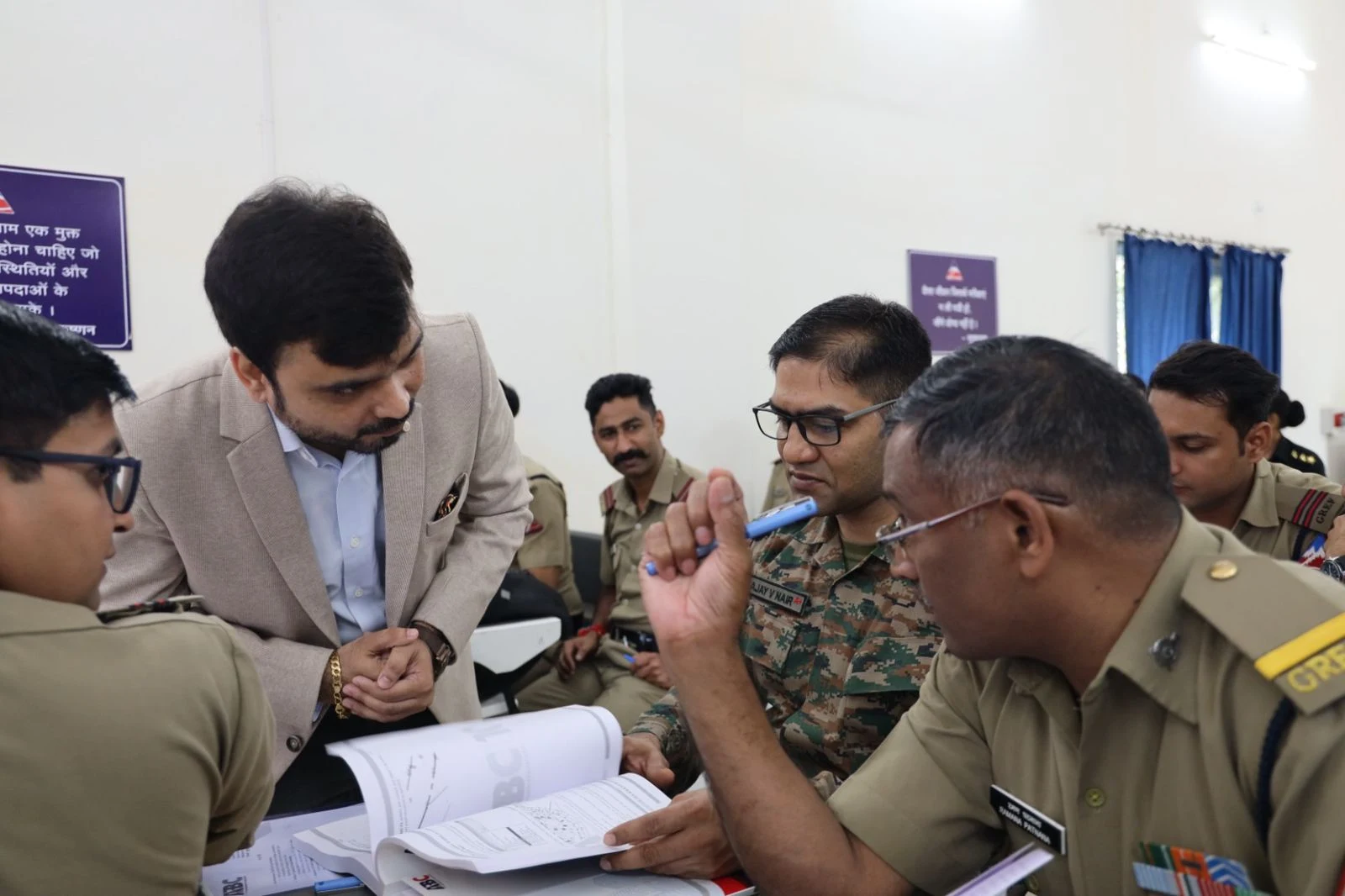
Avinash Chate - Leadership Coach at employee engagement session
Why Gen Z Employees Need Different Leadership Training in MumbaiAs I work with teams across Mumbai, one pattern is impossible to ignore: Gen Z employees do not respond to leadership training in the same way previous generations did. They are sharp, digitally fluent, purpose-driven, and highly aware of workplace culture. But they also expect faster feedback, more transparency, and a stronger sense of meaning in their work. Key takeaway: if leaders want Gen Z employees to perform, stay, and grow, leadership training must evolve from authority-based instruction to trust-based development.
I am Avinash Chate, a TEDx speaker and author of The Winning Edge, and over 15+ years I have seen how leadership effectiveness changes when the workforce changes. Having worked with 80+ organizations, I have learned that each generation brings fresh strengths and fresh expectations. Gen Z is no exception. In fact, they are pushing organizations to rethink communication, coaching, recognition, and culture faster than ever before.
In many organizations, leaders still assume that discipline, hierarchy, and annual reviews are enough to drive performance. That approach often falls flat with Gen Z. They want clarity, growth, inclusion, and real conversations. When I coach leaders, I emphasize that Gen Z employees are not difficult to manage; they are simply more responsive to relevant, human-centered leadership training.
Why Traditional Leadership Training Misses the Mark
Traditional leadership training often focuses on command, control, and compliance. That may have worked in more rigid workplace systems, but Gen Z thrives in environments where leaders explain the why behind the what. They do not just want instructions. They want context, connection, and contribution.
In Mumbai, where industries move quickly and competition for talent is intense, leaders cannot afford outdated people practices. Gen Z employees are more likely to question processes, challenge assumptions, and seek feedback regularly. If leaders are not trained to handle these expectations well, frustration builds on both sides.
I often tell managers that Gen Z is not rejecting leadership; they are rejecting leadership that feels distant, inconsistent, or performative. They can quickly sense when communication is vague, when values are not practiced, or when growth promises are empty. That is why leadership training must now include emotional intelligence, coaching conversations, listening skills, and psychological safety.
Gen Z does not need softer leadership. They need smarter leadership.
What Gen Z Employees Expect From Leaders Today
Gen Z employees want leaders who are accessible, authentic, and development-focused. They appreciate structure, but they also want flexibility. They want accountability, but they also expect empathy. This balance is where many leaders struggle unless they are specifically trained for it.
From my experience, Gen Z expects five things from leadership training outcomes. First, leaders must communicate clearly and frequently. Second, they must give regular feedback instead of waiting for formal reviews. Third, they must connect tasks to purpose. Fourth, they must create inclusive team environments. Fifth, they must coach individuals instead of only managing output.
When I discuss this in leadership workshops, I explain that Gen Z grew up in a world of instant information, constant connectivity, and visible social change. Naturally, they expect workplace leadership to be responsive as well. If a leader disappears, avoids difficult conversations, or gives unclear direction, trust drops quickly.
This is where my KITE Leadership Framework becomes highly relevant. It helps leaders build credibility through knowledge, influence through communication, trust through consistency, and execution through accountability. For Gen Z employees, these are not optional leadership qualities. They are the foundation of engagement.
How Leadership Training Must Change for Gen Z
If organizations want better performance from younger employees, leadership training must become more practical and behavior-based. I do not believe in leadership development that sounds impressive in a seminar but disappears on Monday morning. Leaders need tools they can use immediately.
First, training must focus on coaching over commanding. Gen Z employees respond better when leaders ask questions, guide thinking, and support ownership. Second, training must improve feedback quality. Generic praise or criticism is not enough. Leaders must learn how to make feedback specific, timely, and growth-oriented.
Third, leaders must learn how to create psychological safety. Gen Z employees are more willing to speak up, but only if they believe their voice will be respected. Fourth, training must include digital communication skills. Much of today’s workplace interaction happens through messages, virtual meetings, and collaborative platforms. Leadership presence must translate across these formats.
Fifth, leaders must understand recognition. Gen Z values appreciation, but not in a superficial way. They want recognition that reflects effort, learning, contribution, and progress. When leaders are trained to notice and acknowledge meaningful work, motivation rises significantly.
I have seen these shifts create measurable impact in organizations, including sectors where traditional work cultures were deeply rooted. Even in large, established institutions such as Mumbai Port Authority, leadership effectiveness improves when managers learn how to engage younger employees with greater clarity and respect.
Why This Matters for Retention, Culture, and Performance
Many companies still think Gen Z retention is mainly about salary or perks. In reality, leadership quality plays a major role. Employees may join a company for opportunity, but they stay or leave because of their day-to-day leadership experience.
When leaders are not trained for generational differences, common problems appear. Misunderstandings increase. Feedback feels harsh or absent. Employees feel unseen. Managers feel challenged. Team culture becomes reactive instead of collaborative. Over time, performance suffers.
As Avinash Chate, I have consistently found that stronger leadership training reduces these friction points. It creates better conversations, clearer expectations, and healthier team dynamics. It also helps organizations build leadership pipelines earlier, because Gen Z employees often want growth opportunities sooner than previous generations.
In Mumbai, where ambitious young professionals have many career options, organizations must treat leadership training as a strategic investment. If leaders are equipped to build trust and develop talent, Gen Z employees become high-contribution team members. If leaders are not equipped, attrition becomes expensive and culture becomes unstable.
For leaders who want to expand their perspective, I recommend reading 10 Essential Leadership Traits for a Post-Pandemic Business Landscape. It complements this conversation by showing how modern leadership must adapt to changing business realities.
Practical Leadership Behaviors That Work With Gen Z
Whenever I design leadership training for this generation, I focus on observable behaviors, not abstract theory. Leaders should start by setting expectations clearly in the first conversation, not after confusion begins. They should schedule regular check-ins, not only problem-solving meetings. They should ask for ideas, not assume silence means agreement.
Another important behavior is explaining decisions. Gen Z employees are more engaged when they understand the reasoning behind priorities, deadlines, and changes. This does not mean leaders must justify everything endlessly. It means they must communicate with maturity and openness.
Leaders should also normalize learning. Gen Z is generally willing to grow, but they want the freedom to learn through experimentation. If every mistake is punished harshly, innovation stops. Good leadership training teaches managers how to maintain standards while still encouraging development.
I also encourage leaders to be consistent across channels. If a leader sounds supportive in a town hall but dismissive in one-on-one conversations, credibility collapses. Gen Z notices these gaps quickly. Authenticity is not a branding exercise. It is a daily behavior.
For organizations preparing for the next phase of workforce development, The Future of Corporate Training: Embracing Virtual Reality and AI Technologies offers useful insight into how learning experiences themselves are evolving.
The Leadership Opportunity Organizations Should Not Miss
I believe Gen Z is not a leadership challenge to be managed. They are a leadership opportunity to be understood. They are asking organizations to become clearer, faster, fairer, and more human. That is not a threat to leadership. That is a chance to improve it.
As Avinash Chate, I see this shift as one of the most important leadership conversations of our time. Companies that adapt their leadership training now will build stronger cultures, better managers, and more resilient teams. Those that do not may continue blaming young employees while ignoring the outdated leadership habits causing disengagement.
If you want a deeper lesson on trust and perception in leadership, I also suggest reading When People Don’t Trust Good Intentions: The Leadership Lesson Behind Free Education. Trust is central to leading Gen Z well.
My message is simple: leadership training must reflect the people leaders are expected to lead. Gen Z employees need clarity, coaching, trust, and purpose. When leaders are trained accordingly, performance follows.
If your organization wants to prepare managers for the modern workforce, now is the time to act. Book a corporate training session in Mumbai and build leaders who can truly connect, guide, and grow Gen Z talent.
Frequently Asked Questions
Why do Gen Z employees in Mumbai need different leadership training?
Gen Z employees in Mumbai typically expect faster feedback, greater transparency, stronger purpose, and more coaching-oriented leadership. Traditional command-and-control approaches often fail to engage them effectively.
What leadership style works best for Gen Z teams in Mumbai?
A coaching-based, trust-driven, and communicative leadership style works best. Leaders should be clear, accessible, consistent, and willing to explain context while maintaining accountability.
How can organizations improve Gen Z employee retention through leadership training?
Organizations can improve retention by training leaders to give regular feedback, create psychological safety, recognize contributions meaningfully, and connect work to growth and purpose.
What should leadership training include for managing Gen Z employees?
It should include coaching skills, communication clarity, emotional intelligence, feedback conversations, digital leadership presence, inclusion, and trust-building behaviors.
Why is leadership training important for future-ready organizations?
Leadership training helps organizations adapt to changing workforce expectations, improve culture, strengthen retention, and develop managers who can lead diverse teams with confidence and relevance.
Related Articles by Avinash Chate
- From Reaction to Leadership: Mastering Emotional Control at Work
- The Drama Triangle at Work: The Hidden Pattern Destroying Team Performance
- The Ferob Model: Understanding People Before Managing Them
About the Author
Avinash Chate is a TEDx speaker, published author of The Winning Edge and The Unanswered, and founder of The Future Corporate & Business Coaching. With over 15 years of experience training 80+ organizations including CIE Aluminium casting India Ltd, Mtech Innovation, Atlantis Group, Mauli Sahkari Patsanstha Marya, Avinash is recognized as Maharashtra's leading corporate trainer. He created the KITE Leadership Framework and the 25-Star Competency Framework™, delivering high-impact programs across leadership, team building, sales transformation, and emotional intelligence.
📞 +91 8793630001 | ✉️ connect@avinashchate.com | 🌐 avinashchate.com
Book Avinash Chate for Your Next Event
Maharashtra's #1 Corporate Trainer · India's leading Motivational Speaker & Team Building Expert · 2x TEDx · Available across India in English, Hindi & Marathi.
✅ Thanks! Avinash team will reach out within 24 hours.'}).catch(function(e){f.outerHTML='Something went wrong. WhatsApp +91 8793630001
'});return false;"> Select Service Motivational Speaking / Keynote Team Building Workshop Corporate Training / Leadership Development Manager Development Employee Training Outbound Training Book Avinash Now →Or WhatsApp directly: +91 87936 30001
Avinash Chate services
Corporate Trainer in Mumbai · Top Corporate Trainers in Mumbai · Leadership Trainer in Mumbai · Top Leadership Trainers in Maharashtra · Team Building Trainer in Mumbai · Top Team Building Trainers in Maharashtra · Motivational Speaker in Mumbai · Top Motivational Speakers in Mumbai · All service locations
← Back to all articles · Book Avinash Chate
By Avinash Chate — Maharashtra’s #1 Corporate Trainer & Motivational Speaker. .