Why Xerox Didn’t Sell Its Machine And Still Made Billions Addiction Model Explained
In many workplaces, great ideas often fail not because they are wrong, but because they feel too big or expensive at the start. Professionals and businesses hes...
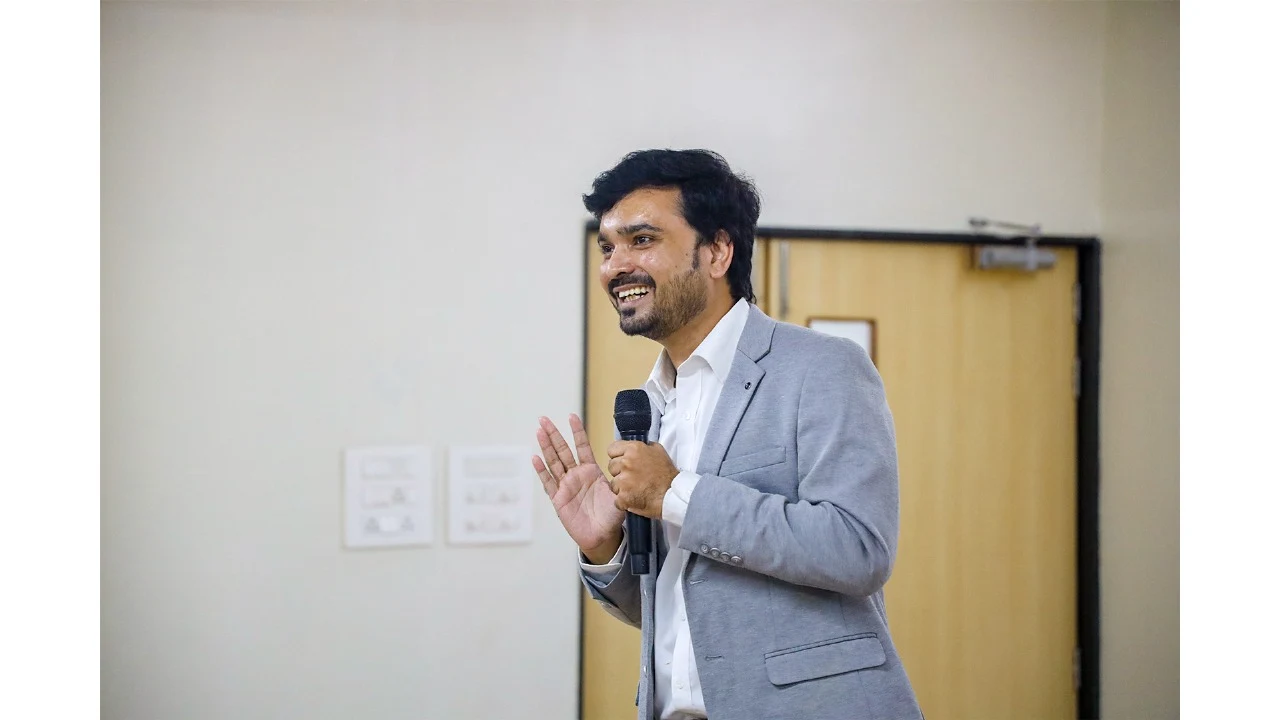
Avinash Chate - Sales Training Specialist motivating sales team
Why Great Ideas Get Rejected at First: The Addiction Model Every Leader Must UnderstandIn my experience, one of the biggest reasons a great idea fails is not because the idea is weak. It fails because the first step feels too big. People do not reject value. They reject discomfort, uncertainty, and risk.
Key takeaway: If you want people to accept a powerful idea, do not begin by asking for maximum commitment. Begin by reducing fear and increasing experience.
That is exactly why the Addiction Model is such a powerful lesson for leaders, sales professionals, managers, and business owners. As Avinash Chate, I have seen this principle play out repeatedly across teams, organizations, and leadership journeys. Whether you are introducing a new initiative, pitching a service, building a culture, or inspiring change, the pattern is the same: when the entry barrier is high, resistance is high; when the experience is easy, acceptance grows.
The famous Xerox story offers a timeless lesson here. Instead of expecting customers to make a large upfront purchase decision, the model shifted the way people experienced value. That shift changed adoption. And once people experienced the benefit, the offering stopped feeling optional and started becoming essential.
This is not just a business lesson. It is a human behavior lesson. It applies to communication, leadership, motivation, team building, and influence. As a TEDx speaker and author of The Winning Edge, I believe this is one of the most practical mindset shifts professionals can learn.
Why People Resist Even Good Ideas
Let us be honest. Most people do not evaluate ideas only with logic. They evaluate them emotionally first. They ask themselves: Is this safe? Is this worth the risk? What if this does not work? What if I regret the decision?
That is why many useful proposals are rejected in the early stage. The value may be strong, but the perceived cost of trying feels too high. This cost may not always be money. Sometimes it is effort. Sometimes it is reputation. Sometimes it is fear of failure. Sometimes it is the discomfort of change.
In leadership, I have noticed that managers often make one common mistake. They present the final vision before making people comfortable with the first step. They speak about transformation, but the team is still worried about transition.
Avinash Chate has often emphasized in training sessions that people support what they understand, and they commit to what they experience. If you want buy-in, do not just explain the destination. Make the beginning easier.
This is also why many workplace changes collapse. Leaders assume that if something is beneficial, people will automatically accept it. But human beings need trust before commitment. They need clarity before effort. They need small wins before big belief.
The Real Power of the Addiction Model
The Addiction Model, in simple terms, is about reducing the friction of entry and increasing the likelihood of repeated use. When people are able to try something with lower resistance, they discover its value for themselves. Once they experience the gain, continued use becomes natural.
The word “addiction” here should be understood as strong habitual adoption, not unhealthy dependence. It is about becoming part of a person’s routine because the value is undeniable after experience.
This principle matters deeply in human behavior. If I ask someone to make a large commitment before they have felt the benefit, hesitation is natural. But if I help them take a small step, a test step, a low-risk step, then their confidence increases.
That is the turning point. Experience creates belief faster than explanation.
In leadership development, this lesson is invaluable. If you want your team to embrace a new culture of ownership, do not begin with pressure. Begin with participation. If you want people to improve communication, do not begin with criticism. Begin with awareness and simple practice. If you want a sales team to adopt a new approach, do not begin with targets alone. Begin with confidence-building conversations and visible wins.
When people feel forced, they resist. When people feel progress, they engage.
I have seen this across 80+ organizations through training and speaking engagements. The principle remains consistent: reduce the pain of starting, and you increase the chances of long-term acceptance.
What Leaders and Sales Professionals Must Learn from This
If you are a leader, manager, entrepreneur, or sales professional, the Xerox lesson should change the way you present ideas. Do not ask, “How do I convince people faster?” Ask, “How do I make the first experience easier?”
That one question can transform your influence.
In sales excellence, this means helping the customer understand value without overwhelming them with commitment. In leadership, it means helping teams experience progress before expecting complete alignment. In communication, it means replacing pressure with clarity.
At Avinash Chate programs, I often speak about the importance of trust-building in the early stages of any change. People are rarely against improvement. They are against uncertainty. Once uncertainty reduces, openness increases.
This is where the KITE Leadership Framework becomes relevant. Strong leadership is not just about direction. It is about how you create confidence, involvement, trust, and execution discipline in people. If your message is right but your approach is intimidating, you lose momentum. If your approach is thoughtful, people begin to move with you.
One of the reasons respected organizations like Bangdiwala Group invest in people development is that sustainable growth always depends on human adoption. Strategies succeed when people embrace them. And people embrace what feels meaningful, manageable, and rewarding.
How to Apply the Addiction Model in Everyday Workplace Leadership
Let us make this practical. You do not need to be launching a product to use this model. You can use it in daily workplace situations.
When introducing a new habit: Start with one simple action instead of a complete overhaul.
When improving team culture: Focus on one visible behavior, such as timely appreciation or better meeting discipline.
When coaching employees: Give one improvement point and one immediate success path.
When driving accountability: Build ownership gradually through clarity, not fear.
When leading change: Create early wins that people can feel and talk about.
This approach works because people build commitment through evidence. Once they see that something helps them perform better, communicate better, or succeed faster, they stop seeing it as an external demand. They begin seeing it as personal value.
This is also why emotional intelligence matters. A leader must understand not only what needs to change, but also what people are feeling about that change. If you ignore emotion, you create resistance. If you address emotion, you create readiness.
For a related perspective on leadership and control, I recommend reading Micro Management vs Ownership: Lessons for Maharashtra's Corporate Leaders. It highlights how ownership grows when people are trusted and empowered rather than tightly controlled.
From Resistance to Readiness: The Psychology of Acceptance
The transition from rejection to acceptance is often psychological before it is practical. People need to move through a few internal stages: awareness, curiosity, trial, trust, and then commitment.
If you try to jump directly to commitment, you lose people. If you respect the journey, you gain people.
This is true in personal growth as well. Many professionals want confidence, but they avoid the small daily actions that create confidence. Many want leadership presence, but they resist feedback. Many want influence, but they do not practice listening. The result is frustration.
But when the first step is made easy and meaningful, momentum begins. That is the hidden strength of the Addiction Model. It teaches us that success is not only about the quality of the offer. It is also about the quality of the entry experience.
As Avinash Chate, I strongly believe this idea can help professionals become better communicators, better leaders, and better decision-makers. It reminds us that people do not move because we push harder. They move because we lower friction, build trust, and help them see value firsthand.
If you want to deepen this mindset, read The Earthrise Lesson: How One New Perspective Can Transform Performance, Innovation, and Leadership. Sometimes a shift in perspective changes everything. And if you want to understand the emotional side of performance under pressure, I also recommend Master Your Mind: The Science Behind Staying Calm Under Pressure.
The Final Leadership Lesson
The biggest insight from this story is simple: if the first step feels painful, even a valuable idea gets delayed. If the first step feels safe and useful, adoption accelerates.
That is why leaders must think beyond presenting benefits. We must design acceptance. We must communicate in a way that reduces fear. We must create experiences that build belief. We must understand that influence is not about pressure. It is about progression.
Avinash Chate believes that true leadership is not measured by how powerfully you speak about change, but by how effectively you help people enter that change with confidence.
As a TEDx speaker and author of The Winning Edge, I have learned that the most successful professionals are not always those with the biggest ideas. They are often the ones who know how to make those ideas easier for people to begin.
If you want your team, organization, or leaders to improve communication, ownership, motivation, and people performance, this is the mindset to adopt: lower resistance, increase experience, and let value create commitment.
If you would like to build these human skills in your organization, book a corporate training session at avinashchate.com.
Frequently Asked Questions
What is the Addiction Model in simple words?
It is a strategy where the first experience is made easier and less risky so that people can discover value before making a bigger commitment.
How is this model useful in leadership?
It helps leaders introduce change in a way that reduces fear, builds trust, and increases acceptance through small wins and early positive experiences.
Can sales professionals use this approach?
Yes. Sales professionals can use it to lower customer hesitation, create confidence, and help prospects experience value before expecting a larger decision.
Why do employees resist good ideas at work?
Employees often resist not because the idea is bad, but because the change feels uncertain, risky, or difficult at the beginning.
How can I apply this lesson in team development?
Start with small, practical actions, create visible progress, build confidence through experience, and avoid overwhelming people with too much change at once.
Related Articles by Avinash Chate
- The Untold Truth Behind UPSC and MPSC Failure: What 99% of Aspirants Are Never Told
- Motivational Speaker for Mumbai's Hybrid Work Challenges — Bridging the Office-WFH Divide in India's Corporate Capital
- Best Motivational Speaker in Maharashtra — Top 10 Trainers 2026
About the Author
Avinash Chate is a TEDx speaker, published author of The Winning Edge and The Unanswered, and founder of The Future Corporate & Business Coaching. With over 15 years of experience training 80+ organizations including Coriolis Corp, Mtech Innovation, Institute of Company Secretaries of India, Atlantis Group, Avinash is recognized as Maharashtra's leading corporate trainer. He created the KITE Leadership Framework and the 25-Star Competency Framework™, delivering high-impact programs across leadership, team building, sales transformation, and emotional intelligence.
📞 +91 8793630001 | ✉️ connect@avinashchate.com | 🌐 avinashchate.com
Book Avinash Chate for Your Next Event
Maharashtra's #1 Corporate Trainer · India's leading Motivational Speaker & Team Building Expert · 2x TEDx · Available across India in English, Hindi & Marathi.
✅ Thanks! Avinash team will reach out within 24 hours.'}).catch(function(e){f.outerHTML='Something went wrong. WhatsApp +91 8793630001
'});return false;"> Select Service Motivational Speaking / Keynote Team Building Workshop Corporate Training / Leadership Development Manager Development Employee Training Outbound Training Book Avinash Now →Or WhatsApp directly: +91 87936 30001
Avinash Chate services
Corporate Trainer in Maharashtra · Top Corporate Trainers in Maharashtra · Leadership Trainer in Maharashtra · Top Leadership Trainers in Maharashtra · Team Building Trainer in Maharashtra · Top Team Building Trainers in Maharashtra · Motivational Speaker in Maharashtra · Top Motivational Speakers in Maharashtra · All service locations
← Back to all articles · Book Avinash Chate
By Avinash Chate — Maharashtra’s #1 Corporate Trainer & Motivational Speaker. .