Only Praising Top performers- You are demotivating the rest
🏆 Recognizing stars is good. 💔 But ignoring the rest? That breaks momentum. 🎙️ Avinash Bhaskar Chate explains how constant praise for top performers — without a...
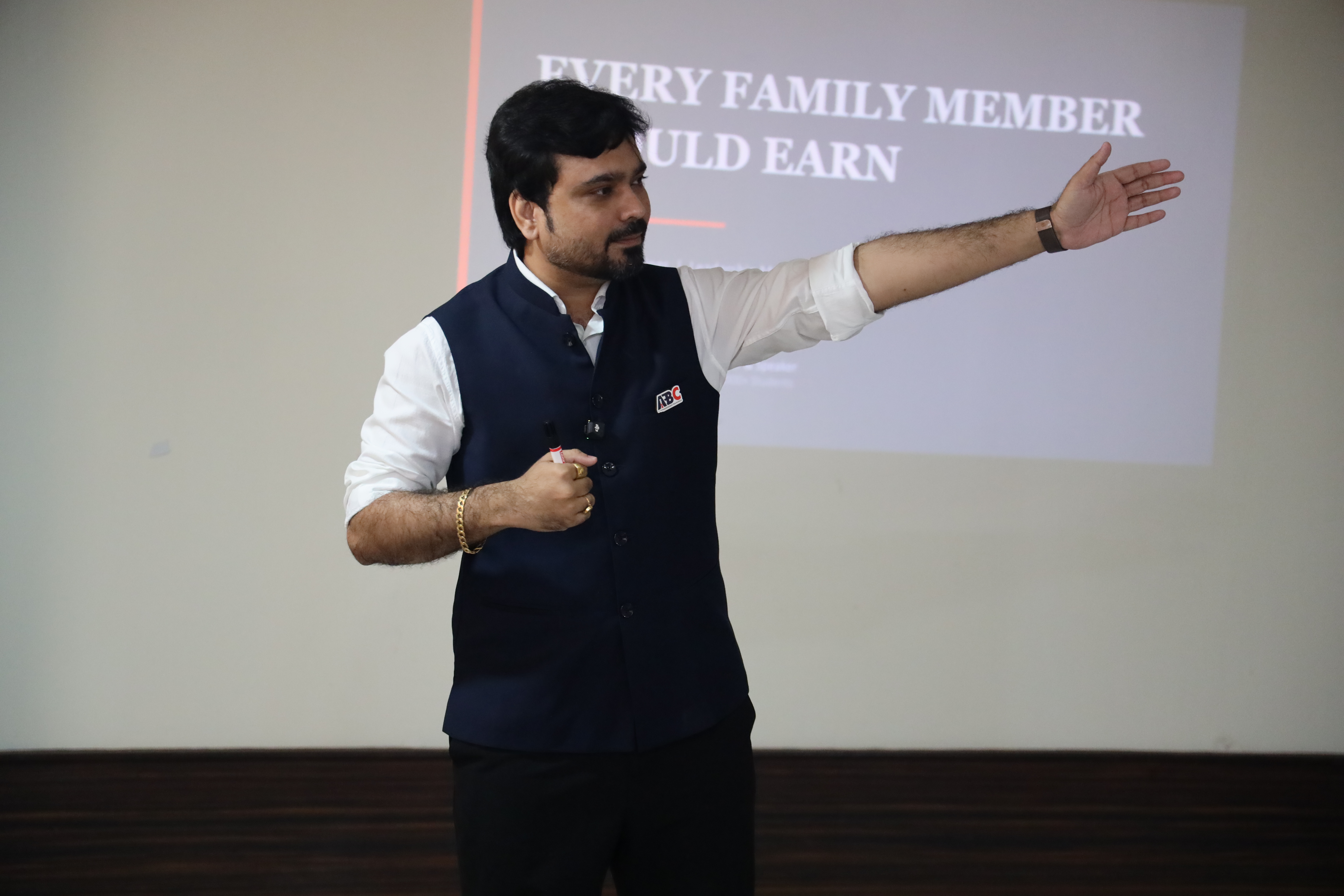
65% of Indian firms now invest in soft-skill training, yet most recognition programs I've seen in my work with Tata Tech, L&T, and Infosys are broken the same way — they celebrate the top 10% and ignore the 90%. Here's the thing: the 90% drive your daily output. When you ignore them consistently, you don't just lose their motivation — you lose them entirely.
TL;DR- Praising only top performers creates a toxic two-tier culture in Indian workplaces
- The middle 80% are the engine of your organization — recognition is fuel for that engine
- Inclusive recognition must be specific, timely, and tied to behavior, not just outcomes
- A simple three-tier recognition model can transform engagement scores in 90 days
- What gets recognized gets repeated — make sure you're recognizing what you actually want
Why Your Recognition System Is Breaking Your Team Without You Knowing
Most managers I work with genuinely believe they're fair. They recognize good work when they see it. What they don't realize is that 'when they see it' means only when they see exceptional, headline-grabbing results — which means only the top 10% of the team ever gets recognized. The remaining 90% work just as hard, show up every day, and deliver the steady output that keeps the operation running. But because their contributions are consistent rather than spectacular, they're invisible to a recognition system that's only calibrated for highlights.
The Hidden Damage of Top-Performer-Only Recognition in India
Here's the hidden damage that runs beneath the surface. When the same three names appear on every internal award, every team email shoutout, every quarterly recognition post — the rest of the team draws a very clear conclusion: this organization rewards star power, not effort. Within six months, the middle performers stop volunteering for additional work. Within a year, your best 'consistent performers' — the ones you rely on for execution — start exploring their options externally. The talent retention crisis many Indian companies are facing right now isn't about compensation. It's about this invisible recognition gap.
What the 80% of Your Team Actually Wants from You
What most managers get wrong is assuming that the 80% of their team wants the same thing as the top 20%. They don't. High performers want autonomy, stretch, and visible opportunity. Consistent contributors want something different: to be seen, to know their work matters, and to feel respected for their reliability. When I run recognition workshops at Mahindra and KPIT, I ask managers to name every person on their team and one specific contribution that person made last month. Most can't do it beyond their top five. That gap in awareness is the root of the problem.
| Recognition Type | Frequency | Method | Who Benefits | Cost |
|---|---|---|---|---|
| Micro-Recognition | Daily / within 24 hrs | Specific verbal or written acknowledgment | All team members | Zero |
| Team Spotlight | Weekly | Team meeting callout — specific contribution | Middle 60–80% | Zero |
| Formal Recognition | Monthly / Quarterly | Certificate, shoutout, or award | All tiers — not just top 10% | Low to Medium |
| Stretch Opportunity | Bi-annual | High-visibility project or presentation | Emerging performers | Zero |
How to Build a Three-Tier Recognition Model That Works for Every Level
The three-tier recognition model I teach is simple and scalable. Tier 1 is real-time micro-recognition — a specific, genuine verbal acknowledgment within 24 hours of a contribution. Not 'great job' — something like 'The way you handled that client escalation yesterday without escalating to me showed real judgment.' Tier 2 is team-level recognition in your weekly meeting — one specific contribution from one team member called out publicly every week. Tier 3 is formal recognition — monthly or quarterly, tied to measurable outcomes across all performance levels, not just the top. This three-tier system costs zero rupees and changes everything.
Real-World Recognition Strategies That Indian Companies Are Using Right Now
I've seen some genuinely effective recognition practices from Indian companies I work with. At one Bosch team in Pune, the manager started a 'silent winner' spotlight — once a month, recognizing the team member whose reliable background work nobody would have noticed had they not done it. Within three months, team engagement scores jumped. At a TCS delivery center, a team lead started sending a personal WhatsApp message to one team member each Friday with a specific observation about their week's work. Simple. Costs nothing. The team's voluntary attrition dropped measurably.
The Science Behind Why Recognition Drives Performance More Than Salary
Here's the research most Indian managers don't know: a Gallup study of global workforce data shows that recognition from a direct manager is the single most powerful driver of employee engagement — more than compensation, more than benefits, more than career development. The reason is neurological: the human brain's reward system responds more powerfully to specific, timely social recognition than to delayed financial reward. What this means practically is that a well-timed, specific 'I noticed what you did, and here's why it mattered' from a direct manager is worth more to employee motivation than an annual bonus in terms of sustained performance impact.
How to Fix a Broken Recognition Culture in 30 Days
You can shift a broken recognition culture in 30 days with three commitments. First: name every person on your team and one specific contribution they made this week — do this privately first, then find ways to say it publicly. Second: rewrite your team meeting agenda to include a 'contribution moment' — two minutes where you recognize one person specifically. Third: audit your last six months of recognition — who got recognized, for what, and how often. The pattern will tell you everything. Most managers are shocked when they see the data. The shock itself is the beginning of change.
Book Avinash Chate for Your Next Event
TEDx speaker. 11+ yrs training Army, BRO, RBI, BARC, JSW. Available for keynotes, leadership training, team building & manager development at your office or event venue.
✅ Thanks! Avinash team will reach out within 24 hours.'}).catch(function(e){f.outerHTML='Something went wrong. WhatsApp +91 8793630001
'});return false;">Select ServiceKeynote / Motivational SpeakingLeadership Development TrainingTeam Building WorkshopManager DevelopmentEmployee TrainingOutbound TrainingBook Avinash Now →Or WhatsApp directly: +91 87936 30001
Related Articles by Avinash Chate
- The Ferrari Insult That Created Lamborghini — A Mindset Story India Needs
- The Dark Marketing Secret Behind Listerine That Changed Everything
- Why Corporate Success Feels Empty and What Truly Makes It Meaningful
Avinash Chate TEDx Speaker · Founder, The Future Corporate · 11+ yrs experience Avinash has trained Indian Army, BRO, RBI, BARC, JSW Steel and 1000+ corporate leaders across India. His work focuses on leadership development, communication skills, and behavioural training rooted in Indian values and modern business needs. |
Frequently Asked Questions
Why does praising only top performers demotivate the rest of the team?
When only top performers get recognized, the rest of the team receives an implicit message that their work doesn't matter. This creates what psychologists call 'learned helplessness' — a state where people stop trying because they believe effort won't be rewarded. In Indian workplace cultures, where hierarchical respect is strong, a manager's lack of acknowledgment is felt even more acutely than in Western settings. The result is disengagement, reduced discretionary effort, and eventually attrition — all preventable with a more inclusive recognition approach.
What is the best recognition strategy for Indian corporate teams?
The best recognition strategy for Indian corporate teams combines three elements: specificity, timing, and tiering. Specific recognition names the exact behavior you're recognizing, not just the outcome. Timely recognition happens within 24–48 hours of the contribution. Tiered recognition means you have a system for recognizing contributions at every performance level, not just the top. The managers I've trained at Bajaj Auto and Siemens who implement all three see measurable improvement in team engagement and voluntary output within 60 days.
How often should a manager recognize team members to maintain morale?
Daily micro-recognition — a genuine, specific observation — is the gold standard. But if daily feels like too much, the research supports weekly as the minimum effective frequency for sustained engagement. What matters more than frequency is specificity. One specific, genuine recognition per week per team member does more for morale than five generic 'great job' comments. Most managers underestimate how starved their teams are for specific acknowledgment. Start with one genuine, specific observation per team member per week — and watch what happens to the team's energy.
Can recognition replace salary increases as a motivation tool in India?
Recognition cannot replace salary increases where compensation is genuinely below market — that's a separate and real problem. But for teams that are fairly compensated, the research consistently shows that recognition has a higher return on engagement than incremental salary increases. The reason: recognition meets a psychological need — to be seen, to matter — that money doesn't directly address. In India's 2026 corporate landscape, where talent has more options than ever before, the combination of fair compensation and consistent, specific recognition is what builds teams that don't want to leave.
Avinash Chate services
Corporate Trainer in Maharashtra · Top Corporate Trainers in Maharashtra · Leadership Trainer in Maharashtra · Top Leadership Trainers in Maharashtra · Team Building Trainer in Maharashtra · Top Team Building Trainers in Maharashtra · Motivational Speaker in Maharashtra · Top Motivational Speakers in Maharashtra · All service locations
← Back to all articles · Book Avinash Chate
By Avinash Chate — Maharashtra’s #1 Corporate Trainer & Motivational Speaker. .