Why Trust, Not Price, Keeps Indian Customers for Generations 2026
Most businesses lose customers not because of price, but by taking them for granted. Avinash Chate reveals how honesty and trust build generational loyalty in India.
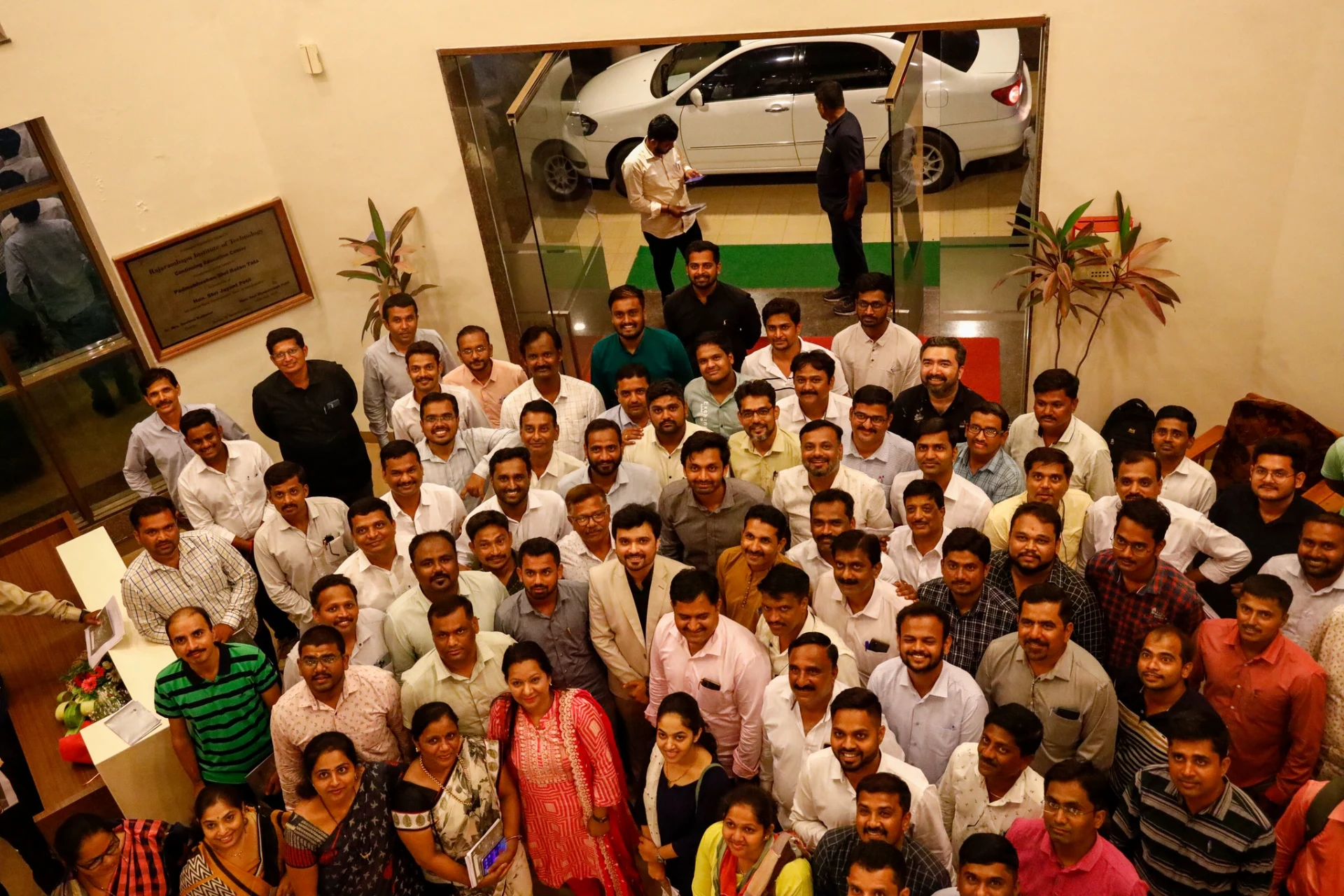
Here's the thing most business owners get wrong — they blame price or competition when customers leave. But working with hundreds of companies from Bajaj Auto to Ferrero, I've seen the same pattern: 65% of Indian firms now invest in relationship training because trust, not price, is what truly keeps customers for generations.
TL;DR- Customers leave not because of price but because they felt taken for granted — the core insight from Avinash Chate's Marathi corporate training
- Honesty and trust are the real differentiators in Indian business: salons, retail, and corporates alike
- Customers treated with consistent respect stay loyal for years — and bring their families too
- Build systems that make every customer feel seen and valued, not just acquired
- Your product can be copied; your long-term customer relationships cannot
Why Good Service Alone Won't Keep Indian Customers Loyal
Good service is the price of entry, not the reason customers stay. I've worked with retail brands, service businesses, and corporate teams across Maharashtra, and the pattern is always the same: businesses invest in product quality, staff training, and process improvement — and still watch customers drift away. What they're missing is the emotional contract. Customers don't just want their problem solved. They want to feel that you genuinely care whether they come back.
The Real Reason Customers Leave Has Nothing to Do With Price
Here's what I keep finding in my Marathi corporate training sessions: customers don't leave because your competitor is cheaper. They leave because at some point, they felt taken for granted. Maybe the follow-up stopped. Maybe they got the new customer discount and the existing customer neglect. A salon that treats a first-time visitor better than a ten-year regular will lose that regular — not to price, but to disrespect. That's the core insight that changes everything about retention.
How Honesty and Trust Create Generational Customer Loyalty in India
The businesses that survive decades in India — the family jewellers, the neighbourhood hardware stores, the trusted CA firms — share one thing: they built trust through honesty and never took relationships for granted. Customers treated with genuine respect don't just return. They send their children and colleagues. At Ferrero and RBI training sessions, leaders who grasped this consistently outperformed those chasing quarterly numbers with discounts and short-term tactics.
| Retention Strategy | Short-Term Impact | Long-Term Loyalty | Copyable by Competitors |
|---|---|---|---|
| Price Discounts | High (attracts) | Low (trains bargain-seeking) | Yes |
| Quality Improvement | Medium | Medium | Yes |
| Honest Communication | Low | Very High | No |
| Never Taking Customers for Granted | Medium | Very High (generational) | No |
| Personalised Relationships | Medium | Very High | No |
Never Take Your Customers for Granted: Lessons From Indian Business
Taking customers for granted is a silent business killer. It doesn't show up in your sales report immediately — it appears 18 months later when renewal rates drop and referrals dry up. I've told teams at Mahindra, L&T, and KPIT: the customer who never complains is often your biggest blind spot. They've already decided to leave; they just haven't told you yet. Build regular check-ins, express genuine gratitude, and mean it every single time you interact.
From Salons to Corporates: Where Customer Trust Actually Gets Built
Whether you run a salon in Pune, a retail chain in Nagpur, or a B2B services firm in Mumbai, the trust equation is identical. What changes is scale and vocabulary, not the principle. Small businesses often have an advantage here — the owner knows every customer by name. Corporate businesses must systemise that personal connection. CRM tools, customer success managers, loyalty programmes — all are simply ways of saying: we see you, we value you, we're not taking you for granted.
What I Tell Every Manager at Bajaj Auto and Tata Tech About Retention
When I run leadership workshops at Bajaj Auto or Tata Tech, I ask managers: When did you last reach out to a key client just to check in — not to sell? Most go quiet. That silence tells you everything. The best customer relationships I've seen are built on asymmetric generosity: give more attention, more honesty, more follow-through than strictly necessary. That's not a cost; that's your retention strategy. In India's Rs 1.5 trillion L&D market, the companies winning are the ones teaching their people exactly this.
The Simple Framework for Earning Lifetime Customer Loyalty
Here's the simple framework I use with clients: First, never overpromise — honesty in expectation-setting is the foundation. Second, deliver consistently — trust is built in ordinary moments, not spectacular ones. Third, reach out proactively when something goes wrong — customers forgive mistakes if you own them fast. Fourth, treat long-term customers better than new ones, not worse. Do these four things consistently across your team, and you'll have customers who stay for generations. Trust is the only competitive moat that truly cannot be copied.
Book Avinash Chate for Your Next Event
TEDx speaker. 11+ yrs training Army, BRO, RBI, BARC, JSW. Available for keynotes, leadership training, team building & manager development at your office or event venue.
✅ Thanks! Avinash team will reach out within 24 hours.'}).catch(function(e){f.outerHTML='Something went wrong. WhatsApp +91 8793630001
'});return false;">Select ServiceKeynote / Motivational SpeakingLeadership Development TrainingTeam Building WorkshopManager DevelopmentEmployee TrainingOutbound TrainingBook Avinash Now →Or WhatsApp directly: +91 87936 30001
Related Articles by Avinash Chate
- MS Dhoni's Winning Six in the 2011 World Cup Final: Masterful Adaptability Under Ultimate Pressure
- Virat Kohli's 82 Not Out Against Pakistan in the 2022 T20 World Cup: Resilience Built Through Consistent Practice
- Kapil Dev's Legendary 175 Not Out Against Zimbabwe in 1983: Leading From the Depths of Crisis
Avinash Chate TEDx Speaker · Founder, The Future Corporate · 11+ yrs experience Avinash has trained Indian Army, BRO, RBI, BARC, JSW Steel and 1000+ corporate leaders across India. His work focuses on leadership development, communication skills, and behavioural training rooted in Indian values and modern business needs. |
Frequently Asked Questions
Why do customers leave even when your prices are competitive?
Price is rarely the real reason customers leave. Most customers switch businesses because they felt taken for granted — poor follow-up, inconsistent service, or the sense that the business only cared about them as a transaction. Working across Maharashtra with companies like Bajaj Auto, Ferrero, and L&T, I've found that trust and respect are the primary drivers of loyalty. A customer who feels genuinely valued will pay a small premium rather than risk a new relationship with an unknown vendor.
How do you build customer trust in an Indian business context?
Building customer trust in India requires three consistent behaviours: honesty in setting expectations, reliability in delivery, and proactive communication when things go wrong. Indian customers — whether in retail, services, or B2B — place exceptional value on long-term relationships. A business that treats customers with genuine respect over years earns something no competitor can copy: generational loyalty, where the customer's family and network also become your customers. Start by eliminating the gap between what you promise and what you deliver.
What does never taking customers for granted mean in practice?
In practice, never taking customers for granted means actively investing in existing relationships rather than focusing only on acquiring new ones. Specifically: regular check-ins not tied to upselling, remembering and acting on customer preferences, offering long-term customers at least as good terms as new ones, and expressing genuine gratitude. In corporate training sessions I run at L&T, Tata Tech, and Mahindra, I stress that your best customers are the ones who've been with you longest — treat them like the most important people in your business, because they are.
Can small businesses in India compete on trust against larger players?
Absolutely — and trust is often the small business's single strongest competitive advantage. A local salon or neighbourhood retailer can know every customer personally, remember their preferences, and deliver a relationship that no large chain can replicate at scale. The lesson from business growth training across Maharashtra is that small businesses should lean into this advantage deliberately: systemise the personal touches, be radically honest about what you can and cannot do, and build the kind of consistency that creates customers for life. Size is not a substitute for genuine relationship.
Avinash Chate services
Corporate Trainer in Maharashtra · Top Corporate Trainers in Maharashtra · Leadership Trainer in Maharashtra · Top Leadership Trainers in Maharashtra · Team Building Trainer in Maharashtra · Top Team Building Trainers in Maharashtra · Motivational Speaker in Maharashtra · Top Motivational Speakers in Maharashtra · All service locations
← Back to all articles · Book Avinash Chate
By Avinash Chate — Maharashtra’s #1 Corporate Trainer & Motivational Speaker. .