How to Understand Your Boss and Team Psychology
In many workplaces, talented professionals struggle not because of lack of skill, but because of misunderstandings with bosses and colleagues. One employee feel...
The Psychological Roots of Workplace Problems
Most people think workplace problems are about performance, targets, or communication gaps. But if you look closely, almost every office conflict has a psychological root.
- Someone feels ignored.
- Someone feels overpowered.
- Someone feels unappreciated.
And from that moment, distance begins.
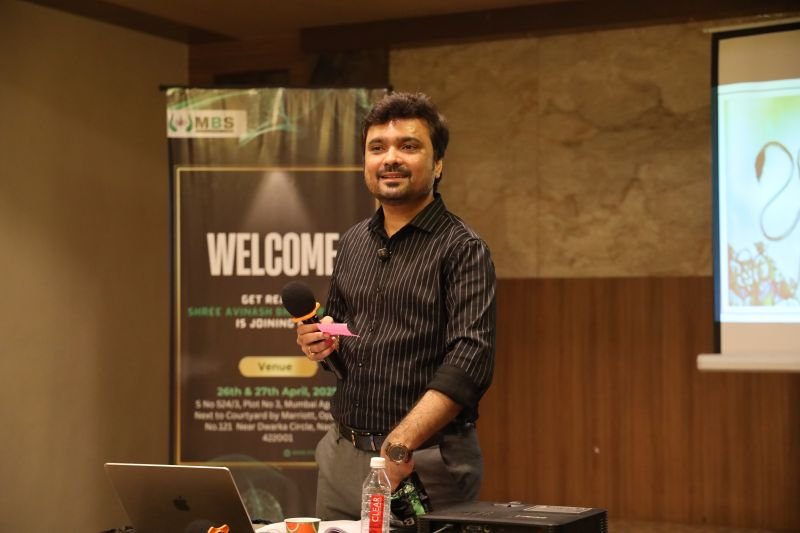
In one of his powerful sessions, Avinash Chate explains a simple yet practical framework used by Fortune 500 companies — the Ferob Psychological Model. It does not complicate human behavior. It simplifies it.
Core Psychological Needs in the Workplace
At its core, the model says every person in the workplace operates with three psychological needs:
- Inclusion
- Control
- Affection
When these three are respected, teams flourish. When they are ignored, politics begins.
1. Inclusion: The Need to Be Seen (Or Left Alone)
Not everyone wants to sit in every meeting. Not everyone wants to speak in every discussion.
Some people thrive in collaboration. Others do their best thinking in silence.
The mistake we make is labeling people too quickly:
- “He is not proactive.”
- “She is not social.”
- “He doesn’t participate.”
Maybe they are not anti-social. Maybe they simply prefer one-on-one communication over group conversations.
Inclusion is not about forcing everyone into the same room. It is about understanding how each person prefers to engage.
When you respect that, resistance reduces naturally.
2. Control: The Silent Battle of Decision-Making
This is where most office tension hides.
Some managers check every email.
Some team members avoid taking decisions.
Some leaders delegate everything.
Some hold everything tightly.
A high-control person may micromanage. A low-control person may avoid responsibility.
But behavior always has a backstory.
A manager who double-checks everything may have faced a major failure earlier. A team member who avoids decisions may fear criticism.
When you understand the reason behind control, frustration turns into empathy.
And empathy changes the equation.
3. Affection: The Power of Appreciation
Affection in the workplace is not about friendship or personal bonding. It is about professional warmth.
- A simple “well done.”
- A public appreciation.
- A private acknowledgment.
When appreciation is missing, motivation drops silently.
Many employees do not leave companies. They leave because they feel invisible.
A team with high affection needs thrives on recognition. A team with lower affection needs may not seek praise openly, but still values respect.
Understanding this difference makes you emotionally intelligent at work.
The 7-Day Relationship Shift
The model is powerful because it is practical.
It starts with three simple steps:
- Decode Yourself
Before understanding your boss or team, understand yourself. Do you seek inclusion or prefer independence? Do you like control or clear instructions? Do you need appreciation or work quietly without it? Self-awareness is the foundation. - Decode Your Boss
Observe patterns, not moods. Does your boss want to be updated frequently? Do they like being involved in decisions? Do they appreciate public recognition? Instead of resisting their style, understand it. - Strategic Adjustment
This is not manipulation. It is maturity. Give space to someone who prefers independence. Provide updates to someone who values control. Appreciate someone who thrives on recognition.
When you adjust consciously, friction reduces dramatically — often within seven days.
Why This Makes You More Valuable
Technical skills can get you hired. Psychological awareness helps you grow.
When you understand people’s hidden needs, you:
- Reduce conflict
- Build trust faster
- Improve communication
- Become dependable
And dependability is rare.
How Avinash Chate Explains This in the Video
In the video, Avinash Chate breaks down the Ferob Psychological Model with simple workplace examples that feel instantly relatable. He shares real corporate scenarios where misunderstanding inclusion, control, and affection created unnecessary tension.
Instead of giving theory, he offers a clear seven-day action formula that professionals can apply immediately to decode themselves, understand their boss, and strategically adjust behavior.
His approach is practical, non-preachy, and rooted in everyday office realities — making the model easy to remember and even easier to implement.
Workplace success is not only about working harder. It is about understanding people better.AC
Avinash Chate
India's Leading Corporate Trainer | TEDx Speaker | Author
With 80+ organizations trained including RBI, JSW Steels, and Ferrero, Avinash Chate delivers high-impact corporate training across India. Creator of the KITE Leadership Framework and bestselling author of "The Winning Edge."
Website YouTubeBook Avinash Chate for Your Next Event
Maharashtra's #1 Corporate Trainer · India's leading Motivational Speaker & Team Building Expert · 2x TEDx · Available across India in English, Hindi & Marathi.
✅ Thanks! Avinash team will reach out within 24 hours.'}).catch(function(e){f.outerHTML='Something went wrong. WhatsApp +91 8793630001
'});return false;"> Select Service Motivational Speaking / Keynote Team Building Workshop Corporate Training / Leadership Development Manager Development Employee Training Outbound Training Book Avinash Now →Or WhatsApp directly: +91 87936 30001
Related Articles by Avinash Chate
- A Raw Glimpse Inside Corporate Training at Magnus Farms Pune
- De-escalating an Angry Businessman: The Loan Interest Role Play Method
- Training India's Top Scientists: Leadership Lessons From BARC Mumbai
Avinash Chate services
Corporate Trainer in Maharashtra · Top Corporate Trainers in Maharashtra · Leadership Trainer in Maharashtra · Top Leadership Trainers in Maharashtra · Team Building Trainer in Maharashtra · Top Team Building Trainers in Maharashtra · Motivational Speaker in Maharashtra · Top Motivational Speakers in Maharashtra · All service locations
← Back to all articles · Book Avinash Chate
By Avinash Chate — Maharashtra’s #1 Corporate Trainer & Motivational Speaker. .