Development Dialogue Training
The conversation that decides whether your best people stay.
Most organisations already have a development framework. The forms exist, the appraisal cycle runs on time — and yet the one conversation meant to change a career rarely happens. Managers rush through it, people leave the room unsure what to do next, and six months on nothing has moved. Your strongest people don't leave over salary. They leave because no one ever sat them down and spoke, honestly, about where they are going. This programme closes that gap.
★ 5.0 client rating · Across Maharashtra, pan-India & internationally · English, Hindi & Marathi
The Conversation Everyone Avoids
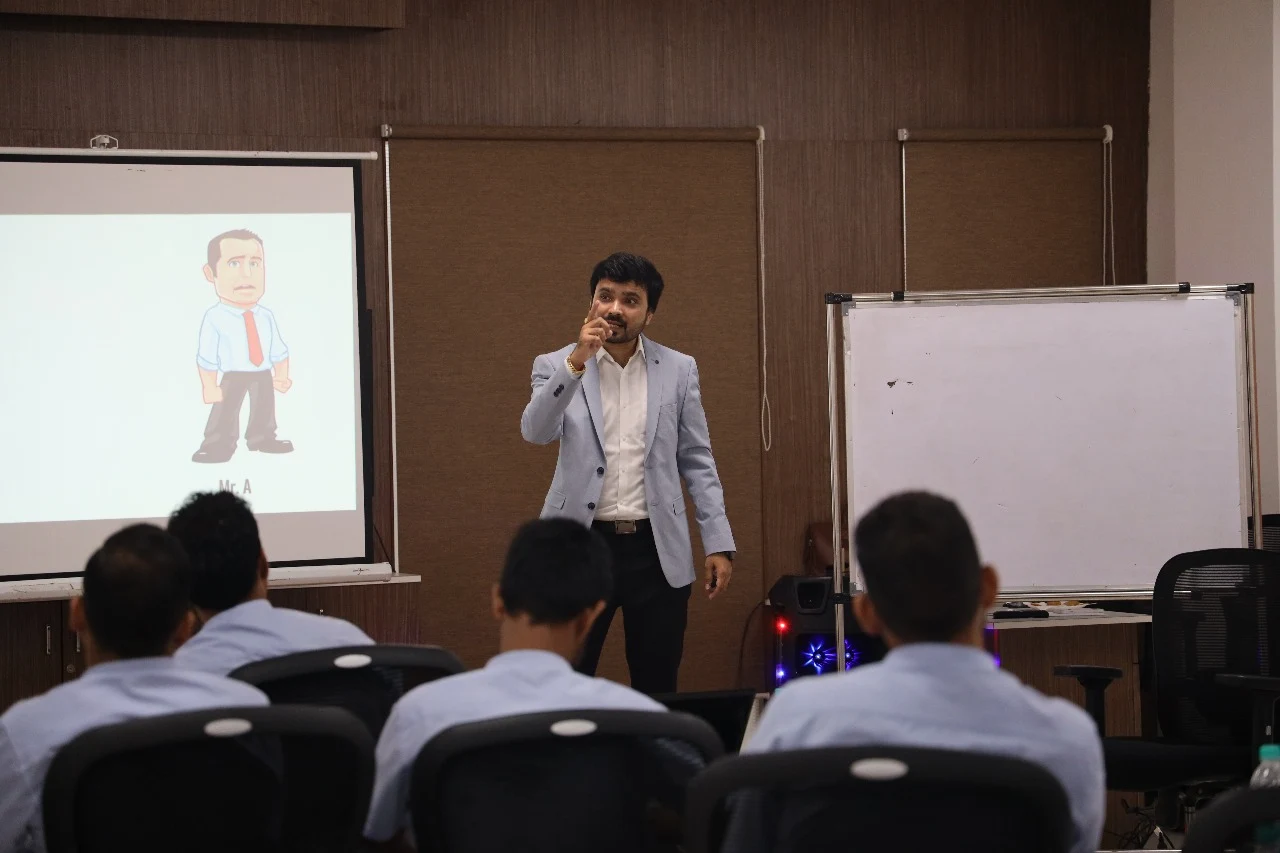
Walk into most organisations at appraisal time and you will find the same quiet truth. The ratings get filled in. The increment letters go out. But the honest, forward-looking conversation about a person's growth — the one that actually makes someone feel seen — either never happens or happens badly. A manager, uncomfortable and untrained, rushes through it in ten minutes. The employee reads it as a formality and walks away with nothing to act on. Nobody says it aloud, but everybody knows it was theatre.
And the cost is real. The high-potential manager who was quietly hoping to be stretched starts taking recruiter calls. The dependable performer plateaus because no one ever mapped a path for her. Talent you spent years building walks out — and in the exit interview, almost never says the real reason: nobody ever sat me down and talked about where I was going.
Why It Happens — And Why It Is Fixable
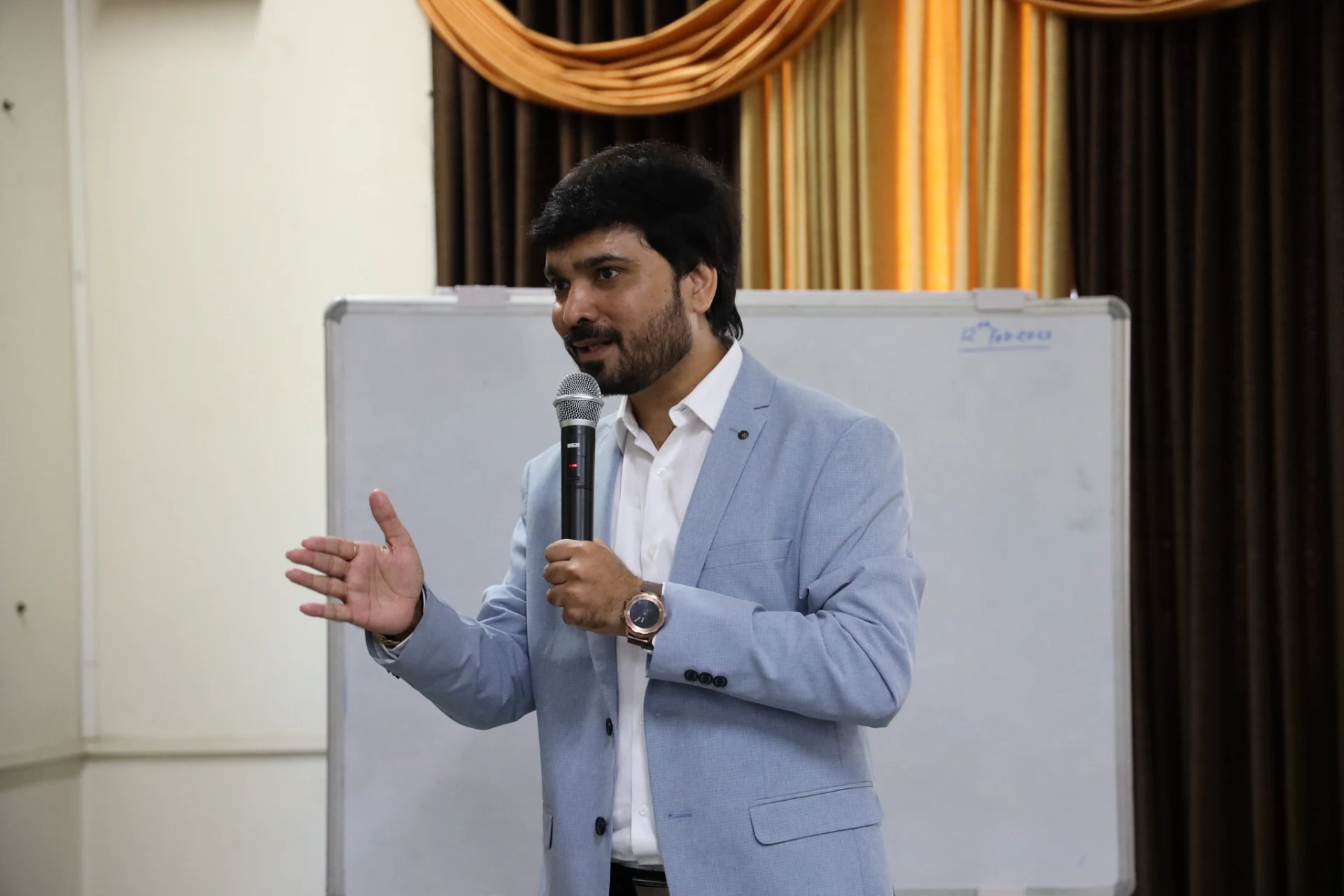
The gap is almost never a lack of care. Your leaders want to develop their people. What most of them were never taught is how to hold the conversation. Nobody showed them how to ask about aspiration without it becoming a promotion promise. How to name a hard development gap so it lands as support instead of criticism. How to turn a vague "you're doing fine" into a plan the person actually owns. How to invite feedback about their own leadership without feeling undermined.
Because these skills were never built, capable managers default to avoidance or to the safe, hollow version of the conversation. That is good news: a skill that was never taught can be taught. This programme does exactly that — it turns the Development Dialogue from an awkward obligation into the most valuable hour a leader spends with each of their people.
Does This Sound Familiar?
If any of these are happening in your organisation, the root cause is almost always the same one — and it is fixable. Here is what we see, what it quietly costs, and exactly which part of the programme addresses it.
| The symptom you see | What it is costing you | The real cause | How the programme fixes it |
|---|---|---|---|
| Appraisals happen on time, but nothing changes afterward | A wasted cycle and quiet cynicism about the whole process | Managers rate past performance but never hold a forward-looking development conversation | Re-teaches the dialogue as a forward-looking coaching conversation, not a backward-looking review |
| Your high-potential people leave "for growth" | You lose your best and pay to rebuild — the most expensive attrition there is | No one ever surfaced their ambition or mapped a visible path inside the company | The Aspiration module — drawing out and mapping what each person truly wants |
| Managers quietly avoid the hard feedback | Problems fester, standards slip, and weaker performers get too comfortable | They were never taught to deliver a hard message without damaging the relationship | The SBI feedback model plus live practice on your own real cases |
| Development goals are vague and forgotten by March | No real capability gets built — the plan was theatre | Goals were imposed rather than co-owned, and never made specific | The Ability module — co-built, SMART development plans the employee actually owns |
| "Development" is seen as HR's job, not the manager's | No culture of growth; nothing compounds year on year | Line managers do not feel they own the conversation | The Culture module — cascading ownership tier to tier, Apex to HOD to Manager |
What Changes When Your Leaders Get This Right
Picture a review season your leaders look forward to instead of dread. A high-potential manager walking out of a one-on-one with a clear plan — and a concrete reason to stay another two years. Feedback moving in both directions as an easy habit, not a once-a-year ordeal. HODs coaching their managers the same way their Apex leaders coached them.
And underneath it all, a shift you can feel across the organisation: development stops being a form somebody has to fill, and becomes simply how you grow your people.
What Your Leaders Will Be Able to Do
- ✓ Understand what a Development Dialogue is, how it differs from an appraisal, and why it changes retention and performance
- ✓ Draw out an employee's real aspirations without turning the conversation into a promotion promise
- ✓ Assess capability honestly and translate it into a clear, SMART development plan
- ✓ Give hard feedback without bruising trust — and receive it without becoming defensive
- ✓ Align each person's growth with the goals of the department and the business
- ✓ Build a culture of ownership, accountability and continuous development that outlasts the appraisal cycle
- ✓ Handle the difficult, real-world versions of these conversations with confidence
What the Programme Covers
Six connected modules, built around your four objectives — aspiration, ability, feedback and a positive work culture. Every module pairs a short input with real practice, and ends with a concrete change in how your leaders show up.
These are building blocks, not a fixed-length course. A two-hour session goes deep on the two or three that matter most to you; a half or full day covers more; a multi-day intensive — or an ongoing monthly, quarterly or half-yearly rhythm — works through them all, with far more practice. We shape which ones, in what order and how deep, with you.
Foundations — What a Development Dialogue Really Is
What we cover: The difference between a Development Dialogue and a performance appraisal. Why most development conversations fail before they begin. The manager's true role — not judge, but coach. The four pillars that hold every good dialogue together: aspiration, ability, feedback and culture.
What changes: Leaders stop treating the conversation as a form to complete and start treating it as the single highest-leverage hour they spend with a team member.
Aspiration — Drawing Out What People Actually Want
What we cover: How to ask about ambition so people answer honestly. Separating a genuine aspiration from a rehearsed answer. What to do when someone wants a role you cannot promise. Mapping aspiration to realistic paths inside the organisation, so the conversation builds loyalty instead of raising expectations you cannot meet.
What changes: Leaders leave every dialogue knowing what genuinely drives each person — the single most powerful lever they have for retention.
Ability — Honest Assessment and the Development Plan
What we cover: Assessing capability without flattery or fear. Naming a development gap so it lands as support, not criticism. Turning a vague "needs to improve communication" into a specific, measurable, time-bound plan. Writing SMART development goals the employee actually owns.
What changes: Every dialogue ends with a written plan the employee helped build and genuinely intends to act on — not a goal imposed and forgotten.
Feedback — The Two-Way Conversation That Builds Trust
What we cover: The structure of feedback that improves behaviour instead of triggering defence. How to deliver a hard message and keep the relationship. Just as important — how to invite feedback about your own leadership and receive it without flinching. Building the habit of feedback as a two-way street.
What changes: Feedback stops being the dreaded once-a-year event and becomes an ongoing, trusted exchange in both directions.
Culture — Ownership, Accountability and Continuous Growth
What we cover: How individual dialogues, done well and repeatedly, compound into a culture. Making development a shared responsibility rather than the manager's chore. Cascading the discipline down a tier — Apex Members with HODs, HODs with Managers. Keeping momentum between formal cycles.
What changes: Development stops being an HR event on the calendar and becomes how the organisation naturally grows its people.
Practice — Role Plays and the Hard Real Cases
What we cover: Live role plays built on your organisation's real situations. The under-performer who does not see the problem. The high-potential who wants to leave. The senior who resents being coached by a peer. The star with an unrealistic aspiration. Leaders practise the exact conversations they will have next week.
What changes: Leaders walk out having already had the hard conversation once, in the room — so the real one, days later, is no longer daunting.
How It Is Delivered
This is not a lecture with slides. It is a working session. Leaders spend most of their time practising — role-playing real situations from your own organisation, working through case studies, and rehearsing the exact conversations they will have the following week. The theory is kept tight and practical; the practice is where the change happens.
The format flexes to your needs, not the other way around. The same programme can run as a focused half-day, a full-day workshop, a multi-day intensive, or a series of shorter modules spread across weeks — and it can be delivered once, or as an ongoing leadership rhythm through the year that builds a lasting habit rather than a one-off event. For 20 to 40 participants, it is organised into batches small enough that every leader practises, not just watches. The exact depth, duration and cadence are shaped with you in the design call.
Formats That Fit Your Calendar
Half-day or full-day workshop
A focused, high-energy session when you want real impact in a single sitting.
Multi-day intensive
Two or more days to go deep — ideal for leadership cohorts, new-manager batches and off-sites.
Modular series
Shorter sessions of a few hours each, spread across weeks, so the learning embeds between sessions.
An ongoing rhythm through the year
Monthly, quarterly, half-yearly or annual sessions that turn a one-off workshop into a lasting leadership habit.
The Thinking Behind It
This programme is not built from a generic slide deck. It draws on the best global thinking on development conversations — distilled into models your leaders can actually use in the room — and then goes further, into frameworks Avinash has developed and tested across a thousand-plus organisations of his own.
Ideas & books we draw on
- Help Them Grow or Watch Them Go — Beverly Kaye & Julie Winkle Giulioni · the quiet classic on career-development conversations, built for busy managers
- The Coaching Habit — Michael Bungay Stanier · the discipline of asking before telling
- Radical Candor — Kim Scott · care personally, challenge directly
- Thanks for the Feedback — Douglas Stone & Sheila Heen · the neglected skill of receiving feedback
- Nine Lies About Work — Marcus Buckingham & Ashley Goodall · why frequent check-ins beat the annual review
- Drive — Daniel Pink · autonomy, mastery and purpose as what truly motivates people
Models your leaders will actually use
- The GROW model · structuring a coaching conversation — Goal, Reality, Options, Will
- SBI feedback · Situation, Behaviour, Impact — feedback that lands without wounding
- SMART development goals · turning a vague aspiration into a real plan
- Feedforward — Marshall Goldsmith · shifting from judging the past to building the future
- Situational Leadership · matching your style to each person's readiness
And Avinash's own frameworks — the part you won't find anywhere else
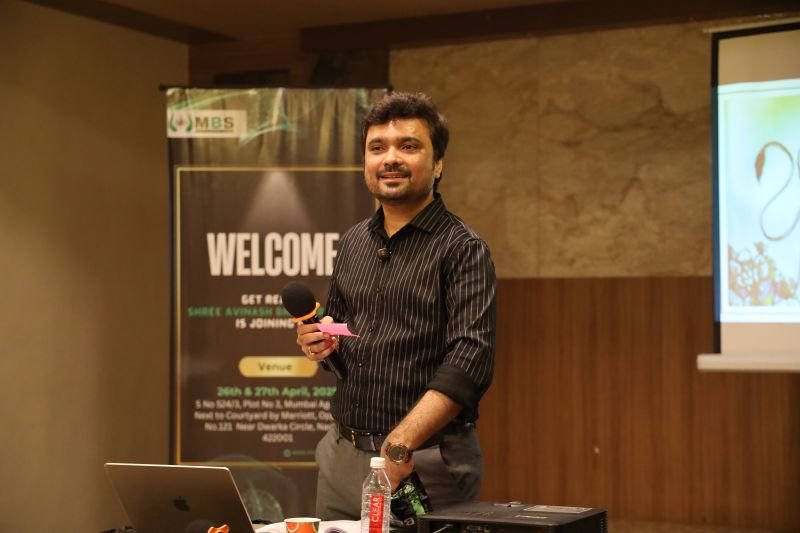
Beyond the established thinking, the programme is built on frameworks Avinash has created and written about himself — including his KITE leadership framework and the principles in his book The Winning Edge. These come from actually running a 100-plus member organisation and developing its people year after year, not from a textbook. It is the layer competitors cannot copy, and the one your leaders remember long after the session ends.
Who It Is For
Anyone expected to develop the people below them — Apex Members, HODs, senior and middle managers, and HR Business Partners. It is at its most powerful when the practice is designed to cascade through tiers: Apex Members holding dialogues with HODs, and HODs in turn with their Managers, so a single shared language of development runs all the way down the organisation.
Grounded in Real Rooms, Not Theory
Because Avinash Chate runs a 100-plus member organisation himself, the conversations taught here are the real conversations of building and keeping a team — not textbook models. That is why working leaders, from PSU boards to manufacturing shop floors, respond to them. Programmes of this nature — building leaders' ability to hold honest development and coaching conversations — have been delivered for teams across sectors, from heavy manufacturing to banking to government.
Why Avinash Chate
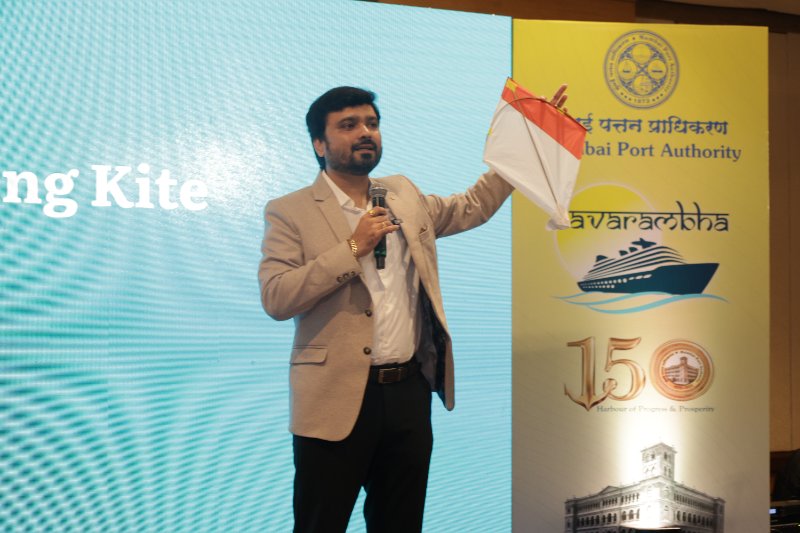
Avinash Chate is an entrepreneur and corporate trainer who runs ABC Trainings and The Future Corporate & Business Coaching, a TEDx speaker and published author. Over the last decade he has trained teams at 1,000-plus organisations and 15,000-plus professionals.
He teaches these skills not from a manual, but because he practises them himself — leading a 100-plus member team of his own. That is the difference working leaders feel in the room.
Development Dialogue Training — FAQ
What is Development Dialogue Training?
It is a structured programme that equips your leaders and managers to conduct Development Dialogues — forward-looking, coaching-based career conversations with the people who report to them. Unlike an appraisal, which rates past performance, a Development Dialogue is about aspiration, ability, feedback and growth. The training builds the specific skills to hold these conversations well, so they actually change behaviour and retention rather than becoming another form to file.
How is a Development Dialogue different from a performance appraisal?
An appraisal looks backwards and rates what has already happened; it is usually tied to ratings and increments. A Development Dialogue looks forward — it explores where the person wants to go, what capability they need to build, and how the manager will support that. Appraisals are often dreaded on both sides. A well-run Development Dialogue is the conversation people remember for the right reasons. The training makes sure your leaders can tell the two apart and run the second one skilfully.
Who should attend this training?
Anyone who is expected to develop the people below them — typically Apex Members, HODs, senior and middle managers, and HR Business Partners. It is especially valuable when the practice needs to cascade through tiers, for example Apex Members holding dialogues with HODs, and HODs in turn with their Managers. Groups are usually organised so peers learn together and can practise on situations they genuinely share.
What topics does the programme cover?
Six connected modules: the foundations of a Development Dialogue; drawing out aspiration; assessing ability and building SMART development plans; two-way feedback that builds trust; using these conversations to build a culture of ownership and accountability; and extensive role-play practice on your own real, difficult cases. Every module is built around the four core objectives of aspiration, ability, feedback and positive work culture.
How is the training delivered — and how long does it take?
It is highly interactive — role plays, real-life case studies and hands-on practice, with minimal lecture. The duration is flexible: the same programme runs as a half-day, a full day, a multi-day intensive, or a series of shorter modules, and it can be a one-off or an ongoing monthly, quarterly, half-yearly or annual rhythm. We shape the exact length and cadence with you, around your team's availability and how deep you want to go. For 20 to 40 participants, sessions are organised into batches so every group stays small enough to be genuinely interactive.
Is the programme customised to our organisation?
Yes. Before the first session, the objectives, examples and role-play scenarios are built around your specific context — your tiers, your appraisal cycle, the real situations your managers face. Generic training on this subject is exactly what fails; the value is in practising the conversations your leaders will actually have, with the vocabulary and constraints of your own organisation.
Can it be delivered on-site, and in which languages?
Yes. Most engagements are across Maharashtra — Pune, Mumbai, Chhatrapati Sambhajinagar, Nashik, Nagpur and the industrial belts — and the programme is equally delivered pan-India and internationally on request. Delivery is available in English, Hindi and Marathi, or a natural mix, decided in the design call based on your participant group. On-site delivery keeps the role plays grounded in your real environment.
What outcomes can we expect?
Leaders who hold development conversations with structure and confidence instead of avoiding them. Employees who leave those conversations with a clear plan and a reason to stay. Feedback flowing in both directions as a habit rather than a once-a-year ordeal. Over time, measurably better retention of high-potential people and a visible shift from "development is a form" to "development is how we work".
Why does this training improve retention specifically?
People rarely leave for salary alone; they leave when they feel unseen and cannot picture a future where they are. A Development Dialogue is the moment a manager makes someone feel seen and maps a credible path forward. When your leaders can hold that conversation well and often, your strongest people have a concrete reason to stay — which is why organisations treat this capability as a retention investment, not a soft-skills nicety.
Why Avinash Chate for this programme?
Avinash Chate is an entrepreneur and corporate trainer who runs a 100-plus member organisation, a TEDx speaker and author, and has trained teams at 1,000-plus organisations including RBI, JSW Steel, Mumbai Port, BARC, the Indian Army and Ferrero. Because he leads and develops people himself, the conversations he teaches are not textbook theory — they are the real conversations of running a business, which is why working leaders respond to them.
Related Training Topics
Bring Development Dialogue Training to your leaders
Structured, growth-oriented career conversations — for your Apex Members, HODs and Managers. On-site across Maharashtra, pan-India and internationally, in English, Hindi or Marathi.
Request a Proposal →