Behavioural Trainer in Mumbai
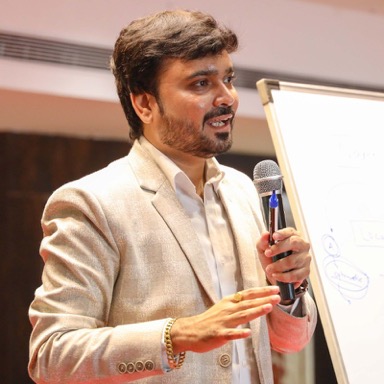
Mumbai teams burn out fast — long commutes, hybrid handover gaps, and silos across BKC, Powai and the Thane-Belapur belt. Avinash Chate, two-time TEDx speaker and creator of The Winning Kite (KITE) framework, runs corporate behavioural training across BFSI, IT and manufacturing cohorts. Sessions run in English, Hindi and Marathi.
★ 5.0 rating · 90+ reviews · English, Hindi and Marathi
Why Mumbai Corporates Need Behavioural Training
Mumbai splits into five behaviour-load belts. BKC houses BFSI HQs where cross-vertical handover dominates. Andheri SEEPZ runs IT and BPO on tight SLAs. Powai is a deep-tech cluster around the IIT-Powai talent pool. Navi Mumbai — Vashi and Belapur — hosts BFSI back-offices and shop-floor manufacturing. The Thane belt carries heavy manufacturing and warehousing. The friction across these belts is not skill — it is behaviour. Behavioural training is what closes it.
Avinash's Behavioural Training Approach
The practice is anchored in two diagnostic instruments and one philosophy — behaviour is observable and changeable, but only with deliberate reinforcement.
The KITE Framework
The Winning Kite anchors every program across four pillars — EQ (emotional intelligence), RQ (relationships and trust), PQ (performance and delivery rituals) and Achievement (the 90-day scorecard that converts insight into outcomes). Read more at the KITE Leadership Framework.
The 25-Star Competency Framework
Mumbai cohorts are pre-scored across 25 observable workplace behaviours. The diagnostic decides which competencies the cohort actually needs to lift.
Behavioural Diagnostics
Pre-program interviews with the sponsor and a one-page diagnostic naming the actual behaviour gap. The flagship program is Becoming A Star At The Workplace.
Formats Available in Mumbai
Keynote for BKC town-halls. Half-day for a focused reset on one KITE pillar. 1-day in-house at BKC, Andheri SEEPZ, Powai, Vashi, Belapur or Thane. 2-day residential at Lonavala or Khandala for senior leadership and post-merger integration resets. Hybrid formats for distributed teams.
Recent Behavioural Engagement in Mumbai
A BFSI cohort headquartered in BKC recently ran a 2-day residential at Khandala for 36 mid-managers across operations, risk and product. The brief was sharp — siloed decision-making between Lower Parel product squads and Vikhroli operations was costing them two-week launch delays per quarter, and the root cause was behavioural: product escalated late, operations defaulted to blocking, and risk used jargon as defence. We anchored the engagement in the KITE framework, opening with EQ on disagreement etiquette, then RQ rebuilding through cross-tower challenges. PQ converted insight into three concrete rituals — a Monday cross-function stand-up, a shared escalation matrix, and a Friday retrospective. The cohort signed a 90-day behavioural scorecard before leaving. At the 30 and 60-day pulses, launch-delay frequency had narrowed by roughly half.
Frequently Asked Questions
What is behavioural training?
Behavioural training is structured behaviour change — not motivation, not a workshop high. It diagnoses the actual habits, default responses and team norms holding a cohort back, then rewires them through deliberate practice, debriefs and 90-day reinforcement. Avinash Chate's practice anchors every program in the KITE framework (EQ + RQ + PQ + Achievement) and the 25-Star Competency Framework so behaviour shifts are observable, not just felt.
How long is a behavioural training program in Mumbai?
Formats range from a 90-minute keynote at a BKC town-hall, to a half-day or 1-day in-house at Andheri SEEPZ or Powai, to a 2-day residential at Lonavala or Khandala. Most Mumbai HR partners pick a 1-day in-house for first cohorts and a 2-day residential for senior leadership or post-merger integration resets.
Can sessions be delivered in Marathi or Hindi?
Yes. Sessions run in English, Hindi and Marathi. BFSI cohorts at BKC and Lower Parel typically run English-led; Thane belt, Vashi and Belapur manufacturing or operations cohorts respond materially better to Hindi-Marathi mixed delivery.
Do you provide post-program reinforcement?
Every Mumbai engagement closes with a 90-day reinforcement plan — a signed behavioural scorecard, 30-day and 60-day pulse check-ins, and a structured debrief at day 90 with the sponsoring HRBP. Behaviour change without reinforcement decays inside three weeks; reinforcement is non-negotiable.
Explore More
Who He Has Trained
Plan Your Mumbai Behavioural Program
To scope a Mumbai program, share cohort size, location (in-house or off-site), preferred dates and the behaviour gap in one line. A diagnostic call follows within 48 hours.
Request a Proposal →