Behavioural Trainer in Nagpur
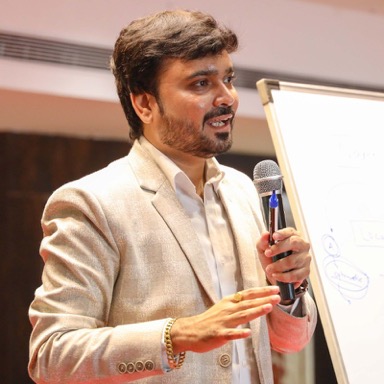
Nagpur sits at the geographic centre of India. Butibori MIDC, Hingna and MIHAN's aviation-logistics hub each carry different operating rhythms. Avinash Chate, TEDx speaker and creator of The Winning Kite (KITE) framework, runs corporate behavioural training tuned to the Vidarbha workforce. Sessions run in English, Hindi and Marathi.
English, Hindi and Marathi
Why Nagpur Corporates Need Behavioural Training
Butibori MIDC, one of Asia's largest single-location industrial areas, hosts power, steel, textile and pharma majors. Hingna MIDC carries auto-ancillary and light engineering. MIHAN runs aviation logistics, SEZ IT and global SCM captives on different rhythms. A Butibori shift supervisor and a MIHAN logistics analyst think about urgency and escalation in fundamentally different ways. The skill base is strong; the behaviour gap is large. Behavioural training is the intervention that closes it.
Avinash's Behavioural Training Approach
The practice is anchored in two diagnostic instruments and one philosophy — behaviour is observable and changeable, but only with deliberate reinforcement.
The KITE Framework
The Winning Kite anchors every program across four pillars — EQ (emotional intelligence), RQ (relationships and trust), PQ (performance and delivery rituals) and Achievement (the 90-day scorecard that converts insight into outcomes). Read more at the KITE Leadership Framework.
The 25-Star Competency Framework
Nagpur cohorts are pre-scored across 25 observable workplace behaviours. The diagnostic decides which competencies the cohort actually needs to lift.
Behavioural Diagnostics
Pre-program interviews with the sponsor and a one-page diagnostic naming the actual behaviour gap. The flagship program is Becoming A Star At The Workplace.
Formats Available in Nagpur
Keynote for town-halls. Half-day for a focused reset on one KITE pillar. 1-day in-house at Butibori, Hingna or MIHAN. 2-day residential at a Pench or Tadoba forest lodge for senior leadership cohorts that need real distance from operations. Hybrid formats for distributed teams.
Recent Behavioural Engagement in Nagpur
A Butibori MIDC power and engineering major recently ran a 2-day residential at a Pench lodge for 32 plant managers and shift supervisors. The brief was sharp — safety incident escalation was lagging, and the root cause was behavioural: supervisors hesitated to flag near-misses upward, plant heads dismissed routine flags as noise, and HSE got a sanitised picture. We anchored the engagement in the KITE framework, opening with EQ on psychological safety, then RQ rebuilding through cross-shift challenges. PQ converted insight into three concrete rituals — a daily safety stand-up, a no-blame near-miss log, and a Friday HSE retrospective. The cohort signed a 90-day behavioural scorecard before leaving. At the 30 and 60-day pulses, near-miss reporting frequency had nearly tripled.
Frequently Asked Questions
What is behavioural training?
Behavioural training is structured behaviour change — not motivation, not a workshop high. It diagnoses the actual habits, default responses and team norms holding a cohort back, then rewires them through deliberate practice, debriefs and 90-day reinforcement. Avinash Chate's practice anchors every program in the KITE framework (EQ + RQ + PQ + Achievement) and the 25-Star Competency Framework so behaviour shifts are observable, not just felt.
How long is a behavioural training program in Nagpur?
Formats range from a 90-minute keynote at a Butibori or MIHAN town-hall, to a half-day or 1-day in-house at Hingna MIDC, to a 2-day residential at a Pench or Tadoba forest lodge. Most Nagpur HR partners pick a 1-day in-house for first cohorts and a 2-day residential for senior leadership or annual planning resets.
Can sessions be delivered in Marathi or Hindi?
Yes. Sessions run in English, Hindi and Marathi. Nagpur cohorts — especially shop-floor and supervisor groups at Butibori and Hingna MIDC — respond materially better to Hindi-Marathi mixed delivery; senior leadership and MIHAN logistics teams often run English-led.
Do you provide post-program reinforcement?
Every Nagpur engagement closes with a 90-day reinforcement plan — a signed behavioural scorecard, 30-day and 60-day pulse check-ins, and a structured debrief at day 90 with the sponsoring HRBP. Behaviour change without reinforcement decays inside three weeks; reinforcement is non-negotiable.
What languages do Nagpur sessions actually run in?
Marathi, Hindi, English or a live mix, decided by who is in the room rather than by the slide deck. Vidarbha shop floors usually want a Hindi-Marathi blend and SEZ cohorts lean English. Materials can be prepared bilingual so the language never becomes the barrier to the behaviour.
Our unit is in Butibori. Should the programme run at the plant or in a city hotel?
For supervisor and frontline batches, the plant training hall is usually the better room, because the examples stay real and a second shift can attend without a bus ride. Hotel offsites earn their cost for leadership teams that need distance from daily firefighting. Both formats are standard, and the diagnostic call settles which one fits.
Explore More
Explore the Behavioural Training overview, the flagship Becoming A Star At The Workplace program, the KITE Leadership Framework, and our clients and reviews:
The one-on-one nobody in the room has ever seen done
Ask a batch of MIHAN team leads how their own manager runs a one-on-one and you will get a long, slightly embarrassed pause. Most of them have never had one that was not a status update with a chair. That is not a criticism of anybody in particular. It is what happens when an entire management layer is first-generation corporate, learning the job from the only example available, which is the manager immediately above them who learned it the same way.
So the session has to supply the missing model rather than talk about it. The cohort watches one done properly, then runs one badly, then runs one better, and the room laughs at the first attempt because everybody recognises it. Nothing about that is sophisticated. It is simply the difference between a lead who knows what a good conversation sounds like and one who is improvising from a book he has not read.
The pattern repeats a level up. Delivery managers here often carry teams larger than anything they were prepared for, and their instinct under pressure is to become the escalation point for every decision. I have seen the same fix work again and again, and it is unglamorous: name the three decisions the team can now take without you, in writing, and then survive the first week of it going slightly wrong. The engineers stay for the manager who does that. The pay correction only buys time.
Butibori and Hingna run on supervisors
Butibori is among Maharashtra's largest MIDC areas and Hingna one of its oldest, and between them they hold everything from tower manufacturing and synthetic fibre to castings and machined components. Plants there succeed or fail at the shift-supervisor level, on handovers, contractor discipline, scrap and absenteeism. The briefs that arrive are rarely labelled leadership. They are labelled communication gaps, quality culture, my supervisors will not own the line. The work underneath is always the same: giving technically promoted men and women the people skills nobody ever taught them, at exactly the point in a career where a man is least willing to admit he needs teaching.
These sessions belong in the plant training hall rather than a hotel. Same-shift batches of twenty to thirty, Marathi-Hindi delivery, examples drawn from that floor's own last quarter. Names like JSW Steel, Hitachi Astemo and MAHATRANSCO on Avinash's national roster mean the manufacturing vocabulary is already in the room when he walks in.
A Marathi city with a Hindi accent
Nagpur talks differently from Pune. Varhadi Marathi at home, an easy Hindi in the bazaar and on most shop floors, which is the old Central Provinces and Berar inheritance, and English inside the SEZ. A trainer who works in a single register reaches a third of the room. Avinash delivers in Marathi, Hindi and English. He switches mid-session, which matters most in mixed batches where a supervisor's confidence collapses the moment the slides turn to English. Bilingual working material is standard, so nobody is decoding a foreign language while trying to learn a new behaviour.
The trading city hires a different animal
Nagpur's third economy is distribution. The city is central India's wholesale point for oranges, pulses, textiles and FMCG lines, and it houses the regional sales offices that manage dealers across Vidarbha, Chhattisgarh and Madhya Pradesh. The people doing that work are field officers and area managers living on targets and two-lane highways. Their briefs are concrete: dealer negotiations that protect margin, beat discipline, collections without burnt relationships, and first-time area managers learning to run a team they were part of last quarter. This is practice-heavy training, built on role-work and live cases rather than motivational theatre, because a dealer conversation is a skill and skills do not transfer by being described from a stage.
Who He Has Trained
Plan Your Nagpur Behavioural Program
To scope a Nagpur program, share cohort size, location (in-house or off-site), preferred dates and the behaviour gap in one line. A diagnostic call follows within 48 hours.
Request a Proposal →Planning this for your team?
Share your name and WhatsApp number and you will get a reply within one business day — usually the same day. Tell us the audience, the objective and rough dates and you get a specific proposal.
Prefer to talk now? ☎ +91 87936 30001 · WhatsApp · Email