How India's Women Won: The Pain to Power Formula
When India's women's cricket team lost three matches back to back, most people wrote them off. But Captain Harmanpreet Kaur did something different. She turned ...
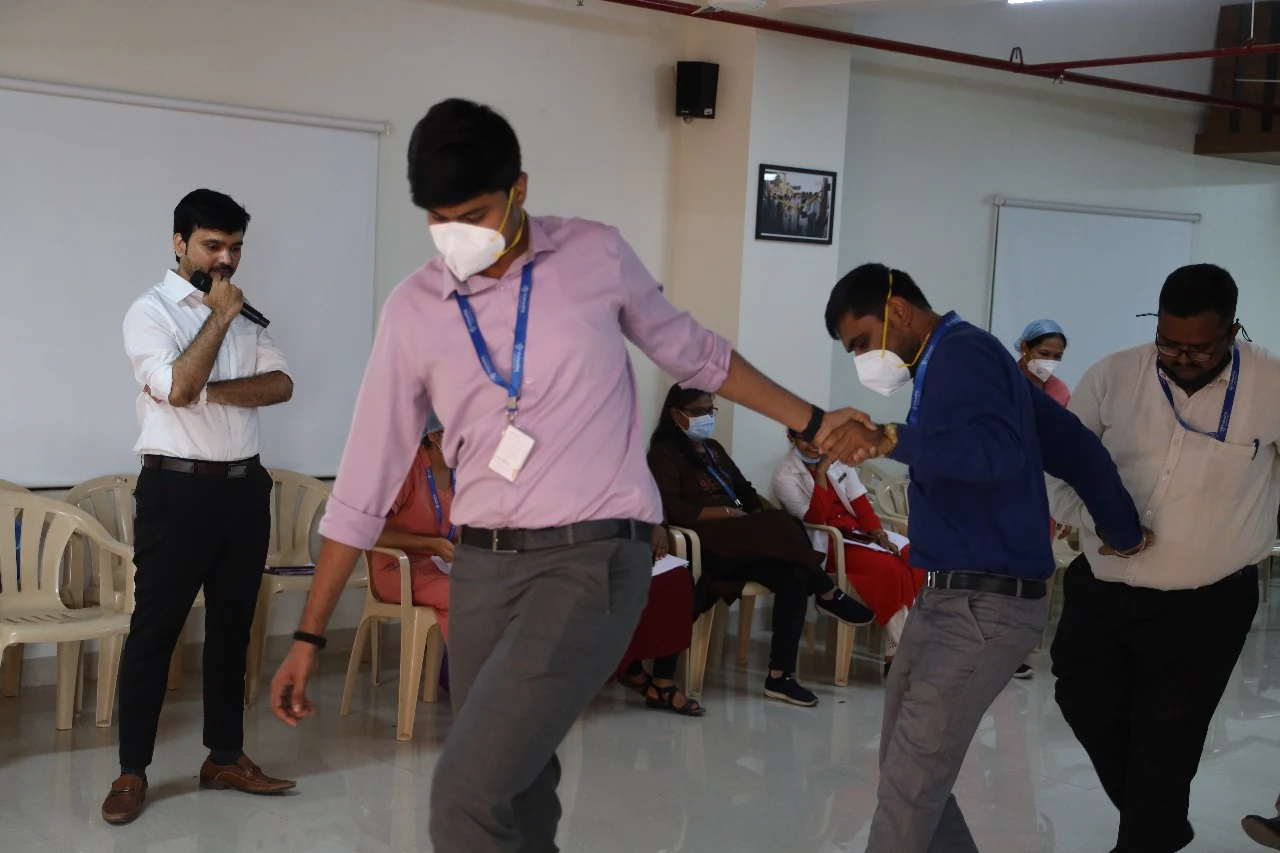
Avinash Chate - Best Corporate Trainer conducting leadership session
From Pain to Power: What India’s Women’s Cricket Triumph Teaches Us About Winning at WorkThere are moments in sport that go far beyond the scoreboard. They become lessons in character, leadership, resilience, and belief. When I reflected on the journey of India’s women’s cricket team, I saw something every professional, manager, sales leader, and team member can learn from.
Many people focus only on the final victory. I focus on what happened before the victory. The losses. The criticism. The doubt. The emotional pressure. That is where the real transformation begins.
Key takeaway: Pain is not the end of performance. If handled with maturity and purpose, pain can become power.
As Avinash Chate, I have spent 15+ years working with leaders and teams across industries, and I have seen one truth repeatedly: success is rarely built in comfort. It is built in the difficult moments when people decide whether they will shrink or rise.
That is why this story matters in the workplace. You may not be playing a World Cup final, but you may be dealing with a failed project, a missed target, a rejected idea, a conflict in your team, or a personal disappointment. The emotional pattern is the same. The question is simple: what do you do next?
Pain Is Real, but So Is the Possibility Hidden Inside It
When a team loses repeatedly, the external narrative becomes very harsh. People begin to question capability, leadership, and future potential. In organizations, the same thing happens. One quarter goes badly, one presentation fails, one client is lost, and suddenly people start behaving as if the story is over.
I strongly disagree with that mindset.
Setbacks are painful because they attack more than results. They attack identity. They make people ask, Am I good enough? Can I recover? Will others still trust me? These are not technical questions. These are human questions. And that is why recovery also has to be human.
In my corporate training sessions, I often remind teams that emotional recovery is the first step to performance recovery. If people are carrying disappointment, anger, embarrassment, or fear, they cannot bring their best energy to the next challenge.
This is also why emotional intelligence matters so deeply in leadership. If you want to understand this better, I recommend reading Why Emotional Intelligence Is Crucial for Effective Leadership in 2023. Leaders who can process pressure without passing panic to the team create stronger cultures.
The Pain to Power Formula I Teach
Over the years, I have observed that high performers do not deny pain. They convert it. That is the foundation of what I call the Pain to Power Formula.
1. Accept the setback without excuses
The first step is honesty. Not blame. Not drama. Not denial. Honest acceptance.
When teams avoid reality, they delay recovery. But when they say, “Yes, we failed here. Yes, this hurt. Yes, we need to improve,” they reclaim control. Acceptance is not weakness. It is maturity.
2. Reframe the meaning of failure
Failure becomes dangerous only when we give it a permanent meaning. If one loss becomes “I am not capable,” confidence drops. But if one loss becomes “I have found a gap I must close,” growth begins.
I tell professionals to stop asking, “Why did this happen to me?” and start asking, “What is this trying to teach me?” That one shift can change your emotional state immediately.
3. Convert emotion into disciplined action
Pain creates energy. The problem is that many people waste that energy in complaining, self-doubt, or proving others wrong. Winners channel it into preparation, practice, communication, and consistency.
This is where resilience becomes visible. Not in speeches, but in habits.
4. Build collective belief
No major comeback is created alone. Teams rise when people transfer courage to one another. A leader’s words, attitude, and behavior matter enormously at this stage.
In many leadership interventions, I use ideas from the KITE Leadership Framework to help managers understand how trust, intention, and execution come together during difficult phases. A struggling team does not just need direction. It needs belief with discipline.
5. Perform with freedom, not fear
The final step is powerful. Once the learning is clear and preparation is done, the team must let go of emotional baggage. If people keep replaying past failure, they tighten up under pressure. But when they focus on the present opportunity, they perform with clarity.
That is when pain truly becomes power.
What Leaders Must Learn from Harmanpreet Kaur’s Example
Leadership is tested most when morale is low. It is easy to lead when everyone is winning. It is far harder to lead when confidence is broken.
What inspires me in such sporting journeys is the leader’s ability to hold the team together emotionally. A leader in such moments does not only talk strategy. A leader restores dignity, confidence, and focus.
In the workplace, this means a few practical things.
Do not humiliate people after failure.
Do not make one bad phase define a person’s identity.
Do not spread anxiety through harsh reactions.
Do create a culture where feedback is honest but respectful.
Do remind people of their strengths while addressing their gaps.
This balance is what strong leaders master. In fact, one reason some individuals continue to command trust even after mistakes is because they have built credibility over time. If that idea interests you, read Why Some People Get Away With Everything at Work: The Truth About Idiosyncrasy Credits. It explains how trust and reputation influence workplace perception.
As Avinash Chate, I have seen this play out in training rooms and boardrooms alike. Teams do not always need a miracle. They need a leader who can help them interpret failure correctly.
How to Apply the Pain to Power Formula in Your Workplace
Let me make this practical. Suppose you faced one of these situations:
Your team lost an important client.
You were passed over for a promotion.
Your sales numbers dropped.
A team conflict affected performance.
A presentation or pitch did not go well.
What should you do next?
Pause before reacting
Do not let disappointment force an emotional overreaction. Take a pause. Reflect. Separate facts from feelings.
Write down the real lesson
Every setback contains data for personal growth, even when the experience feels unfair. Ask yourself what skill, mindset, or behavior needs to improve.
Seek feedback without defensiveness
Mature professionals learn faster because they do not protect their ego at the cost of progress. Ask trusted mentors and colleagues what they observed.
Strengthen one capability at a time
Do not try to reinvent everything overnight. Improve one area with discipline. It may be communication, confidence, collaboration, listening, influencing, or consistency.
Reconnect with purpose
When people lose emotionally, they often forget why they started. Purpose restores energy. Remember what kind of professional and person you want to become.
At Avinash Chate programs, I often tell participants that confidence is not built by positive thinking alone. It is built by positive evidence. Every small disciplined action creates fresh evidence that you can rise again.
Why Teams Need Motivation That Is Practical, Not Superficial
I have always believed motivation must be meaningful. Real motivation is not about temporary excitement. It is about helping people think better, respond better, and act better under pressure.
That is why stories like this matter in corporate learning. They are not just inspiring. They are instructional. They show us how mindset, emotional control, team trust, and leadership behavior create extraordinary outcomes.
As a TEDx speaker and author of The Winning Edge, I have seen audiences connect deeply with stories of resilience because they see their own struggles reflected in them. A workplace setback may not make headlines, but for the individual going through it, it feels deeply personal. And that is why leadership development must address the inner game of performance.
One of the reasons organizations such as Morbull Solutions invest in people development is because they understand that business growth follows human growth. Stronger communication, stronger ownership, stronger confidence, and stronger team alignment always create better results.
If you are also planning a learning intervention for your team, you may find this useful: How to Choose the Right Motivational Speaker for Corporate Events and Annual Day Programs.
Your Next Setback Can Become Your Next Breakthrough
I want to leave you with one important thought. Do not be ashamed of pain. Pain means you cared. Pain means the goal mattered. Pain means you were invested. The real mistake is not feeling pain. The real mistake is wasting it.
Use it to become sharper. Use it to become humbler. Use it to become more disciplined. Use it to become more courageous.
That is the real Pain to Power Formula.
As Avinash Chate, I believe every professional has the capacity to rise after disappointment if they are willing to learn, lead themselves, and stay committed to growth. The story of India’s women’s cricket journey reminds us that defeat is often just a chapter, not the conclusion.
If your team is facing low morale, inconsistent performance, communication gaps, or a confidence dip after setbacks, this is the right time to invest in people development. Book a corporate training session and let us build a stronger, more resilient, and high-performing team together.
Frequently Asked Questions
What is the Pain to Power Formula in the workplace?
It is a practical mindset and action approach to convert setbacks into growth. It begins with accepting failure honestly, learning from it, taking disciplined action, rebuilding belief, and performing again with confidence.
How can leaders help teams recover after failure?
Leaders can help by staying calm, avoiding blame, encouraging honest reflection, reinforcing strengths, and creating a safe environment for learning and improvement.
Why do setbacks affect confidence so deeply?
Setbacks often feel personal. They challenge identity, capability, and social perception. That is why recovery requires emotional resilience, self-awareness, and supportive leadership.
Can motivation really improve team performance after a difficult phase?
Yes, when motivation is practical and connected to action. Teams improve when motivation helps them process disappointment, rebuild trust, and focus on consistent behaviors that create better results.
How can I arrange a corporate training session with Avinash Chate?
You can visit the official website and book a corporate training session through avinashchate.com to explore programs on motivation, leadership, communication, team building, and personal growth.
Related Articles by Avinash Chate
- The Mirroring Technique That Helps You Build Trust and Close More Deals
- The Career Cost of Saying ‘I’m Not Ready’
- Motivational Speaker for Pune BPO and KPO Night-Shift Teams — Combating Burnout and Boosting Engagement
About the Author
Avinash Chate is a TEDx speaker, published author of The Winning Edge and The Unanswered, and founder of The Future Corporate & Business Coaching. With over 15 years of experience training 80+ organizations including Nestle, Magnus Farm Fresh, Perfexan Chem Pvt. Ltd, Gadharva Finchart Enterprises LLP, Avinash is recognized as Maharashtra's leading corporate trainer. He created the KITE Leadership Framework and the 25-Star Competency Framework™, delivering high-impact programs across leadership, team building, sales transformation, and emotional intelligence.
📞 +91 8793630001 | ✉️ connect@avinashchate.com | 🌐 avinashchate.com
Book Avinash Chate for Your Next Event
Maharashtra's #1 Corporate Trainer · India's leading Motivational Speaker & Team Building Expert · 2x TEDx · Available across India in English, Hindi & Marathi.
✅ Thanks! Avinash team will reach out within 24 hours.'}).catch(function(e){f.outerHTML='Something went wrong. WhatsApp +91 8793630001
'});return false;"> Select Service Motivational Speaking / Keynote Team Building Workshop Corporate Training / Leadership Development Manager Development Employee Training Outbound Training Book Avinash Now →Or WhatsApp directly: +91 87936 30001
Avinash Chate services
Corporate Trainer in Maharashtra · Top Corporate Trainers in Maharashtra · Leadership Trainer in Maharashtra · Top Leadership Trainers in Maharashtra · Team Building Trainer in Maharashtra · Top Team Building Trainers in Maharashtra · Motivational Speaker in Maharashtra · Top Motivational Speakers in Maharashtra · All service locations
← Back to all articles · Book Avinash Chate
By Avinash Chate — Maharashtra’s #1 Corporate Trainer & Motivational Speaker. .