The Power of Emotional Intelligence at Workplace in Mumbai
I have seen how emotional intelligence transforms workplace relationships, leadership effectiveness, team trust, and performance. In this article, I share why emotional intelligence matters in Mumbai workplaces and how professionals can strengthen it for lasting growth.
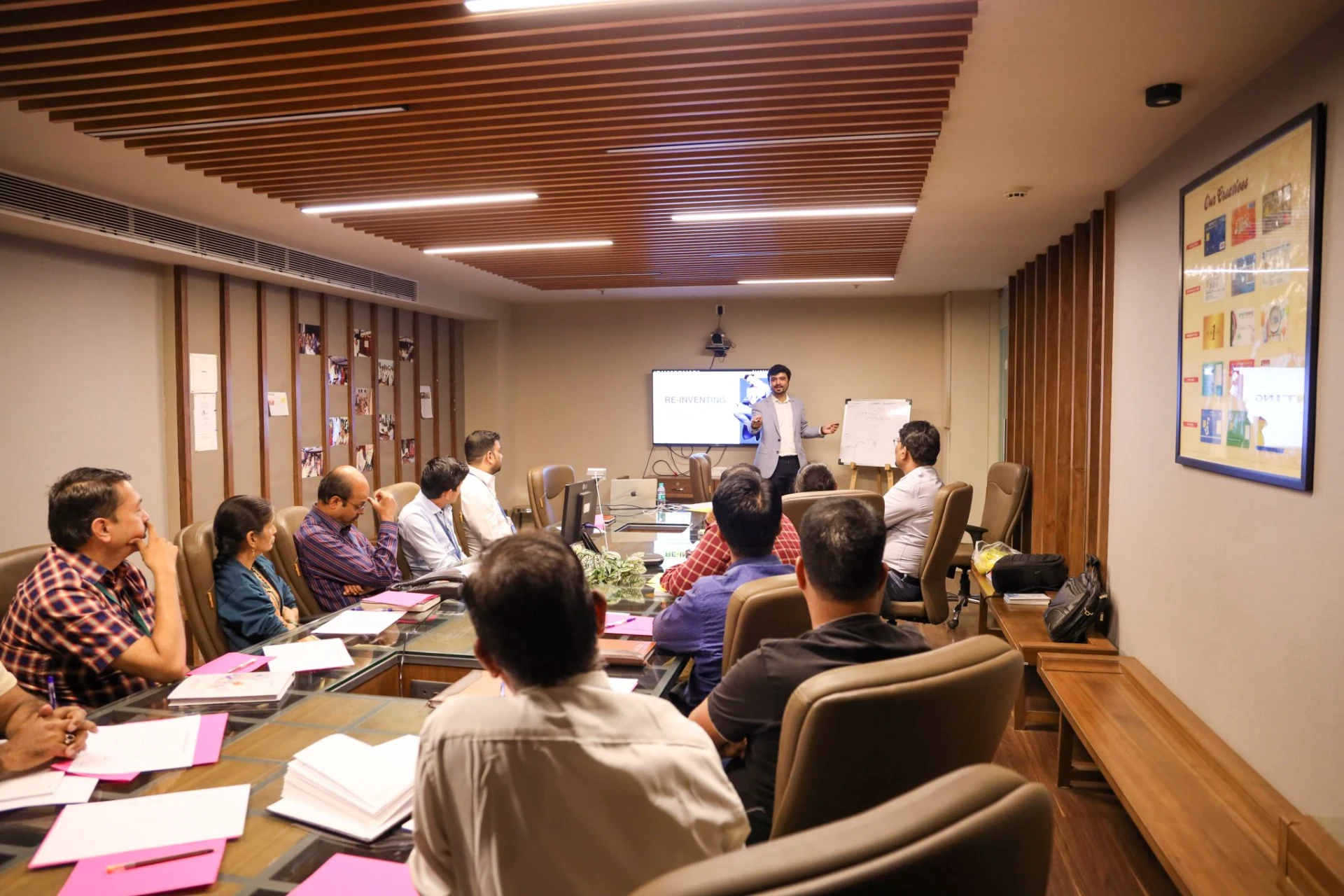
Avinash Chate - Leadership Development Expert training management team
The Power of Emotional Intelligence at Workplace in MumbaiIn my experience, emotional intelligence is one of the most powerful workplace skills any professional can develop. In fast-moving business environments like Mumbai, technical knowledge may open doors, but it is emotional intelligence that helps people build trust, resolve conflict, lead teams, and sustain performance under pressure.
Key takeaway: when professionals learn to understand their own emotions and respond constructively to the emotions of others, workplace culture improves, communication becomes clearer, and results become more sustainable.
I, Avinash Chate, have worked with leaders, managers, sales teams, and employees across 80+ organizations, and I have consistently seen one truth: people do not struggle only because of lack of knowledge; they struggle because of unmanaged emotions, poor communication, low self-awareness, and weak interpersonal sensitivity. That is why emotional intelligence is not a luxury. It is a workplace necessity.
As a TEDx speaker and author of The Winning Edge, I often remind organizations that strong teams are not built only on targets and processes. They are built on empathy, self-control, accountability, and mutual respect. Avinash Chate has seen this principle create measurable shifts in motivation, leadership presence, and team collaboration in diverse industries.
What Emotional Intelligence Really Means at Work
When I speak about emotional intelligence in corporate training sessions, I simplify it into a practical idea: the ability to recognize, understand, manage, and positively use emotions in workplace interactions. It is not about becoming overly emotional. It is about becoming emotionally aware and behaviorally effective.
At the workplace, emotional intelligence shows up in simple but powerful ways. A manager gives feedback without humiliating the employee. A team member listens without becoming defensive. A sales professional stays calm after rejection. A leader notices tension in the room and addresses it before it becomes conflict.
In Mumbai workplaces, where deadlines are tight and expectations are high, emotional intelligence helps professionals remain balanced. It improves decision-making because people stop reacting impulsively. It improves collaboration because people begin to understand perspectives beyond their own.
I have often linked emotional intelligence with my KITE Leadership Framework, because effective leadership is impossible without emotional maturity. Knowledge and intent matter, but if emotions are unmanaged, even capable professionals can damage trust and morale.
Why Emotional Intelligence Matters More Than Ever
Today, many organizations are filled with talented people who are stressed, misunderstood, or emotionally disconnected. I have observed that poor emotional intelligence creates invisible losses. Meetings become tense. Feedback becomes personal. Team members withdraw. Leaders appear intimidating instead of inspiring.
On the other hand, emotionally intelligent workplaces create psychological safety. People speak honestly. Managers handle pressure better. Teams recover faster from setbacks. Motivation becomes more intrinsic because employees feel respected, heard, and valued.
Avinash Chate believes that emotional intelligence is especially critical in roles that involve leadership, communication, team building, and sales excellence. In fact, the difference between average and exceptional performance often lies in how people manage themselves during emotionally charged moments.
I have seen this in training assignments with respected institutions like Navsahyadri Education Society's Group of Institutions, where the human side of leadership and communication plays a defining role in long-term success. Whether in education, business, or service industries, emotional intelligence strengthens culture from the inside out.
Emotional intelligence does not remove workplace pressure; it helps people respond to pressure with maturity, clarity, and confidence.
The Five Workplace Benefits I See Most Often
1. Better self-awareness
When professionals become self-aware, they begin to notice their emotional triggers. They understand what frustrates them, what energizes them, and how their mood affects others. This awareness is the first step toward better leadership and better teamwork.
2. Stronger communication
Many communication problems are not language problems. They are emotional problems. People interrupt, assume, overreact, or shut down. Emotional intelligence improves listening, tone, empathy, and clarity. That leads to healthier conversations and fewer misunderstandings.
3. Improved conflict resolution
Conflict is natural in every workplace. What matters is how people handle it. Emotionally intelligent professionals do not avoid difficult conversations, but they also do not escalate them unnecessarily. They focus on solutions without attacking people.
4. More effective leadership
Leaders with emotional intelligence inspire trust. They are firm without being harsh. They are empathetic without losing standards. They know when to push, when to support, and when to pause. This balance is essential for sustainable team performance.
5. Higher motivation and resilience
Emotionally intelligent employees recover faster from setbacks. They do not let one criticism destroy their confidence or one failure define their identity. They learn, adapt, and move forward with greater emotional strength.
If you want to go deeper into the mindset side of performance, I recommend reading Is Your Self-Image Quietly Destroying Your Career?. I have found that self-image and emotional intelligence are deeply connected.
How I Help Professionals Build Emotional Intelligence
In my workshops, I do not treat emotional intelligence as a motivational slogan. I treat it as a trainable workplace competency. I help participants observe their emotional patterns, understand their behavior under stress, and practice more constructive responses.
I usually focus on a few practical areas:
- Recognizing emotional triggers before they lead to poor reactions
- Building pause-and-respond habits instead of react-and-regret behavior
- Listening with empathy during conflict or feedback situations
- Expressing disagreement respectfully
- Strengthening confidence without becoming ego-driven
- Creating trust through consistency and emotional steadiness
When I work with managers and leaders in Mumbai, I often emphasize that emotional intelligence is visible in everyday behavior. It is seen in how you begin meetings, how you respond to mistakes, how you appreciate effort, and how you handle pressure when targets are not met.
For leaders who want a broader perspective on behavior change, I also suggest reading How I Create Impactful Leadership Development Programs That Actually Change Behavior. Leadership development becomes meaningful only when emotional intelligence is built into the process.
Emotional Intelligence and Sales Performance
Many people think emotional intelligence is relevant only for HR or leadership roles. I strongly disagree. It is equally important in sales. A salesperson with emotional intelligence can read customer emotions, manage rejection, build credibility, and stay motivated even after difficult conversations.
I have seen highly knowledgeable sales professionals underperform because they lacked self-belief, emotional control, or empathy. Sales excellence is not only about persuasion. It is about connection, confidence, and resilience.
That is why this related article is valuable for professionals in business development and sales: Why Most Salespeople Fail: The Hidden Battle of Self-Belief. Emotional intelligence and self-belief together create stronger sales conversations and long-term client relationships.
In my sessions, I often tell sales teams that customers may forget your pitch, but they will remember how you made them feel. That emotional memory influences trust, loyalty, and buying decisions more than many people realize.
Simple Ways to Strengthen Emotional Intelligence Every Day
You do not build emotional intelligence in one day. You build it through daily awareness and disciplined practice. Here are a few habits I encourage professionals to adopt:
- Pause before responding when emotions rise
- Ask yourself what you are feeling and why
- Listen fully before preparing your reply
- Separate facts from assumptions
- Give feedback with respect and receive feedback with openness
- Observe how your behavior affects team energy
- Choose maturity over momentary emotional release
These habits may look simple, but they create a profound shift over time. In Mumbai, where workplace pace can be intense, these practices help professionals stay centered and effective.
Avinash Chate continues to emphasize that emotional intelligence is not softness; it is strength with awareness. It is the ability to remain composed, compassionate, and constructive even when circumstances are difficult. That is the kind of professionalism every organization needs.
My Final Thought on Emotional Intelligence at Workplace
If you want better teamwork, stronger leadership, healthier communication, and more resilient employees, start with emotional intelligence. Skills may help people perform a task, but emotional intelligence helps them perform with consistency, maturity, and trust.
I have seen emotional intelligence transform not only workplaces but also careers. People become more confident, more respected, and more influential when they learn to manage emotions wisely. In my journey as Avinash Chate, I have found that the most successful professionals are not always the loudest or the smartest in the room. They are often the ones who understand themselves deeply and deal with others skillfully.
If your organization wants to strengthen leadership, motivation, communication, and team culture, book a corporate training session in Mumbai. The right emotional intelligence training can create lasting change where it matters most: in people.
Frequently Asked Questions
Why is emotional intelligence important in the workplace?
Emotional intelligence helps professionals manage stress, communicate clearly, resolve conflict, build trust, and work better with others. It improves both individual effectiveness and team culture.
How can managers in Mumbai improve emotional intelligence?
Managers in Mumbai can improve emotional intelligence by becoming more self-aware, listening actively, responding calmly under pressure, giving respectful feedback, and developing empathy in daily interactions.
Can emotional intelligence improve leadership performance?
Yes. Leaders with emotional intelligence make better decisions, handle conflict maturely, motivate teams more effectively, and create stronger workplace trust.
Does emotional intelligence help sales teams in Mumbai?
Absolutely. Sales teams in Mumbai benefit from emotional intelligence because it improves confidence, customer connection, resilience after rejection, and the ability to build long-term relationships.
Can Avinash Chate conduct emotional intelligence training in Mumbai?
Yes. Avinash Chate conducts corporate training programs focused on emotional intelligence, leadership, communication, motivation, team building, and personal growth for organizations in Mumbai.
Related Articles by Avinash Chate
- The Tetra Pak Lesson: Solve the Real Problem, Not the Visible One
- Corporate Training in Nashik for Sinnar MIDC and Emerging Industrial Corridors
- The Invisible Product Mindset That Changes How Professionals Create Value
About the Author
Avinash Chate is a TEDx speaker, published author of The Winning Edge and The Unanswered, and founder of The Future Corporate & Business Coaching. With over 15 years of experience training 80+ organizations including Bajaj hospital, Sakla Group, Daspati Maratha Charitable Trust Mumbai, Aabasaheb Kakde Educational Group of Organization, Avinash is recognized as Maharashtra's leading corporate trainer. He created the KITE Leadership Framework and the 25-Star Competency Framework™, delivering high-impact programs across leadership, team building, sales transformation, and emotional intelligence.
📞 +91 8793630001 | ✉️ connect@avinashchate.com | 🌐 avinashchate.com
Book Avinash Chate for Your Next Event
Maharashtra's #1 Corporate Trainer · India's leading Motivational Speaker & Team Building Expert · 2x TEDx · Available across India in English, Hindi & Marathi.
✅ Thanks! Avinash team will reach out within 24 hours.'}).catch(function(e){f.outerHTML='Something went wrong. WhatsApp +91 8793630001
'});return false;"> Select Service Motivational Speaking / Keynote Team Building Workshop Corporate Training / Leadership Development Manager Development Employee Training Outbound Training Book Avinash Now →Or WhatsApp directly: +91 87936 30001
Avinash Chate services
Corporate Trainer in Mumbai · Top Corporate Trainers in Mumbai · Leadership Trainer in Mumbai · Top Leadership Trainers in Maharashtra · Team Building Trainer in Mumbai · Top Team Building Trainers in Maharashtra · Motivational Speaker in Mumbai · Top Motivational Speakers in Mumbai · All service locations
← Back to all articles · Book Avinash Chate
By Avinash Chate — Maharashtra’s #1 Corporate Trainer & Motivational Speaker. .