What M-Pesa Teaches About Growth Without Resources
In many organizations, professionals struggle because they believe growth is limited by lack of resources, systems, or infrastructure. This mindset often become...
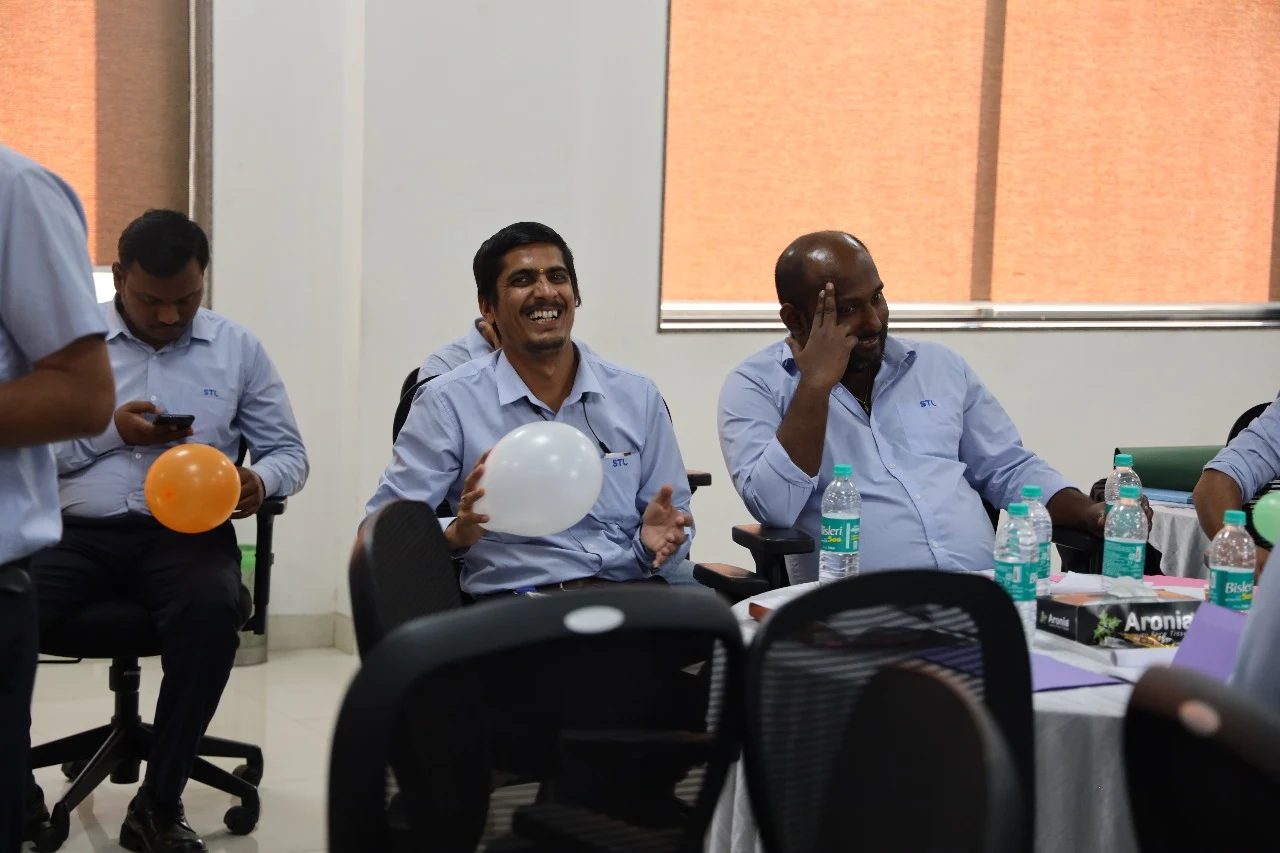
Avinash Chate - TEDx Speaker delivering keynote at corporate event
What M-Pesa Teaches Us About Growth Without ResourcesIn my work with leaders, managers, sales teams, and young professionals across India, I have noticed one pattern again and again: many people do not fail because they lack talent. They struggle because they believe growth must wait for perfect resources, better support, or ideal conditions.
Key takeaway: real growth often begins when we stop asking, “What is missing?” and start asking, “What can I build with what I already have?”
This is one of the most powerful lessons I share as Avinash Chate, a TEDx speaker and author of The Winning Edge. Over 15+ years of working with people and organizations, I have seen that the biggest breakthroughs rarely come from abundance first. They come from clarity, courage, and the willingness to move ahead without excuses.
The story of M-Pesa is a brilliant example of this mindset. It reminds us that innovation is not always about adding more. Sometimes it is about removing dependency, bypassing limitations, and creating a path that fits reality. For professionals, teams, and business leaders, this lesson goes far beyond business history. It is a mindset for leadership, communication, team building, and personal growth.
When people stop waiting for ideal infrastructure, they often discover their real strength: initiative.
The Real Barrier Is Often Mental, Not Material
Let me say this clearly: lack of resources can be a challenge, but it is not always the biggest problem. Very often, the deeper issue is a resource-dependent mindset. This mindset convinces people that progress is impossible until every gap is filled.
In organizations, I see this in many forms. A team says they cannot improve performance because they do not have enough support. A manager says motivation is low because conditions are not perfect. A salesperson says results are not possible because the market is tough. A young professional says growth will happen later, when confidence improves.
But growth does not reward waiting. Growth rewards movement.
The M-Pesa story teaches us that when traditional paths are difficult, people can still create alternate paths. That is why I often tell participants in my training sessions that leadership is not the art of complaining about constraints. Leadership is the art of creating momentum despite them.
This is also deeply connected to how I approach development through the KITE Leadership Framework. One of the core ideas in leadership growth is learning to respond with intention instead of reacting with helplessness. When leaders develop this habit, teams become more resilient, more creative, and more solution-focused.
What Infrastructure Bypass Means in Human Terms
When people hear the phrase infrastructure bypass, they may think it is only about large-scale business ideas. I see it differently. In human development, infrastructure bypass means refusing to let limitations define your future.
It means asking practical questions.
- How can I communicate better even if I do not have ideal authority?
- How can my team collaborate better even if morale is currently low?
- How can I build trust with clients even if the market is highly competitive?
- How can I lead with influence even before I receive a bigger title?
This way of thinking changes everything. It shifts us from dependency to ownership.
As Avinash Chate, I have worked with 80+ organizations, and I can say with confidence that high-performing people are not always the ones with the best conditions. They are often the ones who learn to use available strengths more effectively than others.
That is why this lesson is so relevant for today’s workplace. The world does not always reward the most comfortable team. It rewards the most adaptable one.
How Leaders Can Build a Resourceful Culture
If you are a leader, your team learns mindset from you before it learns strategy from you. If you constantly focus on what is lacking, your team will do the same. If you help people focus on possibilities, they begin to think with ownership.
A resourceful culture does not begin with pressure. It begins with perspective.
Here are a few principles I strongly recommend.
1. Reward initiative, not just outcomes
Many teams become passive because only final success gets appreciated. But if people are encouraged for taking thoughtful initiative, they become more confident in solving problems early.
2. Replace blame with better questions
Instead of asking, “Who is responsible for this problem?” ask, “What is still possible from here?” This simple shift reduces fear and increases contribution.
3. Teach people to work from strengths
Every team has some assets already present: relationships, field insights, credibility, discipline, communication, or persistence. Great leaders identify these quickly and build from them.
4. Create emotional ownership
People give more energy to what they feel responsible for. When teams feel included in the mission, they stop behaving like spectators and start behaving like builders.
I have seen this in my sessions with organizations such as Kaeser Compressors India, where the real transformation happens not just through instruction but through mindset activation. The moment people believe they can influence outcomes, performance begins to change.
What Professionals Can Learn for Personal Growth
This lesson is not only for leaders. It is equally important for every individual who wants to grow in career and life.
Many professionals unknowingly postpone progress. They wait for confidence before speaking up. They wait for motivation before taking action. They wait for recognition before showing leadership. They wait for perfect support before improving results.
But in my experience, confidence usually follows action. Motivation often follows movement. Recognition comes after value creation.
So if you want to grow without resources, begin here.
- Use your current role to practice leadership, even if your designation is limited.
- Improve your communication before asking for bigger responsibility.
- Strengthen your discipline before expecting external motivation.
- Build trust with people before expecting influence.
- Focus on contribution before demanding visibility.
This is how professionals create momentum. They stop waiting for permission and start developing capacity.
If you have followed my work as Avinash Chate, you know I often speak about the inner game of success. External conditions matter, but internal readiness matters more than most people realize. A person who is mentally resourceful can create opportunities even in difficult environments.
Growth Comes From Reframing the Problem
One of the biggest lessons from the M-Pesa story is that progress becomes possible when we stop forcing old solutions onto new realities. Many people stay stuck because they keep asking how to succeed in the usual way. Real growth begins when we ask a better question: what does this situation truly need?
In teams, this may mean changing how people communicate. In leadership, it may mean building influence before authority. In sales, it may mean understanding people more deeply instead of pushing harder. In personal growth, it may mean replacing self-doubt with self-responsibility.
Reframing is powerful because it restores agency. It reminds us that even when one route is blocked, progress is still possible.
This is why storytelling is such a powerful leadership tool. Stories help people see possibility where they previously saw limitation. If you want to understand this better, read How I Use Storytelling Techniques to Build Better Leadership and Team Motivation. I have found that when people emotionally connect with a lesson, they act on it more consistently.
You may also explore Best Corporate Trainer in Sangli-Miraj for Industry Training and Best Motivational Speaker in Kolhapur for Industry and Education Events to understand how I approach transformation through practical motivation, leadership development, and people-focused learning.
My Final Message: Stop Waiting, Start Building
If there is one message I want you to take from this blog, it is this: do not let the absence of ideal resources become an excuse for the absence of action.
The people and teams who grow are not always the ones with the most support. They are the ones who develop the courage to think differently, act decisively, and build creatively. They learn to bypass helplessness before they bypass any external barrier.
As Avinash Chate, a TEDx speaker and author of The Winning Edge, I believe this mindset is one of the most important success skills for our times. Whether you are leading a team, building a career, strengthening sales performance, or trying to become mentally stronger, the principle remains the same: start from where you are, use what you have, and keep moving.
That is how confidence is built. That is how leadership is earned. That is how growth happens.
If you want to build this mindset in your organization, book a corporate training session with me. I help leaders and teams strengthen motivation, communication, ownership, and performance through practical, people-centered learning.
Frequently Asked Questions
What does growth without resources really mean?
It means learning to make progress with available strengths instead of waiting endlessly for perfect conditions. It is a mindset of initiative, adaptability, and ownership.
How is the M-Pesa story relevant to professionals?
It shows that innovation and progress often come from understanding real needs and creating practical solutions, even when traditional systems or support are limited.
How can leaders build resourcefulness in teams?
Leaders can build resourcefulness by rewarding initiative, asking better questions, encouraging ownership, and helping people focus on strengths instead of excuses.
Can personal growth happen without ideal support?
Yes. Personal growth often begins when individuals take responsibility for their habits, communication, discipline, and mindset instead of postponing improvement.
How can I book Avinash Chate for corporate training?
You can visit the official website at avinashchate.com and book a corporate training session focused on leadership, motivation, communication, team building, and people development.
Related Articles by Avinash Chate
- Why Corporate Success Feels Empty and What Truly Makes It Meaningful
- Why Financial Stability Comes Before Real Leadership
- How to Understand Your Boss and Team Psychology for Better Workplace Relationships
About the Author
Avinash Chate is a TEDx speaker, published author of The Winning Edge and The Unanswered, and founder of The Future Corporate & Business Coaching. With over 15 years of experience training 80+ organizations including Kiran Gems, Aurus Group Real Estate, Kaeser Compressors India, Bhabha Atomic Research Centre, Avinash is recognized as Maharashtra's leading corporate trainer. He created the KITE Leadership Framework and the 25-Star Competency Framework™, delivering high-impact programs across leadership, team building, sales transformation, and emotional intelligence.
📞 +91 8793630001 | ✉️ connect@avinashchate.com | 🌐 avinashchate.com
Book Avinash Chate for Your Next Event
Maharashtra's #1 Corporate Trainer · India's leading Motivational Speaker & Team Building Expert · 2x TEDx · Available across India in English, Hindi & Marathi.
✅ Thanks! Avinash team will reach out within 24 hours.'}).catch(function(e){f.outerHTML='Something went wrong. WhatsApp +91 8793630001
'});return false;"> Select Service Motivational Speaking / Keynote Team Building Workshop Corporate Training / Leadership Development Manager Development Employee Training Outbound Training Book Avinash Now →Or WhatsApp directly: +91 87936 30001
Avinash Chate services
Corporate Trainer in Maharashtra · Top Corporate Trainers in Maharashtra · Leadership Trainer in Maharashtra · Top Leadership Trainers in Maharashtra · Team Building Trainer in Maharashtra · Top Team Building Trainers in Maharashtra · Motivational Speaker in Maharashtra · Top Motivational Speakers in Maharashtra · All service locations
← Back to all articles · Book Avinash Chate
By Avinash Chate — Maharashtra’s #1 Corporate Trainer & Motivational Speaker. .