Why Emotional Intelligence Is the Most Important Skill for Indian Managers in Mumbai
Discover why emotional intelligence is the most important skill for Indian managers in Mumbai and how it improves leadership, communication, trust, and team performance in today’s workplace.
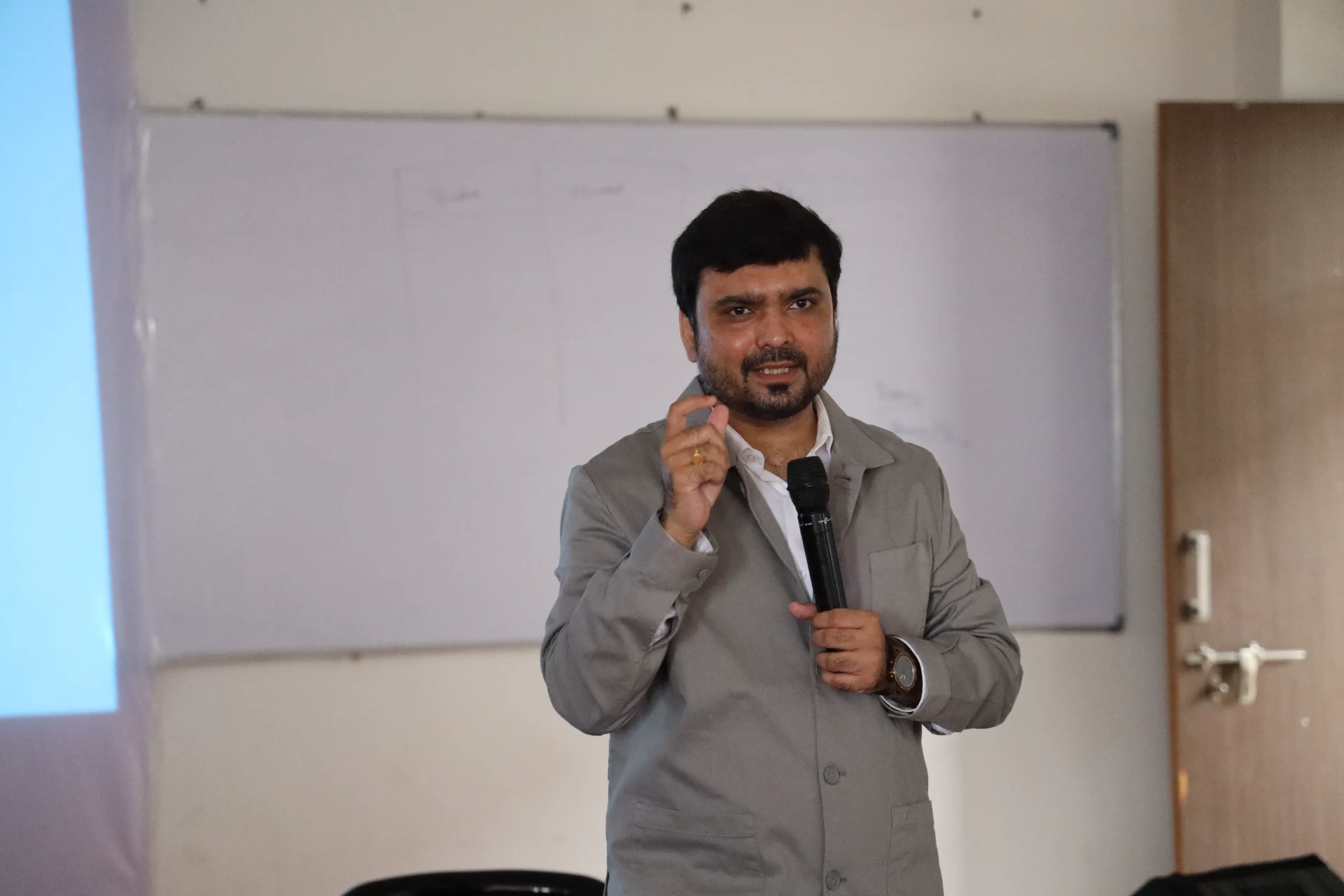
Avinash Chate - Best Corporate Trainer conducting leadership session
Why Emotional Intelligence Is the Most Important Skill for Indian Managers in MumbaiIn my experience working with leaders across industries, I have seen one truth repeat itself again and again: technical expertise may get a manager promoted, but emotional intelligence helps that manager succeed. In fast-moving workplaces, where pressure is high and expectations are rising, emotional intelligence is no longer a soft skill. It is a core leadership capability.
Key takeaway: Indian managers who understand emotions, communicate with empathy, and respond with maturity create stronger teams, better performance, and healthier workplace cultures.
As a corporate trainer, TEDx speaker, and author of The Winning Edge, I have worked with professionals across 80+ organizations, and I have observed that the best managers are not always the loudest, toughest, or most technically brilliant. They are often the ones who know how to listen, manage conflict, stay calm under pressure, and bring out the best in people. That is why emotional intelligence has become the most important skill for Indian managers today.
In a city like Mumbai, where organizations operate in high-pressure environments and teams often work across functions, generations, and personalities, emotional intelligence becomes even more critical. Managers are expected to deliver results, but they must also build trust, inspire ownership, and maintain team morale.
What Emotional Intelligence Really Means for Managers
Emotional intelligence is the ability to understand your own emotions, recognize the emotions of others, and respond in a way that strengthens relationships and decision-making. For managers, this means far more than being polite or friendly. It means being self-aware, emotionally balanced, empathetic, and intentional in how you lead.
When I conduct leadership and corporate training programs, I explain that emotional intelligence influences how managers give feedback, handle deadlines, respond to mistakes, and motivate their teams. A manager with low emotional intelligence may create fear, confusion, or disengagement. A manager with high emotional intelligence creates clarity, confidence, and commitment.
Avinash Chate has consistently emphasized that leadership is not just about authority. It is about influence. And influence grows when people feel respected, understood, and valued.
This is also where the KITE Leadership Framework becomes highly relevant. It helps managers focus on key leadership behaviors that build trust, communication, and execution. Emotional intelligence strengthens every part of that framework because it improves how managers connect with people while driving performance.
Why Indian Managers Need Emotional Intelligence More Than Ever
The Indian workplace has changed dramatically. Teams are more diverse, younger employees expect more coaching than command, and hybrid work has made communication more complex. Managers are no longer just supervisors. They are expected to be mentors, culture builders, conflict resolvers, and performance enablers.
In this environment, emotional intelligence is what helps managers adapt. It allows them to understand unspoken concerns, manage stress without passing it on to others, and create psychological safety in the team. Without this skill, even experienced managers struggle to retain talent and maintain productivity.
I have seen this in organizations where managers are technically strong but emotionally unavailable. Their teams may comply for a while, but eventually motivation drops. Collaboration weakens. Ownership disappears. On the other hand, managers who lead with emotional intelligence build teams that stay engaged even during uncertainty.
In one of my sessions with ADS Technologies, we discussed how leadership effectiveness is often determined not just by what managers know, but by how they make people feel while working toward results. That is a lesson every Indian manager must understand.
If you are evaluating the right intervention for your team, I recommend reading Corporate Training vs Motivational Speaking — What Does Your Company Actually Need in Pune. It helps organizations understand how structured learning can create lasting managerial change.
How Emotional Intelligence Improves Team Performance
Many leaders still assume emotional intelligence is separate from business performance. I disagree completely. Emotional intelligence directly affects productivity, retention, collaboration, and execution.
When managers are emotionally intelligent, they communicate expectations clearly. They notice when a team member is overwhelmed. They resolve friction before it becomes conflict. They give feedback in ways that improve performance rather than damage confidence. These behaviors create better outcomes because people perform best when they feel secure, respected, and supported.
In my workshops, I often tell managers that every interaction either builds trust or weakens it. Emotional intelligence helps them choose responses that build trust consistently. This is especially important in Mumbai workplaces, where speed and pressure can easily make managers reactive instead of thoughtful.
Avinash Chate has seen across multiple sectors that emotionally intelligent managers create stronger ownership cultures. They do not just assign tasks. They help people understand purpose, responsibility, and contribution. That shift changes how teams behave.
For leaders who want to understand this connection better, I also recommend How Training Builds Employee Confidence, Teamwork, and Ownership. It explains why training is not just about knowledge transfer, but about building the attitudes and behaviors that drive performance.
The Biggest Emotional Intelligence Gaps I See in Managers
Over the years, I have noticed a few recurring gaps. The first is low self-awareness. Many managers do not realize how their tone, reactions, or body language affect the team. They focus on intent, but employees experience impact. Emotional intelligence begins when a manager understands that difference.
The second gap is poor listening. Too many managers listen to respond, not to understand. This creates disconnect, especially when employees need guidance or want to raise concerns. Real listening improves problem-solving, trust, and engagement.
The third gap is emotional control under pressure. Tight deadlines, client escalation, and internal challenges are common. But when managers become impatient, sarcastic, or dismissive, they spread stress across the team. Strong managers regulate themselves first, then guide others.
The fourth gap is lack of empathy. Empathy does not mean lowering standards. It means understanding what people are experiencing so you can lead them effectively. Some of the best-performing managers I have trained are demanding and empathetic at the same time.
Avinash Chate often highlights that leadership maturity is visible in difficult moments, not easy ones. Emotional intelligence shows up when a manager handles mistakes, setbacks, and disagreements with calm and clarity.
How Organizations Can Build Emotional Intelligence in Managers
The good news is that emotional intelligence can be developed. It is not fixed. With the right training, reflection, and practice, managers can improve dramatically.
I recommend starting with awareness. Managers need structured feedback on how they communicate, react, and influence others. Once they become aware of patterns, they can begin changing them. This is why practical corporate training is so valuable. It gives managers tools they can apply immediately in real workplace situations.
Role plays, coaching conversations, feedback exercises, and conflict simulations are especially effective. They help managers move from theory to behavior. Emotional intelligence improves when managers practice self-regulation, empathy, listening, and constructive communication repeatedly.
Organizations should also make emotional intelligence part of leadership development, not treat it as an optional topic. When companies invest in this capability, they improve not just individual managers, but team culture as well.
For leaders thinking long term, Why Investing in Personal Development is Key for Leadership Success in Osmanabad offers useful perspective on why growth-oriented organizations consistently outperform those that ignore development.
Managers do not build high-performing teams by controlling people. They build them by understanding people.
Why This Matters for the Future of Leadership in Mumbai
The future of leadership in Mumbai will belong to managers who combine competence with emotional maturity. Results will always matter, but the way results are achieved matters just as much. Organizations want leaders who can drive execution without creating burnout, conflict, or disengagement.
That is why emotional intelligence is not a trend. It is a leadership necessity. Indian managers who develop this skill become better decision-makers, better communicators, and better people leaders. They create workplaces where accountability and humanity can coexist.
As someone deeply committed to leadership development, I believe this is one of the most valuable investments any organization can make. Whether you are leading a small team or a large function, emotional intelligence will shape your effectiveness more than you may realize.
If your organization wants to build stronger managers, better communication, and healthier team culture, this is the right time to act. Book a corporate training session in Mumbai and start building emotionally intelligent leadership that delivers lasting business results.
Frequently Asked Questions
Why is emotional intelligence important for managers in Mumbai?
Emotional intelligence helps managers in Mumbai handle pressure, communicate clearly, manage diverse teams, and build trust. In fast-paced workplaces, it improves both team morale and performance.
Can emotional intelligence be developed through corporate training in Mumbai?
Yes, emotional intelligence can be developed through structured corporate training. Managers can improve self-awareness, empathy, listening, feedback, and conflict management with guided practice and coaching.
How does emotional intelligence improve employee performance?
Emotionally intelligent managers create clarity, reduce unnecessary stress, and build stronger relationships. This leads to better engagement, ownership, collaboration, and productivity across teams.
Is emotional intelligence more important than technical skills for managers?
Both matter, but emotional intelligence often determines whether a manager can apply technical knowledge effectively through people. It is essential for leadership, communication, and team success.
Who should attend emotional intelligence training for managers?
New managers, team leaders, mid-level leaders, and senior managers can all benefit. Any professional responsible for leading people will become more effective by strengthening emotional intelligence.
Related Articles by Avinash Chate
- How to Build a Learning Culture in Your Organization in Pune — India Guide
- Corporate Training for Hospital and Healthcare Staff in Pune, Maharashtra
- Change Management Training for Indian Manufacturing Companies in Maharashtra
About the Author
Avinash Chate is a TEDx speaker, published author of The Winning Edge and The Unanswered, and founder of The Future Corporate & Business Coaching. With over 15 years of experience training 80+ organizations including MP REAL TECH PVT.LTD (Wilson), Aabasaheb Kakde Educational Group of Organization, Veritas Engineering & Erectors, Mumbai Port Authority, Avinash is recognized as Maharashtra's leading corporate trainer. He created the KITE Leadership Framework and the 25-Star Competency Framework™, delivering high-impact programs across leadership, team building, sales transformation, and emotional intelligence.
📞 +91 8793630001 | ✉️ connect@avinashchate.com | 🌐 avinashchate.com
Book Avinash Chate for Your Next Event
Maharashtra's #1 Corporate Trainer · India's leading Motivational Speaker & Team Building Expert · 2x TEDx · Available across India in English, Hindi & Marathi.
✅ Thanks! Avinash team will reach out within 24 hours.'}).catch(function(e){f.outerHTML='Something went wrong. WhatsApp +91 8793630001
'});return false;"> Select Service Motivational Speaking / Keynote Team Building Workshop Corporate Training / Leadership Development Manager Development Employee Training Outbound Training Book Avinash Now →Or WhatsApp directly: +91 87936 30001
Avinash Chate services
Corporate Trainer in Mumbai · Top Corporate Trainers in Mumbai · Leadership Trainer in Mumbai · Top Leadership Trainers in Maharashtra · Team Building Trainer in Mumbai · Top Team Building Trainers in Maharashtra · Motivational Speaker in Mumbai · Top Motivational Speakers in Mumbai · All service locations
← Back to all articles · Book Avinash Chate
By Avinash Chate — Maharashtra’s #1 Corporate Trainer & Motivational Speaker. .