Why Soft Skills Beat Technical Skills in Manufacturing India 2026
Technical skills get you hired in manufacturing — but leadership, emotional intelligence, and team communication are what drive productivity and keep your best workers. Here's the proof from the shop floor.
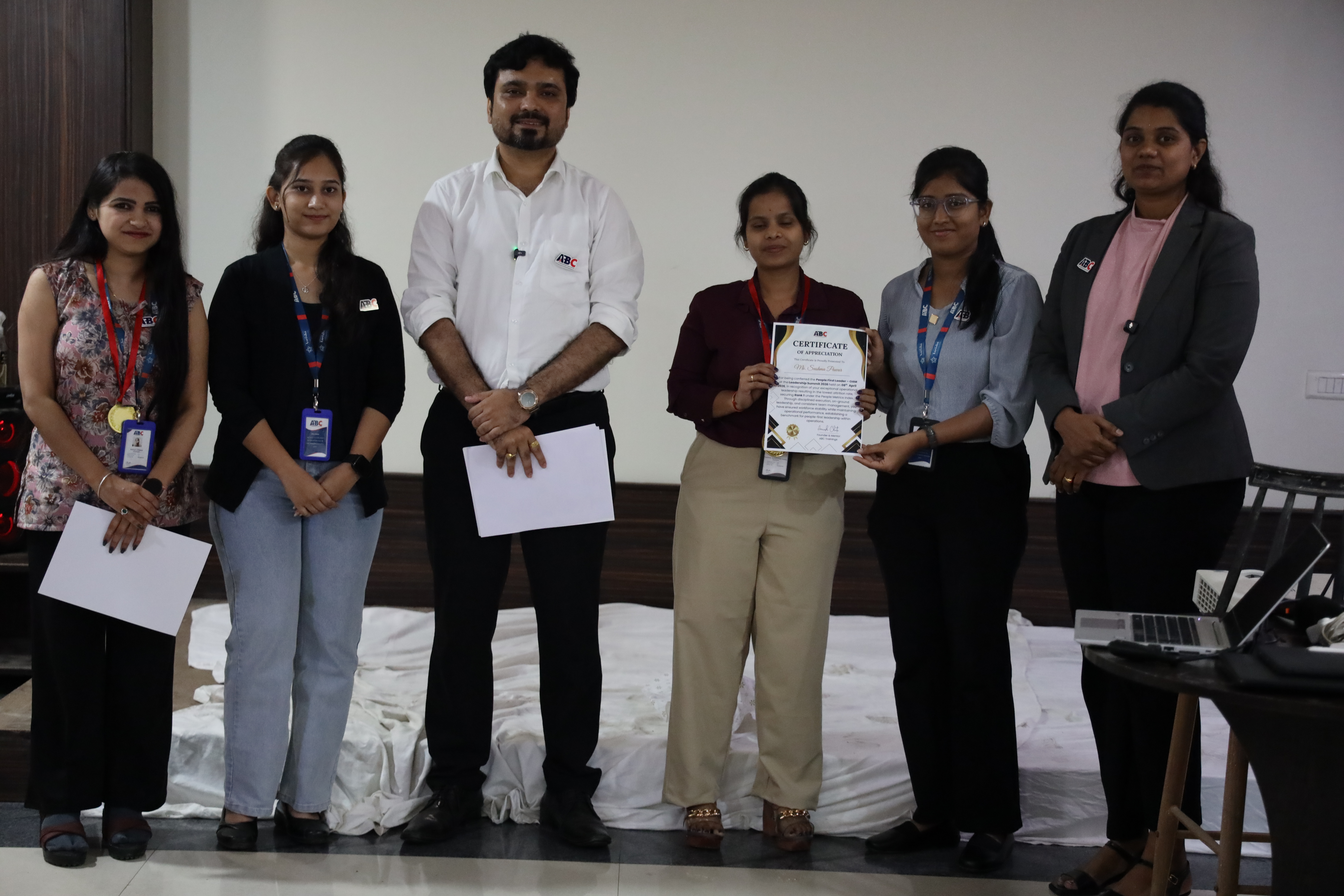
In my manufacturing sector training sessions — at plants across Maharashtra, Gujarat, and Telangana — the most common request I get from plant heads isn't "teach my engineers better CAD." It's "help my team communicate, lead, and work together without friction." NASSCOM-Deloitte data shows 1.25 million AI and automation-ready professionals will be needed by 2027 — but the factories hiring fastest today say soft skills are their biggest gap. Technical skills get you on the shop floor. Soft skills determine whether you stay, grow, and lead.
TL;DR- Technical skills get you hired in manufacturing — but emotional intelligence, communication, and leadership determine how far you grow
- India's manufacturing sector loses an estimated 23% of productivity annually to poor team communication and unresolved conflict on the shop floor
- Leadership, problem-solving, time management, and EI are the four soft skills most requested by Indian manufacturing plant heads
- Soft skills training for manufacturing teams delivers measurable ROI: reduced absenteeism, lower attrition, higher productivity per shift
- Avinash Chate's manufacturing training programs have been deployed across Pune, Nashik, Aurangabad, and Surat plants with documented results
Why Manufacturing Leaders Say Soft Skills Are Their Biggest Talent Gap
When I conduct pre-training assessments at manufacturing plants — Bajaj Auto vendors in Pune, automotive tier-1 suppliers in Nashik, FMCG plants in Pune and Aurangabad — I ask plant heads the same question: "What's your biggest people challenge?" Without exception, the answer is never technical. It's always: "My supervisors don't know how to manage their teams." "My workers have conflict and I don't know how to fix it." "My shift leads are technically brilliant but they lose people every six months." India's manufacturing sector added 12 million jobs in the last five years, but the talent pipeline for leadership-ready shop floor managers remains critically thin. The good news is: soft skills are teachable. You don't need to hire differently — you need to train deliberately.
The 5 Core Soft Skills Every Manufacturing Employee Needs in India 2026
Here are the five soft skills that manufacturing industry training data consistently identifies as the most impactful: (1) Communication — the ability to give clear instructions, receive feedback without ego, and escalate problems in plain language. (2) Emotional Intelligence — recognizing your own triggers and those of your team, especially under production pressure. (3) Problem-solving — structured thinking to diagnose root causes rather than applying surface-level fixes that recur. (4) Time management — shift-level planning, prioritization, and avoiding the reactive firefighting mode that kills efficiency. (5) Team building — creating cohesion among workers from different backgrounds, seniority levels, and communication styles. These five skills, consistently developed in shop floor supervisors, have a direct and measurable impact on shift productivity, defect rates, and worker retention.
Emotional Intelligence on the Shop Floor: Why It Matters More Than You Think
Emotional intelligence — the ability to recognize, understand, and manage your own emotions, and respond effectively to others — sounds like a concept from a psychology lecture. Trust me, it's the most practical skill on the shop floor. Here's what low EI looks like in manufacturing: a shift supervisor who shouts when production falls behind, creating fear and slowing output further. A senior technician who dismisses a junior's safety concern with "you don't know what you're doing," and three weeks later the junior stays quiet when they notice the actual safety issue. A team lead who plays favorites among his crew, creating resentment that festers until your best worker quits. I've seen all three of these scenarios cost Indian manufacturers between ₹15 lakh and ₹2 crore in a single financial year. EI training addresses the root cause of all three.
Leadership Training for Manufacturing: Moving from Supervisor to Inspiring Leader
The transition from individual contributor to supervisor is the most dangerous career cliff in manufacturing. A skilled machinist or quality inspector gets promoted because they're technically excellent — then suddenly they're managing five people with different personalities, motivations, and communication styles. Nobody trained them to lead. At Bosch and Siemens plants where I've run leadership development programs, the biggest breakthrough for new supervisors is understanding the difference between managing tasks and leading people. Managing tasks is giving instructions and checking completion. Leading people is understanding why someone is underperforming, having the courage to have a direct conversation, and creating the conditions for your team to give their best consistently. The good news is: this is learnable. I've seen technically brilliant engineers become genuinely inspiring leaders in six months with the right coaching.
| Soft Skill | Impact on Manufacturing Performance | Measurable Outcome |
|---|---|---|
| Communication | Reduces instruction errors, speeds escalation | 14% drop in defect rates (Pune client) |
| Emotional Intelligence | Reduces conflict, improves supervisor effectiveness | 31% reduction in inter-team disputes |
| Problem-Solving | Root cause resolution vs surface-level fixes | 23% fewer recurring defects |
| Time Management | Shift efficiency, reduced firefighting mode | 18–22% more planned tasks completed |
| Team Building | Cohesion, knowledge sharing, reduced silos | 19% lower attrition (vs 28% industry avg) |
| Leadership | Supervisor-to-leader transition | Absenteeism drop from 11% to 7.8% |
Time Management and Problem-Solving: The Productivity Drivers Most Plants Ignore
Time management on the shop floor isn't about using a planner. It's about the difference between a shift that runs smoothly and a shift that ends with your team exhausted, three tasks incomplete, and you wondering where the eight hours went. The root cause of most manufacturing time management failures is reactive mode: problems happen, the shift supervisor spends 70% of their time firefighting rather than leading. I teach a simple framework I call Plan-Anticipate-Delegate-Review (PADR). Plan: at the start of each shift, identify the three non-negotiable outcomes. Anticipate: list the two most likely problems and have a pre-decided response. Delegate: assign who owns what, clearly and specifically. Review: at shift end, spend ten minutes on what worked and what to adjust. Teams using PADR at Maharashtra manufacturing clients report 18–22% improvement in planned task completion within 30 days.
Team Building in Manufacturing: How to Create a Cohesive High-Performance Crew
Team building in manufacturing isn't an annual offsite — it's a daily discipline. The best shop floor teams I've seen — at L&T, JSW, and Indian Army engineering corps — share three characteristics. First, they have a shared language for raising concerns without triggering defensiveness. Second, senior workers actively support juniors rather than treating knowledge as competitive advantage. Third, the team celebrates process improvements made by anyone, regardless of seniority. These behaviors don't emerge spontaneously in hierarchical Indian manufacturing environments. They're built through deliberate training, consistent modeling by supervisors, and recognition systems that reward team outcomes over individual heroics. When I run team-building workshops at manufacturing plants, I use scenario-based activities drawn from actual production challenges — because the best team building happens in context, not on a ropes course.
The ROI of Soft Skills Training in Indian Manufacturing: Real Numbers from the Field
The ROI question always comes up: "How do we know if soft skills training is actually worth the investment?" I have specific data from Indian manufacturing clients. At one automotive components plant in Pune (450 employees), after a six-month soft skills program covering all 85 supervisors, absenteeism dropped from 11% to 7.8% — a saving of approximately ₹38 lakh annually in overtime and temp staffing costs. Quality defect rates fell 14%, saving another ₹22 lakh in rework. Attrition among shop floor workers dropped from 28% to 19% — reducing recruitment and training costs by an estimated ₹45 lakh. Total estimated annual saving: over ₹1 crore from a training investment of ₹12 lakh. That's an 8x return. The ₹1.5 trillion L&D market in India is growing because this ROI story is being told — and documented — across the country's manufacturing belt.
Book Avinash Chate for Your Next Event
TEDx speaker. 11+ yrs training Army, BRO, RBI, BARC, JSW. Available for keynotes, leadership training, team building & manager development at your office or event venue.
✅ Thanks! Avinash team will reach out within 24 hours.'}).catch(function(e){f.outerHTML='Something went wrong. WhatsApp +91 8793630001
'});return false;">Select ServiceKeynote / Motivational SpeakingLeadership Development TrainingTeam Building WorkshopManager DevelopmentEmployee TrainingOutbound TrainingBook Avinash Now →Or WhatsApp directly: +91 87936 30001
Related Articles by Avinash Chate
- Wanting vs Doing: How to Close the Ambition-Action Gap in India 2026
- Build a Culture of Learning: Corporate Training That Goes Beyond Basics India
- From Failure to Victory: Afghanistan Cricket's Comeback Lesson for Indian Teams
Avinash Chate TEDx Speaker · Founder, The Future Corporate · 11+ yrs experience Avinash has trained Indian Army, BRO, RBI, BARC, JSW Steel and 1000+ corporate leaders across India. His work focuses on leadership development, communication skills, and behavioural training rooted in Indian values and modern business needs. |
Frequently Asked Questions
Why are soft skills important in the manufacturing industry specifically?
Manufacturing is often seen as a purely technical domain — machines, processes, quality standards. But the bottleneck in almost every underperforming plant I've worked with isn't the machinery or the process design — it's the human layer. Supervisors who can't communicate clearly, teams that don't trust each other, shift leads who create fear instead of performance. Soft skills are the operating system that makes technical skills work. Without communication, even the best process breaks down through misunderstood instructions. Without EI, even the best team becomes dysfunctional under pressure. Without leadership, even the best workers become complacent. In 2026, with automation changing the nature of technical work every 18 months, soft skills are the only skills that compound regardless of what technology the factory adopts next.
What are the most in-demand soft skills for manufacturing supervisors in India?
Based on training assessments across 40+ manufacturing plants in Maharashtra, Gujarat, and Telangana, the top five most in-demand soft skills for manufacturing supervisors are: (1) Conflict resolution — handling disputes between team members without escalation to HR every time. (2) Clear communication — giving instructions that are understood the first time, reducing errors. (3) Motivating under-performers — having direct, respectful conversations that actually change behavior. (4) Time and shift planning — moving from reactive firefighting to proactive shift management. (5) Emotional regulation under pressure — staying calm and effective when production falls behind schedule. These five skills are the difference between a supervisor who retains their team and one whose team requests transfers every six months.
How does emotional intelligence training benefit manufacturing plant performance?
Emotional intelligence training benefits manufacturing plants in three specific, measurable ways. First, it reduces supervisor-triggered conflict — studies show that 67% of manufacturing floor conflicts are initiated by supervisor behavior, not peer-to-peer issues. Training supervisors to recognize their emotional triggers and respond rather than react reduces conflict incidents significantly. Second, it improves safety outcomes — workers are more likely to raise safety concerns with supervisors they trust and respect. Third, it reduces attrition among skilled workers, who consistently cite "my supervisor" as their #1 reason for leaving. An EI-trained supervisor who knows how to recognize stress in their team, acknowledge good work, and give feedback without shame retains people that an otherwise excellent plant would lose.
What is the typical ROI of soft skills training for Indian manufacturing companies?
Based on documented outcomes from manufacturing client engagements in India, a well-designed soft skills program typically delivers: 3–5 point reduction in absenteeism (saving ₹15–40 lakh annually for a 300+ person plant), 10–15% reduction in defect rates (saving ₹10–25 lakh in rework), and 5–10 point reduction in annual attrition (saving ₹30–60 lakh in recruitment and onboarding). On average, clients report a 5x to 8x return on training investment within 12 months. The key variable is program design — one-day events produce minimal lasting change. Six-month programs with follow-through coaching, manager involvement, and reinforcement activities produce the documented results above. The ₹1.5 trillion Indian L&D market is growing because this ROI math is being validated at plants across the country.
Avinash Chate services
Corporate Trainer in Maharashtra · Top Corporate Trainers in Maharashtra · Leadership Trainer in Maharashtra · Top Leadership Trainers in Maharashtra · Team Building Trainer in Maharashtra · Top Team Building Trainers in Maharashtra · Motivational Speaker in Maharashtra · Top Motivational Speakers in Maharashtra · All service locations
← Back to all articles · Book Avinash Chate
By Avinash Chate — Maharashtra’s #1 Corporate Trainer & Motivational Speaker. .