Change Management Training
You announced the change to applause. Weeks later, everyone had quietly gone back to the old way.
You did it properly. The new system, the new structure, the new way of working — presented in a town hall, backed by a clean deck, launched with real conviction. Heads nodded. A few people asked good questions. And then, slowly, nothing. People smiled in the meeting and reverted at their desks. The old process crept back in through the side door. The go-live date passed, then slipped, then stopped being mentioned. Nobody rebelled; they simply carried on as before until the initiative joined the quiet graveyard of things that were once "rolled out." The strategy was sound. What was missing was never on the slides — it was the human work of taking real people through the discomfort of changing, so that the new way actually takes root. This programme is that work.
★ 5.0 client rating · Across Maharashtra, pan-India & internationally · English, Hindi & Marathi
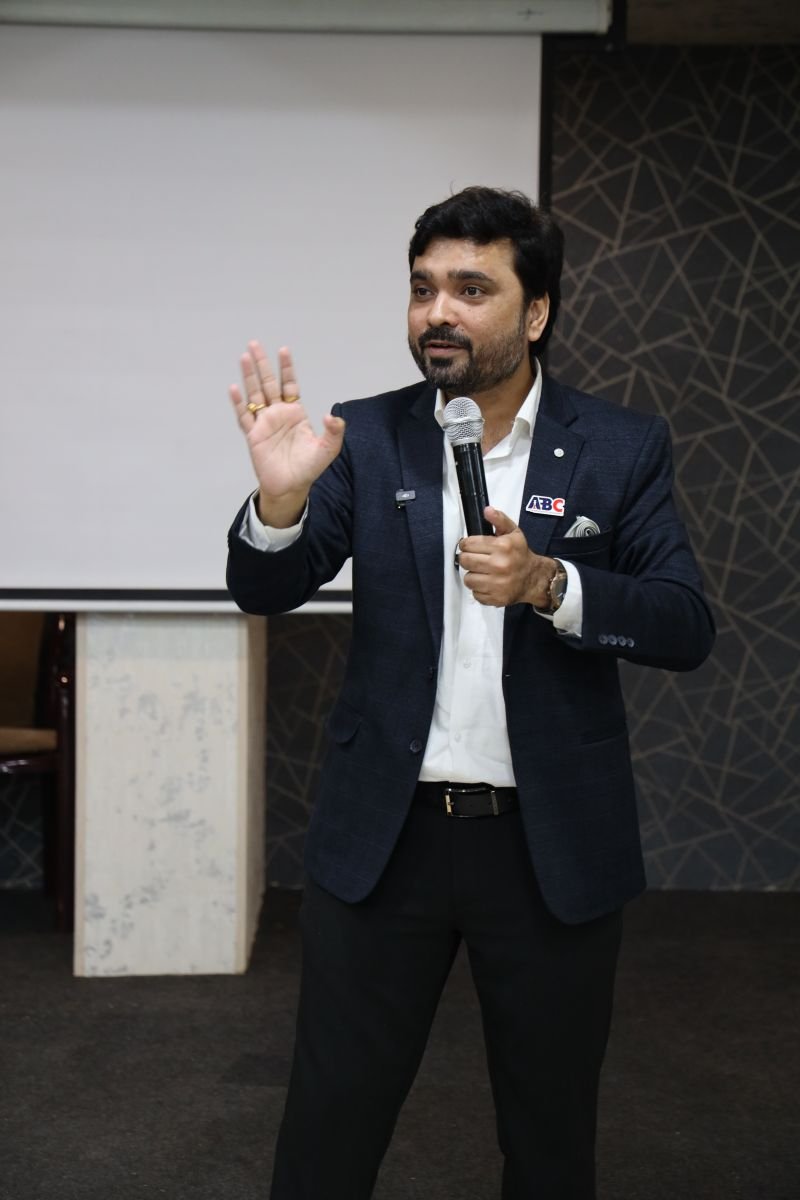
The Change That Was Announced, Applauded — and Quietly Ignored
Every organisation has a shelf of them: initiatives that launched with energy and died without a funeral. The new CRM nobody logs into. The reorg that looks different on the chart and identical in practice. The "ways of working" everyone agreed to in the workshop and abandoned by the following Tuesday. On paper the change happened — the memo went out, the training was booked, the system went live. On the ground, people found the smallest path back to the familiar and took it, one quiet workaround at a time.
And the cost is rarely a single dramatic failure — it is a slow, expensive drift. Money is spent on a platform that runs at a fraction of its use. Leaders lose credibility with every announcement that fizzles, so the next change is met with folded arms before a word is spoken. The best people, tired of initiatives that go nowhere, stop leaning in. Months later someone asks why the transformation never delivered, and the honest answer is the one no one says out loud: we managed the plan and forgot to manage the people it depended on.
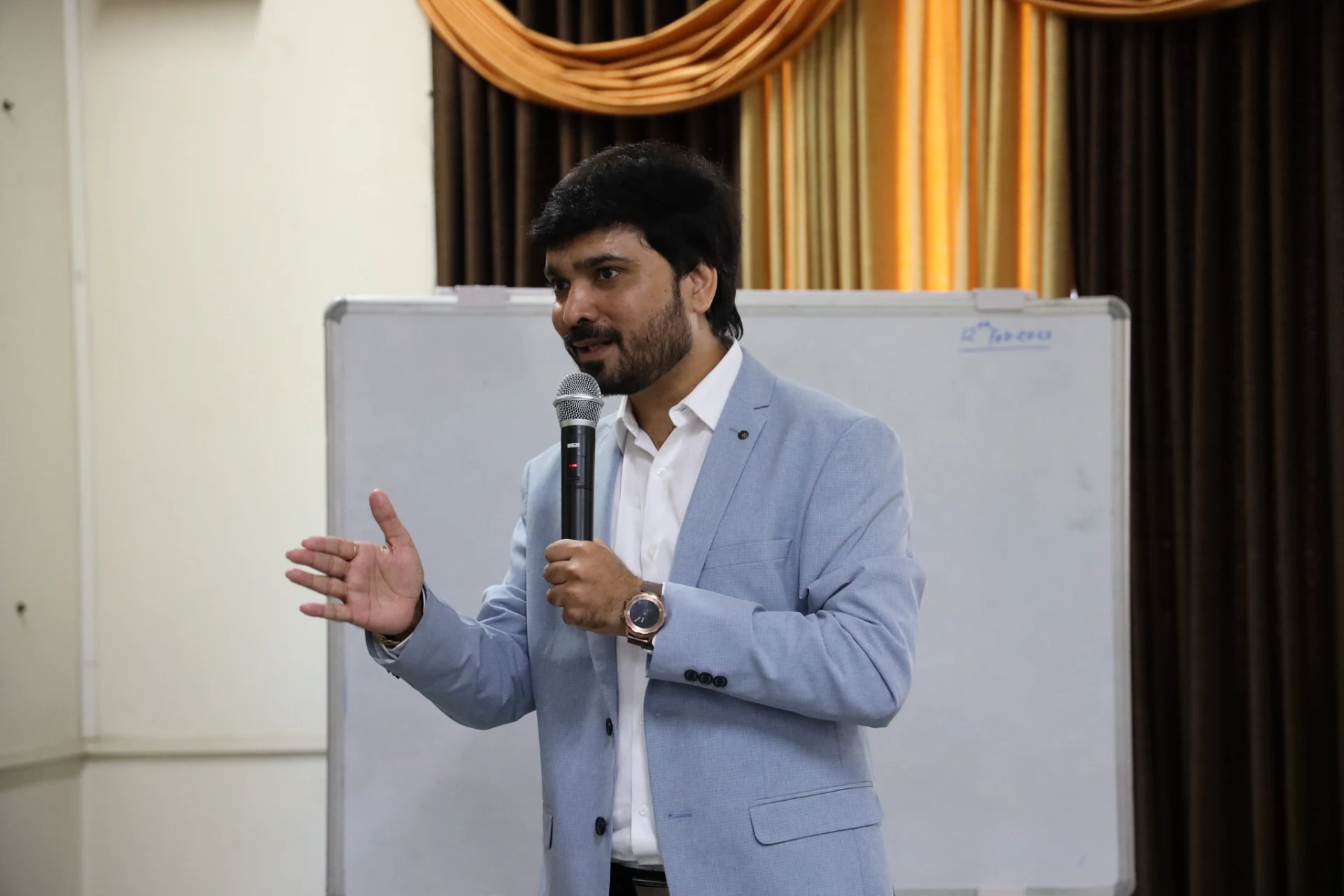
Why Change Stalls — And Why It Is Entirely Within Your Control
Here is what the project plan never accounts for: an organisation does not change when the leadership decides to change — it changes when enough individuals privately decide to work differently, and that decision is emotional long before it is rational. People do not resist the new system because they misunderstand it; they resist because it threatens something real — their competence, their status, a routine they had finally mastered. Announcing the change louder does not touch any of that. You can be completely right about what should change and still lose, because you never addressed the felt experience of the people being asked to let go of the old way and be a beginner again.
So change is not a communications problem or a willpower problem — it is a transition problem, and transitions have a known shape. People move through an ending, a disorienting in-between, and only then a new beginning; skip the first two and the third never arrives. Leaders who learn to read that arc, name it, and walk their people through it get adoption. Those who treat change as a launch event get compliance that evaporates. This is a learnable discipline — not a personality trait some leaders happen to have — and this programme teaches it deliberately, so your next change is one that sticks.
Does This Sound Familiar?
If your change initiatives keep launching well and landing softly, it is almost never that the strategy was wrong or your people are uniquely resistant. It is that the human side of the change was left unmanaged. Here is what you are likely seeing, what it is quietly costing, and exactly which part of the programme addresses it.
| The symptom you see | What it is costing you | The real cause | How the programme fixes it |
|---|---|---|---|
| The change was announced with conviction, and weeks later people have quietly reverted to the old way | Wasted investment, a visible failure that makes the next change harder to sell | It was treated as a launch event, not a transition people had to be walked through | The Why-Change-Fails module — leading the human side, not just the plan |
| People nod in the meeting, then find workarounds back to how things were | A new system running at a fraction of its value while old habits quietly persist | The case for change was logical but never made anyone feel why it mattered to them | The Making-the-Case module — a story people believe, not just understand |
| There is confusion, anxiety and a dip in performance right after the change begins | Good people disengage, mistakes rise, and momentum is lost at the worst moment | No one prepared for the emotional dip of transition, so it is read as failure and panic sets in | The Emotional-Journey module — leading the ending and the messy middle |
| The change depends entirely on you; the moment you look away, it slides back | Nothing scales, leadership is exhausted, and the change never becomes self-sustaining | There was no coalition and no early win — no one else owned the change or saw it working | The Coalition-and-Early-Wins module — building shared ownership and proof |
| A few vocal sceptics have stalled the whole thing, and pushing harder only entrenched them | A stalemate that spreads, with resistance hardening into open cynicism | Resistance was treated as an obstacle to crush rather than a signal to understand | The Overcoming-Resistance module — working with the friction, not through it |
What Changes When You Lead the Human Side of Change
Picture your next change landing differently. You open not with a mandate but with a case people feel in their gut — why now, why it matters, what it protects. You have a coalition of respected people carrying it with you, not a solo announcement echoing in an empty room. When the inevitable dip comes — the confusion, the drop in output, the grumbling — you do not panic, because you named it in advance and your people recognise it as the middle of the journey, not the end of the effort. Resistance shows up and you lean into it, because the objection usually contains the very information that makes the change work.
And then the thing that pays for the whole programme: the new way stops being an initiative and becomes simply how things are done here. It is wired into habits, into systems, into the small daily defaults, so it holds long after the launch energy fades and no longer depends on you standing over it. You stop adding to the graveyard of dead initiatives and start building a reputation — the leader whose changes actually stick, so the next one is met with trust instead of folded arms.
What Your Leaders Will Be Able to Do
- ✓ Diagnose why past changes stalled — and see the human causes the project plan always misses
- ✓ Make a case for change that people believe and feel, not merely understand and forget
- ✓ Recognise and lead the emotional journey of transition — the ending, the messy middle, the new beginning
- ✓ Build a guiding coalition and engineer visible early wins that make the change feel real
- ✓ Work with resistance instead of steamrolling it — surfacing the objection and using what it reveals
- ✓ Embed the change into habits, routines and systems so it holds after the launch energy fades
- ✓ Sequence and pace a change with a clear, proven method rather than a single announcement
What the Programme Covers
Seven connected modules that take a leader from "we announced it and it died" to "we led it and it stuck." Every module pairs a short, practical input with real work on a live change from your own organisation — and ends with a concrete shift in how that change is led.
These are building blocks, not a fixed-length course. A two-hour session goes deep on the two or three that matter most to you; a half or full day covers more; a multi-day intensive — or an ongoing monthly, quarterly or half-yearly rhythm — works through them all, with far more practice. We shape which ones, in what order and how deep, with you.
Why Change Fails — The Human Side, Not the Plan
What we cover: Why most change effort goes into the plan and most change failure happens in the people. The difference between change (the external event you announce) and transition (the internal shift people actually go through). The predictable reasons good initiatives die — declaring victory at the launch, mistaking compliance for commitment, ignoring the felt loss underneath the logic. An honest post-mortem of a change in your own organisation that never took.
What changes: Leaders stop treating change as a launch to be communicated and start treating it as a transition to be led — the reframe everything else depends on.
Making the Case People Actually Believe
What we cover: Why a logically airtight case still leaves a room unmoved. Building urgency that is real and honest, not manufactured fear. Speaking to the head and the heart — the data and the story, the threat and the possibility. Answering the question every person is silently asking: what does this mean for me, and what am I being asked to give up? Turning a mandate into a message people repeat to each other.
What changes: The change is carried by a story people believe and pass on, instead of a directive that is understood in the meeting and ignored at the desk.
The Emotional Journey of Transition
What we cover: The predictable arc every person moves through when the ground shifts — the ending and the letting go, the disorienting neutral zone, the new beginning. Why performance and morale dip before they recover, and why that dip is a sign of progress, not failure. Naming the loss so people can move past it. Leading each stage differently, and knowing that people in the same change are rarely at the same point in the journey.
What changes: Leaders read the emotional terrain of a change and guide people through the dip with steadiness, instead of mistaking it for failure and panicking.
Building a Coalition and Winning Early
What we cover: Why a change carried by one leader is a change waiting to slide back. Assembling a guiding coalition with enough credibility, influence and reach to move the organisation. Finding and mobilising the early adopters and respected informal leaders. Engineering short-term wins that are visible, unambiguous and soon — the proof that silences doubters and feeds momentum. Sequencing so success compounds rather than scatters.
What changes: The change gains shared ownership and early, undeniable proof that it works — so momentum builds on its own instead of depending on the leader alone.
Overcoming Resistance Without Steamrolling It
What we cover: Why resistance is information, not insubordination — and what the objection is usually trying to tell you. Reading the difference between a rational concern, a political fear and simple change fatigue. Surfacing the quiet resistance that is far more dangerous than the loud kind. Engaging the sceptic as a partner rather than an enemy, and knowing when to persuade, when to involve, and when to hold a firm line. Protecting the change from the cynicism of a vocal few.
What changes: Leaders turn resistance from a roadblock into a source of insight and buy-in — working with the friction instead of hardening it by pushing through.
Making It Stick — Habits, Systems and the New Normal
What we cover: Why the most dangerous moment for a change is just after it appears to have succeeded. Anchoring the new way into daily habits, routines and the cues that trigger them. Aligning the systems that quietly govern behaviour — processes, incentives, what gets measured and rewarded — so they pull toward the new way, not the old. Removing the workarounds back to the past. Building the change into onboarding and rhythm so it outlives the launch and the leader.
What changes: The change stops being an initiative and becomes simply how things are done here — wired into habits and systems so it holds long after the energy fades.
Practice — Leading Your Real Change
What we cover: Applied work on a live change from your own organisation. Mapping the transition, the stakeholders and where each sits on the journey. Drafting the case for change and pressure-testing it in the room. Rehearsing the hard conversations — the entrenched sceptic, the anxious team, the peer who is quietly undermining it. Building the coalition list, the early-win plan and the plan to embed it, ready to run on Monday.
What changes: Leaders walk out with a worked-through plan and rehearsed conversations for a change they are living right now — not theory, but their own transition, ready to lead.
How It Is Delivered
This is not a lecture on change management theory. It is a working session in which leaders take a real change they are trying to land — a system, a restructure, a merger, a new way of working — and build the human side of it in the room. They map the transition, draft the case for change, rehearse the resistant conversations, and leave with a plan they can act on immediately. The models are kept few and genuinely usable; the value is in applying them to a change that actually matters to the people present.
The format flexes to your situation. It runs as a focused half-day to align a leadership team behind a specific change, a full-day workshop, a multi-day intensive for a group steering a major transformation, or a modular series that runs alongside a change as it unfolds over the months — and it works well as an ongoing rhythm for organisations that are perpetually changing and want change leadership to become a shared capability. For 20 to 40 participants it is organised into small groups so every leader works on a real change, not just listens. The exact depth, duration and cadence are shaped with you in the design call.
Formats That Fit Your Calendar
Half-day or full-day workshop
A focused session to align a leadership team behind a specific change and build the human side of the plan before it launches.
Multi-day intensive
Two or more days to go deep — ideal for a group steering a major transformation, a merger integration or an enterprise-wide new way of working.
Modular series alongside the change
Shorter sessions spread across the life of a live change, so each skill lands exactly when that phase of the transition demands it.
An ongoing change-leadership rhythm
Run it as a standing capability for organisations in constant change — so leading transitions well becomes part of how the business operates, not a one-off event.
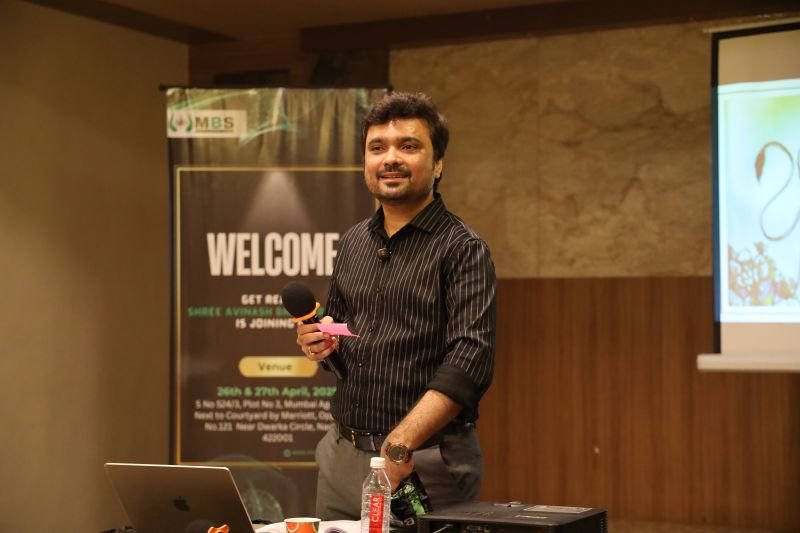
The Thinking Behind It
This programme is not a generic transformation deck. It draws on the most trusted thinking on change and transition — distilled into a few models leaders can put to work immediately — and then goes further, into the frameworks Avinash uses to lead change inside his own 100-plus member organisation.
Ideas & books we draw on
- Leading Change — John P. Kotter · the foundational eight-step method for driving change that endures rather than fizzles
- Switch — Chip Heath & Dan Heath · why change is hard and how to move the rational mind, the emotional side and the path at once
- Managing Transitions — William Bridges · the essential distinction between the external change and the internal transition people must make
- Immunity to Change — Robert Kegan & Lisa Laskow Lahey · why people who genuinely want to change still don't — and the hidden commitments that hold them back
- Our Iceberg Is Melting — John Kotter & Holger Rathgeber · the eight steps of change told as a fable, so a whole team can share one language for it
- The Power of Habit — Charles Duhigg · how routines actually form and change — the mechanism that makes a new way finally stick
Models we use to lead change
- Kotter's 8 steps · from urgency to anchoring — a proven sequence for leading large-scale change
- The ADKAR model · Awareness, Desire, Knowledge, Ability, Reinforcement — change managed person by person
- Bridges' transition model · ending, neutral zone, new beginning — leading the internal journey, not just the event
- The rider, the elephant and the path (Heath brothers) · direct the rational mind, motivate the emotional side, shape the path
- Lewin's change model · unfreeze, change, refreeze — loosening the old way before locking in the new
And Avinash's own frameworks — the part you won't find anywhere else
Beyond the established thinking, the programme is built on frameworks Avinash has created and written about himself — including his KITE leadership framework and the principles in his book The Winning Edge. These come from actually running a 100-plus member organisation and developing its people year after year, not from a textbook. It is the layer competitors cannot copy, and the one your leaders remember long after the session ends.
Who It Is For
Anyone responsible for making a change actually happen — senior leaders and change sponsors, functional and business heads, project and programme leaders driving a transformation, and the managers who have to carry that change to the front line where it either lands or dies. It is especially powerful for a leadership team facing a specific, live change — a new system, a restructure, a merger, a shift in strategy or culture — who want to lead it together with a shared language. On plant floors and across MIDC operations, where a change in process or technology meets deeply set routines, it is the difference between a costly announcement and a change that holds.
Taught by Someone Who Leads Change in His Own Organisation
Avinash Chate does not teach change from a textbook. He runs a 100-plus member organisation and has led it through real transitions himself — new systems, new structures, new ways of working, with the same resistance and the same emotional dip every leader in the room will recognise. Programmes that build change-leadership capability have been delivered across sectors — manufacturing plants absorbing new technology and process, IT and services teams reorganising, and businesses navigating growth, restructuring and cultural change — so the tools taught here are the ones that survive contact with real people and real stakes.
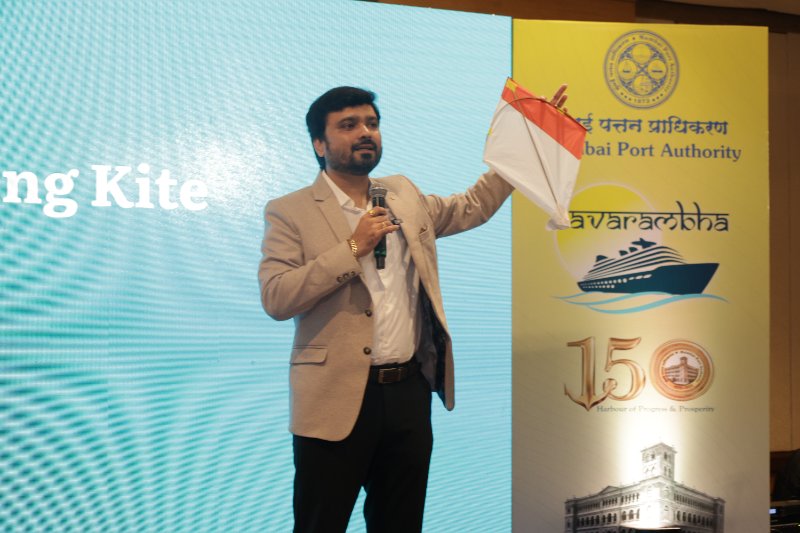
Why Avinash Chate
Avinash Chate is an entrepreneur and corporate trainer who runs ABC Trainings and The Future Corporate & Business Coaching, a TEDx speaker and published author. Over the last decade he has trained teams at 1,000-plus organisations and 15,000-plus professionals.
He teaches these skills not from a manual, but because he practises them himself — leading a 100-plus member team of his own. That is the difference working leaders feel in the room.
Change Management Training — FAQ
What is Change Management Training?
It is a practical programme for leaders who need a change to actually take hold rather than fade after the launch. It builds the human side of change that project plans miss — diagnosing why past initiatives stalled, making a case for change people believe, leading the emotional journey of transition, building a coalition and early wins, overcoming resistance without steamrolling it, and embedding the new way into habits and systems. Unlike generic change theory, it is worked directly on a live change from your own organisation until leaders have a plan they can run immediately.
Who should attend this training?
Senior leaders and change sponsors, business and functional heads, project and programme leaders driving a transformation, and the managers who have to carry a change to the front line. It is at its most powerful when a leadership team facing a specific, live change attends together — a new system, a restructure, a merger, a strategy or culture shift — so they build a shared language and lead it as one. It is equally valuable for plant and operations leaders introducing new technology or process into long-set routines.
Why do so many change initiatives fail even when the strategy is sound?
Because organisations change only when enough individuals privately decide to work differently — and that decision is emotional long before it is rational. People rarely resist a change because they misunderstand it; they resist because it threatens their competence, status or a routine they had finally mastered. A logically perfect plan, announced louder, never touches any of that. Change is a transition with a known shape — an ending, a messy middle, a new beginning — and initiatives that skip the human work get compliance that evaporates instead of adoption that holds. The good news: leading that transition is a learnable discipline, not a personality trait.
What does the programme cover?
Seven connected modules: why change fails on the human side rather than the plan; making a case for change people believe; the emotional journey of transition; building a coalition and winning early; overcoming resistance without steamrolling it; embedding the change into habits and systems; and applied practice on a real change from your own organisation. Every module pairs a short, usable model with work on a live change your leaders are actually trying to land.
How is the training delivered — and how long does it take?
It is highly interactive — real cases, mapping and rehearsal, with minimal lecture. The duration is flexible: the same programme runs as a half-day to align a leadership team, a full day, a multi-day intensive for a major transformation, or a modular series that runs alongside a change as it unfolds, and it works well as an ongoing rhythm for organisations in constant change. We shape the exact length and cadence with you. For 20 to 40 participants, sessions are organised into small groups so everyone works on a real change rather than just listening.
We are in the middle of a change that is already stalling. Can this still help?
Yes — that is often the best moment for it. Rather than starting from theory, the session works directly on the change you are living: diagnosing where it stalled, mapping where people are on the transition, rebuilding the case, addressing the resistance that has surfaced, and creating a plan to regain momentum and make it stick. Leaders leave with concrete next steps for the exact change in front of them, not a general framework to file away.
Is the programme customised to our organisation?
Yes. Before the first session, the examples and the working scenarios are built around your context — your industry, the specific change you are driving, and the real resistance and stakeholders your leaders face. Generic change training is precisely what fails; the value is in mapping, drafting and rehearsing the actual transition your people are being asked to make, so what leaders build in the room is ready to use on it directly.
Can it be delivered on-site, and in which languages?
Yes. Most engagements are across Maharashtra — Pune, Mumbai, Chhatrapati Sambhajinagar, Nashik, Nagpur and the surrounding MIDC industrial belts — and the programme is equally delivered pan-India and internationally on request. Delivery is available in English, Hindi and Marathi, or a natural mix, which matters especially when a change has to reach supervisors and teams on the plant floor.
What outcomes can we expect?
Changes that land and hold instead of fading after the launch — a case people believe, a coalition carrying it, an organisation that moves through the transition dip without panic, and resistance turned into insight rather than a stalemate. Above all, new ways of working that get wired into habits and systems, so they outlast the launch energy and no longer depend on a leader standing over them. Over time, leaders build a reputation for change that sticks, so the next initiative is met with trust rather than folded arms.
Why Avinash Chate for this programme?
Avinash Chate is an entrepreneur and corporate trainer who runs a 100-plus member organisation and has led it through real change himself — so he teaches leading transition from lived experience, not theory. He is a TEDx speaker and author of The Winning Edge, creator of the KITE leadership framework, and has trained teams at 1,000-plus organisations including RBI, JSW Steel, BARC, the Indian Army and Ferrero. That combination of real operating experience and his own frameworks is what leaders responsible for making change stick respond to.
Related Training Topics
Lead your next change so it actually sticks
Give your leaders the human side of change no plan covers — a case people believe, a coalition, a way through the transition dip, and the discipline to embed it for good. On-site across Maharashtra, pan-India and internationally, in English, Hindi or Marathi.
Request a Proposal →