Leadership Development Training
You promoted your best people. You never grew them into leaders — so now they run tasks, and no one is really leading.
Look honestly at your top layer. Nearly all of them arrived there the same way — they were the sharpest engineer, the surest closer, the one who never dropped the ball. So you rewarded them with a title, a team, a function. And most of them are still doing, at scale, the very thing that got them noticed: solving the problem themselves, carrying the number on their own back, staying later than everyone below them. They are excellent, exhausted, and quietly indispensable in exactly the wrong way. The tier beneath them isn't stepping up, every real decision climbs back to their desk, and your best young people are starting to leave — not for money, but because no one above them is actually leading. The company outgrew its leaders. This programme is how you let the leaders catch up.
★ 5.0 client rating · Across Maharashtra, pan-India & internationally · English, Hindi & Marathi
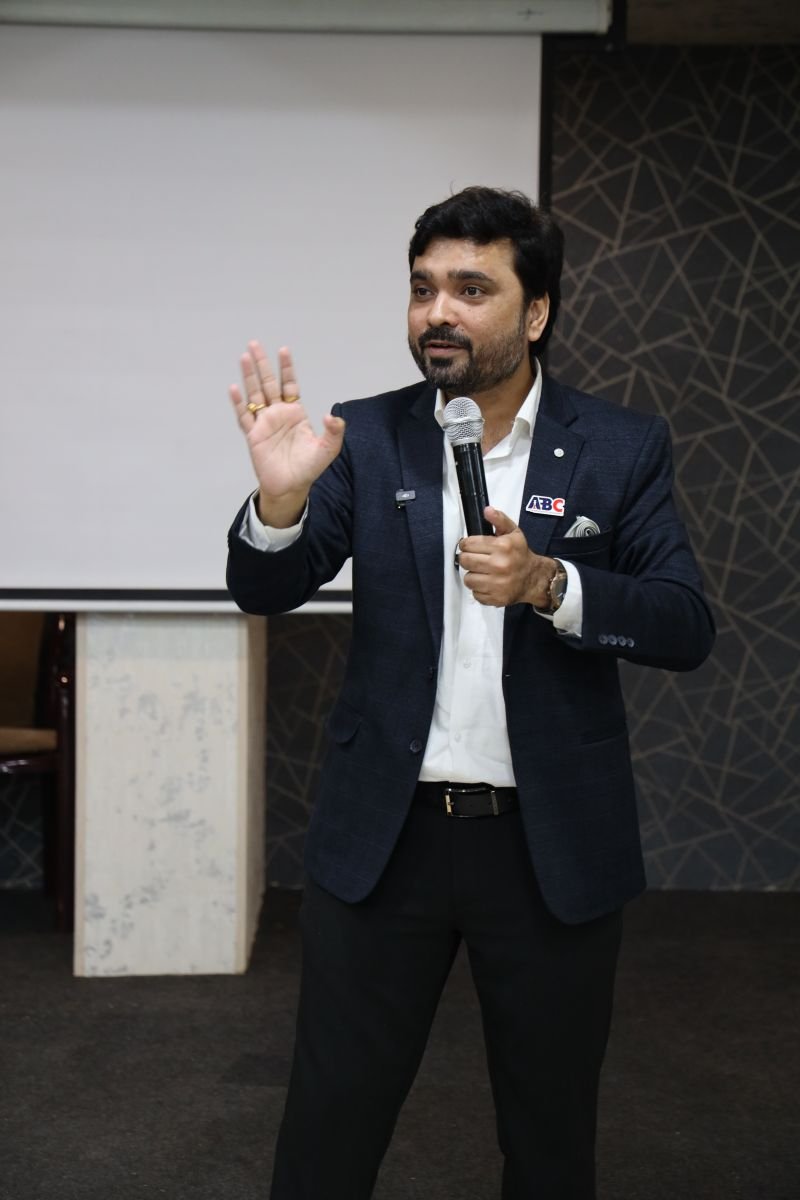
The Ceiling No One Names — When Managers Never Became Leaders
There is a specific kind of company that looks strong from the outside and feels fragile from within. Revenue is up. The founder or the top few are formidable. And underneath them sits a layer of good, loyal, capable managers who were promoted because they were brilliant at the work — and were then expected to lead by instinct, on top of a full plate, with no one ever teaching them how. So they lead the only way they know: by out-working the problem. They review everything, decide everything, rescue everything. For a while it holds, because they are genuinely talented people. The cracks are quiet at first.
Then the organisation grows past what heroics can carry. The same managers are now the bottleneck through which every judgement call must pass, and they are too buried in the doing to notice that no one below them is being built to take the weight. Their strongest reports plateau, wait, and eventually leave — because a career with no leader above it is a career going nowhere. And the real cost is invisible on any dashboard: you have a company that can only move as fast as its top few can personally push it, and a bench that is empty precisely because the people who were supposed to fill it were never developed.
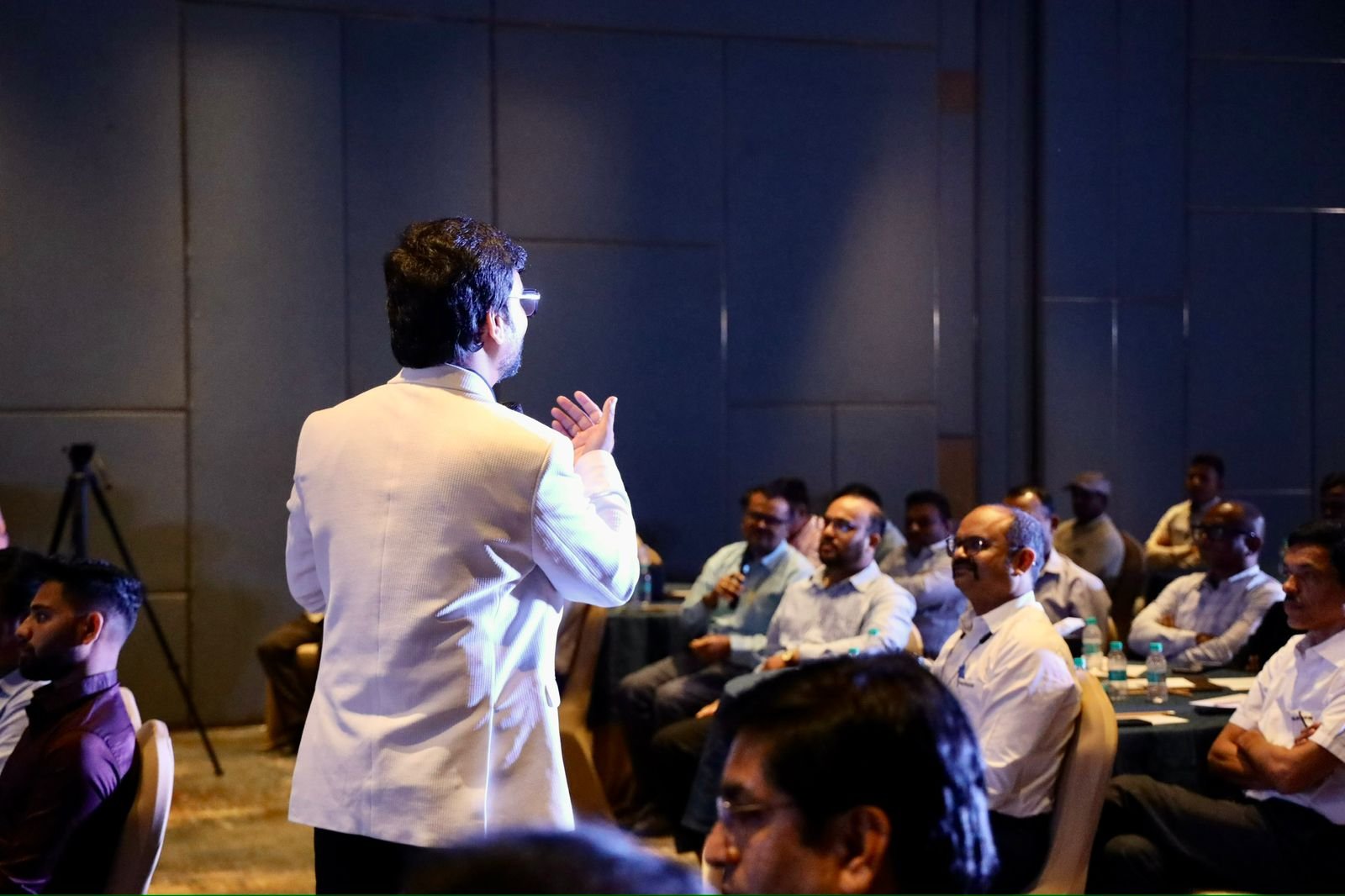
Why Brilliant Managers Stall — And Why Leadership Is Learnable
Here is the assumption that quietly breaks companies: that leadership arrives with the title. It does not. The abilities that earn a promotion — technical mastery, personal drive, being the most reliable person in the room — are abilities of the individual. Leadership is a different discipline entirely: setting a direction others will commit to, developing people who are not you, delegating judgement and not just tasks, holding your nerve on an unpopular call, and carrying a team through change you did not choose. None of that is in the skill set that got them here, and no one is born knowing it.
So a capable manager, handed leadership and given no development, does the rational thing — they lean harder on the strengths that have always worked, and they scale their own effort until it caps out. That is not a limit of the person; it is a gap in what they were ever taught. And gaps in skill close with deliberate practice. This programme builds the leadership discipline on purpose — direction, coaching, decision-making, influence, leading change — so your leaders stop being the ceiling and start being the reason the tier beneath them rises.
Does This Sound Familiar?
If your leadership layer is showing any of these signs, it almost never means you promoted the wrong people. It means capable people were handed leadership and never developed for it. Here is what you are likely seeing, what it is quietly costing, and exactly which part of the programme addresses it.
| The symptom you see | What it is costing you | The real cause | How the programme fixes it |
|---|---|---|---|
| Every meaningful decision still climbs back up to your senior few | The organisation moves only as fast as a handful of people can personally push it | Leaders were never taught to delegate judgement, so they hold every call themselves | The Delegation & Decisions module — pushing judgement down, not just tasks |
| The tier below your leaders isn't growing — no one is ready to step up | An empty bench, stalled succession, and outside hires for roles you should grow from within | Your leaders manage tasks and outcomes but never coach or build the people beneath them | The Developing Leaders module — coaching the next tier deliberately |
| Good young people keep leaving, and never quite for the money | You lose your best future leaders and the cost of replacing them lands twice over | They have no real leader above them — direction, growth and trust are all missing | The Trust & Influence module, plus the Direction module |
| Teams pull in different directions because no one has set a clear one | Wasted effort, quiet turf wars, and energy spent on friction instead of the goal | Leaders were never taught to set a direction people can actually align behind | The Direction & Alignment module — a vision the team will commit to |
| Change lands badly — every reorg or new system is met with resistance | Initiatives stall, cynicism grows, and the next change is even harder to sell | Leaders announce change instead of leading people through the human side of it | The Leading Change module — carrying people through, not just around, it |
What Changes When Your Managers Are Developed Into Leaders
Picture a leadership layer that no longer bottlenecks the business. Leaders who set a direction clear enough that their teams make good calls without asking. Leaders who spend real time growing the people beneath them, so the bench fills instead of empties. Judgement pushed down to where the work actually happens, so decisions stop stacking up on three desks. Change introduced in a way people move with rather than brace against. And the hard calls — the ones a leader cannot outsource — made cleanly, and owned.
Underneath it sits the shift that compounds for years: your leaders stop measuring themselves by what they personally carry and start measuring themselves by the leaders they build. A company that once moved only as fast as its top few can now move as fast as its whole leadership can — because the top few finally multiplied themselves instead of maxing themselves out.
What Your Leaders Will Be Able to Do
- ✓ Make the shift from running tasks to leading people — and understand why it changes the whole job
- ✓ Set a clear direction and align a team behind it, so people make good calls without escalating
- ✓ Coach and develop the tier beneath them, building leaders instead of just managing reports
- ✓ Delegate real judgement and decide well at scale, so the organisation stops bottlenecking at the top
- ✓ Lead people through change — carrying them through the human side, not just announcing the plan
- ✓ Build trust and influence without relying on authority, and make the hard calls a leader cannot avoid
- ✓ Lead from their own considered philosophy of leadership, not by copying whoever promoted them
What the Programme Covers
Seven connected modules that grow a capable manager into a leader who builds other leaders. Every module pairs a short, practical input with real practice on the exact situations a senior leader faces — setting direction, coaching the next tier, deciding under pressure, leading change — and ends with a concrete shift in how they lead.
These are building blocks, not a fixed-length course. A two-hour session goes deep on the two or three that matter most to you; a half or full day covers more; a multi-day intensive — or an ongoing monthly, quarterly or half-yearly rhythm — works through them all, with far more practice. We shape which ones, in what order and how deep, with you.
From Running Tasks to Leading People
What we cover: Why the strengths that earned the promotion quietly become the trap. The deepest shift a leader makes — from being valued for what they personally deliver to being valued for what their people and the wider organisation achieve. Letting go of being the smartest doer in the room. Recognising the difference between managing work, which most already do well, and leading people, which most have never been taught. Naming the specific habits of the individual contributor that no longer serve a leader.
What changes: The leader stops scaling their own effort and starts scaling their people — the reframe every other module builds on.
Direction and Alignment — A Vision People Commit To
What we cover: Why teams pull in different directions when no one has set a clear one. Crafting a direction that is concrete enough to guide daily decisions, not a poster on the wall. Translating strategy into what it means for this team, this quarter, this person. Communicating it so people genuinely buy in rather than merely comply. Creating the alignment that lets people make good calls on their own — the real test of whether a direction has landed.
What changes: The leader sets a direction clear enough that the team moves as one and decides well without escalating everything upward.
Developing the Next Tier — Coaching Leaders, Not Just Managing Reports
What we cover: Why building people is the part busy leaders skip, and the exact cost of skipping it. The difference between telling and coaching — and when each is right. Spotting potential and stretching it deliberately with real responsibility. Holding development conversations that grow someone rather than merely appraise them. Building a bench so succession is a plan, not a panic. Delegating in a way that develops the person, not just offloads the task.
What changes: The leader grows leaders beneath them, so the tier below rises and the bench fills instead of empties.
Delegation and Decisions at Scale
What we cover: Why every judgement call climbing back to the top is the surest sign of a leader who has not let go. Delegating decisions and authority, not only tasks — with the context and boundaries that make it safe. Matching how much you hand over to each person's readiness. Deciding well with incomplete information and real consequences. Knowing which calls only the leader can make and which they must push down. Building the trust that lets people decide without checking first.
What changes: The leader pushes judgement to where the work happens, so decisions stop bottlenecking and the organisation moves at full speed.
Leading Change — Carrying People Through It
What we cover: Why change fails on the human side long before it fails on the plan. The predictable emotional journey people travel through any change, and how to lead each stage of it. Making the case for change in a way that answers "what does this mean for me". Handling resistance as information rather than insubordination. Holding steady through the messy middle when energy dips and cynicism rises. Sustaining the change so it sticks instead of quietly reverting.
What changes: The leader takes people through change rather than around them, so initiatives land and trust survives the disruption.
Trust, Influence and the Hard Call
What we cover: Why real leadership runs on trust and influence, not on the authority the title grants. Building credibility through consistency, fairness and follow-through. Influencing peers and seniors you do not command, across a matrix. Leading with enough candour and safety that people bring you the truth early. Making the unpopular but right decision, and owning it in public. Staying steady, human and decent under the pressure where lesser leaders either freeze or bully.
What changes: The leader earns the kind of trust that makes people follow by choice, and makes the hard calls cleanly without losing the room.
Practice — Role Plays and the Real Leadership Moments
What we cover: Live role plays on the moments that define a leader: setting a direction a sceptical team will actually commit to, coaching a high-potential who is coasting, delegating a decision you would rather keep, selling a change no one asked for, delivering the call that will not be popular, holding your ground with a peer who outranks you. Practised in the room, on real situations lifted from your own organisation.
What changes: The leader walks out having already led the hard moments once, in safety — so the real ones, weeks later, meet a leader who has been there before.
How It Is Delivered
This is not a leadership lecture with a certificate at the end. It is a working session in which leaders practise leading. They spend most of their time on their feet — setting a direction and defending it, coaching a stalled high-potential, delegating a decision they would rather keep, selling a change to a resistant room — using real situations lifted from your own organisation. The frameworks are deliberately few and immediately usable; the practice, the debrief and the peer challenge are where leaders are actually made.
The format flexes to your people and your calendar. It runs as a focused half-day, a full-day workshop, a multi-day leadership intensive for a cohort of managers or heads of function, or a modular series spread across the year so each capability is built and then applied before the next — and it lives most powerfully as an ongoing leadership academy that develops every rising leader as they step up. For a cohort of 20 to 40, it is organised into small groups so every leader practises and is challenged, rather than sitting and listening. The exact depth, sequence and cadence are shaped with you in the design call.
Formats That Fit Your Calendar
Half-day or full-day workshop
A high-impact session to shift a leadership group fast — ideal for a management offsite or the opening of a leadership push.
Multi-day leadership intensive
Two or more days to go deep across the full arc — direction, developing people, decisions, change and the hard calls — perfect for a cohort of managers or heads of function.
Modular series across the year
Sessions spaced over months so each capability is practised, applied on the job, and then built upon — leadership grown in the flow of real work, not in a single hit.
An ongoing leadership academy
Run it as a standing programme that develops every leader as they rise — making leadership development a permanent engine of your bench, not a one-off event.
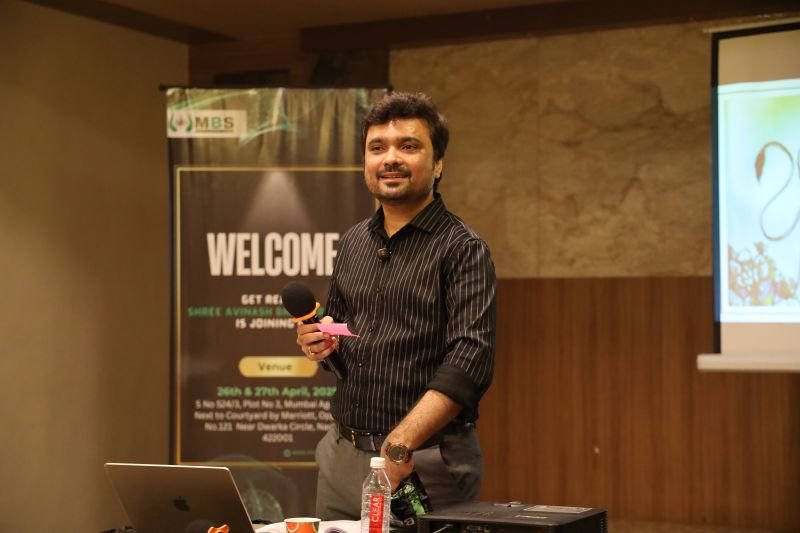
The Thinking Behind It
This programme is not a recycled leadership deck. It draws on the most substantial writing and research on how managers become leaders — distilled into a handful of models leaders can use on Monday — and then goes further, into the frameworks Avinash uses to develop leaders inside his own 100-plus member organisation.
Ideas & books we draw on
- Good to Great — Jim Collins · the research on why the quietest, most disciplined leaders build the companies that endure
- The Leadership Challenge — James Kouzes & Barry Posner · three decades of evidence on the five practices that ordinary people use to lead extraordinarily
- Dare to Lead — Brené Brown · why courage, candour and trust — not command — are the real mechanics of leading people
- The Leadership Pipeline — Ram Charan, Stephen Drotter & James Noel · the map of how the job genuinely changes at each rung, and why leaders stall when they skip the shift
- The Practice of Adaptive Leadership — Ronald Heifetz, Alexander Grashow & Marty Linsky · leading through the problems that have no expert answer — where technical brilliance runs out
- Turn the Ship Around! — L. David Marquet · the submarine captain's proof that pushing decisions down, not up, is what builds leaders at every level
Models your leaders will actually use
- The Five Practices of Exemplary Leadership (Kouzes & Posner) · model the way, inspire a shared vision, challenge, enable others, encourage the heart
- Situational Leadership II (Hersey–Blanchard) · flexing your style — directing to delegating — to each person's competence and commitment
- Adaptive Leadership (Heifetz) · distinguishing technical problems with known answers from adaptive ones that require the people to change
- The Leadership Pipeline (Charan) · the specific shift in skills, time and values required at each level of leading
- Transformational Leadership (Bass) · moving people beyond compliance through vision, meaning and genuine individual attention
And Avinash's own frameworks — the part you won't find anywhere else
Beyond the established thinking, the programme is built on frameworks Avinash has created and written about himself — including his KITE leadership framework and the principles in his book The Winning Edge. These come from actually running a 100-plus member organisation and developing its people year after year, not from a textbook. It is the layer competitors cannot copy, and the one your leaders remember long after the session ends.
Who It Is For
Managers and senior managers ready to lead more than they do — heads of function, department and business-unit leaders, and the high-potential individual contributors you are about to move into real leadership and want to set up to succeed. It is especially powerful run as a cohort, so a layer of leaders builds a shared language and a peer group that holds each other to a higher standard. In fast-growing firms and manufacturing groups alike, it is the bridge that turns a company carried by its top few into one led at every level.
Taught by Someone Who Builds Leaders in His Own Business
Avinash Chate does not teach leadership from a slide library. He runs a 100-plus member organisation and develops leaders inside it himself — so the direction-setting, coaching, delegation and hard calls taught here are the real thing, pressure-tested in his own business rather than borrowed from a textbook. Programmes that grow managers into leaders and build leadership benches have been delivered across sectors — manufacturing, engineering, IT, sales and services — for organisations facing the very same challenge of a company that grew faster than its leaders did.
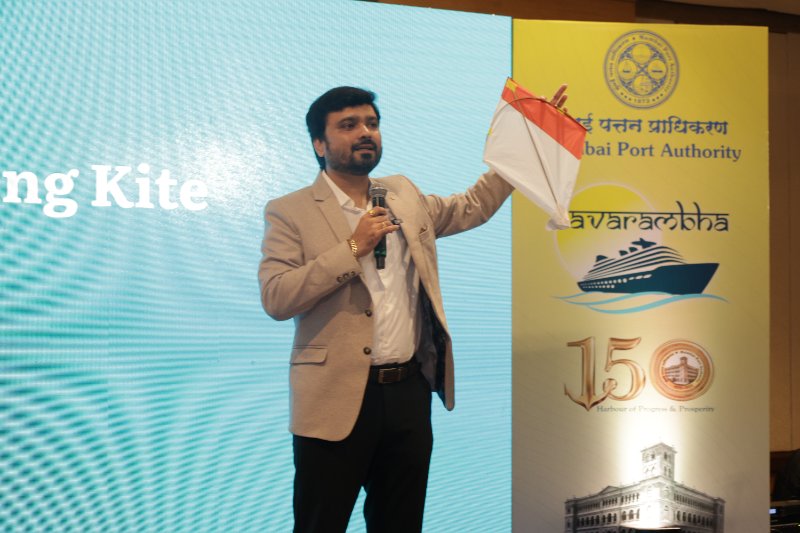
Why Avinash Chate
Avinash Chate is an entrepreneur and corporate trainer who runs ABC Trainings and The Future Corporate & Business Coaching, a TEDx speaker and published author. Over the last decade he has trained teams at 1,000-plus organisations and 15,000-plus professionals.
He teaches these skills not from a manual, but because he practises them himself — leading a 100-plus member team of his own. That is the difference working leaders feel in the room.
Leadership Development Training — FAQ
What is Leadership Development Training?
It is a practical development programme that grows capable managers into leaders who build other leaders. It develops the specific disciplines leadership actually requires — the shift from running tasks to leading people, setting a direction a team will commit to, coaching and developing the next tier, delegating judgement and deciding at scale, leading people through change, and building the trust and influence to make hard calls. Unlike generic leadership theory, it is built around the real situations your leaders face, practised in the room until the behaviour is genuinely theirs.
Who should attend this programme?
Managers and senior managers stepping up to lead more than they do, heads of function, department and business-unit leaders, and the high-potentials you are about to promote into real leadership. It is at its most powerful run as a cohort, so a whole layer of leaders builds a shared language and a peer group that raises the bar together. Many organisations use it to develop a leadership bench deliberately rather than hoping leaders emerge on their own.
Why do brilliant managers so often stall as leaders?
Because the abilities that earn a promotion are not the abilities leadership needs. Technical mastery, personal drive and reliability are strengths of the individual; leadership is about setting direction, developing people, delegating judgement and making decisions for others. Those are different disciplines, and almost no one is taught them — so a capable manager defaults to leaning harder on the strengths that always worked, and caps out by scaling their own effort. That is exactly how a strong manager becomes a bottleneck. The good news: it is a skills gap, and skills gaps close with deliberate practice.
What does the programme cover?
Seven connected modules: the shift from running tasks to leading people; setting direction and alignment; developing and coaching the next tier of leaders; delegation and decision-making at scale; leading people through change; building trust, influence and making the hard call; and extensive role-play practice on the real leadership moments. Every module pairs a short, usable model with practice on situations drawn from your own organisation.
How is the training delivered — and how long does it take?
It is highly interactive — role plays, real cases and peer challenge, with minimal lecture. The duration is flexible: the same programme runs as a half-day, a full day, a multi-day leadership intensive for a cohort, or a modular series spread across the year so each capability is applied on the job before the next, and it lives most powerfully as an ongoing leadership academy. We shape the exact length, sequence and cadence with you. For a cohort of 20 to 40, sessions are organised into small groups so every leader practises rather than just listens.
We already send people on generic leadership courses. Why is this different?
Generic leadership training is precisely the thing that fails — a memorable few days that changes nothing on Monday. This is built the opposite way. The scenarios are your scenarios; the decisions your leaders rehearse are the ones waiting on their desks; and the format is designed so the practice, debrief and peer challenge turn insight into changed behaviour. The value is not in hearing about leadership — it is in leading the actual moments your people face next week, in a room where it is safe to get it wrong first.
Is the programme customised to our organisation?
Yes. Before the first session, the examples, cases and role-play scenarios are built around your context — your industry, your structure, your growth stage, and the real leadership situations your people are up against, from the shop floor to the boardroom. A programme for a fast-scaling IT firm looks different from one for a third-generation manufacturing group, and it should. That tailoring is a large part of why it lands where off-the-shelf leadership training does not.
Can it be delivered on-site, and in which languages?
Yes. Most engagements are across Maharashtra — Pune, Mumbai, Chhatrapati Sambhajinagar, Nashik, Nagpur and the surrounding MIDC industrial belts — and the programme is delivered equally pan-India and internationally on request. Delivery is available in English, Hindi and Marathi, or a natural mix, which matters when a leadership layer spans senior management and leaders who came up through the plant floor.
What outcomes can we expect?
Leaders who set a clear direction, coach the tier beneath them, delegate real judgement and lead change without breaking trust — so decisions stop bottlenecking at the top and the bench begins to fill. Teams that align and decide well on their own instead of escalating everything. And, over time, a company that moves at the speed of its whole leadership rather than its top few — because your leaders have started building leaders instead of simply carrying the load themselves.
Why Avinash Chate for this programme?
Avinash Chate is an entrepreneur and corporate trainer who runs a 100-plus member organisation and develops leaders inside it himself — so he teaches leadership from lived experience, not theory. He is a TEDx speaker and author of The Winning Edge, creator of the KITE leadership framework, and has trained teams at 1,000-plus organisations and more than 15,000 professionals across sectors. That combination of real operating experience and his own leadership frameworks is what working leaders respond to — and it is why this reads as leadership that has actually been done, not merely taught.
Related Training Topics
Grow managers who run tasks into leaders who build people
Give your leadership layer the disciplines no one taught them — setting direction, coaching the next tier, delegating judgement, leading change and making the hard call. On-site across Maharashtra, pan-India and internationally, in English, Hindi or Marathi.
Request a Proposal →