First-Time Manager Training
Your best engineer became a manager on Monday. Nobody taught them how to lead by Friday.
It is the promotion everyone celebrates. Your strongest engineer, your top salesperson, your most reliable team member — rewarded, at last, with a manager's title. And then, quietly, something goes wrong. The person who was brilliant at the work is suddenly lost at leading it. They keep doing the tasks themselves because it is faster. They avoid the hard conversation. They work later than anyone, and the team somehow does less. No one told them that the job they were promoted for and the job they now hold are two completely different jobs. This programme teaches the second one.
★ 5.0 client rating · Across Maharashtra, pan-India & internationally · English, Hindi & Marathi

The Promotion Everyone Celebrates — and No One Prepares For
Walk through almost any growing company and you will find them: the accidental managers. Promoted because they were the best at the work, then handed a team and left to figure out the rest. For a while everyone assumes it is going fine. It usually is not. The new manager, uncomfortable with authority, keeps their head down and does the individual work they were always good at — because that is the part they know how to win at. The team, unsure who is actually leading, drifts. Deadlines slip in ways no one can quite explain.
And the cost compounds quietly. You have taken your best individual performer off the tools and turned them into a stressed, overloaded manager who is now worse at both jobs. The team's strongest players start wondering who is looking out for their growth. Six months in, the numbers dip, a good person resigns, and in the post-mortem nobody says the real thing out loud: we promoted someone into leadership and never taught them how to lead.
Why Good Performers Struggle — And Why It Is Completely Fixable
Here is the uncomfortable truth no one mentions at the promotion party: the skills that earn a promotion are not the skills the new job requires. Being the best coder, the best closer, the best operator is about doing the work yourself, brilliantly. Managing is about getting results through other people — delegating, coaching, giving feedback, deciding with incomplete information, and holding a boundary with someone who was your peer last week. These are different muscles, and no one is born with them.
So a capable person, given no training, falls back on the only thing they know — doing the work themselves and hoping the team follows. That is not a character flaw; it is a skills gap, and skills gaps close with the right practice. This programme gives your new managers that practice deliberately, in the room, before they learn the hard lessons at the expense of a real team and a real quarter.
Does This Sound Familiar?
If your newly promoted managers are showing any of these signs, it is almost never that you picked the wrong person. It is that no one taught them the new job. Here is what you are likely seeing, what it is quietly costing, and exactly which part of the programme fixes it.
| The symptom you see | What it is costing you | The real cause | How the programme fixes it |
|---|---|---|---|
| Your new manager still does most of the hands-on work themselves | You have lost a top performer and gained an overloaded one; the team stays under-used | They were promoted for doing the work and never learned to get it done through others | The Delegation module — getting results through the team, not around it |
| The team's output dropped after your best performer was promoted | You are now weaker in two places at once — the work and the leadership | No one told them managing is a new job, not a reward for the old one | The Shift module — rebuilding their identity from doer to leader |
| Small problems fester because the manager avoids the hard conversation | Standards slip, good people resent it, and the issue only grows | They were never taught how to give feedback or address underperformance | The Feedback & Difficult Conversations module |
| The new manager is drowning — nights, weekends, everything urgent | Burnout, mistakes, and a manager quietly planning their exit | They are running a manager's calendar with an individual contributor's habits | The Manager's Time module — priorities, 1:1s and focus |
| Managing former peers has become awkward and political | Undermined authority, cliques, and quiet accusations of favouritism | No one prepared them for the shift from teammate to team leader | The Leading Former Peers module |
What Changes When Your New Managers Are Actually Trained
Picture your newly promoted managers walking in already knowing the job is different — and knowing how to do it. Delegating real work instead of hoarding it. Running crisp one-on-ones their people actually look forward to. Giving feedback early, kindly and clearly, so small things stay small. Holding the line with a former peer without losing the friendship or the respect.
And underneath it, the shift that pays for the whole programme: your best individual performers become your best managers — instead of being quietly broken by a job no one prepared them for. You keep the talent, and then you multiply it.
What Your New Managers Will Be Able to Do
- ✓ Make the mental shift from individual contributor to leader — and understand why it changes everything
- ✓ Delegate real work with clarity and trust, instead of doing it all themselves
- ✓ Run one-on-ones and team meetings that build momentum instead of wasting time
- ✓ Give feedback — including hard feedback — early and well, so problems stay small
- ✓ Lead former peers with authority and warmth, without awkwardness or favouritism
- ✓ Manage their own time, energy and priorities so they lead instead of firefight
- ✓ Manage up and across — earning trust with their own boss and cross-functional peers
What the Programme Covers
Seven connected modules that take a newly promoted manager from overwhelmed to confident. Every module pairs a short, practical input with real practice on the exact situations a first-time manager faces — and ends with a concrete change in how they lead.
These are building blocks, not a fixed-length course. A two-hour session goes deep on the two or three that matter most to you; a half or full day covers more; a multi-day intensive — or an ongoing monthly, quarterly or half-yearly rhythm — works through them all, with far more practice. We shape which ones, in what order and how deep, with you.
The Shift — From Doing the Work to Leading the People
What we cover: Why the skills that earned the promotion are not the skills the job now needs. The single hardest mental shift — from being valued for your own output to being valued for your team's. Letting go of being the best individual contributor in the room. Redefining success as what the team achieves, not what you personally produce.
What changes: The new manager stops trying to be the best doer on the team and starts building the best team — the shift everything else depends on.
Leading People You Used to Sit Beside
What we cover: The delicate move from peer to boss. Setting new boundaries without becoming distant or arrogant. Handling the friend who now reports to you, the colleague who wanted the job, and the sceptic who does not think you have earned it. Earning authority through fairness and competence rather than title.
What changes: The new manager leads former peers with respect and confidence, turning an awkward transition into a source of trust.
Delegation — Getting Results Through Others
What we cover: Why new managers hoard work, and the real cost of doing so. Deciding what to delegate and what to keep. Delegating outcomes, not just tasks — with enough context that people can own them. Matching how much you hand over to each person's readiness. Following up without micromanaging.
What changes: The new manager multiplies their impact through the team instead of becoming the bottleneck — and finally has time to actually manage.
Feedback and the Difficult Conversation
What we cover: Why avoiding feedback is the most expensive thing a new manager does. Giving praise that motivates and correction that lands. A simple structure for feedback that improves behaviour without bruising the relationship. Addressing underperformance early and fairly. Handling the emotional, defensive or tearful reaction.
What changes: Feedback becomes a habit rather than a dreaded event, so small problems get solved while they are still small.
The Manager's Time — 1:1s, Priorities and Not Drowning
What we cover: Why new managers feel busier yet achieve less. Running the calendar of a leader, not an individual contributor. The discipline of regular one-on-ones and what to actually cover in them. Separating urgent from important so you stop firefighting. Protecting time to think, and knowing which fires to let burn.
What changes: The new manager leads from a place of control instead of constant reaction — and stops taking the whole job home every night.
Motivation, Trust and Building a Team
What we cover: What actually motivates people — and why it is rarely just money. Building enough trust and safety that people speak up and take ownership. Reading where a team is in its development and leading it accordingly. Setting clear expectations and standards the team believes in. Creating a climate people do their best work in.
What changes: The new manager builds a team that is engaged, accountable and genuinely wants to perform — not one that merely complies.
Practice — Role Plays and the Real First-Manager Moments
What we cover: Live role plays on the moments that define a first-time manager: the first delegation, the first piece of hard feedback, the boundary with a former peer, the underperformer who does not see the problem, the star who wants a raise you cannot give. Practised in the room, on real situations from your own organisation.
What changes: The new manager walks out having already lived the hard moments once, in safety — so the real ones, days later, no longer catch them off guard.
How It Is Delivered
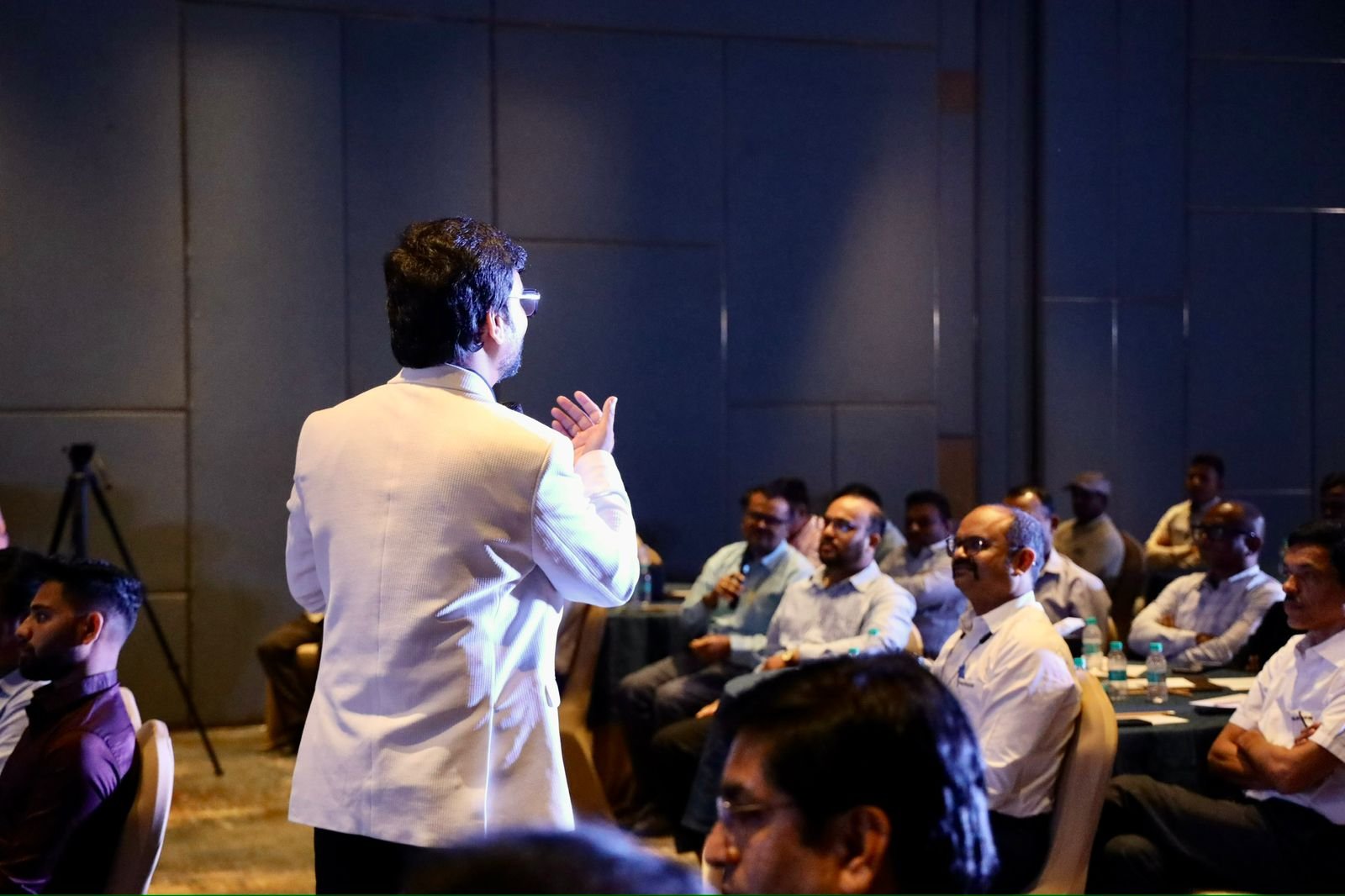
This is not a lecture about management theory. It is a workshop where new managers practise the job. They spend most of their time on their feet — role-playing the first delegation, the first hard conversation, the first awkward moment with a former peer — using real situations from your own organisation. The models are kept simple and immediately usable; the practice is where the confidence is built.
The format flexes to your needs. It runs as a focused half-day, a full-day workshop, a multi-day intensive for a new-manager cohort, or a series of shorter modules spread across the crucial first months in the role — and it works beautifully as an ongoing programme, run every time a fresh batch is promoted. For 20 to 40 participants it is organised into small batches so every new manager practises, not just listens. The exact depth, duration and cadence are shaped with you in the design call.
Formats That Fit Your Calendar
Half-day or full-day workshop
A high-impact session to shift a group of new managers quickly — ideal soon after a promotion cycle.
Multi-day intensive
Two or more days to go deep — perfect for a new-manager cohort, a leadership academy or a campus-to-corporate batch stepping into supervision.
Modular series across the first months
Shorter sessions spread across the critical early period in the role, so each skill is learned just as they need it.
An ongoing new-manager programme
Run it every time you promote a fresh batch — making first-time-manager development a permanent part of how you grow leaders.
The Thinking Behind It
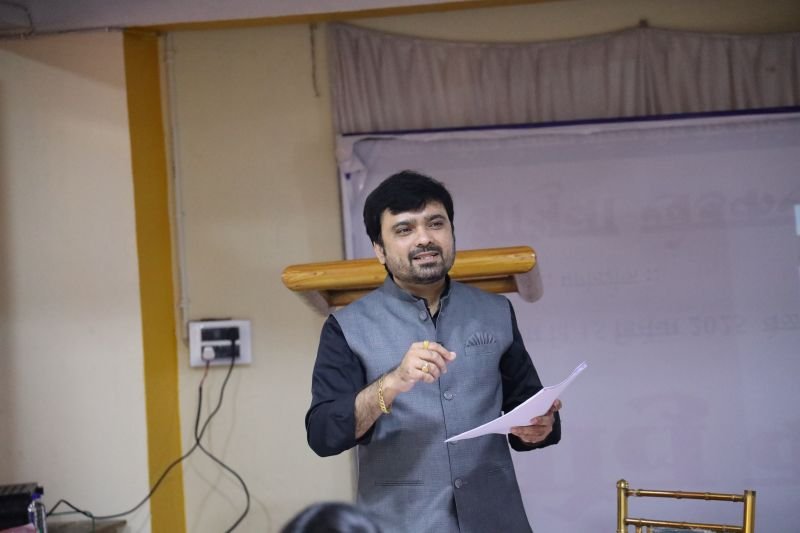
This programme is not a generic management deck. It draws on the best writing and research on the first-time-manager transition — distilled into a few models new managers can use immediately — and then goes further, into the frameworks Avinash uses to develop first-time managers inside his own 100-plus member organisation.
Ideas & books we draw on
- The Making of a Manager — Julie Zhuo · a modern, honest field guide to the messy first year of leading, from someone who lived it young
- The First 90 Days — Michael D. Watkins · the discipline of a deliberate transition instead of sink-or-swim
- High Output Management — Andrew S. Grove · the Intel classic on what a manager's job really is — leverage, not doing
- Becoming a Manager — Linda A. Hill · the Harvard study of the profound identity shift from star performer to leader of others
- The First-Time Manager — Loren B. Belker, Jim McCormick & Gary S. Topchik · the enduring, no-nonsense handbook new managers keep on the desk
- Bringing Up the Boss — Rachel Pacheco · practical, modern lessons written for brand-new managers, from feedback to firing
Models your new managers will actually use
- The IC-to-manager shift (Linda Hill) · leadership is a new job, not a reward for the old one
- Levels of delegation (Tannenbaum–Schmidt) · matching how much you hand over to each person's readiness
- Tuckman's team stages · forming, storming, norming, performing — reading and guiding a team through them
- The Eisenhower matrix · urgent versus important, so a new manager leads instead of firefights
- COIN feedback · Context, Observation, Impact, Next — feedback that improves behaviour without bruising
And Avinash's own frameworks — the part you won't find anywhere else
Beyond the established thinking, the programme is built on frameworks Avinash has created and written about himself — including his KITE leadership framework and the principles in his book The Winning Edge. These come from actually running a 100-plus member organisation and developing its people year after year, not from a textbook. It is the layer competitors cannot copy, and the one your new managers remember long after the session ends.
Who It Is For
Anyone stepping into people-leadership for the first time — newly promoted managers, team leads, shift supervisors and project leads, plus the high-potentials you are about to promote and want to set up to succeed. It is especially powerful run as a cohort, so a batch of new managers builds a shared language and a peer group they can lean on. On shop floors and in campus-to-corporate pipelines, it is the bridge that turns a strong engineer or trainee into a capable first-line leader.
Taught by Someone Who Promotes First-Time Managers Every Year
Avinash Chate does not teach this from a textbook. He runs a 100-plus member organisation and promotes people into their first management role himself — so the delegation, feedback and boundary-setting taught here are the real thing, tested in his own business. Programmes that build first-line and new-manager capability have been delivered across sectors, from manufacturing shop floors where the best engineer becomes a supervisor, to IT, sales and services teams making the very same leap.
Why Avinash Chate
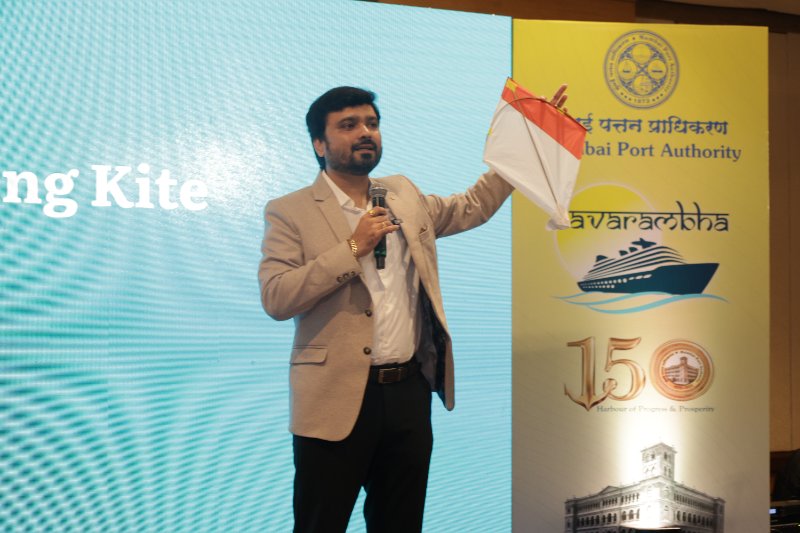
Avinash Chate is an entrepreneur and corporate trainer who runs ABC Trainings and The Future Corporate & Business Coaching, a TEDx speaker and published author. Over the last decade he has trained teams at 1,000-plus organisations and 15,000-plus professionals.
He teaches these skills not from a manual, but because he practises them himself — leading a 100-plus member team of his own. That is the difference working leaders feel in the room.
First-Time Manager Training — FAQ
What is First-Time Manager Training?
It is a practical development programme for people stepping into people-management for the first time. It builds the specific skills the new role actually requires — the shift from individual contributor to leader, delegation, giving feedback, handling difficult conversations, running one-on-ones, managing time and priorities, and leading former peers. Unlike generic leadership theory, it is built around the real, awkward, day-one situations a new manager faces, practised in the room until they feel confident.
Who should attend this training?
Newly promoted managers, team leads, shift supervisors and project leads — and, ideally, the high-potentials you are about to promote. It is at its most powerful when run as a cohort, so a batch of new managers learns together and forms a peer group. It is also the natural next step for campus-to-corporate trainees and shop-floor engineers moving into their first supervisory role.
Why do great performers so often struggle when they become managers?
Because the skills that earned the promotion are not the skills the new job needs. Being the best at the work is about your own output; managing is about getting results through other people — delegating, coaching, giving feedback and making decisions for a team. Those are completely different skills, and almost no one is taught them. Left untrained, a capable person defaults to doing the work themselves, which is exactly why a strong individual can become a struggling manager. The good news: it is a skills gap, and skills gaps close with the right practice.
What does the programme cover?
Seven connected modules: the mental shift from doer to leader; leading people who used to be your peers; delegation; feedback and difficult conversations; managing your time, priorities and one-on-ones; motivation, trust and building a team; and extensive role-play practice on the real first-manager moments. Every module pairs a short, usable model with practice on situations drawn from your own organisation.
How is the training delivered — and how long does it take?
It is highly interactive — role plays and real cases, with minimal lecture. The duration is flexible: the same programme runs as a half-day, a full day, a multi-day intensive for a new-manager cohort, or a series of shorter modules spread across the first months in the role, and it works well as an ongoing programme run for each new batch of promotions. We shape the exact length and cadence with you. For 20 to 40 participants, sessions are organised into small batches so everyone practises.
Should a manager attend before or after they are promoted?
Both work, and the best results usually come from doing it right around the promotion — ideally in the first weeks in the role, while the challenges are fresh and the habits have not yet set. Training high-potentials just before you promote them is also powerful: it means they start the new job already knowing it is a different job, instead of learning that the hard way. Many organisations run it as a standing programme for every promotion cycle.
Is the programme customised to our organisation?
Yes. Before the first session, the examples and role-play scenarios are built around your context — your industry, your structure, the real situations your new managers face, from the shop floor to the project room. Generic new-manager training is exactly what fails; the value is in practising the actual conversations and decisions your people will face next week.
Can it be delivered on-site, and in which languages?
Yes. Most engagements are across Maharashtra — Pune, Mumbai, Chhatrapati Sambhajinagar, Nashik, Nagpur and the surrounding MIDC industrial belts — and the programme is equally delivered pan-India and internationally on request. Delivery is available in English, Hindi and Marathi, or a natural mix, which matters especially for first-line supervisors promoted from the floor.
What outcomes can we expect?
New managers who delegate instead of hoard, give feedback instead of avoid it, and lead former peers without friction — from their first weeks in the role rather than after a painful year of mistakes. Teams that keep performing after a promotion instead of dipping. And, over time, a reliable pipeline where your best individual performers become your best managers, so you retain and multiply your talent instead of losing it.
Why Avinash Chate for this programme?
Avinash Chate is an entrepreneur and corporate trainer who runs a 100-plus member organisation and promotes first-time managers himself — so he teaches the transition from lived experience, not theory. He is a TEDx speaker and author of The Winning Edge, creator of the KITE leadership framework, and has trained teams at 1,000-plus organisations including RBI, JSW Steel, BARC, the Indian Army and Ferrero. That combination of real operating experience and his own frameworks is what working new managers respond to.
Related Training Topics
Turn your newly promoted stars into confident managers
Give your first-time managers the skills no one taught them — delegation, feedback, difficult conversations and the shift from doing to leading. On-site across Maharashtra, pan-India and internationally, in English, Hindi or Marathi.
Request a Proposal →