Goal Setting & Personal Excellence Training
They are exhausted, effort is high, and yet the year ends with nothing they can point to.
There is a particular kind of person every organisation quietly loses without ever losing them from the payroll. They are talented. They work hard — genuinely, tiringly hard. And yet, if you asked them tonight what they are actually moving toward, they would struggle to answer. The days are full; the direction is missing. A goal gets written down in January and is invisible by February. A target is handed to them and never quite becomes theirs. Twelve months pass, and it is oddly difficult to say what really changed. This is not a talent problem or an ambition problem. It is the missing discipline of choosing the right goals and then executing on them, relentlessly, week after week — and that discipline can be taught. This programme teaches it.
★ 5.0 client rating · Across Maharashtra, pan-India & internationally · English, Hindi & Marathi
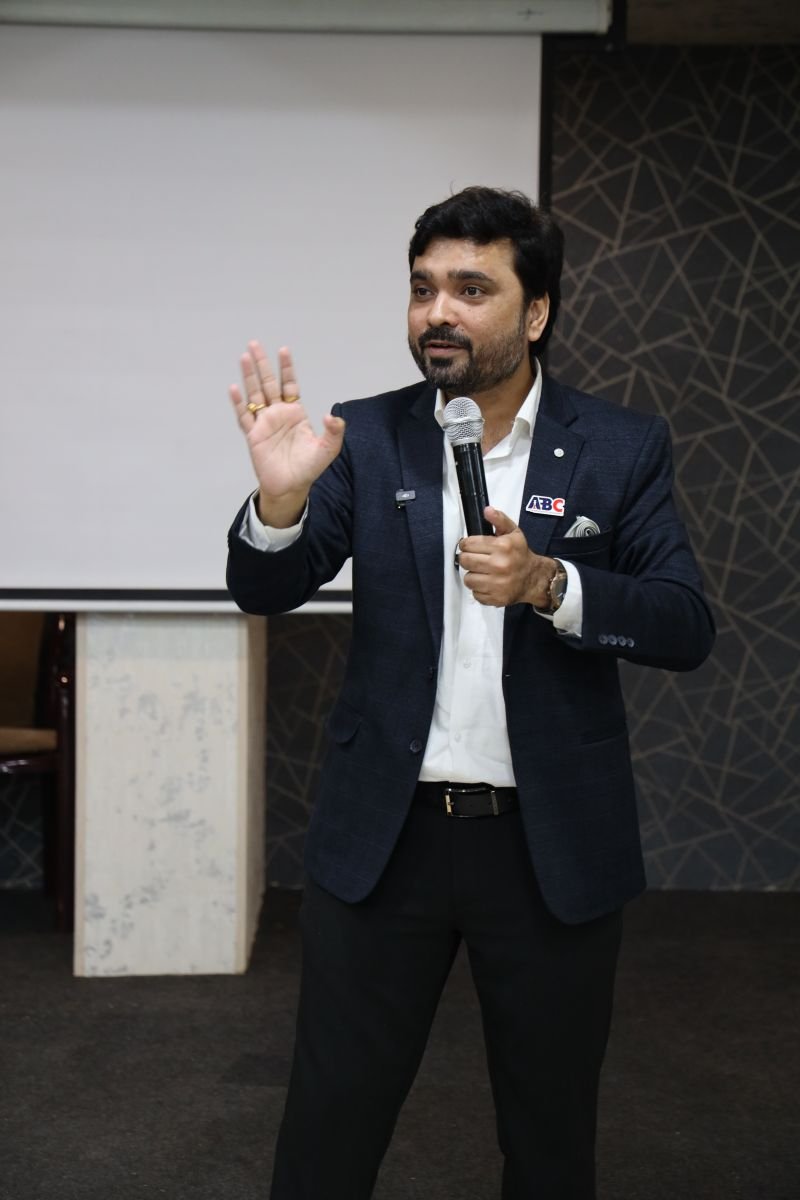
The Quiet Drift of Capable People
It rarely looks like failure, which is exactly why it goes unnoticed. Your capable people are not slacking — they are in early, they clear the inbox, they say yes, they stay late. From the outside it reads as commitment. But watch across a year and a strange pattern emerges: enormous effort, very little that they chose, and almost nothing they can hold up and say I built that. Motion has quietly replaced progress. Busyness has become a substitute for achievement, and because everyone is busy, nobody questions it.
The cost is not dramatic — it is corrosive. A high-potential slowly stops believing their own goals, because none of them ever seemed to happen. Ambition curdles into a kind of tired resignation. The organisation keeps paying for the talent it hired and receives the output of a treadmill. And the person themselves feels it most of all: the private, nagging sense that they are capable of far more than the life they are actually living is showing.
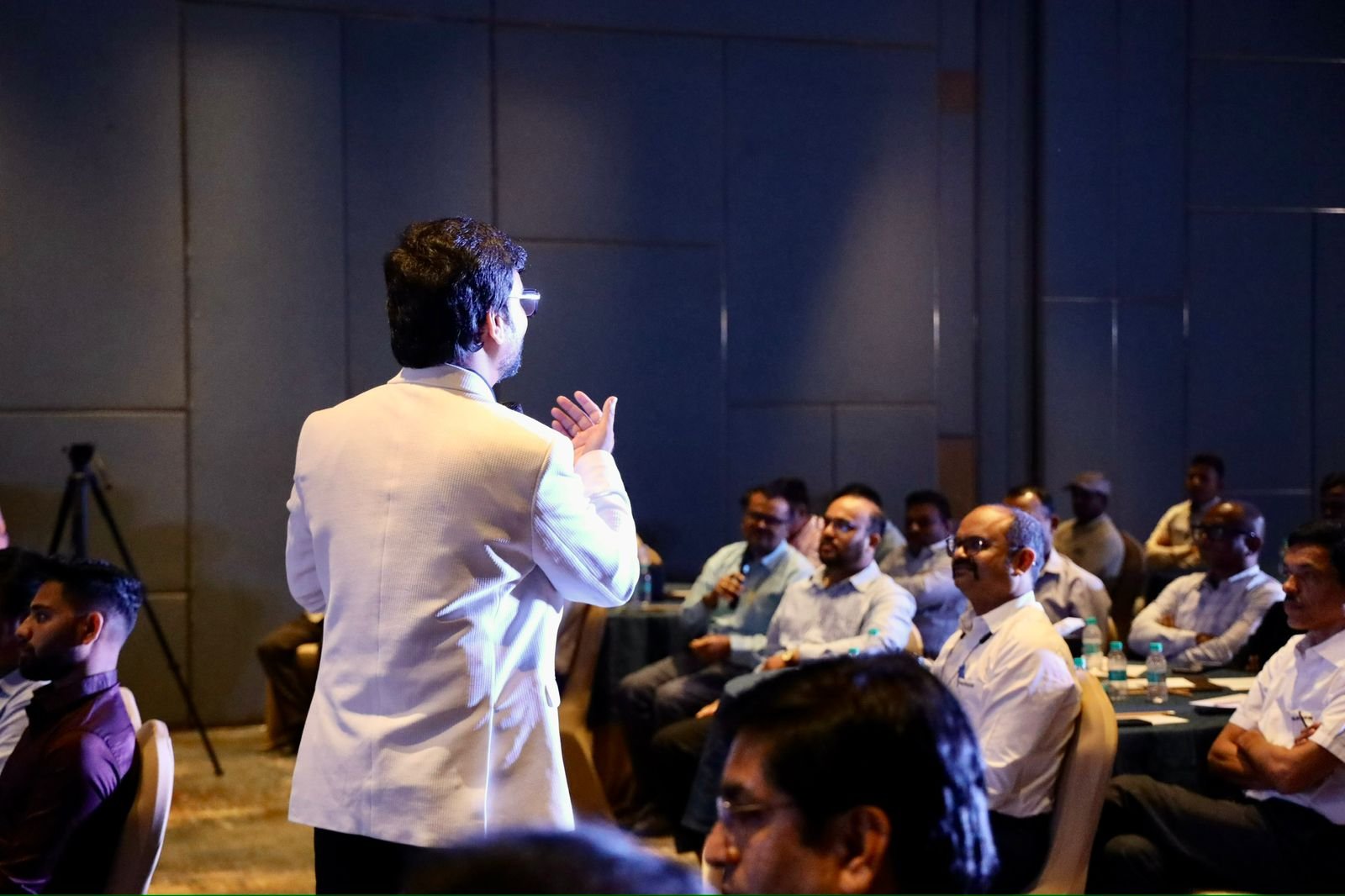
Why the Gap Between Potential and Achievement Opens — And Why It Closes
Here is what almost no one is taught: setting a goal and achieving a goal are two entirely separate skills, and being good at one says nothing about the other. Most people were never shown how to choose a goal that genuinely pulls them, so they set vague, borrowed or imposed ones that the mind quietly ignores. And almost no one was shown the far harder skill — the unglamorous weekly discipline of turning a goal into a plan, protecting time for it, tracking it honestly, and adjusting when reality pushes back. Willpower and good intentions are asked to do a job that only a system can do.
So a talented person, running on effort alone, gets swallowed by whatever is loudest that day — and the important-but-not-urgent goal, the one that would actually change things, never gets its turn. That is not a flaw in the person; it is a gap in method, and gaps in method close with the right practice. This programme installs that method deliberately — the way of setting goals worth chasing and the weekly rhythm of hitting them — so effort finally converts into progress people can see.
Does This Sound Familiar?
If your most capable people are working flat out and yet the results do not match the effort, it is almost never a lack of ability or drive. It is the missing skill of setting the right goals and executing on them. Here is what you are probably seeing, what it is quietly costing, and exactly which part of the programme closes it.
| The symptom you see | What it is costing you | The real cause | How the programme fixes it |
|---|---|---|---|
| Goals get set with real energy in January and are forgotten by February | A whole year drifts by on default; nothing chosen actually gets built | The goals were never made specific, meaningful or connected to a plan | The goal-setting module — goals that genuinely pull you |
| Your people are visibly busy but cannot say what they are progressing toward | Motion is mistaken for progress; talent stays on a treadmill | Nobody separated urgent noise from the few goals that would truly move the needle | The goal-to-plan module — milestones, systems and habits |
| Targets are handed down but never become personal or owned | Quiet compliance instead of commitment; effort without heart | An imposed number was never translated into a goal the person actually wants | The why-goals-fail module — from imposed target to owned goal |
| Good intentions collapse the moment the week gets busy | The important-but-not-urgent goal is always the one that gets dropped | They are relying on willpower and memory instead of a weekly execution rhythm | The relentless-execution module — the weekly discipline |
| The same goal quietly reappears year after year, never finished | Ambition curdles into resignation; people stop believing their own goals | No honest tracking or course-correction, so drift is never caught in time | The tracking, review and course-correction module |
What Changes When Your People Actually Set and Hit Goals
Picture the same talented people, a quarter from now, moving with a clarity they did not have before. Each of them can name the two or three goals that actually matter and tell you exactly why those goals are theirs. The goals are broken into milestones, wired into weekly habits, and protected on the calendar before the noise arrives. Every week they sit down, look honestly at what moved and what did not, and adjust — so nothing drifts for months unnoticed.
And underneath it, the shift that pays for the whole programme: effort finally converts into visible progress. The busyness becomes purposeful. Your high-potentials stop feeling like they are running hard and standing still, and start stacking real, chosen wins — the kind that rebuild belief, momentum and the appetite to aim higher still.
What Your People Will Be Able to Do
- ✓ Diagnose why their past goals failed — and remove the specific reasons before setting new ones
- ✓ Set goals that are meaningful, specific and genuinely pull them forward, not vague or borrowed
- ✓ Turn any goal into a concrete plan of milestones, supporting systems and daily habits
- ✓ Run a weekly execution rhythm that keeps the important goal moving when the week gets loud
- ✓ Track progress honestly and course-correct early, instead of discovering drift months too late
- ✓ Recognise and defeat their own procrastination patterns and stay the course when motivation dips
- ✓ Leave with a written personal goal-and-execution plan they can start running the very next Monday
What the Programme Covers
Seven connected modules that take a capable-but-drifting professional from busy to deliberately progressing. Every module pairs a short, practical input with real work on the participant's own goals — and ends with a concrete change in how they set targets and get them done.
These are building blocks, not a fixed-length course. A two-hour session goes deep on the two or three that matter most to you; a half or full day covers more; a multi-day intensive — or an ongoing monthly, quarterly or half-yearly rhythm — works through them all, with far more practice. We shape which ones, in what order and how deep, with you.
Why Most Goals Fail — and the Achievement Gap
What we cover: The honest anatomy of a failed goal: vague wording, borrowed or imposed targets, no plan, no time protected, no tracking, and willpower expected to carry it all. Why effort and achievement are different things, and why busy people so often drift. The difference between an imposed target and an owned goal — and how to convert one into the other. Where each participant's own past goals actually broke.
What changes: The participant stops repeating the specific mistakes that quietly killed their earlier goals — and understands that achievement is a learnable skill, not a personality trait.
Setting Goals That Actually Pull You
What we cover: Choosing goals that are meaningful enough to survive a hard week and specific enough to act on. Making goals concrete and measurable so you always know if you are on track. Attaching every goal to a real why that gives it emotional fuel. Cutting the list down to the few goals that would genuinely change things, and saying a deliberate no to the rest.
What changes: The participant walks out with two or three sharply defined goals they actually want — not a vague wishlist that the mind quietly ignores by February.
From Goal to Plan — Milestones, Systems and Habits
What we cover: Breaking a big goal into milestones and near-term next actions so it stops feeling abstract. Designing the systems and daily habits that make progress almost automatic instead of a daily act of willpower. Protecting time for what matters before the calendar fills with everyone else's urgencies. Anticipating the obstacles in advance and planning the response.
What changes: The participant leaves with each goal translated into a real plan — milestones, habits and protected time — so progress no longer depends on feeling motivated.
Executing Relentlessly — The Weekly Discipline
What we cover: The single weekly rhythm that separates people who hit goals from people who merely set them. Planning the week around the goal rather than around the inbox. The daily and weekly scorecard of lead measures — the few actions that predict the result. Keeping the important-but-not-urgent goal alive when the loud, urgent week arrives. Building accountability so the plan does not quietly slip.
What changes: The participant runs a consistent weekly execution habit that keeps their chosen goals moving forward — week after week — instead of only when inspiration strikes.
Tracking, Review and Course-Correction
What we cover: Measuring what matters and looking at it honestly, without flinching or excuses. The weekly and periodic review that catches drift while it is small and cheap to fix. Reading the signals to decide when to push harder, when to change the approach, and when to change the goal itself. Celebrating real progress so momentum compounds instead of fading.
What changes: The participant catches problems early and adjusts deliberately — so a goal never silently dies over months the way it used to.
Beating Procrastination and Staying the Course
What we cover: Understanding your own procrastination — what actually triggers it, and why it is rarely laziness. Practical tactics to start when you do not feel like it and to keep going when motivation dips. Managing energy, focus and the inner resistance that stalls hard goals. Building the resilience and self-discipline to hold the line for the long stretch between setting a goal and achieving it.
What changes: The participant has a personal toolkit for beating their own resistance — so the gap between deciding and doing gets dramatically shorter.
Practice — Building Your Personal Goal & Execution Plan
What we cover: A guided, hands-on session where each participant builds their own plan end to end: their two or three real goals, the reasons those goals matter, the milestones and habits beneath each one, the weekly rhythm to execute them, and the review cadence to keep them alive. Pressure-tested with peers and refined into something they can actually run.
What changes: The participant walks out not with notes but with a finished, personal goal-and-execution plan — ready to start the very next Monday.
How It Is Delivered
This is not a motivational talk that fades by the weekend. It is a working session in which people build real goals and a real plan for their own life and role. Participants spend most of their time doing the actual work — drafting goals, breaking them into milestones and habits, designing their weekly rhythm, and pressure-testing it with peers. The models are kept simple and immediately usable; the value is that everyone leaves with something concrete, not merely inspired.
The format flexes to your needs. It runs as a focused half-day, a full-day workshop, a multi-day intensive, or a modular series spread across several weeks so people apply the method between sessions and report back — and it works especially well as an ongoing rhythm timed to your planning cycle, when goals are being set for the year, the half or the quarter. Group sizes are organised into small batches so every participant actually builds and shares a plan rather than just listening. The exact depth, duration and cadence are shaped with you in the design call.
Formats That Fit Your Calendar
Half-day or full-day workshop
A high-impact session to reset how a team sets goals and executes on them — ideal at the start of a year, half or quarter when targets are being defined.
Multi-day intensive
Two or more days to go deep — perfect for a high-potential cohort or a leadership group building the full discipline from choosing goals to running the weekly rhythm.
Modular series across several weeks
Shorter sessions spaced out so people execute their plan between meetings and return with real progress — turning the method into a lived habit, not a one-off event.
An ongoing goal rhythm
Run it in step with your planning cycle — annual, half-yearly or quarterly — so setting the right goals and executing relentlessly becomes a permanent part of how your people work.
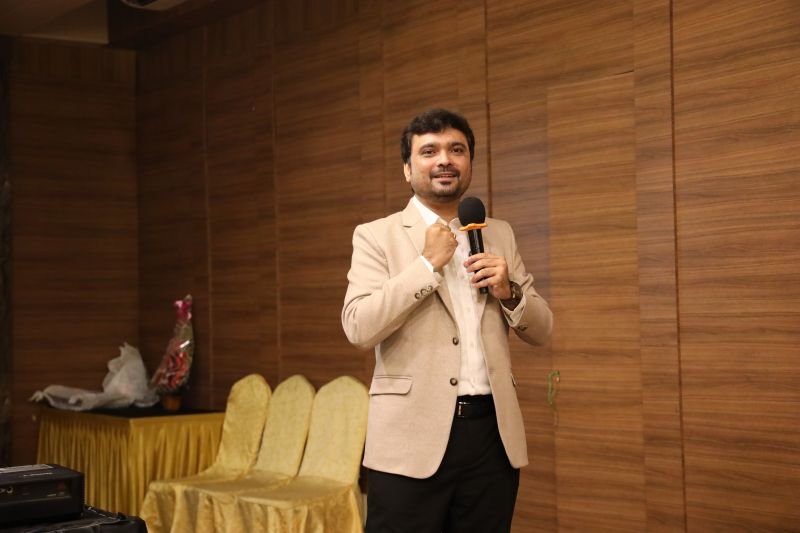
The Thinking Behind It
This programme is not a recycled motivation deck. It draws on the best writing and research on goal setting, execution and personal excellence — distilled into a few frameworks people can use immediately — and then goes further, into the disciplines Avinash uses to set goals and drive achievement inside his own 100-plus member organisation.
Ideas & books we draw on
- Measure What Matters — John Doerr · the OKR discipline that turns lofty ambition into a handful of measurable, trackable goals
- The 12 Week Year — Brian Moran & Michael Lennington · why compressing the year forces relentless weekly execution instead of January-to-December drift
- Your Best Year Ever — Michael Hyatt · a practical system for setting goals that actually pull you and keeping them alive past February
- Goals! — Brian Tracy · the enduring, step-by-step handbook on choosing and achieving the goals that matter
- High Performance Habits — Brendon Burchard · the research-backed habits that separate people who sustain excellence from those who burn out
- The Compound Effect — Darren Hardy · how small, consistent actions — the weekly discipline — compound into results that look like luck
Models we use to set and hit goals
- SMART goals · specific, measurable, achievable, relevant, time-bound — turning a vague wish into a real target
- OKRs (objectives & key results) · an inspiring objective paired with the few measurable results that prove you got there
- The 12 Week Year · treating twelve weeks as a full year to force focus and weekly execution
- WOOP (wish, outcome, obstacle, plan) · naming the obstacle in advance and pre-deciding the response, so setbacks do not stall you
- Locke & Latham's goal-setting theory · the research showing that specific, challenging goals with feedback drive the highest performance
And Avinash's own frameworks — the part you won't find anywhere else
Beyond the established thinking, the programme is built on frameworks Avinash has created and written about himself — including his KITE leadership framework and the principles in his book The Winning Edge. These come from actually running a 100-plus member organisation and developing its people year after year, not from a textbook. It is the layer competitors cannot copy, and the one your professionals remember long after the session ends.
Who It Is For
Any talented professional whose effort is outrunning their results — high-potentials who are busy but drifting, individual contributors ready to take ownership of their own trajectory, sales and delivery people carrying targets that never quite became personal, and managers who want their teams setting sharper goals and executing on them. It is especially powerful run as a cohort, so a team builds a shared language of goals and a peer group that holds each other to the weekly rhythm. On shop floors, in campus-to-corporate pipelines and across office teams, it is the discipline that turns raw ambition into visible, chosen achievement.
Taught by Someone Who Sets and Hits Goals for a Living
Avinash Chate does not teach this from a slide deck of platitudes. He runs a 100-plus member organisation, where setting the right goals and executing on them relentlessly is not a workshop topic but the difference between a good year and a bad one — so the goal-setting, planning and weekly-execution disciplines taught here are the real, tested thing. Programmes that build personal effectiveness, goal ownership and execution have been delivered across sectors, from manufacturing and IT to sales and services teams, wherever capable people needed to convert effort into achievement they could actually see.
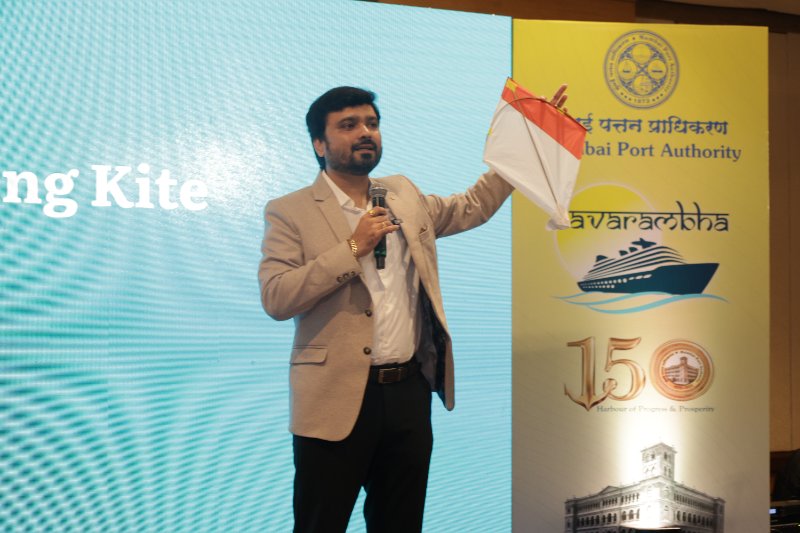
Why Avinash Chate
Avinash Chate is an entrepreneur and corporate trainer who runs ABC Trainings and The Future Corporate & Business Coaching, a TEDx speaker and published author. Over the last decade he has trained teams at 1,000-plus organisations and 15,000-plus professionals.
He teaches these skills not from a manual, but because he practises them himself — leading a 100-plus member team of his own. That is the difference working leaders feel in the room.
Goal Setting & Personal Excellence Training — FAQ
What is Goal Setting & Personal Excellence Training?
It is a practical development programme that closes the gap between potential and achievement. It builds two distinct skills most people were never taught — how to set goals that are meaningful, specific and genuinely worth chasing, and how to execute on them relentlessly through a weekly discipline of milestones, habits, tracking and course-correction. Unlike a one-off motivational talk, participants work on their own real goals throughout and leave with a written personal goal-and-execution plan they can start running immediately.
Who should attend this training?
Talented professionals whose effort is not translating into results — high-potentials who are busy but drifting, individual contributors ready to own their trajectory, sales and delivery people carrying targets that never became personal, and managers who want sharper goal-setting and execution across their teams. It is at its most powerful run as a cohort, so a group builds a shared language of goals and holds each other accountable to the weekly rhythm.
Why do so many talented, hard-working people still drift?
Because setting a goal and achieving a goal are two separate skills, and almost no one is taught either. People set vague, borrowed or imposed goals the mind quietly ignores, and they are never shown the unglamorous weekly discipline of turning a goal into a plan, protecting time for it, tracking it and adjusting. So capable people run on willpower and effort alone, get swallowed by whatever is loudest each day, and the important goal never gets its turn. It is not a talent or ambition problem — it is a method gap, and method gaps close with the right practice.
What does the programme cover?
Seven connected modules: why most goals fail and how the achievement gap opens; setting goals that genuinely pull you; turning a goal into milestones, systems and habits; executing relentlessly through a weekly discipline; tracking, review and course-correction; beating procrastination and staying the course; and a hands-on practice module where each person builds their own personal goal-and-execution plan. Every module pairs a short, usable framework with real work on the participant's own goals.
How is the training delivered — and how long does it take?
It is highly interactive — people build their own goals and plans throughout, with minimal lecture. The duration is flexible: the same programme runs as a half-day, a full day, a multi-day intensive, or a modular series spread across several weeks so people apply the method between sessions, and it works especially well as an ongoing rhythm timed to your annual, half-yearly or quarterly planning cycle. We shape the exact length and cadence with you, and organise larger groups into small batches so everyone actually builds and shares a plan.
Is this just another motivational session that wears off?
No — and that is the whole point. Motivation fades by the weekend; this programme installs a method that outlasts it. The emphasis is on the durable disciplines that keep goals alive when motivation dips: specific goals tied to a real why, milestones and habits, a weekly execution rhythm, and honest tracking. Participants leave with a written plan and a repeatable system, not just a temporary lift, which is exactly why the results hold long after the room empties.
Is the programme customised to our organisation?
Yes. Before the first session the examples, exercises and cadence are built around your context — your industry, your roles, and the way your teams set and pursue targets, from the shop floor to the sales desk. Participants work on their own actual goals rather than hypothetical ones, so the plans they leave with are real and immediately usable. Generic goal-setting content is exactly what fails; the value is in applying the method to the goals your people are genuinely carrying.
Can it be delivered on-site, and in which languages?
Yes. Most engagements are across Maharashtra — Pune, Mumbai, Chhatrapati Sambhajinagar, Nashik, Nagpur and the surrounding MIDC industrial belts — and the programme is equally delivered pan-India and internationally on request. Delivery is available in English, Hindi and Marathi, or a natural mix, which matters especially for shop-floor and field teams setting goals in their own language.
What outcomes can we expect?
People who can name the few goals that actually matter and say why those goals are theirs; goals broken into milestones and habits and protected on the calendar; and a weekly rhythm that keeps the important goal moving when the week gets loud. Over time, effort starts converting into visible, chosen progress — your high-potentials stop running hard and standing still, and start stacking real wins that rebuild belief, momentum and the appetite to aim higher.
Why Avinash Chate for this programme?
Avinash Chate is an entrepreneur and corporate trainer who runs a 100-plus member organisation, where setting the right goals and executing on them relentlessly is a daily reality, not a theory — so he teaches this from lived experience. He is a TEDx speaker and author of The Winning Edge, creator of the KITE leadership framework, and has trained teams at 1,000-plus organisations including RBI, JSW Steel, BARC, the Indian Army and Ferrero, reaching more than 15,000 professionals. That combination of real operating discipline and his own frameworks is what capable, ambitious people respond to.
Related Training Topics
Turn busy, talented people into deliberate achievers
Give your people the two skills no one taught them — setting goals that genuinely pull them, and executing relentlessly week after week. On-site across Maharashtra, pan-India and internationally, in English, Hindi or Marathi.
Request a Proposal →