Manufacturing & Shop-Floor Team Training
Your people know the machine, the process and the SOP. Nobody trained the human layer that actually decides your output.
Your technical training is handled. Operators know the machine, the cycle time, the process, the SOP taped to the pillar. Yet the plant still loses hours it cannot fully explain — the rework that keeps coming back, the near-miss that should never have happened, the shift that changed hands with half the story missing. Look closely and the losses are almost never on the technical side. They live in the human layer: the supervisor who was your best operator and now barks instead of leads, the team that treats quality and safety as the quality department's problem, the daily distance between the procedure on the wall and what really happens at the station. Skills build a workforce. Behaviour, ownership, communication and teamwork build a high-performance plant — and on most shop floors those are the one thing no one was ever trained in.
★ 5.0 client rating · Across Maharashtra, pan-India & internationally · English, Hindi & Marathi
The Losses That Never Show Up on the Machine Report
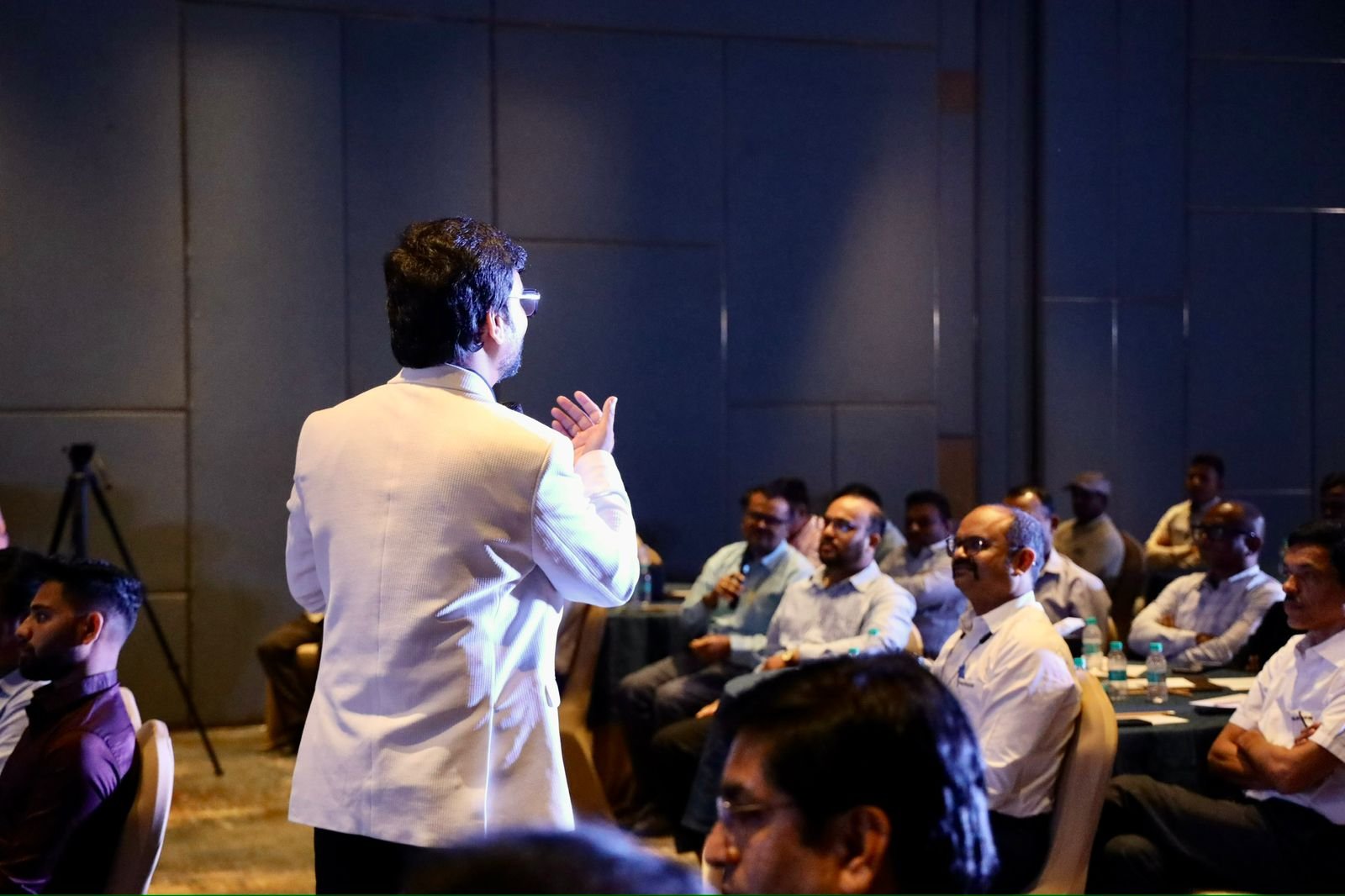
Walk any plant during a shift change and you can see it. The technical capability is real — people can run the line, read the drawing, follow the standard. But the operator who got promoted to supervisor last quarter is managing the only way anyone ever showed him: by raising his voice and doing the tricky jobs himself, because that is what made him the best operator in the first place. His shift respects his hands and quietly resents his temper. The handover to the next shift is a thirty-second shrug. And the quality issue that surfaces at final inspection was visible at the station three hours earlier — someone saw it, and said nothing, because catching defects "is the quality department's job."
None of this appears cleanly on a machine report, which is exactly why it goes unfixed for years. It hides inside the rework percentage, the overtime bill, the accident that gets written up as carelessness, the good operator who leaves for the plant down the road in Chakan or Ranjangaon. You have invested heavily in the technical training and the equipment — and then left the behaviour, the ownership and the communication that actually convert that investment into output completely untrained. That gap is where a capable plant quietly underperforms a great one.
Why the Best Operator Is Not Automatically a Good Supervisor — and Why That Is Fixable
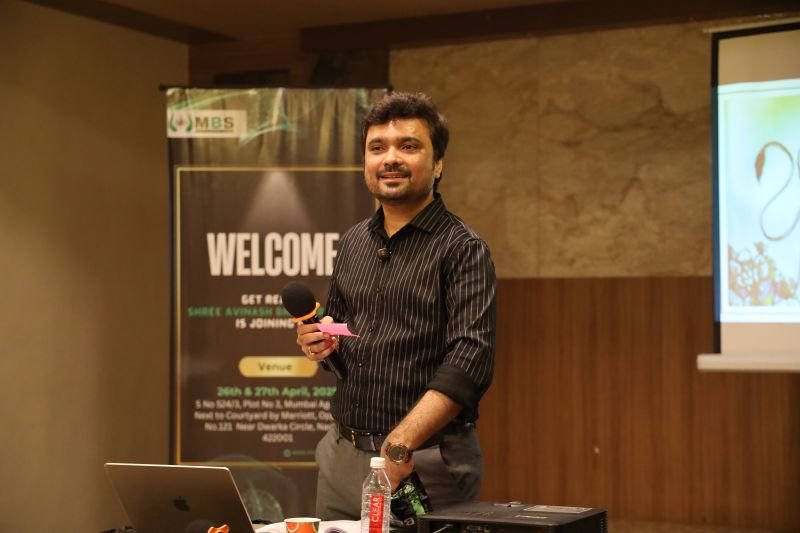
Here is the part few plants say out loud. The skills that make someone the best operator on the line — steady hands, deep process knowledge, doing the job faster and cleaner than anyone — are not the skills that make a good supervisor, and they are certainly not the skills that make a team take ownership of quality and safety. Leading a shift is about getting the right behaviour through other people: briefing clearly, holding a standard without humiliating anyone, resolving a clash between two operators, coaching a new hire, and passing a shift on so nothing is lost. Ownership, discipline and teamwork are learned behaviours too — nobody is born treating a near-miss as their own responsibility.
So when the human layer is left untrained, capable people fall back on the only model they have: shout to get compliance, keep quality "someone else's job," treat the SOP as a poster rather than a promise, and let each shift run as its own island. That is not a character problem; it is a training gap — and behaviour, unlike temperament, is coachable. This programme trains that layer deliberately, on the floor, in the language of the floor, so the technical excellence you already have finally shows up as output, safety and quality.
Does This Sound Familiar?
If your plant is strong on technical skill but still losing on output, quality or safety, the cause is almost always in the human layer no one trained. Here is what you are likely seeing on the floor, what it is quietly costing, and exactly which part of the programme closes it.
| The symptom you see | What it is costing you | The real cause | How the programme fixes it |
|---|---|---|---|
| Your best operator became a supervisor and now shouts, or quietly does the work himself | A demoralised shift, an overloaded lead, and the promotion that weakened two roles at once | He was promoted for his hands and never taught how to lead a shift through people | The Best-Operator-to-Supervisor module — leading a shift, not just running it |
| Defects and near-misses get seen at the station but reported by nobody | Rework, scrap, accidents, and a quality problem caught far too late and far too expensively | The floor treats quality and safety as the quality and safety departments' job, not their own | The Ownership of Quality & Safety module — it starts at the station |
| Shifts hand over with half the story missing, and instructions get lost across languages | Repeated mistakes, restarts, and problems that resurface every time the shift turns over | Communication across shifts, levels and languages was never treated as a trainable skill | The Communication Across Shifts & Languages module |
| Operators run their own machine and no one owns the problem in between | Small issues fester, blame moves sideways, and improvement ideas from the floor die unheard | The team was never taught to solve problems together or raise a Kaizen at the station | The Teamwork & Problem-Solving module — the Kaizen mindset |
| The SOP on the wall and what actually happens at the machine have drifted apart | Inconsistent quality, audit findings, and a standard everyone signs but no one truly follows | Discipline and standard work were enforced as paperwork, never built as a shared habit | The Discipline, Standards & the SOP-vs-Reality Gap module |
What Changes When You Train the Human Layer, Not Just the Machine
Picture the same floor a few months on. The supervisor who used to shout now briefs his shift in two clear minutes, coaches the new operator instead of grabbing the tool, and hands over so cleanly the next shift starts without a single restart. An operator spots a defect forming and stops it at the station — because on this floor quality and safety are his job, not someone else's. A jam that used to trigger blame now triggers a huddle and a small Kaizen that the team owns.
And underneath it, the shift that pays for the whole programme: the technical excellence you already invested in finally converts into numbers. Rework and scrap fall, near-misses turn into caught risks, good operators stop leaving for the plant next door, and the gap between the SOP on the wall and the work at the machine simply closes. Same people, same machines — a different plant.
What Your Shop-Floor Teams Will Be Able to Do
- ✓ Turn a promoted operator into a supervisor who leads a shift through people, instead of running it alone
- ✓ Take genuine ownership of quality and safety at the station — not push it onto a department
- ✓ Communicate clearly across shifts, levels and languages so nothing is lost at handover
- ✓ Solve problems as a team at the machine and raise practical Kaizen improvements from the floor
- ✓ Follow standard work as a shared habit, closing the gap between the SOP and what actually happens
- ✓ Stay disciplined, motivated and mutually respectful through pressure, targets and long shifts
- ✓ Give and take feedback on the floor without it turning into a shout, a sulk or a grudge
What the Programme Covers
Seven connected modules that build the human layer of a high-performance plant — from the newly promoted supervisor to the operator at the station. Every module pairs a short, practical input with real practice on the exact situations your floor faces, in the language your floor speaks, and ends with a concrete change in how people behave on the line.
These are building blocks, not a fixed-length course. A two-hour session goes deep on the two or three that matter most to you; a half or full day covers more; a multi-day intensive — or an ongoing monthly, quarterly or half-yearly rhythm — works through them all, with far more practice. We shape which ones, in what order and how deep, with you.
From Best Operator to Real Supervisor — Leading a Shift, Not Just Running It
What we cover: Why the skills that made someone the best operator are not the skills that lead a shift. The shift from being valued for your own hands to being valued for your team's output. Briefing a shift clearly in two minutes, allocating work fairly, and holding a standard without humiliating anyone. Coaching a new operator instead of grabbing the tool. Handling the operator who wanted the job, and earning authority through respect and competence rather than volume.
What changes: The promoted operator stops shouting and doing everything himself, and starts leading a shift that performs because of him — not despite him.
Ownership of Quality & Safety — It Starts at the Station
What we cover: Why quality and safety quietly become "the department's job," and what that mindset really costs. Building the reflex to catch, stop and report a defect or a hazard at the station instead of passing it down the line. Behaviour-based safety — spotting the unsafe act and the near-miss before it becomes an accident. Reading quality as everyone's responsibility, poka-yoke thinking, and the pride of a line that owns its own output.
What changes: The floor stops waiting for inspection and starts owning quality and safety where they are actually made — at the machine, every shift.
Communication Across Shifts, Languages & Levels
What we cover: Why so much is lost in the thirty-second handover, and what a real shift handover contains. Communicating up to the supervisor and across to the next shift so nothing falls through. Bridging language and literacy differences on a mixed floor — Marathi, Hindi and English — with visual, verbal and written cues. Listening on the line, asking the clarifying question, and killing the assumptions that turn into rework the next shift.
What changes: Shifts hand over cleanly and instructions land the first time, so the same problem stops resurfacing every time the floor turns over.
Teamwork & Problem-Solving at the Station — the Kaizen Mindset
What we cover: Why operators who each guard their own machine leave the plant weaker than the sum of its people. Solving a problem together at the point it occurs instead of escalating and waiting. The Kaizen mindset — small, continuous, floor-owned improvement — and why the best ideas almost always come from the operator's hands, not the office. Running a quick huddle, using simple root-cause thinking, and making it safe to raise an improvement without fear.
What changes: The floor becomes a team that fixes and improves together, turning everyday operators into a genuine source of continuous improvement.
Discipline, Standards & the SOP-vs-Reality Gap
What we cover: Why the procedure on the wall and the work at the machine drift apart, and what that gap really costs in quality and audits. Turning standard work from paperwork everyone signs into a habit everyone keeps. The discipline of 5S and standard work as shared ownership rather than imposed inspection. Surfacing the real reasons a standard is not followed — and fixing the standard, the training or the tooling instead of just blaming the operator.
What changes: The SOP and the shop floor finally match, so quality is consistent, audits are calm, and "the standard" means the same thing to everyone.
Motivation, Discipline & Respect on the Floor
What we cover: What actually keeps a shop-floor team motivated through targets, heat, noise and long shifts — and why it is rarely just the incentive. Self-discipline and punctuality as pride rather than punishment. Respect between operator and supervisor, across departments, and across the hierarchy. Handling pressure, monotony and conflict on the line without it curdling into resentment. Building the belief that this line, this shift, this plant is worth doing well.
What changes: The floor runs on genuine motivation and mutual respect, so discipline holds under pressure and people bring their best shift after shift.
Practice — Real Shop-Floor Scenarios & Role-Plays
What we cover: Live role-plays on the moments that define a shop floor: the first shift briefing as a new supervisor, the operator who ignores a safety rule, the defect that must be stopped and reported, the handover that usually loses half the story, the improvement idea raised in front of the team, the clash between two operators on the same machine. Practised in the room, in the language of the floor, on real situations from your own plant.
What changes: The team walks out having already lived the hard floor moments once, in safety — so the real ones, on the next shift, no longer catch them off guard.
How It Is Delivered
This is not a classroom lecture about lean theory. It is a workshop built for the shop floor — practical, physical and rooted in the real situations your operators and supervisors face every shift. People spend most of their time on their feet, practising the actual moments: the shift briefing, the near-miss that must be called out, the defect stopped at the station, the handover that usually loses half the story. The models are kept simple and immediately usable on the line; the practice, in the floor's own language, is where the behaviour change is built.
The format flexes to how a plant actually runs. It works as a focused half-day for a single shift, a full-day workshop, a multi-day intensive for a supervisor batch or a whole department, a modular series woven around shift patterns, or an ongoing plant rhythm run every time a new group is promoted or inducted. It is organised into small batches so every operator and supervisor practises rather than just listens — and it can be delivered shift by shift so production never stops. The exact depth, duration and cadence are shaped with you and your plant leadership in the design call.
Formats That Fit Your Calendar
Half-day or full-day floor workshop
A high-impact session to shift a supervisor group or a shift team quickly — delivered on-site and, where needed, shift by shift so the line keeps running.
Multi-day intensive
Two or more days to go deep with a supervisor batch, a full department or a new-line team standing up in a plant — ideal for a Chakan, Ranjangaon or Waluj facility ramping capability fast.
Modular series around shift patterns
Shorter sessions woven around the roster, so each skill is learned and practised just as the floor needs it, without disrupting production.
An ongoing plant programme
Run it every time you promote a supervisor or induct a batch — making behavioural capability a permanent part of how the plant builds its people, not a one-off event.
The Thinking Behind It
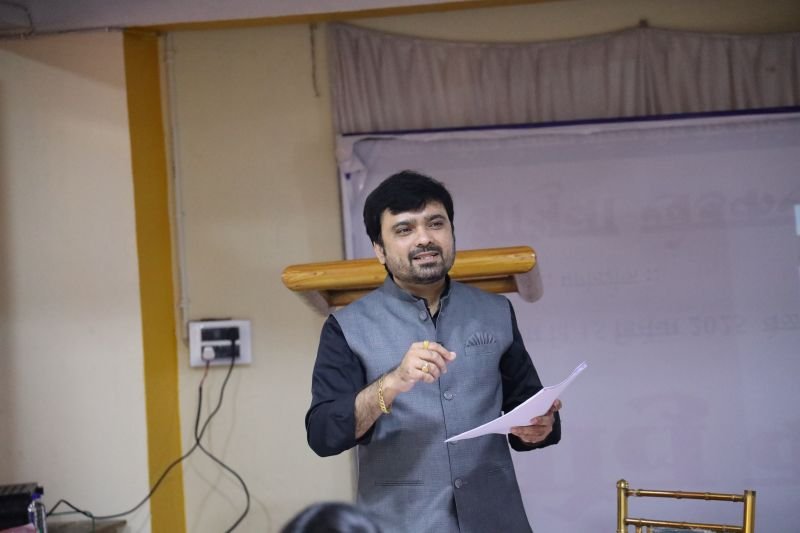
This programme is not a generic soft-skills deck dropped onto a factory. It draws on the best thinking on lean, the Toyota Production System and shop-floor leadership — distilled into a few models a supervisor and an operator can use on the line immediately — and then goes further, into the frameworks Avinash uses to build behaviour, ownership and teamwork inside his own 100-plus member organisation.
Ideas & books we draw on
- The Toyota Way — Jeffrey K. Liker · the definitive account of why people, respect and behaviour — not just tools — drive a great plant
- Gemba Kaizen — Masaaki Imai · improvement made where the work happens, by the people who do it, on the actual floor
- The Goal — Eliyahu M. Goldratt · the plant-floor novel that teaches everyone to think in flow, bottlenecks and the whole system
- Creating a Lean Culture — David Mann · the truth that lean fails without the daily leadership behaviours of the shop-floor supervisor
- 2 Second Lean — Paul A. Akers · a plain-spoken, floor-level case that everyone can fix their own work a little, every single day
- Toyota Kata — Mike Rother · the coaching routine that turns continuous improvement into a habit operators and leaders share
Models we use on the floor
- 5S · sort, set, shine, standardise, sustain — a disciplined, owned workplace as the base of everything
- Kaizen & Gemba (go-and-see) · small continuous improvement, decided at the place the work actually happens
- The 8 wastes (muda) · training the eye to see and remove what adds no value on the line
- Behaviour-based safety (BBS) · catching the unsafe act and the near-miss before it ever becomes an accident
- Toyota's respect-for-people pillar · the belief that a great plant is built on developing and respecting the people on the floor
- Standard work · the best-known way to do a job, kept as a living shared habit rather than a poster
And Avinash's own frameworks — the part you won't find anywhere else
Beyond the established thinking, the programme is built on frameworks Avinash has created and written about himself — including his KITE leadership framework and the principles in his book The Winning Edge. These come from actually running a 100-plus member organisation and developing its people year after year, not from a textbook. It is the layer competitors cannot copy, and the one your shop-floor teams remember long after the session ends.
Who It Is For
Everyone whose behaviour decides what the plant actually produces — machine operators and line workers, shift in-charges and supervisors, team leaders and cell owners, quality and safety champions on the floor, and the best operators you are about to promote and want to set up to lead. It is especially powerful run as a shift or department cohort, so a whole floor builds a shared language of ownership, safety and teamwork. Across Maharashtra's MIDC manufacturing belts — Chakan, Ranjangaon, Waluj, Chikalthana, Ambad and Bhosari — and in plants pan-India and abroad, it is the bridge that turns strong technical skill into a genuinely high-performance floor.
Taught by Someone Who Builds Behaviour on Real Floors, Not from a Textbook
Avinash Chate does not teach this from theory. He runs a 100-plus member organisation and builds behaviour, ownership and teamwork in his own people every day — the same discipline, communication and respect this programme puts on the floor. Programmes that build supervisor capability, safety and quality ownership, and shop-floor teamwork have been delivered across manufacturing, from plants in Maharashtra's MIDC belts to engineering and process facilities pan-India, wherever strong technical skill needed a strong human layer to match. As a TEDx speaker and author of The Winning Edge who has trained teams at 1,000-plus organisations, he speaks the language of the floor and the language of the boardroom in the same session.
Why Avinash Chate
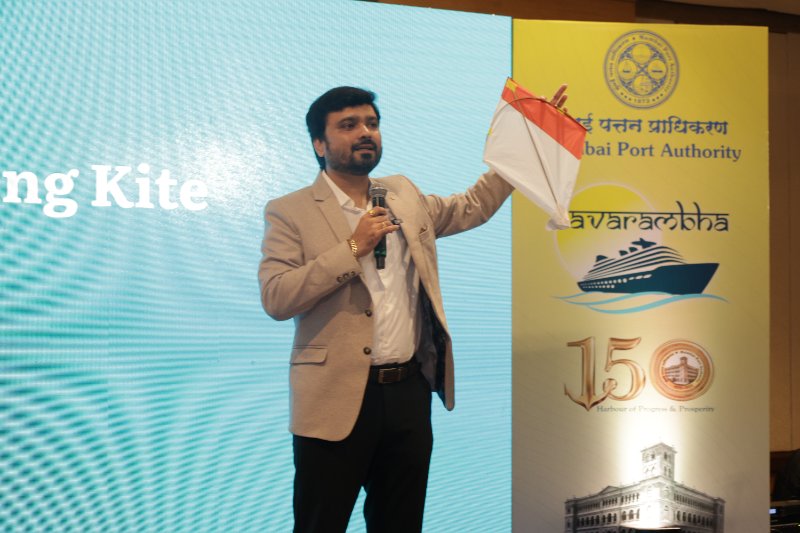
Avinash Chate is an entrepreneur and corporate trainer who runs ABC Trainings and The Future Corporate & Business Coaching, a TEDx speaker and published author. Over the last decade he has trained teams at 1,000-plus organisations and 15,000-plus professionals.
He teaches these skills not from a manual, but because he practises them himself — leading a 100-plus member team of his own. That is the difference working leaders feel in the room.
Manufacturing & Shop-Floor Team Training — FAQ
What is manufacturing and shop-floor team training?
It is behavioural and people-skill training built specifically for a shop floor — the human layer that no machine manual or SOP covers. Your technical training already teaches the machine, the process and the standard. This programme builds what actually decides output: turning the best operator into a supervisor who leads a shift, real ownership of quality and safety at the station, clear communication across shifts and languages, teamwork and a Kaizen mindset at the machine, discipline and standard work, and motivation and respect on the line. It is practised on the floor, in the floor's own language, on the real situations your plant faces every shift.
Who should attend this training?
Machine operators and line workers, shift in-charges and supervisors, team leaders and cell owners, and quality and safety champions on the floor — plus the best operators you are about to promote into their first supervisory role. It is at its most powerful run as a shift or department cohort, so a whole floor builds a shared language of ownership, safety and teamwork rather than a few individuals learning in isolation.
We already do technical and SOP training. How is this different?
Technical training makes a capable workforce; it teaches the machine, the cycle and the SOP. But output, quality and safety are decided by behaviour — whether the promoted operator can actually lead a shift, whether the floor owns a defect or pushes it to the quality department, whether a shift hands over cleanly, whether the team follows the standard when no one is watching. Those are exactly the things technical training never touches, and exactly where the rework, the accidents and the losses hide. This programme trains that human layer, so the technical excellence you already invested in finally converts into numbers.
Our best operators are now supervisors and struggle to lead. Does this help?
That is one of the core problems it solves. The skills that make someone the best operator — steady hands, deep process knowledge, doing the job faster than anyone — are not the skills that lead a shift through people. Left untrained, a capable operator manages the only way he has seen: shouting for compliance or doing the tricky work himself. Module 01 rebuilds him into a supervisor who briefs clearly, allocates fairly, coaches instead of grabbing the tool, and earns authority through respect and competence rather than volume.
What does the programme cover?
Seven connected modules: turning the best operator into a real supervisor; ownership of quality and safety at the station; communication across shifts, languages and levels; teamwork and problem-solving with a Kaizen mindset; discipline, standards and closing the SOP-versus-reality gap; motivation and respect on the floor; and extensive role-play practice on real shop-floor moments. Every module pairs a short, floor-ready input with practice on situations drawn from your own plant.
How is the training delivered — and how long does it take?
It is highly practical — role-plays and real floor cases, with minimal lecture. The duration is flexible: the same programme runs as a half-day for a single shift, a full day, a multi-day intensive for a supervisor batch or a whole department, a modular series woven around your shift patterns, or an ongoing plant programme run for each new group promoted or inducted. It is organised into small batches so everyone practises, and it can be delivered shift by shift so production never stops. We shape the exact length and cadence with you and your plant leadership.
Can it be delivered on-site, shift by shift, and in which languages?
Yes. It is delivered on-site at your plant and can run shift by shift so the line keeps moving. Most engagements are across Maharashtra's MIDC manufacturing belts — Chakan, Ranjangaon, Bhosari, Waluj, Chikalthana and Ambad, along with Pune, Mumbai, Chhatrapati Sambhajinagar, Nashik and Nagpur — and it is equally delivered pan-India and internationally on request. Delivery is available in English, Hindi and Marathi, or a natural mix, which matters enormously on a mixed shop floor.
Is the programme customised to our plant?
Yes. Before the first session, the examples, safety scenarios and role-plays are built around your context — your product, your process, your line layout, and the real situations your operators and supervisors face, from the handover to the near-miss to the SOP gap. Generic soft-skills training dropped onto a factory is exactly what fails on a shop floor; the value is in practising the actual moments and decisions your people will face on the very next shift.
What outcomes can we expect?
Supervisors who lead a shift instead of shouting through it, operators who own quality and safety at the station instead of waiting for inspection, shifts that hand over cleanly, and a floor that solves and improves together. In plain plant terms, that shows up as lower rework and scrap, fewer near-misses and accidents, better retention of good operators, and an SOP that finally matches what happens at the machine. Same people and same machines, converting your existing technical investment into real output.
Why Avinash Chate for this programme?
Avinash Chate is an entrepreneur and corporate trainer who runs a 100-plus member organisation and builds behaviour, ownership and teamwork in his own people every day — so he teaches the human layer of a plant from lived experience, not theory. He is a TEDx speaker and author of The Winning Edge, creator of the KITE leadership framework, and has trained teams at 1,000-plus organisations and 15,000-plus professionals. That mix of real operating experience, deep manufacturing exposure across Maharashtra's industrial belts, and his own frameworks is what shop-floor teams and plant leaders respond to.
Related Training Topics
Turn strong technical skill into a high-performance floor
Train the human layer no SOP covers — supervisors who lead, floors that own quality and safety, shifts that communicate, and teams that improve together. On-site across Maharashtra's MIDC belts, pan-India and internationally, in English, Hindi or Marathi.
Request a Proposal →