Team Building Training
You didn't hire the wrong people. You have a group that was never built into a team.
On the org chart it looks like a team. In the room it feels like six people who happen to share a reporting line. Each one is good at their job — that was never the problem. But information gets held close instead of shared. The disagreement everyone can feel never actually gets said out loud, so the meeting ends polite and undecided. A problem falls into the gap between two departments and just sits there, because it belongs to no one. And when something finally breaks, the first question in the room is whose fault is this rather than how do we fix it. This programme is about the thing you were never given time to build: turning that group into a team.
★ 5.0 client rating · Across Maharashtra, pan-India & internationally · English, Hindi & Marathi
The Group That Looks Like a Team
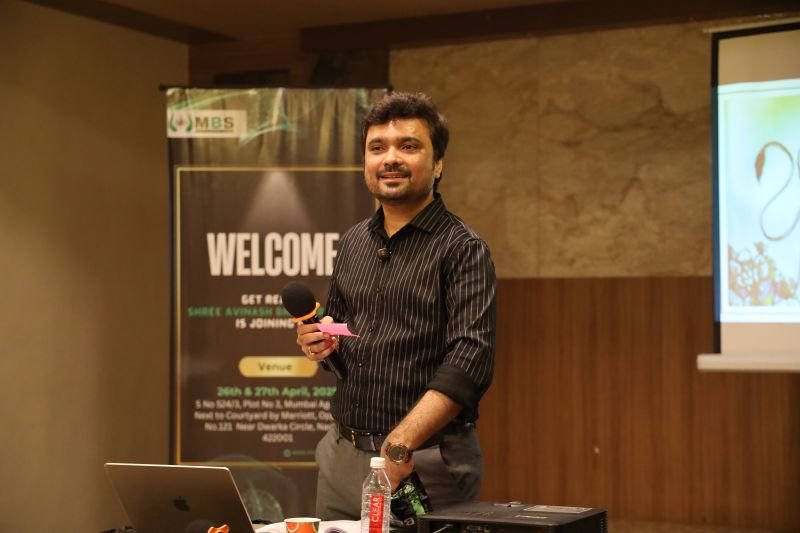
You can assemble the most capable people in the building and still not have a team. It happens quietly, and it happens everywhere. People are cordial. Reviews are fine. Nobody is openly at war. But watch how the work actually moves and you see it — the sideways glance when a colleague speaks, the update that stays in one inbox instead of reaching the person who needed it, the decision that gets made in the corridor after the meeting because it was never safe to make in the room. Everyone is protecting their own patch, and no one is entirely sure they can rely on the person beside them.
The cost is easy to miss because nothing dramatic breaks. Instead it leaks. Handoffs between functions turn into finger-pointing. The same issue surfaces in three teams and gets solved three different ways. Good people grow tired of carrying more than their share and start looking elsewhere. Deadlines slip in ways no post-mortem can quite pin down, because the real cause — low trust, unspoken conflict, no shared sense of what "we" are here to do — never appears on any slide. You did not hire poorly. You inherited a group, and a group left to itself never becomes a team.
Why Capable People Don't Automatically Become a Team — And Why It Is Fixable
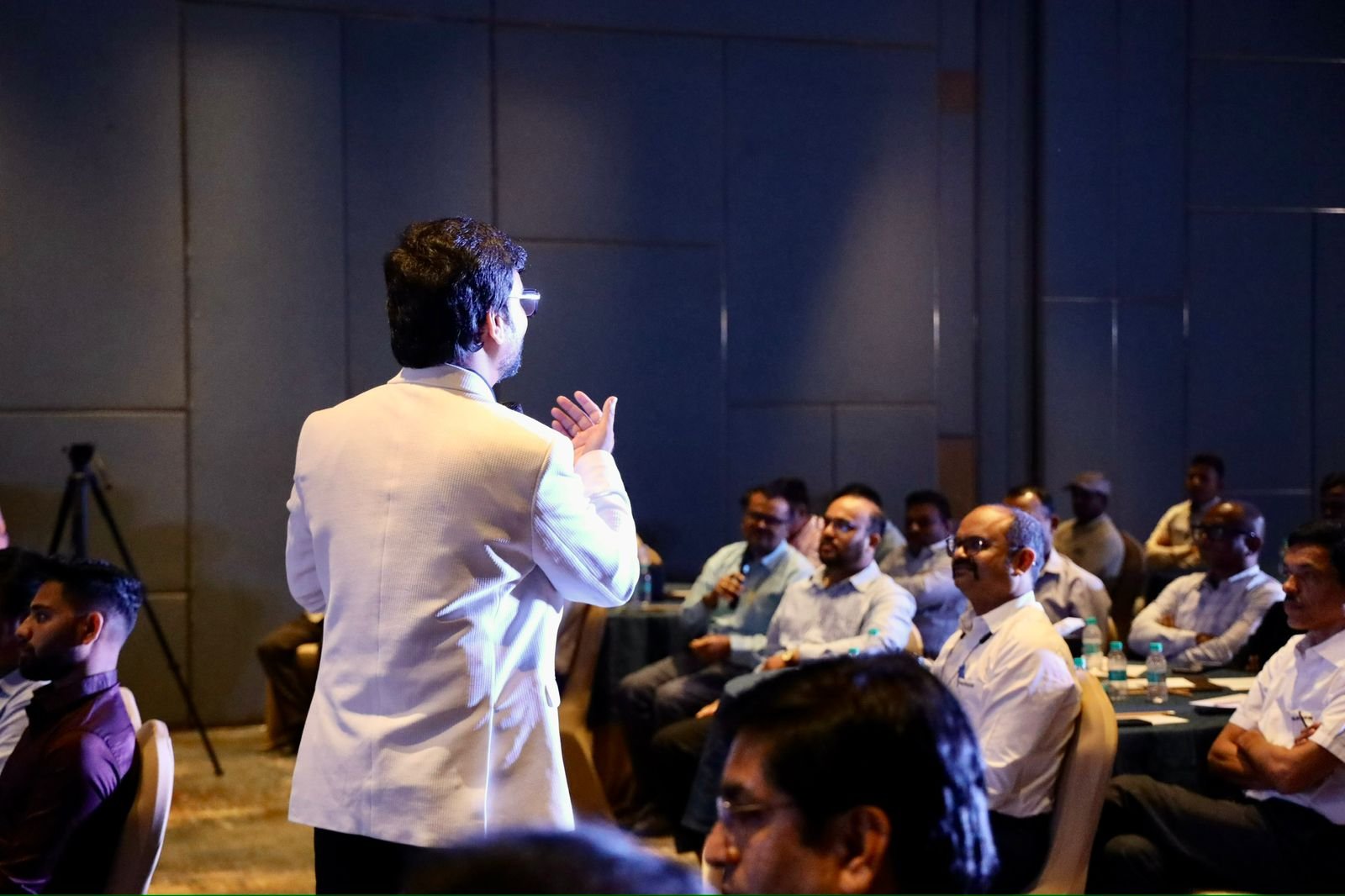
A team is not what you get when you put good individuals in a room; it is what you get when they are willing to depend on each other. And dependence rests on something most workplaces never deliberately build: trust — the ordinary, practical kind where I can admit I got it wrong, ask you for help, and trust you won't use it against me later. Without that foundation, people stay guarded. Guarded people avoid the honest disagreement, so decisions get made shallow. Without real debate there is no genuine buy-in, so no one truly owns the outcome — and without ownership, no one holds anyone accountable. Each missing layer quietly explains the one above it.
None of this is a flaw in your people. It is a predictable pattern, mapped for decades in the best research and writing on teams, and it moves in a predictable order — which is exactly why it can be built back the same way. You start at the base with trust and safety, earn the right to have healthy conflict, use that clarity to commit and hold each other to it. This programme walks a team through that build deliberately, in the room and out on real challenges, so the group you have becomes the team you needed.
Does This Sound Familiar?
If your team is showing any of these signs, it almost never means you hired the wrong people. It means the group was never deliberately built into a team. Here is what you are likely seeing, what it is quietly costing you, and exactly which part of the programme addresses it.
| The symptom you see | What it is costing you | The real cause | How the programme fixes it |
|---|---|---|---|
| People guard information and work in their own silos | Duplicated effort, slow handoffs, and decisions made without what someone else already knew | There is no real trust or shared identity, so protecting your patch feels safer than sharing | The Trust & Psychological Safety module — building the foundation everything rests on |
| Meetings are polite, everyone agrees, and nothing actually gets decided | Decisions get made in corridors afterward — or not at all — and re-litigated for weeks | The real disagreements are being avoided, so debate is artificial and buy-in is hollow | The Healthy Conflict & Candour module — making it safe to disagree well |
| Problems fall through the cracks between departments | Customers feel the gaps, work gets dropped, and each function blames the other | Goals and roles were never made explicit, so no one is sure what is theirs | The Clarity of Goals & Roles module — one shared scoreboard, clear ownership |
| When something goes wrong, energy goes into who is to blame | People hide mistakes, defend themselves, and the actual problem never gets fixed | Nobody feels genuine ownership, so accountability lands as accusation rather than care | The Accountability module — owning it together, holding the line as peers |
| The team pulls in different directions with no shared sense of "us" | Effort scatters, motivation fades, and the team is a name on an org chart, not a force | There is no shared purpose or team identity people actually feel part of | The Shared Purpose & Team Identity module — a "we" worth belonging to |
What Changes When a Group Finally Becomes a Team
Picture the same people, working differently. Someone says "I'm stuck, can you help?" and it is met with a hand, not a raised eyebrow. The hard disagreement gets aired in the room, worked through, and settled — so the decision holds. Information moves to whoever needs it without being chased. A problem between two functions gets picked up by whoever is closest, because the whole thing is "ours". And when it goes wrong — because sometimes it will — the room asks how to fix it and what to learn, instead of hunting for someone to pin it on.
Underneath it sits the shift that pays for the entire programme: a group that merely coexisted starts to genuinely rely on each other. Trust replaces guardedness, candour replaces polite silence, and a shared purpose replaces a scatter of private agendas. You keep the capable people you already have — and finally get the multiplied output of an actual team rather than the sum of individuals working near one another.
What Your Team Will Be Able to Do
- ✓ Build the everyday trust that lets people ask for help, admit mistakes and rely on each other
- ✓ Have the honest disagreements that make decisions better — without it turning personal
- ✓ Get genuinely clear on shared goals and who owns what, so nothing falls through the cracks
- ✓ Hold each other accountable as peers, so standards are kept without a manager policing them
- ✓ Break the silos between functions and collaborate across the lines on the org chart
- ✓ Share a purpose and a team identity people actually feel part of and want to protect
- ✓ Turn what they practised on real team challenges into how they work back at the desk
What the Programme Covers
Seven connected modules that take a collection of individuals and build them, layer by layer, into a team. Every module pairs a short, practical input with real practice — including experiential challenges and honest debriefs — and ends with a concrete change in how the team works together.
These are building blocks, not a fixed-length course. A two-hour session goes deep on the two or three that matter most to you; a half or full day covers more; a multi-day intensive — or an ongoing monthly, quarterly or half-yearly rhythm — works through them all, with far more practice. We shape which ones, in what order and how deep, with you.
Trust & Psychological Safety — The Foundation Everything Rests On
What we cover: Why trust — not talent — is what separates a team from a group, and why nothing else holds without it. The practical, vulnerability-based trust that lets people say "I don't know", "I need help" and "I got that wrong" without fear. Making it safe to speak up, ask a question or flag a risk. How safety is built and broken in small everyday moments. Getting to know each other as people, not just roles on an org chart.
What changes: The team stops performing safety and starts feeling it — people ask, admit and rely on each other, and the guardedness that fed the silos begins to fall away.
Healthy Conflict & Candour — Disagreeing Without Damage
What we cover: Why the polite team is often the weakest one, and how avoided conflict quietly kills good decisions. The difference between the productive disagreement a team needs and the personal friction it does not. Making it safe to challenge an idea, a plan or a boss. Mining for the disagreement in the room instead of letting it leak into corridors. Saying the hard thing with candour and care — and hearing it without going on the defensive.
What changes: The real debate happens in the room, so decisions get properly stress-tested and everyone actually commits to what was decided — instead of nodding and re-litigating it later.
Clarity of Goals & Roles — One Shared Scoreboard
What we cover: Why so much team friction is not about people but about ambiguity. Getting to a shared, out-loud answer to "what are we actually here to achieve together?". Making roles and ownership explicit so the gaps and the overlaps disappear. The GRPI logic — that most team problems trace back to fuzzy goals, roles or processes long before they are ever about personalities. Agreeing how decisions get made and who decides what.
What changes: The team lines up behind one scoreboard with clear ownership, so effort stops scattering and the "that wasn't mine" gaps between people close.
Accountability — Owning It Together
What we cover: Why accountability is a peer act, not just a manager's job — and why teams avoid it. The discipline of holding a commitment and expecting the same of each other, as equals. Giving a teammate a straight "you said you'd do X" without it becoming an attack. Replacing the blame reflex with shared ownership when things slip. The difference between a team that lets standards quietly drop and one that keeps them because the members, not the boss, care.
What changes: Standards get held by the team itself — commitments are kept, slips get named early and kindly, and "whose fault is it" gives way to "how do we make this right".
Cross-Functional Collaboration — Breaking the Silos
What we cover: Why capable departments so often work against each other without meaning to. Seeing the whole system, and the cost of local wins that create global losses. Building trust and shared language across the lines — sales and operations, engineering and delivery, HQ and the plant. Handoffs that don't drop the ball. Understanding the pressures the other function is actually under. Small habits that turn "them" into "us" across the org chart.
What changes: The walls between functions come down — problems in the gaps get owned, handoffs get cleaner, and the wider organisation starts behaving like one team instead of rival tribes.
Shared Purpose & Team Identity — A "We" Worth Belonging To
What we cover: Why a team needs more than tasks — it needs a reason and an identity. Surfacing the shared purpose that makes the work matter beyond the deliverable. The stories, language and small rituals that turn a group into a "we". What genuinely motivates a team versus what merely keeps it compliant. Building the sense of belonging that makes people cover for each other, raise the bar and want to stay.
What changes: The team becomes something people feel part of and want to protect — a shared identity that pulls effort in the same direction and makes the group worth staying in.
Practice — Real Team Challenges & Honest Debriefs
What we cover: Experiential and outbound challenges built to expose exactly how this team really operates — where trust holds and breaks, who goes quiet, how decisions get made under pressure, whether the silos reappear when the heat is on. Not games for their own sake, but real tasks followed by honest debriefs that draw the straight line from the activity to Monday's meeting. Naming the patterns as a team, and agreeing the specific behaviours to carry back to the desk.
What changes: The team lives its own dynamics out loud, sees them clearly in the debrief, and leaves with concrete agreements — so what happened on the challenge changes how they actually work, not just how they felt for a day.
How It Is Delivered
This is not a day of trust falls and forgettable games. It is deliberate team development — a mix of short, practical input and a lot of doing, because a team is built by working differently together, not by being lectured about teamwork. Indoors, that means honest facilitated conversations and structured exercises on the team's own real dynamics. Outdoors and experientially, it means genuine challenges designed to surface how this team actually operates — and then debriefs that draw a straight line from what just happened to next week's meeting. The models are kept simple and immediately usable; the change lives in the practice and the reflection.
The format flexes entirely to your situation. It runs as a focused half-day, a full-day workshop, a multi-day residential off-site that blends indoor sessions with outbound challenges, a modular series spread across a quarter, or an ongoing rhythm that keeps a team sharp over time. It works for an intact team that needs to reset how it works together, for a newly merged or reorganised team finding its feet, and for cross-functional groups that must collaborate but keep colliding. Group size, indoor-versus-outdoor balance, depth and cadence are all shaped with you in the design call — never forced into a fixed template.
Formats That Fit Your Calendar
Half-day or full-day workshop
A focused indoor session to shift a team's trust, candour and clarity quickly — ideal as a reset for an intact team or a fast start for a new one.
Multi-day residential off-site
Two or more days away, blending indoor team sessions with experiential and outbound challenges — the deep option for a leadership team or a group that needs to genuinely re-form.
Experiential & outbound team challenges
Real, designed challenges — indoors or outdoors — that expose how the team actually operates under pressure, each followed by an honest debrief that ties it back to the daily work.
Modular series or an ongoing team rhythm
Shorter sessions spread across a quarter, or a standing cadence, so team development becomes a habit rather than a one-off event — and the gains hold instead of fading.
The Thinking Behind It
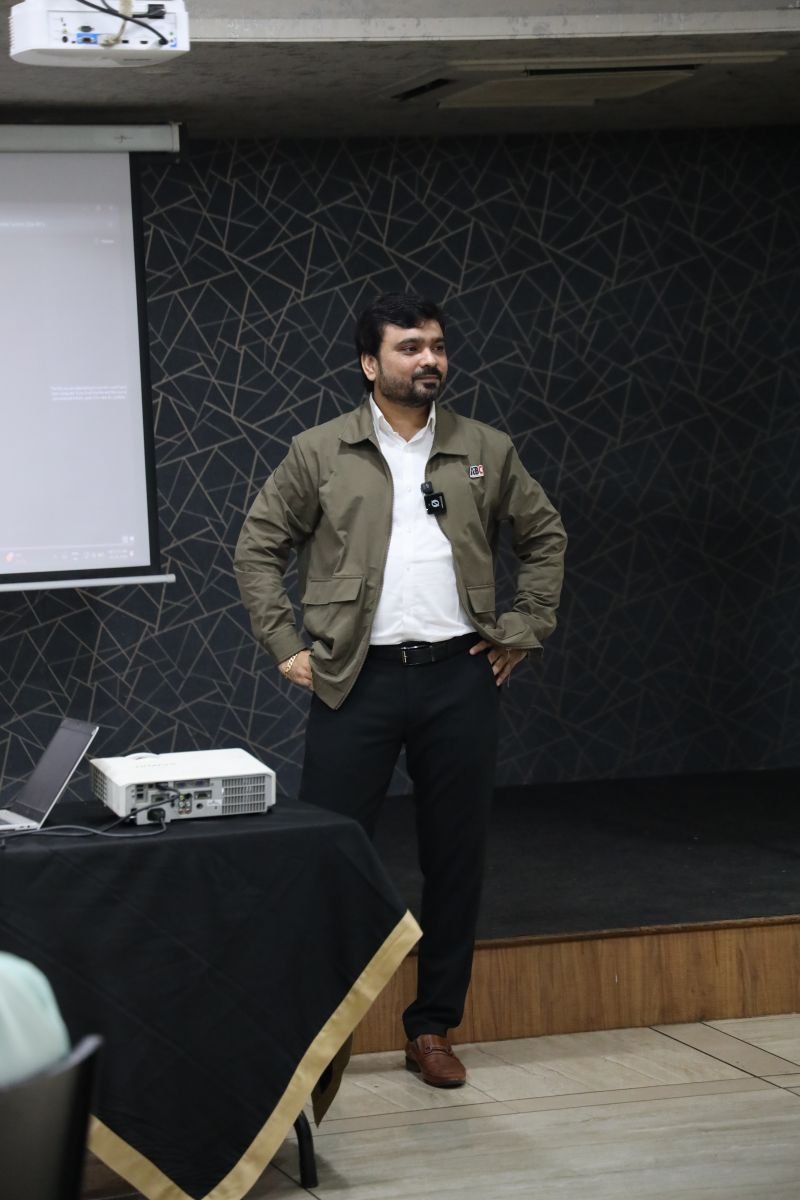
This programme is not a bag of games. It draws on the best research and writing on what actually makes teams work — distilled into a few models a team can use immediately — and then goes further, into the frameworks Avinash uses to build and lead teams inside his own 100-plus member organisation.
Ideas & books we draw on
- The Five Dysfunctions of a Team — Patrick Lencioni · the definitive map of how trust, conflict, commitment, accountability and results stack — and how a team rebuilds from the base up
- The Culture Code — Daniel Coyle · the science of belonging cues and psychological safety — the small signals that quietly turn a group into a team
- Team of Teams — General Stanley McChrystal · how a rigid, siloed hierarchy re-wired itself into a fast, trusting network — the case against working in tribes
- The Wisdom of Teams — Jon Katzenbach & Douglas Smith · the classic on the difference between a working group and a real team, and the shared commitment that separates them
- Creativity, Inc. — Ed Catmull · Pixar's lessons on candour and safety — building a team where people tell each other the honest, hard truth
- Management Teams: Why They Succeed or Fail — Meredith Belbin · the research behind team roles — why balanced, complementary teams outperform a room full of the same strong player
Models we use to build teams
- Lencioni's Five Dysfunctions pyramid · trust, conflict, commitment, accountability, results — read and rebuild a team from the foundation up
- Tuckman's team stages · forming, storming, norming, performing — knowing where a team is and how to move it forward
- Belbin Team Roles · the complementary roles a balanced team needs, and the gaps that quietly hold one back
- Google's Project Aristotle · the research that found psychological safety, not raw talent, is what most predicts a team's performance
- The GRPI model · Goals, Roles, Processes, Interpersonal — diagnosing team trouble in that order, before blaming personalities
And Avinash's own frameworks — the part you won't find anywhere else
Beyond the established thinking, the programme is built on frameworks Avinash has created and written about himself — including his KITE leadership framework and the principles in his book The Winning Edge. These come from actually running a 100-plus member organisation and developing its people year after year, not from a textbook. It is the layer competitors cannot copy, and the one your teams remember long after the session ends.
Who It Is For
Any group that is meant to work as a team but currently works as individuals — an intact team that has drifted into silos and polite avoidance and needs to reset how it operates, a newly formed, merged or reorganised team learning to trust and rely on each other, and cross-functional groups who must collaborate but keep colliding at the handoffs. It is especially powerful for leadership teams, where low trust and unspoken conflict at the top quietly set the tone for everyone below. On shop floors, in project rooms, in sales and operations and services, it is the work that turns "a bunch of good people" into a team that genuinely performs together.
Taught by Someone Who Builds and Leads Teams Every Day
Avinash Chate does not teach teamwork from a textbook. He runs a 100-plus member organisation and builds, leads and holds teams together himself — so the trust, the healthy conflict, the shared accountability taught here are the real thing, tested in his own business rather than borrowed from a slide. Alongside the classroom work, he runs genuine experiential and outbound team-building, so a team can practise how it operates out on a real challenge and then carry it straight back to the desk. Programmes that build teams have been delivered across sectors — from manufacturing floors and MIDC plants to IT, sales and services teams — everywhere that capable individuals needed to become one team.
Why Avinash Chate
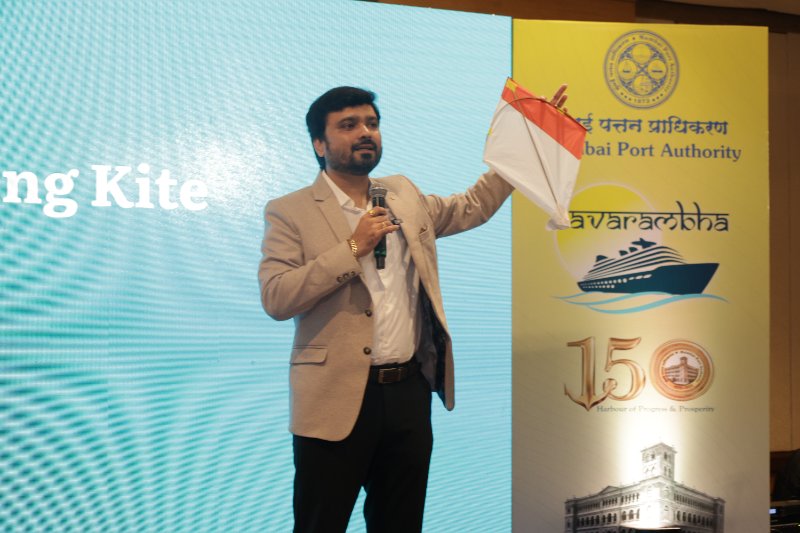
Avinash Chate is an entrepreneur and corporate trainer who runs ABC Trainings and The Future Corporate & Business Coaching, a TEDx speaker and published author. Over the last decade he has trained teams at 1,000-plus organisations and 15,000-plus professionals.
He teaches these skills not from a manual, but because he practises them himself — leading a 100-plus member team of his own. That is the difference working leaders feel in the room.
Team Building Training — FAQ
What is Team Building Training?
It is a practical development programme that turns a group of capable individuals into a team that actually works together. It builds the things real teamwork rests on — trust and psychological safety, the ability to have healthy disagreements, clarity on shared goals and roles, genuine accountability between peers, collaboration across departmental silos, and a shared sense of purpose and identity. Unlike a day of forgettable games, it works on the team's own real dynamics, indoors and out on experiential challenges, until the group starts behaving like a team.
Who should attend this training?
Any group that needs to work as a team but currently works as individuals — an intact team that has drifted into silos and avoidance, a newly formed, merged or reorganised team finding its feet, or cross-functional groups who keep colliding at the handoffs. It is especially valuable for leadership teams, where low trust at the top sets the tone for everyone below. It is equally at home with shop-floor teams, project teams and sales or operations groups who need to genuinely pull together.
Why don't capable people automatically become a good team?
Because a team is not what you get from putting talented individuals in a room — it is what you get when they are willing to depend on each other. That depends on trust, the practical kind where people can admit a mistake or ask for help without fear. Without it, people stay guarded, avoid the honest disagreement, and never truly own decisions — so accountability and results suffer too. It is a predictable pattern, not a flaw in your people, and because it builds in a predictable order, it can be rebuilt the same way with the right practice.
What does the programme cover?
Seven connected modules: building trust and psychological safety; having healthy conflict and candour; getting clear on shared goals and roles; holding each other accountable as peers; breaking silos and collaborating cross-functionally; building a shared purpose and team identity; and extensive experiential practice — real team challenges followed by honest debriefs. Every module pairs a short, usable model with practice on the team's own real situations, so the learning shows up back at the desk.
How is the training delivered — indoor workshop or outdoor, and how long does it take?
Both, in whatever blend fits your team — and the duration is flexible, never fixed. Indoors, it is honest facilitated sessions and structured exercises on the team's real dynamics. Outdoors and experientially, it is genuine outbound challenges designed to expose how the team actually operates, each followed by a debrief that ties it back to the daily work. The same programme runs as a half-day, a full day, a multi-day residential off-site blending indoor and outbound, a modular series across a quarter, or an ongoing rhythm. We shape the exact mix, length and cadence with you in the design call.
Is this just games and trust falls, or does it actually change how we work?
It is deliberately not a day of forgettable games. Activities are only ever a means to an end — real, designed challenges chosen to surface how this team truly operates under pressure, where trust holds and breaks, and whether the silos reappear when the heat is on. The value is in the honest debrief that follows, which draws a straight line from what just happened to next week's meeting, and in the specific behaviour changes the team agrees to carry back. The point is not a fun day out; it is a team that works differently on Monday.
Is the programme customised to our team?
Yes. Before the first session, the exercises, challenges and examples are built around your context — your industry, your structure, whether you are an intact team resetting or a new one forming, and the real friction your team is living with. Generic, off-the-shelf team building is exactly what fails; the value is in working on your team's actual dynamics — your silos, your avoided conversations, your real handoffs — not a scenario from a manual.
Can it be delivered on-site, and in which languages?
Yes. Most engagements are across Maharashtra — Pune, Mumbai, Chhatrapati Sambhajinagar, Nashik, Nagpur and the surrounding MIDC industrial belts — with indoor workshops at your premises and outbound challenges at suitable off-site venues. The programme is equally delivered pan-India and internationally on request. Delivery is available in English, Hindi and Marathi, or a natural mix, which matters especially for shop-floor and cross-functional teams drawn from different backgrounds.
What outcomes can we expect?
A team that shares information instead of guarding it, has the hard conversations in the room instead of the corridor, owns problems in the gaps between functions, and responds to failure by fixing it rather than assigning blame. Silos that come down, handoffs that stop dropping the ball, and standards the team keeps because its members care — not because a manager is policing them. Over time, the multiplied output of a genuine team rather than the sum of individuals working near each other — so you keep your capable people and finally get the team they could be.
Why Avinash Chate for this programme?
Avinash Chate is an entrepreneur and corporate trainer who runs a 100-plus member organisation and builds, leads and holds teams together himself — so he teaches trust, healthy conflict and shared accountability from lived experience, not theory. He also runs genuine experiential and outbound team-building, so the practice is real rather than a token game. He is a TEDx speaker and author of The Winning Edge, creator of the KITE framework, and has trained teams across 1,000-plus organisations and 15,000-plus professionals. That mix of real operating experience, experiential delivery and his own frameworks is what teams respond to.
Related Training Topics
Turn your group of individuals into a real team
Build the trust, candour, clarity and shared purpose that turn capable people into a team that performs together — through indoor workshops and experiential outbound challenges. On-site across Maharashtra, pan-India and internationally, in English, Hindi or Marathi.
Request a Proposal →