Negotiation Skills Training
Meet in the middle, shake hands, feel fair — and never once notice the margin that just walked out the door.
Watch two of your people close a deal and you will usually see the same quiet ritual. One side names a number, the other names a number, and somewhere between them they land, split the gap, and call it fair. It feels reasonable. It feels grown-up. And it leaves money, terms and goodwill on the table every single time — because splitting the difference is not negotiating, it is surrendering politely. The seller discounts to feel liked. The buyer squeezes because they can. Someone digs in and wins the point but loses the account. None of it is a character flaw. It is what people do when negotiation was never taught to them as a skill, only picked up as a habit. This programme replaces the habit with a method.
★ 5.0 client rating · Across Maharashtra, pan-India & internationally · English, Hindi & Marathi

The Money That Leaves Quietly on Every Deal
The lost value in a negotiation almost never shows up on a report. There is no line item for "the ten percent we didn't need to concede", no note in the file that says "we could have held the price and they would still have signed". It just disappears — into a discount given too early to close faster, a payment term surrendered because pushing back felt awkward, a scope agreed to keep a nodding buyer happy. Multiply that across a year of deals, contracts and renewals and the number is enormous, and completely invisible, because nobody ever sees the better deal they didn't make.
And it runs in both directions. The salesperson caves the moment the customer frowns and trains that customer to frown harder next time. The procurement manager grinds a good supplier on price and inherits a strained relationship and cut corners for the life of the contract. The manager who "won" the internal budget fight walks away with the resources and a colleague who will remember it. Every one of these is a person negotiating on instinct — reacting, flinching, splitting — with no framework for what a strong outcome even looks like, and no way to reach one on purpose.

Why Instinct Loses — And Why Negotiation Is Entirely Learnable
Here is what almost no one is told: negotiation is not a personality trait you either have or you don't. The people who seem to be "naturals" are usually just doing, unconsciously, a handful of things the rest do not — they prepare, they know their walk-away, they ask about interests instead of trading positions, they let silence do work, they expand the deal before they divide it. Left untrained, everyone else falls back on the two instincts they were born with: fight or fold. Cave to be liked, or dig in to win. Both leave value on the table, and both feel, in the moment, like the only options available.
That is the good news hiding inside the problem. If negotiation were charisma, you could not teach it. But it is a method — a small set of moves that can be named, understood and, above all, practised until they replace the flinch. A trained negotiator does not become aggressive or slippery; they become calm, prepared and deliberate, which is exactly what claims more value and protects the relationship at the same time. This programme gives your people that method and drills it on their real deals, so the good outcome stops being luck and starts being repeatable.
Does This Sound Familiar?
If your people are negotiating on gut feel, you will recognise the patterns below. Here is what each one is quietly costing you, the real reason it keeps happening, and exactly which part of the programme puts it right.
| The symptom you see | What it is costing you | The real cause | How the programme fixes it |
|---|---|---|---|
| Your team discounts early and often just to get the deal closed | Margin bleeds away deal by deal, and buyers learn that a frown always earns a lower price | They negotiate to be liked and have no walk-away, so any price feels better than no deal | The Preparation & BATNA module — knowing your walk-away before you ever sit down |
| Negotiations become a straight tug-of-war over one number — usually price | Value that could have been created is never found; someone wins the number and resents the deal | They trade fixed positions instead of exploring the interests underneath them | The Interests, Not Positions module — and creating value before claiming it |
| Your people are rattled by hardball tactics — deadlines, threats, "final offers" | They concede under pressure to tactics that were never real, and pay for a bluff | They cannot tell a genuine constraint from a manufactured one, and have no counter-move ready | The Tactics, Anchoring & Counter-Tactics module |
| Deals close, but relationships and accounts are damaged in the process | A "won" negotiation becomes a lost customer, a strained supplier or a resentful colleague | They treat negotiation as a fight to win rather than a problem to solve together | The Negotiating Hard Without Breaking the Relationship module |
| The internal negotiations — budget, resources, priorities — are the ones that go worst | Turf wars, stalled decisions, and the loudest voice winning instead of the best case | No one treats cross-functional persuasion as a negotiation, so it is fought, not negotiated | The Internal & Cross-Functional Negotiation module |
What Changes When Your People Negotiate on Purpose
Picture the same deals, run by people who prepare instead of improvise. They walk in knowing their BATNA and their walk-away, so a bad price no longer feels better than no deal. They ask what the other side actually needs and often find a trade that makes both sides better off — value created, not just carved up. They hold a firm price without flinching, absorb a hardball tactic without folding, and end the conversation with the account stronger, not scorched.
And underneath it, the shift that pays for the whole programme many times over: the discount that used to be automatic becomes a decision, the term that used to be surrendered gets held, and the relationship that used to be collateral damage becomes the reason they come back. You do not just win more negotiations — you stop leaking value on the ones you were already winning.
What Your Negotiators Will Be Able to Do
- ✓ Prepare a negotiation properly — knowing their interests, the other side's, their BATNA and their true walk-away
- ✓ Negotiate on interests rather than positions, so a tug-of-war becomes a problem to solve
- ✓ Uncover what the other side actually wants beneath what they say they want
- ✓ Expand the deal — find trades that create value — before dividing what is on the table
- ✓ Anchor deliberately, respond to the other side's anchor, and run the concession dance without giving value away
- ✓ Recognise and neutralise common hardball tactics instead of caving to them
- ✓ Hold a firm position and negotiate hard while keeping the relationship and the account intact
What the Programme Covers
Seven connected modules that take a negotiator from reacting on instinct to negotiating with method. Every module pairs a short, practical framework with hard practice on the exact deals your people actually run — and ends with a concrete change in how they negotiate.
These are building blocks, not a fixed-length course. A two-hour session goes deep on the two or three that matter most to you; a half or full day covers more; a multi-day intensive — or an ongoing monthly, quarterly or half-yearly rhythm — works through them all, with far more practice. We shape which ones, in what order and how deep, with you.
Preparation and the Power of Your Walk-Away
What we cover: Why most negotiations are won or lost before anyone sits down. Mapping your own interests and priorities, and estimating the other side's. Working out your BATNA — your best alternative if this deal collapses — and setting a walk-away you will actually honour. Understanding the ZOPA, the zone where a deal is even possible. Deciding your opening, your target and your reservation point in advance, so nothing is improvised under pressure.
What changes: The negotiator arrives prepared and anchored to a real walk-away, so a bad deal no longer feels better than no deal — and the biggest source of caving disappears.
Interests, Not Positions — Principled Negotiation
What we cover: The core discipline behind every strong deal: separate the people from the problem, and negotiate on interests rather than stated positions. Why "I want ₹100" is a position and the need beneath it is an interest — and why interests are where deals get made. Using objective criteria and standards instead of stubbornness. Turning a head-to-head contest into a shared problem both sides are trying to solve.
What changes: The negotiator stops trading fixed numbers and starts working the interests underneath, which is where agreements that hold — and satisfy both sides — actually live.
Reading the Other Side — Discovering What They Really Want
What we cover: Why the other side rarely tells you their real interest, and how to draw it out. Tactical empathy — understanding their position well enough to name it back to them. Labelling what you sense they feel, and mirroring to keep them talking. Calibrated questions that get them working on your problem. Listening for the constraint, the fear or the pressure driving their behaviour, so you negotiate with the real person, not the script.
What changes: The negotiator uncovers the interest, pressure or fear the other side is actually working from — and can shape an offer that speaks to it instead of guessing.
Creating Value Before Claiming It — Expanding the Pie
What we cover: Why treating every negotiation as a fixed pie leaves value unmade. Finding the trades where you value something more than they do, and they value something more than you — payment terms, timing, volume, scope, service, exclusivity. Bundling and unbundling issues to open room for a deal. Knowing when to expand the pie and when the moment has come to claim your share of it — and how to do the second without undoing the first.
What changes: The negotiator learns to grow the deal before dividing it, turning zero-sum standoffs into agreements where both sides genuinely walk away better off.
Anchoring, Tactics and Counter-Tactics
What we cover: How the first number reframes the whole negotiation, and how to anchor deliberately — and defend against the other side's anchor. Running the concession dance: what to give, when, how much, and always for something in return, so no move is free. Recognising the classic hardball tactics — the false deadline, the flinch, "that's my final offer", good-cop-bad-cop, the nibble at the end — and a calm, practised response to each, rather than a panicked concession.
What changes: The negotiator anchors with intent, concedes strategically, and meets pressure tactics with a counter-move instead of a flinch — refusing to pay for a bluff.
Negotiating Hard Without Breaking the Relationship
What we cover: How to be firm on the substance and easy on the person at the same time. Saying no clearly without slamming the door. Getting past the other side's no — going to the balcony, stepping around resistance instead of meeting force with force, building them a golden bridge to yes. Defusing anger and hardball without matching it. Protecting the account, the supplier or the colleague so the deal you win today does not cost you the relationship tomorrow.
What changes: The negotiator holds firm and still finishes with the relationship intact — so a won negotiation stays won, instead of turning into a lost customer or a burned bridge.
Internal and Cross-Functional Negotiation
What we cover: Why the hardest negotiations are often inside your own organisation — budgets, resources, priorities, timelines. Negotiating with peers, functions and leadership who share your goals but not your constraints. Building the case, trading across issues, and finding the internal ZOPA. Handling the turf war and the loud voice. Negotiating up, down and sideways without the transactional edge that damages a relationship you have to work in every day.
What changes: The negotiator brings method to internal deals too — replacing turf wars and stalled decisions with trades that move the work forward and keep colleagues on side.
How It Is Delivered
This is not a talk about negotiation theory. It is a workshop where your people negotiate. They spend most of the time on their feet, running live negotiation role-plays built on your own deals — the real customer who always demands a discount, the supplier holding out on terms, the internal budget fight — with structured debriefs that show them, move by move, where value was won and where it leaked. The frameworks are kept lean and immediately usable; the practice, and the honest feedback on it, is where the skill is actually built.
The format flexes to your needs. It runs as a focused half-day, a full-day workshop, a multi-day intensive for a sales or procurement cohort, or a series of shorter modules spread across a quarter so each skill is drilled and then reinforced on live deals in between. It works beautifully as an ongoing programme for a deal-making team. For 20 to 40 participants it is organised into small batches so every person negotiates, not just watches. The exact depth, duration and cadence are shaped with you in the design call.
Formats That Fit Your Calendar
Half-day or full-day workshop
A high-impact session to lift a sales, key-account or procurement team quickly — ideal before a big renewal cycle or buying season.
Multi-day intensive
Two or more days to go deep with heavy role-play — perfect for a deal-making cohort, a key-account team or a procurement function that negotiates for a living.
Modular series across a quarter
Shorter sessions spread over weeks, so each skill is learned, taken back to real negotiations, and then debriefed and sharpened in the next session.
An ongoing negotiation programme
Run it as a standing capability for teams whose results turn on the quality of their deals — keeping the method fresh as people and markets change.

The Thinking Behind It
This programme is not a generic sales-tactics deck. It draws on the definitive writing and research on negotiation — distilled into a few frameworks your people can use in their very next deal — and then goes further, into the approaches Avinash uses to negotiate for and inside his own 100-plus member organisation.
Ideas & books we draw on
- Getting to Yes — Roger Fisher & William Ury · the foundational text on principled negotiation — interests over positions, and expanding the pie before dividing it
- Never Split the Difference — Chris Voss · the FBI hostage negotiator's playbook on tactical empathy, labelling and calibrated questions
- Negotiation Genius — Deepak Malhotra & Max Bazerman · the Harvard pairing on preparing rigorously, defusing hardball and creating value where others see none
- Bargaining for Advantage — G. Richard Shell · the Wharton framework for negotiating to your own style rather than a borrowed one
- Getting Past No — William Ury · what to do when the other side won't budge — going to the balcony and building a bridge to yes
- Start with No — Jim Camp · the contrarian, discipline-first case against the neediness that quietly loses deals
Models your negotiators will actually use
- BATNA & ZOPA (Fisher–Ury) · your walk-away and the zone of possible agreement — the two anchors every negotiation turns on
- Principled negotiation (interests, not positions) · separate the people from the problem and trade on interests, not stated demands
- Tactical empathy & mirroring/labelling (Voss) · name what the other side feels and keep them talking, so their real interest surfaces
- Anchoring & the concession dance · set the frame with the first number, then give ground only in return, never for free
- The negotiation preparation canvas · interests, options, BATNA, reservation point and opening — set before you ever sit down
And Avinash's own frameworks — the part you won't find anywhere else
Beyond the established thinking, the programme is built on frameworks Avinash has created and written about himself — including his KITE leadership framework and the principles in his book The Winning Edge. These come from actually running a 100-plus member organisation and developing its people year after year, not from a textbook. It is the layer competitors cannot copy, and the one your negotiators remember long after the session ends.
Who It Is For
Anyone whose results turn on the quality of a deal — sales and business-development teams, key-account and channel managers, procurement and sourcing professionals, and the founders, leaders and project managers who negotiate contracts, budgets and terms every week. It is especially powerful run as a cohort, so a sales or procurement team builds one shared language and can prepare and debrief real deals together. On the buy side and the sell side alike, it is the difference between a team that reacts to whatever the other side does and one that walks in with a plan.
Taught by Someone Who Negotiates Real Deals, Not Case Studies
Avinash Chate does not teach negotiation from a textbook. He runs a 100-plus member organisation and negotiates its contracts, terms and partnerships himself — so the preparation, the walk-away discipline and the value-creation taught here are the real thing, tested on his own deals. Negotiation and deal-making capability has been built with sales and procurement teams across sectors, from FMCG and manufacturing to IT and services — including sales negotiation work with teams like Ferrero — where the very same instincts of caving to close and fighting to win were replaced with a method.
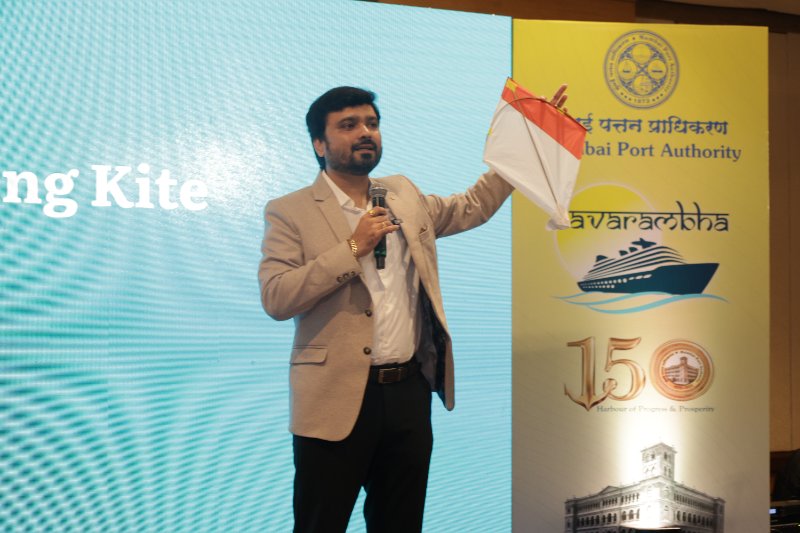
Why Avinash Chate
Avinash Chate is an entrepreneur and corporate trainer who runs ABC Trainings and The Future Corporate & Business Coaching, a TEDx speaker and published author. Over the last decade he has trained teams at 1,000-plus organisations and 15,000-plus professionals.
He teaches these skills not from a manual, but because he practises them himself — leading a 100-plus member team of his own. That is the difference working leaders feel in the room.
Negotiation Skills Training — FAQ
What is Negotiation Skills Training?
It is a practical, hands-on programme that turns negotiation from instinct into method. It builds the specific skills a strong negotiator actually uses — preparing properly and knowing your BATNA and walk-away, negotiating on interests rather than positions, reading what the other side really wants, creating value before dividing it, anchoring and countering hardball tactics, and negotiating hard without damaging the relationship. Unlike generic sales-tactics talks, it is built around your real deals and drilled through live role-play until the method replaces the flinch.
Who should attend this training?
Sales and business-development teams, key-account and channel managers, procurement and sourcing professionals, and the founders, leaders and project managers who negotiate contracts, budgets and terms. It is at its most powerful run as a cohort — a sales or procurement team that then shares one language and prepares real deals together. It suits both the sell side and the buy side, because the underlying method of preparation, interests and value creation is the same on either side of the table.
Why do capable people negotiate so poorly on instinct?
Because instinct offers only two moves — fight or fold. Cave to be liked, or dig in to win. Both leave value on the table, and both feel, in the moment, like the only options available. The people who look like naturals are simply doing, unconsciously, a handful of things others do not: they prepare, they know their walk-away, they ask about interests instead of trading positions, they expand the deal before dividing it. The good news is that those are learnable moves, not a personality trait — which is exactly why negotiation can be taught.
What does the programme cover?
Seven connected modules: preparation and knowing your BATNA and walk-away; principled negotiation — interests, not positions; reading the other side to discover what they really want; creating value before claiming it; anchoring, tactics and counter-tactics; negotiating hard without breaking the relationship; and internal and cross-functional negotiation. Every module pairs a lean, usable framework with live practice on deals drawn from your own organisation.
How is the training delivered — and how long does it take?
It is highly interactive — live negotiation role-plays and real cases, with minimal lecture and detailed debriefs on where value was won and lost. The duration is flexible: the same programme runs as a half-day, a full day, a multi-day intensive for a deal-making cohort, or a series of shorter modules spread across a quarter with real negotiations practised in between, and it works well as an ongoing capability. We shape the exact length and cadence with you. For 20 to 40 participants, sessions are organised into small batches so everyone negotiates.
Is this only for sales teams, or also for procurement and internal negotiation?
All three, and deliberately so. The same method serves the sell side, the buy side and the negotiations inside your own organisation. Sales teams use it to hold price and protect margin; procurement uses it to secure terms without wrecking supplier relationships; leaders and managers use it for the budget, resource and priority negotiations that happen every week. In fact the internal, cross-functional negotiations are often the ones that go worst untrained, so the programme covers them explicitly.
Is the programme customised to our organisation?
Yes. Before the first session, the role-play scenarios are built around your context — your industry, your deals, the specific negotiations your people face, whether that is a discount-hunting customer, a supplier holding out on terms, or an internal budget fight. Generic negotiation training is exactly what fails; the value is in practising the actual deals and tactics your people will face next week, in the language and pressures of your own market.
Can it be delivered on-site, and in which languages?
Yes. Most engagements are across Maharashtra — Pune, Mumbai, Chhatrapati Sambhajinagar, Nashik, Nagpur and the surrounding MIDC industrial belts — and the programme is equally delivered pan-India and internationally on request. Delivery is available in English, Hindi and Marathi, or a natural mix, which matters especially when a team negotiates deals across regions and with counterparts who switch languages mid-conversation.
What outcomes can we expect?
Negotiators who prepare instead of improvise, hold price instead of discounting to be liked, and absorb hardball tactics instead of caving to them — while keeping the account, the supplier or the colleague intact. Concretely, that shows up as margin protected on deals you were already winning, better terms secured, and relationships strengthened rather than scorched. Over time, a strong outcome stops being luck for a few naturals and becomes a repeatable standard across the team.
Why Avinash Chate for this programme?
Avinash Chate is an entrepreneur and corporate trainer who runs a 100-plus member organisation and negotiates its contracts, terms and partnerships himself — so he teaches deal-making from lived experience, not theory. He is a TEDx speaker and author of The Winning Edge, creator of the KITE framework, and has trained teams at 1,000-plus organisations, including sales-negotiation work with teams like Ferrero. That combination of real deal-making experience and his own frameworks is what working negotiators respond to.
Related Training Topics
Turn instinct into method — and stop leaving value on the table
Give your negotiators the skills to prepare, hold firm, create value and keep the relationship — instead of splitting the difference and calling it fair. On-site across Maharashtra, pan-India and internationally, in English, Hindi or Marathi.
Request a Proposal →