Bridging Generational Gap at Work: Gratitude and Innovation India 2026
Multi-generational teams are the new normal in Indian corporates. Avinash Chate's framework bridges the gratitude, criticism, and innovation gap for 2026 leaders.
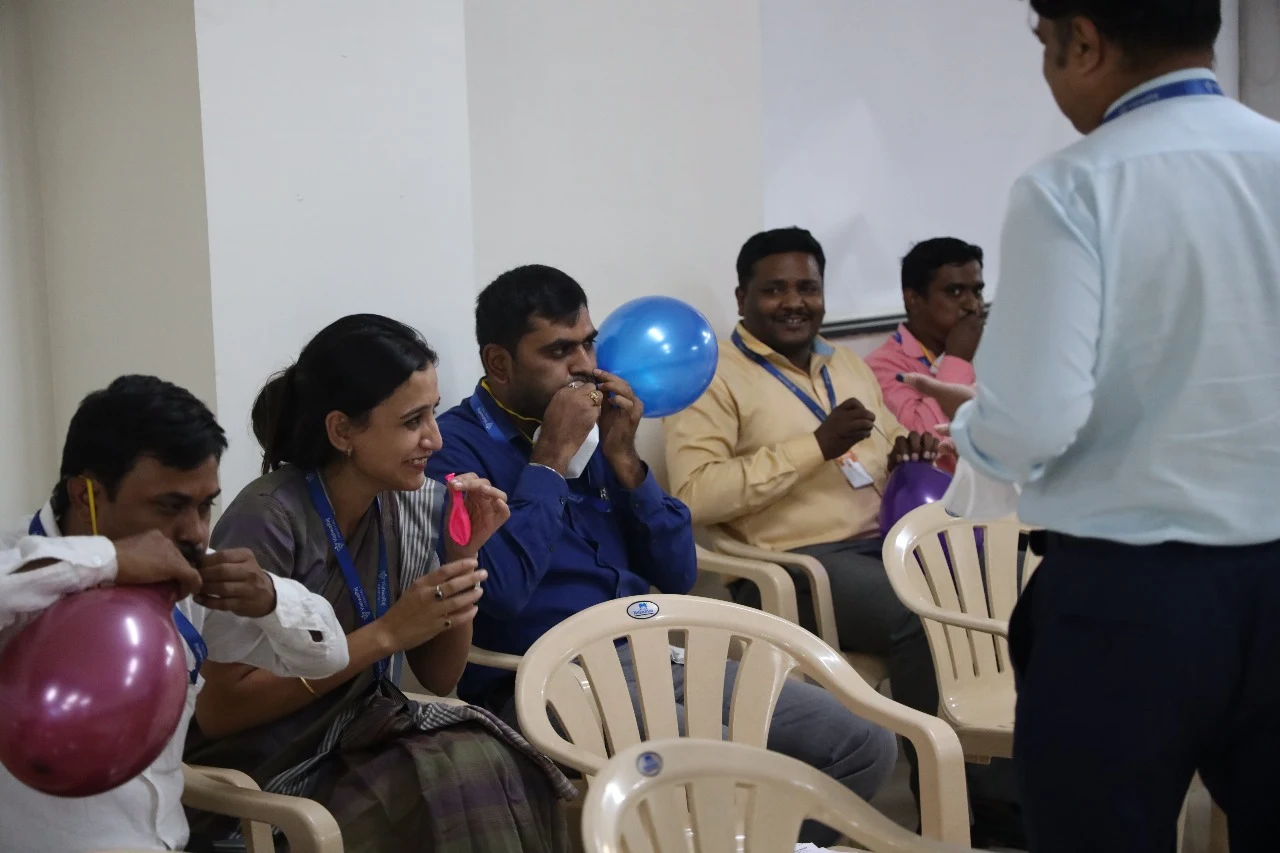
For the first time in Indian corporate history, four generations are working side by side: Baby Boomers, Gen X, Millennials, and Gen Z. Their approaches to gratitude, criticism, and innovation differ sharply — and those differences create friction that costs organizations real productivity. McKinsey India finds that Indian managers spend 21 hours per week in meetings, 35% more than their US counterparts, often because generational communication gaps create misalignment that requires constant re-coordination. Bridging these gaps is one of 2026's most urgent leadership challenges.
TL;DR- Four generations now work simultaneously in Indian organizations for the first time in corporate history
- Gratitude styles, approaches to criticism, and innovation mindsets differ sharply across Gen Z, Millennials, and Gen X
- Generational friction creates real productivity loss — measured in meeting hours, decision delays, and attrition
- Effective multi-generational leadership requires understanding what each generation values and communicates differently
- Bridging the gap is not about treating everyone the same — it is about leading each generation on their own terms
The Four Generations Now Working Together in Indian Corporates and What Each Values
For the first time in Indian corporate history, organizations are managing four distinct generations in a single workforce simultaneously. Baby Boomers bring decades of experience, institutional knowledge, and a work ethic forged in resource scarcity. Gen X brings independent pragmatism and cross-functional expertise. Millennials bring digital fluency, purpose-orientation, and a desire for continuous feedback. Gen Z brings radical transparency expectations, entrepreneurial instincts, and an entirely different relationship to authority. Each generation grew up in a different India — different economy, different technology, different social contract. That context shapes everything about how they work and what they need from leaders.
Why Gratitude Looks Different to Gen Z Versus Gen X — and Why It Matters at Work
Gratitude is one of the most misunderstood dimensions of multi-generational work. When a Baby Boomer leader says "good job," they mean it as high praise — in their professional culture, explicit recognition was rare and significant. When a Millennial says "good job," it's table stakes — Gen Z employees who receive only that level of recognition feel invisible. Gen Z expects specific, personalized, and frequent acknowledgment of their contribution. Gen X often finds public recognition uncomfortable and prefers private acknowledgment of competence. When leaders apply one gratitude style across all generations, they inevitably reach some people and miss others entirely — creating silent disengagement that shows up later as attrition.
| Dimension | Gen X / Boomers | Millennials | Gen Z |
|---|---|---|---|
| Preferred feedback style | Direct, private, infrequent | Developmental, regular, contextualized | Specific, frequent, two-directional |
| Gratitude expectation | Occasional formal recognition | Purpose-connected acknowledgment | Personalized, frequent, public |
| Innovation approach | Incremental within system | Question the system | Bypass or rebuild the system |
| Preferred communication | Email, formal meetings | Slack, video calls, async | Instant message, voice notes |
| Relationship to authority | Respect hierarchy by default | Earn respect through competence | Earn respect through transparency |
| Work motivation driver | Stability and institutional standing | Purpose and growth | Meaning and autonomy |
The Criticism Gap: Why One Generation's Feedback Is Another Generation's Demotivation
Criticism creates perhaps the sharpest generational divide in Indian workplaces. Baby Boomers and Gen X were socialized in feedback cultures where direct, sometimes harsh critique was the norm. Millennials need feedback delivered with context and development framing to receive it productively. Gen Z needs to understand the "why" behind criticism and expects it to be two-directional — they want to give feedback upward as readily as they receive it downward. When a Gen X manager delivers direct criticism to a Gen Z team member, both sides leave the conversation confused and frustrated. Bridging this gap requires deliberate feedback skill-building for everyone, not just junior staff.
Innovation Mindsets Across Generations: Who Innovates How and Why It Creates Friction
Innovation drives the third major generational friction point in Indian organizations. Senior generations typically innovate within established systems — they know why things are built the way they are and work within constraints to improve incrementally. Millennials innovate by questioning systems — they want to know why the process exists at all before improving it. Gen Z innovates by bypassing systems — they're accustomed to creating workarounds and building entirely new approaches when the existing one feels inefficient. None of these approaches is wrong; each is a response to the world the generation grew up in. But in the same team, they create real conflict: the senior leader sees the junior's bypass as disrespect; the junior sees the senior's incrementalism as obstruction.
How Indian Managers Can Lead Multi-Generational Teams Without Playing Favorites
Leading a multi-generational team well requires abandoning the idea that fairness means treating everyone the same. The most effective multi-generational leaders I've worked with — at Tata Tech, L&T, and KPIT — have learned to lead each generation on its own terms. For Boomers and Gen X: respect their experience, give them autonomy, and connect their work to institutional legacy. For Millennials: provide purpose context, regular check-ins, and development-oriented feedback. For Gen Z: offer transparency about why decisions are made, create channels for their upward feedback, and acknowledge their contribution specifically and frequently. Same standards, different approaches. That's not favoritism — it's fluency.
Practical Frameworks for Bridging the Generational Gap in Indian Workplaces
The practical framework I use for bridging generational gaps in corporate training has three steps. First: map your team's generational composition and the specific friction points that arise most often — is it feedback delivery, meeting norms, communication speed, or innovation process? Second: build explicit generational awareness in the team — not as an academic exercise, but as a real conversation about what each person needs to do their best work. Third: establish agreed communication protocols that accommodate different generational preferences without requiring anyone to abandon their identity. This isn't about making everyone the same — it's about building a shared operating system that runs well for everyone in the team.
The Communication Styles of Different Generations and How to Adapt as a Leader
The communication style differences across generations in Indian workplaces are practically significant. Gen X and Baby Boomers prefer email, formal meetings, and face-to-face conversation for important issues. Millennials prefer Slack, quick video calls, and asynchronous communication that respects their time autonomy. Gen Z prefers voice messages, instant messaging, and ultra-short formats — they process information in 30-second bursts, not 30-minute presentations. As a leader, this means learning to communicate the same message across multiple formats rather than expecting everyone to adapt to your preferred medium. The message is your responsibility; the medium must serve your audience, regardless of which generation's preference it matches.
Building a Multi-Generational Culture That Leverages Difference as Competitive Advantage
The most competitive Indian organizations in 2026 will be the ones that treat multi-generational teams not as a management challenge but as a strategic asset. Each generation brings something the others lack: Boomers and Gen X bring institutional wisdom and resilience; Millennials bring systems thinking and purpose orientation; Gen Z brings digital instinct and radical questioning. When these capabilities are combined rather than pitted against each other — when senior experience guides junior innovation rather than suppressing it, and when junior energy challenges senior assumptions rather than dismissing them — the result is an organization that is simultaneously stable and dynamic. That combination is what multi-generational leadership, done well, actually produces.
Book Avinash Chate for Your Next Event
TEDx speaker. 11+ yrs training Army, BRO, RBI, BARC, JSW. Available for keynotes, leadership training, team building & manager development at your office or event venue.
✅ Thanks! Avinash team will reach out within 24 hours.'}).catch(function(e){f.outerHTML='Something went wrong. WhatsApp +91 8793630001
'});return false;">Select ServiceKeynote / Motivational SpeakingLeadership Development TrainingTeam Building WorkshopManager DevelopmentEmployee TrainingOutbound TrainingBook Avinash Now →Or WhatsApp directly: +91 87936 30001
Related Articles by Avinash Chate
- Self-Confidence Competency: What Gets You Promoted in India 2026
- Are You an Asset or Liability at Work? How to Matter More India 2026
- How Recognizing Star Performers Drives Real Company Growth India 2026
Avinash Chate TEDx Speaker · Founder, The Future Corporate · 11+ yrs experience Avinash has trained Indian Army, BRO, RBI, BARC, JSW Steel and 1000+ corporate leaders across India. His work focuses on leadership development, communication skills, and behavioural training rooted in Indian values and modern business needs. |
Frequently Asked Questions
Why is managing multi-generational teams a major leadership challenge in India in 2026?
Managing multi-generational teams is one of India's most urgent leadership challenges in 2026 because, for the first time in Indian corporate history, four generations — Baby Boomers, Gen X, Millennials, and Gen Z — are working simultaneously in the same organizations. Each generation grew up in a different India with different economic realities, different technology relationships, and different social contracts. Their communication styles, feedback preferences, innovation approaches, and motivation drivers differ sharply. When leaders apply a one-size-fits-all management approach, they reach some generations effectively and miss others entirely — creating friction that costs organizations productivity, talent, and innovation capacity.
How do gratitude and recognition differ across generations in Indian workplaces?
Gratitude and recognition differ significantly across generations in Indian workplaces. Baby Boomers and Gen X were socialized in professional cultures where explicit recognition was rare and therefore carried substantial weight — a "good job" from a senior leader meant something. Millennials need recognition connected to purpose and growth, delivered regularly, and framed developmentally. Gen Z expects specific, personalized, and frequent acknowledgment of their exact contribution — vague praise feels dismissive to them. Additionally, Gen X often prefers private acknowledgment while Gen Z values public recognition. Leaders who apply one gratitude style across all generations inevitably create experiences of feeling unseen, which directly drives disengagement and attrition particularly among younger professionals.
What is the best way to give feedback to Gen Z employees in Indian corporate environments?
Giving feedback to Gen Z employees in Indian corporate environments requires three adjustments from traditional feedback approaches. First, specificity: Gen Z needs to know exactly what behavior or outcome you are addressing, not a general impression. Second, the why: Gen Z processes feedback much better when they understand the rationale behind it — not just what needs to change, but why it matters and how it connects to the team's goals. Third, reciprocity: Gen Z expects feedback to be a two-way conversation, not a one-directional correction. Creating space for them to respond, question, and offer their perspective turns feedback from a source of friction into a genuine development conversation that builds rather than damages the working relationship.
How can Indian leaders bridge the innovation gap between senior and junior generations?
Bridging the innovation gap between senior and junior generations in Indian organizations requires a structural approach rather than a cultural lecture. The most effective method I've seen in corporate training programs is the reverse mentoring model: pair senior leaders with junior Gen Z professionals in a reciprocal learning relationship where the senior mentors on institutional knowledge, industry relationships, and strategic thinking — while the junior mentors the senior on digital tools, emerging trends, and new customer behaviors. This structure respects the contribution of both sides, reduces the defensive dynamic that occurs when junior innovation is perceived as criticism of senior decisions, and creates an ongoing bridge between generational perspectives rather than a one-time training event.
Avinash Chate services
Corporate Trainer in Maharashtra · Top Corporate Trainers in Maharashtra · Leadership Trainer in Maharashtra · Top Leadership Trainers in Maharashtra · Team Building Trainer in Maharashtra · Top Team Building Trainers in Maharashtra · Motivational Speaker in Maharashtra · Top Motivational Speakers in Maharashtra · All service locations
← Back to all articles · Book Avinash Chate
By Avinash Chate — Maharashtra’s #1 Corporate Trainer & Motivational Speaker. .