How Recognizing Star Performers Drives Real Company Growth India 2026
At Matchwell's annual gathering, one truth stood out: real company growth comes from recognizing star performers and valuing every single team member as a contributor.
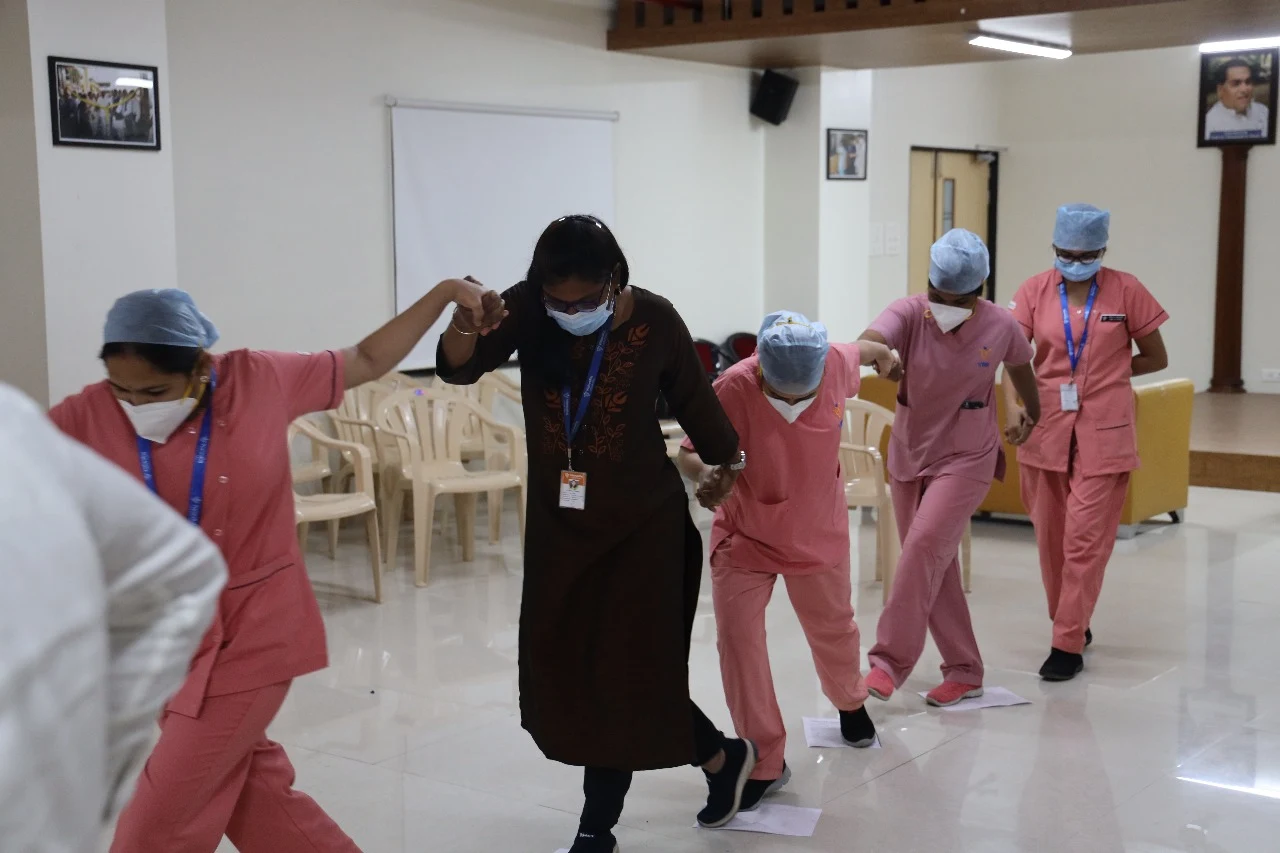
At Matchwell Company's annual gathering, I watched something powerful happen: leaders publicly celebrated their star professionals — and then made every single team member feel like a star in their own right. That combination is the real growth secret most companies miss. 65% of Indian firms invest in soft-skill training, yet employee recognition remains one of the most underused and highest-ROI retention and performance tools available to Indian organizations.
TL;DR- Matchwell Company's annual gathering revealed that recognizing star professionals drives collective team motivation
- Real company growth is built on people — their dedication, commitment, and sense of being valued
- Annual recognition programs that celebrate both top performers and every team member create stronger cultures
- Beyond awards, making every individual feel seen as a contributor is the secret to sustained workforce engagement
- Avinash Chate's message at Matchwell: connect your company's growth story directly to the people who built it
What Happened at Matchwell Company's Annual Gathering and Why It Matters
At Matchwell Company's annual gathering, I had the privilege of delivering a message that I believe captures something most corporate leaders intuitively sense but rarely act on systemically: your company's growth story is inseparable from the people who built it. The event brought together top performers, award winners, and the entire Matchwell team for an annual recognition celebration. What I observed in that room was exactly what I've seen in the best-performing organizations I've worked with — a culture where excellence is celebrated loudly and belonging is felt by everyone.
The Real Secret Behind Company Growth That Most Leaders Miss Entirely
Here's the real secret behind company growth that most leaders miss: it's not strategy, not technology, not market timing. It's people — specifically, people who feel genuinely valued and whose contribution is seen and celebrated. The research is unambiguous: organizations with strong recognition cultures have significantly lower attrition, higher productivity, and stronger client satisfaction scores than those without. In India's current talent market, where 65% of Indian firms invest in soft-skill training, the most direct retention and engagement lever available to most organizations is still the simplest one: making people feel that their work matters.
| Recognition Element | Organizations Without It | Organizations That Do It Well |
|---|---|---|
| Voluntary attrition | Higher — 25-40% annually | Lower — 12-18% annually |
| Employee engagement score | Below 50% actively engaged | 60-75% actively engaged |
| High performer retention | Inconsistent — often loses stars first | Strong — stars stay and develop |
| Team performance standard | Follows minimum acceptable bar | Elevates toward celebrated excellence |
| Cost of replacement | 6-9 months salary per exit | Reduced by lower attrition rate |
| Culture description | Transactional — work for pay | Mission-driven — work for meaning |
Why Recognizing Star Professionals Sets Standards That Elevate Entire Teams
When I celebrate star working professionals at events like Matchwell's annual gathering, I'm doing more than applauding individual achievement. I'm setting a visible standard for the entire organization. Here's how it works: when high performers are recognized publicly, three things happen simultaneously. The recognized individual feels their contribution is valued, which deepens their commitment. Their peers see what excellent performance looks like, which raises the collective standard. And the organization signals what it values, which attracts more people who embody those values. Recognition of stars is simultaneously a retention tool, a performance standard, and a culture signal — all in one moment.
Beyond Awards: Why Every Team Member Must Feel Like a Star
The most powerful moment in any recognition program is not when the star performer receives their award. It's what happens immediately after — when the leader turns to the room and says: every one of you is a star in your own right. This isn't empty flattery; it's the recognition of a truth that most employees rarely hear explicitly. Every person in a high-growth organization like Matchwell contributes something the company genuinely needs — from the frontline operator to the senior engineer to the administrative coordinator. When all of them feel their contribution is seen, the cumulative effect on engagement and performance is extraordinary.
How Annual Recognition Programs Drive Retention and Performance in Indian Companies
Annual recognition programs in Indian companies work best when they combine three elements that are often kept separate. First: individual achievement recognition — for the star performers, the award winners, the people who went above and beyond. Second: team recognition — acknowledging the collective effort that makes individual excellence possible. Third: universal appreciation — creating a moment where every person in the room feels their daily contribution matters, not just the trophy holders. When all three are present, recognition programs stop being an annual feel-good event and start being a genuine culture-building intervention that sustains performance across the full year.
The Connection Between Employee Appreciation and Revenue Growth in India 2026
The connection between employee recognition and business growth in India is more direct than most leaders realize. Organizations with strong recognition cultures see 20-30% lower voluntary attrition. Given that the average cost of replacing a skilled employee in India is 6-9 months of their salary, recognition programs with serious budgets consistently deliver positive ROI purely on retention savings alone — before accounting for the productivity and engagement benefits. In the context of India's growing talent war, especially in manufacturing, IT, and professional services, recognition is not a peripheral HR initiative — it's a core business strategy with measurable financial returns.
How to Design a Recognition Program That Actually Motivates Your Entire Workforce
The most effective recognition programs I've seen in Indian organizations — at Bajaj Auto, Tata Tech, JSW, and Ferrero — share five characteristics. They are frequent, not just annual. They are specific, citing exactly what the person did. They are public, creating visibility that amplifies the effect. They are personal, delivered with genuine human warmth. And they are inclusive, finding ways to recognize contribution at every level of the organization. Annual days are the anchor, but the best recognition cultures maintain these practices year-round through regular manager appreciation habits and peer-to-peer acknowledgment programs that keep the recognition energy alive between formal events.
Building a Company Culture Where Star Performance Is the Standard Not the Exception
Building a company culture where star performance is the standard — not the exception — requires making excellence visible and accessible. When Matchwell celebrates its top performers, it isn't creating an elite that others feel excluded from. It's showing the entire team: this is what is possible here, this is what we value, and this is the kind of career you can build in this organization. I've seen this approach consistently produce one outcome: after every well-run recognition program, the next year's performance distribution shifts upward. More people aim for the standard they saw celebrated. The culture of excellence becomes self-reinforcing when recognition is done right.
Book Avinash Chate for Your Next Event
TEDx speaker. 11+ yrs training Army, BRO, RBI, BARC, JSW. Available for keynotes, leadership training, team building & manager development at your office or event venue.
✅ Thanks! Avinash team will reach out within 24 hours.'}).catch(function(e){f.outerHTML='Something went wrong. WhatsApp +91 8793630001
'});return false;">Select ServiceKeynote / Motivational SpeakingLeadership Development TrainingTeam Building WorkshopManager DevelopmentEmployee TrainingOutbound TrainingBook Avinash Now →Or WhatsApp directly: +91 87936 30001
Related Articles by Avinash Chate
- Self-Confidence Competency: What Gets You Promoted in India 2026
- Bridging Generational Gap at Work: Gratitude and Innovation India 2026
- Are You an Asset or Liability at Work? How to Matter More India 2026
Avinash Chate TEDx Speaker · Founder, The Future Corporate · 11+ yrs experience Avinash has trained Indian Army, BRO, RBI, BARC, JSW Steel and 1000+ corporate leaders across India. His work focuses on leadership development, communication skills, and behavioural training rooted in Indian values and modern business needs. |
Frequently Asked Questions
Why is employee recognition critical for company growth in India in 2026?
Employee recognition is critical for company growth in India because it directly drives the two most expensive and impactful people metrics: retention and engagement. Organizations with strong recognition cultures consistently see 20-30% lower voluntary attrition — and given that replacing a skilled Indian professional costs 6-9 months of their salary, this translates directly into significant cost savings and productivity retention. Beyond cost, recognized employees perform better, collaborate more effectively, and are more likely to go above and beyond their defined roles — all of which compound into measurable revenue and quality outcomes over time.
How did Matchwell Company use annual recognition to drive workforce motivation?
At Matchwell Company's annual gathering, the recognition approach worked on multiple levels simultaneously. The event honored award winners — the star working professionals who had set exceptional standards for the organization. It then extended the recognition beyond the award recipients to acknowledge the contribution of every team member, making the entire workforce feel valued rather than just the top performers. Avinash Chate's message at the event connected Matchwell's business growth story directly to the people who built it, reinforcing the culture message that the company's success belongs to everyone who showed up and contributed consistently.
What is the difference between recognizing star performers and appreciating all team members?
Recognizing star performers and appreciating all team members are two different but equally important recognition acts that work best in combination. Recognizing star performers creates visible standards of excellence — showing the entire organization what exceptional looks like and signaling what behaviors and outcomes the company values most. Appreciating all team members creates belonging and psychological safety — ensuring that the majority of the workforce who will never win a formal award still feel their daily contribution matters. When both happen together, the organization gets the motivational power of aspiration from star recognition and the retention power of belonging from universal appreciation.
How can Indian companies design effective employee recognition programs?
Effective employee recognition programs in Indian companies share five characteristics. First, frequency — the best programs recognize contributions monthly or quarterly, not just annually. Second, specificity — effective recognition names exactly what the person did. Third, public visibility — recognition that others witness has 3-5 times the motivational impact of private recognition. Fourth, personal warmth — delivered with genuine human connection, not a certificate-and-handshake process. Fifth, inclusivity — designed to find and celebrate contribution at every organizational level. Annual recognition days anchor the program, but year-round manager habits and peer-to-peer programs sustain its impact across the full calendar year.
Avinash Chate services
Corporate Trainer in Maharashtra · Top Corporate Trainers in Maharashtra · Leadership Trainer in Maharashtra · Top Leadership Trainers in Maharashtra · Team Building Trainer in Maharashtra · Top Team Building Trainers in Maharashtra · Motivational Speaker in Maharashtra · Top Motivational Speakers in Maharashtra · All service locations
← Back to all articles · Book Avinash Chate
By Avinash Chate — Maharashtra’s #1 Corporate Trainer & Motivational Speaker. .