AI Literacy Training for Employees
For every employee racing ahead with AI, there is another quietly terrified of it — and too embarrassed to say so.
You can see it in the room the moment AI comes up. Some people lean in. Others go very still. They nod along, they do not ask the question they actually have, and afterwards they quietly go back to doing things the old way — because the new way feels like a test they never studied for. They half-believe the machine thinks like a person. They half-fear it is coming for their job. And underneath it all sits a small, unspoken shame: they do not really know what "AI" even means, and it feels far too late to admit it. This programme is for them. It takes the most intimidating subject in the building and makes it feel simple, human and safe — no code, no jargon, no assumptions — so the quiet dread becomes calm, capable curiosity.
★ 5.0 client rating · Across Maharashtra, pan-India & internationally · English, Hindi & Marathi
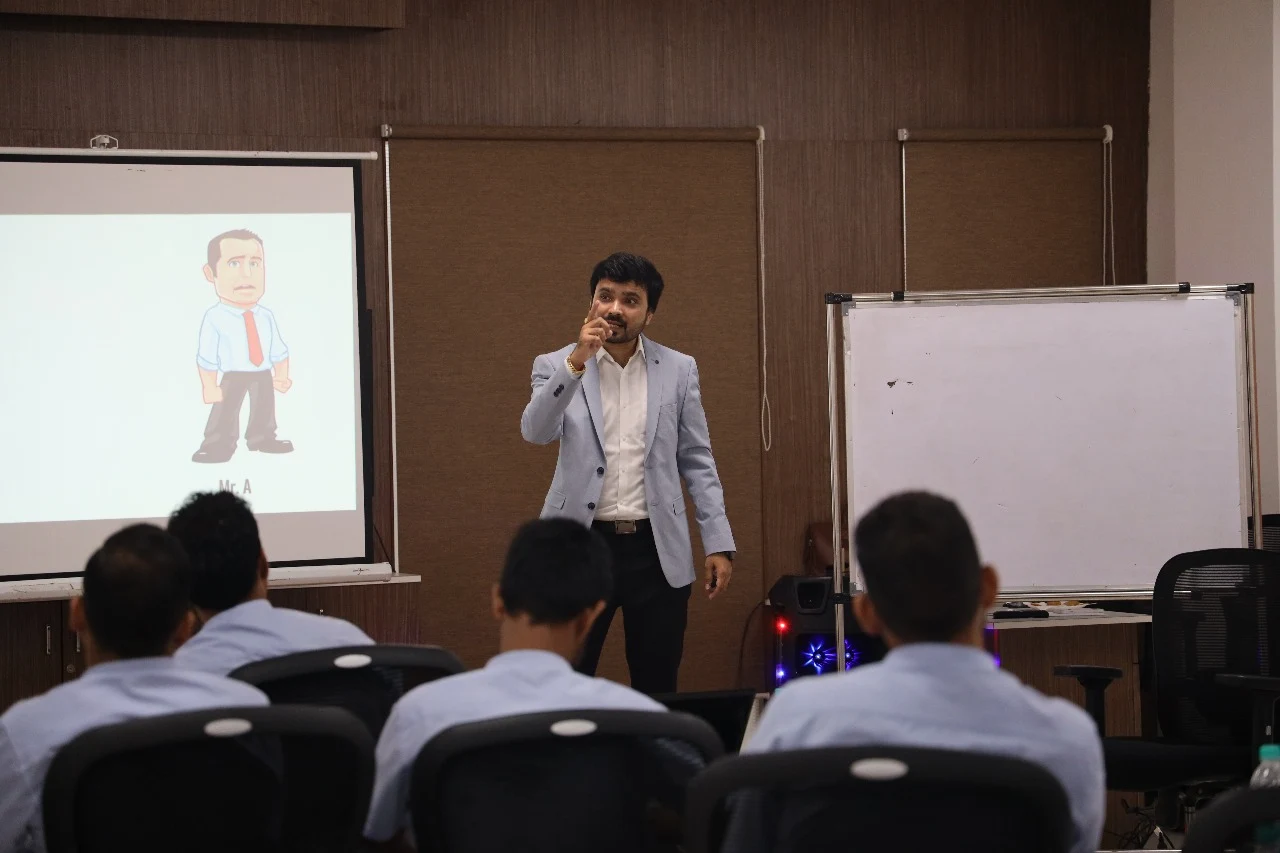
The Quiet Fear Half Your People Carry About AI
Every organisation now has two workforces sitting in the same meetings. One has already started using the tools, swaps tips in the corridor, and talks about AI as easily as email. The other is quietly overwhelmed — and doing an excellent job of hiding it. They have heard AI will change everything and that it might take their role. They have seen colleagues rattle off results in seconds and felt a small stab of being left behind. So they smile, they nod, and they avoid. Not because they are incapable, but because no one ever explained the thing in plain language, and it now feels too embarrassing to ask.
The cost of that silence is easy to miss because it never announces itself. An organisation does not move at the speed of its most confident people; it moves at the speed of its most hesitant. Every tool that half the staff quietly avoids is money spent and value never realised. Every myth left uncorrected — "it thinks like us," "it is always right," "it will replace me" — becomes either paralysing fear or reckless over-trust. And the people you most need to bring along, the experienced and the careful, are precisely the ones deciding, silently, that this whole AI thing is not for them.

Why Smart People Freeze at AI — And Why It Is So Easily Fixed
Here is the part almost no one says out loud: the problem is rarely the person, and it is never intelligence. It is mystery. Fear thrives on things we cannot picture, and for most people AI is a black box wrapped in intimidating words — "models," "neural," "algorithms," "generative" — used by people who seem to already understand. When a capable adult cannot form a mental picture of how a thing works, the confident response is not curiosity; it is avoidance. That is not a flaw. It is exactly what a sensible person does when handed something that looks like magic and feels like a trap.
And the cure for mystery is not more mystery. It is a plain, honest, human explanation of what this technology actually is — pitched not at engineers but at the nervous, the non-technical and the sceptical, exactly where they already stand. Once someone genuinely understands, in ordinary language, what generative AI is, roughly how it works, what it is brilliant at and where it falls flat, the fear simply has nowhere left to live. Understanding is the antidote. This programme's entire job is to give people that understanding — and with it, the quiet confidence to take a first safe step.
Does This Sound Familiar?
If parts of your workforce are quietly stalling on AI, it is almost never that they cannot learn it. It is that no one ever demystified it for them. Here is what you are likely seeing, what that quiet hesitation is costing, and exactly which part of the programme dissolves it.
| The symptom you see | What it is costing you | The real cause | How the programme fixes it |
|---|---|---|---|
| People nod along about AI but never actually open the tools | Tools you are paying for go unused; the promised productivity never arrives | They have no mental picture of what AI is, so avoidance feels safer than looking foolish | The plain-language foundation — what AI and generative AI actually are |
| Staff talk about AI as if it thinks, feels or "knows" like a person | Either paralysing fear of a machine mind, or dangerous over-trust in its answers | No one explained, in ordinary language, how it broadly works and what is really happening | The "how it works, plainly" module that replaces the magic with a clear model |
| The team leans on AI for things it is quietly bad at — and gets burned | Confident, wrong outputs slip through; trust in the whole idea collapses after one failure | They were never taught where AI shines versus where it reliably falls apart | The strengths-and-limits module — what to trust it with and what not to |
| Fear and hype swing the room — "it'll take my job" or "it can do anything" | Anxiety, resistance and change fatigue on one side; reckless shortcuts on the other | Myths and headlines have filled the space that a calm, factual explanation should occupy | The myths-versus-reality module that separates fact from fear and hype |
| Even the willing don't know how to actually begin, safely | Good intentions stall; a few risky experiments create quiet data and privacy worries | No one showed them a first, safe, low-stakes step or the sensible ground rules | The first-safe-steps and guided practice modules (Modules 05 & 07) |
What Changes When Everyone Finally Understands AI
Picture the same nervous employee a few weeks later. The word "AI" no longer makes them go quiet. They can explain, in their own plain words, what generative AI actually is and roughly how it works — enough to feel steady rather than spooked. They know which tasks to hand it and which to keep well away from it. They can hear a scary headline or a breathless claim and calmly tell the difference between fact, fear and hype. And they have taken a first small step themselves, safely, and lived to tell the tale.
Multiply that across the people who were holding back, and the whole organisation changes gear. The gap between your most confident and most hesitant people narrows. Fear stops being the quiet drag on every AI conversation. And instead of a workforce split into the eager and the terrified, you have one that is simply informed — calm, curious and ready to learn whatever comes next, because the mystery that was scaring them is finally gone.
What Your People Will Be Able to Do
- ✓ Explain, in plain words, what AI and generative AI actually are — with no jargon and no fear
- ✓ Hold a simple, accurate mental model of how it broadly works, and why that matters in practice
- ✓ Judge what AI does brilliantly versus where it reliably fails — and set their expectations accordingly
- ✓ Separate genuine fact from myth, hype and headline panic when AI comes up
- ✓ Take a first safe, low-stakes step with an AI tool, and understand the sensible ground rules around data and trust
- ✓ Recognise the basics of "talking to" AI well enough to get a useful, sensible result
- ✓ Keep learning calmly and confidently as the tools and the technology continue to change
What the Programme Covers
Seven connected modules that take an employee from quietly intimidated to calmly capable — without a single line of code. Every module trades jargon for plain language and a clear mental picture, then ends in a concrete shift in how confidently that person can think and talk about AI. The concepts are deliberately tool-agnostic: what AI is, how it broadly works, what it can and cannot do, and how to begin — the understanding that stays true as the tools keep changing.
These are building blocks, not a fixed-length course. A two-hour session goes deep on the two or three that matter most to you; a half or full day covers more; a multi-day intensive — or an ongoing monthly, quarterly or half-yearly rhythm — works through them all, with far more practice. We shape which ones, in what order and how deep, with you.
What AI — and Generative AI — Actually Are (No Jargon)
What we cover: Starting from zero, in plain human language: what people really mean by "artificial intelligence," and how "generative AI" and "large language models" fit inside that word without the intimidating vocabulary. A simple, durable mental model of what these systems are — pattern-learners trained on vast amounts of examples — rather than thinking machines or digital brains. Naming the scary words ("model," "algorithm," "neural," "generative") and quietly defusing each one. Where AI already sits, unnoticed, in tools people use every day.
What changes: The nervous employee walks out able to say, in their own words, what AI actually is — and the mystery that was feeding the fear is already loosening.
How It Works, in Plain Language — and Why That Matters
What we cover: A gentle look under the bonnet, kept firmly in everyday terms: how a system learns patterns from examples, and how a generative tool then predicts a sensible next word, image or answer rather than "knowing" anything. Why this means it can sound completely confident and still be completely wrong. The crucial difference between a machine that predicts and a person who understands. Why grasping this — even loosely — changes how sensibly you use it, without needing any maths or code.
What changes: Once people can picture roughly what is happening inside, AI stops feeling like magic or menace and starts feeling like a tool they can reason about.
What AI Does Brilliantly — and Where It Fails
What we cover: An honest, balanced map of the terrain. Where AI genuinely shines: drafting, summarising, brainstorming, rephrasing, first drafts, tireless repetition and speed. Where it reliably falls down: facts it confidently invents, reasoning it fakes, context and judgement it lacks, and anything that needs real accountability or lived understanding. Why "confidently wrong" is the trap to watch for. Building the instinct for what to hand the machine and what to keep firmly in human hands.
What changes: People stop swinging between "it can do anything" and "it's useless," and gain a realistic sense of exactly what to trust it with.
Myths, Fears and Hype — Separated From Reality
What we cover: Meeting the anxieties head-on, kindly and factually. "Does it think and feel like a person?" "Is it always right?" "Is it about to take my job?" "Can it do literally anything?" Where each fear comes from, what is genuinely true, and what is simply hype or headline. Why the honest answer usually sits calmly in the middle. How to hear a dramatic claim about AI — from a colleague, a vendor or the news — and weigh it sensibly instead of being swept along or scared off.
What changes: The room's fear and over-excitement both come down to earth, replaced by a calm, factual footing everyone can stand on.
Your First Safe, Confident Steps With AI
What we cover: The gentlest possible on-ramp for someone who has been avoiding it. Choosing a first, genuinely low-stakes task to try. The basics of "talking to" an AI tool — asking clearly, giving context, and refining — so a first attempt actually works and builds confidence rather than embarrassment. The sensible ground rules everyone should hold from day one: what not to paste in, why to double-check anything that matters, and how to keep private and sensitive information safe. Turning the very first attempt from a source of dread into a small, encouraging win.
What changes: The hesitant employee takes their first step in the room, safely and successfully — and discovers it was far less frightening than the avoidance ever was.
Keeping Up as AI Keeps Changing
What we cover: Because the tools will keep shifting, the real skill is staying calm while they do. Why you do not need to chase every new release or headline to stay competent. How to tell durable understanding — what AI is and how it broadly works — from the churn of specific products and features. Simple, sustainable habits for keeping lightly up to date without anxiety. Where and how to keep learning as the field evolves, so "falling behind" stops being a fear and becomes just a matter of steady, unhurried curiosity.
What changes: People leave with a way to stay confident for the long run — no longer braced for the next thing, but quietly ready for it.
Practice — Guided, Hands-On First Steps
What we cover: Gentle, guided, hands-on time putting it all together on real, everyday tasks from participants' own work — with support in the room so no one is left stuck or embarrassed. Trying a first prompt, seeing where the tool helps and where it stumbles, spotting a confidently wrong answer in the wild, and practising the safe habits from Module 05. Small wins, encouraged and shared, so the confidence is built through doing rather than merely hearing. Tool-agnostic throughout — the point is the mindset and the method, not any one product.
What changes: Everyone walks out having actually used AI at least once, safely and successfully — turning "I've never touched it" into "I've started, and I can keep going."
How It Is Delivered
This is not a technical seminar and it is emphatically not a lecture full of jargon. It is a calm, plain-language workshop built for the people who have been quietly avoiding AI. There is no code, no maths and no assumed knowledge — everything is explained in ordinary human terms, with plenty of room to ask the question you were too embarrassed to ask. Every idea is made concrete with familiar analogies and everyday examples, and the hands-on practice is gentle and fully supported, so nervousness turns into small, confidence-building wins rather than fresh anxiety.
The format flexes to your people and your calendar. It runs as a focused half-day awareness session for a whole department, a full-day workshop that goes from zero to genuine confidence, a modular series that lets understanding settle between sessions, or an ongoing programme that brings successive groups along and keeps everyone steady as the tools evolve. It is deliberately designed for mixed rooms — the non-technical, the sceptical and the nervous alongside the curious. The exact depth, pace and cadence are shaped with you in the design call, because a first-time-nervous audience needs a very different touch from an eager one.
Formats That Fit Your Calendar
Half-day awareness session
A calm, jargon-free introduction that demystifies AI for a whole team or department in one sitting — ideal for turning quiet dread into curiosity fast.
Full-day workshop
From zero to genuine confidence in a day — the full plain-language journey plus gentle, guided hands-on first steps, so people leave having actually used AI once, safely.
Modular series
Shorter sessions spread over a few weeks, so understanding settles and people practise between meetings — perfect for the nervous and non-technical who need time to build confidence.
An ongoing literacy programme
Run it for successive groups and refresh it as the technology shifts — making baseline AI literacy a permanent, calming part of how the whole organisation keeps up.
The Thinking Behind It
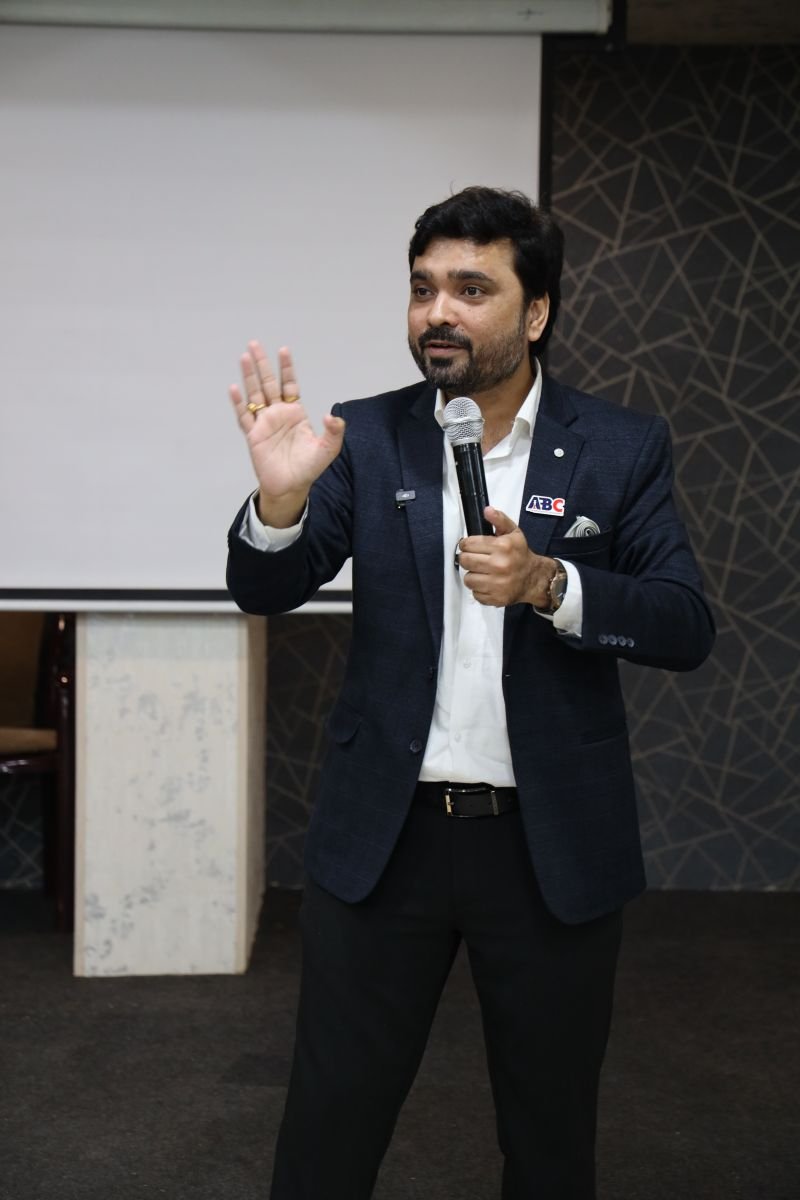
This programme is not a technical curriculum or a product demo. It draws on the clearest, most human writing on what AI really is and is not — distilled into plain-language ideas anyone can hold — and then goes further, into the frameworks Avinash uses to make intimidating technology feel simple and safe for non-technical people inside his own 100-plus member organisation.
Ideas & books we draw on
- Hello World — Hannah Fry · a warm, human guide to living alongside algorithms — the perfect antidote to the fear that AI is cold, all-knowing magic
- You Look Like a Thing and I Love You — Janelle Shane · hilarious, disarming proof that AI is both everywhere and often gloriously dim — it makes the intimidating feel funny and small
- Artificial Intelligence: A Guide for Thinking Humans — Melanie Mitchell · a clear-eyed reality check on what AI can and cannot really do, cutting straight through the hype for non-experts
- The Master Algorithm — Pedro Domingos · a plain-English tour of how machines actually learn, so "it learns from data" finally stops being a scary black box
- A Brief History of Intelligence — Max Bennett · an accessible story of what intelligence even is — grounding why machine "intelligence" is nothing like the thinking mind people fear
- Genius Makers — Cade Metz · the very human, very ordinary story of the people who built modern AI — a reminder it was made by fallible humans, not conjured
How we make AI make sense
- A plain-language mental model of generative AI · a pattern-learner that predicts a sensible next word — not a mind that thinks or knows
- What AI does well vs where it fails · a simple map of strengths (drafting, summarising, speed) against limits (facts, judgement, accountability)
- Myths vs reality · naming each common fear and hype claim, then setting it calmly against what is actually true
- The basics of "talking to" AI · ask clearly, give context, refine — the core habit that makes a first attempt actually work
- Safe first steps · pick a low-stakes task, protect private data, and double-check anything that matters
And Avinash's own frameworks — the part you won't find anywhere else
Beyond the established thinking, the programme is built on frameworks Avinash has created and written about himself — including his KITE leadership framework and the principles in his book The Winning Edge. These come from actually running a 100-plus member organisation and developing its people year after year, not from a textbook. It is the layer competitors cannot copy, and the one your teams remember long after the session ends.
Who It Is For
Everyone who has been quietly left out of the AI conversation — the non-technical, the nervous and the frankly sceptical. Experienced staff who feel the ground shifting and worry it is too late to catch up. Frontline, operations, administrative, HR, finance and support teams who keep hearing about AI but were never actually shown what it is. Managers who need their whole team to share one calm, accurate baseline instead of a split between the eager and the terrified. It is deliberately built for mixed rooms and for people who would never sign up for anything with the word "technical" in the title — which is precisely why it works.
Taught by Someone Who Makes the Intimidating Feel Simple
Avinash Chate is unusually suited to this particular job. He is an M.Tech who taught himself more than twenty technical tools from scratch, so he knows exactly what it feels like to face something intimidating and unfamiliar — and how to cross that gap. And he is one of India's most trusted behavioural trainers, a TEDx speaker and author of The Winning Edge, who has spent years translating hard ideas into plain, human, confidence-building language for ordinary people. That rare combination — genuine technical fluency plus the gift of making the scary feel simple — is exactly what a nervous, non-technical audience needs. Programmes that build calm, practical understanding have been delivered for 1,000-plus organisations and more than 15,000 professionals across sectors, always meeting people exactly where they are.
Why Avinash Chate
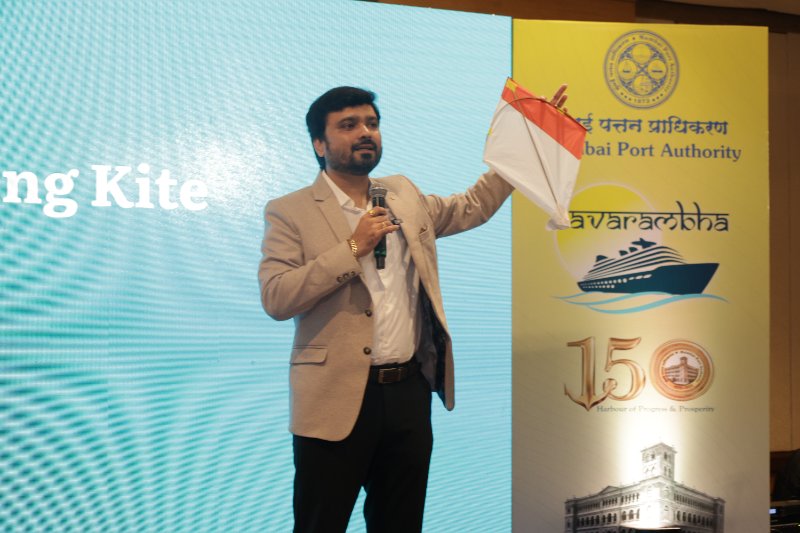
Avinash Chate is an entrepreneur and corporate trainer who runs ABC Trainings and The Future Corporate & Business Coaching, a TEDx speaker and published author. Over the last decade he has trained teams at 1,000-plus organisations and 15,000-plus professionals.
He teaches these skills not from a manual, but because he practises them himself — leading a 100-plus member team of his own. That is the difference working leaders feel in the room.
AI Literacy Training for Employees — FAQ
What is AI Literacy Training?
It is a plain-language programme that gives every employee a clear, jargon-free understanding of artificial intelligence — with no code and no assumed knowledge. It covers what AI and generative AI actually are, how they broadly work and why that matters, what AI does brilliantly and where it fails, the myths and hype separated from reality, and safe, confident first steps. It is built specifically for the non-technical, the nervous and the sceptical, so the people who have been quietly avoiding AI finally understand it and stop being afraid of it.
Who should attend this training?
Anyone who has been left out of the AI conversation — non-technical, operations, frontline, administrative, HR, finance and support teams, and any experienced staff who quietly worry they have fallen behind. It is designed for mixed rooms and for people who would never choose a course with "technical" in the title. Managers often run it for a whole team so everyone shares one calm, accurate baseline, rather than a workforce split between those racing ahead and those quietly terrified.
Do participants need any technical background or prior AI experience?
None whatsoever. That is the entire point. The programme assumes people are starting from zero and may even be nervous or sceptical, and it meets them exactly there. There is no code, no maths and no jargon — every idea is explained in ordinary human language with familiar examples. If someone has been too embarrassed to admit they do not really know what "AI" means, this is built precisely for them.
Is this tied to a specific AI tool or product?
No, and that is deliberate. The tools change constantly, so the programme teaches the durable understanding underneath — what AI is, how it broadly works, what it can and cannot do, and how to begin safely. That understanding stays true across tool generations. When people practise hands-on, the focus is on the mindset and the method rather than any one product, so what they learn does not go out of date the moment a new version appears.
Will this help our people actually use AI, or just understand it?
Both — and in that order, on purpose. Understanding has to come first, because fear and avoidance are what stop people using the tools at all. Once the mystery is gone, the programme moves into safe, guided first steps: choosing a low-stakes task, the basics of "talking to" AI so a first attempt works, and the sensible ground rules around data and trust. People leave having actually used AI at least once, safely and successfully, so "I've never touched it" becomes "I've started, and I can keep going."
Our staff are anxious that AI will take their jobs. Does the programme address that?
Directly and honestly. A whole module separates the myths, fears and hype from reality — including the job fear, the belief that AI thinks like a person, and the idea that it can do anything or is always right. Rather than dismissing the anxiety or fuelling it, the programme explains calmly where each fear comes from, what is genuinely true, and why the honest answer usually sits in the middle. People leave with a factual, steady footing instead of dread.
How is the training delivered — and how long does it take?
It is calm, plain-language and interactive, with gentle hands-on practice rather than a jargon-filled lecture. The duration is flexible: the same programme runs as a half-day awareness session, a full-day workshop that goes from zero to genuine confidence, a modular series that lets understanding settle between sessions, or an ongoing programme for successive groups. We shape the exact length and pace with you — a nervous, non-technical audience is given more room and a gentler pace than an eager one.
Can it be delivered on-site, and in which languages?
Yes. Most engagements are across Maharashtra — Pune, Mumbai, Chhatrapati Sambhajinagar, Nashik, Nagpur and the surrounding MIDC industrial belts — and the programme is delivered pan-India and internationally on request. Delivery is available in English, Hindi and Marathi, or a natural mix, which matters especially when the goal is to reach people who feel intimidated by technical English and would otherwise stay quiet.
Is the programme customised to our organisation?
Yes. The examples, analogies and hands-on tasks are built around your people and their real everyday work, so the learning feels relevant rather than abstract. The pace and depth are tuned to how technical or nervous the group is. Generic, one-size AI awareness is exactly what leaves people cold; the value here is a session pitched precisely at your audience, using situations they recognise from their own desks and floors.
Why Avinash Chate for this programme?
Because this specific job needs a rare combination, and he has it. Avinash Chate is an M.Tech who self-taught more than twenty technical tools, so he genuinely understands the technology and remembers what it feels like to face the intimidating unknown. He is also one of India's most trusted behavioural trainers, a TEDx speaker and author of The Winning Edge, with a gift for turning hard ideas into plain, human, confidence-building language. He has trained more than 15,000 professionals across 1,000-plus organisations and uses the KITE leadership framework in his own 100-plus member organisation. For a nervous, non-technical audience, that blend of real technical fluency and human clarity is exactly what earns trust.
Related Training Topics
Turn quiet dread about AI into calm, capable curiosity
Give every employee — especially the nervous and non-technical — a clear, jargon-free understanding of what AI is, what it can and cannot do, and how to take a first safe step. On-site across Maharashtra, pan-India and internationally, in English, Hindi or Marathi.
Request a Proposal →