Difficult Conversations Training
The talk everyone knows needs to happen is the one nobody starts — until it comes out as an ultimatum.
Somewhere in your team, right now, there is a conversation that is not happening. A quietly slipping performer no one has actually confronted. A talented person everyone works around because raising it feels bigger than living with it. A peer whose missed deadlines the rest silently absorb, week after week. Each time the conversation is postponed it feels like the easier choice — and it is, for that one day. But the cost does not disappear; it accrues. Resentment thickens, the standard drifts lower, and by the time someone finally snaps and says it, months of swallowed frustration pour out at once and it lands as an accusation instead of a discussion. It was never that your people did not care. It is that no one ever taught them how to say the hard thing and keep the person on the other side. This programme teaches exactly that.
★ 5.0 client rating · Across Maharashtra, pan-India & internationally · English, Hindi & Marathi
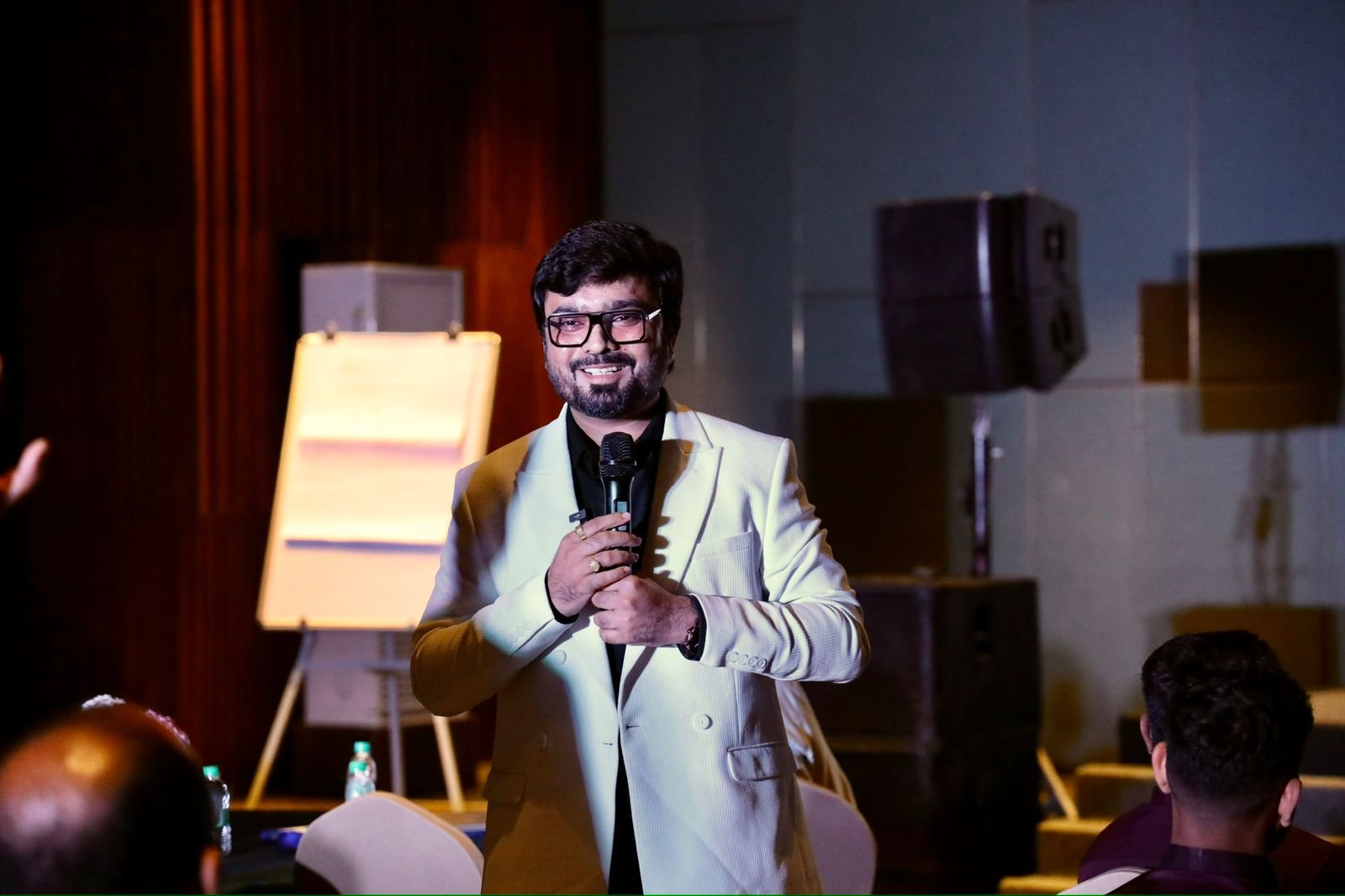
The Conversation Everyone Keeps Postponing
Every team has them — the talks that sit on a mental to-do list for weeks and quietly never get crossed off. The manager who rehearses raising the performance issue on the drive home and then, in the moment, talks about something safer. The colleague whose tone in meetings is corrosive, and yet the feedback keeps getting deferred to "a better time" that never arrives. The deadline that slipped again, absorbed in silence by three people who would rather redo the work than name it. Avoidance feels like keeping the peace. It is really just deferring the bill, with interest.
And the interest is steep. The problem you did not name does not stay the same size — it grows, and the people watching learn that the standard is optional. Your steadiest performers, the ones quietly covering for the gap, start to wonder why they bother. When the unsaid thing finally gets said, it is rarely calm; it arrives as an ultimatum, a transfer request, or a resignation that "came out of nowhere". In the debrief everyone agrees it should have been raised earlier — and everyone knows exactly why it was not. Nobody had ever been shown how.
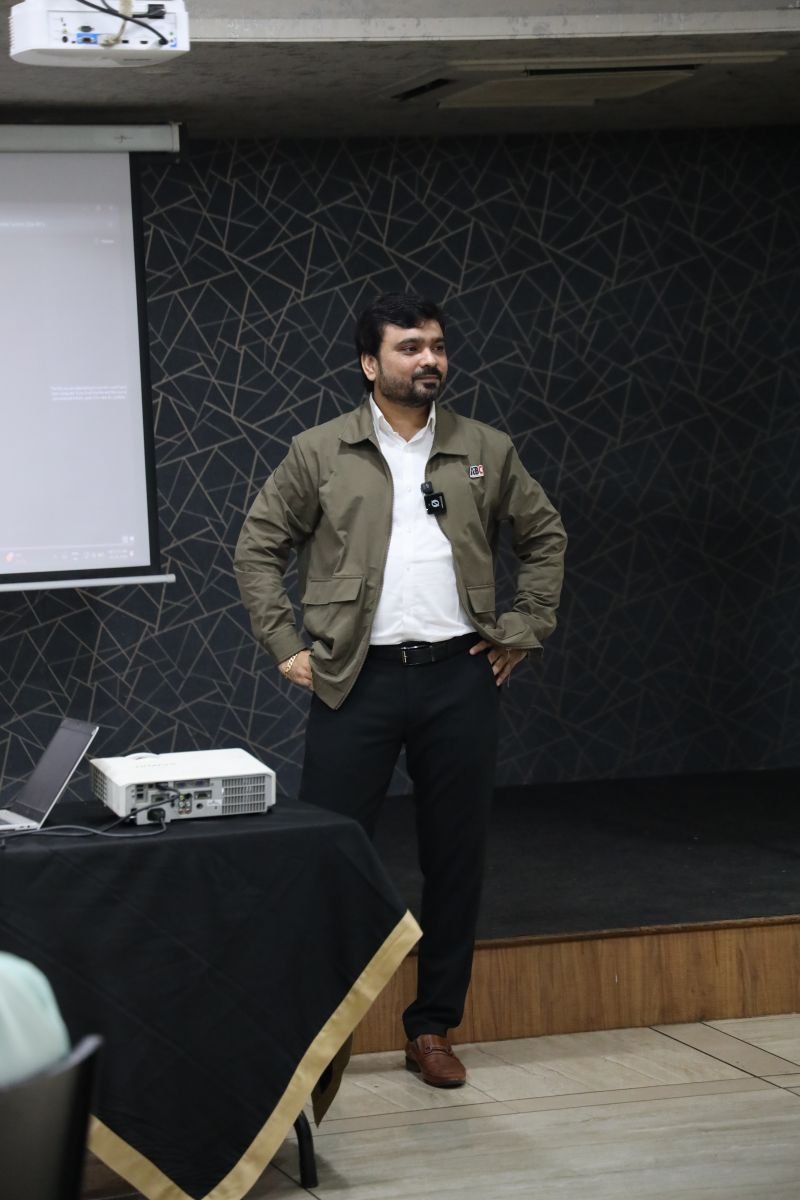
Why We Avoid It — And Why That Is Entirely Trainable
Avoidance is not weakness or apathy; it is a rational response to a skill nobody taught. Under a hard conversation sit two fears working at once: the fear of the other person's reaction — the defensiveness, the tears, the counter-attack — and the fear of damaging a relationship we have to keep working inside. So the brain does the maths and quietly concludes that silence is cheaper than confrontation. It offers a fake choice: either I say the hard thing and risk the relationship, or I protect the relationship and stay quiet. Given only those two doors, most people take the quiet one.
But that choice is false, and this is the entire point of the training. There is a third door — saying the hard thing in a way that strengthens the relationship rather than spends it. That is not a personality trait a few lucky people are born with; it is a learnable set of moves. Separating what happened from the story you have built about it. Opening so the other person stays open instead of bracing. Staying steady when it heats up rather than caving or attacking. Those are teachable skills, and they close with deliberate practice — which is exactly what your people get in this room, before they need them on a real Monday morning.
Does This Sound Familiar?
If any of these feel familiar, it is almost never that your people do not care about the standard. It is that no one taught them how to raise a hard thing without it going badly — so they avoid it, or they wait until it explodes. Here is what you are likely seeing, what the silence is quietly costing, and exactly which part of the programme fixes it.
| The symptom you see | What it is costing you | The real cause | How the programme fixes it |
|---|---|---|---|
| A known under-performer that everyone talks about — but no one has ever actually confronted | The standard quietly drops for the whole team, and your best people resent carrying the gap | Managers dread the reaction more than they dread the problem, so they keep deferring it | The preparing module — untangling the facts, feelings and story before you walk in |
| A talented but difficult colleague everyone tiptoes around instead of addressing | The whole team bends around one person; morale and candour both erode | No one knows how to open the conversation without it turning into a fight | The opening module — raising it without triggering defensiveness |
| When feedback finally does get given, it comes out as an ultimatum, not a discussion | The other person hears an attack, gets defensive, and nothing actually changes | Months of swallowed frustration get dumped at once, because it was never raised early | The steadiness module — regulating yourself so it stays a conversation |
| Conversations that should clear the air just make it worse — people leave angrier | Trust drops, sides form, and the real issue is now buried under how it was handled | People argue their own case and never truly hear the other side's version | The listening module — finding the shared meaning underneath the positions |
| The talk happens, everyone nods — and three weeks later nothing has changed | The same problem returns, and now people believe these conversations are pointless | The conversation ended in vague agreement, with no real commitment or follow-through | The commitment module — turning the talk into a concrete, followed-up change |
What Changes When Your People Can Actually Say the Hard Thing
Picture the under-performance raised in week one, quietly and directly, while it is still a small fixable thing — instead of a blow-up in month six. Picture the difficult colleague getting honest, specific feedback that they can actually hear, because it was delivered as an observation and not an ambush. Picture a manager staying calm and curious when the other person gets defensive, keeping the conversation open long enough to reach what is really going on. Picture two people leaving a hard talk not bruised but clearer — with a genuine agreement neither one is quietly planning to ignore.
And underneath all of it, the shift that pays for the programme many times over: hard things get said early, kindly and clearly, so they stay small. Standards hold because people uphold them out loud. Relationships get stronger, not weaker, because your people finally have a way to be honest without being brutal — and to disagree without it becoming personal.
What Your People Will Be Able to Do
- ✓ Stop avoiding the conversation they know they need to have — and raise it while it is still small
- ✓ Separate the facts from the story they have told themselves about the other person
- ✓ Open a hard conversation so the other person stays open, instead of instantly defensive
- ✓ Stay steady and clear when it gets emotional — without caving in or attacking back
- ✓ Listen well enough to find the shared meaning underneath two opposing positions
- ✓ Give hard feedback that lands and improves behaviour, without wrecking the relationship
- ✓ Close the conversation on a real, specific commitment — and follow through so it actually sticks
What the Programme Covers
Seven connected modules that take a person from dreading the hard conversation to handling it with calm and skill. Every module pairs a short, practical input with real practice on the exact conversations your people are avoiding right now — and ends with a concrete change in how they handle the next one.
These are building blocks, not a fixed-length course. A two-hour session goes deep on the two or three that matter most to you; a half or full day covers more; a multi-day intensive — or an ongoing monthly, quarterly or half-yearly rhythm — works through them all, with far more practice. We shape which ones, in what order and how deep, with you.
Why We Avoid It — And What the Silence Really Costs
What we cover: The two fears underneath every avoided conversation — fear of the reaction and fear of damaging the relationship. The false choice most people are trapped in: say the hard thing and risk the bond, or protect the bond and stay silent. How avoidance quietly compounds — resentment building, standards drifting, small issues becoming ultimatums. Naming the specific conversation each participant has been putting off, and doing the honest maths on what postponing it is already costing.
What changes: People stop treating avoidance as the safe option and see the third door — that the hard thing, said well, protects the relationship instead of spending it.
Preparing — Untangling the Facts, the Feelings and the Story
What we cover: Why walking in raw and unprepared is how good conversations go wrong. Separating what actually happened from the story you have built about why. Owning your own emotions before the conversation instead of leaking them into it. Getting clear on what you genuinely want — for yourself, for them, and for the relationship. Anticipating their version of events, and checking your own contribution before you assign theirs.
What changes: People walk in grounded and specific — clear on the facts, aware of their own story, and no longer hijacked by their own emotion.
Opening Without Triggering Defensiveness
What we cover: Why the first thirty seconds decide whether the other person listens or braces for a fight. Opening from a shared purpose rather than an accusation. Describing observable behaviour instead of labelling character. Making it safe enough that the other person stays in the conversation. Naming the hard topic plainly and early, without softening it into vagueness or sharpening it into attack.
What changes: People raise the hard thing in a way that keeps the other person open and curious, instead of instantly defending or shutting down.
Staying Steady When It Gets Heated
What we cover: Recognising the moment a conversation tips from discussion to threat — in them and in yourself. Regulating your own reaction so you neither cave nor counter-attack. Handling the defensive, the tearful, the angry and the silent responses without losing the thread. Slowing down instead of speeding up when emotion spikes. Restoring safety mid-conversation when it starts to go sideways, so it stays a conversation and not a collision.
What changes: People hold their composure and their point at the same time — staying calm, kind and clear even when the other person does not.
Listening and Finding Shared Meaning
What we cover: Why most hard conversations are two people arguing and neither one actually listening. Genuinely hearing the other side's version before defending your own. Getting the full picture into the open so both people are working from the same facts. Separating intent from impact — assuming less about why they did it, understanding more about what it did. Moving from two opposing positions to the shared interest underneath them.
What changes: People stop debating to win and start listening to understand — reaching a shared version of reality that a real solution can be built on.
Moving to Commitment and Follow-Through
What we cover: Why so many hard conversations end in vague agreement and change nothing. Turning "let's do better" into a specific, owned commitment — who does what, by when, and how you will both know. Agreeing how you will handle it if it slips again. Closing the conversation cleanly, so both people leave clear rather than confused. The follow-up that turns a single talk into an actual change, and rebuilds the trust that the issue had eroded.
What changes: Conversations end in a concrete, followed-up commitment — so the problem is genuinely solved instead of quietly returning in three weeks.
Practice — Your People's Real, Live Conversations
What we cover: Live role plays on the exact conversations your people are actually avoiding: the under-performer who does not see the problem, the talented colleague whose behaviour hurts the team, the peer whose missed deadlines everyone absorbs, the boundary with someone more senior, the feedback that has been postponed for months. Practised in the room, on real situations from your own organisation, with honest debriefs and a second attempt to get it right.
What changes: People walk out having already had the hard conversation once, in safety — so the real one, days later, is no longer the thing they dread.
How It Is Delivered
This is not a lecture about communication theory. It is a workshop where people practise the conversations they have been avoiding. Participants spend most of their time on their feet — preparing a real talk, opening it, holding steady when their partner pushes back, and landing a genuine commitment — using the actual situations from their own teams, not sanitised case studies. The models are kept simple and immediately usable; the practice, and the honest debrief after it, is where the confidence is built.
The format flexes to your needs. It runs as a focused half-day, a full-day workshop, a multi-day intensive for a leadership cohort, or a series of shorter modules spread over the weeks while people apply each skill on their own real conversations between sessions — and it works beautifully as an ongoing rhythm, revisited each quarter as new situations arise. For 20 to 40 participants it is organised into small batches so every person practises out loud, not just listens. The exact depth, duration and cadence are shaped with you in the design call.
Formats That Fit Your Calendar
Half-day or full-day workshop
A high-impact session to give a group the core skill fast — ideal when a specific pattern of avoidance or unresolved conflict is already hurting a team.
Multi-day intensive
Two or more days to go deep — room for repeated role plays on each person's hardest conversations, with feedback and a second attempt until the skill sticks.
Modular series across several weeks
Shorter sessions spaced out so people practise each skill on a real conversation in between, then bring what happened back to the room.
An ongoing rhythm
Revisited each quarter as fresh situations surface — making candid, respectful conversation a permanent habit of how your teams work, not a one-off event.
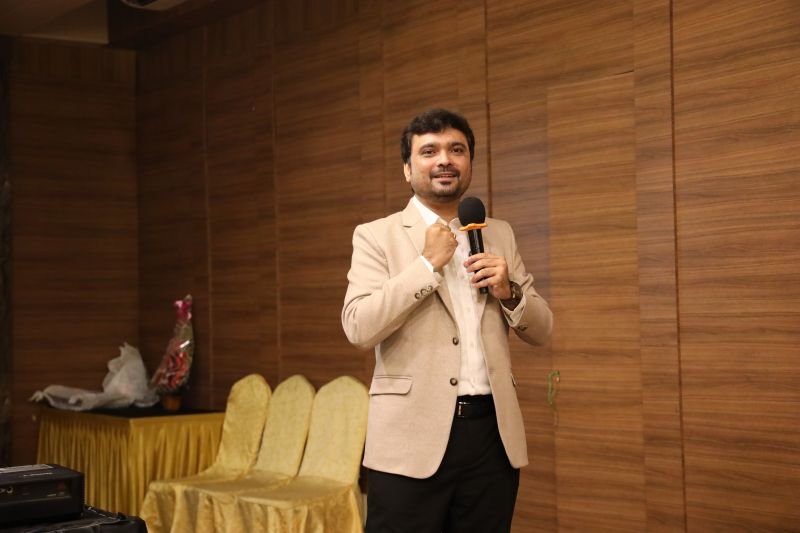
The Thinking Behind It
This programme is not a generic communication deck. It draws on the definitive writing and research on hard conversations — distilled into a few models people can use the same afternoon — and then goes further, into the frameworks Avinash uses to keep candour and trust alive inside his own 100-plus member organisation.
Ideas & books we draw on
- Difficult Conversations — Douglas Stone, Bruce Patton & Sheila Heen · the Harvard Negotiation Project classic — the three conversations happening inside every hard talk
- Crucial Conversations — Kerry Patterson, Joseph Grenny, Ron McMillan & Al Switzler · how to keep dialogue open and safe exactly when the stakes and emotions are highest
- Nonviolent Communication — Marshall B. Rosenberg · observation, feeling, need and request — saying the hard thing without blame or attack
- Fierce Conversations — Susan Scott · why the conversation is the relationship, and how avoiding it slowly corrodes both
- We Need to Talk — Celeste Headlee · the lost discipline of genuinely listening, which is where most hard conversations actually fail
- Verbal Judo — George J. Thompson · deflecting and redirecting heat under pressure — staying calm and in control when the other person is not
Models we use for hard conversations
- The three conversations (Stone, Patton & Heen) · every hard talk is really a "what happened", a feelings, and an identity conversation at once
- STATE & the pool of shared meaning (Crucial Conversations) · share facts, tell your story, ask for theirs — keeping dialogue safe and open
- Nonviolent Communication (Rosenberg) · observation, feeling, need, request — a structure for raising a hard thing without blame
- The ladder of inference · catching the leap from what happened to the story you assumed about why
- Separating intent from impact · judging their action by its effect, not by the motive you imagined behind it
And Avinash's own frameworks — the part you won't find anywhere else
Beyond the established thinking, the programme is built on frameworks Avinash has created and written about himself — including his KITE leadership framework and the principles in his book The Winning Edge. These come from actually running a 100-plus member organisation and developing its people year after year, not from a textbook. It is the layer competitors cannot copy, and the one your managers remember long after the session ends.
Who It Is For
Anyone whose job depends on raising things other people would rather not hear — managers and team leads who have to address performance and behaviour, project and functional heads holding peers to account without authority over them, HR and People partners who mediate the conflicts, and senior leaders who set the tone for how candid the whole organisation is willing to be. It is especially powerful run as a team or a cohort, so a shared language for honest, respectful conversation takes root across a group rather than living in one person. On shop floors and in offices alike, it is the skill that stops small issues from festering into the disputes and exits that cost the most.
Taught by Someone Who Has These Conversations for a Living
Avinash Chate does not teach this from a textbook. He runs a 100-plus member organisation, which means he has the under-performance talk, the behaviour talk and the hard-feedback talk himself — and has learned, through real relationships he still has to keep, how to say the difficult thing without breaking the person on the other side. Programmes that build candour, conflict skill and honest feedback have been delivered across sectors — from manufacturing shop floors where a supervisor must confront a long-serving operator, to IT, sales and services teams where the missed deadline and the difficult colleague are exactly the same problem in a different room.
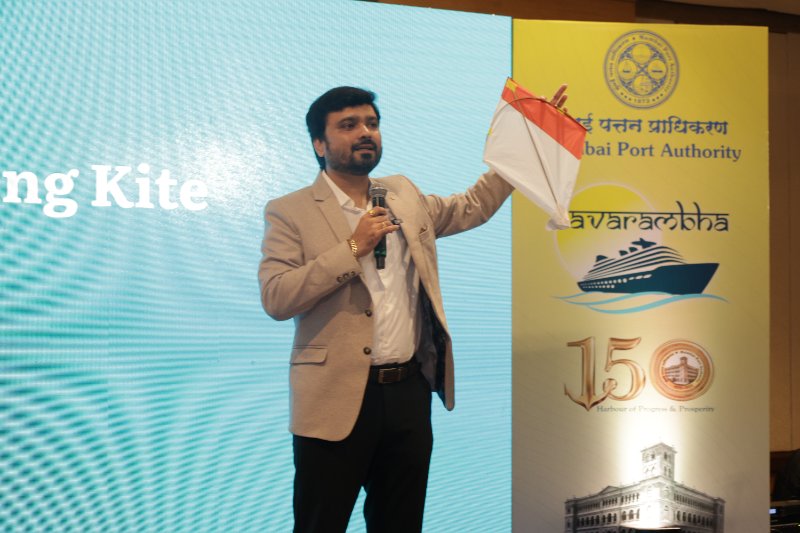
Why Avinash Chate
Avinash Chate is an entrepreneur and corporate trainer who runs ABC Trainings and The Future Corporate & Business Coaching, a TEDx speaker and published author. Over the last decade he has trained teams at 1,000-plus organisations and 15,000-plus professionals.
He teaches these skills not from a manual, but because he practises them himself — leading a 100-plus member team of his own. That is the difference working leaders feel in the room.
Difficult Conversations Training — FAQ
What is Difficult Conversations Training?
It is a practical programme that teaches people how to say the hard thing without wrecking the relationship. It builds the specific skills a tough talk actually needs — preparing properly by separating the facts from your story, opening without triggering defensiveness, staying steady when it gets emotional, listening your way to shared meaning, giving hard feedback that lands, and closing on a real commitment that gets followed up. Unlike generic communication theory, it is built around the actual conversations your people are avoiding right now, practised in the room until they feel able to have them.
Who should attend this training?
Managers, team leads, project and functional heads, HR and People partners, and senior leaders — anyone whose role requires raising performance, behaviour or conflict. It is at its most powerful when run as a team or cohort, so a whole group builds a shared language for honest, respectful conversation rather than the skill sitting with one person. It is equally valuable for first-line supervisors on the shop floor and for leaders setting the tone for candour across an entire organisation.
Why do capable people avoid difficult conversations?
Because avoidance is a rational response to a skill nobody taught them, not a character flaw. Under every hard conversation sit two fears — fear of the other person's reaction, and fear of damaging a relationship you have to keep working inside. So people default to a false choice: either say the hard thing and risk the relationship, or protect it and stay silent. The training's whole purpose is to reveal the third door — saying the hard thing in a way that strengthens the relationship instead of spending it — and to make that a learnable, practised skill.
What does the programme cover?
Seven connected modules: why we avoid the hard conversation and what the silence costs; preparing by untangling the facts, feelings and story; opening without triggering defensiveness; staying steady when it gets heated; listening and finding shared meaning; moving to commitment and follow-through; and extensive role-play practice on your people's real, live conversations. Every module pairs a short, usable model with practice on situations drawn from your own organisation.
How is the training delivered — and how long does it take?
It is highly interactive — role plays and real cases, with minimal lecture. The duration is flexible: the same programme runs as a half-day, a full day, a multi-day intensive for a leadership cohort, or a series of shorter modules spread over several weeks so people practise each skill on their own real conversations in between. It also works well as an ongoing quarterly rhythm. We shape the exact length and cadence with you. For 20 to 40 participants, sessions are organised into small batches so everyone practises out loud.
Is this the same as Crucial Conversations?
It draws on that thinking and on Crucial Conversations directly — alongside the Harvard classic Difficult Conversations, Nonviolent Communication and other established work — but it is not a branded, off-the-shelf course. The models are distilled into a few tools people can use immediately, and then the bulk of the time goes into practising your people's actual conversations. The value is not in the framework on the slide; it is in having the specific tough talk your team faces next week, in the room, until they can do it for real.
Is the programme customised to our organisation?
Yes. Before the first session, the examples and role-play scenarios are built around your context — your industry, your structure, and the real conversations your people are avoiding, from the under-performer to the difficult colleague to the boundary with a senior stakeholder. Generic communication training is exactly what fails here; the value is in rehearsing the actual conversations and reactions your people will face, not hypothetical ones.
Can it be delivered on-site, and in which languages?
Yes. Most engagements are across Maharashtra — Pune, Mumbai, Chhatrapati Sambhajinagar, Nashik, Nagpur and the surrounding MIDC industrial belts — and the programme is equally delivered pan-India and internationally on request. Delivery is available in English, Hindi and Marathi, or a natural mix, which matters especially when the hard conversations happen with first-line teams promoted from the floor.
What outcomes can we expect?
People who raise issues early and directly, while they are still small, instead of letting them fester into ultimatums and exits. Hard feedback that actually lands and changes behaviour, because it is delivered as observation rather than attack. Conflicts that get resolved rather than buried, and relationships that come out of a hard talk stronger, not weaker. Over time, a team culture where honesty and respect coexist — where difficult things get said out loud, kindly, before they become expensive.
Why Avinash Chate for this programme?
Avinash Chate is an entrepreneur and corporate trainer who runs a 100-plus member organisation and has these difficult conversations himself — so he teaches from lived experience, not theory. He is a TEDx speaker and author of The Winning Edge, creator of the KITE leadership framework, and has trained teams at 1,000-plus organisations including RBI, JSW Steel, BARC, the Indian Army and Ferrero. That combination of real operating experience and his own frameworks is what makes the skill stick for the people in the room.
Related Training Topics
Give your people the skill to say the hard thing — and keep the relationship
Turn the conversations everyone avoids into ones your people can actually have — the under-performer, the difficult colleague, the missed deadline, the hard feedback. On-site across Maharashtra, pan-India and internationally, in English, Hindi or Marathi.
Request a Proposal →