Assertiveness Training
The person who can't say no takes on the extra work, watches a louder voice get the credit, and resents it in silence.
Look closely at your team and you will find them: some of your most capable people are also your quietest. They take on the extra project because saying no feels impossible. They offer the right idea in a soft voice, then watch someone louder restate it and get called brilliant. They disagree in the meeting — and swallow it, only to stew on it for the rest of the week. Others swing the opposite way, mistaking volume for authority and leaving small bruises everywhere they go. Neither is a personality flaw. It is a missing skill — the ability to say what you think and need, clearly and respectfully, without shrinking or steamrolling. This programme builds exactly that skill.
★ 5.0 client rating · Across Maharashtra, pan-India & internationally · English, Hindi & Marathi
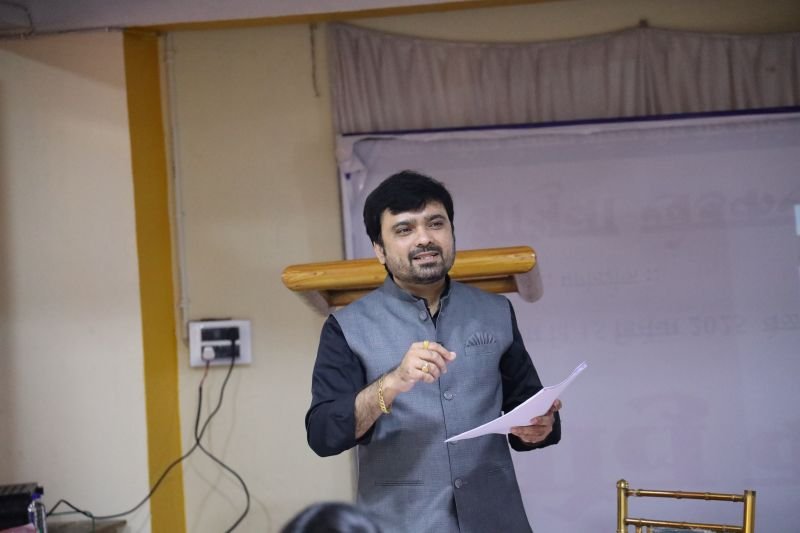
The Quiet Cost of People Who Can't Say No
Every organisation has them, and rarely notices the price. The dependable one who never refuses a request, so every overflow of work quietly flows to their desk. The sharp thinker who has the answer but says it too gently to be heard, and hands the credit — unasked — to whoever spoke over them. The specialist who knows a decision is wrong and lets it pass in the room, then vents about it in the corridor afterward. From the outside it all looks like harmony. Underneath, resentment is compounding at interest.
And it does not stay contained. The person who cannot decline burns out and starts eyeing the door. The one who is never heard stops offering ideas at all, and you lose the very judgement you promoted them for. Meanwhile the loud operator who runs on volume racks up a trail of quietly alienated colleagues nobody flags until an exit interview. What you are actually watching is a room full of capable adults who were never taught how to state a position and hold it — so they either disappear or dominate, and the honest, useful middle never gets spoken.
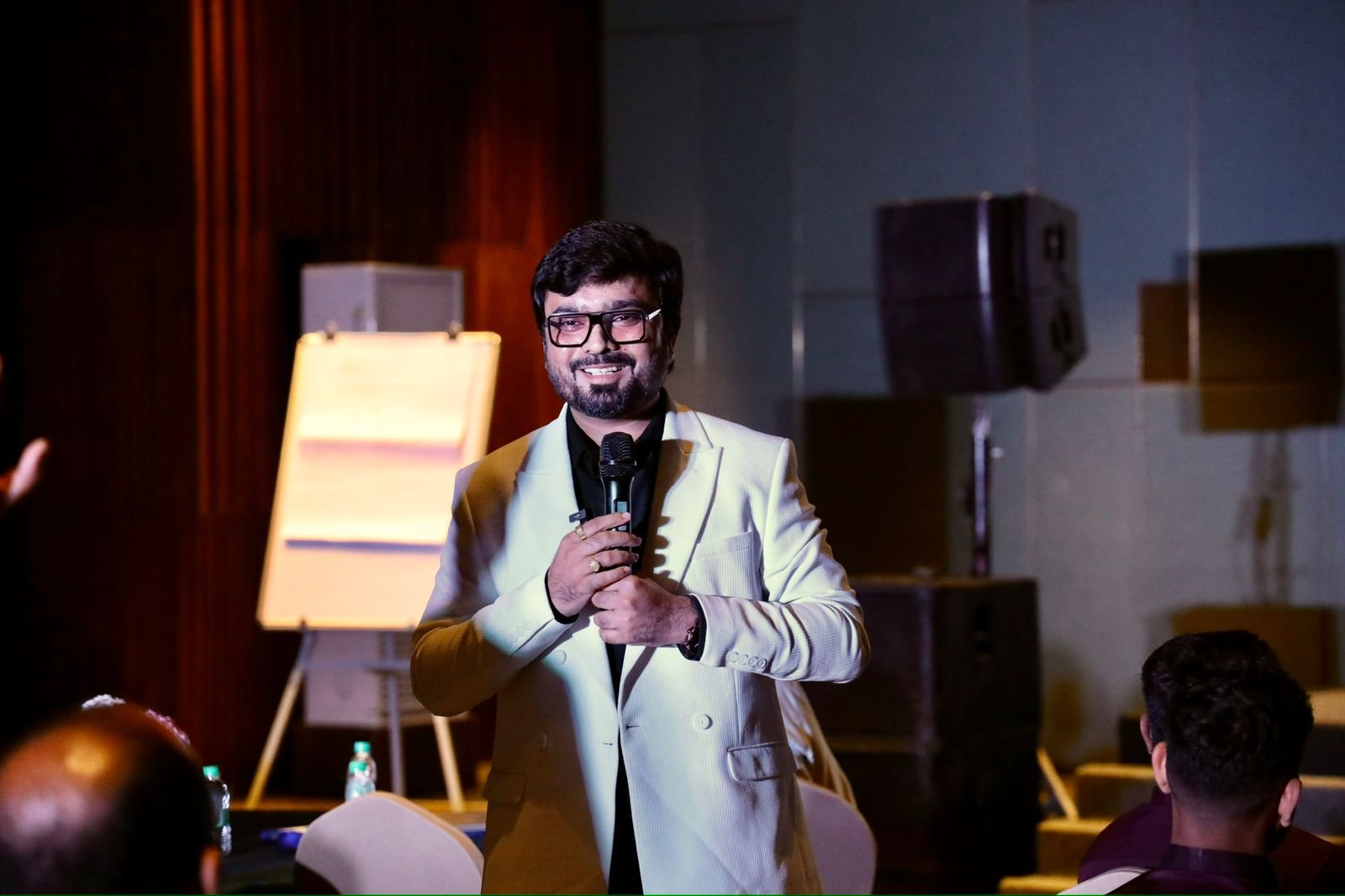
Why Capable People Go Silent — And Why It's a Skill, Not a Trait
Here is what gets mislabelled as shyness or arrogance: it is almost always a belief running underneath. The quiet ones are carrying an old rule — that saying no is selfish, that disagreeing is rude, that a good colleague keeps the peace at any cost — so they trade their own needs away and call it being nice. The loud ones are running the opposite rule — that if they soften, they lose — so they push. Both are protecting themselves from the same thing: the discomfort of a moment where someone might not be pleased with them. Neither has ever been shown a third option.
That third option is assertiveness — and, crucially, it is a learnable behaviour, not a temperament you are born with or without. It has a shape: state the situation, say what you feel and need, be specific about the ask, stay steady when the pushback comes. People who seem naturally confident are usually just running that pattern without naming it. This programme names it, breaks it into moves anyone can practise, and rehearses them until saying the honest thing — kindly and firmly — stops feeling like a risk and starts feeling like a habit.
Does This Sound Familiar?
If your most capable people are going quiet, over-committing, or pushing too hard, it is almost never a fixed personality you have to work around. It is a missing skill, and skills can be built. Here is what you are likely seeing, what it quietly costs, and exactly which part of the programme closes the gap.
| The symptom you see | What it is costing you | The real cause | How the programme fixes it |
|---|---|---|---|
| Your most reliable person can't say no, so all the overflow work lands on them | Your best people burn out and leave, while the workload never gets rebalanced | They believe refusing a request makes them a bad colleague, so they never do | The Saying No & Boundaries module — declining cleanly without guilt |
| Good ideas get raised too softly, then restated by someone louder who takes the credit | You lose the judgement you hired, and the quiet thinker stops contributing at all | They were never taught to state a view with enough clarity and steadiness to be heard | The Stating a View & Disagreeing module — being heard in the room |
| People agree in the meeting and disagree in the corridor afterward | Decisions get quietly undermined, and real objections surface far too late to use | Disagreeing to someone's face feels unsafe, so honest dissent goes underground | The Stating a View & Disagreeing module — respectful dissent, on the spot |
| People never ask for what they need — the time, the help, the raise — and then resent not getting it | Frustration builds, good people feel undervalued, and quiet resignations follow | Asking feels like an imposition, so needs stay unspoken until they curdle | The Asking For What You Need module — making a clear, confident request |
| A guilt-trip, a raised voice or a "you're being difficult" is enough to make them fold | Boundaries collapse under pressure, and the most persistent person always wins | They have no technique for holding a position when the other side pushes back | The Handling Pushback & Manipulation module — staying steady under pressure |
What Changes When Your People Can Speak Up — Cleanly
Picture the quiet, capable ones finally sounding like the experts they are. Declining an unreasonable ask without a knot in the stomach and without a burnt bridge. Putting an idea on the table clearly enough that it lands with their name still on it. Disagreeing in the room, respectfully, so the objection is actually useful instead of leaking out afterward. Asking for the time, the help or the raise in plain words — and being taken seriously for it.
And the ones who used to push their way through soften into something better: firm without being sharp, direct without leaving bruises. What you get is a team that says the honest, useful thing to each other's faces — fewer silent resentments, fewer corridor conversations, fewer good people quietly deciding to leave. Candour stops being a risk people avoid and becomes the normal way work gets done.
What Your People Will Be Able to Do
- ✓ Tell the difference between passive, aggressive and assertive — and reliably choose the third
- ✓ Catch and rewrite the beliefs ("saying no is selfish", "disagreeing is rude") that keep them silent
- ✓ Say no and set a boundary cleanly — without guilt, over-explaining, or damaging the relationship
- ✓ State a view and disagree respectfully in the moment, so objections are heard and useful
- ✓ Ask for what they need — time, help, resources, a raise — in clear, confident, specific language
- ✓ Hold their position under pushback, guilt-trips and manipulation without folding or escalating
- ✓ Use "I" statements, the broken-record technique and fogging to stay steady in hard exchanges
What the Programme Covers
Seven connected modules that move a capable, quiet — or over-forceful — professional to genuinely assertive. Every module pairs a short, usable model with real practice on the exact situations your people face, and ends with a concrete change in how they speak up.
These are building blocks, not a fixed-length course. A two-hour session goes deep on the two or three that matter most to you; a half or full day covers more; a multi-day intensive — or an ongoing monthly, quarterly or half-yearly rhythm — works through them all, with far more practice. We shape which ones, in what order and how deep, with you.
Passive, Aggressive, Assertive — and Why Assertive Wins
What we cover: The three ways people handle a moment of tension: going quiet and complying, pushing and dominating, or stating things clearly and respectfully. Why passivity breeds resentment and aggression breeds resistance — and how both quietly cost the relationship and the result. What assertiveness actually looks and sounds like, and the crucial line between being assertive and being aggressive. Spotting your own default under stress, and the passive-aggressive middle where unspoken frustration leaks out sideways.
What changes: Participants can name what they usually do in a charged moment — and consciously choose the assertive response instead of their reflex.
The Beliefs That Keep People Silent
What we cover: The hidden rules that make speaking up feel dangerous: that saying no is selfish, that disagreeing is disrespectful, that a good person keeps everyone comfortable, that having needs is a burden. Where these beliefs come from and how they quietly run the show. The difference between your rights and your fears. Replacing "if I speak up I'll be seen as difficult" with a fairer, truer script — so the internal permission to be assertive is there before the words are needed.
What changes: Participants surface the specific belief that silences them and rewrite it, removing the inner brake before they ever open their mouth.
Saying No and Setting Boundaries — Without the Guilt
What we cover: Why capable people say yes to things they resent, and the real cost of a boundary that never holds. Saying no cleanly — briefly, respectfully, without a paragraph of justification or apology. Declining the request while keeping the relationship. Offering an alternative when you want to, and holding firm when you don't. Setting a boundary and maintaining it when it is tested, so your no actually means no the second time it is asked.
What changes: Participants can decline an unreasonable ask and hold a boundary without the guilt, the over-explaining, or the damaged relationship.
Stating a View and Disagreeing Respectfully
What we cover: Putting an idea on the table clearly enough that it is heard — and stays attributed to you. Speaking up in a meeting where louder voices dominate. Disagreeing to someone's face, on the spot, without it becoming a fight or a retreat. Separating the position from the person, so an objection lands as useful rather than personal. Standing your ground on the substance while staying warm on the relationship — the move that stops dissent leaking into the corridor afterward.
What changes: Participants say the honest, useful thing in the room — disagreeing when needed — so their judgement is heard instead of swallowed.
Asking For What You Need — Time, Help, a Raise
What we cover: Why people leave their needs unspoken until they curdle into resentment. Making a clear, specific request instead of hinting, hoping or hoping-someone-notices. Asking for time, for help, for resources, for the credit — and for a raise or a role — in plain, confident language. Naming what you want without apologising for wanting it. Handling a no without collapsing, and knowing when and how to ask again.
What changes: Participants ask for what they need directly and confidently — so needs get met, and resentment never gets the chance to build.
Handling Pushback, Guilt-Trips and Manipulation
What we cover: What to do when the other person pushes — pressure, a raised voice, "you're being difficult", the guilt-trip, the charm offensive, the wearing-down. Staying steady instead of folding or escalating. The broken-record technique for holding a position through repeated pressure. Fogging to absorb criticism without caving. Recognising manipulation for what it is and stepping out of the pattern, calmly, without becoming aggressive yourself.
What changes: Participants keep their position under real pressure — guilt-trips, persistence and manipulation no longer make them cave.
Practice — Role-Playing Your Real Situations
What we cover: Live role plays on the exact moments each participant dreads: the boss who keeps piling on work, the colleague who talks over them, the decision they know is wrong, the overdue conversation about a raise, the persistent request they always cave to. Practised in the room, on real situations from your own workplace, with coaching until the assertive response feels natural rather than scripted.
What changes: Participants leave having already spoken up in their hardest real situation once, in safety — so the actual moment, days later, no longer freezes them.
How It Is Delivered
This is not a lecture about confidence. It is a workshop where people practise being assertive, out loud, on the situations that actually make them clam up or push too hard. Participants spend most of their time on their feet — saying no, disagreeing in the room, asking for the raise, holding a boundary under pressure — using real scenarios from their own workplace. The models are kept simple and immediately usable; the practice, and the honest feedback in the room, is where the change is built.
The format flexes to your needs. It runs as a focused half-day, a full-day workshop, a multi-day intensive, or a series of shorter modules spread across several weeks so each skill is practised and then brought back to real work — and it makes a strong ongoing rhythm, run each time a new cohort needs it. For 20 to 40 participants it is organised into small batches so every person practises, not just watches. The exact depth, duration and cadence are shaped with you in the design call.
Formats That Fit Your Calendar
Half-day or full-day workshop
A high-impact session to shift a group quickly — ideal for a team where quiet capable people are being talked over, or over-committing and burning out.
Multi-day intensive
Two or more days to go deep — room to rehearse saying no, disagreeing and asking for what you need across many real scenarios until the habit sticks.
Modular series across several weeks
Shorter sessions with real work in between, so each skill — the clean no, the respectful disagreement, the clear ask — is practised on live situations and reviewed.
An ongoing assertiveness rhythm
Run it for each new cohort or team that needs it — making assertive, respectful communication a permanent part of how your people work together.
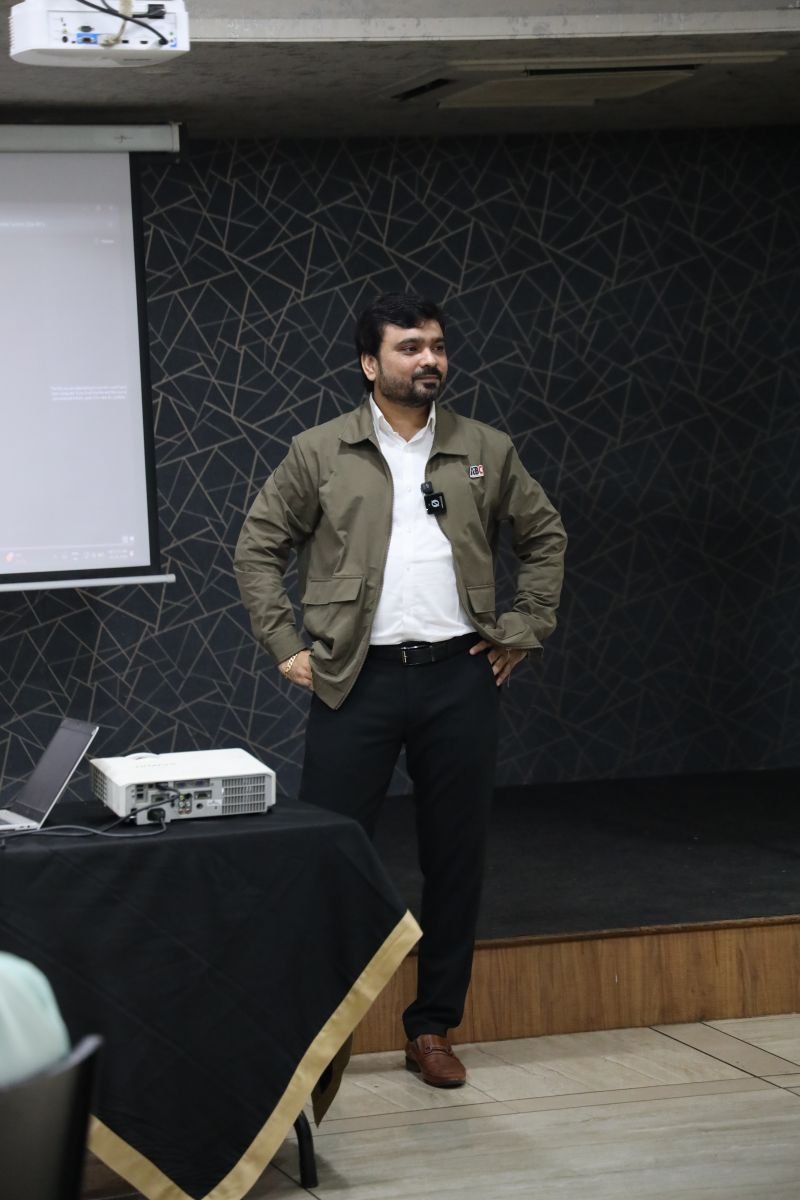
The Thinking Behind It
This programme is not a generic confidence deck. It draws on the best writing and research on assertiveness and boundaries — distilled into a few models people can use the same afternoon — and then goes further, into the frameworks Avinash uses to develop candour and self-advocacy inside his own 100-plus member organisation.
Ideas & books we draw on
- When I Say No, I Feel Guilty — Manuel J. Smith · the classic that first named assertive rights and gave people techniques like the broken record and fogging
- Your Perfect Right — Robert Alberti & Michael Emmons · the foundational assertiveness text that drew the line between assertive, passive and aggressive
- The Assertiveness Workbook — Randy J. Paterson · a practical, exercise-driven guide that turns assertiveness from an idea into a rehearsed skill
- Boundaries — Henry Cloud & John Townsend · why saying no is not selfish — the case for boundaries that protect people and relationships alike
- Set Boundaries, Find Peace — Nedra Glover Tawwab · a modern, plain-spoken playbook for naming and holding boundaries without the guilt
- Not Nice — Aziz Gazipura · a sharp look at how chronic niceness becomes self-betrayal — and how to speak up instead
Models we use to build assertiveness
- The passive–assertive–aggressive continuum · three ways to handle tension, and why the assertive middle is the one that works
- The DESC script (Describe–Express–Specify–Consequences) · a four-step structure for raising something difficult clearly and respectfully
- "I" statements · owning your view and need — "I think", "I need" — instead of blaming or hinting
- The broken-record technique · calmly repeating your position so persistence and pressure stop working
- Fogging · absorbing criticism without caving or escalating — agreeing with what's true, holding the rest
And Avinash's own frameworks — the part you won't find anywhere else
Beyond the established thinking, the programme is built on frameworks Avinash has created and written about himself — including his KITE leadership framework and the principles in his book The Winning Edge. These come from actually running a 100-plus member organisation and developing its people year after year, not from a textbook. It is the layer competitors cannot copy, and the one your professionals remember long after the session ends.
Who It Is For
Anyone whose effectiveness is being throttled by how they handle tension — the capable, conscientious people who over-commit and get talked over, the specialists whose judgement never quite gets heard, the managers who avoid the hard ask, and the forceful operators who need to trade some volume for respect. It is especially powerful run as a team, so a shared language of clean, respectful candour takes hold at once. In technical, engineering and shop-floor settings — where the sharpest person is often the quietest — it is the skill that finally gets their expertise into the room.
Taught by Someone Who Runs on Candour, Not Theory
Avinash Chate does not teach this from a textbook. He runs a 100-plus member organisation where saying the honest thing — kindly and directly — is how the work gets done, so the boundaries, disagreements and asks taught here are the real thing, tested in his own business. Programmes that build assertive, respectful communication have been delivered across sectors, from manufacturing floors where the best engineer is often the quietest voice, to IT, sales and services teams where the ability to say no, push back and ask clearly decides who gets heard.
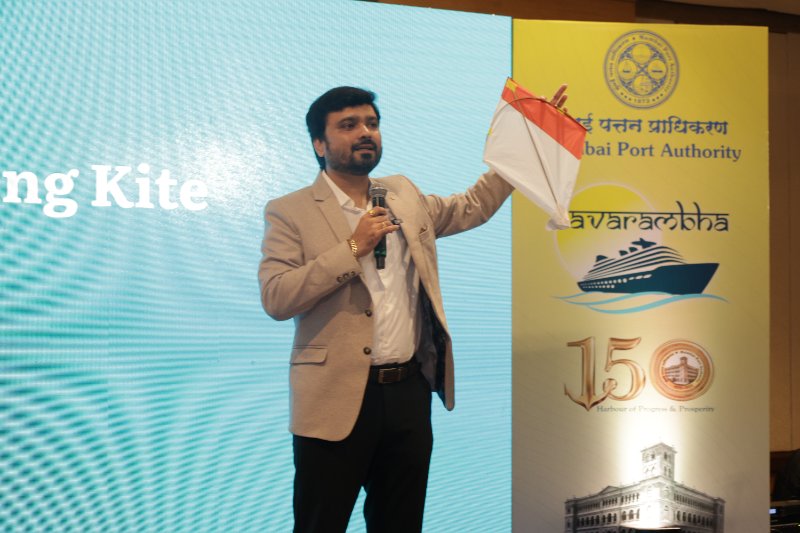
Why Avinash Chate
Avinash Chate is an entrepreneur and corporate trainer who runs ABC Trainings and The Future Corporate & Business Coaching, a TEDx speaker and published author. Over the last decade he has trained teams at 1,000-plus organisations and 15,000-plus professionals.
He teaches these skills not from a manual, but because he practises them himself — leading a 100-plus member team of his own. That is the difference working leaders feel in the room.
Assertiveness Training — FAQ
What is Assertiveness Training?
It is a practical programme that teaches people to say what they think and need — clearly and respectfully — without shrinking or steamrolling. It builds the specific skills most people were never taught: saying no and setting boundaries without guilt, stating a view and disagreeing in the room, asking directly for what you need, and holding your position under pushback and guilt-trips. Unlike a generic confidence talk, it is built around the real, awkward situations your people freeze in, practised out loud until the assertive response feels natural.
Who should attend this training?
Two groups benefit most, and often sit in the same room. First, the capable, conscientious people who go quiet — who can't say no, get talked over, and quietly resent it. Second, the more forceful communicators who need to trade some volume for respect. It suits individual contributors, specialists, managers and leaders alike, and it is at its most powerful run as a team, so a shared habit of clean, respectful candour takes hold together.
Isn't assertiveness just a personality — either you have it or you don't?
No, and that assumption is exactly what keeps capable people stuck. Assertiveness is a learnable behaviour with a clear shape: state the situation, say what you feel and need, be specific about the ask, and stay steady when the pushback comes. People who seem naturally confident are usually just running that pattern without naming it. We name it, break it into moves anyone can practise, and rehearse them until speaking up honestly — kindly and firmly — stops feeling like a risk and becomes a habit.
What is the difference between assertive and aggressive?
Assertive means stating your view, your need or your no clearly and respectfully, while still regarding the other person's rights. Aggressive means getting your way by overriding, pressuring or diminishing them. The distinction is central to the programme, because people who fear "coming across as aggressive" often go silent instead — and people who mistake volume for authority need to see the line clearly. We teach how to be firm and direct while staying warm on the relationship, which is the whole point of being assertive rather than either passive or aggressive.
What does the programme cover?
Seven connected modules: the difference between passive, aggressive and assertive and why assertive wins; the beliefs that keep people silent; saying no and setting boundaries without guilt; stating a view and disagreeing respectfully; asking for what you need — time, help, a raise; handling pushback, guilt-trips and manipulation; and extensive role-play practice on your people's real situations. Every module pairs a short, usable model with practice on scenarios drawn from your own workplace.
How is the training delivered — and how long does it take?
It is highly interactive — role plays and real situations, with minimal lecture. The duration is flexible: the same programme runs as a half-day, a full day, a multi-day intensive, or a series of shorter modules spread across several weeks with real practice in between, and it works well as an ongoing rhythm for each new cohort that needs it. We shape the exact length and cadence with you. For 20 to 40 participants, sessions are organised into small batches so everyone practises, not just listens.
Is the programme customised to our organisation?
Yes. Before the first session, the examples and role-play scenarios are built around your context — your industry, your structure, and the real situations your people freeze in, from the shop floor to the boardroom. Generic assertiveness training is exactly what fails; the value is in practising the actual no, the actual disagreement, the actual ask your people will face next week — in their own words, on their own situations.
Can it be delivered on-site, and in which languages?
Yes. Most engagements are across Maharashtra — Pune, Mumbai, Chhatrapati Sambhajinagar, Nashik, Nagpur and the surrounding MIDC industrial belts — and the programme is equally delivered pan-India and internationally on request. Delivery is available in English, Hindi and Marathi, or a natural mix, which matters especially where the sharpest technical people are often the least comfortable speaking up in a second language.
What outcomes can we expect?
People who say no without burning out, put their ideas forward clearly enough to keep the credit, disagree in the room instead of the corridor, and ask for what they need before it curdles into resentment. Forceful communicators who become firm without leaving bruises. And, over time, a team that says the honest, useful thing to each other's faces — with fewer silent resentments, fewer good people quietly deciding to leave, and candour as the normal way work gets done.
Why Avinash Chate for this programme?
Avinash Chate is an entrepreneur and corporate trainer who runs a 100-plus member organisation built on clear, respectful candour — so he teaches assertiveness from lived practice, not theory. He is a TEDx speaker and author of The Winning Edge, creator of the KITE leadership framework, and has trained teams at 1,000-plus organisations and more than 15,000 professionals. That mix of real operating experience and his own frameworks is what quiet, capable people — and the leaders who want to keep them — respond to.
Related Training Topics
Give your quiet, capable people a voice — and your forceful ones some finesse
Assertiveness Training that teaches your people to say no, set boundaries, disagree respectfully and ask for what they need — without shrinking or steamrolling. On-site across Maharashtra, pan-India and internationally, in English, Hindi or Marathi.
Request a Proposal →