Problem Solving & Decision Making Training
They reach for a solution before anyone has said, out loud, what the actual problem is.
Sit quietly in the room the next time your team hits a real problem, and watch how the decision actually gets made. Someone names a symptom; three people are already proposing fixes before anyone has asked what is truly going wrong. A patch goes in, the meeting ends, everyone exhales — and six weeks later the same trouble is back wearing a slightly different face, because the thing that got treated was never the thing that was broken. Or the call simply defaults to whoever is loudest, or to the most senior gut in the room, and then the next several months are spent quietly defending a decision that was made in an afternoon on a hunch. None of this is a people problem. These are good, capable people running a poor process — and clear-headed problem-solving and de-biased decision-making are not talents you are born with. They are methods, and this programme teaches them.
★ 5.0 client rating · Across Maharashtra, pan-India & internationally · English, Hindi & Marathi
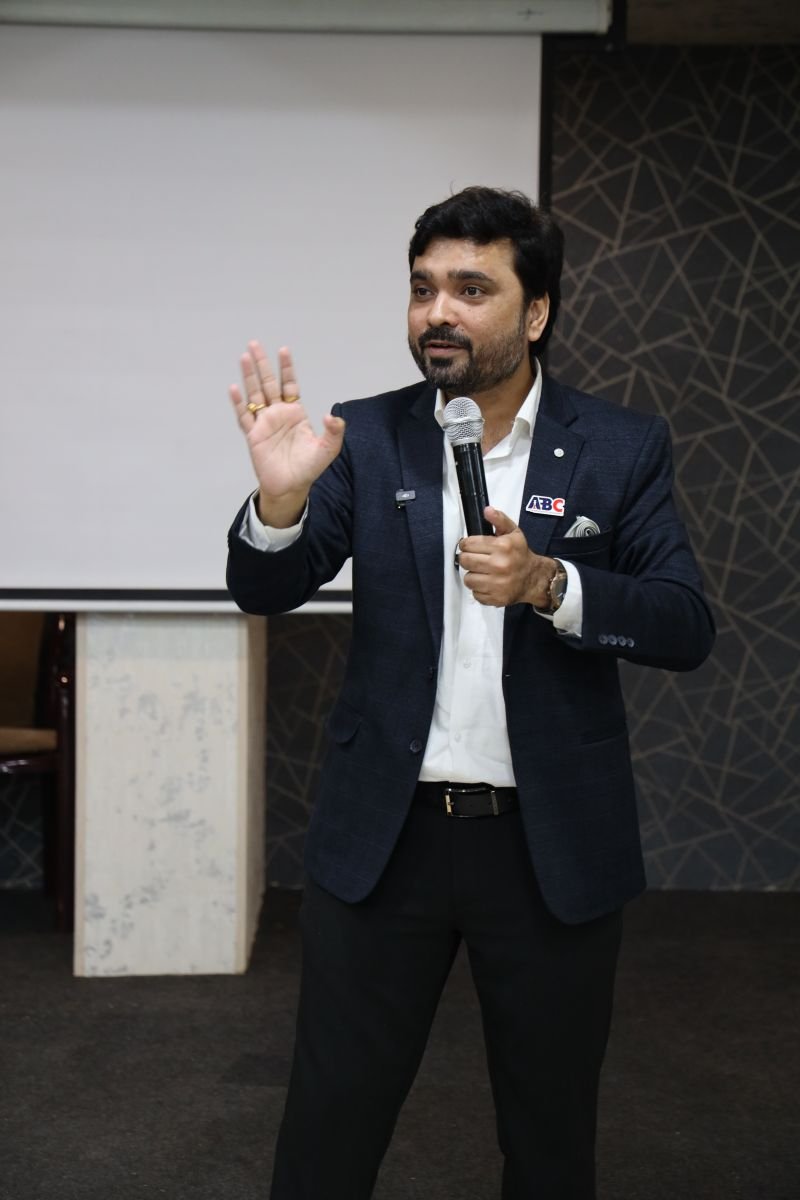
The Rush to Solve — and the Problem That Keeps Coming Back
There is a particular restlessness that takes over a team the moment a problem appears: the itch to do something. It feels like competence — decisive, action-oriented, no time wasted. But watch closely and you will see the same failure repeat. The problem is never actually defined; the first plausible cause is grabbed as if it were the only one; the symptom right on the surface gets treated while the cause underneath is left untouched. So the fix works for a fortnight and then unravels, and the team, mistaking motion for progress, patches it again. A quarter later they have solved the same problem four times and it is still there.
And the way the big calls get made is quietly worse. The option someone thought of first becomes the option everyone rallies behind, not because it is best but because it arrived first and now has momentum. The loudest advocate carries the room. The most senior person's instinct settles it, and no one wants to be the one who pushed back. The trouble is that a decision made this way cannot really be examined — there were never any clear criteria, no honest weighing of alternatives, nothing to check the call against later. So when it starts to go wrong, the response is not to revisit it but to defend it, month after month, throwing good effort after a choice that a single hour of structure would have caught.
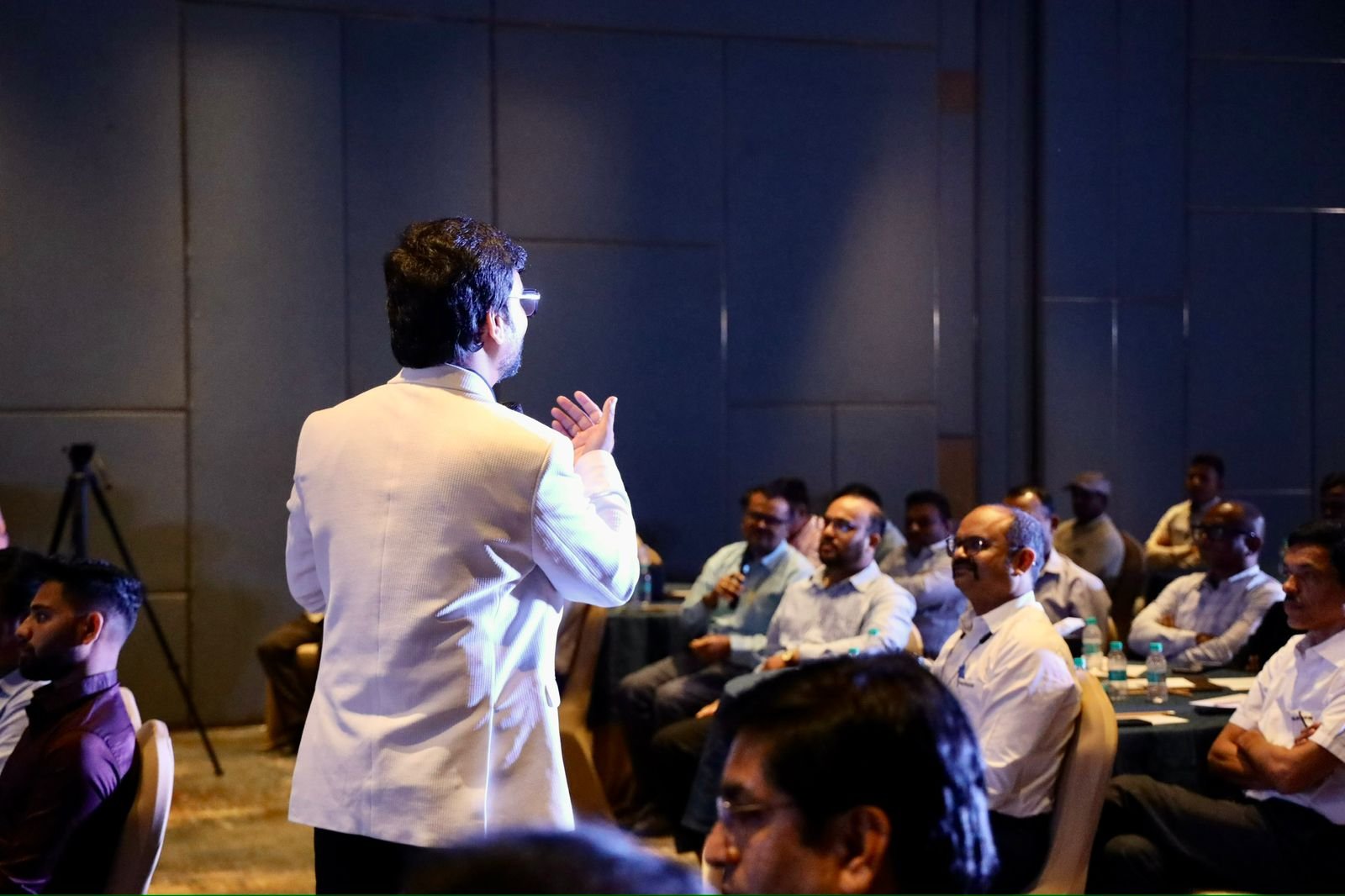
Why Smart People Decide Badly — And Why It Is Entirely Fixable
Here is the uncomfortable part: the failures above have almost nothing to do with intelligence and almost everything to do with the absence of a method. Under pressure, the human mind takes shortcuts. It anchors on the first number it hears; it seeks out what confirms the view it already holds and quietly ignores what would challenge it; it treats the most vivid or recent event as the most likely; it mistakes a confident voice for a correct one. These are not the flaws of weak thinkers — they are the default settings of every thinker, the very things a bright, busy team is most prone to because it moves fast and trusts its instincts. Left unchecked, they turn capable people into a group that guesses confidently and calls it judgement.
The good news is that structured thinking is precisely the countermeasure, and it is completely learnable. Defining the real problem before solving it, driving to root cause instead of stopping at the symptom, breaking a tangled question into a clean tree of parts, weighing options against explicit criteria rather than gut feel, and deliberately checking a decision against the biases that distort it — these are disciplines, not gifts. They can be taught, practised and made routine. This programme gives your team those disciplines and the reps to build them, so that the next hard problem is not guessed at but worked — and the next big decision is not defended for months but made well the first time.
Does This Sound Familiar?
If your team is quick to act and slow to get problems to actually stay solved, it is almost never a shortage of ability — it is a missing method. Here is what you are likely seeing, what it is quietly costing, and exactly which part of the programme fixes it.
| The symptom you see | What it is costing you | The real cause | How the programme fixes it |
|---|---|---|---|
| The team jumps to a solution before anyone has defined what the problem actually is | Effort pours into fixing the wrong thing; the real problem stays untouched | No shared discipline for framing a problem — the first plausible fix is grabbed as the answer | The Defining the Real Problem module — framing before solving |
| The same problem keeps coming back a few weeks after it was "solved" | You pay to fix the identical issue over and over, and trust in fixes erodes | The visible symptom got treated while the underlying cause was never found | The Getting to Root Cause module — 5 Whys and fishbone |
| A big, tangled problem stalls because no one can break it into workable parts | Analysis sprawls, the team spins, and the question is never actually answered | No method for structuring a problem into a clean, testable set of sub-questions | The Structuring the Problem module — issue trees and hypotheses |
| The loudest voice or the most senior gut decides, and everyone else goes along | Better options never get a hearing; a hunch gets defended for months as if it were a verdict | Decisions are made on advocacy and instinct, with no explicit criteria to weigh options against | The Making the Decision module — criteria, matrices and trade-offs |
| Confident decisions quietly go wrong in ways that, in hindsight, were predictable | Costly missteps that a moment of structured doubt would have caught before commitment | The team is anchored, over-confident and seeking only confirming evidence — the normal biases, unchecked | The Biases That Wreck Decisions module — spotting and countering them |
What Changes When Your Team Stops Guessing and Starts Getting It Right
Picture the same team meeting the next hard problem. Before anyone proposes a fix, someone quietly asks the question that used to get skipped — what is the actual problem here? — and the room defines it properly before spending a rupee of effort on it. The cause is driven down to the root, so the fix that goes in this time actually holds and the issue does not return next month wearing a disguise. A sprawling question gets broken cleanly into parts, worked one branch at a time, and answered instead of endlessly circled.
And the big decisions change most of all. Options get laid on the table and weighed against criteria everyone can see, so the best one wins on merit rather than volume or rank. Someone in the room names the anchor, the confirmation-seeking, the over-confidence — and the team course-corrects before it commits, not months after. The choice, once made, can be explained and stood behind, because the reasoning is right there. You stop paying to solve the same problem four times and stop defending decisions that should never have been made the way they were. Good people, finally running a good process — and getting it consistently right.
What Your Team Will Be Able to Do
- ✓ Define the real problem before rushing to solve it — separating the symptom on the surface from the problem underneath
- ✓ Drive a problem to its root cause with the 5 Whys and the fishbone, so a fix actually holds
- ✓ Structure a tangled question into a clean, testable issue tree and work it hypothesis-first
- ✓ Generate a genuinely wide set of options — and evaluate them against explicit criteria, not gut feel
- ✓ Make a clear decision using criteria, a weighted matrix and honest trade-offs — and be able to defend it
- ✓ Spot and counter the cognitive biases — anchoring, confirmation, over-confidence and the rest — that quietly wreck decisions
- ✓ Match the approach to the problem — knowing when to analyse, when to probe and experiment, and when to act
What the Programme Covers
Seven connected modules that take a team from confident guessing to structured, de-biased thinking. Every module pairs a sharp, immediately usable method with real practice on the kind of problems and decisions your organisation actually faces — and ends with a concrete change in how the team thinks and decides.
These are building blocks, not a fixed-length course. A two-hour session goes deep on the two or three that matter most to you; a half or full day covers more; a multi-day intensive — or an ongoing monthly, quarterly or half-yearly rhythm — works through them all, with far more practice. We shape which ones, in what order and how deep, with you.
Defining the Real Problem Before Solving It
What we cover: Why the rush to a solution is the single most expensive habit in the room, and how to interrupt it. Separating the symptom you can see from the problem underneath it. Writing a sharp, agreed problem statement before any effort is spent — what is actually wrong, for whom, and how you would know it is solved. Framing the problem more than one way, because how a problem is framed silently decides which solutions ever get considered. Naming what is in scope and what is not.
What changes: The team stops solving the wrong problem quickly and starts solving the right problem deliberately — the discipline every later module depends on.
Getting to Root Cause — The 5 Whys and the Fishbone
What we cover: Why a fix that treats the symptom always comes back, and how to reach the cause that actually holds. The 5 Whys — asking "why" past the first comfortable answer until the true driver appears. The Ishikawa fishbone for mapping the many contributing causes across people, process, materials, methods and environment. Telling a genuine root cause from a convenient scapegoat. Testing a suspected cause against the evidence before acting on it, rather than assuming.
What changes: The team fixes the cause instead of the symptom, so the problem stays solved — and stops reappearing in a new disguise a month later.
Structuring the Problem — Issue Trees and Hypotheses
What we cover: How to take a large, tangled question and break it into a clean tree of parts that do not overlap and leave nothing out. Building an issue tree so the analysis is exhaustive without being repetitive. Working hypothesis-first — starting with a likely answer and testing it — instead of boiling the ocean with endless undirected analysis. Deciding what evidence would confirm or kill each branch, and spending the effort only where it changes the answer.
What changes: The team turns a problem too big to hold in one head into a structured set of questions it can actually work — and answer.
Generating and Evaluating Options
What we cover: Why the first option a team thinks of is almost never the best, and how to widen the field before narrowing it. Separating the generating of options from the judging of them, so good ideas are not killed before they are fully formed. Deliberately searching for more than the obvious two choices — including the option no one has said out loud. Then evaluating honestly: what each option costs, what it risks, what it assumes, and how it would fare if things did not go to plan.
What changes: The team decides between a genuinely strong set of options rather than defending the first idea that arrived — and stops mistaking "an" answer for the best one.
Making the Decision — Criteria, Matrices and Trade-offs
What we cover: How to turn a pile of options into a single defensible choice. Agreeing the criteria that actually matter before comparing options, so the decision is not quietly bent to a favourite. Using a weighted decision matrix to weigh competing options against those criteria in the open. Naming the trade-offs honestly instead of pretending a choice is free. Knowing how much rigour a decision deserves — and being able to explain, afterwards, exactly why the call was made.
What changes: The team makes decisions on merit and in the open — a choice it can stand behind and defend, instead of a hunch it has to protect.
The Biases That Wreck Decisions — And How to Counter Them
What we cover: The predictable ways a capable mind fools itself, and the concrete habits that guard against them. Anchoring on the first number or idea in the room. Confirmation bias — hunting for what proves you right and ignoring what would prove you wrong. Over-confidence and the illusion that a strong feeling is strong evidence. Sunk cost, groupthink and the pull of the loudest or most senior voice. Practical counters: seeking the disconfirming case, running a pre-mortem, appointing a devil's advocate, deciding the criteria before seeing the options.
What changes: The team can name the bias in the room and correct for it before committing — turning invisible traps into things it routinely checks for.
Practice — Solving a Real Problem End to End
What we cover: A working session on a live problem drawn from your own organisation — a recurring failure, a decision the team has been putting off, a question that keeps getting re-litigated. Participants run the whole arc: define the real problem, drive it to root cause, structure it into an issue tree, generate and evaluate options, weigh them against agreed criteria, and stress-test the emerging decision against the biases most likely to distort it — producing a clear, defensible call on something that genuinely matters, with real stakes and real constraints.
What changes: The team walks out having taken a real problem all the way from confusion to a defensible decision — turning the methods into a habit on a call that counts.
How It Is Delivered
This is not a lecture on decision theory admired from a safe distance. It is a working session where the team does the thinking — on real problems, out loud, in front of each other. They define an actual problem, drive it to root cause with the 5 Whys and the fishbone, build a live issue tree, weigh real options in a decision matrix and then deliberately hunt for the biases distorting their own reasoning while their peers pressure-test the call. The methods are kept sharp and immediately usable; the value is in the reps — practising structured problem-solving and de-biased decision-making on questions that genuinely matter, until working a problem, rather than guessing at it, becomes the team's reflex.
The format flexes to your needs. It runs as a focused half-day to fix how a group frames and works a problem, a full-day workshop, a multi-day intensive for a team or leadership cohort building the discipline together, or a modular series spread across a quarter so each method is practised and then brought back to real decisions between sessions — and it works powerfully as an ongoing rhythm, revisited whenever the stakes are high. For 20 to 40 participants it is organised into small groups so every person thinks, argues and decides, not just listens. The exact depth, duration and cadence are shaped with you in the design call.
Formats That Fit Your Calendar
Half-day or full-day workshop
A high-impact session to break the rush-to-solve habit and give a group the core disciplines of structured problem-solving and clear decision-making — ideal before a big decision or a problem-heavy stretch.
Multi-day intensive
Two or more days to go deep — perfect for a team or leadership cohort building analytical and decision-making muscle together before they take on higher-stakes calls.
Modular series across a quarter
Shorter sessions spread over a quarter, so each method — defining the problem, root-cause analysis, issue trees, weighing options, countering bias — is practised and then applied to a live problem between sessions.
An ongoing problem-solving rhythm
Revisited whenever a consequential problem or decision lands, making structured thinking a permanent habit across the team rather than a one-off event.
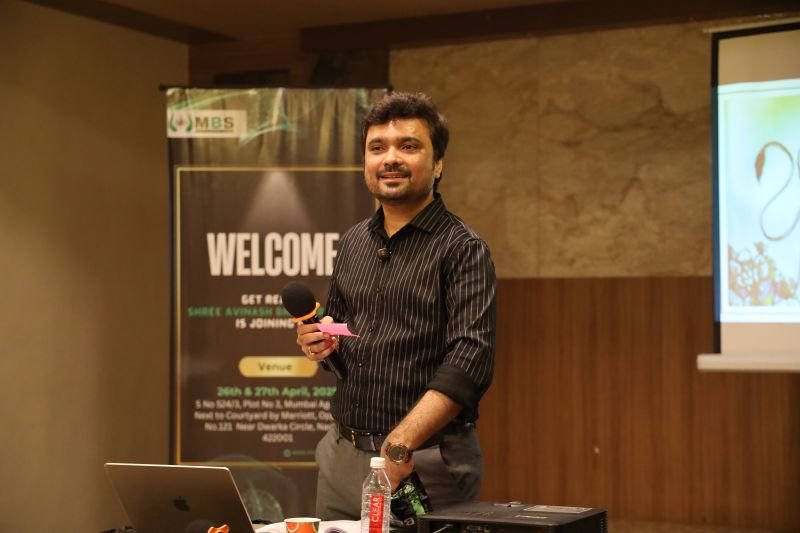
The Thinking Behind It
This programme is not a generic critical-thinking deck. It draws on the sharpest writing on judgement, problem-solving and decision-making — distilled into a few methods your team can use the same afternoon — and then goes further, into the frameworks Avinash uses to make and sharpen decisions across his own 100-plus member organisation.
Ideas & books we draw on
- Thinking, Fast and Slow — Daniel Kahneman · the definitive map of the two systems behind every judgement — and the biases that quietly distort the fast one
- Decisive — Chip Heath & Dan Heath · a practical four-step process for making better choices, built to defeat the villains that sabotage decisions
- Superforecasting — Philip Tetlock & Dan Gardner · what the best forecasters actually do — thinking in probabilities and updating on evidence instead of defending a first guess
- The Art of Thinking Clearly — Rolf Dobelli · a field guide to the cognitive errors that wreck everyday decisions, one sharp chapter at a time
- Bulletproof Problem Solving — Charles Conn & Robert McLean · the structured, issue-tree-and-hypothesis method that turns a tangled problem into a solvable one
- Smart Choices — John S. Hammond, Ralph L. Keeney & Howard Raiffa · the classic on deciding well by getting clear on objectives, alternatives and trade-offs before you choose
Models we use to decide well
- The 5 Whys / root-cause analysis (Ishikawa fishbone) · asking "why" past the comfortable answer, and mapping every contributing cause, until the real driver appears
- Issue trees / hypothesis-driven problem solving · breaking a big question into non-overlapping parts and testing a likely answer instead of boiling the ocean
- The Cynefin framework · telling clear, complicated, complex and chaotic problems apart — so you match the approach to the kind of problem
- A weighted decision matrix · scoring options against agreed criteria in the open, so the best choice wins on merit rather than volume
- The OODA loop · observe, orient, decide, act — deciding and adapting fast when the situation will not wait for perfect analysis
- Guarding against cognitive biases · pre-mortems, devil's advocates and seeking the disconfirming case to counter anchoring, confirmation and over-confidence
And Avinash's own frameworks — the part you won't find anywhere else
Beyond the established thinking, the programme is built on frameworks Avinash has created and written about himself — including his KITE leadership framework and the principles in his book The Winning Edge. These come from actually running a 100-plus member organisation and developing its people year after year, not from a textbook. It is the layer competitors cannot copy, and the one your teams remember long after the session ends.
Who It Is For
Teams and leaders who need to solve harder problems and make higher-stakes decisions without defaulting to guesswork — functional and project teams, department and business-unit heads, analysts and managers whose work is one judgement call after another, and the high-potentials you are grooming to own bigger decisions. It is especially powerful run as a team or a cohort, so a whole group builds one shared language for framing a problem, driving to root cause and weighing a choice in the open. On shop floors and in operations, quality, engineering and service teams, it is the programme that turns recurring firefights into problems that get defined, worked and actually put to rest.
Taught by Someone Who Makes These Decisions in His Own Business
Avinash Chate does not teach this from a textbook. He runs a 100-plus member organisation and makes the real calls himself — defining the actual problem, driving a recurring failure to its root, weighing options against honest criteria and catching his own biases before they cost him — so the methods taught here are tested where it matters, not just on a whiteboard. Programmes that build structured problem-solving and decision-making have been delivered across sectors, from manufacturing and MIDC industrial belts where a recurring defect must be traced to its true cause, to IT, BFSI and services teams learning to decide clearly under pressure instead of on instinct.
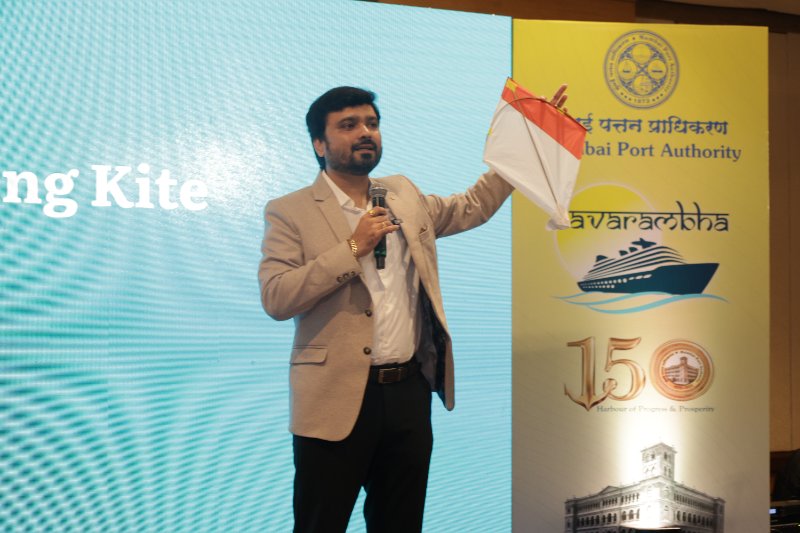
Why Avinash Chate
Avinash Chate is an entrepreneur and corporate trainer who runs ABC Trainings and The Future Corporate & Business Coaching, a TEDx speaker and published author. Over the last decade he has trained teams at 1,000-plus organisations and 15,000-plus professionals.
He teaches these skills not from a manual, but because he practises them himself — leading a 100-plus member team of his own. That is the difference working leaders feel in the room.
Problem Solving & Decision Making Training — FAQ
What is Problem Solving & Decision Making Training?
It is a practical programme that teaches teams to think in a structured, de-biased way rather than guessing confidently. It builds the specific methods good problem-solving and decision-making actually require: defining the real problem before rushing to solve it, driving to root cause with the 5 Whys and the fishbone, structuring a tangled question with issue trees and hypotheses, generating and evaluating options, making a clear decision with criteria and trade-offs, and countering the cognitive biases that quietly wreck judgement. Unlike an abstract critical-thinking lecture, it is built around the real problems and decisions your organisation faces, practised in the room until working a problem, rather than guessing at it, becomes a habit.
Who should attend this training?
Teams and leaders who solve problems and make consequential decisions — functional and project teams, department and business-unit heads, analysts and managers, and the high-potentials you are preparing to own bigger calls. It is at its most powerful run as an intact team or a cohort, so a whole group builds a shared language for framing problems, finding root causes and weighing options together. It is also the natural fit for operations, quality, engineering and service teams caught in recurring firefights that need to be traced to their real cause and put to rest.
Why do capable, intelligent teams so often decide badly?
Because the failures are almost never about intelligence — they are about the absence of a method and the biases every mind runs by default. Under pressure people anchor on the first number they hear, hunt for evidence that confirms what they already believe, mistake a confident voice for a correct one, and rush to a fix before the problem is even defined. Those are the normal settings of every thinker, not the flaws of weak ones — which is exactly why bright, fast-moving teams are so prone to them. The good news: structured thinking is the countermeasure, and it is entirely learnable with the right methods and practice.
What does the programme cover?
Seven connected modules: defining the real problem before solving it; getting to root cause with the 5 Whys and the fishbone; structuring the problem with issue trees and hypotheses; generating and evaluating options; making the decision with criteria, matrices and trade-offs; the cognitive biases that wreck decisions and how to counter them; and a working session that takes a real problem from your own organisation all the way to a defensible decision. Every module pairs a sharp, usable method with practice on problems and choices that genuinely matter to your team.
How is the training delivered — and how long does it take?
It is highly interactive — real problems worked out loud, live root-cause analysis and decisions made in the open, with minimal lecture. The duration is flexible: the same programme runs as a half-day, a full day, a multi-day intensive for a team or leadership cohort, or a modular series spread across a quarter, and it works well as an ongoing rhythm revisited whenever a consequential problem or decision lands. We shape the exact length and cadence with you. For 20 to 40 participants, sessions are organised into small groups so everyone thinks, argues and decides, not just listens.
Can problem-solving and decision-making really be taught, or is good judgement something you are born with?
It can absolutely be taught. What looks like natural good judgement is really a set of specific disciplines — defining the problem before solving it, driving to root cause, structuring a question into a clean tree, weighing options against explicit criteria, and deliberately checking a decision against known biases. The reason so many able people struggle is not a lack of intelligence; it is that no one ever gave them the method, and the mind's default shortcuts fill the gap. Give a capable team those methods and real reps on real problems, and the quality of their thinking improves the same way any skill does — with practice.
Is the programme customised to our organisation?
Yes. Before the first session, the examples and the working scenarios are built around your context — your industry, your recurring problems, the actual decisions your people are wrestling with. The final module runs on a live problem from your own organisation, taken all the way to a defensible call. Generic critical-thinking training is precisely what fails to transfer; the value is in practising the real defect, the real trade-off and the real decision your team will face next week.
Can it be delivered on-site, and in which languages?
Yes. Most engagements are across Maharashtra — Pune, Mumbai, Chhatrapati Sambhajinagar, Nashik, Nagpur and the surrounding MIDC industrial belts — and the programme is equally delivered pan-India and internationally on request. Delivery is available in English, Hindi and Marathi, or a natural mix, which matters especially for operations, quality and shop-floor teams working through root-cause problems together.
What outcomes can we expect?
A team that defines the real problem before spending effort on it, drives a fix to root cause so it actually stays solved, and breaks a tangled question into parts it can work rather than circle. Decisions made on merit and in the open — weighed against clear criteria, with the biases named and corrected before commitment — that can be explained and defended rather than protected. And, over time, a group that stops paying to solve the same problem four times and stops defending calls made on a hunch, because good people are finally running a good process.
Why Avinash Chate for this programme?
Avinash Chate is an entrepreneur and corporate trainer who runs a 100-plus member organisation and makes real, high-stakes decisions himself — so he teaches this from lived calls, not theory. He is a TEDx speaker and author of The Winning Edge, creator of the KITE leadership framework, and has trained teams at 1,000-plus organisations including RBI, JSW Steel, BARC, the Indian Army and Ferrero, reaching more than 15,000 professionals. That combination of real operating experience and his own frameworks is what working teams respond to.
Related Training Topics
Teach your team to stop guessing and start getting it right
Give your people the disciplines of structured problem-solving and clear-headed decision-making — defining the real problem, driving to root cause, weighing options against criteria and countering the biases that wreck judgement. On-site across Maharashtra, pan-India and internationally, in English, Hindi or Marathi.
Request a Proposal →