Core Values Training
Integrity is on the wall. Then a corner gets cut and everyone quietly learns what the value is really worth.
You have the values. They are framed in reception, printed on the induction deck, embossed on the website's About page. Integrity. Respect. Excellence. Ownership. And yet, on any given Tuesday, they have almost nothing to do with how a real decision gets made. A shortcut is taken and no one names it. A manager who hits the number but bullies the team gets promoted anyway. Someone raises a concern and learns, without a word being said, that it was the wrong thing to do. Nobody in your organisation is fooled by the poster. People do not watch what you frame; they watch what you reward — and every gap between the value on the wall and the value in the room quietly teaches them that the words are decoration. This programme is about closing that gap on purpose.
★ 5.0 client rating · Across Maharashtra, pan-India & internationally · English, Hindi & Marathi
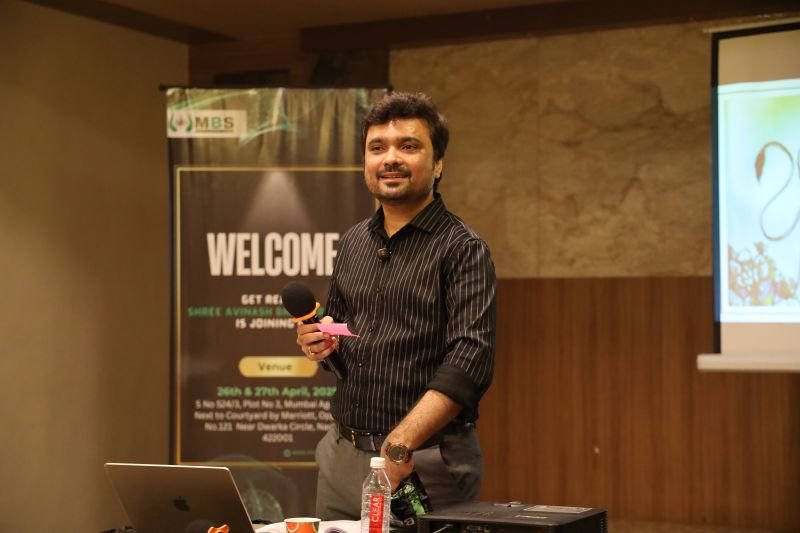
The Values on the Wall That Nobody Actually Lives
Almost every organisation has them, and almost none of them work. A weekend offsite, a facilitator, a wall of sticky notes, and out come five or six noble words — Integrity, Respect, Innovation, Customer-first, One Team. They get designed beautifully and hung in the lobby. And then, for most people, they disappear. Not because anyone disagrees with them, but because nobody can point to where they show up. Ask a new joiner what "excellence" means here in practice — what it looks like, what it rules out — and you get a polite shrug. The values are true in the way a horoscope is true: pleasant, unarguable, and impossible to act on.
Meanwhile the real values — the ones that actually govern behaviour — are learned by watching. What gets someone praised in the town hall. What gets quietly forgiven if the revenue is good. Who gets the promotion, and who gets passed over. That corner that always seems to get cut when the deadline is tight. Those are your operating values, whether you chose them or not, and when they contradict the framed ones, people believe the operating ones every single time. The cost is not that the plaque is ignored. The cost is that every visible gap between what you say and what you reward teaches your best people a small, corrosive lesson: this is a place where the words do not mean anything.
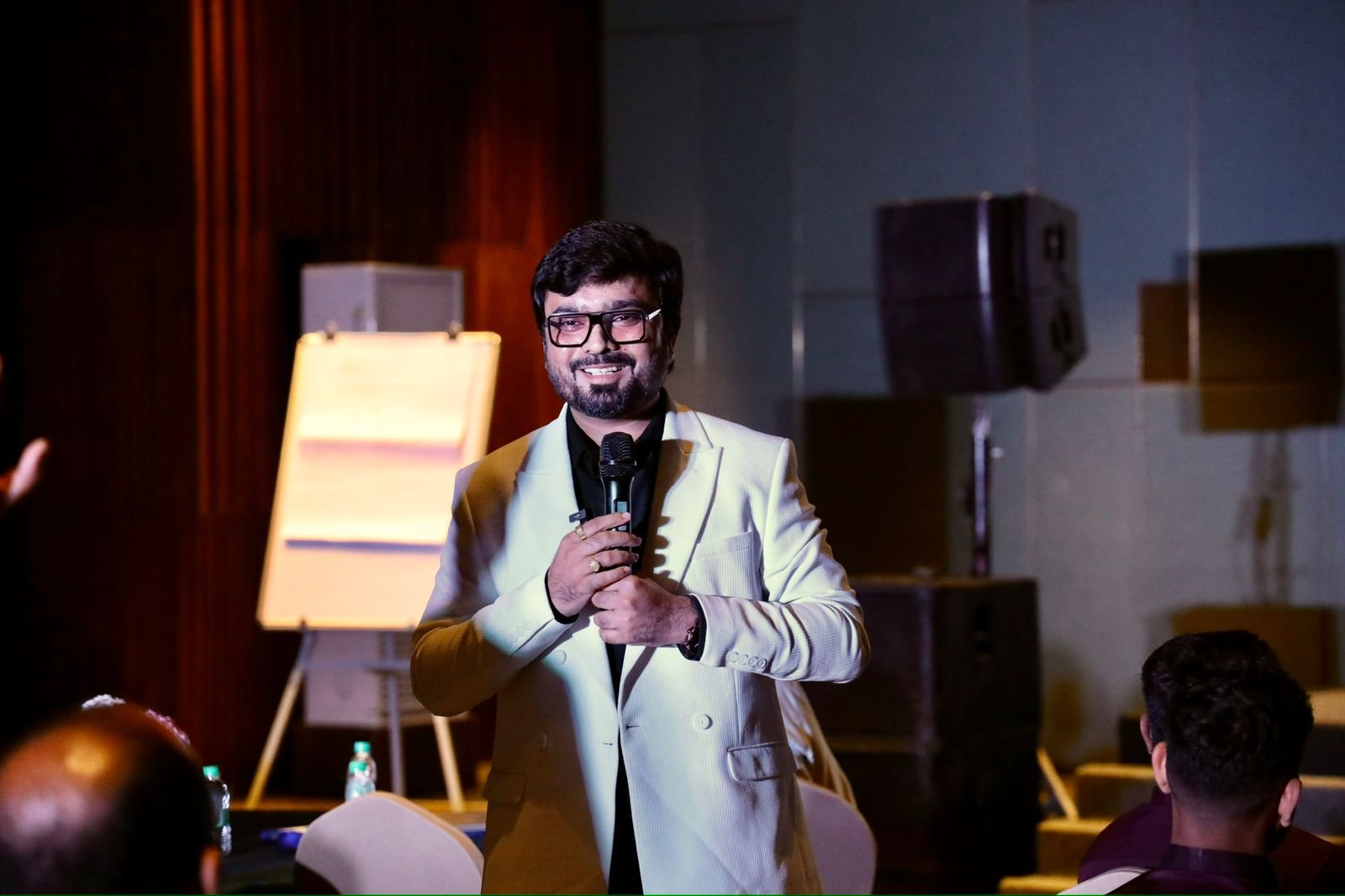
Why Values Die on the Wall — And How You Bring Them Alive
Here is the quiet reason most values initiatives fail: a value that is only a noun is useless. "Respect" tells no one what to do on Monday morning. It cannot be seen, cannot be coached, cannot be hired for, cannot be rewarded — because it has never been translated into behaviour. People do not live abstractions; they live actions. Until "respect" becomes something observable — we let people finish their sentence in meetings; we disagree with the idea, never the person; we tell people the hard thing to their face, not to the room — it will remain a word on a wall that everyone nods at and no one uses.
And there is a second, harder truth. Values are not tested when things are easy. They are tested in the exact moment they are inconvenient — when living the value costs you the deal, the deadline, the star performer, the comfortable silence. A value only becomes real the first time the organisation pays a price to honour it, and everyone sees that it did. That is why values cannot be installed by a poster or a policy; they are built, deliberately, into how you hire, decide, promote, recognise and behave under pressure — until the stated value and the lived value are finally the same thing. This programme is that deliberate work.
Does This Sound Familiar?
If your values feel more like decoration than direction, it is almost never because the words are wrong. It is because they were never translated into behaviour and never wired into how the organisation actually operates. Here is what that looks like in practice, what it is quietly costing you, and exactly which part of the programme closes the gap.
| The symptom you see | What it is costing you | The real cause | How the programme fixes it |
|---|---|---|---|
| Ask five people what a value means in practice and you get five different answers | The values guide no one; they become background noise everyone has learned to ignore | The value was left as an abstract noun and never translated into observable behaviour | The Behaviours module — turning each value into visible, coachable actions |
| A manager who hits targets but tramples the values keeps getting rewarded | People conclude the real value is "results at any cost" and behave accordingly | Values were never made a factor in how you promote, so behaviour and reward point opposite ways | The Hard Moments module — values in hiring, decisions and promotions |
| Leaders talk about the values but visibly break them under pressure | The gap between word and deed is watched by everyone and breeds quiet cynicism | No one made role-modelling the values a deliberate, visible leadership discipline | The Role-Modelling module — leaders living the values first |
| The values live on the wall and the website but never come up in daily work | A culture programme was paid for and quietly forgotten within a quarter | Values were never built into rituals, recognition and everyday systems that keep them alive | The Embedding module — values in rituals, recognition and systems |
| People stay silent when something clearly violates a stated value | Small breaches become the norm — and the worst behaviour tolerated becomes the real standard | There is a gap between the espoused values and the lived ones, and no one has named it | The Values Gap module — closing the distance between stated and lived |
What Changes When Your Values Stop Being Décor
Picture a value that finally does something. A new joiner can tell you, on day one, exactly what "ownership" looks like here — and what it does not. A hiring panel turns down a brilliant candidate because they would corrode the way the team treats each other, and everyone in the room understands why that was the right call. A promotion decision hinges as much on how someone behaves as on what they deliver. A leader makes an expensive choice to honour a value, in public, and the whole organisation quietly recalibrates: so the words do mean something.
That is the shift this programme is built for — values that move from the wall into the wiring of how you hire, decide, promote and behave. And underneath it, the thing that actually compounds: trust. When people can see the stated value and the lived value are the same, the low, corrosive cynicism drains out of the place, and in its absence people give you their judgement, their candour and their discretionary best.
What Your Team Will Be Able to Do
- ✓ Understand what a core value actually is — and why most sets fail to change any behaviour
- ✓ Name honestly the gap between the organisation's espoused values and its lived ones
- ✓ Translate an abstract value into specific, observable, coachable behaviours
- ✓ Apply the values in the hard moments — hiring, decisions, promotions and pressure
- ✓ Role-model the values as a leader, so word and deed visibly match
- ✓ Embed the values into rituals, recognition and everyday systems so they stay alive
- ✓ Leave having made at least one value genuinely real for the team, not just restated
What the Programme Covers
Seven connected modules that take your values from a plaque in reception to a practice people can see in the room. Every module pairs a short, honest input with real work on your own values and your own hard moments — and ends with a concrete change in how the value shows up.
These are building blocks, not a fixed-length course. A two-hour session goes deep on the two or three that matter most to you; a half or full day covers more; a multi-day intensive — or an ongoing monthly, quarterly or half-yearly rhythm — works through them all, with far more practice. We shape which ones, in what order and how deep, with you.
What a Value Really Is — And Why Most Sets Fail
What we cover: What a core value actually is, and what it is not — not an aspiration, not a slogan, not a marketing line, but a standard of behaviour the organisation is willing to be held to even when it is costly. Why beautifully worded values so often change nothing. The difference between values that are chosen for how they read and values that are chosen for how they decide. Why "the worst behaviour you are willing to tolerate" is a truer statement of your values than anything on the wall.
What changes: The team stops treating values as decoration and starts seeing them as a working standard — the shift everything else depends on.
The Gap Between Stated and Lived Values
What we cover: The honest, sometimes uncomfortable work of naming the difference between the values you espouse and the ones you actually live. Spotting your real operating values in what gets praised, forgiven, promoted and quietly cut. Why people believe the lived value over the stated one, every time, and how each visible gap breeds cynicism. Mapping, without blame, where your organisation's word and deed have drifted apart.
What changes: The team can name the gap out loud instead of pretending it isn't there — the necessary first step to closing it.
From Noun to Behaviour — Making a Value Observable
What we cover: The core discipline of the whole programme: turning an abstract value into concrete, visible behaviour. Writing behavioural definitions — what this value looks like when someone lives it, and what it rules out. Defining the value at its edges, where the trade-offs bite. Distinguishing behaviours you can actually observe and coach from vague intentions no one can act on. Building a shared, specific picture of the value so five people give the same answer, not five.
What changes: Each chosen value becomes something people can see, do and coach — no longer a word on a wall that everyone nods at and no one uses.
Values in the Hard Moments — Hiring, Decisions, Promotions, Pressure
What we cover: Where values are actually made or broken. Bringing the values into hiring — screening for how someone behaves, not just what they deliver, and being willing to say no to a brilliant misfit. Using the values as a tiebreaker in real decisions. Making behaviour a genuine factor in who gets promoted, so reward and value point the same way. And the defining test: honouring a value when it is inconvenient — when it costs the deal, the deadline or the star performer.
What changes: The values start governing the decisions that people actually watch — which is the only place they ever become real.
Role-Modelling the Values as a Leader
What we cover: Why culture is set by the behaviour leaders model, tolerate and reward — far more than by anything they say. The disproportionate weight of leaders living the value first, especially when it is costly and public. Catching and owning your own gaps before others point them out. Holding peers and senior people to the value, not just juniors. Understanding that every leadership decision quietly teaches the organisation what the values are really worth.
What changes: Leaders become the clearest evidence that the values are real — closing the word-versus-deed gap that everyone was watching.
Embedding Values into Rituals, Recognition and Systems
What we cover: How to keep a value alive after the workshop energy fades — by wiring it into the organisation instead of relying on memory. Building the values into recognition, so what you celebrate matches what you say. Weaving them into onboarding, reviews, feedback, meetings and decision routines. Telling and re-telling the stories where someone lived the value at a cost, so the culture teaches itself. Designing small, repeated rituals that keep the values in front of people.
What changes: The values become self-sustaining — held up by the organisation's systems and stories rather than by a poster and good intentions.
Practice — Make One Value Real for the Team
What we cover: A hands-on working session where the team takes one of its own values and makes it genuinely real. Writing its behavioural definition together. Pressure-testing it against a real hard moment from your own organisation — a hiring call, a promotion, a decision under deadline. Identifying exactly where it currently breaks and one concrete change to close that gap. Deciding how it will show up in a ritual, in recognition, and in how a leader behaves next week.
What changes: The team leaves with at least one value moved from the wall into a practice they have designed and committed to — proof the whole thing can be done.
How It Is Delivered
This is not a rebranding exercise and it is not a lecture about culture. It is honest, practical work on your own values and your own contradictions. The room spends most of its time on the real thing — naming where word and deed have drifted apart, writing behavioural definitions people can actually use, and pressure-testing a value against a hard moment from your own organisation. The mood is candid but never blaming; the point is not to indict the past but to close the gap on purpose from here.
The format flexes to your needs. It runs as a focused half-day to make one value real, a full-day workshop across the whole set, a multi-day intensive for a leadership team resetting the culture, or a modular series that works value by value over the quarter — and it works especially well as an ongoing rhythm that keeps the values live through onboarding, reviews and recognition rather than letting them fade. It can involve a leadership team alone or cascade across the wider organisation. The exact depth, cadence and audience are shaped with you in the design call.
Formats That Fit Your Calendar
Half-day or full-day workshop
A high-impact session to translate your values into behaviour and pressure-test them against real decisions — ideal for a leadership team or an intact department.
Multi-day intensive
Two or more days to reset the culture properly — naming the gap, redefining the values behaviourally, and rebuilding how they show up in hiring, promotion and recognition.
Modular series, value by value
Shorter sessions that take one value at a time and make each genuinely real before moving to the next, so the change lands rather than washes over.
An ongoing values rhythm
A standing cadence that keeps the values alive through onboarding, reviews, recognition and leadership habits — so they stay lived instead of quietly fading back to décor.
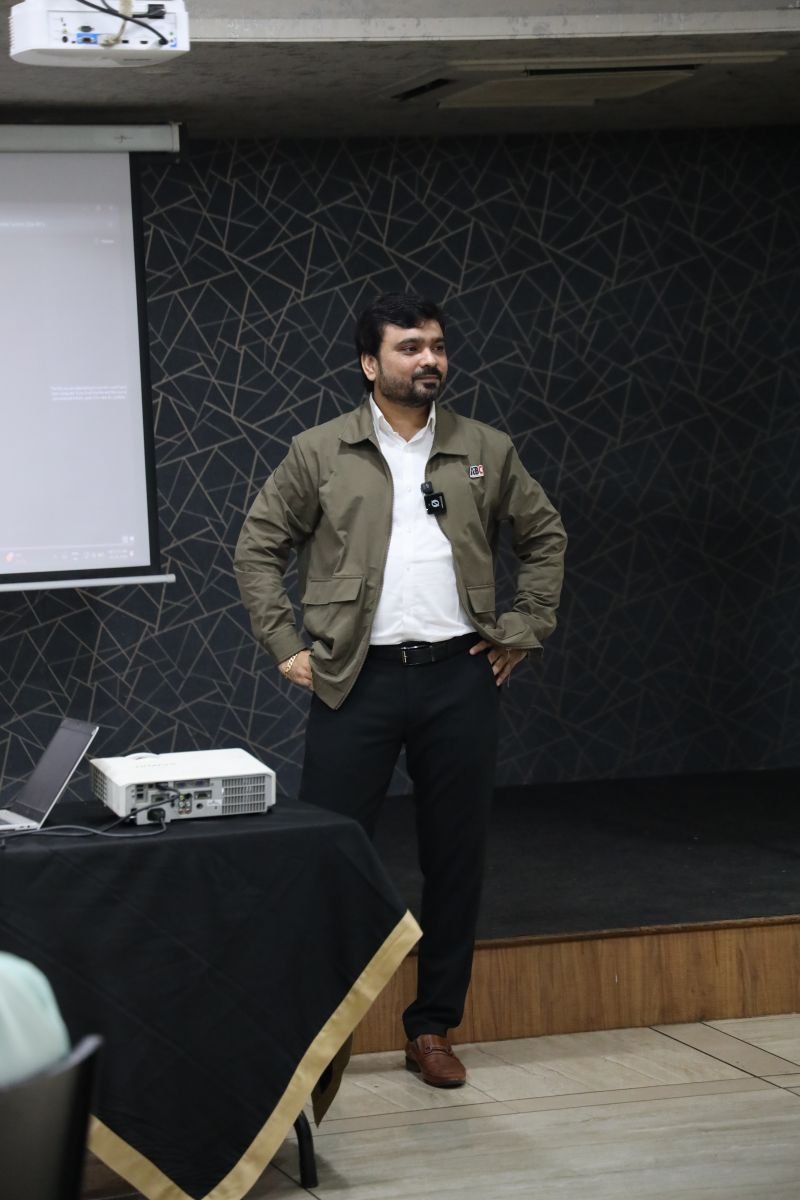
The Thinking Behind It
This programme is not a generic culture deck. It draws on the best writing on why organisations exist, what makes values endure and why lived values beat stated ones — distilled into a few ideas a team can use immediately — and then goes further, into the frameworks Avinash uses to keep values genuinely lived inside his own 100-plus member organisation.
Ideas & books we draw on
- Start with Why — Simon Sinek · why a shared purpose and belief, not a product, is what a values-driven culture is actually built on
- Built to Last — Jim Collins & Jerry I. Porras · the landmark study showing enduring companies are held together by a core ideology they refuse to compromise
- Legacy — James Kerr · how the All Blacks turned values into non-negotiable daily behaviours and rituals that outlast any individual
- The Values Factor — John Demartini · on surfacing what people and organisations actually value — versus what they claim to — and aligning around it
- Dare to Serve — Cheryl Bachelder · a real turnaround driven by putting values and service to people ahead of short-term numbers
- Everybody Matters — Bob Chapman & Raj Sisodia · proof that a genuinely lived value — treating every person as someone who matters — reshapes an entire company
Frameworks we use for values
- Sinek's Golden Circle · why–how–what — anchoring values in a shared purpose rather than a list of nouns
- Espoused versus lived values · the values gap — the difference between what you say and what you actually reward
- Values → behaviours → decisions · the alignment chain — a value only counts once it shows up in observable behaviour and real decisions
- Schein's levels of culture · artifacts, espoused values and underlying assumptions — why the poster rarely reflects the real culture
- "The worst behaviour you tolerate" · your true values are set by what you are willing to walk past, not by what you frame
And Avinash's own frameworks — the part you won't find anywhere else
Beyond the established thinking, the programme is built on frameworks Avinash has created and written about himself — including his KITE leadership framework and the principles in his book The Winning Edge. These come from actually running a 100-plus member organisation and developing its people year after year, not from a textbook. It is the layer competitors cannot copy, and the one your teams remember long after the session ends.
Who It Is For
Any organisation whose values have drifted into decoration — from leadership teams resetting the culture, to fast-growing companies that need their values to survive scale, to established firms where the words on the wall and the behaviour in the corridors have quietly parted ways. It is powerful for a founding or senior team deciding what the organisation will actually stand for, and equally for intact departments turning shared values into daily practice. On shop floors, in family businesses and across professional-services and IT teams alike, it is the work that turns a plaque into a practice people can see.
Taught by Someone Who Has to Live His Values Every Day
Avinash Chate does not teach values from a textbook. He runs a 100-plus member organisation, where the values are tested not on a slide but in real hiring calls, real promotions and real decisions under pressure — the exact hard moments this programme is built around. That lived accountability is why the work here is behavioural rather than aspirational. Programmes that build culture and values have been delivered across sectors, from manufacturing shop floors to IT, sales and services teams, each wrestling with the same gap between the value on the wall and the value in the room.
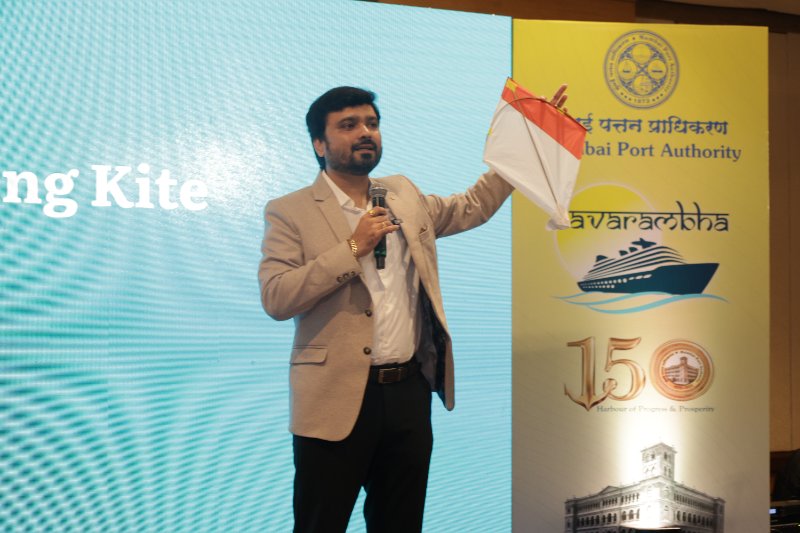
Why Avinash Chate
Avinash Chate is an entrepreneur and corporate trainer who runs ABC Trainings and The Future Corporate & Business Coaching, a TEDx speaker and published author. Over the last decade he has trained teams at 1,000-plus organisations and 15,000-plus professionals.
He teaches these skills not from a manual, but because he practises them himself — leading a 100-plus member team of his own. That is the difference working leaders feel in the room.
Core Values Training — FAQ
What is Core Values Training?
It is a practical programme that moves an organisation's values off the wall and into how people actually behave. Rather than rewording a values list, it translates each value into observable behaviour, honestly names the gap between the values you espouse and the ones you live, and builds the values into how you hire, decide, promote, recognise and behave under pressure. The whole point is to close the distance between the stated value and the lived one — so the words finally mean something in the room.
Who should attend this training?
Leadership teams and intact departments, primarily — because values are set, tested and role-modelled at the top before they cascade. It is especially valuable for a founding or senior team deciding what the organisation genuinely stands for, for fast-growing companies whose culture is straining under scale, and for established firms where behaviour has quietly drifted from the stated values. It can be run for a leadership team alone or cascaded across the wider organisation.
Why do most core values fail to change any behaviour?
Because a value that stays an abstract noun is impossible to act on. "Respect" or "excellence" tells no one what to do on Monday; it cannot be seen, coached, hired for or rewarded until it is translated into specific, observable behaviour. On top of that, values are only truly tested in the moments they are inconvenient — when honouring them costs the deal, the deadline or the star performer. If those moments keep going the other way, people learn the real value is whatever gets rewarded, and the framed one becomes décor. This programme fixes both: it makes values behavioural, and it wires them into the decisions people actually watch.
What does the programme cover?
Seven connected modules: what a value really is and why most sets fail; the gap between stated and lived values; translating a value from a noun into observable behaviour; values in the hard moments of hiring, decisions, promotions and pressure; role-modelling the values as a leader; embedding values into rituals, recognition and systems; and a hands-on practice module where the team makes one of its own values genuinely real. Every module works on your actual values and your actual hard moments, not generic examples.
How is the training delivered — and how long does it take?
It is highly interactive — honest discussion, behavioural definition work and pressure-testing against real decisions, with minimal lecture. The duration is flexible: the same programme runs as a half-day to make one value real, a full day across the whole set, a multi-day intensive for a leadership team resetting the culture, or a modular series that works value by value, and it lands best when supported by an ongoing rhythm through onboarding, reviews and recognition. We shape the exact length, cadence and audience with you.
We already have a values list. Do we need to redo it?
Usually not. The problem is rarely the words — it is that the words were never translated into behaviour or wired into how you operate. In most cases we keep your existing values and do the missing work: defining each one behaviourally, naming honestly where it currently breaks, and building it into hiring, promotion, recognition and leadership habits. Only where a value is genuinely unusable or contradictory would we revisit the wording itself, and even then, behaviourally rather than as a branding exercise.
Is the programme customised to our organisation?
Yes — it has to be, because generic values work is exactly what fails. Before the first session, the work is built around your actual values, your industry and the real hard moments your people face, from the shop floor to the boardroom. Much of the room's time is spent on your own contradictions and your own decisions, which is where the value comes from. A values programme that could be run unchanged at any other company would teach your people nothing.
Can it be delivered on-site, and in which languages?
Yes. Most engagements are across Maharashtra — Pune, Mumbai, Chhatrapati Sambhajinagar, Nashik, Nagpur and the surrounding MIDC industrial belts — and the programme is equally delivered pan-India and internationally on request. Delivery is available in English, Hindi and Marathi, or a natural mix, which matters especially when values need to reach a shop floor as clearly as a boardroom.
What outcomes can we expect?
Values people can actually see and name — where a new joiner knows on day one what a value looks like in practice and what it rules out. Hiring, promotion and everyday decisions that visibly reflect the values, so reward and value stop pointing in opposite directions. Leaders who model the values under pressure. And, over time, the payoff that matters most: the corrosive gap between word and deed closes, cynicism drains out, and people give you the candour and discretionary effort that only trust earns.
Why Avinash Chate for this programme?
Avinash Chate is an entrepreneur and corporate trainer who runs a 100-plus member organisation, where his values are tested every day in real hiring, promotion and pressure decisions — so he teaches living values from accountability, not theory. He is a TEDx speaker and author of The Winning Edge, creator of the KITE leadership framework, and has trained teams at 1,000-plus organisations and more than 15,000 professionals. That combination of real operating experience and his own frameworks is what makes the work behavioural rather than aspirational.
Related Training Topics
Move your values off the wall and into how the place actually works
Turn stated values into lived behaviour — translated into observable actions and wired into how you hire, decide, promote and lead under pressure. On-site across Maharashtra, pan-India and internationally, in English, Hindi or Marathi.
Request a Proposal →