Ownership & Accountability Training
Everyone in the room saw the problem coming. And when it hit, it was somehow no one's fault.
You have felt it in a review meeting. The deadline was missed, the client is upset, the number is red — and around the table, twelve capable adults quietly become bystanders. "That was on the other team." "I flagged it in an email." "I did my part." "Someone should have caught that." Every sentence is technically true, and together they add up to nobody being responsible for the one thing that actually mattered: the outcome. It is not that your people are lazy or careless. It is that no one is truly on the hook, so the same problems keep resurfacing while the real question goes unasked. This programme teaches your team to ask it — and to answer it: who owns this?
★ 5.0 client rating · Across Maharashtra, pan-India & internationally · English, Hindi & Marathi
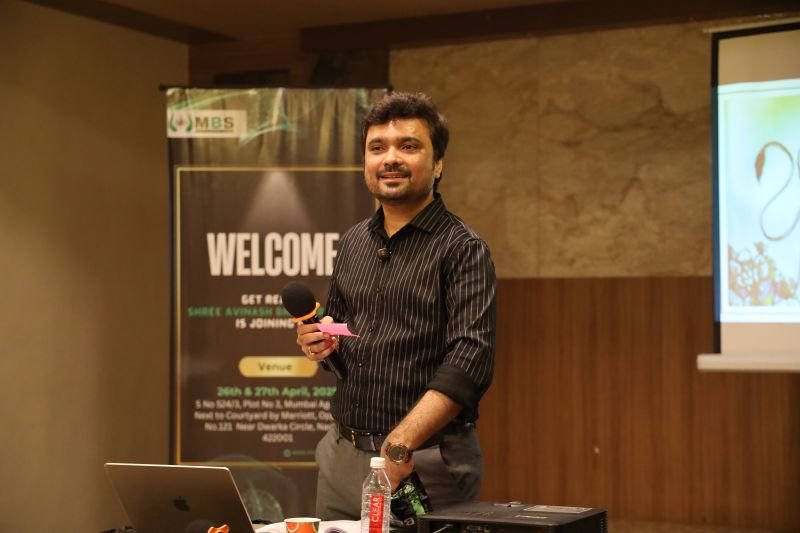
The "Not My Job" Culture Nobody Admits To
Every organisation says it wants accountability. Very few can point to where it actually lives. What lives instead is a quieter arrangement everyone has silently agreed to: do your slice, protect your slice, and when something falls through the cracks between slices, look sideways. The problem was seen — it is almost always seen — but seeing it and owning it are two different acts, and only the first one feels safe. So the flag gets raised just far enough to be on record, then dropped. The gap stays a gap. And the outcome, which belonged to everyone, belonged to no one.
The cost of this is easy to miss because it never shows up as a single dramatic failure. It shows up as slippage. Commitments that were made in the meeting and quietly abandoned after it. Decisions that get re-decided three times because no one owned the first version. The same issue on the same agenda quarter after quarter, discussed with the same concern and the same shrug. Good people are working hard inside this and still it grinds, because effort was never the missing ingredient. Ownership was.
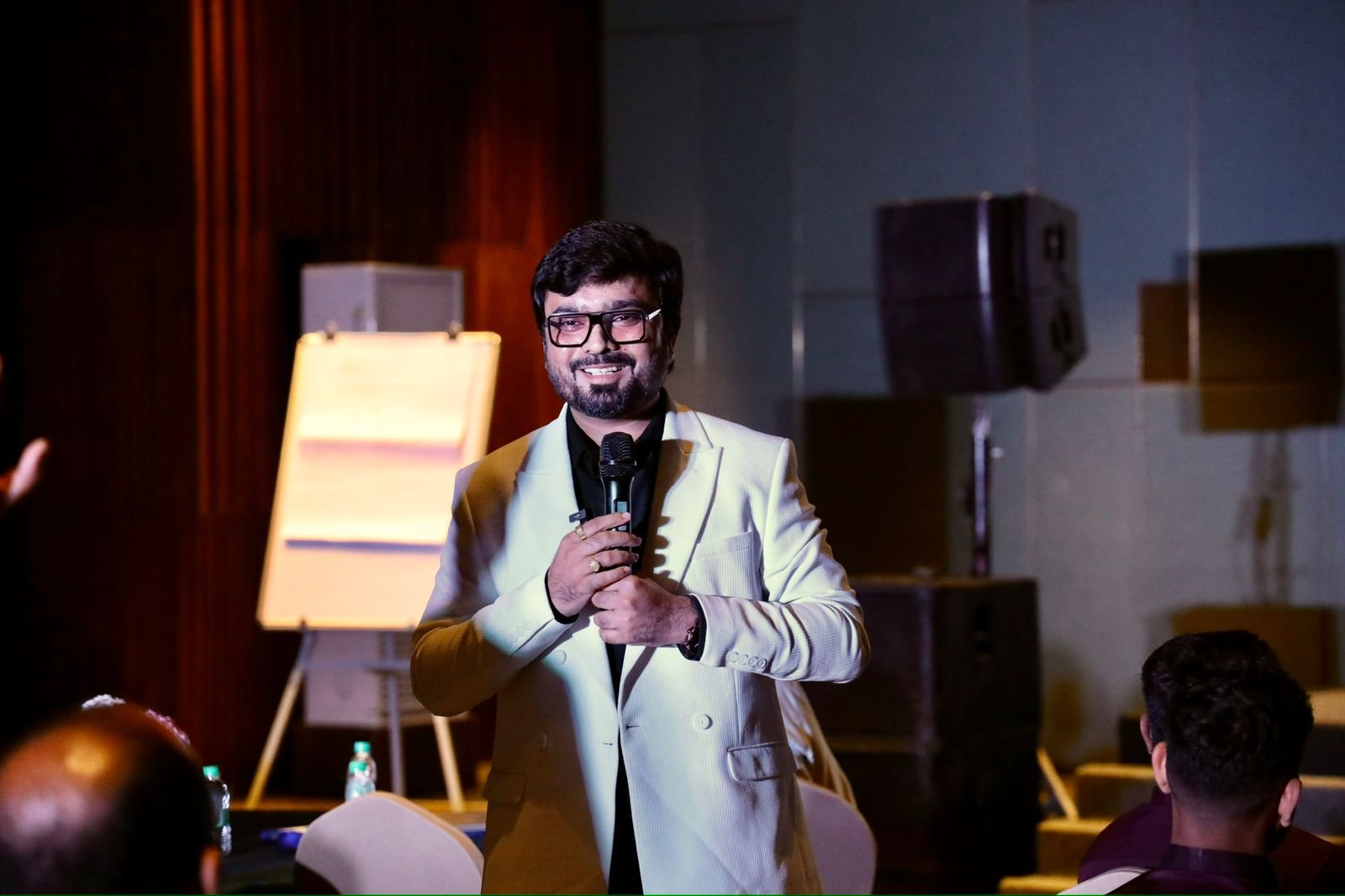
Why Accountability Fails — And Why You Can Actually Build It
Here is the diagnosis most leaders miss: accountability has been treated as something you enforce — a stick, a tracker, a name in a red cell on a slide — when it is actually something you build. Enforced accountability produces compliance and cover-your-back behaviour; the moment the pressure lifts, the ownership evaporates because it was never there. It lived in the manager, not in the person. Real ownership is different in kind. It is the internal state where a person looks at a result and feels, without being told, this is mine — even the parts that were not strictly their fault, even the mess that landed on their desk through no doing of their own.
And that state is not a personality trait some people are lucky enough to have. It is a way of thinking and working that can be taught, practised and designed into how a team operates. People slip below the line — into blame, excuses, denial and waiting — because it is the safer, more human default, not because they are weak. Give them the language, the mindset and the shared expectations to stay above it, and give the team a rhythm that makes ownership visible, and accountability stops being a speech the boss gives and becomes simply how the group behaves. That is buildable. This programme builds it.
Does This Sound Familiar?
If your team is stuck in "not my job", it is rarely a hiring problem and almost never a character problem. It is that ownership was never built into how they think and work. Here is what you are likely seeing, what it is quietly costing, and exactly which part of the programme addresses it.
| The symptom you see | What it is costing you | The real cause | How the programme fixes it |
|---|---|---|---|
| When something goes wrong, the room fills with reasons and no one says "that's mine" | Problems get explained instead of solved, and the same one returns next quarter | People are living below the line — blame and excuse feel safer than ownership | The Above-the-Line module — ownership versus the victim cycle |
| Commitments made in the meeting quietly slip once the meeting ends | Plans drift, trust erodes, and leaders end up chasing everything themselves | The commitments were vague, undated and never truly owned by a single person | The Clear Commitments module — dated, owned and specific |
| Blame flows sideways to other teams and downward to juniors | Silos harden, collaboration curdles, and the real issue never gets named | The language of the team is the language of defence, not responsibility | The Blame-to-Responsibility module — the language of accountability |
| People see a problem brewing but wait for someone else to raise it | Small, catchable issues grow into expensive, visible failures | No one feels the outcome is personally theirs, so no one steps toward it | The Extreme Ownership module — the personal ownership mindset |
| Holding people accountable turns into either a soft nothing or a harsh scene | Standards quietly drop, or good people are bruised and morale sinks | The team has no skilful way to hold each other to account as peers | The Holding Others Accountable module — firmness without tyranny |
What Changes When Ownership Is Actually Built In
Picture the same red-number meeting, one quarter later. The problem surfaces and, before anyone assigns it, someone says: "That outcome is mine — here is where it went wrong, and here is what I am doing about it." No defensiveness, no theatre, just ownership stated plainly. The commitments made that day are specific, dated and attached to a name, and everyone in the room knows they will be revisited — not to punish, but because that is simply the rhythm now. The gaps between slices have owners. The problem that used to recur has an end.
Underneath the visible behaviour is the shift that pays for the whole programme: your people stop waiting to be held accountable and start holding themselves. Blame stops travelling sideways and downward because responsibility travels inward instead. Leaders get their time back, because a team that owns its outcomes does not need to be chased. And the culture quietly changes from "not my job" to "if I can see it, I can own it" — which is the culture every organisation claims to want and almost none deliberately build.
What Your Team Will Be Able to Do
- ✓ Recognise when they have slipped below the line — into blame, excuse or denial — and choose to climb back above it
- ✓ Replace the language of defence with the language of ownership, in the moments it is hardest
- ✓ Make commitments that are specific, dated and genuinely owned — and keep them
- ✓ Take personal ownership of outcomes, including the parts that were not strictly their fault
- ✓ Hold peers and reports accountable firmly and respectfully, without becoming a tyrant or a doormat
- ✓ Turn a "not my job" situation into an owned outcome, in real time
- ✓ Build accountability into the team's everyday rhythms and systems, so it lasts beyond the workshop
What the Programme Covers
Seven connected modules that take a team from blame and slippage to genuine ownership. Every module pairs a short, practical input with real practice on the exact situations your people face — the missed commitment, the sideways blame, the awkward peer-to-peer callout — and ends with a concrete change in how the team behaves.
These are building blocks, not a fixed-length course. A two-hour session goes deep on the two or three that matter most to you; a half or full day covers more; a multi-day intensive — or an ongoing monthly, quarterly or half-yearly rhythm — works through them all, with far more practice. We shape which ones, in what order and how deep, with you.
Above the Line — Ownership Versus the Victim Cycle
What we cover: The single most important distinction in accountability: the line between ownership and victimhood. Where blame, excuse-making, denial and "wait and see" quietly sit below it, and see-it, own-it, solve-it, do-it sit above. Why sliding below the line is a natural human default, not a moral failure — and how to notice the slide in yourself in the moment it happens. The difference between a reason and an excuse. Recognising the tells: the passive voice, the pointed finger, the "to be fair…".
What changes: People gain a shared mental model and a shared vocabulary for accountability — and, for the first time, the self-awareness to catch themselves going below the line and choose to climb back above it.
From Blame to Responsibility — the Language of Accountability
What we cover: How the words a team uses either build ownership or quietly destroy it. Trading "they didn't", "that's not on me" and "someone should have" for the questions that put you back in the driver's seat — "what can I do?", "how can I help?", "what did I contribute to this?". Why blame flows sideways to other teams and downward to juniors, and how to interrupt that flow. Separating accountability from fault — you can own an outcome you did not personally break. Talking about problems in a way that moves toward solutions instead of defence.
What changes: The team stops speaking the language of self-defence and starts speaking the language of ownership — which changes not just how they sound, but how they actually think about who is responsible.
Clear Commitments — Making Promises People Actually Keep
What we cover: Why most commitments slip: they were vague, undated, unowned, or made only to end the meeting. The anatomy of a real commitment — specific, measurable, dated, and attached to a single accountable name, not a team. The difference between "we'll look into it" and "I will send you X by Thursday". Saying an honest no, or a conditional yes, instead of a hollow yes you will not honour. Renegotiating a commitment early and openly, rather than letting it die in silence. Making commitments visible so they cannot quietly disappear.
What changes: Commitments stop being polite noise and become promises the team can bank on — because each one is owned, dated and specific enough that everyone knows exactly what was agreed and by whom.
Holding Others Accountable — Without Being a Tyrant
What we cover: The skill most teams never learn: how to hold a peer or a report to a commitment without either flinching from it or turning it into a fight. Why the two common failure modes — the soft leader who lets things slide and the harsh one who leaves scorch marks — both destroy accountability. Having the "you committed to X, and it didn't happen — what's going on?" conversation with candour and respect. Holding the standard without attacking the person. Peer-to-peer accountability, where the pressure comes sideways from teammates, not just downward from a boss. Following up without hovering.
What changes: The team learns to hold each other to their commitments as a normal, respectful act — so standards hold firm and nothing quietly slips, without anyone being bullied or bruised in the process.
Extreme Ownership — the Personal Mindset
What we cover: The deepest layer: personal ownership, where each person takes responsibility for the outcome and for everything in their world, including the parts that were not their fault. What it means to own a result you inherited, a mistake your junior made, a gap no one assigned to you. Why "it wasn't my fault" and "it wasn't my responsibility to fix it" are two very different statements — and why leaders live by the second. The discipline of looking first at your own contribution before anyone else's. Ownership of self before ownership of others: the self-discipline, follow-through and inner standards that make external accountability almost unnecessary.
What changes: People stop waiting to be held accountable and start holding themselves — taking ownership of outcomes as a matter of personal standard, which is the point at which accountability becomes self-sustaining.
Building Accountability Into Team Rhythms and Systems
What we cover: Why ownership fades after a workshop unless it is built into how the team actually runs. Designing accountability into the operating rhythm: how commitments get captured, who owns what, and how progress is reviewed out loud, on a cadence, without turning it into a witch-hunt. Clear ownership of every important outcome — no orphan tasks, no diffused responsibility, one name against each result. Making commitments and their status visible to the whole team. The difference between a review that assigns blame and one that surfaces reality and re-commits. Scoreboards, check-ins and cadences that keep the vital few outcomes owned and on track.
What changes: Accountability moves out of people's heads and into the team's systems, so it survives busy weeks, staff changes and the fading of workshop energy — becoming simply how this team operates.
Practice — Turning Real "Not My Job" Situations Around
What we cover: Live practice on the real situations your team is stuck in. Participants bring the actual "not my job" moments from their own world — the recurring cross-team gap, the commitment that keeps slipping, the outcome nobody will claim — and work them in the room. Role-playing the accountability conversation with a peer who missed a commitment. Rewriting below-the-line statements into above-the-line ones on the spot. Redrafting vague commitments into owned, dated ones. Taking a real orphan problem and giving it an owner, live, before anyone leaves.
What changes: The team walks out having already turned their own real "not my job" situations into owned outcomes once, in the room — so the ownership is not a concept they agreed with, but a behaviour they have already performed.
How It Is Delivered
This is not a motivational talk about "taking ownership" that fades by Monday. It is a working session where a team practises accountability on its own real problems. People spend most of their time engaged — mapping their own below-the-line habits, rewriting the language they actually use, redrafting the commitments that keep slipping, and role-playing the accountability conversation they have been avoiding. The models are deliberately simple and immediately usable; the shift happens in the practice and in the honesty the room builds together.
The format flexes to your needs. It runs as a focused half-day, a full-day workshop, a multi-day intensive for a leadership team rebuilding its accountability culture, or a series of shorter modules spread across a quarter so new habits have time to set. It works especially well as an ongoing rhythm — revisited each quarter as the operating cadence itself matures. For 20 to 40 participants it is organised into small batches so every person practises and speaks, not just listens. The exact depth, duration and cadence are shaped with you in the design call.
Formats That Fit Your Calendar
Half-day or full-day workshop
A high-impact session to shift a team out of blame and into ownership quickly — ideal when a specific "not my job" pattern is hurting results right now.
Multi-day intensive
Two or more days to go deep — perfect for a leadership team or a department deliberately rebuilding its accountability culture from the mindset up.
Modular series across a quarter
Shorter sessions spread across weeks, so each layer — language, commitments, holding others, team rhythms — is practised and embedded before the next is added.
An ongoing accountability rhythm
Revisited each quarter alongside your operating cadence, so ownership becomes a permanent feature of how the team runs rather than a one-off event.
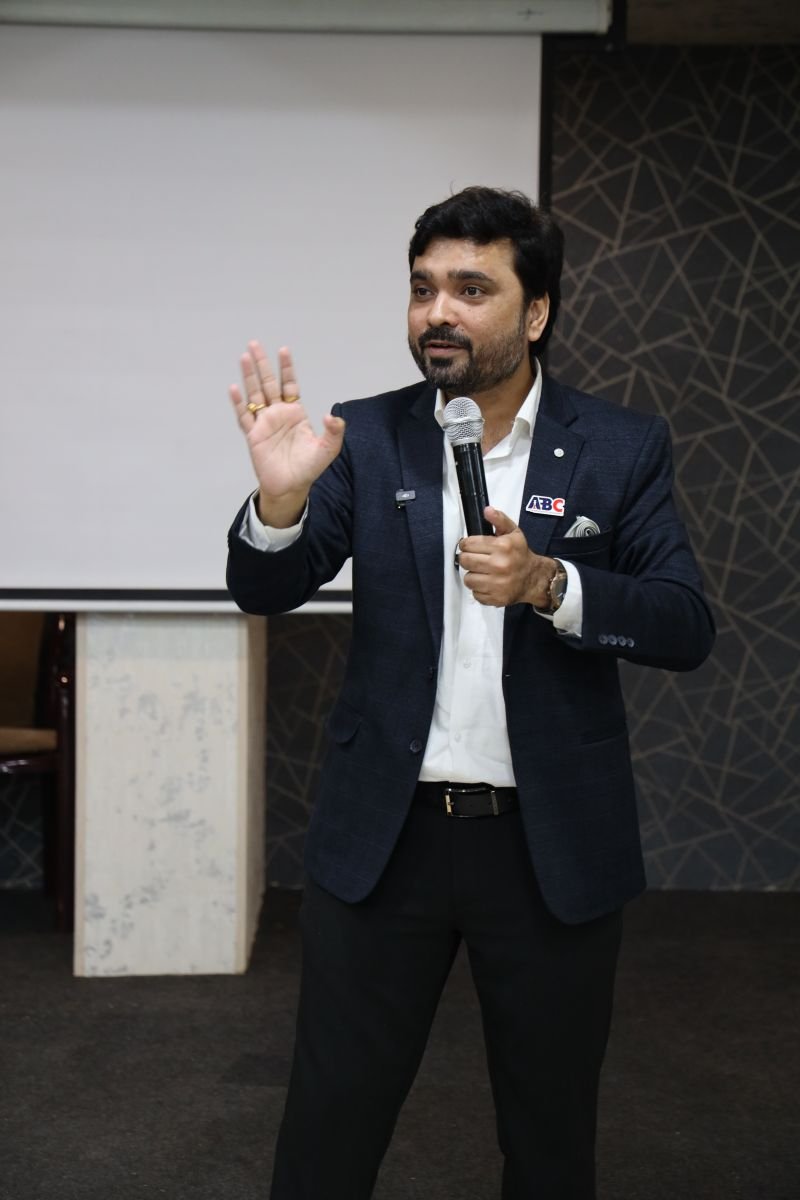
The Thinking Behind It
This programme is not a generic "own it" deck. It draws on the sharpest writing and research on ownership and accountability — distilled into a few models a team can use immediately — and then goes further, into the frameworks Avinash uses to build accountability inside his own 100-plus member organisation.
Ideas & books we draw on
- Extreme Ownership — Jocko Willink & Leif Babin · the modern classic on the leader owning everything in their world — no one else to blame
- The Oz Principle — Roger Connors, Tom Smith & Craig Hickman · the definitive book on the above-the-line, See It–Own It–Solve It–Do It accountability model
- QBQ! The Question Behind the Question — John G. Miller · how a better question — "what can I do?" — replaces blame and excuse with personal accountability
- The 4 Disciplines of Execution — Chris McChesney, Sean Covey & Jim Huling · the discipline of a cadence of accountability that makes ownership visible and keeps commitments alive
- Winning with Accountability — Henry J. Evans · a practical playbook for building clear, dated, owned commitments across a whole team
- Can't Hurt Me — David Goggins · the extreme end of personal ownership and self-accountability — taking radical responsibility for your own standards
Models we use to build accountability
- The accountability ladder (OARBED / above & below the line) · the rungs from blame and denial up to ownership and solving — and how to climb
- Extreme Ownership (Willink & Babin) · the leader owns the outcome and everything in their world, without exception
- The Question Behind the Question (QBQ) · trading "why me?" and "who's to blame?" for "what can I do?"
- The RACI matrix · Responsible, Accountable, Consulted, Informed — so every outcome has exactly one owner
- Clear commitments (SMART, dated, owned) · a commitment is real only when it is specific, dated and attached to one name
And Avinash's own frameworks — the part you won't find anywhere else
Beyond the established thinking, the programme is built on frameworks Avinash has created and written about himself — including his KITE leadership framework and the principles in his book The Winning Edge. These come from actually running a 100-plus member organisation and developing its people year after year, not from a textbook. It is the layer competitors cannot copy, and the one your teams remember long after the session ends.
Who It Is For
Any team where problems are seen but not owned — leadership teams tired of re-deciding the same things, cross-functional groups where blame travels sideways, departments where commitments slip quietly, and project teams that keep tripping over orphan tasks no one claimed. It is especially powerful run for an intact team, so a whole group builds the same language and the same expectations at once and holds each other to them afterwards. On shop floors and across MIDC operations, in IT and services, in sales and support, it is the shift that turns a group of hard-working individuals into a team that owns its results together.
Taught by Someone Who Builds Accountability in His Own Business Every Day
Avinash Chate does not teach accountability from a textbook. He runs a 100-plus member organisation where outcomes have to be owned, commitments have to hold, and "not my job" is not an option — so the ownership mindset, the clear commitments and the peer-to-peer accountability taught here are the real thing, tested in his own business. Programmes that build ownership and accountability have been delivered across sectors — from manufacturing shop floors where a missed handover costs a shift, to IT, sales and services teams where a dropped commitment quietly loses a client.
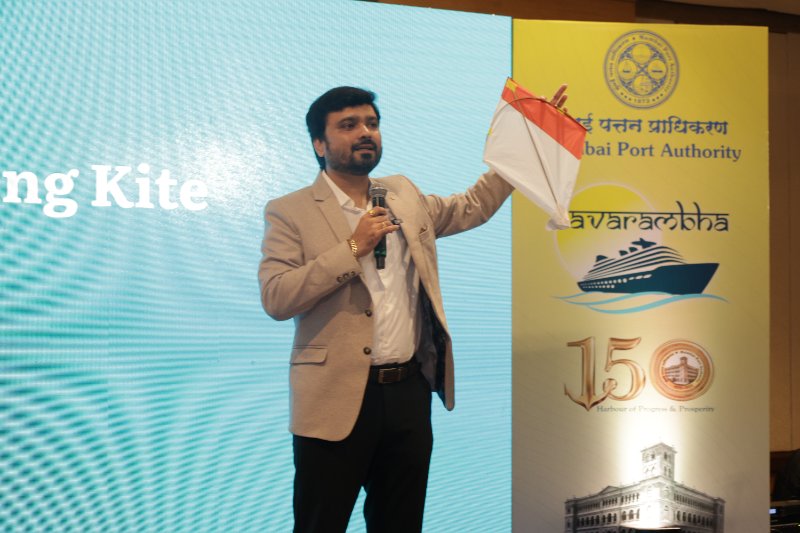
Why Avinash Chate
Avinash Chate is an entrepreneur and corporate trainer who runs ABC Trainings and The Future Corporate & Business Coaching, a TEDx speaker and published author. Over the last decade he has trained teams at 1,000-plus organisations and 15,000-plus professionals.
He teaches these skills not from a manual, but because he practises them himself — leading a 100-plus member team of his own. That is the difference working leaders feel in the room.
Ownership & Accountability Training — FAQ
What is Ownership & Accountability Training?
It is a practical programme that moves a team out of the "not my job" culture and into genuine ownership of outcomes. It builds both the mindset and the concrete skills that make accountability real — staying above the line instead of blaming or making excuses, using the language of responsibility, making clear and owned commitments, holding others accountable without being a tyrant, taking personal ownership of results, and building accountability into the team's everyday rhythms. Unlike a motivational talk on "owning it", it is built around the real situations where your team currently drops the ball, practised in the room until the behaviour changes.
Who should attend this training?
Any team where problems are seen but not owned — leadership teams, cross-functional groups where blame travels sideways, and departments where commitments quietly slip. It is at its most powerful when run for an intact team, so the whole group builds the same language and the same expectations and can hold each other accountable afterwards. It works equally well for shop-floor and MIDC operations teams, IT and services groups, and sales and support functions.
Why does accountability keep failing on our team even though we talk about it constantly?
Because accountability is usually treated as something you enforce — a tracker, a stick, a name in a red cell — when it is actually something you build. Enforced accountability produces compliance and cover-your-back behaviour that evaporates the moment the pressure lifts, because the ownership lived in the manager, not the person. Real ownership is the internal state where someone looks at a result and feels "this is mine" without being told. That state is not a personality trait — it is a way of thinking and working that can be taught, practised and designed into how a team operates. That is exactly what this programme does.
Isn't this really just about my people being lazy or not caring?
Almost never. In the vast majority of teams, the people are capable and working hard, and still the ball gets dropped. Sliding below the line — into blame, excuse and "wait and see" — is a natural human default because it feels safer than ownership, not because people are weak or careless. Give them the language, the mindset and the shared expectations to stay above the line, and give the team a rhythm that makes ownership visible, and the same people start owning outcomes. It is a skills-and-culture gap, not a character flaw — and gaps like that close with the right practice.
What does the programme cover?
Seven connected modules: ownership versus the victim cycle (above and below the line); moving from blame to responsibility through the language of accountability; making clear, dated, owned commitments; holding others accountable without being a tyrant; personal ownership and the extreme-ownership mindset; building accountability into team rhythms and systems; and extensive practice turning your team's real "not my job" situations around in the room. Every module pairs a short, usable model with practice on situations drawn from your own organisation.
How do you hold people accountable without damaging morale or relationships?
That is one of the core skills the programme teaches, in Module 04. Most teams swing between two failure modes — the soft leader who lets things slide, and the harsh one who leaves scorch marks — and both destroy accountability. We teach the middle path: holding people firmly to their commitments while treating them with respect, having the "you committed to this and it didn't happen — what's going on?" conversation with candour rather than attack, and building peer-to-peer accountability so the pressure comes sideways from teammates, not only downward from a boss. Done well, accountability actually strengthens relationships and trust rather than eroding them.
How is the training delivered — and how long does it take?
It is highly interactive — real cases, role plays and honest team work, with minimal lecture. The duration is flexible: the same programme runs as a half-day, a full day, a multi-day intensive for a team rebuilding its accountability culture, or a series of shorter modules spread across a quarter, and it works well as an ongoing rhythm revisited each quarter. We shape the exact length and cadence with you. For 20 to 40 participants, sessions are organised into small batches so everyone practises and speaks.
Is the programme customised to our organisation?
Yes. Before the first session, the examples and the practice scenarios are built around your context — your industry, your structure, and the specific "not my job" situations your team is actually stuck in. Participants work their own real recurring gaps, slipping commitments and orphan problems in the room. Generic accountability training is exactly what fails; the value is in practising ownership on the actual outcomes and conversations your people will face next week.
Can it be delivered on-site, and in which languages?
Yes. Most engagements are across Maharashtra — Pune, Mumbai, Chhatrapati Sambhajinagar, Nashik, Nagpur and the surrounding MIDC industrial belts — and the programme is equally delivered pan-India and internationally on request. Delivery is available in English, Hindi and Marathi, or a natural mix, which matters especially for shop-floor and operations teams building a shared accountability culture across levels.
Why Avinash Chate for this programme?
Avinash Chate is an entrepreneur and corporate trainer who runs a 100-plus member organisation where outcomes have to be owned and commitments have to hold — so he teaches accountability from lived experience, not theory. He is a TEDx speaker and author of The Winning Edge, creator of the KITE leadership framework, and has trained teams at 1,000-plus organisations and 15,000-plus professionals across sectors. That combination of real operating experience — building an accountable culture in his own business — and his own frameworks is what teams respond to.
Related Training Topics
End the "not my job" culture — build a team that owns its outcomes
Give your team the mindset and the skills to move from blame and excuses to genuine ownership — clear commitments, holding each other accountable, and taking responsibility for results. On-site across Maharashtra, pan-India and internationally, in English, Hindi or Marathi.
Request a Proposal →