Public Speaking & Confidence for Students
Ask the hall a question. The ones who know the answer are the ones staring hardest at their desks.
Watch any classroom the moment a teacher asks a question. A few hands shoot up. And then there is everyone else — the ones who know the answer, who are quietly certain of it, and who will do anything rather than say it out loud. Somewhere along the way they learned a quiet rule: speaking up is risky, and it is safer to stay silent than to be wrong in front of the whole room. So the same confident few answer everything, win every prize, walk into every interview at ease — while the capable-but-quiet many hold themselves back, in class, on stage, in the viva, in life. Here is what almost no one tells them: confidence and speaking are not gifts you are born with. They are skills. And skills can be taught.
★ For schools, colleges & institutions · Across Maharashtra, pan-India & internationally · English, Hindi & Marathi
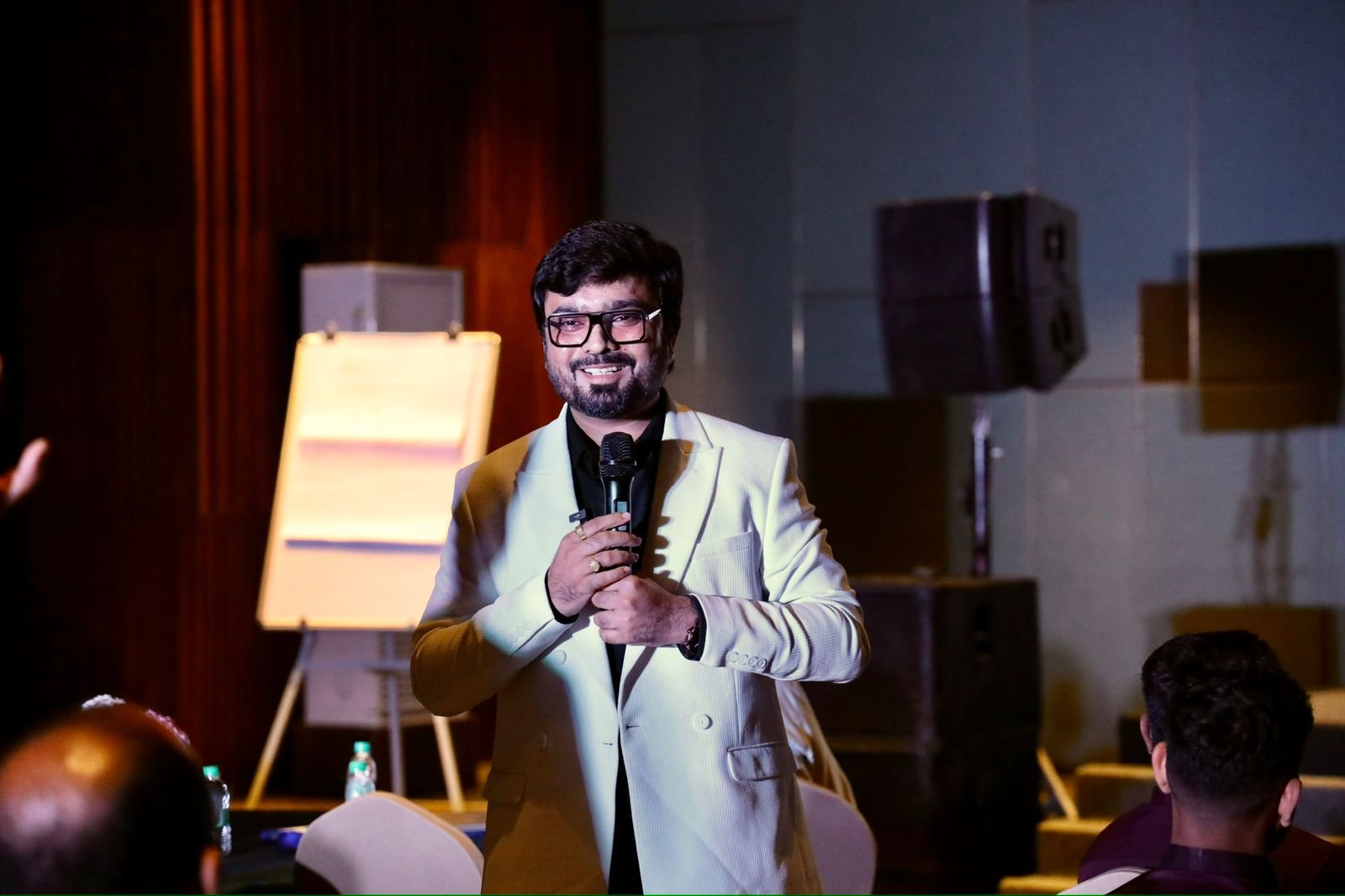
The Bright, Quiet Student Nobody Hears
Every campus has them, and there are far more of them than of the confident ones. The student who writes brilliant answers but goes pale when asked to read one aloud. The one with a genuinely original idea who lets a louder classmate say a weaker version of it, because at least they said something. The topper who freezes at the science exhibition, the debate, the interview — the exact moments where being able to speak would have counted for everything. From the outside it looks like they simply have "nothing to say." The truth is the opposite: they have plenty to say and no safe way to say it.
And it costs them quietly, year after year. Marks are lost in the viva and the presentation. Leadership roles go to whoever is willing to stand up, not to whoever is most capable. Then college ends, the interviews begin, and the group discussion round — the one that decides so much — rewards the student who can think on their feet and speak clearly, and quietly filters out the one who cannot. A young person's whole future can narrow, not because of what they know, but because of what they could never bring themselves to say out loud.
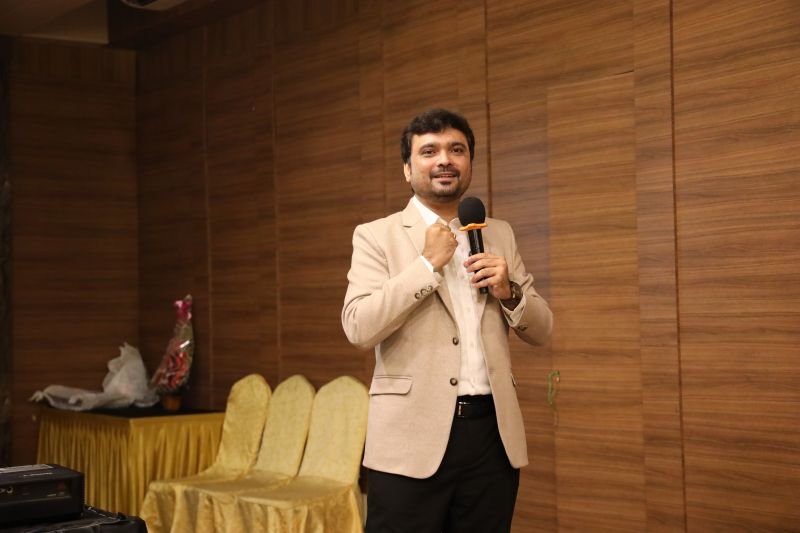
Why Capable Students Go Silent — And Why It Is Completely Fixable
The silence is not shyness as a personality, and it is certainly not a lack of intelligence. It is fear — a specific, learnable fear — usually stitched together from a handful of small moments: a time they stumbled and someone laughed, a teacher's sharp correction, the sting of a giggle from the back bench. The brain learns fast that the stage is dangerous, and it protects them by keeping them seated and quiet. The racing heart, the shaking hands, the mind that goes blank the instant every eye turns to them — those are not signs that something is wrong with them. They are the body doing exactly what fear tells it to do.
Which is the good news, though it rarely feels like it at fifteen or twenty. Because a fear that was learned can be unlearned, and a skill that was never taught can be taught. Confident speakers are not a separate breed of human — they are people who have stood up, spoken, survived, and done it enough times that their body finally stopped sounding the alarm. This programme gives students that experience deliberately and safely: a room where every one of them speaks, stumbles, recovers and is applauded anyway — until the stage stops feeling like a threat and starts feeling like theirs.
Does This Sound Familiar?
If this is the student you keep seeing — capable on paper, invisible the moment they have to speak — it is almost never a lack of ability. It is a skill no one has taught them yet. Here is what you are likely noticing, what it is quietly costing that young person, and exactly which part of the programme addresses it.
| What you see | What it is costing them | The real cause | How the programme fixes it |
|---|---|---|---|
| Students who clearly know the answer will not raise a hand or speak in class | Marks and confidence both slip away in every viva, presentation and oral test | They have learned that speaking up is risky, and staying silent feels safer than being wrong | The "Why We Fear the Stage" module reframes the fear and breaks the silence |
| A student's talk or presentation wanders — no clear beginning, point or ending | A good idea lands as a mess, and the audience tunes out before the point arrives | Nobody ever taught them that a talk has a structure you can actually build | The "Structuring What You'll Say" module gives them the opening–body–close spine |
| They speak in a flat mumble, eyes down, hands fidgeting, voice fading at the end | Even a strong point sounds unsure, so listeners quietly stop believing it | No one has shown them that voice, eye contact and body language are learnable controls | The "Voice, Body & Presence" module trains projection, pausing and eye contact |
| The mind goes blank the instant they are asked to speak with no time to prepare | The group discussion round and every on-the-spot moment is lost before it begins | They have only ever memorised, never practised thinking and speaking at the same time | The "Impromptu Speaking & Group Discussions" module builds the on-your-feet muscle |
| One tough question, one nervous wobble mid-talk, and the whole thing falls apart | A single stumble erases all the preparation and confirms their fear of the stage | Nobody taught them how to recover in the moment — they think one slip means failure | The "Handling Questions & Nerves in the Moment" module teaches the recovery |
What Changes When a Quiet Student Finds Their Voice
Picture the same student a few sessions later. The hand goes up in class before they have talked themselves out of it. They stand at the front of the hall, plant their feet, look up, take a breath, and actually begin — with an opening that grabs the room instead of an apology. Their voice carries to the back bench. They pause instead of racing. When a question comes that they did not expect, they do not crumble; they take a moment, and they answer. The idea that used to die in their notebook now lands in the room.
And the change reaches far past the stage. A student who can speak starts putting their hand up for the roles they used to avoid, walking into interviews and group discussions as a contender rather than a bystander, and carrying themselves with a quiet certainty that shapes how teachers, peers and, one day, employers see them. You have not just taught them to give a speech. You have handed them a skill that will keep opening doors long after they have left your campus.
What Your Students Will Be Able to Do
- ✓ Stand up and speak in front of a class, an assembly or a hall without being paralysed by fear
- ✓ Understand where stage fear comes from — and use simple techniques to steady the nerves and the body
- ✓ Structure a talk with a strong opening, a clear middle and a memorable close
- ✓ Use their voice, eye contact and body language so they sound and look confident, not unsure
- ✓ Hold an audience's attention with a story instead of a flat recital of facts
- ✓ Think and speak at the same time — handle impromptu topics and group discussions with composure
- ✓ Field questions and recover from a stumble mid-talk without the whole thing falling apart
What the Programme Covers
Seven connected modules that take a student from "I could never get up there" to standing, speaking and being heard. Every module pairs a short, practical idea with real time on their feet — because confidence is built by speaking, not by being told about speaking — and ends with a concrete shift in what the student can now do.
These are building blocks, not a fixed-length course. A single high-energy session goes deep on the two or three that matter most; a half or full day covers more; a multi-session series across a term — or a recurring annual rhythm — works through them all, with far more practice. We shape which ones, in what order and how deep, with you.
Why We Fear the Stage — and How to Beat It
What we cover: Where the fear of speaking actually comes from — the laugh from the back bench, the sharp correction, the one bad moment the brain never forgot. Why a pounding heart, shaking hands and a blank mind are the body doing its job, not a sign that something is wrong with you. The single most important reframe: nerves and excitement feel almost identical, so you can learn to read the rush as energy instead of danger. Simple, in-the-moment tools — breathing, focus and preparation — that turn the volume of fear down before you speak.
What changes: The student stops believing they are "just not a confident person" and starts seeing fear as something they can manage — the shift that makes them willing to stand up at all.
Structuring What You'll Say
What we cover: Why most student talks wander and lose the room — and the simple spine that fixes it. The opening–body–close structure that any student can build for a speech, a presentation or an answer in class. How to open in a way that grabs attention in the first ten seconds instead of apologising. Using the Rule of Three to make points land and stick. How to close with something the audience actually remembers, rather than trailing off into "so, yeah, that's it."
What changes: The student walks in with a clear map for anything they have to present, so a good idea finally lands as clearly as it deserves to.
Voice, Body & Presence
What we cover: The tools that make a person look and sound confident — all of them learnable, none of them inborn. Projecting the voice so it reaches the back bench without shouting. The power of the pause, and why silence makes a speaker sound more sure, not less. Standing with steady, grounded body language instead of shrinking, swaying or hiding behind the desk. What to do with restless hands. And eye contact — how looking up and meeting the audience, rather than reading the floor, changes everything about how the student is received.
What changes: The student's ideas stop being undercut by a nervous mumble and start being carried by a voice and a presence the room believes.
Storytelling & Holding Attention
What we cover: Why a room forgets a list of facts but remembers a story — and how any student can use that. Turning a dry topic into something people actually want to listen to. The shape of a simple, well-told story with a beginning, a turn and a point. Using a real moment, an example or a bit of honest humour to connect with an audience instead of lecturing at it. Reading the room and adjusting when you can feel attention slipping away.
What changes: The student learns to make people lean in rather than tune out, so being listened to stops depending on volume and starts depending on connection.
Impromptu Speaking & Group Discussions
What we cover: The skill the exam hall, the interview and life all quietly demand: thinking and speaking at the same time. Why the mind goes blank on the spot, and simple frames to organise a thought in seconds so words keep flowing. How a group discussion actually works — when to enter, how to make a clear point, how to build on someone else's rather than just fighting to be heard, and how to disagree without a quarrel. Speaking on a surprise topic and staying composed when there was no time to prepare.
What changes: The student can hold their own on their feet — in the GD round, the viva, the interview and every unscripted moment they used to dread.
Handling Questions & Nerves in the Moment
What we cover: What to do when it goes wrong mid-talk — because at some point, it will. Recovering from losing your place, a shaking voice or a mind that suddenly empties, without the whole thing collapsing. Why one stumble is not failure, and how confident speakers simply carry on. Handling a hard or unexpected question with honesty and calm instead of panic. Buying yourself a second to think. And managing the nerves in the moment, so a wobble stays a wobble instead of becoming a disaster.
What changes: The student stops fearing the one thing that goes wrong, because they now know how to steady themselves and keep going — which is what real confidence on stage actually is.
Practice — Where Every Student Speaks
What we cover: The heart of the programme, because speaking is learned only by speaking. Every single student gets on their feet — not just the confident few — with topics that build from short and easy to a full, prepared talk. Speaking in a supportive room where stumbling is expected and applause comes anyway. Warm, specific feedback on what worked and one thing to try next, delivered so it lifts the student rather than exposing them. Watching themselves grow, session by session, from a first shaky sentence to a talk they are proud of.
What changes: The student walks out having actually stood up and spoken — several times, and survived, and been cheered — so the stage stops being a threat and starts, at last, feeling like theirs.
How It Is Delivered
This is not a lecture about the importance of communication, and it is certainly not a room where a few brave students speak while the rest watch. It is a workshop where every student is on their feet — because you do not read your way to confidence, you speak your way there. Sessions are built around doing: quick speaking games that get the whole room talking within minutes, short structured talks, impromptu rounds, and a lot of laughter that quietly makes the stage feel safe. The models are kept simple and immediately usable; the real work is the practice, and the feedback is always warm, specific and designed to lift a nervous student, never to expose them.
The format flexes completely to your campus. It runs as a single high-energy seminar for a large gathering, a half or full-day intensive for a class or a club, or a series spread across a term — or an entire year — where students come back, speak again and visibly grow session by session. For a big assembly it works as an inspiring, get-everyone-participating session; for a smaller group it goes deep, with far more speaking time per student. The exact shape, depth and cadence are decided with you, around your students, your timetable and what you want them to walk away able to do.
Formats That Fit Your Calendar
A single high-energy seminar
One powerful session for a large assembly or gathering — enough to shift how students see stage fear, get the whole room participating, and send them out willing to speak up. Ideal for an annual day, an orientation or a soft-skills week.
A half or full-day workshop
A deeper, hands-on session for a class or a club, with real speaking time for every student — structure, voice and body language, and rounds of practice with feedback. Perfect before a fest, a competition season or the placement window.
A multi-session series across a term
Several sessions spread across the term so skills are learned, practised, and returned to — students speak again and again and see themselves improve. The format that produces the biggest, most lasting change.
An ongoing annual rhythm
Run it each year for every incoming batch, so building confident speakers becomes a permanent part of what your institution does for its students, not a one-off event.
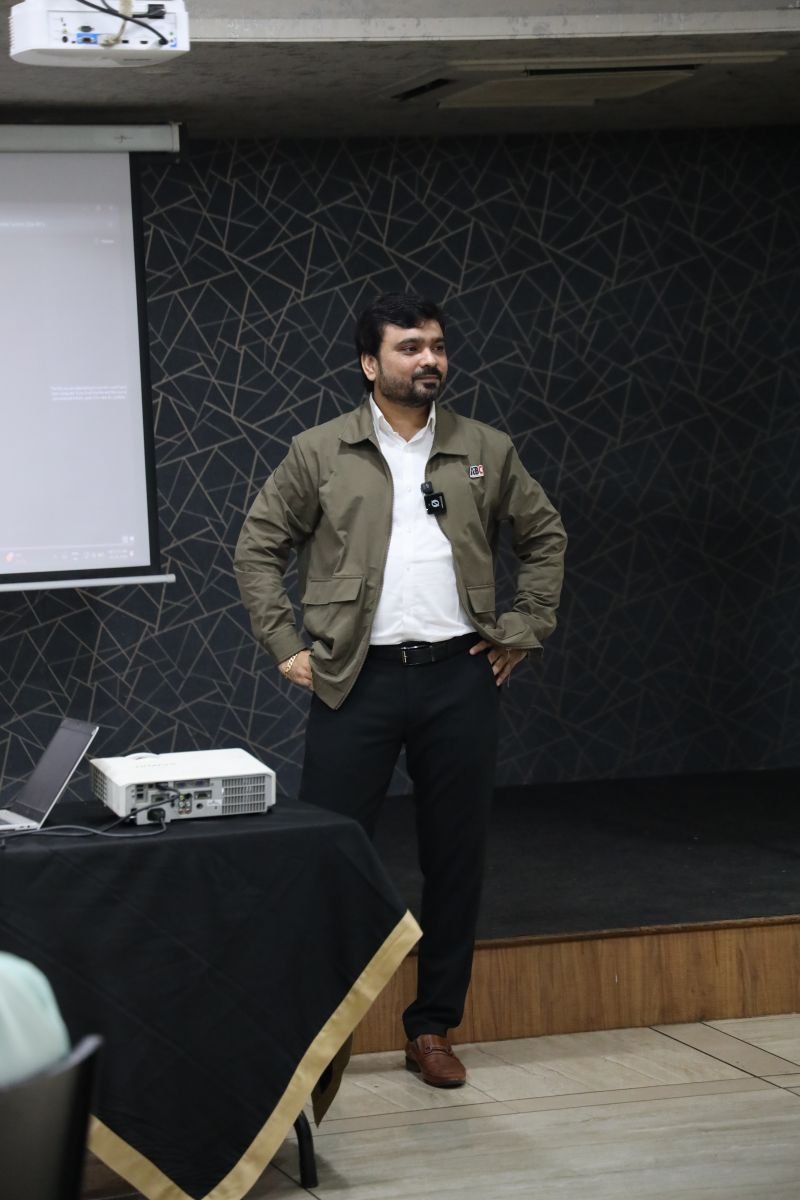
The Thinking Behind It
This programme is not a generic "communication skills" slideshow. It draws on the best writing and research on speaking and confidence — distilled into a few ideas a student can actually use the same afternoon — and then goes further, into the frameworks Avinash has built over a decade of standing in front of real students and turning quiet ones into speakers.
Ideas & books it draws on
- Steal the Show — Michael Port · a professional actor's toolkit for owning any room — speeches, interviews, the viva — and managing nerves and stage fright when every eye is on you
- Speak With No Fear — Mike Acker · seven practical, warm strategies aimed squarely at the fear itself — perfect for the student whose real obstacle is not skill but terror
- The Confidence Gap — Russ Harris · the crucial truth for a nervous student: you do not wait to feel confident before you act — you act first, and the confidence follows
- Feel the Fear and Do It Anyway — Susan Jeffers · the classic on doing the frightening thing while still afraid, which is exactly what standing up to speak asks of a student
- The Exceptional Presenter — Timothy J. Koegel · a clear, learnable formula for being organised, natural and engaging on your feet — proof that presence is a technique, not a gift
- How to Develop Self-Confidence and Influence People by Public Speaking — Dale Carnegie · the timeless foundation — overcoming the fear of speaking and building poise through practice, from the writer who taught the world how
Techniques we teach
- Conquering stage fear (reframing nerves) · nerves and excitement feel almost identical — students learn to read the rush as energy, not danger
- The opening–body–close structure · the simple spine of any talk, so a student's point has a clear beginning, middle and memorable end
- The Rule of Three · grouping ideas in threes so points land, stick and are actually remembered by the audience
- Voice & body language · projection, the pause, steady stance and calm hands — the learnable controls that make a speaker look sure
- Eye contact & pausing · looking up to meet the room and letting silence do its work — the fastest way to sound confident
And Avinash's own frameworks — the part you won't find anywhere else
Beyond the established thinking, the programme is built on frameworks Avinash has created and written about himself — including his KITE framework and the principles in his book The Winning Edge. They come from a decade of standing in front of real students and building real people, not from a textbook. It is the layer no one else can copy, and the one your students remember long after the session ends.
Who It Is For
School and college students of almost any age — from the school child who dreads reading aloud in class to the college student staring down the placement season and its group discussions. It is built for the whole spectrum in the hall, not just the naturally outgoing few: the shy topper, the capable back-bencher, the student council hopeful, the fest anchor, the science-exhibition presenter, and above all the bright, quiet majority who have plenty to say and no safe way to say it. Schools, junior colleges, degree and professional colleges, and institutions running a soft-skills, personality-development or placement-readiness track will find it especially valuable — and parents who want their child to be heard, not just marked, often ask for it by name.
Taught by Someone Who Was the Quiet Student Once
Avinash Chate does not teach this from a manual — he teaches it from having lived it. He began in a classroom in Latur as a student who scraped through his 12th with marks too low for engineering before turning everything around, and he knows from the inside what it is to be the young person who cannot make themselves speak. In 2014 alone he delivered 253 seminars to students across Maharashtra, and over the years he has stood in front of more than a lakh of them, watching the same transformation happen again and again: the quiet one, the one who stared at the desk, on their feet and speaking. He is a TEDx speaker and the author of The Winning Edge, and he runs a 100-plus member organisation — but what students respond to is simpler than any of that. He has stood exactly where they stand, and he tells them the truth about fear, effort and finding your voice.

Why Avinash Chate
Avinash Chate began his own journey in a classroom in Latur — a student who scraped through his 12th with marks too low for engineering before turning it all around. In 2014 alone he delivered 253 seminars to students across Maharashtra, and he has since grown into a TEDx speaker, author of The Winning Edge, and founder of a 100-plus member organisation.
Students listen to him because he has stood exactly where they stand — and because he does not lecture from a manual. He tells the truth about failure, effort and reinvention, from having lived every bit of it.
Public Speaking & Confidence for Students — FAQ
What is the Public Speaking & Confidence for Students programme?
It is a practical, hands-on programme that helps school and college students overcome the fear of speaking and learn to stand up, speak clearly and be heard. It covers conquering stage fear, structuring a talk, using voice and body language, storytelling, impromptu speaking and group discussions, handling questions and nerves in the moment, and — most importantly — real practice where every student gets on their feet and speaks. Unlike a generic lecture on communication, it is built around actually doing it, in a supportive room, until confidence becomes real.
Which students is it for?
Students of almost any age, from school children who dread reading aloud to college students preparing for placements and group discussions. It is designed for the whole hall, not just the confident few — especially the bright, quiet majority who know plenty but have never had a safe way to say it. It suits the shy topper, the capable back-bencher, the aspiring anchor or council member, and anyone whose future would open up if they could speak with confidence.
My child is extremely shy and terrified of speaking. Can this really help?
Yes — that student is exactly who the programme is built for. Fear of speaking is not a fixed personality trait; it is a learned fear, and it can be unlearned. The whole approach is to have every student speak in small, safe, supportive steps where stumbling is expected and applause comes anyway, so the stage gradually stops feeling like a threat. Shy students often show the biggest change precisely because they had the most bottled up. Confidence here is built by doing, gently and repeatedly, not by being told to "just relax."
Does every student actually get to speak, or just a few?
Every student speaks — that is the core promise of the programme, not an optional extra. Confidence is built only by getting on your feet, so sessions are designed so the whole room participates, starting with short, easy speaking and building towards fuller talks. In a large assembly this happens through participative rounds and games; in a smaller group each student gets far more individual speaking time and personal feedback. The quiet majority are drawn in, not left to watch.
What exactly does the programme cover?
Seven connected modules: why we fear the stage and how to beat it; how to structure what you want to say; voice, body language and presence; storytelling and holding attention; impromptu speaking and group discussions; handling questions and nerves in the moment; and a full practice module where every student speaks and gets feedback. Each module pairs a simple, usable technique with real time on their feet.
Will it prepare students for placement group discussions and interviews?
Yes. A full module is devoted to impromptu speaking and group discussions — the skill the GD round and the interview both quietly demand: thinking and speaking clearly at the same time, entering a discussion at the right moment, making a point, building on others and disagreeing without a quarrel. Combined with the work on structure, presence and handling questions, it directly targets the moments that decide placements, and it is often run just before the recruitment season for exactly that reason.
How is the programme delivered — and how long does it take?
It is highly interactive and hands-on — speaking games, real practice and warm feedback, with very little lecturing. The duration is flexible: the same programme runs as a single high-energy seminar for a large gathering, a half or full-day workshop for a class or club, a multi-session series spread across a term, or an ongoing annual rhythm for each incoming batch. There is no fixed, one-size length; we shape the exact format, depth and cadence with you, around your students and your timetable.
Can it be delivered on our campus, and in which languages?
Yes — it is delivered on-campus at your school, college or institution. Most engagements are across Maharashtra — Pune, Mumbai, Chhatrapati Sambhajinagar, Nashik, Nagpur and the surrounding regions and MIDC-belt townships — and it is delivered equally pan-India and internationally on request. Sessions are available in English, Hindi and Marathi, or a natural mix, which helps every student take part comfortably in their own language.
What results can we expect for our students?
Students who put their hands up in class instead of looking down, who can stand in front of an assembly and speak with a clear structure and a steady voice, who hold their own in group discussions and interviews, and who carry themselves with a new quiet confidence. A single session sparks the shift and gets the room speaking; a series across a term produces the deepest, most lasting change, as students speak again and again and visibly grow. The skill outlasts the programme — it keeps opening doors long after your students leave campus.
Why Avinash Chate for this programme?
Because he has stood exactly where these students stand. Avinash Chate began as a student in Latur who scraped through his 12th with marks too low for engineering before turning it around, so he teaches confidence and speaking from lived experience, not theory. In 2014 alone he delivered 253 seminars to students, and he has since addressed more than a lakh young people, is a TEDx speaker and the author of The Winning Edge, and runs a 100-plus member organisation. Students listen to him because he tells the truth about fear and effort — and because he has clearly walked the road he is asking them to walk.
Related Student Programs
Give your quiet students a voice
Turn the bright, capable, silent ones into young people who can stand up, speak clearly and be heard — in class, on stage, in the interview and in life. On-campus across Maharashtra, pan-India and internationally, in English, Hindi or Marathi.
Bring This to Your Students →