Personality Development for Students
The topper freezes at the podium; the average student walks in and owns the room. Marks never explained why.
You have watched it happen. The student who tops every test — hardworking, sharp, the one teachers count on — is asked to stand up and say a few words about themselves, and something shuts down. The voice drops, the eyes find the floor, the sentences run out. And a few benches away sits a student with ordinary marks who walks to the front, smiles, speaks, and somehow makes the whole room lean in. Nothing on any report card explains the difference. Marks measure what a young person knows. They say nothing about whether that young person can carry themselves, speak up, recover from a stumble, or make someone believe in them — and those are the things that decide interviews, admissions, friendships and the shape of a life. No exam has ever taught them. This program does.
★ For schools, colleges & institutions · Across Maharashtra, pan-India & internationally · English, Hindi & Marathi
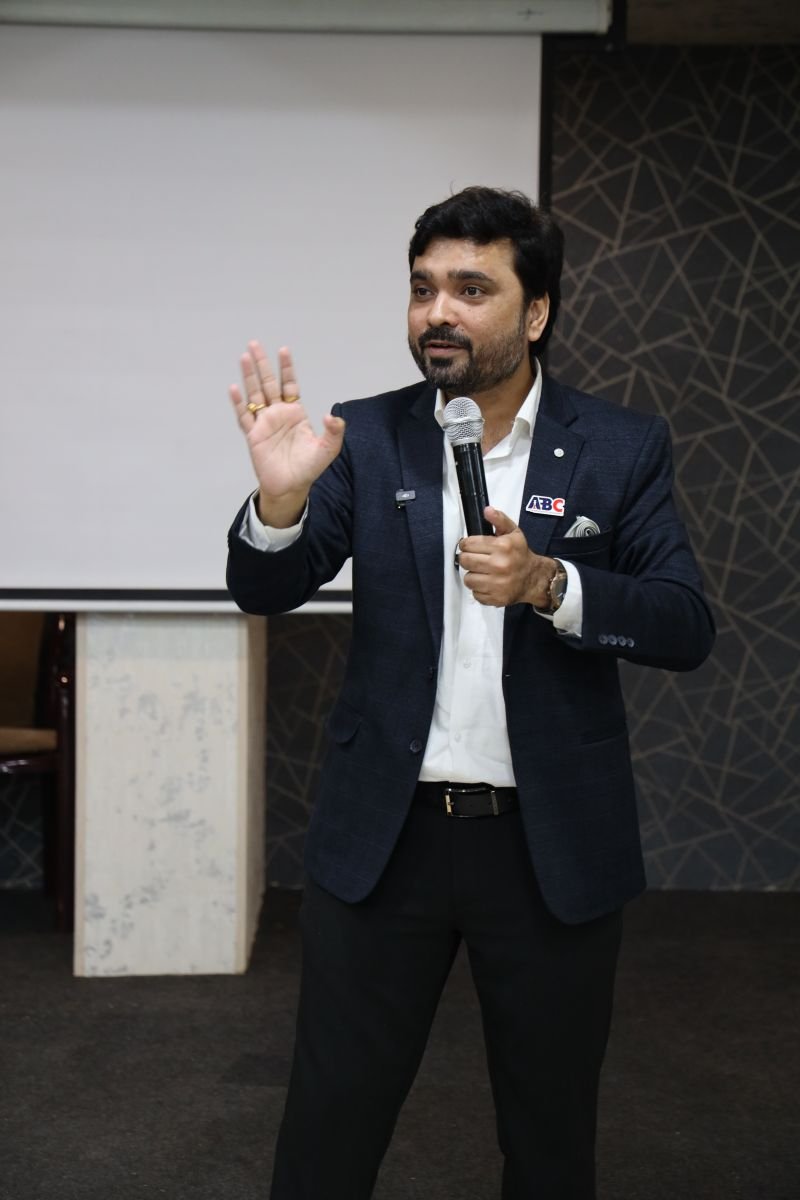
The Gap No Report Card Ever Shows
Sit in on a classroom result day and you will see two kinds of bright. There is the bright that shows up in numbers — the neat answers, the ranks, the medals. And there is the bright that shows up in a person — the one who can walk into a room of strangers, put out a hand, hold a gaze, and speak like they belong. Schools measure the first one obsessively and the second one not at all. So a student can spend twelve years being celebrated for marks and arrive at their first real test of presence — an interview, a viva, a stage, a new group of people — with none of it built. They are not slow. They were simply never taught the part of themselves that the world actually meets first.
And the cost is quiet but real. The capable student who cannot present themselves gets passed over for the confident one who can. The bright child shrinks in group discussions and lets weaker ideas win because they could not say theirs out loud. A single bad mark, a rejection, a moment of being laughed at sits like a wound because no one taught them how failure is supposed to feel. Peer pressure decides their choices because they have no steady sense of who they are to push back with. None of it is a lack of ability. It is a whole side of growing up that got left out — the side that turns a knowledgeable student into a person people trust and remember.
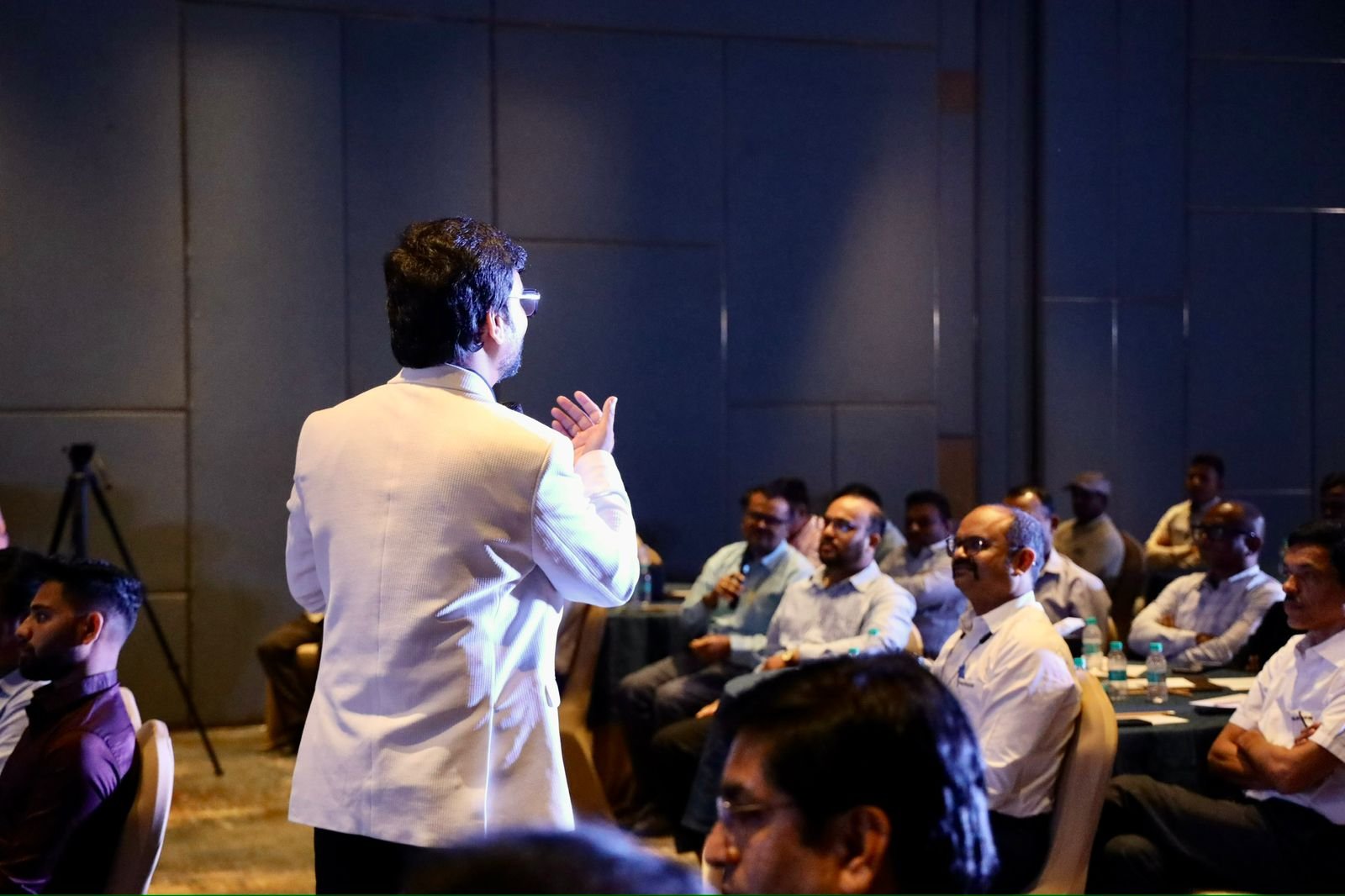
Why It Happens — And Why Every Bit of It Can Be Built
Here is the honest reason, and it lets everyone off the hook a little. Confidence, presence and the ability to carry yourself are not things you are simply born with or without — they are skills, and school was never designed to teach them. A student spends years being graded on recall and reasoning, and almost no time being coached on how to stand, how to speak, how to handle being wrong in front of others, or how to build a picture of themselves they actually believe in. So the quiet, capable ones learn to hide, and the naturally outgoing ones get all the practice by accident. The difference everyone reads as personality is really just exposure — some got the reps, most did not.
Which is exactly why it is fixable, and faster than anyone expects. Give a student a clear, honest look at their own self-image, put words and structure to what good body language and communication actually are, and then let them practise — safely, repeatedly, on their feet — and the change is visible inside a single session. Confidence is not a personality trait you either have or you don't; it is competence you can feel. Build the competence, and the confidence follows. This program builds it deliberately, in the room, before life starts asking these students to perform without ever having practised.
Does This Sound Familiar?
If the young people you teach or raise show any of these signs, it is almost never a limit on how far they can go. It is a part of their development that no exam ever addressed. Here is what you are likely seeing, what it quietly costs the student, why it is happening, and exactly which part of the program builds it.
| What you see | What it is costing them | The real cause | How the programme fixes it |
|---|---|---|---|
| A bright student goes silent the moment they must present, introduce themselves or speak up | The best ideas and the best students stay invisible; the confident-but-average ones get chosen instead | They have deep knowledge but were never taught confidence, body language or how to hold a room | The Confidence & Body Language module builds visible, felt confidence |
| The student has no real sense of who they are — they copy others and are easily unsettled | A shaky, borrowed identity that peer pressure and comparison push around at will | No one ever helped them look honestly at their own self-image and strengths | The Self-Awareness & Self-Image module builds a steady sense of self |
| First impressions go badly — a limp introduction, poor eye contact, an unsure handshake | Doors close in the first thirty seconds of interviews, admissions and new rooms, before ability shows | They were never taught how impressions form or how to make a strong, warm one on purpose | The Communication & First Impressions module makes the first thirty seconds work for them |
| One bad mark, rejection or embarrassing moment knocks the student flat for days | Lost confidence, avoidance of anything risky, and a habit of quitting before they are really tested | No one taught them that setbacks are normal, survivable and how to bounce back from them | The Handling Failure, Fear & Peer Pressure module builds real resilience |
| Good intentions but no follow-through — scattered habits, poor discipline, careless grooming | Talent that never compounds and a presentation that undersells who the student really is | They were never shown how small daily habits, discipline and self-presentation shape a person | The Habits, Discipline & Grooming module turns intentions into a daily standard |
What Changes When Students Are Actually Taught This
Picture the same bright, hardworking student — but now they stand up when asked and speak like the room is lucky to hear them. They walk into a new place, offer a steady hand and a real smile, and make a strong first impression on purpose instead of by luck. They know who they are well enough that comparison and peer pressure lose their grip. A bad result stings for an evening and then becomes fuel, not a full stop. Their knowledge is finally matched by the ability to carry it into a room.
And underneath all of it, the shift that matters most: the student stops waiting to be picked and starts being the one people notice. The marks were always there. Now the person is too — and that is the version of them that walks into interviews, onto stages, into opportunities and into adult life, and makes people believe in them long before anyone asks for a mark sheet.
What Your Students Will Be Able to Do
- ✓ Stand up, present and introduce themselves with genuine, visible confidence
- ✓ Read and use body language — posture, eye contact, a steady voice — so they look and feel sure
- ✓ Make a strong, warm first impression on purpose, in the crucial first thirty seconds
- ✓ Understand their own self-image and strengths well enough to stop copying and comparing
- ✓ Handle failure, rejection and fear as normal, survivable steps rather than crushing verdicts
- ✓ Hold their ground under peer pressure from a steady sense of who they are
- ✓ Build the everyday habits, discipline and self-presentation that quietly shape a person
What the Programme Covers
Seven connected modules that take a student from knowledgeable-but-hidden to confident, present and able to carry themselves. Every module pairs a short, honest input with real practice on the exact moments a young person faces — standing up, speaking, being seen, being judged — and ends with a concrete change in how they show up.
These are building blocks, not a fixed-length course. A single high-energy session goes deep on the two or three that matter most; a half or full day covers more; a multi-session series across a term — or a recurring annual rhythm — works through them all, with far more practice. We shape which ones, in what order and how deep, with you.
Who You Are vs How You Come Across
What we cover: The single idea that reframes everything — that marks measure what you know, but people meet how you carry yourself, and the two are trained completely differently. Why a topper can freeze and an average student can shine, and why that has nothing to do with intelligence. The parts of you the world reads first — how you enter, stand, speak and hold yourself — and the reassuring truth that every one of them is a skill, not a fixed trait you were born with or without.
What changes: The student stops believing confidence is something other people were simply born with, and starts seeing their own presence as something they can build.
Self-Awareness & Self-Image — Knowing Who You Are
What we cover: An honest, guided look inward — real strengths, genuine interests, the values a student actually holds. Spotting the difference between the picture they carry of themselves and who they really are. How a weak or borrowed self-image quietly runs their choices, their comparisons and their fears. Building a steady, accurate sense of self that does not need constant approval to stay standing — the foundation everything else is built on.
What changes: The student trades a shaky, borrowed identity for a clear sense of who they are — the anchor that steadies confidence, choices and how they handle pressure.
Confidence & Body Language — Looking and Feeling Sure
What we cover: Where real confidence actually comes from — competence you can feel, not a performance you fake. Posture, eye contact, gestures, a steady voice and how to stand so you look and feel grounded. Calming the physical signs of nerves — the shaking voice, the fidgeting, the looking away — so the body stops betraying the student. The two-way loop between how you carry yourself and how you feel, and how to use it on purpose before a stage, a viva or a room full of strangers.
What changes: The student carries themselves with visible, believable confidence — and, because the body leads the mind, actually starts to feel it too.
Communication & First Impressions — The First Thirty Seconds
What we cover: Why first impressions form in seconds and how much rides on them at an interview, an admission, a new class or a first meeting. Introducing yourself clearly and warmly — name, handshake, eye contact, a sentence that lands. Speaking so people listen: clarity, pace, pauses and cutting the filler. Listening well, reading the other person, and holding a real conversation rather than reciting at them. How to make a strong first impression on purpose instead of hoping for a good one.
What changes: The student turns the crucial first thirty seconds into a door that opens — introducing themselves and speaking in a way people remember for the right reasons.
Habits, Discipline & Grooming — The Daily Standard
What we cover: How small, repeated habits quietly compound into a person, for better or worse. The cue–routine–reward loop and how to build one good habit that sticks. The self-discipline to follow through when no one is watching and motivation has worn off. Simple, age-appropriate grooming and self-presentation — being clean, neat and put-together — so how a student looks matches who they are. Time and attention as things a young person can actually manage rather than lose.
What changes: The student's good intentions turn into a daily standard — habits, discipline and self-presentation that make their talent compound instead of leaking away.
Handling Failure, Fear & Peer Pressure
What we cover: The truth almost no one tells a student — that failure is normal, survivable and how everyone who ever succeeded got there. Separating a bad result from being a bad person, so one mark does not become a self-verdict. Managing the fear of speaking, of being judged, of being laughed at — and acting anyway. Recognising peer pressure for what it is and finding the words to say no from a steady sense of self. Turning a stumble into fuel instead of a full stop.
What changes: The student meets setbacks, fear and pressure as passing steps rather than crushing endings — and bounces back with their confidence intact.
Practice — Real Presentation & Interaction on Your Feet
What we cover: The heart of the program, where everything becomes real. Students actually do it: introduce themselves, give a short talk, field a mock interview question, walk into a role-played new room, join a group discussion and hold their own. Live, supportive practice with immediate, kind feedback — on posture, voice, eye contact, first impression and recovery. Doing the scary things once, safely, among peers, so the real versions days and years later no longer freeze them.
What changes: The student walks out having already stood up, spoken and been seen — so the real interview, stage or new room feels like something they have done before, not something to dread.
How It Is Delivered
This is not a lecture on personality that students sit through and forget. It is a high-energy, interactive session where they are on their feet doing the very things that usually scare them — standing up, introducing themselves, speaking, being seen — in a room that is safe, warm and pulling for them. The ideas are kept simple and honest; the practice is where the confidence is actually built. Avinash speaks to students the way someone who has stood exactly where they stand can — no jargon, no talking down, just the truth about how presence is built and plenty of chances to try it.
The format flexes completely to the institution. It runs as a single high-impact seminar for a large hall of students, a half or full day that goes deeper with real practice, a multi-session series spread across a term so each skill is learned and lived, or a recurring annual rhythm built into the academic calendar. For larger groups, the on-your-feet practice is organised so students actually participate rather than only watch. The exact depth, format and cadence are shaped with the school, college or institution — and delivery is on-campus, in English, Hindi or Marathi, or a natural mix.
Formats That Fit Your Calendar
Single seminar or assembly
One high-energy session for a full hall of students — the fastest way to shift how a whole batch sees confidence and presence. Ideal for an orientation, an annual event or a special day.
Half-day or full-day workshop
A deeper session with real on-your-feet practice for a class or year group — enough time to move from ideas to actually presenting, introducing themselves and being seen.
Term-long modular series
Shorter sessions spread across a term, so each skill — self-image, body language, first impressions, handling failure — is learned just as students need it, with far more practice and lasting change.
A recurring annual program
Built into the academic calendar and run for every incoming batch, making personality development a permanent part of how the institution grows its students, not a one-off event.
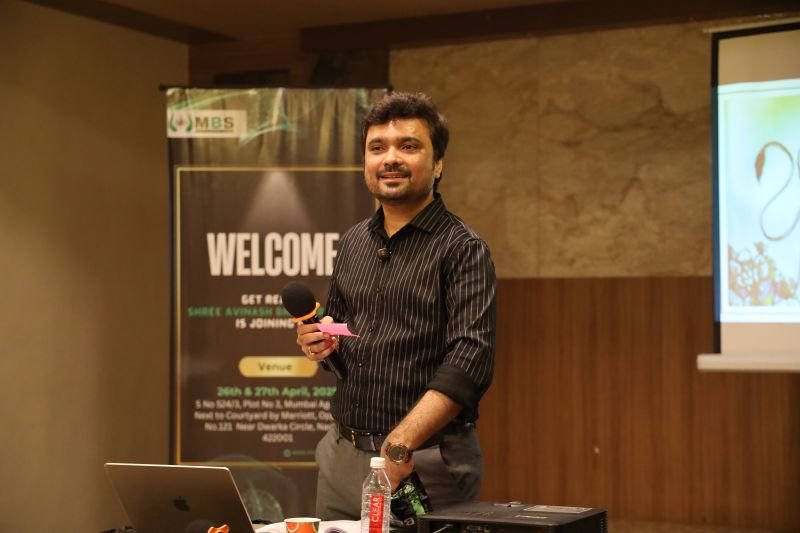
The Thinking Behind It
This program is not a generic confidence deck. It draws on some of the most trusted writing on the inner life of a young person — self-image, self-talk, thinking, self-esteem and the making of character — distilled into a few ideas a student can actually use, and then goes further, into the frameworks Avinash has built from standing in front of a lakh of students and reshaping how they see themselves.
Ideas & books it draws on
- The 7 Habits of Highly Effective Teens — Sean Covey · the teen classic that turns character and self-leadership into seven habits a student can start living today
- The Magic of Thinking Big — David J. Schwartz · on how the size of a student's thinking, not their marks, quietly sets the size of their life
- What to Say When You Talk to Your Self — Shad Helmstetter · on the inner voice that decides a student's confidence — and how to change it from critic to ally
- Awaken the Giant Within — Anthony Robbins · on taking charge of your own beliefs, standards and emotions instead of leaving them to chance
- As a Man Thinketh — James Allen · the timeless little book on how thought shapes character — the seed of a strong self-image
- The Six Pillars of Self-Esteem — Nathaniel Branden · the definitive work on where genuine, unshakeable self-worth actually comes from
Ideas we build on
- Self-image / self-concept · the inner picture a student carries of themselves — the quiet governor of their confidence and choices
- The confidence–competence loop · confidence is not born, it is built — competence you can feel, then feel confident about
- Growth vs fixed mindset (Dweck) · treating ability and presence as things you build, not fixed traits you are stuck with
- First impressions & the 7-38-55 rule (Mehrabian) · how much of a first impression rides on tone and body language, not just the words
- The habit loop — cue, routine, reward · how small daily habits compound into discipline, and discipline into a person
And Avinash's own frameworks — the part you won't find anywhere else
Beyond the established thinking, the programme is built on frameworks Avinash has created and written about himself — including his KITE framework and the principles in his book The Winning Edge. They come from a decade of standing in front of real students and building real people, not from a textbook. It is the layer no one else can copy, and the one your students remember long after the session ends.
Who It Is For
School and college students at every stage where presence starts to matter — from the older school years, through junior college and into degree and professional courses, right up to final-year students about to face placements, interviews and the world of work. It is for the quiet, capable ones who go unseen, and for the naturally outgoing ones who could turn raw energy into real skill. Schools, colleges, junior colleges, coaching institutes and universities bring it in for a class, a year group or an entire campus. Parents seek it for the bright child who has the marks but not yet the confidence to carry them.
Taught by Someone Who Was Once the Student Who Had to Rebuild Himself
Avinash Chate does not teach this from a manual. He began in a classroom in Latur as a student who scraped through his 12th with marks too low for engineering before turning everything around — so when he talks to young people about self-image, failure and reinvention, he is describing a road he has walked. In 2014 alone he delivered 253 seminars to students across Maharashtra, and he has since spoken to more than a lakh of them, growing into a TEDx speaker and the author of The Winning Edge. Students listen because he has stood exactly where they stand, and because he tells the truth about effort, failure and becoming someone — from having lived every bit of it.

Why Avinash Chate
Avinash Chate began his own journey in a classroom in Latur — a student who scraped through his 12th with marks too low for engineering before turning it all around. In 2014 alone he delivered 253 seminars to students across Maharashtra, and he has since grown into a TEDx speaker, author of The Winning Edge, and founder of a 100-plus member organisation.
Students listen to him because he has stood exactly where they stand — and because he does not lecture from a manual. He tells the truth about failure, effort and reinvention, from having lived every bit of it.
Personality Development for Students — FAQ
What is Personality Development for Students?
It is a practical program that builds the part of a student no exam measures — real confidence, presence and the ability to carry themselves. It covers self-awareness and self-image, confidence and body language, communication and first impressions, everyday habits, discipline and grooming, and how to handle failure, fear and peer pressure. Unlike a lecture on personality, it is built around the real moments a young person faces — standing up, presenting, introducing themselves, being judged — and every session ends in actual practice, on their feet, until they feel the change.
Which students is it for — school or college?
Both. It works from the older school years through junior college and into degree and professional courses, right up to final-year students preparing for placements and interviews. The content and practice are pitched to the age group in the room. It helps the quiet, capable students who go unseen just as much as the outgoing ones who can turn natural energy into real, trained skill. Schools, colleges, coaching institutes and universities bring it in for a single class, a full year group or an entire campus.
Why do bright, high-scoring students often lack confidence and presence?
Because marks and presence are trained completely differently, and school only trains one of them. A student can spend years being graded on recall and reasoning while getting almost no coaching on how to stand, speak, handle being wrong in front of others, or build a picture of themselves they believe in. So the capable-but-quiet ones learn to hide, and only the naturally outgoing ones get practice — by accident. What everyone reads as personality is really just exposure. The good news is that confidence is a skill, not a fixed trait, and it can be built deliberately and surprisingly fast.
What does the program cover?
Seven connected modules: who you are versus how you come across; self-awareness and self-image; confidence and body language; communication and first impressions; habits, discipline and grooming; handling failure, fear and peer pressure; and a full practice module where students actually present, introduce themselves and hold a room. Every module pairs a short, honest idea with real practice on the exact situations a young person faces.
How is it delivered, and how long does it take?
It is highly interactive — students spend much of the time on their feet, practising, not just listening. The duration is flexible: it runs as a single high-impact seminar for a full hall, a half or full day with deeper practice, a term-long series of shorter sessions, or a recurring annual program built into the academic calendar. There is no fixed length — the same program scales from one session to a whole term, and we shape the depth and cadence with the institution. For larger groups, the practice is organised so students actually take part.
Is it delivered on-campus, and in which languages?
Yes. Delivery is on-campus at your school, college or institution. Most engagements are across Maharashtra — Pune, Mumbai, Chhatrapati Sambhajinagar, Nashik, Nagpur and surrounding towns — and the program is equally delivered pan-India and internationally on request. It is available in English, Hindi and Marathi, or a natural mix, so it lands with students wherever they are and whatever language they are most comfortable in.
Is this just motivational talk, or do students actually learn skills?
It is skills, practised, not just motivation. Students leave having actually done the hard things — stood up, introduced themselves, given a short talk, faced a mock interview question, joined a group discussion — with immediate, kind feedback on their posture, voice, eye contact and first impression. The energy and belief are there because they matter for young people, but the core of the program is deliberate practice that produces a visible change in how a student carries themselves, not a feeling that fades by the next morning.
Can the program be customised for our institution?
Yes. Before the session, the examples, practice scenarios and emphasis are shaped around your students — their age group, their stream, and what they are heading towards, whether that is board exams, admissions, placements or first jobs. A final-year placement batch and a group of school students need different practice and a different pitch, and they get it. Generic, one-size content is exactly what students tune out; the value is in practising the real moments they will face next.
What outcomes can we expect for our students?
Students who stand up and present with genuine confidence, make a strong first impression on purpose, know themselves well enough to resist comparison and peer pressure, and treat a setback as a passing step rather than a verdict. In practical terms, that means young people who interview better, speak up in class and group discussions, carry themselves well in new rooms, and finally match their knowledge with the presence to show it. The marks were always there; this adds the person who can carry them.
Why Avinash Chate for this program?
Because he has lived it. Avinash Chate began as a student who scraped through his 12th with marks too low for engineering before rebuilding himself — so he teaches self-image, failure and confidence from experience, not a manual. He delivered 253 seminars to students in 2014 alone, has since spoken to more than a lakh of young people, and is a TEDx speaker and author of The Winning Edge, with his own KITE framework. Students listen because he has stood exactly where they stand and tells the truth about effort, failure and becoming someone — which is precisely what a young person responds to.
Related Student Programs
Give your students the confidence no exam ever taught
Build the presence, communication and self-belief that decide interviews, admissions and life — with real, on-your-feet practice. On-campus across Maharashtra, pan-India and internationally, in English, Hindi or Marathi.
Bring This to Your Students →