Campus to Corporate Training
They cleared every round of your hiring process — and then went quiet the moment real work began.
You hired them for a reason. The marks were strong, the aptitude score was clean, the interview was sharp. And then the first week arrives and something you did not budget for shows up: the same bright graduate who debated confidently in the final round now waits three days to reply to a client, unsure whether it is even their place to speak. They do exactly what they are told and nothing more. They read a line of ordinary feedback as a verdict on their worth. They are on time every single day and somehow still not contributing. It is not that you misjudged them. It is that college trained one thing and the workplace rewards another — and no one has ever walked them across that gap. This programme is that walk.
★ 5.0 client rating · Across Maharashtra, pan-India & internationally · English, Hindi & Marathi
The Gap Every Employer Feels but Few Name
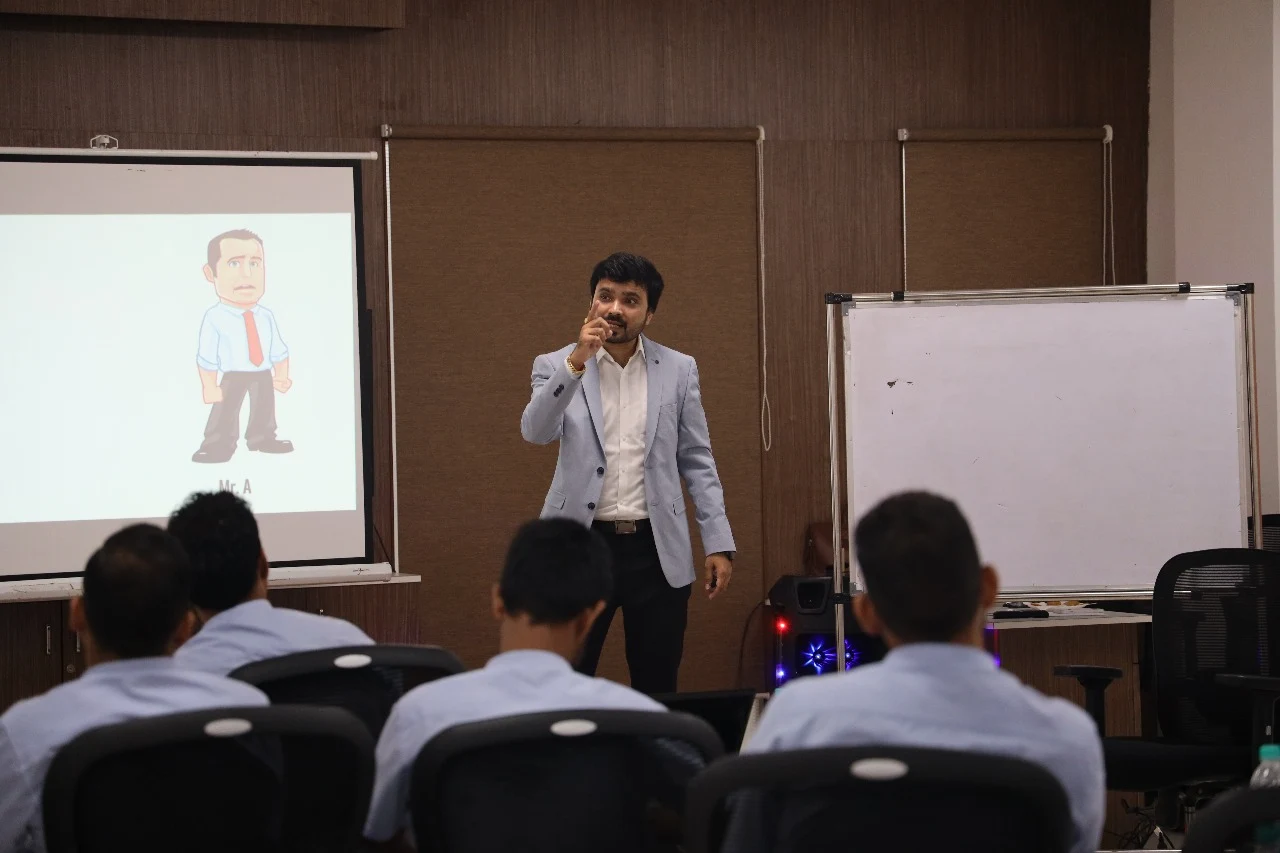
Sit in on any team that has just absorbed a batch of freshers and you will feel it within a fortnight. The talent is obviously there — you can see it in the way they solve a problem when it is handed to them cleanly. But the workplace does not hand things over cleanly. It hands over ambiguity: a half-finished brief, a client who is annoyed, a senior who is busy, a deadline that shifted overnight. And the graduate, brilliant at the closed-book exam, has never once been asked to act without a syllabus telling them exactly what counts. So they wait. They wait to be told, wait to be checked, wait for permission that in this world never quite arrives.
The cost is quiet but real. Managers who should be building the business end up spoon-feeding instead — re-explaining an email that should never have gone out, smoothing over a client who was left hanging, chasing a task that was silently stuck because no one said out loud that they were stuck. The fresher, meanwhile, senses they are underwhelming and cannot name why; their confidence, high on day one, starts to leak. A few months in you have a demoralised new hire, a frustrated team lead, and a nagging feeling that the campus you recruited from and the desk they now sit at speak two different languages.
Why Bright Graduates Struggle — And Why It Is Entirely Fixable
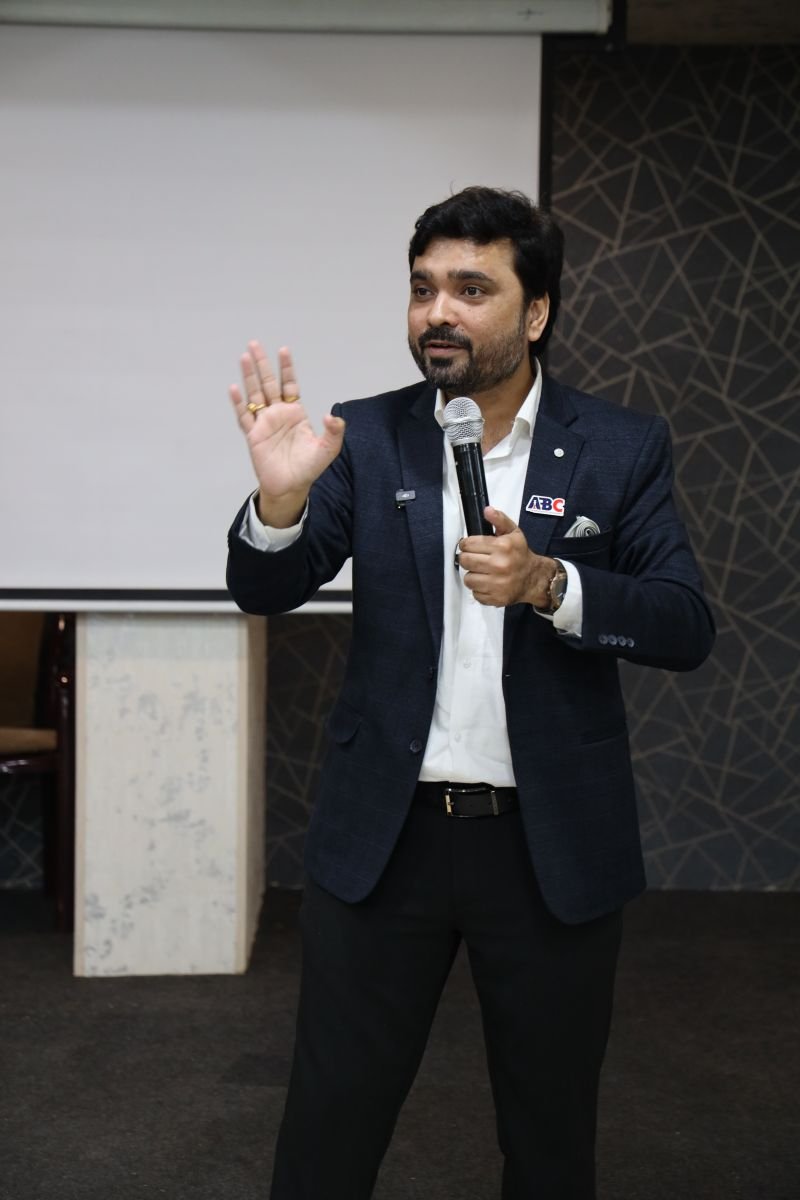
Here is the honest diagnosis, and it lets everyone off the hook: college and work reward opposite instincts. For sixteen years, the graduate was measured as an individual, on a fixed syllabus, at a scheduled exam, where asking for help was close to cheating and the right answer was always knowable. Work inverts every one of those rules. Now success is measured by what a team ships, on problems with no answer key, against moving deadlines, where not asking for help is the mistake and where taking ownership of the messy middle is the whole job. Nobody rewired them for this. Their student operating system is running perfectly — it is simply the wrong operating system for the room they are in.
That reframing matters, because "unready" sounds like a character flaw and it is nothing of the sort. It is a set of unwritten rules — how hierarchy actually works, what a professional email sounds like, why attendance is not contribution, how to hear feedback as fuel rather than an attack — that no degree ever put on the timetable. Unwritten rules can be made explicit, and once they are, they are learned fast. This programme surfaces every one of them and gives your new joiners deliberate practice in the first months, so the expensive lessons are learned in the room instead of in front of a real client.
Does This Sound Familiar?
If your recent campus hires are showing any of these signs, it is almost never a hiring mistake. It is the campus-to-corporate gap — the unwritten rules of the workplace that no degree teaches. Here is what you are likely seeing, what it is quietly costing, and exactly which part of the programme closes it.
| The symptom you see | What it is costing you | The real cause | How the programme fixes it |
|---|---|---|---|
| They wait to be told exactly what to do, and stop the moment they hit ambiguity | Managers become bottlenecks; simple tasks stall silently until someone chases them | College rewarded following a syllabus; no one taught ownership of the messy, undefined middle | The mindset-shift module — from student to owner, proactivity over permission |
| Their emails and messages to clients and seniors land as clumsy, curt or unclear | Clients form a poor first impression; seniors quietly rewrite what freshers send | They have never been shown what a professional email actually sounds like | The workplace-communication module — email, tone and etiquette |
| They take ordinary corrective feedback personally and visibly deflate | Seniors soften or skip feedback, so the fresher stops improving and resentment builds | A grade felt like a final verdict on their worth; feedback was never a tool to get better | The feedback-and-managing-up module — hearing correction as fuel |
| They are present and punctual every day, yet somehow not moving work forward | You are paying for attendance and mistaking it for contribution | School measured showing up and finishing the paper; work measures outcomes owned | The time, deadlines and reliability module — becoming someone work can count on |
| They misread hierarchy — over-familiar with seniors, or too timid to ever speak up | Awkward relationships, missed contributions, and a fresher seen as not "getting it" | A classroom is flat and personal; a workplace has unwritten rules of role and deference | The teamwork-and-hierarchy module — reading the room and working within it |
What Changes When Your Freshers Are Actually Bridged
Picture the same batch, three months in, but bridged. They read a half-formed brief and take the next step without being pushed — and check in at the right moment rather than either going silent or interrupting for permission. The email that leaves their outbox is one you would happily let a client see. Feedback lands and they lean in, curious, instead of shrinking. They know when to defer, when to raise a hand, and when to simply own the outcome and deliver it.
And underneath the visible polish is the shift that pays for the whole programme: your new joiners stop behaving like students waiting to be examined and start behaving like professionals the team can rely on. The managers you freed from spoon-feeding get their time back. The confidence the graduate arrived with is no longer leaking — it is compounding. You did not just onboard them; you turned raw campus potential into contribution, months earlier than it would have happened on its own.
What Your New Joiners Will Be Able to Do
- ✓ Make the mental shift from student to professional — taking ownership instead of waiting for instructions
- ✓ Write clear, warm, professional emails and messages that seniors and clients respect
- ✓ Work inside a team and a hierarchy — reading the room, deferring and contributing at the right moments
- ✓ Receive feedback as fuel rather than an attack, and begin to manage up with confidence
- ✓ Treat deadlines as promises and become someone the team can genuinely rely on
- ✓ Carry themselves with professional presence — grooming, first impressions and workplace etiquette
- ✓ Replace "I did what I was told" with "I owned the outcome" as their default standard
What the Programme Covers
Seven connected modules that carry a bright graduate across the gap from campus to corporate in their first months. Every module pairs a short, practical input with real workplace practice on the exact situations a new joiner faces — and ends with a concrete change in how they show up at the desk.
These are building blocks, not a fixed-length course. A two-hour session goes deep on the two or three that matter most to you; a half or full day covers more; a multi-day intensive — or an ongoing monthly, quarterly or half-yearly rhythm — works through them all, with far more practice. We shape which ones, in what order and how deep, with you.
The Shift — From Student to Professional
What we cover: Why the rules just changed completely: from an individual graded on a syllabus to a contributor judged by what the team delivers. The move from waiting for instructions to taking ownership of ambiguity. Understanding the circle of influence — acting on what you can affect instead of stalling on what you cannot. Reframing "that is not my job" and "no one told me" as the reflexes that hold new joiners back.
What changes: The new joiner stops waiting to be told and starts taking ownership — the single mindset shift every other module builds on.
Workplace Communication and Email Etiquette
What we cover: What a professional email actually sounds like — subject lines, greetings, structure, tone and the discipline of a clear ask. Writing to a client versus a senior versus a peer. Chat and messaging etiquette, response times, and knowing when to call rather than type. Avoiding the casual, over-familiar or careless habits carried over from student group chats. Reading and replying so nothing is left hanging.
What changes: Every message the new joiner sends is one you would be comfortable letting a client or a director read.
Working in a Team and With Hierarchy
What we cover: How a workplace hierarchy really works — roles, reporting lines, and the unwritten rules a flat classroom never taught. When to defer, when to raise a hand and when to simply act. Being a dependable teammate: pulling your weight, sharing credit, and not leaving others to cover your gaps. Reading the room, respecting seniority without losing your voice, and collaborating across functions.
What changes: The new joiner moves inside the team and the hierarchy naturally — respected as someone who "gets it" rather than someone still learning the room.
Receiving Feedback and Managing Up
What we cover: Why a grade felt like a verdict and why feedback at work is nothing of the sort. Hearing correction as fuel instead of an attack — the growth mindset in practice. How to ask for feedback rather than dread it, and how to act on it visibly. The basics of managing up: keeping your manager informed, flagging problems early, and making yourself easy to lead. Handling the sting of a first real critique without deflating.
What changes: The new joiner leans into feedback with curiosity and improves fast — and becomes genuinely easy for a busy manager to guide.
Time, Deadlines and Reliability
What we cover: Why attendance is not contribution, and why a deadline is a promise rather than a suggestion. Planning a day around outcomes, not hours logged. Communicating early when something will slip, instead of going silent and hoping. Managing multiple asks, prioritising, and not dropping the small commitments that quietly define your reputation. Building the reliability that makes seniors trust you with bigger things.
What changes: The new joiner becomes someone the team can count on — work handed to them is work they own and land, on time.
Grooming, First Impressions and Professionalism
What we cover: The impression made in the first thirty seconds — appearance, punctuality, body language and the small signals of professional presence. Dressing for the context, whether shop floor, office or client site. Meeting etiquette, phone and video-call presence, and the courtesies that mark someone as a professional. Handling introductions, small talk and networking without the campus awkwardness. Owning your presence with quiet confidence.
What changes: The new joiner walks into any room — internal or client-facing — carrying themselves as a professional the company is proud to send.
Practice — Real Workplace Simulations
What we cover: Live simulations of the moments that define a fresher's first months: replying to an annoyed client email, giving a status update to a busy senior, receiving tough feedback in a review, flagging a slipping deadline before it blows up, and introducing yourself in a cross-team meeting. Rehearsed in the room, on real situations drawn from your own organisation, until the responses feel natural.
What changes: The new joiner has already lived the hard first-month moments once, in safety — so the real ones, days later, no longer catch them off guard.
How It Is Delivered
This is not an orientation slideshow about company policy. It is a workshop where new joiners practise being professionals. They spend most of the time on their feet — drafting the real email, taking the real feedback, giving the real status update, handling the real annoyed client — using situations pulled straight from your own organisation. The frameworks are kept few and immediately usable; the practice is where the campus reflexes are unlearned and the professional ones are built.
The format flexes to your intake. It runs as a focused half-day, a full-day induction, a multi-day immersion for a fresh graduate batch, or a modular series threaded across the critical first months on the job — and it works beautifully as an ongoing programme, run every hiring season as each new cohort walks in. For a batch of 20 to 40, it is organised into small groups so every new joiner practises rather than just watches. The exact depth, duration and cadence are shaped with you in the design call.
Formats That Fit Your Calendar
Half-day or full-day induction
A high-impact session to bridge a fresh batch quickly — ideal in the first days after they join, before habits set.
Multi-day immersion
Two or more days to go deep — perfect for a large graduate intake or a campus-to-corporate academy stepping onto the floor together.
Modular series across the first months
Shorter sessions spread across the critical early period, so each skill lands exactly when the new joiner needs it on the job.
An ongoing onboarding programme
Run it every hiring season for each new cohort — making campus-to-corporate readiness a permanent part of how you induct freshers.

The Thinking Behind It
This programme is not a generic soft-skills deck. It draws on the best writing on the leap into professional life — distilled into a few models a new joiner can use on day one — and then goes further, into the frameworks Avinash uses to induct and grow the young professionals inside his own 100-plus member organisation.
Ideas & books we draw on
- The 7 Habits of Highly Effective People — Stephen R. Covey · the foundation of proactivity, ownership and the circle of influence every new professional needs first
- The Defining Decade — Meg Jay · why the first working years matter more than any graduate believes, and how to spend them well
- Designing Your Life — Bill Burnett & Dave Evans · a designer's mindset for building a career, not just landing a first job
- Never Eat Alone — Keith Ferrazzi · the relationship and networking instincts a classroom never teaches a young professional
- The Achievement Habit — Bernard Roth · turning intention into action and dropping the excuses that keep freshers waiting to be told
- Make Your Bed — Admiral William H. McRaven · small daily discipline and reliability — the unglamorous habits that build a trusted professional
Models we teach new professionals
- Covey's circle of influence · act on what you can affect instead of stalling on what you cannot control
- The 7 Habits (Covey) · be proactive, begin with the end in mind, put first things first — the new-professional operating system
- Growth mindset (Carol Dweck) · hearing feedback as fuel to improve rather than a verdict on your worth
- Professional email etiquette frameworks · subject, structure, clear ask and the right tone for client, senior and peer
- Ownership vs victim mindset · replacing "no one told me" and "not my job" with taking responsibility for the outcome
And Avinash's own frameworks — the part you won't find anywhere else
Beyond the established thinking, the programme is built on frameworks Avinash has created and written about himself — including his KITE leadership framework and the principles in his book The Winning Edge. These come from actually running a 100-plus member organisation and developing its people year after year, not from a textbook. It is the layer competitors cannot copy, and the one your new joiners remember long after the session ends.
Who It Is For
Anyone crossing from education into professional life — fresh graduates and post-graduates, campus-hire batches, management and engineering trainees, interns converting to full-time, and apprentices stepping onto the shop floor for the first time. It is at its most powerful run as a cohort, so an entire intake builds a shared professional language and a peer group in the crucial first months. On manufacturing floors and in IT, sales and services pipelines alike, it is the bridge that turns a bright graduate into a contributor the team can rely on far sooner than nature would allow.
Taught by Someone Who Inducts Young Professionals Every Year
Avinash Chate does not teach this from a manual. He runs a 100-plus member organisation and brings young people across the campus-to-corporate gap himself, every hiring season — so the ownership, communication and reliability taught here are the real thing, shaped in his own business. Programmes that build fresher and early-career readiness have been delivered across sectors, from manufacturing floors where trainees step into their first real responsibility, to IT, sales and services teams onboarding graduate batches making the very same leap.
Why Avinash Chate
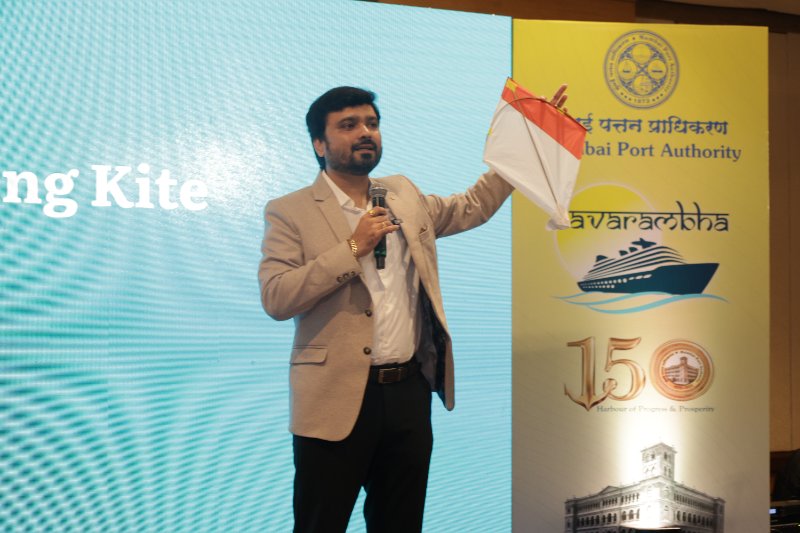
Avinash Chate is an entrepreneur and corporate trainer who runs ABC Trainings and The Future Corporate & Business Coaching, a TEDx speaker and published author. Over the last decade he has trained teams at 1,000-plus organisations and 15,000-plus professionals.
He teaches these skills not from a manual, but because he practises them himself — leading a 100-plus member team of his own. That is the difference working leaders feel in the room.
Campus to Corporate Training — FAQ
What is Campus to Corporate Training?
It is a practical onboarding programme for fresh graduates stepping into professional life for the first time. It builds the workplace skills no degree teaches — the mindset shift from student to professional, ownership and proactivity, workplace communication and email etiquette, working within a team and a hierarchy, receiving feedback and managing up, time, deadlines and reliability, and grooming and first impressions. Unlike a generic orientation, it is built around the real, awkward, first-month situations a new joiner faces, practised in the room until they feel natural.
Who should attend this training?
Fresh graduates and post-graduates, campus-hire batches, management and engineering trainees, interns converting to full-time roles, and apprentices joining the shop floor. It is at its most powerful run as a cohort, so an entire intake learns together and forms a peer group. It is the natural first step for any young person making the leap from a classroom to a client-facing, deadline-driven workplace.
Why do bright graduates who ace interviews still struggle at work?
Because college and work reward opposite instincts. For years a student is measured as an individual, on a fixed syllabus, at a scheduled exam, where asking for help is nearly cheating and the answer is always knowable. Work inverts all of it: success is what a team ships, on problems with no answer key, against moving deadlines, where not asking for help is the mistake and owning the messy middle is the job. A graduate's student operating system runs perfectly — it is simply the wrong one for the workplace. The good news is that these are unwritten rules, and unwritten rules can be taught quickly.
What does the programme cover?
Seven connected modules: the mindset shift from student to professional; workplace communication and email etiquette; working in a team and with hierarchy; receiving feedback and managing up; time, deadlines and reliability; grooming, first impressions and professionalism; and extensive practice through real workplace simulations. Every module pairs a short, usable framework with practice on situations drawn from your own organisation.
How is the training delivered — and how long does it take?
It is highly interactive — real workplace simulations and practice, with minimal lecture. The duration is flexible: the same programme runs as a half-day, a full-day induction, a multi-day immersion for a large graduate batch, or a series of shorter modules spread across the first months on the job, and it works well as an ongoing programme run each hiring season. We shape the exact length and cadence with you. For a batch of 20 to 40, sessions are organised into small groups so every new joiner practises.
When is the best time to run it — before or after they join?
The best results usually come from running it right at the start — ideally in the first days or weeks after joining, while everything is new and no unhelpful habits have set in. Running it as a pre-joining bridge for a confirmed batch also works well, so they walk in on day one already knowing the rules have changed. Many organisations make it a standing part of every induction cycle, run afresh for each incoming cohort.
Is the programme customised to our organisation?
Yes. Before the first session, the examples and simulation scenarios are built around your context — your industry, your structure, your tools, and the real situations your freshers will face, from the shop floor to the client call. Generic fresher training is exactly what fails to stick; the value is in practising the actual emails, updates and conversations your new joiners will have in their very first weeks.
Can it be delivered on-site, and in which languages?
Yes. Most engagements are across Maharashtra — Pune, Mumbai, Chhatrapati Sambhajinagar, Nashik, Nagpur and the surrounding MIDC industrial belts — and the programme is equally delivered pan-India and internationally on request. Delivery is available in English, Hindi and Marathi, or a natural mix, which matters especially for trainees hired from regional campuses and stepping onto the floor.
What outcomes can we expect?
New joiners who take ownership instead of waiting to be told, write emails you would happily let a client see, hear feedback as fuel, and treat deadlines as promises — from their first months rather than after a year of quiet drift. Managers freed from spoon-feeding, so their time goes back to the business. And, over time, a reliable induction where raw campus potential becomes real contribution far sooner than it would on its own.
Why Avinash Chate for this programme?
Avinash Chate is an entrepreneur and corporate trainer who runs a 100-plus member organisation and inducts young professionals across the campus-to-corporate gap himself — so he teaches this transition from lived experience, not theory. He is a TEDx speaker and author of The Winning Edge, creator of the KITE leadership framework, and has trained teams at 1,000-plus organisations and more than 15,000 professionals across sectors. That combination of real operating experience and his own frameworks is what young professionals and the leaders onboarding them respond to.
Related Training Topics
Turn your bright campus hires into professionals the team can rely on
Bridge the gap no degree covers — ownership, workplace communication, feedback, deadlines and professional presence — in the crucial first months. On-site across Maharashtra, pan-India and internationally, in English, Hindi or Marathi.
Request a Proposal →