Motivation & Goal-Setting for Students
Talented, capable, well-behaved — and quietly going nowhere, because nobody ever gave them a reason to run.
You know the ones. Not the students who are struggling — the ones who could do anything, and somehow do nothing much. They finish the work because it was set, not because they wanted it. They open the book and open the phone in the same minute, and the phone always wins. They hit one hard chapter, one bad test, and quietly decide they were "just not a maths person" after all. From the outside it looks like laziness or attitude. It almost never is. No one has ever sat these young people down and helped them find their own reason to try, set a goal big enough to pull them out of bed, and keep walking towards it when it stops being easy. That is exactly what this programme does.
★ For schools, colleges & institutions · Across Maharashtra, pan-India & internationally · English, Hindi & Marathi
The Bright Student Who Is Quietly Drifting
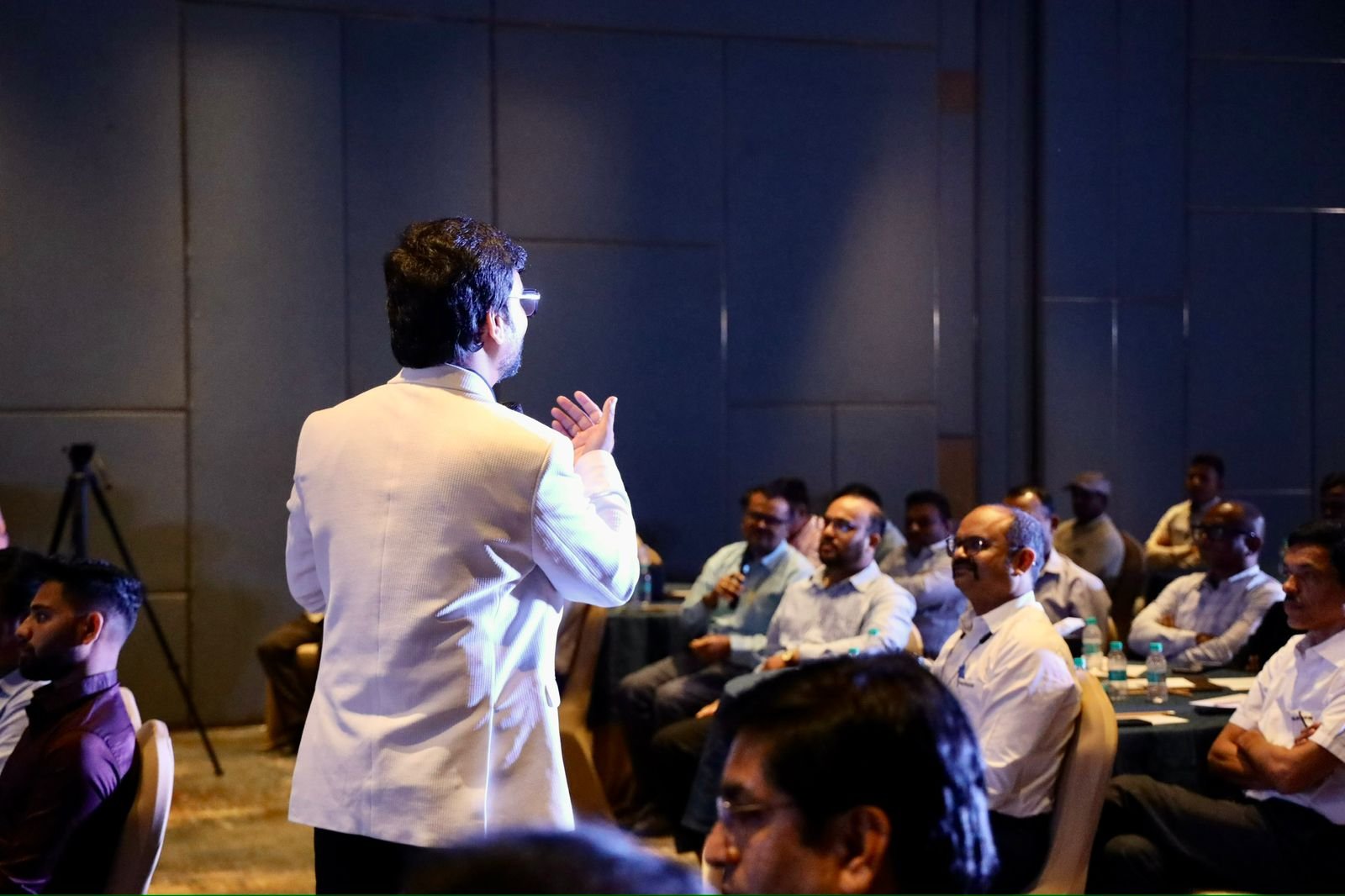
In every classroom there is a student the teachers half-worry about without quite being able to say why. The marks are fine. The behaviour is fine. Nothing is wrong. And yet there is no spark — no thing they are chasing, no reason of their own to push. They study because a parent expects it, or because everyone else is; the moment that pressure lifts, the drift begins. Give them a free evening and it disappears into a screen. Give them a setback and they fold, because there was never a deep enough why underneath to make the effort feel worth it.
The cost is invisible for years, which is exactly what makes it dangerous. A drifting fifteen-year-old still passes. A drifting seventeen-year-old still gets a seat somewhere. But the habit of moving without direction hardens quietly into an adult who is always busy and never advancing — capable of so much, settling for so little. The tragedy is never a lack of talent. It is talent with no fire and no aim, going slowly to waste while everyone assumes the young person will "figure it out later." Most, left alone, never do.
Why It Happens — And Why It Is Completely Fixable
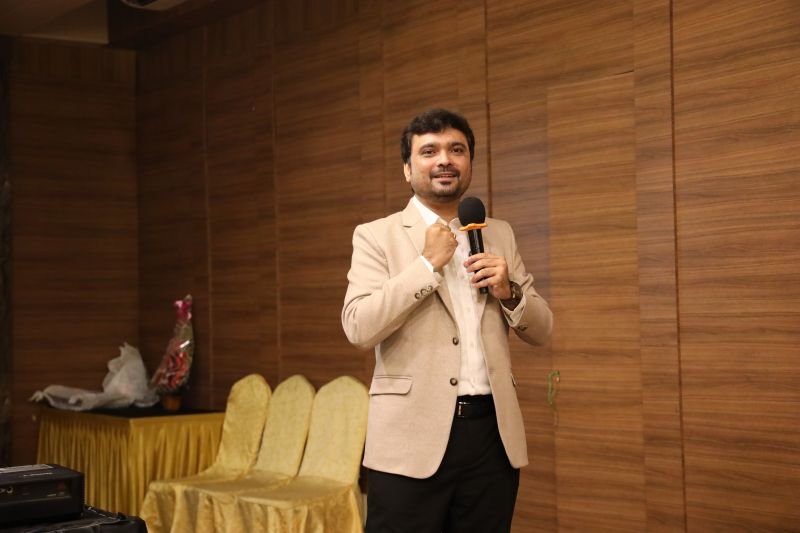
Here is the part almost no one says out loud: motivation is not a personality you are born with. It is not that some students "have drive" and others simply do not. Motivation is what happens when a young person has a reason that is genuinely theirs, a goal clear enough to picture, and the small daily habit of moving towards it. Take those three away — which is what happens when a child is pushed through years of school on other people's reasons — and even the most gifted student runs on empty. That is not a character flaw. It is a missing skill nobody taught them.
And skills can be taught. A student can be shown how to dig past "my parents want it" to a reason that actually belongs to them. They can learn to turn a vague wish into a real, specific goal, and that goal into a plan they act on tomorrow morning. They can be given practical ways to beat the phone, restart after a bad mark, and keep going on the days motivation simply does not show up. None of this is magic or a pep talk that fades by Monday. It is a set of learnable habits — and this programme puts them into students' hands, with practice, before the drifting years quietly cost them their potential.
Does This Sound Familiar?
If your students show any of these signs, it is almost never that they lack ability or care. It is that no one has helped them build their own reason to try and their own plan to get there. Here is what you are likely seeing, what it is quietly costing them, and exactly which part of the programme addresses it.
| What you see | What it is costing them | The real cause | How the programme fixes it |
|---|---|---|---|
| A capable student does just enough to get by — never more, no matter the potential | Years of talent going to waste, and a habit of coasting that follows them into adulthood | They are running on other people's reasons; they have never found one that is truly their own | Finding your own "why" — reasons that come from inside, not pressure from outside |
| They say they want to "do well" but cannot tell you what they are actually working towards | Effort scatters with nothing to aim at, and small distractions easily win | A wish is not a goal — no one has shown them how to turn a vague hope into something real and specific | Dreaming big and setting real, clear goals that pull them forward |
| The phone wins every study session; work is always starting "in five more minutes" | Hours vanish daily, results slide, and guilt quietly replaces focus | They were never taught how attention and procrastination actually work, or how to beat them | Beating procrastination and the pull of the phone — practical tools that work |
| One bad test or hard subject and they give up — "I'm just not good at this" | They quit right before the breakthrough, and a fixed self-image sets in early | No one taught them that marks and setbacks are feedback, not a verdict on who they are | Resilience — bouncing back from failure and disappointing marks |
| Motivation comes in bursts after a speech or a new year, then fades within a week | A cycle of big starts and quiet quitting that slowly erodes their belief in themselves | They rely on the feeling of motivation instead of a daily habit that runs without it | Turning goals into daily habits, and staying motivated when it gets hard |
What Changes When a Student Finds Their Own Fire
Picture the same bright, drifting student six months on. They can tell you — in their own words, not a parent's — exactly what they are working towards and why it matters to them. They have a real goal written down, broken into steps they act on this week. When the phone calls, they have a way to say no; when a hard chapter hits, they push through instead of folding; when a test goes badly, they treat it as information and get back up the next morning.
And underneath the visible change is the one that lasts a lifetime: they no longer wait to feel motivated before they move. They have learned that direction and daily effort create the feeling, not the other way around. That is the difference between a young person who needs to be pushed for the next ten years and one who has finally learned to run on their own — the single most valuable thing any student can carry out of school.
What Your Students Will Be Able to Do
- ✓ Find their own reason to try — a "why" that belongs to them, not their parents or the crowd
- ✓ Turn a vague wish into a clear, specific goal they can actually picture and pursue
- ✓ Break a big goal into a plan and daily habits they act on starting tomorrow
- ✓ Beat procrastination and the pull of the phone with practical, repeatable tools
- ✓ Bounce back from a bad mark or a hard subject instead of giving up on themselves
- ✓ Keep going on the days motivation does not show up — relying on habit, not mood
- ✓ Walk out with one real goal of their own, fully planned and already begun
What the Programme Covers
Seven connected modules that take a student from drifting to driven — from "I don't really know what I want" to a real goal, a plan, and the habits to keep moving. Every module pairs a short, honest idea with real reflection and practice on the student's own life, not on made-up examples — and ends with something that actually changes in how they think and act.
These are building blocks, not a fixed-length course. A single high-energy session goes deep on the two or three that matter most; a half or full day covers more; a multi-session series across a term — or a recurring annual rhythm — works through them all, with far more practice. We shape which ones, in what order and how deep, with you.
Finding Your Own "Why" — Not Your Parents', Not Society's
What we cover: Why studying on someone else's reason always runs out of fuel. The honest difference between what you are told to want and what you actually want. Digging past the surface answer — a good job, making family proud — to a reason that genuinely belongs to you. How a real personal "why" changes effort from a chore you resist into something you own. Short, guided reflection where each student begins to name their own.
What changes: The student stops running on borrowed motivation and starts finding their own — the foundation everything else is built on.
Dreaming Big — And Setting Goals That Are Actually Real
What we cover: Why "I want to do well" is a wish, not a goal, and why the difference matters. Giving students permission to dream bigger than their circumstances suggest — then turning that dream into something specific, clear and measurable. What a strong goal looks like versus a foggy one. Setting a goal you can picture so clearly it starts to pull you forward on its own, instead of one you have to drag yourself towards.
What changes: The student converts a vague hope into a real, specific goal — something clear enough to aim at and worth aiming for.
From Goal to Daily Plan — The Habits That Get You There
What we cover: Why big goals are won or lost in small daily actions, not grand gestures. Breaking a goal that feels huge into the next small step you can take tomorrow. Building simple study and effort habits that run on autopilot instead of willpower. How tiny, consistent actions quietly compound into results that look like talent from the outside. Designing a first week of concrete steps, not just intentions.
What changes: The student turns a goal on paper into a plan they act on this week — and learns that consistency beats intensity.
Beating Procrastination and the Phone
What we cover: Why we put off the very things we most want to do, and what is really happening in the brain when we scroll instead of start. The true cost of "just five more minutes" measured across a term. Practical, tested tools to start when you don't feel like it, protect focus, and win the daily fight with the phone. Building an environment where doing the right thing is easier than avoiding it.
What changes: The student gains real, repeatable tools to start and stay focused — and stops losing hours a day to distraction.
Resilience — Bouncing Back from Failure and Marks
What we cover: Why one bad test or a hard subject makes so many capable students quietly give up. The difference between "I failed" and "I am a failure" — and why that difference decides everything. Treating marks and setbacks as feedback that shows the next step, not a final verdict on your worth. How a growth mindset is built, in real language students believe. Restarting after a disappointment instead of carrying it as proof you can't.
What changes: The student learns to fall and get back up — turning failure from a full stop into information and fuel.
Staying Motivated When It Gets Hard
What we cover: Why motivation naturally fades after the excitement of a speech or a fresh start — and why that is normal, not a personal failing. How to keep going on the ordinary, uninspiring days when the feeling simply isn't there. Leaning on habit, environment and your own "why" instead of waiting for the mood to return. Handling doubt, comparison with others, and the long stretch between setting a goal and reaching it.
What changes: The student learns to keep moving without depending on the feeling of motivation — so momentum survives the hard days.
Practice — Your Real Goal, Set and Planned
What we cover: Every student puts it all together on a goal that is genuinely their own — not a hypothetical one. Naming their personal "why", writing a clear and specific goal, breaking it into first steps and daily habits, and building in a plan for the phone, for setbacks, and for the days motivation goes missing. Guided in the room, refined with feedback, and turned into something they leave holding — and can start acting on that very evening.
What changes: The student walks out with one real, fully planned goal already begun — proof, in their own hands, that they can do this.
How It Is Delivered
This is not a lecture that students clap for and forget by the weekend. It is honest, high-energy and interactive — built on real stories, straight talk, and a lot of reflection on the student's own life rather than tidy textbook examples. Because Avinash has lived the exact story he is telling — a student who once scraped through his 12th with marks too low for engineering and turned it all around — he speaks to young people as someone who has stood where they stand, not as an adult lecturing from above. Students lean in because it is real, and because at every stage they are working on themselves, not just listening.
The programme flexes to your school or college. It runs as a single high-energy seminar for a full hall, a half or full-day workshop with far more practice, or a series of sessions across a term or year that lets the habits genuinely take root. The exact depth, format and language mix are shaped with you around your students, your timetable and your goals — always ending with each student holding a real goal of their own, not a page of notes they never look at again.
Formats That Fit Your Calendar
Single high-energy seminar
One powerful session for a full hall of students — ideal to light the spark, shift how they think about motivation, and send them out with a first real goal in hand.
Half-day or full-day workshop
More room to go deep and actually practise — finding their "why", setting goals, building habits and beating the phone, with real reflection and feedback along the way.
Term-long or modular series
Sessions spread across a term or year, so motivation and goal-setting become habits that stick rather than a one-day high that fades — with follow-up on the goals students set.
An ongoing annual rhythm
Run it each year for a new batch — at the start of a fresh academic year, before board exams, or at key transitions — making student motivation a permanent part of how your institution builds young people.
The Thinking Behind It
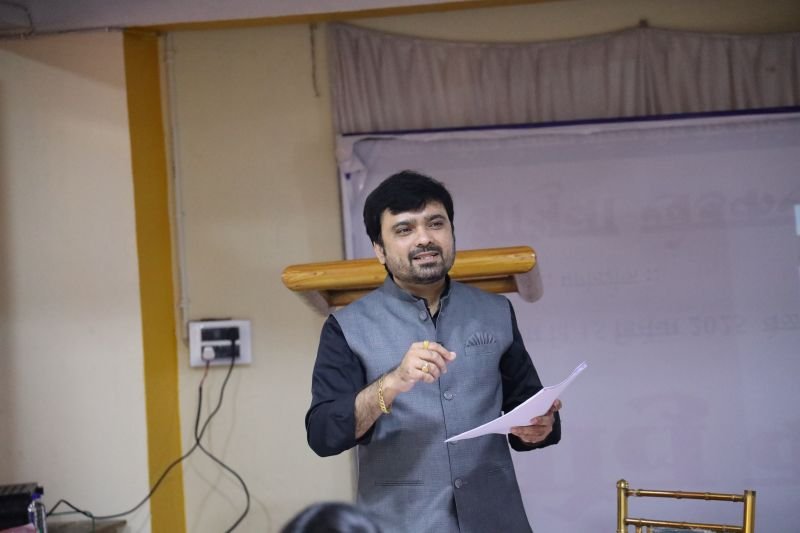
This is not a bag of hollow "believe in yourself" slogans. It draws on some of the most trusted writing on motivation, habit and the mindset behind achievement — including two Indian classics students genuinely love — distilled into ideas a fifteen- or nineteen-year-old can actually use, and then goes further, into the approach Avinash has built over a decade of standing in front of real students and turning drift into direction.
Ideas & books it draws on
- You Can Win — Shiv Khera · the Indian classic on attitude, goal-setting and self-belief that generations of students have grown up on
- Wings of Fire — A.P.J. Abdul Kalam · the beloved autobiography every Indian student knows — proof that a small-town start is no ceiling on a big dream
- The 5 Second Rule — Mel Robbins · a dead-simple tool to beat hesitation and just start — perfect for the student who always begins "in five more minutes"
- The Slight Edge — Jeff Olson · the case that small daily actions, easy to do and easy to skip, quietly compound into results that look like talent
- The Monk Who Sold His Ferrari — Robin Sharma · a fable on purpose, discipline and mastering the mind that lands with young readers looking for a bigger "why"
- The Motivation Manifesto — Brendon Burchard · a bold call to reclaim your own personal power and stop living on other people's expectations
Ideas we build on
- Intrinsic vs extrinsic motivation · why a reason that comes from inside outlasts every reward, punishment or push from outside
- SMART goals · Specific, Measurable, Achievable, Relevant, Time-bound — turning a vague wish into a goal you can actually chase
- The growth mindset (Carol Dweck) · ability grows with effort — so a bad mark is feedback, not a verdict on who you are
- The compound effect of small daily actions · tiny, consistent habits add up over a term into results that look like talent from the outside
- The "why" behind the goal (Start With Why) · a clear, personal reason is the fuel that keeps a student moving when the goal alone isn't enough
And Avinash's own frameworks — the part you won't find anywhere else
Beyond the established thinking, the programme is built on frameworks Avinash has created and written about himself — including his KITE framework and the principles in his book The Winning Edge. They come from a decade of standing in front of real students and building real people, not from a textbook. It is the layer no one else can copy, and the one your students remember long after the session ends.
Who It Is For
School students from the middle years through Class 12, and college and junior-college students at every stage — especially the capable ones who are coasting, the ones who lose whole evenings to the phone, and the ones who quietly give up after a bad result. It is equally valuable for the students already doing well but running on pressure rather than purpose, who will hit a wall the moment that pressure lifts. Schools, junior colleges, colleges, coaching institutes and parent bodies bring it in before board exams, at the start of a new academic year, or at the transitions where drift does the most quiet damage. Delivered on-campus, for a single class or a full hall, in English, Hindi or Marathi, or a natural mix.
Taught by Someone Who Was Once the Drifting Student
Avinash Chate does not teach motivation from a manual — he teaches it from having needed it himself. He scraped through his 12th with marks too low for engineering before turning his life around, which is exactly why students believe him: he has stood precisely where they stand, and he tells the truth about failure, effort and starting again rather than delivering polished slogans. This is his heartland. He has spoken to more than a lakh of students and young people, delivering 253 seminars in a single year, and is today a TEDx speaker and the author of The Winning Edge. When he talks to a hall of students about finding their own reason to run, it lands — because he found his the hard way.
Why Avinash Chate
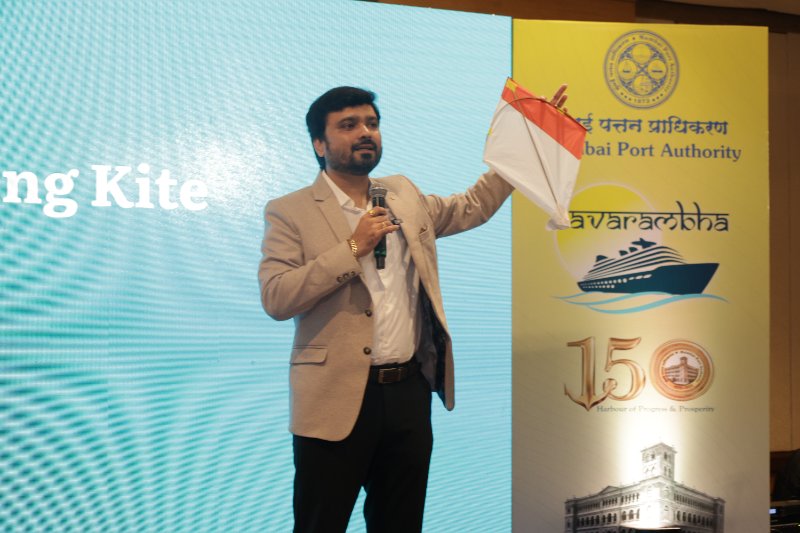
Avinash Chate began his own journey in a classroom in Latur — a student who scraped through his 12th with marks too low for engineering before turning it all around. In 2014 alone he delivered 253 seminars to students across Maharashtra, and he has since grown into a TEDx speaker, author of The Winning Edge, and founder of a 100-plus member organisation.
Students listen to him because he has stood exactly where they stand — and because he does not lecture from a manual. He tells the truth about failure, effort and reinvention, from having lived every bit of it.
Motivation & Goal-Setting for Students — FAQ
What is the Motivation & Goal-Setting for Students programme?
It is a practical, high-energy programme that helps school and college students find their own reason to try, set goals that genuinely pull them forward, and build the daily habits to reach them. It covers finding your own "why", dreaming big and setting real goals, turning goals into daily plans and habits, beating procrastination and the phone, bouncing back from failure and disappointing marks, and staying motivated when it gets hard. Unlike a one-off pep talk that fades in a week, it is built around each student's own life and ends with them holding a real, planned goal of their own.
Which students is it for?
School students from the middle years up to Class 12, plus junior-college and college students — and it is especially powerful for the bright ones who are quietly coasting, the ones the phone always wins with, and the ones who give up after a bad mark. It is just as valuable for students already scoring well but running on pressure instead of purpose. It works for a single class or a full auditorium.
My students aren't lazy — they just have no direction. Can this really help?
That is exactly who it is built for. Most "unmotivated" students are not lazy at all — they simply have no reason of their own, no clear goal, and no daily habit of moving towards one. Those are learnable skills, not fixed traits. The programme helps each student dig out their own "why", turn a vague wish into a real goal, and build the habits to chase it — which is what turns drift into direction far more reliably than any amount of pushing from outside.
Isn't this just a motivational speech that wears off in a week?
No — and that difference is the whole point. A speech gives a feeling; this gives tools. Students don't just leave inspired, they leave with their own reason to try, a specific goal written down, a first week of concrete steps, and practical ways to beat the phone and restart after setbacks. Because it is built on habit rather than mood, and because each student practises on their own real goal, it keeps working long after the energy of the session fades. Run as a term-long series, the habits take root even more deeply.
How is the programme delivered, and how long does it take?
It is honest, interactive and full of real stories and reflection — not a lecture students sit through. The duration is flexible: it runs as a single high-energy seminar for a full hall, a half or full-day workshop with much more practice, or a series of sessions across a term or year that lets the habits truly stick, and it works well as an annual programme for each new batch. There is no fixed, one-size length — we shape the format, depth and cadence around your students and your timetable.
What will students actually walk away with?
Something concrete, not just a good feeling. Every student leaves having named their own personal "why", written a clear and specific goal, broken it into first steps and daily habits, and made a plan for the phone, for setbacks, and for the days motivation doesn't show up — a real goal they can start acting on that very evening. In a longer format, they get more practice and follow-up on the goals they set.
Do the ideas come from real research, or just opinions?
They are grounded in trusted thinking on motivation, habit and mindset — intrinsic versus extrinsic motivation, SMART goals, the growth mindset, the compound effect of small daily actions, and the power of a personal "why" — alongside classics students love, from Shiv Khera's You Can Win to Kalam's Wings of Fire. All of it is distilled into language a fifteen- or nineteen-year-old can actually use, and paired with Avinash's own approach built over a decade with real students.
Can it be delivered on our campus, and in which languages?
Yes — it is delivered on-campus at your school or college, for a single class or a full hall. Most engagements are across Maharashtra — Pune, Mumbai, Chhatrapati Sambhajinagar, Nashik, Nagpur and the surrounding districts and MIDC-belt townships — and it is equally available pan-India and internationally on request. Sessions run in English, Hindi and Marathi, or a natural mix, so the message lands with every student in the room.
We have board exams coming up — is this the right time?
It is one of the best times. Right before boards, motivation and the ability to focus matter as much as knowledge — a capable student who has found their own reason, beaten the phone and learned to bounce back from a bad mock will study harder and steadier than one relying on last-minute pressure. Many institutions run it at the start of the academic year to set direction, and again before boards to lock in focus and resilience.
Why Avinash Chate for this programme?
Because motivation and goal-setting are his heartland, and he has lived the story he tells. Avinash Chate scraped through his 12th with marks too low for engineering before turning his life around, so students believe him — he has stood exactly where they stand and speaks the truth about failure and starting again, not slogans. He has reached more than a lakh of students and young people, delivered 253 seminars in a single year, is a TEDx speaker and the author of The Winning Edge. That lived credibility, plus a real toolkit rather than a pep talk, is what young people respond to.
Related Student Programs
Give your students a reason to run
Help your students find their own "why", set goals that pull them forward, beat the phone, and bounce back from failure — with each one leaving holding a real goal of their own. On-campus across Maharashtra, pan-India and internationally, in English, Hindi or Marathi.
Bring This to Your Students →