Exam Success & Study Skills for Students
They are putting in the hours. The marks are not keeping their side of the deal.
Watch a sincere student the week before an exam and it is heartbreaking. They are at the desk for hours. They read the chapter, highlight half of it, read it again, and by the next morning it has quietly leaked out of their head. They confuse being busy with being effective — a long, tiring day of "studying" that leaves almost nothing behind. The night before the paper, the panic arrives, and everything they thought they knew scatters. Here is the part no parent or child wants to hear but every one of them needs to: the gap between how hard they work and what they score is almost never about intelligence. It is about method. Nobody ever taught them how to study — only what to study. This program teaches the how.
★ For schools, colleges & institutions · Across Maharashtra, pan-India & internationally · English, Hindi & Marathi
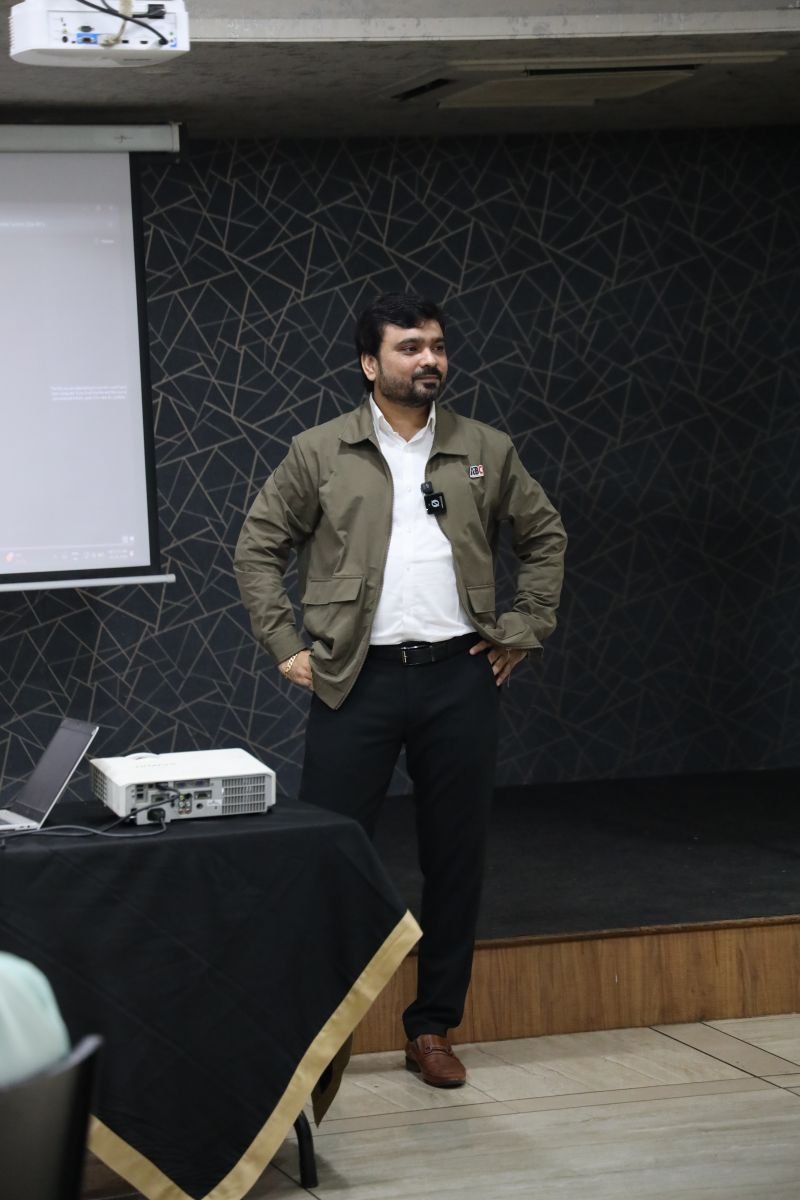
The Effort Is Real. The Method Is Missing.
Sit with the students who are struggling and you will notice something that should change how everyone thinks about marks: the ones falling behind are very often not the lazy ones. They are the ones re-reading the textbook at 11pm, copying notes they will never look at again, and telling themselves that more hours must eventually equal more marks. It does not. They are pouring genuine effort into techniques that feel productive and barely work — highlighting, re-reading, cramming the night before — because those are the only techniques anyone ever showed them.
And the cost is not just a lower percentage. It is a bright fourteen-year-old deciding they are "just bad at Maths." It is a college student who studied all night and still blanked in the hall, quietly concluding they are not clever enough. It is the slow erosion of confidence that happens when a child works hard, sees no reward, and starts to believe the problem is them. The tragedy is that the fix was never a matter of trying harder. It was a handful of study methods that no syllabus has ever found time to teach.

Why Hard Work Does Not Show Up on the Marksheet — And How That Changes
Learning has rules, and school teaches almost none of them. When a student re-reads a chapter, the words start to feel familiar — and the brain mistakes that warm feeling of familiarity for actual knowing. So they close the book confident, walk into the exam, and discover that recognising a page is completely different from being able to produce the answer with the page shut. The methods that feel the most comfortable — re-reading, highlighting, cramming — are exactly the ones the science of learning shows are the weakest. The methods that genuinely work feel harder, which is precisely why students avoid them on their own.
None of this is a verdict on how smart a student is. It is a skills gap, and skills close with the right practice. Once a student learns to pull information out of their own head instead of pushing it in, to space their revision instead of massing it the night before, to plan a week that actually survives contact with distraction, and to walk into the hall with their nerves under control, the marks move — often sharply, and often for children everyone had written off as average. This program hands them those methods deliberately, and makes them practise until the new way of studying becomes the normal way.
Does This Sound Familiar?
If any of this sounds like your students — or your own child — it is almost certainly not a lack of ability or effort. It is a study method that no one ever taught them to replace. Here is what you are likely seeing, what it is quietly costing them, and exactly which part of the program fixes it.
| What you see | What it is costing them | The real cause | How the programme fixes it |
|---|---|---|---|
| Hours at the desk, but the marks stay flat | Effort feels wasted, motivation drains, and the student starts to doubt their own ability | Re-reading and highlighting feel productive but barely stick — no one taught them a method that works | The How Learning Works module rebuilds study around methods that actually move marks |
| They read the chapter, then forget it by the exam | Whole topics re-learned from scratch each time; syllabus never feels finished | Information is being pushed in and never pulled back out, so it never sets into memory | The Active Recall & Spaced Repetition module makes learning stick the first time |
| Can't concentrate — the phone wins every study session | Three "study" hours that hold thirty real minutes of focus; long days, little learnt | No system for protecting attention in a world engineered to fracture it | The Focus & Beating Distraction module builds real concentration and phone discipline |
| Leaves everything to the last night, then panics | Cramming, exhaustion, and knowledge that evaporates the moment the paper is turned over | No study timetable that survives real life, so revision keeps getting postponed | The Study Timetable module builds a plan that actually holds |
| Knows the material but blanks in the exam hall | Marks lost that were genuinely earned in preparation; confidence takes the hit | Exam nerves and poor paper strategy sabotage recall under pressure | The Exam Stress & the Hall module trains calm and a smart paper plan |
What Changes When a Student Finally Knows How to Study
Picture the same student a term later. They sit down to revise and, instead of re-reading, they close the book and test themselves — pulling answers out, spotting the gaps, and going back only for what they actually missed. Their revision is spread across the weeks, so nothing has to be crammed. The phone is in another room during a focused block, and they get more done in ninety honest minutes than they used to manage in a whole listless evening. Tough concepts get explained out loud in their own words until they truly hold.
And on exam morning the difference is visible on their face. They walk in rehearsed and calm, read the paper with a plan, manage their time, and produce what they know instead of freezing on it. The marks climb — but the quieter win matters more: a student who used to think they were "just not clever" discovers they were only ever missing a method, and starts to believe in their own mind again.
What Your Students Will Be Able to Do
- ✓ Understand how learning and memory actually work — and why re-reading and highlighting quietly fail
- ✓ Use active recall and spaced repetition to make what they study genuinely stick
- ✓ Hold their focus for real study blocks and keep the phone from hijacking the session
- ✓ Use proven memory techniques for formulae, dates, definitions and lists that refuse to stay put
- ✓ Build a realistic study timetable that survives distractions, mood and a packed week
- ✓ Walk into the exam hall calm, with a paper strategy that turns preparation into marks
- ✓ Run their own personal study system — so the results outlast the workshop
What the Programme Covers
Seven connected modules that take a student from "I studied for hours and it didn't work" to a study system that actually delivers. Every module pairs a short, honest explanation of why something works with immediate hands-on practice on the student's own subjects — and ends with a concrete change in how they study from that day.
These are building blocks, not a fixed-length course. A single high-energy session goes deep on the two or three that matter most; a half or full day covers more; a multi-session series across a term — or a recurring annual rhythm — works through them all, with far more practice. We shape which ones, in what order and how deep, with you.
How Learning Actually Works — And Why Re-Reading Fails
What we cover: The single most important lesson no classroom teaches: what the brain is actually doing when it learns, and why. Why re-reading and highlighting feel productive yet barely stick — the familiarity trap that fools even sincere students into false confidence. The crucial difference between recognising a page and being able to produce the answer with the book shut. Why the methods that genuinely work feel harder, and why that is exactly the point. Busy versus effective — how a long, tiring day of "studying" can leave almost nothing behind.
What changes: The student stops trusting the comfortable, useless methods and understands, for the first time, what real studying looks like — the foundation everything else is built on.
Active Recall & Spaced Repetition — Making It Stick
What we cover: The two most powerful, most under-used study methods in existence. Active recall — closing the book and pulling the answer out of your own head, testing instead of re-reading, and turning notes into questions. Spaced repetition — revisiting material across days and weeks so it sets into long-term memory instead of leaking away by morning. Why testing yourself feels uncomfortable and works precisely because it is hard. Practical tools: self-quizzing, flashcards done properly, past papers as a study method rather than only a final check.
What changes: The student learns to make things stick the first time, so whole topics stop having to be re-learned from scratch before every exam.
Focus, Concentration & Beating Distraction
What we cover: Why three hours at the desk so often contain thirty real minutes of learning. How attention actually works, and the true cost of the constant phone-check to a studying brain. Building focused study blocks and single-tasking on purpose. Concrete phone and notification discipline — not willpower slogans, but a system that removes the temptation. Designing a study environment that helps instead of fights you. Handling boredom, restlessness and the urge to switch tabs without giving in to it.
What changes: The student gets more done in a focused ninety minutes than they used to manage in a whole distracted evening — and stops mistaking hours-at-the-desk for learning.
Memory Techniques — For What Refuses to Stay Put
What we cover: The ancient, evidence-backed tricks that memory champions use, taught in a form a fifteen-year-old can apply tonight. The memory palace and the method of loci for ordered material. Vivid association, visualisation and storytelling to lock down formulae, definitions, dates and diagrams. Acronyms, chunking and mnemonics for lists and sequences. Why the brain remembers a strange image far better than a plain line of text — and how to weaponise that for the subjects that never seem to stay in.
What changes: The student gains a reliable toolkit for the sticky stuff — the formulae, dates and definitions that used to slip away — and remembers them under exam pressure.
Planning a Study Timetable That Actually Works
What we cover: Why most study plans are beautiful, ambitious and abandoned by day three. Building a realistic timetable around a genuinely busy week — school or college, coaching, travel, rest and a real life. Prioritising subjects by weight and weakness rather than by whatever feels easiest. Breaking a mountainous syllabus into weekly and daily targets that feel doable. Working backwards from the exam date. Building in buffer, revision cycles and, crucially, rest — and how to get back on track after a day goes wrong instead of quitting the plan entirely.
What changes: The student runs a plan that survives contact with real life, so revision stops being postponed to a last-night panic and the whole syllabus actually gets covered.
Handling Exam Stress & the Exam Hall Itself
What we cover: Why a student who genuinely knows the material can still blank the moment the paper lands. How exam nerves hijack recall, and simple, practised techniques — breathing, reframing, routine — to keep the mind clear under pressure. The night before and the morning of: sleep, revision, and what actually helps versus what makes it worse. Inside the hall: reading the paper properly, allocating time across questions, choosing where to start, handling a question that throws you, and leaving nothing on the table through panic or poor pacing.
What changes: The student walks in calm and walks out having produced what they know — turning honest preparation into the marks it actually deserves.
Practice — Building Your Own Personal Study System
What we cover: The module that makes the whole program outlast the day. Each student takes the methods that fit them — recall, spacing, focus blocks, memory tricks, a timetable — and assembles a personal study system on their own current subjects and next real exam. Live practice: turning a chapter they are actually studying into recall questions, drafting next week's timetable, and running a memory technique on a formula they keep forgetting. A simple routine they leave with and can run without a trainer in the room.
What changes: The student walks out not with notes about studying, but with their own working study system already built and tested on real material — ready to use tomorrow morning.
How It Is Delivered
This is not a lecture about "the importance of studying." Students have heard that speech and it has never changed a thing. This is a hands-on workshop where they practise the methods on their own real subjects, in the room. They test themselves out loud, turn their actual chapters into recall questions, build memory palaces for formulae they keep forgetting, and draft next week's timetable there and then. The explanations are kept short and honest — just enough of the "why it works" to earn their trust — and then the time goes into doing it, because a method a student has practised is one they will actually use.
The format flexes to the institution. It runs as a single high-impact session, a full-day intensive, a multi-day workshop, or a modular series spread across a term or the run-up to the board and university exams — and it works especially well as an annual fixture, delivered to each incoming batch before the pressure builds. It is designed for real classrooms and auditoriums, from a focused group to a full assembly, and is delivered in English, Hindi or Marathi, or a natural mix. The exact depth, length and cadence are shaped with the school or college.
Formats That Fit Your Calendar
Single session or full-day intensive
A high-energy session or a deeper full day to shift a whole class or batch fast — ideal early in the year or before a major exam cycle begins.
Multi-day workshop
Two or more days to go deep and practise every method on real subjects — perfect for a board-exam or first-year cohort that needs the system to truly land.
Modular series across the term
Shorter sessions spread through the term or the exam run-up, so each method is learned and practised just as students need it — with time to build the habit between sessions.
An annual program for each new batch
Run it every year for the incoming class before the pressure builds — making study skills a permanent part of how the institution prepares its students, not a one-off talk.
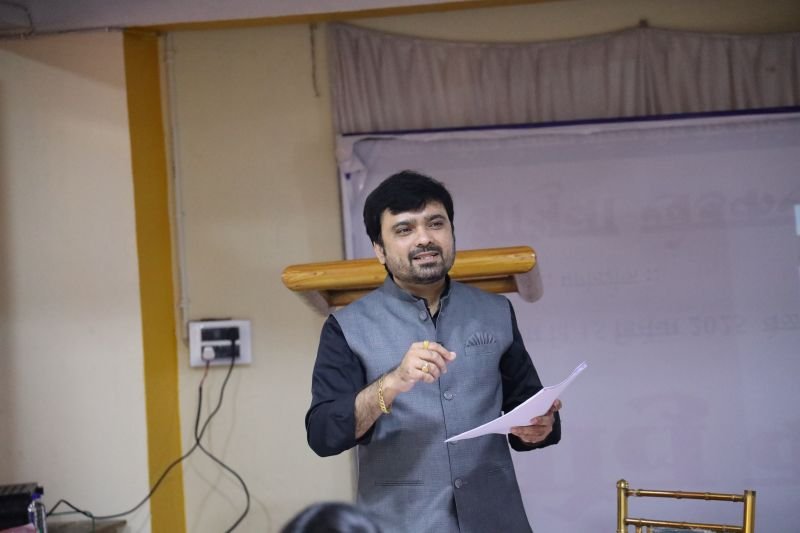
The Thinking Behind It
This program is not a recycled "study tips" handout. It draws on the best writing and research on how humans actually learn and remember — distilled into a few methods a student can use tonight — and then goes further, into the frameworks Avinash uses to build confidence and mindset in the tens of thousands of students he has stood in front of.
Ideas & books it draws on
- A Mind for Numbers — Barbara Oakley · the book behind the famous "Learning How to Learn" course — focused versus diffuse thinking, chunking and why hard subjects finally click
- How to Become a Straight-A Student — Cal Newport · the myth-buster every student needs: top scorers study smarter, not longer — recall, planning and beating procrastination
- Moonwalking with Einstein — Joshua Foer · a journalist becomes memory champion in a year, showing that a great memory is a trainable skill, not a gift you are born with
- The Study Skills Handbook — Stella Cottrell · the million-copy classic on the practical craft of studying — planning, time management, note-making and academic writing
- Learn Better — Ulrich Boser · the science of learning turned into six clear steps, proving that "being smart" is itself a skill anyone can master
- The Now Habit — Neil Fiore · the definitive guide to why students procrastinate and how to actually start — the fear beneath the delay, and how to beat it
Study methods we teach
- Active recall & spaced repetition · testing yourself and revisiting across days — the two most powerful, most ignored study methods there are
- The Pomodoro technique · focused 25-minute sprints with short breaks — real concentration for students who "can't focus"
- The Feynman technique · explain it simply, in your own words, until the gaps show — the fastest way to find what you do not really understand
- Mind mapping · laying a topic out visually so the brain sees the connections, not just a wall of linear notes
- Interleaving · mixing subjects and problem types instead of blocking one — harder in the moment, far stronger at the exam
- Beating procrastination (the Now Habit) · naming the fear behind the delay and shrinking the first step until starting is easy
And Avinash's own frameworks — the part you won't find anywhere else
Beyond the established thinking, the programme is built on frameworks Avinash has created and written about himself — including his KITE framework and the principles in his book The Winning Edge. They come from a decade of standing in front of real students and building real people, not from a textbook. It is the layer no one else can copy, and the one your students remember long after the session ends.
Who It Is For
School and college students who are ready to work but have never been shown how to study well — from Class 8 through the high-stakes board years, and from first-year undergraduates to those facing competitive and university exams. It is transformative for the sincere, hard-working student whose marks do not match their effort, and just as powerful for the bright student coasting on last-minute cramming who is about to meet a syllabus that will not allow it. Schools, junior colleges, degree colleges and coaching institutes run it for whole batches before the exam season; parents seek it for a capable child who has quietly started to believe they are "just not good at studies." Wherever a student is confusing effort with method, this is the program that closes the gap.
Taught by Someone Who Once Struggled With Exams — Then Cracked the Method
Avinash Chate does not teach this from theory. He began his own journey as a student in Latur who scraped through his 12th with marks too low for engineering — and then turned it completely around, which is exactly why the shift from struggling to succeeding is not an abstraction to him but a road he has personally walked. In 2014 alone he delivered 253 seminars to students across Maharashtra, and he has since built that into a body of work spanning more than 15,000 professionals and students. Programs that rebuild study habits, confidence and exam temperament have been delivered in schools, junior colleges and campuses across the state and beyond — for the exact students this page describes: hard-working, capable, and never taught how to learn.

Why Avinash Chate
Avinash Chate began his own journey in a classroom in Latur — a student who scraped through his 12th with marks too low for engineering before turning it all around. In 2014 alone he delivered 253 seminars to students across Maharashtra, and he has since grown into a TEDx speaker, author of The Winning Edge, and founder of a 100-plus member organisation.
Students listen to him because he has stood exactly where they stand — and because he does not lecture from a manual. He tells the truth about failure, effort and reinvention, from having lived every bit of it.
Exam Success & Study Skills for Students — FAQ
What is the Exam Success & Study Skills program?
It is a practical, hands-on program that teaches school and college students the one thing no classroom ever does — how to study. It covers how learning and memory actually work, active recall and spaced repetition, focus and beating phone distraction, memory techniques, building a study timetable that holds, and staying calm in the exam hall. Unlike a motivational talk, students spend most of the time practising the methods on their own real subjects, so they leave with a study system they can actually use the next morning.
Who is this program for?
School and college students, from Class 8 through the board years and from first-year undergraduates to those facing competitive and university exams. It is especially powerful for the sincere student whose marks do not match their effort, and for the bright student coasting on last-minute cramming that is about to stop working. Schools, junior colleges, degree colleges and coaching institutes book it for entire batches; parents seek it for a capable child who has started to lose confidence in their own ability.
Why do hard-working students still get low marks?
Because effort and method are two different things. Most students only ever learn to re-read, highlight and cram — techniques that feel productive but barely stick, because re-reading tricks the brain into mistaking familiarity for real knowing. The methods that genuinely work, like testing yourself and spacing your revision, feel harder, so students avoid them on their own. The gap between effort and marks is almost never intelligence; it is a study method no one ever taught them to replace. That gap is exactly what this program closes.
What does the program cover?
Seven connected modules: how learning actually works and why re-reading fails; active recall and spaced repetition; focus, concentration and beating distraction; memory techniques for formulae, dates and definitions; planning a study timetable that survives a real week; handling exam stress and the exam hall itself; and a final practice module where each student builds their own personal study system on their current subjects and next real exam.
Is this just motivation, or actual study techniques?
Actual techniques, practised in the room. Motivation fades by the weekend; a method the student has used on their own chapter stays with them. Students test themselves out loud, turn real material into recall questions, build a memory palace for a formula they keep forgetting, and draft next week's timetable then and there. There is just enough "why it works" to earn their trust — the rest of the time goes into doing it, so the new way of studying becomes their normal way.
Will it help with exam stress and blanking in the hall?
Yes — that is a dedicated module. A student who genuinely knows the material can still freeze the moment the paper lands, and marks that were truly earned in preparation get lost to nerves. The program teaches simple, practised techniques to keep the mind clear under pressure, how to handle the night before and the morning of, and a smart in-hall strategy: reading the paper, allocating time, choosing where to start, and recovering when a question throws you.
How is the program delivered — and how long does it take?
It is highly interactive, built around practice on the students' own subjects rather than lecture. The duration is flexible: the same program runs as a single high-impact session, a full-day intensive, a multi-day workshop, or a modular series spread across a term or the run-up to the exams, and it works well as an annual fixture for each new batch. It suits everything from a focused group to a full auditorium, and the exact length and cadence are shaped with the school or college.
Can it be delivered on our campus, and in which languages?
Yes. The program is delivered on campus — in your own classrooms, halls and auditoriums — most often across Maharashtra, including Pune, Mumbai, Chhatrapati Sambhajinagar, Nashik, Nagpur and the surrounding districts, and it is equally available pan-India and internationally on request. Sessions run in English, Hindi or Marathi, or a natural mix, so the methods land clearly for every student in the room whatever their comfort language.
Should students attend before exams, or year-round?
Both work, and the strongest results come from doing it well before the pressure peaks — early enough that students can build the habits and let spaced revision do its work, rather than reaching for new methods the night before the board exam. Many institutions run it as a standing annual program for each incoming batch, so every student gets the study system at the start of the year and has the whole term to make it second nature.
Why Avinash Chate for this program?
Because he has lived the exact turnaround he teaches. Avinash Chate began as a student in Latur who scraped through his 12th with marks too low for engineering and then completely turned it around — so the shift from struggling to succeeding is personal, not theoretical. He is a TEDx speaker, author of The Winning Edge and creator of the KITE framework, delivered 253 student seminars across Maharashtra in 2014 alone, and has since reached more than 15,000 students and professionals. Students trust him because he speaks as someone who was once exactly where they are.
Related Student Programs
Give your students the method no classroom ever taught them
Turn honest effort into real marks — how learning works, active recall, focus, memory techniques, a timetable that holds, and calm in the exam hall. On campus across Maharashtra, pan-India and internationally, in English, Hindi or Marathi.
Bring This to Your Students →