Career Readiness & Employability for Students
The degree gets them to the interview room. Something no one taught them decides what happens next.
Here is the moment your students are walking toward, whether the campus has prepared them for it or not. The result is out, the degree is real, and then a recruiter's email lands and everything changes. A group discussion where the loudest voice wins and your bright, quiet topper never gets a word in. An interviewer who asks "tell me about a time you failed" — and watches a promising candidate freeze. A resume that took two hours to make and says nothing a company would pay for. An aptitude test full of questions they could have cracked with a fortnight's practice they never did. The uncomfortable truth is that employers do not hire marksheets. They hire people who can communicate, solve a problem on their feet and carry themselves like they belong in the room. This programme builds exactly that — before placement season, not after.
★ For schools, colleges & institutions · Across Maharashtra, pan-India & internationally · English, Hindi & Marathi
The Gap Between a Degree and a Job Nobody Prepares Them For
Sit in any campus placement cell in the week after the drives and you will hear the same story on repeat. The student who scored well and still got rejected in the first round. The one who cleared the written test and fell apart in the interview. The group of final-years who had never actually sat in a group discussion until the day one decided their offer. For years the message has been simple — study hard, clear the exams, and a job follows. And then reality arrives, and it turns out the exams were never the hard part.
The cost of that gap is not abstract. It is a genuinely capable student watching a less-qualified but more prepared peer walk away with the offer. It is a batch where a handful get placed and the rest go home to explain why. It is the institution's placement numbers — the single figure every parent and every ranking looks at — carrying the weight of skills that were never taught anywhere in the curriculum. The knowledge was there. The readiness was not, and no one is born with it.
Why Bright Students Fall Short at Placements — And Why It Is Completely Fixable
Here is what a decade of syllabus never mentions: the skills that earn a degree and the skills that earn a job are almost entirely different skills. A degree rewards what you know on paper, worked out alone, in silence, against a fixed answer. A placement rewards how you think out loud, under pressure, in front of a stranger who is deciding about you in real time — how you frame your one real project, how you disagree in a group without going quiet or going loud, how you turn a nervous mumble into an answer that lands. Those are not talents a topper is born with. They are learnable, and they are learned through practice, not lectures.
So a genuinely bright student, given no preparation, walks into the drive armed with the only thing they were ever trained for — knowing the material — and discovers that everyone in the room knows the material too. What separates the offer from the rejection is everything the syllabus skipped. That is not a flaw in the student; it is a gap in what they were taught. This programme closes it deliberately, in the room, with real mock interviews and real group discussions and real feedback — so the first time your students face it for keeps, they have already faced it here.
Does This Sound Familiar?
If your final-years are showing any of these signs going into placement season, it is almost never that they are not capable enough. It is that the one set of skills a campus drive actually tests was never on the syllabus. Here is what you are likely seeing, what it quietly costs your students and your placement numbers, and exactly which part of the programme fixes it.
| What you see | What it is costing them | The real cause | How the programme fixes it |
|---|---|---|---|
| Strong students clear the written round, then get rejected in the interview | Real talent goes unplaced while less prepared but more confident peers get the offer | They know the subject but were never taught how to answer, under pressure, in front of a recruiter | The Interview module — structuring real answers with the STAR method |
| Quiet, capable students disappear the moment a group discussion starts | The GD screens them out before their actual ability is ever seen | They have never practised entering, holding and shaping a group conversation | The Group Discussions & Aptitude module — strategy and reps |
| Resumes all look the same and say nothing an employer would pay for | The application is rejected in six seconds, before anyone meets the student | No one showed them how a recruiter actually reads a fresher's resume | The Resume module — a one-page resume that gets read |
| Students freeze in aptitude and online tests they could have cracked | They are filtered out at the very first gate, on speed and practice, not ability | They walked in cold, never having timed themselves on the real question types | The Group Discussions & Aptitude module — pattern practice against the clock |
| Bright candidates come across as unsure, mumbling or forgettable in person | A strong CV is undone in the first thirty seconds of walking in | Communication, body language and first impressions were never treated as skills to build | The Communication & First Impressions module |
What Changes When Your Students Are Actually Placement-Ready
Picture the same batch, three months into this programme, walking into the drives like they belong there. A resume a recruiter reads in six seconds and wants to know more. An answer to "tell me about a challenge you faced" that is structured, honest and lands — because they have told it out loud a dozen times already. A group discussion where your once-silent student now opens with a point, brings a quieter peer in, and steers the group somewhere useful. An aptitude test that holds no surprises because they have already timed themselves on every pattern in it.
And underneath the results, the shift that carries far past the first job: a student who has stopped thinking of themselves as a fresher hoping to be picked, and started thinking of themselves as a professional with something real to offer. Your placement numbers rise because more of your genuinely capable students finally convert — and the ones who convert do it on merit they can carry into every interview, in every year, for the rest of their working lives.
What Your Students Will Be Able to Do
- ✓ Make the shift from student to professional — and understand what employers are actually screening for
- ✓ Build a sharp, one-page resume a recruiter reads in seconds and wants to act on
- ✓ Answer interview questions with structure and confidence using the STAR method
- ✓ Enter, hold and shape a group discussion instead of going silent or going loud
- ✓ Walk into aptitude and online tests already familiar with the patterns and the clock
- ✓ Communicate clearly and make a strong first impression from the moment they walk in
- ✓ Build a professional LinkedIn presence and personal brand that a recruiter can find
What the Programme Covers
Seven connected modules that take a final-year student from "has a degree" to "is genuinely hireable." Every module pairs a short, practical input with real practice on the exact moments a campus drive tests — the resume, the interview, the group discussion, the test — and ends with a concrete change in how ready the student actually is.
These are building blocks, not a fixed-length course. A single high-energy session goes deep on the two or three that matter most; a half or full day covers more; a multi-session series across a term — or a recurring annual rhythm — works through them all, with far more practice. We shape which ones, in what order and how deep, with you.
From Student to Professional — What Employers Actually Want
What we cover: The single mindset shift placement season demands — from being graded on what you know to being hired for what you can do with it. What a recruiter is really screening for beyond the marksheet: communication, problem-solving, ownership and attitude. Reading a job description to understand what a company is buying. Killing the myth that a good CGPA alone gets you placed, and seeing the whole picture of what "employable" means.
What changes: The student stops walking into drives as a nervous fresher hoping to be picked and starts showing up as a professional with something real to offer.
A Resume That Actually Gets Read
What we cover: How a recruiter really reads a fresher's resume — in seconds, on a screen, looking for reasons to say yes or no. Building a clean, one-page resume that leads with what matters. Turning projects, internships and activities into concrete, results-led lines instead of vague duties. Writing bullet points that show impact. Fixing the classic fresher mistakes — the objective no one reads, the wall of text, the typo that ends it — and tailoring the resume to the role.
What changes: The student walks in with a resume that clears the six-second scan and earns the interview, instead of being filtered out before anyone meets them.
Acing the Interview — The STAR Method
What we cover: Why bright students who know their subject still fall apart in interviews. The STAR method — Situation, Task, Action, Result — for answering behavioural questions with structure instead of rambling. Handling the questions every fresher dreads: "tell me about yourself", "why should we hire you", "tell me about a time you failed". Answering technical and situational questions calmly. Managing nerves, listening properly, and asking a smart question back at the end.
What changes: The student answers the hardest interview questions with structure and confidence — because they have already told each answer out loud, here, before it counted.
Group Discussions & Aptitude Tests
What we cover: The two silent screen-outs most students never practise for. Group-discussion strategy — how to enter without being aggressive, hold your point without going silent, disagree respectfully, bring quieter members in and steer the group to a conclusion. What evaluators actually mark in a GD. Cracking aptitude and online tests: the common question types in quant, logical reasoning and verbal, and the discipline of practising them against the clock so speed stops being the enemy.
What changes: The student walks into the GD and the aptitude test already familiar with the format, the tactics and the timing — so neither is the surprise that ends their drive.
Communication & First Impressions in the Placement
What we cover: Why a strong CV can be undone in the first thirty seconds of walking in. Speaking clearly and confidently in front of a stranger who is deciding about you. Body language, eye contact, handshake, posture and dress that say "professional". Building a crisp elevator pitch — introducing yourself in a way that is remembered for the right reasons. Handling nervousness, filler words and the fear of blanking, so the first impression works for the student, not against them.
What changes: The student makes a strong, professional first impression the moment they walk in — so the recruiter meets the candidate their resume promised.
Building a Personal Brand — LinkedIn & Beyond
What we cover: Why recruiters look you up before they meet you, and what they find when they do. Building a professional LinkedIn profile that shows up in searches — a real headline, a summary that says something, projects and skills that are visible. The basics of personal branding: a consistent, clean professional presence, connecting with the right people, and cleaning up the online footprint that a company will actually check. Turning a blank profile into a quiet advantage in the drive.
What changes: The student has a professional online presence a recruiter can find and be impressed by — so their brand is working for them even before the interview.
Practice — Mock Interviews & GDs with Feedback
What we cover: The whole programme put to the test on the real moments of a drive. Live mock interviews on the questions students actually get asked, with honest, specific feedback on content, structure and delivery. Practice group discussions on real topics, marked the way an evaluator marks them. Reviewing each student's resume and elevator pitch one more time. Repeating the hard moments — the frozen answer, the silent GD, the nervous introduction — until they stop being hard.
What changes: The student walks out having already lived the interview and the group discussion once, in safety — so the real ones, days later, no longer catch them off guard.
How It Is Delivered
This is not a lecture on how placements work. It is a workshop where students actually do the placement — on their feet, in the room, again and again. They sit real mock interviews and get honest feedback on the answer they just gave. They run group discussions on real topics and hear exactly how an evaluator would have marked them. They rebuild their own resume and deliver their own elevator pitch until it lands. The frameworks — the STAR method, the resume rules, the GD tactics — are kept simple and immediately usable; the practice is where the readiness is actually built.
The format flexes to the campus calendar. It runs as a single high-energy pre-placement session, a half-day or full-day intensive, or a multi-session series spread across the months leading into the drives — and it works beautifully as a standing annual programme, run for every outgoing batch before their placement season. For large batches it is organised into smaller groups so every student practises an interview and a GD, not just watches one. The exact modules, depth and cadence are shaped with the placement cell and the department in the planning call.
Formats That Fit Your Calendar
Single pre-placement session
A focused, high-energy session to wake a batch up to what placements really test — ideal as a kick-off before the drives begin.
Half-day or full-day intensive
A deeper workshop covering resume, interview and GD practice together — perfect for a final-year batch in the run-up to placement season.
Multi-session series across the term
Shorter sessions spread across the months before the drives, so each skill — resume, STAR interview, GD, aptitude, LinkedIn — is learned and practised with time to improve between them.
A standing annual placement-readiness programme
Run it for every outgoing batch, every year — making career readiness a permanent, dependable part of how the institution prepares students for placements.
The Thinking Behind It
This programme is not a generic placement-prep deck. It draws on the best writing on job-hunting, career capital and employability — distilled into a few tools a student can use immediately — and then goes further, into the frameworks Avinash uses to build placement-ready young people and to hire into his own 100-plus member organisation.
Ideas & books it draws on
- What Color Is Your Parachute? — Richard N. Bolles · the fifty-year classic of job-hunting — self-assessment, networking and how hiring really works, before a student ever writes a resume
- So Good They Can't Ignore You — Cal Newport · the case that rare, valuable skills — not "follow your passion" — are what make a graduate genuinely hireable
- The 2-Hour Job Search — Steve Dalton · a Duke career director's disciplined, do-able system for finding and reaching the right employers instead of spraying applications
- Knock 'em Dead: The Ultimate Job Search Guide — Martin Yate · three decades of street-smart tactics on resumes, interviews and turning networks into offers
- The Startup of You — Reid Hoffman & Ben Casnocha · the LinkedIn co-founder on running your own career like a startup — network, adaptability and personal brand
- Range — David Epstein · why a broad, varied background is a real advantage in a changing job market — reassurance for the student who is not narrowly specialised
Frameworks we teach
- The STAR interview method · Situation, Task, Action, Result — a structure for answering behavioural questions instead of rambling
- Resume best-practices · the one-page, results-led, six-second-scannable resume a recruiter actually reads
- The elevator pitch · a crisp thirty-second self-introduction that is remembered for the right reasons
- Group-discussion strategy · entering, holding a point, disagreeing well and steering the group — what evaluators actually mark
- Personal branding / LinkedIn · a professional, searchable online presence that works for the student before they walk in
And Avinash's own frameworks — the part you won't find anywhere else
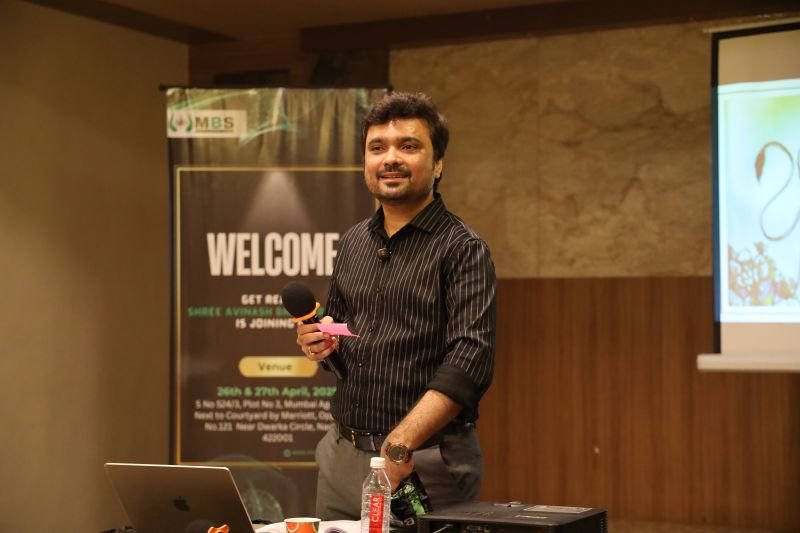
Beyond the established thinking, the programme is built on frameworks Avinash has created and written about himself — including his KITE framework and the principles in his book The Winning Edge. They come from a decade of standing in front of real students and building real people, not from a textbook. It is the layer no one else can copy, and the one your students remember long after the session ends.
Who It Is For
Final-year and pre-final-year students heading into placement season — across engineering, degree, management, pharmacy, commerce and diploma programmes — and the colleges, institutions and placement cells preparing them for it. It is most powerful run as a full-batch programme in the months before the drives, so an entire cohort walks into placements with the same readiness rather than a lucky few. It is equally valuable for a training-and-placement cell building a repeatable readiness process, and for students appearing for their very first campus recruitment who have never sat an interview or a group discussion in their lives.
Built by Someone Who Hires Freshers and Has Trained a Lakh of Students
Avinash Chate does not teach this from a placement manual. He runs a 100-plus member organisation and sits across the table from freshers himself — so the resume rules, the interview answers and the first impressions taught here are exactly what he looks for when he hires. He is a TEDx speaker and author of The Winning Edge who has spoken to more than a lakh of students and young people — in 2014 alone delivering 253 seminars across Maharashtra — and who has trained teams at over 1,000 organisations, from campuses to some of the country's biggest employers. He has stood on both sides of the placement table, which is exactly why students trust what he tells them about crossing it.
Why Avinash Chate
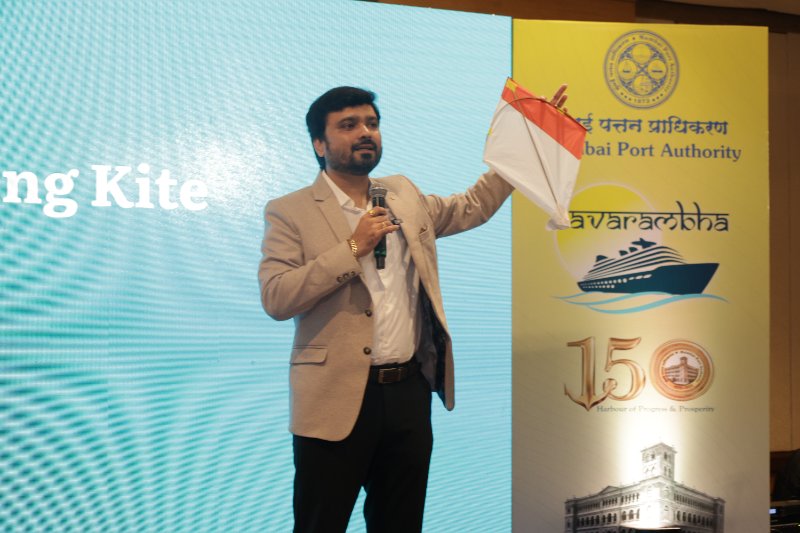
Avinash Chate began his own journey in a classroom in Latur — a student who scraped through his 12th with marks too low for engineering before turning it all around. In 2014 alone he delivered 253 seminars to students across Maharashtra, and he has since grown into a TEDx speaker, author of The Winning Edge, and founder of a 100-plus member organisation.
Students listen to him because he has stood exactly where they stand — and because he does not lecture from a manual. He tells the truth about failure, effort and reinvention, from having lived every bit of it.
Career Readiness & Employability for Students — FAQ
What is Career Readiness & Employability training for students?
It is a practical, placement-focused programme that closes the gap between holding a degree and being genuinely hireable. It builds the specific skills a campus drive actually tests — the mindset shift from student to professional, a resume that gets read, cracking interviews with the STAR method, handling group discussions and aptitude tests, communication and first impressions in front of recruiters, and building a personal brand on LinkedIn. Unlike generic career advice, it is built around the real, high-pressure moments of a placement drive, practised in the room until students feel ready.
Who should attend this programme?
Final-year and pre-final-year students heading into placement season, across engineering, degree, management, pharmacy, commerce and diploma streams. It is at its most powerful when run for a whole batch, so an entire cohort walks into the drives prepared rather than a lucky few. It is also ideal for students appearing for their very first campus recruitment who have never faced an interview or a group discussion before, and for placement cells building a repeatable readiness process.
Why do bright students with good marks still fail to get placed?
Because the skills that earn a degree and the skills that earn a job are almost entirely different. A degree rewards what you know on paper, worked out alone against a fixed answer. A placement rewards how you think out loud, under pressure, in front of a recruiter — how you structure an interview answer, how you handle a group discussion, how you carry yourself in the first thirty seconds. Those are learnable skills that the syllabus never teaches. Left unprepared, a capable student defaults to the only thing they were trained for — knowing the material — and finds everyone else in the room knows it too. The good news: it is a skills gap, and skills gaps close with the right practice.
What does the programme cover?
Seven connected modules: the shift from student to professional and what employers actually want; a resume that gets read; acing the interview with the STAR method; group discussions and aptitude tests; communication and first impressions in the placement; building a personal brand on LinkedIn; and an extensive practice module of mock interviews and group discussions with feedback. Every module pairs a short, usable framework with real practice on the exact moments of a campus drive.
How is the training delivered — and how long does it take?
It is highly interactive — mock interviews, real group discussions and hands-on resume work, with minimal lecture. The duration is flexible: the same programme runs as a single pre-placement session, a half-day or full-day intensive, or a multi-session series spread across the months before the drives, and it works well as a standing annual programme run for every outgoing batch. We shape the exact modules, length and cadence with the placement cell. For large batches, sessions are organised into smaller groups so every student actually practises an interview and a GD.
When should students go through this — how early before placements?
The earlier the better, and ideally the whole thing lands in the months leading into the drives rather than the week of them. Running it across a term gives students time to rebuild a resume, practise interview answers, get comfortable in group discussions and set up a LinkedIn profile — with room to improve between sessions. A single kick-off session before the season starts still helps a great deal, but the strongest results come when readiness is built with time to spare, not crammed at the last moment. Many institutions run it as a standing annual programme for every outgoing batch.
Is the programme customised to our students and streams?
Yes. Before the sessions, the examples, mock-interview questions and group-discussion topics are built around your students' context — their branch and stream, the kinds of companies that recruit on your campus, and the roles they are actually targeting. Generic placement prep is exactly what leaves students unready; the value is in practising the real questions, resumes and discussions your students will face in their own drives, not a one-size-fits-all script.
Can it be delivered on-campus, and in which languages?
Yes. The programme is delivered on-campus at your institution. Most engagements are across Maharashtra — Pune, Mumbai, Chhatrapati Sambhajinagar, Nashik, Nagpur and the surrounding education and MIDC belts — and it is equally delivered pan-India and internationally on request. Delivery is available in English, Hindi and Marathi, or a natural mix, which matters for reaching every student in a diverse batch, not just the most fluent.
What outcomes can we expect for our students and placement numbers?
Students who walk into drives with a resume that gets read, interview answers that are structured and confident, and the composure to handle a group discussion and an aptitude test without being blindsided — from their first drive rather than after a string of rejections. More of your genuinely capable students convert offers, which lifts the placement figure every parent and ranking looks at. And the students who convert do it on real, transferable skills they carry into every interview, in every year, for the rest of their careers.
Why Avinash Chate for this programme?
Avinash Chate is an entrepreneur and trainer who runs a 100-plus member organisation and hires freshers himself — so he teaches placement readiness from the recruiter's side of the table, not from a manual. He is a TEDx speaker and author of The Winning Edge who has spoken to more than a lakh of students, delivering 253 seminars in 2014 alone, and creator of the KITE framework. Having scraped through his own 12th with marks too low for engineering before turning it all around, he speaks to students who fear they are not "placement material" from having lived exactly that doubt — which is why they listen, and why the readiness sticks.
Related Student Programs
Get your students placement-ready before the drives begin
Close the gap between "has a degree" and "is genuinely hireable" — resumes that get read, STAR interview answers, group discussions, aptitude prep and a LinkedIn brand. On-campus across Maharashtra, pan-India and internationally, in English, Hindi or Marathi.
Bring This to Your Students →