Student Leadership & Life Skills
They were handed a badge and a team — and never taught what to do with either.
Look closely at any batch and you will spot them — the students who could clearly lead. The one everyone naturally turns to when the group is stuck. The quiet one who somehow keeps a project moving. Then you watch what happens when real responsibility lands on them: made class representative, handed a fest to run, put in charge of a team — and suddenly out of their depth. They do not know how to get a group to actually work, how to handle the friend who is slacking, how to decide when everyone is looking at them, or how to hold their nerve when it goes wrong. It was never their fault. Leadership and life skills were simply never on the timetable. This programme puts them there.
★ For schools, colleges & institutions · Across Maharashtra, pan-India & internationally · English, Hindi & Marathi
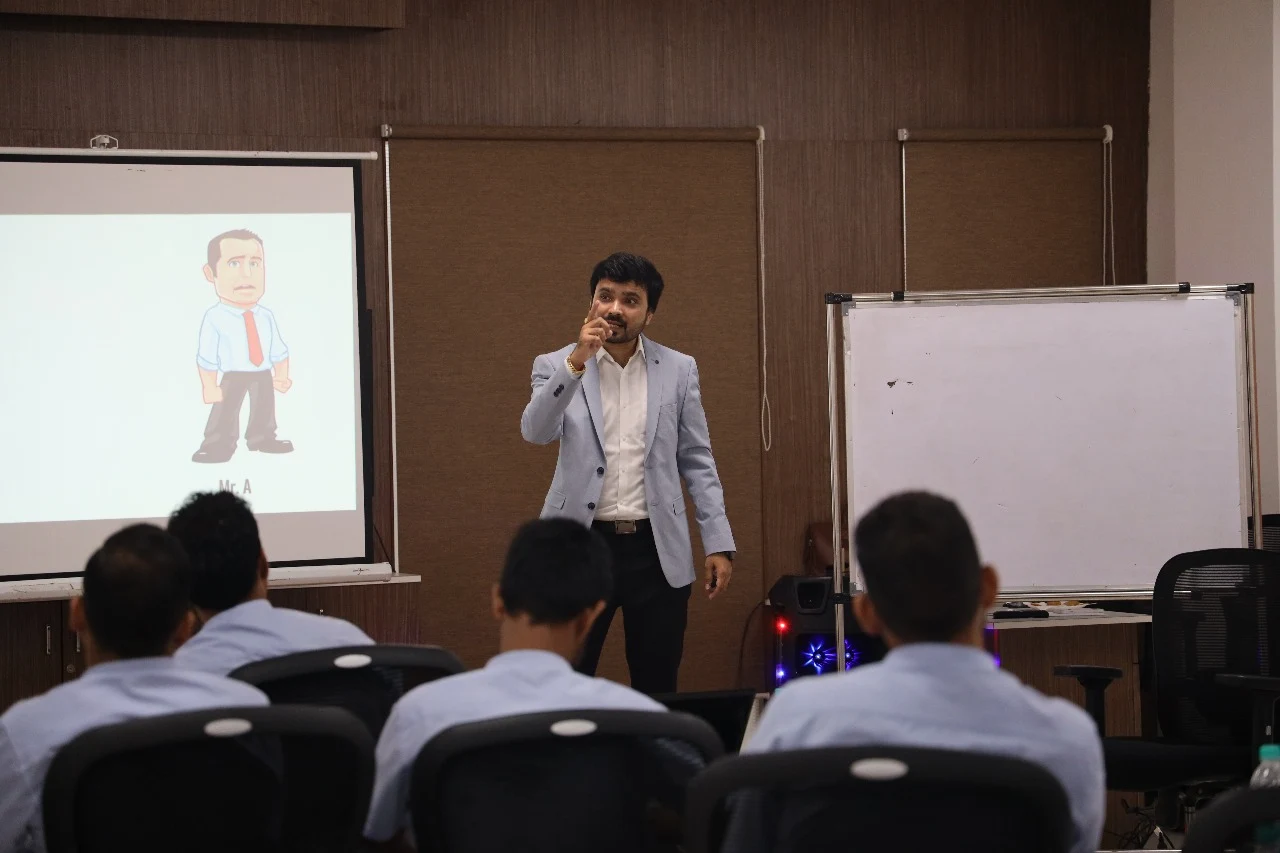
The Students Who Could Lead — and Are Never Taught How
Schools and colleges are unusually good at one thing: measuring what a student knows. Marks, ranks, results — all of it sharp and visible. But walk onto any campus and you will find a whole set of students who have far more to offer than a marksheet shows, and no channel for it. They are handed a class-representative badge, an event to organise, a team to captain — and then left to figure out leadership entirely on instinct, in public, in real time.
Most of them muddle through. A few crash. The natural leader becomes bossy because nobody taught them the difference between authority and being liked. The sincere one burns out doing everyone's work because they never learned to delegate. The event runs late, the team splinters into groups, a good student quietly decides leading is not for them — and files it away as a personal failing. It was never a failing. It was a gap. And the cost is a generation of capable young people who reach the working world having never once been taught how to lead, work in a team, manage their time or handle pressure — the skills that decide almost everything after the exams are over.
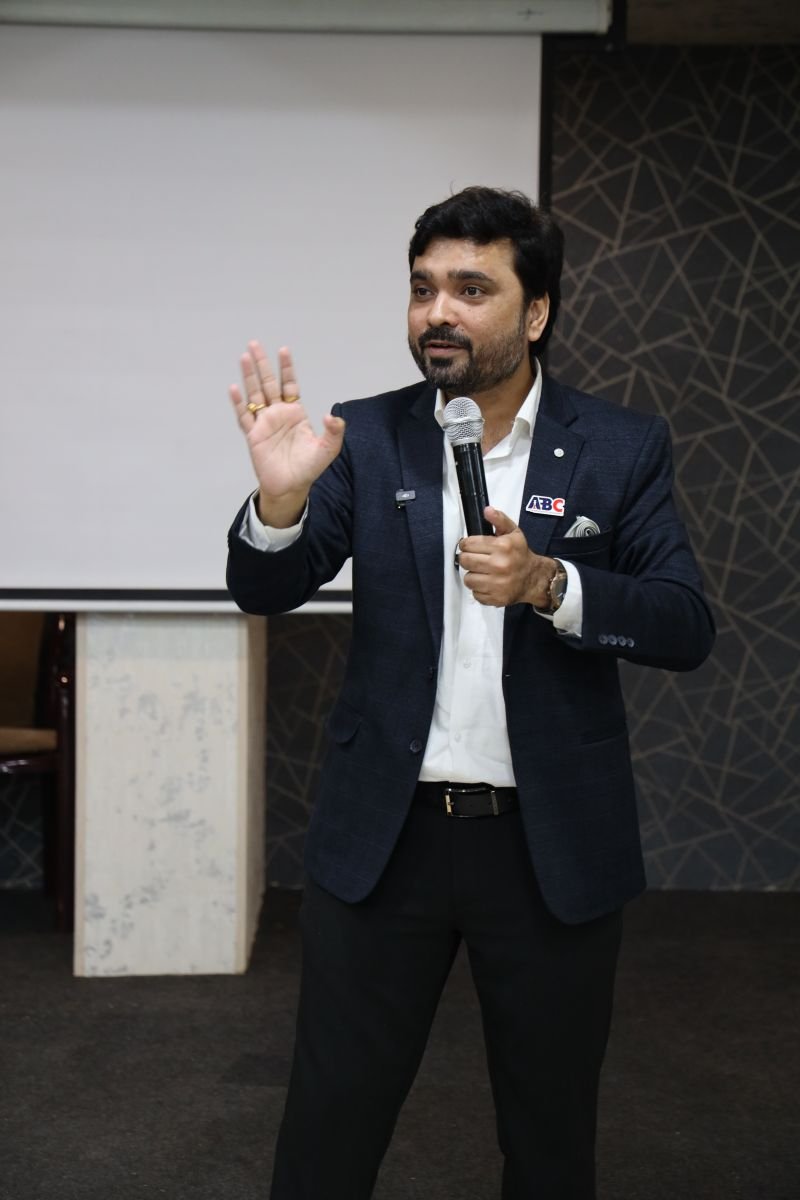
Why It Happens — and Why It Is Completely Fixable
Here is the quiet truth the system rarely says out loud: leadership and life skills are not personality traits you are either born with or not. They are skills — teachable, learnable, improvable — exactly like maths or a language. Motivating a team, listening properly, managing your own time, resolving a conflict without a fight, deciding under pressure, bouncing back from a setback: every one of these can be broken down, taught and practised. We just almost never teach them, because they are not on any syllabus and no board exam asks for them.
So a student with real potential is left to absorb these skills by luck — from a good coach, an unusual teacher, a lesson learned the hard way. Some get lucky. Most do not. This programme removes the luck. It takes the skills that turn a good student into someone others want to follow — teamwork, ownership, communication, resilience — and teaches them deliberately, with real practice, while the stakes are still a campus event and not a first job or a first team.
Does This Sound Familiar?
If the young people you are responsible for show any of these signs, it is almost never a shortage of ability. It is that no one has taught them the skills leadership actually needs. Here is what you are likely seeing, what it is quietly costing them, and exactly which part of the programme addresses it.
| What you see | What it is costing them | The real cause | How the programme fixes it |
|---|---|---|---|
| Capable students avoid leading roles — nobody wants to be class rep or head the committee | Real potential goes unused, and the same handful of students carry everything | They equate leadership with a badge and pressure they have never been shown how to handle | Module 01 — what leadership really is, so the role stops feeling like a burden |
| A student put in charge ends up doing everything alone or turning bossy with peers | Burnout, resentment in the team, and a leader nobody actually wants to follow | They were never taught how to motivate a team or share the work through others | Module 02 — leading a team and motivating peers instead of commanding them |
| Group projects and events collapse into confusion, silence or open argument | Missed deadlines, wasted effort, and students who conclude teamwork simply does not work | No one taught them to communicate clearly, listen, or resolve a disagreement | Modules 03 and 05 — communication, listening, and handling conflict |
| Bright students run out of time, miss submissions and live in last-minute panic | Lower results than their ability deserves, and constant avoidable stress | They have never been taught to manage time, priorities or their own responsibilities | Module 04 — time management and personal responsibility |
| One setback — a bad result, a public mistake, a rejection — knocks a student flat for weeks | Lost confidence, giving up too early, and choices made from fear rather than growth | Resilience and real-world life skills were never modelled or practised | Module 06 — resilience and life skills (money, decisions, saying no) |
What Changes When Students Are Actually Taught to Lead
Picture the same students a term later. The one who avoided the class-rep role now steps forward for it — because leadership no longer means a badge and blind pressure, but a set of things they know how to do. A team task that used to dissolve into chaos now has someone quietly keeping it on track, dividing the work, pulling the group back together when it wobbles. The student who ran out of time every week now plans it. The one flattened by every setback now names it, learns from it and moves on.
And beneath the visible change, something larger settles in. These young people stop seeing leadership and life skills as things that belong to other, more confident people, and start seeing them as skills they own and can keep sharpening. They walk into their next team, their first job, their whole adult life already carrying the abilities most people spend years — and a few painful lessons — learning the hard way.
What Students Will Be Able to Do
- ✓ Understand what leadership really is — beyond a badge or a title — and see themselves as capable of it
- ✓ Lead and motivate a team of peers, sharing the work instead of doing it all or ordering people around
- ✓ Communicate clearly and listen properly, so a group actually understands and moves together
- ✓ Manage their own time, priorities and responsibilities instead of living in last-minute panic
- ✓ Handle conflict and pressure calmly — disagree without fighting and decide when everyone is watching
- ✓ Bounce back from setbacks with resilience, and use everyday life skills around money, decisions and saying no
- ✓ Take genuine ownership — of a task, a team and their own growth — and become someone others choose to follow
What the Programme Covers
Seven connected modules that take a student from "leadership is not for me" to leading a real team with confidence. Every module pairs a short, honest idea with real practice on the situations students actually face — a group project, a class-rep role, a fest, a fight in the team — and ends with a concrete shift in how they lead and live.
These are building blocks, not a fixed-length course. A single high-energy session goes deep on the two or three that matter most; a half or full day covers more; a multi-session series across a term — or a recurring annual rhythm — works through them all, with far more practice. We shape which ones, in what order and how deep, with you.
What Leadership Really Is — It Is Not a Badge
What we cover: Unlearning the idea that leadership is a title, a post or being the loudest in the room. What leaders actually do — clarify a direction, set an example, bring people with them, and take responsibility when it goes wrong. The difference between authority and respect, and why being liked and being a leader are not the same thing. That leadership is a set of learnable behaviours, not a personality you are born with — which means every student in the room can do it.
What changes: Students stop believing leadership belongs to other people and start seeing it as something they can choose, learn and practise.
Leading a Team and Motivating Your Peers
What we cover: Why the student put in charge so often ends up doing everything alone — and how to stop. Getting a group of peers to actually work, without either bossing them or being walked over. Sharing the work so people own their part instead of waiting to be told. What genuinely motivates classmates — belonging, purpose, being trusted — far more than pressure or a scolding. How a team really forms, wobbles and finally clicks, and how to lead it through each stage.
What changes: Students learn to get results through a team and lift the people around them — the shift from doing everything to leading everyone.
Communication and Listening
What we cover: Why so many team and group breakdowns are really communication breakdowns. Saying what you mean clearly, so a group understands the plan and moves together. The half of communication nobody teaches — real listening: hearing what a teammate is actually saying instead of waiting to speak. Asking questions, checking understanding, and giving instructions people can follow. Reading the room, and speaking up in a group without freezing.
What changes: Students communicate in a way that makes a team clearer and calmer — and become the person others feel genuinely heard by.
Time Management and Responsibility
What we cover: Why bright students run out of time and live in last-minute panic — and how it changes. Separating what is urgent from what actually matters, so the important things get done first. Planning a week, breaking a big task into steps, and keeping promises to a team. Beating procrastination and the pull of the phone. What personal responsibility really means — owning your work, your time and your outcomes instead of blaming circumstances.
What changes: Students take control of their time and their commitments, so their results finally match their ability — with far less stress.
Handling Conflict and Pressure
What we cover: What to do when the team argues, when a friend slacks off, or when two people simply cannot agree. Disagreeing without it becoming a fight, and finding the outcome the whole group can live with. Staying calm and deciding when everyone is looking at you and the clock is running. Handling criticism and a difficult person without exploding or shutting down. Understanding your own default under pressure — and choosing a better response than the automatic one.
What changes: Students meet conflict and pressure with a steady head instead of panic — the composure that marks a leader people trust in a crisis.
Resilience and Life Skills — Money, Decisions, Saying No
What we cover: Why one setback flattens some students for weeks — and how resilience is built, not born. Bouncing back from a bad result, a public mistake or a rejection, and using it instead of drowning in it. Making good decisions when the choice is hard, and thinking a step ahead. Basic money sense — the difference between wants and needs, and why it matters early. The quiet power of saying no — to peer pressure, to distractions, to the wrong crowd — without losing yourself.
What changes: Students build the real-world life skills no exam tests but every life demands — resilience, judgement, and the strength to stand their ground.
Practice — Lead a Real Team Task, Then Debrief It
What we cover: Not a lecture but a live challenge: students are put into teams and given a real task to plan and pull off together — with someone leading, the work shared, and the clock running. Every skill from the earlier modules meets reality at once — leading peers, communicating, dividing time, and handling the moment it starts to go wrong. Then an honest, supportive debrief: what worked, where the team stumbled, what each leader would do differently, and what to carry into the next real one.
What changes: Students walk out having actually led a team once, in safety — so the next real team, event or project no longer feels like uncharted ground.
How It Is Delivered
This is not a lecture students sit through and forget by lunch. It is built to be lived. Students spend most of the time on their feet — in teams, running real tasks, working through the exact situations a class rep, an event head or a project group actually faces. The ideas are kept short, honest and immediately usable; the practice, and the honest debrief afterwards, is where the real learning lands. It is loud, warm, occasionally uncomfortable in the right way, and completely unlike a normal period.
The format flexes entirely to the institution's calendar. It runs as a single high-energy assembly or seminar session, a half-day or full-day workshop for a batch, a multi-day leadership camp, or a series of shorter sessions spread across a term — and it works beautifully as a recurring annual programme, run for each incoming batch of students. Sessions are organised so every student takes part and practises, not just the confident few at the front. The exact depth, mix of modules and cadence are shaped together with the school or college.
Formats That Fit Your Calendar
Single assembly or seminar session
One high-energy session for a large group — ideal for a leadership day, an orientation, or the start of a new academic year.
Half-day or full-day workshop
A deeper, hands-on session for a batch or a student council — more team tasks, more practice, more debrief.
Multi-day student leadership camp
Two or more days to go deep across all the modules — perfect for class representatives, a student council, or a selected leadership cohort.
A term-long series or annual programme
Shorter sessions spread across the term, or run every year for each incoming batch — making leadership and life skills a permanent part of campus life.
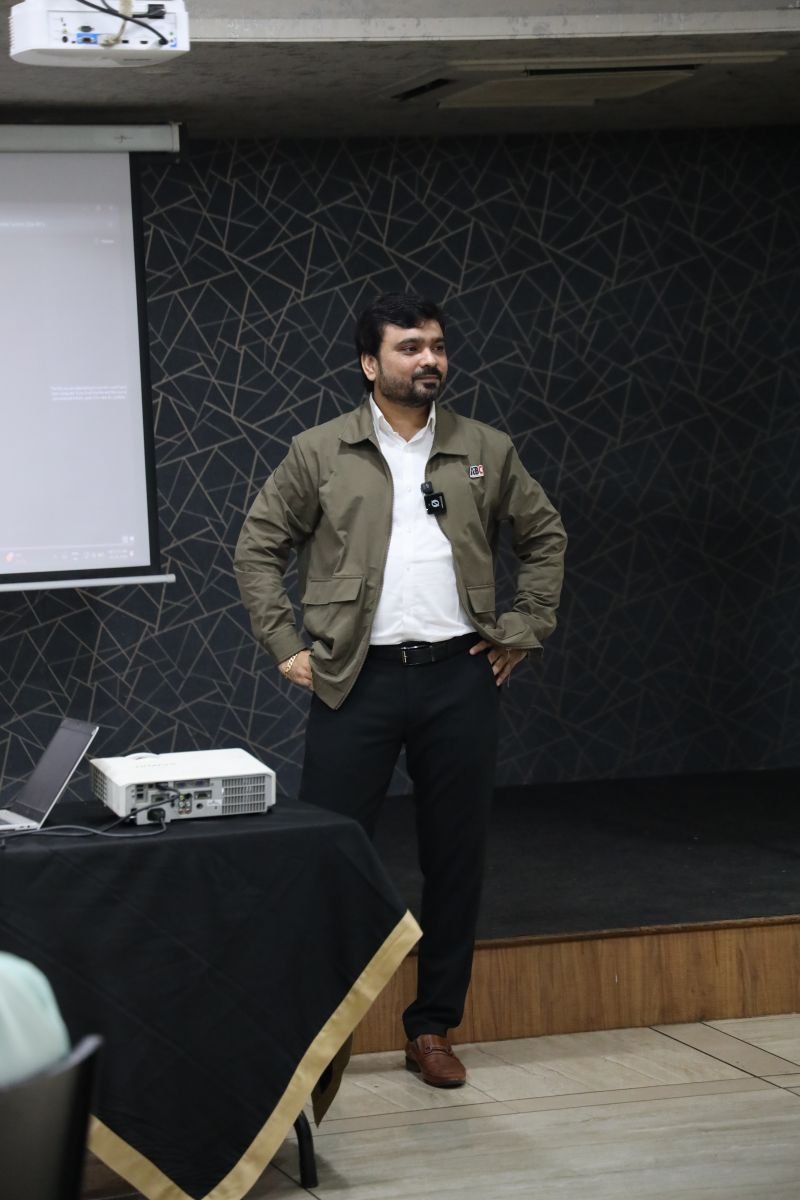
The Thinking Behind It
This programme is not a generic motivation talk. It draws on the best writing and research on student leadership and life skills — distilled into a few ideas young people can actually use — and then goes further, into the frameworks Avinash has built and tested standing in front of real students for over a decade.
Ideas & books it draws on
- The Student Leadership Challenge — James Kouzes & Barry Posner · the leading research-based guide showing students the Five Practices any young person can use to lead
- The Leader in Me — Stephen R. Covey · how schools grow leadership in every student by living a handful of simple, powerful habits
- Tribes — Seth Godin · a short, electric manifesto that leadership is simply the willingness to step up and bring people with you
- Life's Greatest Lessons — Hal Urban · twenty plain-spoken life lessons from an award-winning teacher — the things school never puts on the syllabus
- The Energy Bus — Jon Gordon · a story that shows students how positive energy, ownership and attitude change a team and a life
- Do Hard Things — Alex Harris & Brett Harris · written by teenagers, a rousing challenge to reject low expectations and rise to what you are actually capable of
Models we teach
- The Five Practices of Exemplary Leadership (Kouzes & Posner) · model the way, inspire a shared vision, challenge the process, enable others, encourage the heart
- Tuckman's team stages · forming, storming, norming, performing — reading and guiding a student team through each one
- The Eisenhower matrix · urgent versus important, so a student does what matters first instead of firefighting
- The Circle of Influence (Covey) · focus energy on what you can actually change, not on what you only worry about
- Conflict styles (Thomas–Kilmann) · competing, collaborating, compromising, avoiding, accommodating — choosing the right response in a disagreement
And Avinash's own frameworks — the part you won't find anywhere else
Beyond the established thinking, the programme is built on frameworks Avinash has created and written about himself — including his KITE framework and the principles in his book The Winning Edge. They come from a decade of standing in front of real students and building real people, not from a textbook. It is the layer no one else can copy, and the one your students remember long after the session ends.
Who It Is For
School and college students who are ready to grow beyond the marksheet — class representatives, student council members, event and fest organisers, team and club captains, and the quieter students with real potential who have never been given the tools or the chance. It works for higher secondary and college students who are about to step into responsibility, and it is especially powerful run for a whole batch or a full student council, so a group builds a shared language and leads together. For any school or college that wants to send confident, capable young leaders into the world — not just good exam-takers — this is the programme that builds them.
Taught by Someone Students Actually Listen To
Avinash Chate does not teach student leadership from a manual. He teaches it from a stage he has stood on in front of more than a lakh young people — in the same year, 2014, delivering 253 seminars to students across Maharashtra alone. He knows exactly why a capable student hides at the back, why the class rep burns out, and why one setback can flatten a bright young person, because he has watched it up close thousands of times and lived it himself as a student who once scraped through with low marks before turning it all around.
That is why students lean in rather than tune out. He is a TEDx speaker, author of The Winning Edge, and founder of a 100-plus member organisation — but in the room he is simply someone who has been where they are, tells them the truth about effort, failure and leadership, and makes them believe they can actually do it. Programmes like this have reached students on campuses across Maharashtra, pan-India and beyond, and the same skills carry straight into the working world through his campus-to-corporate work.
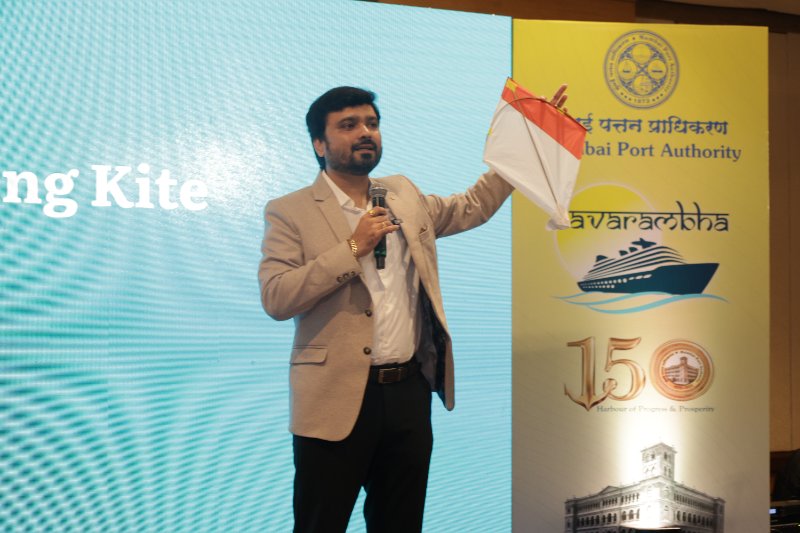
Why Avinash Chate
Avinash Chate began his own journey in a classroom in Latur — a student who scraped through his 12th with marks too low for engineering before turning it all around. In 2014 alone he delivered 253 seminars to students across Maharashtra, and he has since grown into a TEDx speaker, author of The Winning Edge, and founder of a 100-plus member organisation.
Students listen to him because he has stood exactly where they stand — and because he does not lecture from a manual. He tells the truth about failure, effort and reinvention, from having lived every bit of it.
Student Leadership & Life Skills — FAQ
What is the Student Leadership & Life Skills programme?
It is a practical, hands-on programme for school and college students that teaches the skills no exam tests but every life needs — what leadership really is (not just a badge), leading a team and motivating peers, communication and listening, time management and responsibility, handling conflict and pressure, and resilience and everyday life skills like money, decisions and saying no. It ends with students actually leading a real team task and honestly debriefing it. Unlike a one-off motivation talk, it is built around the real situations students face — a group project, a class-rep role, a fest — and practised in the room until the skills stick.
Which students is it for — school or college?
Both. It is designed for higher secondary school students and college students, and it flexes to the age and stage of the group. It is ideal for class representatives, student council members, event and fest organisers, and team or club captains — and just as valuable for the quieter students with real potential who have simply never been given the tools. It is at its most powerful when run for a whole batch or an entire student council, so a group learns to lead together and builds a shared language.
Why aren't these skills already taught in school or college?
Because they are not on any syllabus and no board exam asks for them. Schools and colleges are built to measure what a student knows, so marks and ranks get all the attention, while leadership, teamwork, time management and resilience are left to chance. The important thing to know is that these are skills, not fixed personality traits — they can be taught, learned and improved exactly like any subject. This programme teaches them deliberately, with real practice, while the stakes are still a campus event and not a first job.
What does the programme cover?
Seven connected modules: what leadership really is; leading a team and motivating peers; communication and listening; time management and responsibility; handling conflict and pressure; resilience and life skills around money, decisions and saying no; and a final practice module where students lead a real team task and then debrief it. Every module pairs a short, honest idea with real practice on situations students actually face, so they leave with skills they can use — not just notes.
How is it delivered — and how long does it take?
It is highly interactive — team tasks, real situations and honest debriefs, with minimal lecture. The duration is flexible: the same programme runs as a single high-energy assembly or seminar session, a half-day or full-day workshop, a multi-day student leadership camp, or a series of shorter sessions spread across a term, and it works well as a recurring annual programme for each incoming batch. We shape the exact length, module mix and cadence with the institution. Sessions are organised so every student takes part, not just the confident few.
Can it be run on our campus, and in which languages?
Yes. The programme is delivered on-campus at the school or college, and most engagements are across Maharashtra — Pune, Mumbai, Chhatrapati Sambhajinagar, Nashik, Nagpur and the surrounding regions — with delivery equally available pan-India and internationally on request. It runs in English, Hindi and Marathi, or a natural mix, so it connects with students whatever their comfort language.
Is the programme customised to our students?
Yes. Before the session, the examples, team tasks and scenarios are shaped around the institution's context — school or college, the age of the students, and the real situations they face, from group projects to running a fest or a student council. Generic content is exactly what students tune out; the value is in practising the actual challenges your students will meet next week, in their own world.
How is this different from a personality development session?
Personality development builds how a student comes across — confidence, presence, communication. This programme goes a layer deeper into leadership and life skills: getting a team to work, motivating peers, managing time, handling conflict and pressure, bouncing back from setbacks, and taking real ownership. The two complement each other beautifully, which is why many institutions run both — but this one is specifically about turning a good student into someone others follow and organisations want.
What outcomes can we expect?
Students who step forward for leadership roles instead of avoiding them, teams and events that actually hold together, better use of time and far less last-minute panic, and young people who meet a setback with resilience rather than giving up. Over time, an institution builds a culture where students see leadership and life skills as things they own and keep improving — and sends confident, capable young leaders into the working world, not just good exam-takers.
Why Avinash Chate for this programme?
Avinash Chate is a corporate trainer, TEDx speaker and author of The Winning Edge who began as a student in Latur — one who scraped through his 12th with marks too low for engineering before turning it all around — and has since spoken to more than a lakh young people, delivering 253 student seminars in a single year across Maharashtra. He runs a 100-plus member organisation and teaches leadership from having lived and built it, using his own KITE framework and the principles in The Winning Edge. Students listen because he has stood exactly where they stand and tells them the truth about effort, failure and leading, from real experience rather than a textbook.
Related Student Programs
Grow the leaders hiding in your batch
Give your students the leadership and life skills no exam tests but every life needs — teamwork, communication, time management, resilience and real ownership. On-campus across Maharashtra, pan-India and internationally, in English, Hindi or Marathi.
Bring This to Your Students →