Onboarding & Induction Training
A new hire's first two weeks decide the next two years — and most companies spend them on forms, logins and a folder of PDFs.
You fought hard to hire this person. The role was open for months, the shortlist was thin, the offer took three rounds of negotiation. And then they arrive — and the machine that greets them is a laptop, a login that does not work, an HR form, and a shared drive full of policy PDFs no one has opened since 2019. The experienced manager you were so relieved to land spends the next three months quietly working out how things really get done here, who to actually ask, and what "good" even looks like in this building. Some of them decide, somewhere around week six, that they have made a mistake. And the early exit of a senior hire is one of the most expensive things a company will never put on a spreadsheet. Induction is not paperwork. It is the deliberate design of belonging, role clarity and early wins — and this programme teaches you to design it.
★ 5.0 client rating · Across Maharashtra, pan-India & internationally · English, Hindi & Marathi
The First Weeks Every Company Wastes
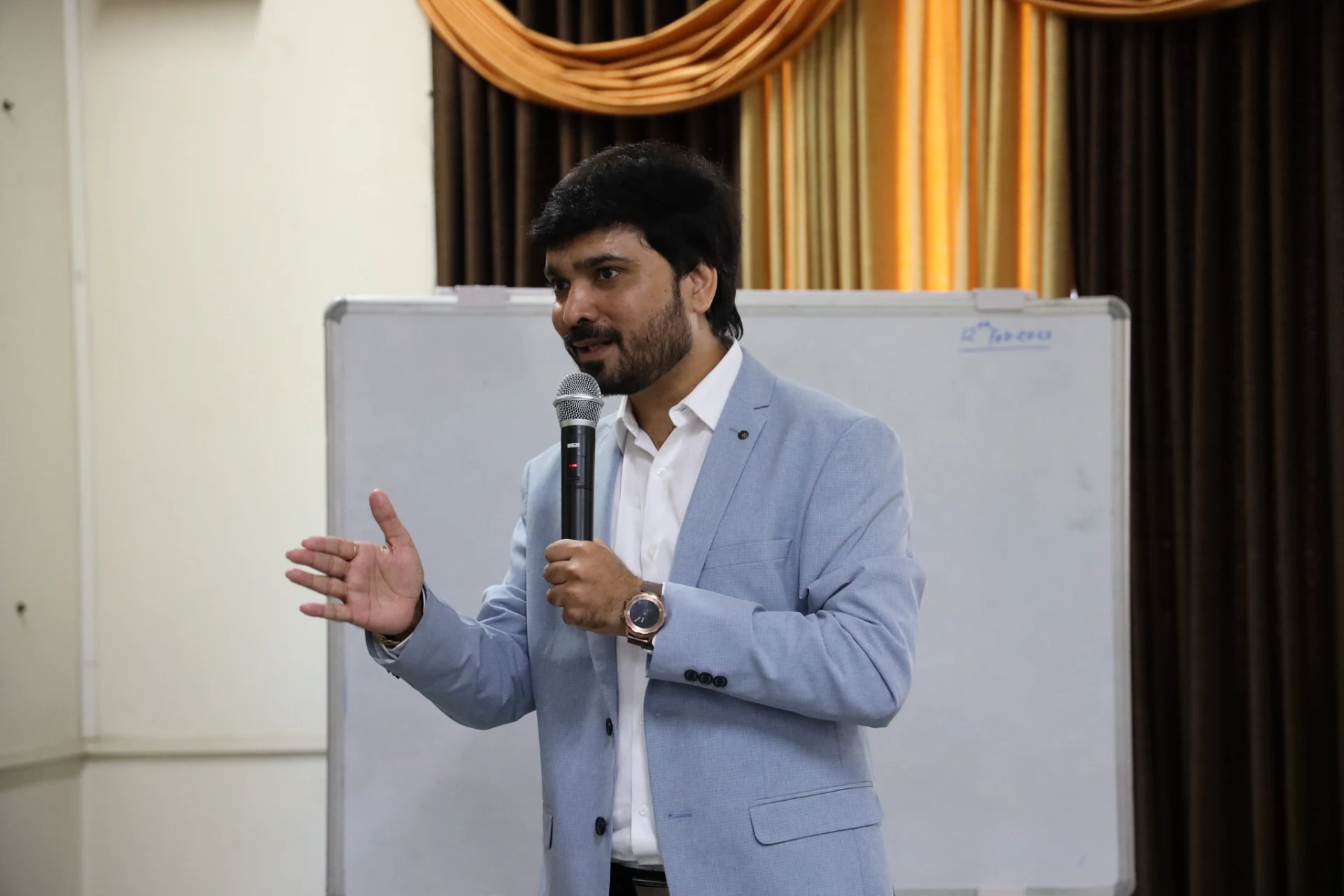
Watch what actually happens when someone new joins. Day one is admin: sign here, photo for the badge, watch the fire-safety video, wait for IT. The people who were meant to welcome them are in meetings. Their manager is genuinely pleased they have arrived and also genuinely underwater, so the new joiner is handed a login and a vague "shout if you need anything" and left to it. For the next few weeks they sit at a strange desk trying to look busy while privately drowning — not in the work, which they can do, but in everything around it: the acronyms no one explains, the unwritten way decisions really get made, the map of who to trust that everyone else carries in their head and no one has ever written down.
The cost of this is enormous and almost entirely invisible. A capable new hire takes months longer to become productive than they needed to, because nobody designed the ramp. A senior lateral hire — the very person you paid a premium to attract — quietly concludes that the culture is chaotic and starts taking recruiter calls again. A graduate's first impression of the company is boredom and neglect, and that impression sets. Meanwhile the manager, who never learned that receiving a new person is a skill, assumes onboarding is HR's job, and HR assumes the real integration happens on the team. So it falls between them — and the most important two weeks of an employee's tenure are the two weeks no one owns.
Why Onboarding Fails — And Why It Is Completely Fixable
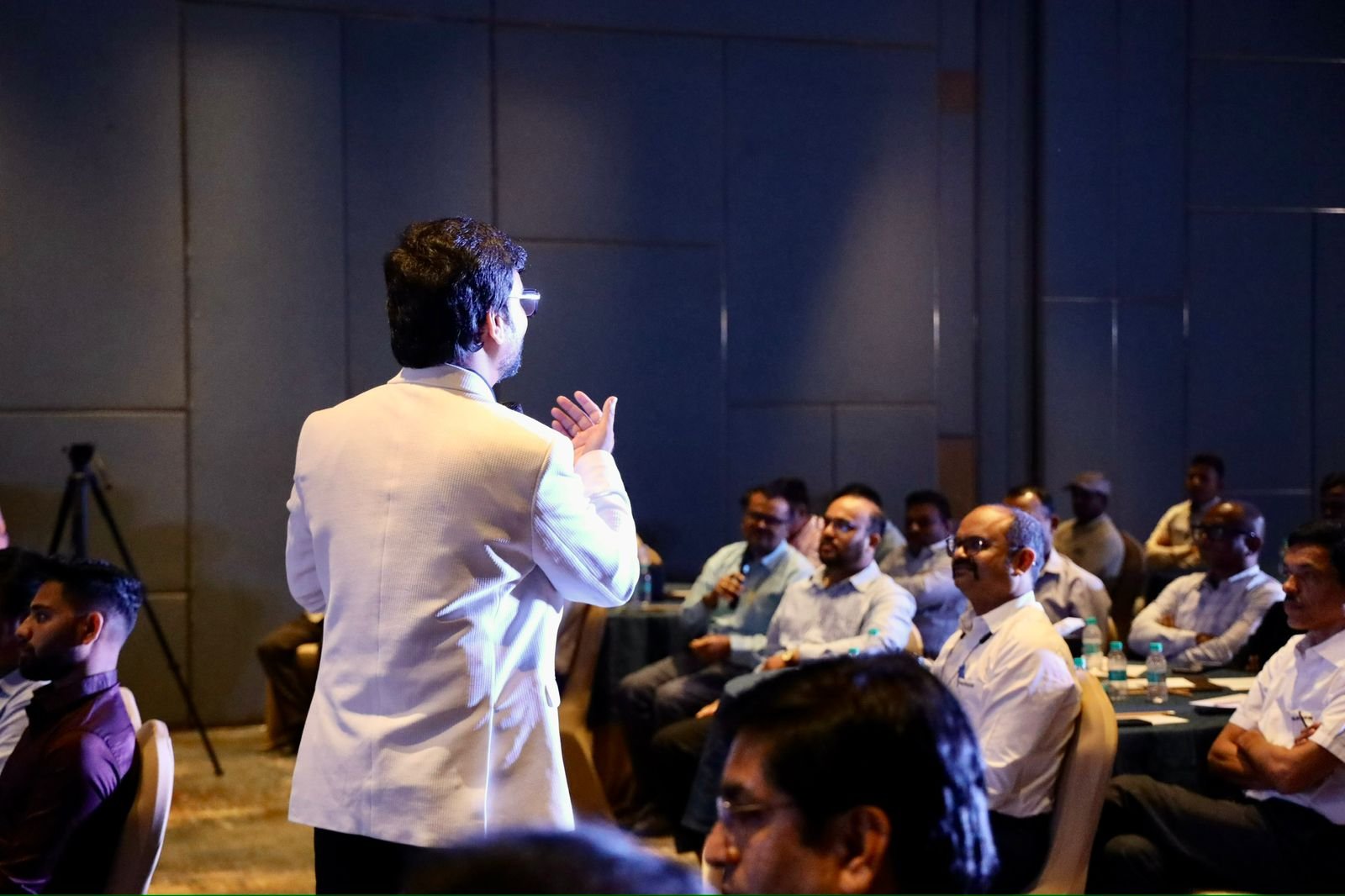
Here is the honest diagnosis, and it explains almost every failed induction: most companies confuse onboarding with orientation. Orientation is the admin — the forms, the logins, the policy tour — and it can be finished in an afternoon. Onboarding is the human, months-long work of turning an outsider into a contributing insider: making them feel they belong, making the role and its expectations unmistakably clear, mapping the relationships they will need, engineering a first early win so their confidence and their credibility both take root. Orientation is a checklist. Onboarding is a designed experience. Most organisations do the first, call it the second, and are then puzzled when new hires ramp slowly and some quietly leave.
The second reason it fails is that onboarding has no owner. HR runs the paperwork and hands over. The manager is busy and improvises. The team is friendly but has no plan. So the single most decisive moment in an employee's journey is left to chance and goodwill. None of this is a talent problem or a culture problem — it is a design problem, and design problems are the most fixable kind. When a manager knows exactly what a good first day, first week, first thirty, sixty and ninety days look like, and when the organisation builds a repeatable induction that welcomes graduates, lateral hires and senior joiners deliberately, the slow, leaky, wasteful version disappears. This programme gives your managers and your HR team that design.
Does This Sound Familiar?
If your new joiners are ramping slowly, or your expensive senior hires are leaving inside the first year, it is almost never that you hired the wrong people. It is that no one designed the induction. Here is what you are likely seeing, what it is quietly costing, and exactly which part of the programme fixes it.
| The symptom you see | What it is costing you | The real cause | How the programme fixes it |
|---|---|---|---|
| New joiners spend their first days on forms, logins and policy PDFs, then are left to "figure it out" | The most decisive weeks are wasted; the new hire drifts, disengaged, long before they contribute | The company runs orientation admin and calls it onboarding — no designed human experience exists | The Orientation-vs-Onboarding module — designing the induction as an experience, not a checklist |
| Your experienced and lateral hires take months to become productive — or quietly leave inside a year | You paid a premium to attract them and lose it to slow ramp and early, unmeasured attrition | Onboarding was built (if at all) for graduates; senior joiners are handed a login and left to self-serve | The Onboarding Every Level module — graduates, laterals and senior hires each welcomed deliberately |
| New hires are unsure what "good" looks like, or what they should own in their first weeks | Anxiety, guesswork and rework; a capable person underperforms simply because the role was never made clear | No one set explicit expectations, priorities or a first-90-days plan — the role was assumed, not defined | The Role Clarity module — expectations, priorities and the first-30-60-90 plan |
| New joiners do not know who to ask, so they wait, guess, or interrupt the wrong person | Simple things take days; the new hire feels like an outsider and the team quietly finds them high-maintenance | The relationship map every colleague carries in their head was never made explicit for the newcomer | The Belonging & Relationships module — the who-to-ask map and the human welcome |
| Managers assume onboarding is HR's job; HR assumes integration happens on the team | The most important handover falls between two owners, and every new joiner's first weeks are left to chance | No one taught managers that receiving a new person is a distinct, learnable skill they own | The Manager's Onboarding Playbook module — the receiving manager's first-90-days craft |
| New hires never get an early win, so confidence and credibility both stall | Momentum is lost in the first month and is hard to recover; the new joiner stays tentative for far too long | No one engineered a meaningful early contribution into the first weeks — ramp was left to happen by itself | The Early Wins module — engineering the first meaningful contribution |
What Changes When Onboarding Is Actually Designed
Picture the same new hire, but into a designed induction. Day one, someone is expected and ready for them; the login works, a buddy is assigned, lunch is not eaten alone. Within the first week they know exactly what they own, what "good" looks like, and what the next thirty, sixty and ninety days are meant to produce. They have a map of who to ask for what, so they stop guessing and start moving. By the end of the first month they have landed a real, visible early win — small but genuine — and you can see the confidence set in. The manager is not improvising; they are running a playbook they were taught. And the values and culture the company cares about are not on a poster the new hire ignores — they are in the welcome itself.
And underneath the visible smoothness is the shift that pays for the whole programme. Your new joiners become productive far sooner, because someone built the ramp instead of leaving them to find it. The expensive senior hires you fought to attract feel, in their first weeks, that they joined something deliberate and well-run — so they stay, and the premium you paid is protected rather than lost. First impressions, which set hard and fast, are of belonging and competence rather than neglect. You stop treating the most decisive two weeks of an employee's tenure as an afterthought — and start treating them as the highest-leverage investment in retention and performance you can make.
What Your Managers and HR Team Will Be Able to Do
- ✓ Tell the difference between orientation and onboarding — and design the second, not just run the first
- ✓ Build a repeatable induction that welcomes graduates, lateral hires and senior joiners each deliberately
- ✓ Set unmistakable role clarity — expectations, priorities and a first-30-60-90-day plan for every new hire
- ✓ Create belonging fast — the human welcome, a buddy system, and the who-to-ask relationship map
- ✓ Engineer a meaningful early win into the first weeks, so confidence and credibility take root quickly
- ✓ Run the receiving manager's first-90-days playbook instead of improvising or delegating it to chance
- ✓ Weave culture and values into the induction itself, so new joiners absorb them rather than skim a policy PDF
What the Programme Covers
Seven connected modules that turn a new joiner's first weeks from wasted admin into belonging, clarity and early contribution — and that build the induction system your organisation runs for every hire. Every module pairs a short, practical input with real design and practice on the exact moments an induction lives or dies — and ends with a concrete change in how your new people are received.
These are building blocks, not a fixed-length course. A two-hour session goes deep on the two or three that matter most to you; a half or full day covers more; a multi-day intensive — or an ongoing monthly, quarterly or half-yearly rhythm — works through them all, with far more practice. We shape which ones, in what order and how deep, with you.
Orientation Is Not Onboarding — Designing the Experience
What we cover: The distinction that decides everything: orientation is the afternoon of admin — forms, logins, the policy tour — while onboarding is the months-long human work of turning an outsider into a contributing insider. Why a checklist is not an experience. The four things a real induction must deliver — belonging, role clarity, relationships and an early win — and how to design for each. Mapping the new joiner's journey from the offer letter through the first ninety days, and finding the moments where companies quietly lose people.
What changes: Your team stops mistaking paperwork for onboarding and starts designing the first weeks as a deliberate experience — the foundation everything else is built on.
Onboarding Every Level — Graduates, Laterals and Senior Hires
What we cover: Why one induction template cannot serve everyone. What a fresh graduate needs — patience, structure, the basics of the workplace. What a lateral hire from a competitor needs — fast context, the unwritten rules, and respect for the experience they bring. What a senior or leadership hire needs most of all — early clarity, key relationships, and the credibility to lead without waiting six months to understand the room. The special danger of the experienced hire who is assumed to "already know how it works" and is therefore left to self-serve.
What changes: Every new joiner — from the trainee to the senior leader — is welcomed in the way their level actually needs, so no one is left to quietly conclude they made a mistake.
Role Clarity — Expectations and the First-90-Days Plan
What we cover: Why "we'll show you the ropes as we go" is where good hires start to founder. Making the role unmistakable from week one — what they own, what success looks like, what the priorities actually are. Building the first-30-60-90-day plan: what a new joiner should learn, do and deliver in each phase. Setting early, achievable goals that create direction instead of anxiety. Separating what must be mastered now from what can wait, so a capable person is not overwhelmed on day three.
What changes: The new joiner knows exactly what is expected and what "good" looks like — so a capable person performs early instead of guessing their way through the first months.
Belonging and Relationships — The Human Welcome
What we cover: Why belonging, not information, is what makes a new hire stay. The small signals that say "you are one of us" — being expected, being introduced, not eating lunch alone in the first week. Designing a buddy or mentor system that actually works rather than a name on a form. Building the who-to-ask relationship map every colleague carries in their head and no newcomer is ever given. Creating the psychological safety for a new joiner to ask "obvious" questions without feeling exposed.
What changes: The new joiner feels they belong within days rather than months — and knows exactly who to turn to, so they stop guessing and start contributing.
The Manager's Onboarding Playbook
What we cover: Why receiving a new person is a distinct skill — and why most managers were never taught it. The manager's job before day one, on day one, and through the first ninety days. Running the first real one-on-ones with a new hire: what to cover, what to ask, what to reassure. Checking in at the right cadence without hovering or vanishing. The manager's role in belonging, clarity and the early win — and why "shout if you need anything" is not a plan. Handing over ownership deliberately as trust and readiness grow.
What changes: The receiving manager runs a deliberate playbook instead of improvising — so onboarding stops falling between HR and the team and becomes something a manager actively owns.
Early Wins — Engineering the First Real Contribution
What we cover: Why the first meaningful win in the first month sets the trajectory for everything after. Choosing a first task that is real, achievable and visible — meaningful enough to matter, safe enough to succeed. How an early win builds the new joiner's confidence and, just as importantly, their credibility with the team. Sequencing responsibility so momentum builds rather than stalls. Making progress visible and celebrated, so a new hire feels useful in weeks instead of feeling like a passenger for months.
What changes: The new joiner lands a genuine early win in their first month — so confidence and credibility take root fast, and the tentative "new person" phase is over quickly.
Culture, Values and Making Onboarding a System
What we cover: How a new joiner really absorbs culture — by osmosis in the first weeks, from what they see rewarded and how they are treated, not from a values slide. Weaving the organisation's real values into the induction experience itself. Building onboarding as a repeatable system, not a heroic effort that depends on one thoughtful manager. Defining what HR owns and what the manager owns, so the handover never falls between them. Gathering feedback from new joiners at 30 and 90 days and improving the induction every cycle.
What changes: Onboarding becomes a designed, repeatable system your whole organisation runs — carrying your real culture, owned clearly, and getting better with every new hire.
How It Is Delivered
This is not a lecture about onboarding best practice. It is a working session where your managers and HR team design your actual induction. They spend most of the time building the real thing — mapping the new-joiner journey, drafting the first-30-60-90-day plan, designing the buddy system and the who-to-ask map, choosing what a good first early win would be — using your own roles, your own teams and your own recent joiners as the material. Short, usable frameworks are shared; the real work is the design and the practice, so people leave with an induction they can run on Monday, not a set of notes.
The format flexes to your organisation. It runs as a focused half-day for managers, a full-day design workshop, a multi-day intensive that builds an end-to-end onboarding system, or a modular series threaded across a hiring wave — and it works beautifully as an ongoing programme, refreshed as you promote new managers who will receive new people. For 20 to 40 participants it is organised into small batches so every manager designs and practises, not just listens. The exact depth, duration and cadence are shaped with you in the design call.
Formats That Fit Your Calendar
Half-day or full-day workshop
A high-impact session to shift how managers receive new people and design the first weeks — ideal before a hiring wave or a big intake.
Multi-day intensive
Two or more days to build an end-to-end onboarding system — perfect for HR and a cohort of managers designing one shared, repeatable induction.
Modular series across a hiring wave
Shorter sessions threaded through a period of active hiring, so each part of the induction is built and used just as new joiners arrive.
An ongoing onboarding programme
Run it for every new manager who will receive new people — making deliberate, well-designed induction a permanent part of how the organisation welcomes talent.
The Thinking Behind It
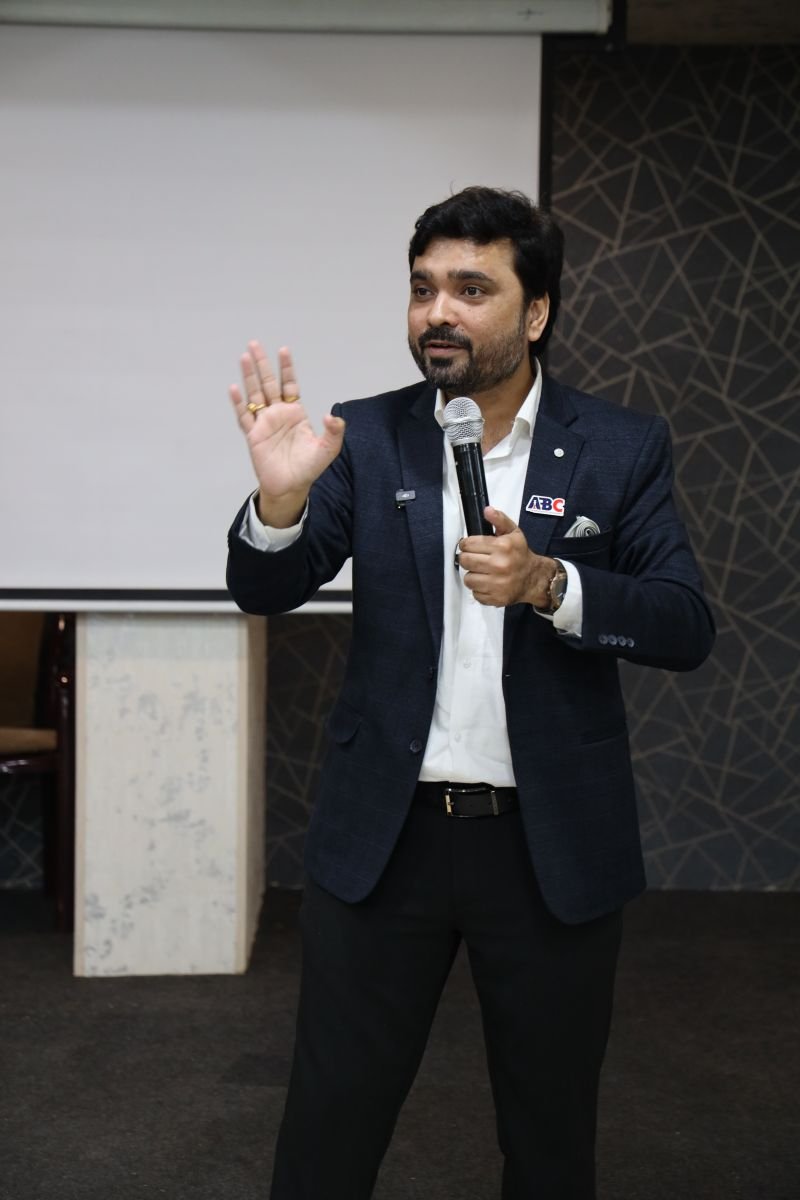
This programme is not a generic HR-induction deck. It draws on the best research and writing on onboarding, belonging and the employer-employee relationship — distilled into a few models a manager can use for the very next hire — and then goes further, into the frameworks Avinash uses to induct and integrate new joiners inside his own 100-plus member organisation, hiring season after hiring season.
Ideas & books we draw on
- Onboarding: How to Get Your New Employees Up to Speed in Half the Time — George B. Bradt & Mary Vonnegut · the definitive playbook that treats onboarding as a designed programme — the difference between orientation admin and real integration
- An Everyone Culture: Becoming a Deliberately Developmental Organization — Robert Kegan & Lisa Laskow Lahey · the case for workplaces where growth is built into everyone's week — onboarding as the first chapter of a developmental relationship, not a transaction
- Primed to Perform — Neel Doshi & Lindsay McGregor · the science of total motivation — why the culture a new joiner meets in their first week decides whether they bring full energy or merely comply
- The Alliance: Managing Talent in the Networked Age — Reid Hoffman, Ben Casnocha & Chris Yeh · the honest, modern compact between employer and employee — how to frame a joining as a mutual "tour of duty" from day one
- First, Break All the Rules — Marcus Buckingham & Curt Coffman · Gallup's landmark study of what great managers do differently — setting clear expectations and knowing your people from the start
- No Rules Rules: Netflix and the Culture of Reinvention — Reed Hastings & Erin Meyer · a candid look at culture as the real operating system — the unwritten rules a lateral or senior hire must decode fast, and a thoughtful induction makes visible
Models your managers will actually use
- Orientation vs onboarding · admin finished in an afternoon versus the months-long human work of turning an outsider into an insider
- The first-30-60-90-day plan · what a new joiner should learn, do and deliver in each phase, shared between hire and manager
- The four pillars of induction · belonging, role clarity, relationships and an early win — the things a real onboarding must deliver
- Psychological safety (Edmondson) · the safety to ask, admit and try that lets a new joiner learn and belong fast
- The early-win principle · engineering a real, visible first contribution to build confidence and credibility in the first month
And Avinash's own frameworks — the part you won't find anywhere else
Beyond the established thinking, the programme is built on frameworks Avinash has created and written about himself — including his KITE leadership framework and the principles in his book The Winning Edge. These come from actually running a 100-plus member organisation and developing its people year after year, not from a textbook. It is the layer competitors cannot copy, and the one your new joiners remember long after the session ends.
Who It Is For
Anyone who receives new people or owns how they are welcomed — line managers and team leads who take on new joiners, HR and talent teams who run induction, and the leaders responsible for retention and ramp-up. It is equally for the manager receiving a fresh graduate, the one integrating an experienced lateral hire from a competitor, and the one onboarding a senior leader who must find their feet fast. It is at its most powerful run as a cohort of managers alongside HR, so the whole organisation builds one shared, deliberate way of welcoming talent — on manufacturing floors, in IT, sales and services alike, wherever a slow or neglected induction is quietly costing you good people.
Taught by Someone Who Onboards New People Every Hiring Season
Avinash Chate does not teach this from a manual. He runs a 100-plus member organisation and inducts new joiners himself — graduates, experienced hires and senior people — season after season, so the belonging, role clarity, early wins and manager's playbook taught here are the real thing, built and tested in his own business. Programmes that build onboarding, induction and new-hire integration have been delivered across sectors, from manufacturing shop floors welcoming new operators and engineers, to IT, sales and services teams integrating lateral and senior hires making exactly the same crucial first-weeks transition.
Why Avinash Chate
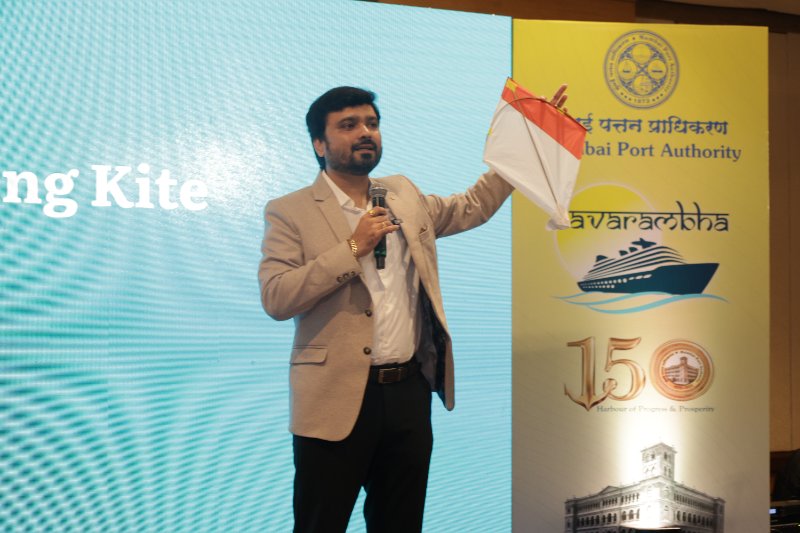
Avinash Chate is an entrepreneur and corporate trainer who runs ABC Trainings and The Future Corporate & Business Coaching, a TEDx speaker and published author. Over the last decade he has trained teams at 1,000-plus organisations and 15,000-plus professionals.
He teaches these skills not from a manual, but because he practises them himself — leading a 100-plus member team of his own. That is the difference working leaders feel in the room.
Onboarding & Induction Training — FAQ
What is Onboarding & Induction Training?
It is a practical programme that teaches managers and HR teams to design a real induction — turning a new hire's first weeks from forms, logins and policy PDFs into belonging, role clarity and early wins. It covers the difference between orientation and onboarding, welcoming graduates, lateral and senior hires each deliberately, setting expectations and a first-30-60-90-day plan, building belonging and the who-to-ask relationship map, the receiving manager's playbook, engineering an early win, and weaving culture and values into the experience. Unlike a generic HR induction, it is built around your own roles and recent joiners, and produces an induction you can run for the very next hire.
Who should attend this training?
Line managers and team leads who receive new joiners, HR and talent-acquisition teams who run induction, and the leaders responsible for retention and ramp-up. It is at its most powerful when a cohort of managers attends alongside HR, so the whole organisation builds one shared, deliberate way of welcoming people. It is equally relevant for those receiving fresh graduates, experienced lateral hires, and senior or leadership joiners.
How is this different from campus-to-corporate or fresher training?
Campus-to-corporate training develops the fresh graduates themselves — the mindset shift from student to professional. This programme is broader and sits on the other side of the table: it is about the organisation's onboarding system and the manager's craft of receiving any new joiner, including experienced and senior lateral hires who are often the most expensive to lose and the most neglected in induction. The two are complementary — one builds the new graduate, the other builds the welcome that every new hire, at every level, walks into.
What does the programme cover?
Seven connected modules: designing onboarding as an experience rather than a checklist; onboarding graduates, lateral hires and senior joiners each in the way their level needs; role clarity and the first-30-60-90-day plan; belonging, the human welcome and the who-to-ask map; the receiving manager's onboarding playbook; engineering early wins; and weaving culture and values in while building onboarding as a repeatable system. Every module pairs a short, usable framework with real design work on your own roles and teams.
Why do our experienced and senior hires leave in the first year?
Usually because their onboarding was left to chance. Induction, where it exists at all, is often built for graduates, and the assumption with an experienced hire is that they "already know how it works" — so they are handed a login and left to self-serve. A senior joiner then spends months working out how things really get done, who to trust, and what good looks like, and a meaningful number quietly conclude the culture is chaotic and start taking recruiter calls. Early attrition of a senior hire is one of the most expensive things a company never measures, and a deliberate induction is the most direct fix.
How is the training delivered — and how long does it take?
It is a working session, not a lecture — most of the time is spent designing your actual induction, using your own roles and recent joiners. The duration is flexible: the same programme runs as a half-day for managers, a full-day design workshop, a multi-day intensive that builds an end-to-end onboarding system, or a modular series threaded across a hiring wave, and it works well as an ongoing programme refreshed as you promote new managers. We shape the exact length and cadence with you. For 20 to 40 participants, sessions are organised into small batches so every manager designs and practises.
Is the programme customised to our organisation?
Yes. Before the first session, the workshop is built around your context — your roles, your structure, your real recent joiners, and the specific points in your first-weeks journey where people currently drift or leave. Managers leave having designed the first-30-60-90-day plan, the buddy system and the who-to-ask map for their own teams. Generic induction advice is exactly what fails to stick; the value is in building the actual onboarding your organisation will run for its next hire.
Can it be delivered on-site, and in which languages?
Yes. Most engagements are across Maharashtra — Pune, Mumbai, Chhatrapati Sambhajinagar, Nashik, Nagpur and the surrounding MIDC industrial belts — and the programme is equally delivered pan-India and internationally on request. Delivery is available in English, Hindi and Marathi, or a natural mix, which matters especially where new operators and engineers are inducted onto the shop floor alongside office and client-facing hires.
What outcomes can we expect?
New joiners who become productive far sooner because someone designed the ramp; expensive senior and lateral hires who feel, in their first weeks, that they joined something deliberate and stay rather than leave; graduates whose first impression is belonging and competence rather than neglect; and managers who run a real onboarding playbook instead of improvising. Over time, a repeatable induction system that carries your culture, is clearly owned between HR and managers, and protects the retention and ramp-up that a neglected first two weeks quietly erodes.
Why Avinash Chate for this programme?
Avinash Chate is an entrepreneur and corporate trainer who runs a 100-plus member organisation and inducts new joiners himself — graduates, experienced hires and senior people — every hiring season, so he teaches onboarding from lived experience, not theory. He is a TEDx speaker and author of The Winning Edge, creator of the KITE leadership framework, and has trained teams at 1,000-plus organisations and more than 15,000 professionals across sectors. That combination of real operating experience and his own frameworks is what managers and HR teams responsible for retention respond to.
Related Training Topics
Turn the first two weeks into belonging, clarity and early wins
Stop wasting the most decisive weeks of an employee's tenure on forms and logins. Design a real induction — for graduates, lateral hires and senior joiners — and teach your managers to run it. On-site across Maharashtra, pan-India and internationally, in English, Hindi or Marathi.
Request a Proposal →