Frontline & Supervisor Development Training
Yesterday they were the best hand on the line. Today they run the shift — and nobody showed them how.
You promoted your best operator, your fastest hand, your most reliable worker — because they were the best at the work. Now they wear a supervisor's badge and stand in the hardest seat in the building: too senior to be one of the team, too junior to feel like management, and expected to hit the day's numbers through people who were their equals yesterday. Nobody sat them down and taught them how to lead a shift, give an instruction that actually gets followed, pull up a slacker without a shouting match, or take the heat from the plant head without dumping it on the floor. The frontline supervisor decides whether today's targets are met — and is, quietly, the least-trained leader you have. This programme trains them.
★ 5.0 client rating · Across Maharashtra, pan-India & internationally · English, Hindi & Marathi
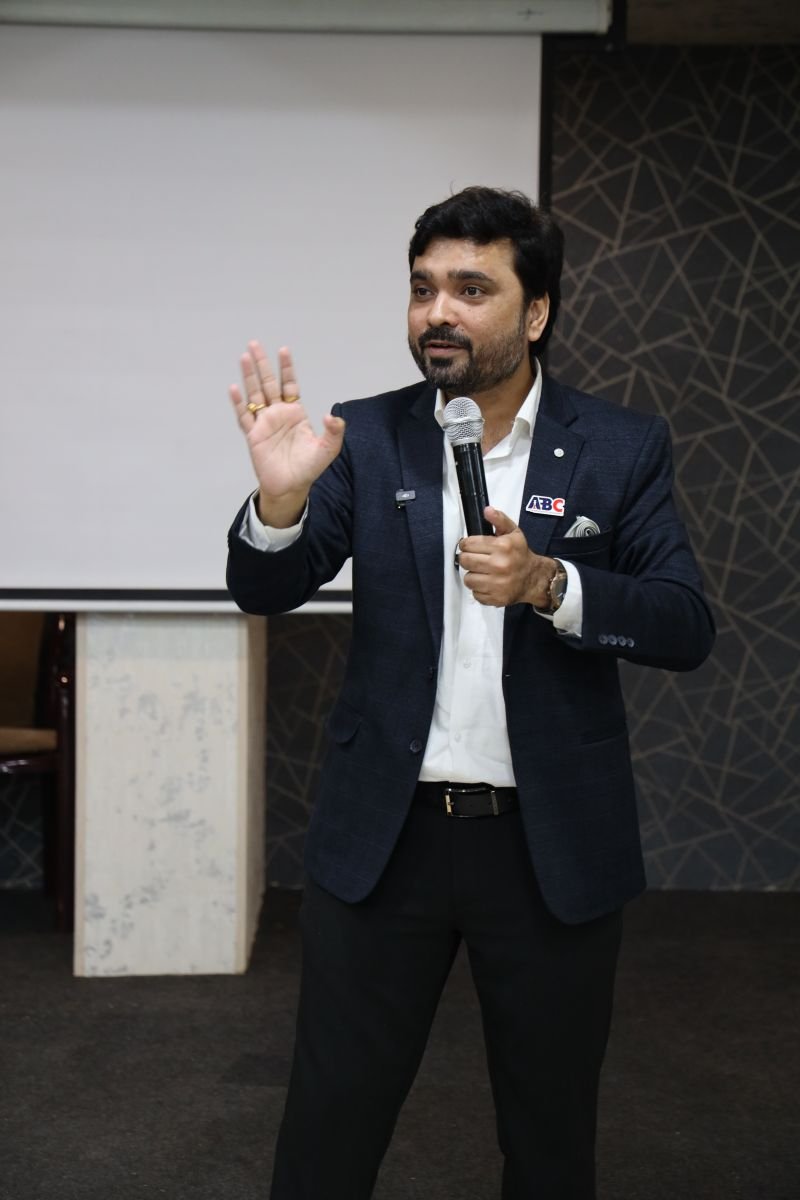
The Hardest Seat in the Company — and the Loneliest
The frontline supervisor is caught in a vice, and almost no one names it. Above them sits management, handing down targets, deadlines and complaints. Below them stands the team they were part of last month — the friends, the old-timers, the one who thinks they should have got the job. The supervisor belongs to neither group now. They are expected to represent the company to the floor and the floor to the company, absorb pressure from both directions, and somehow keep the shift running. And they are usually doing it with nothing but instinct, because the training stopped the day they stopped being an operator.
So they cope the only way they know how. Some become shouters, driving the team with fear because they were never taught another way to hold a standard. Others become pushovers, unable to correct a former mate, so quality drifts and the strong performers carry the weak. Either way the shift suffers, and the supervisor goes home wrung out — having taken every problem personally because no one gave them the skill to manage it. Rework climbs, a good worker walks, safety slips, and the plant head blames the supervisor for a gap the company created by promoting them and then walking away.
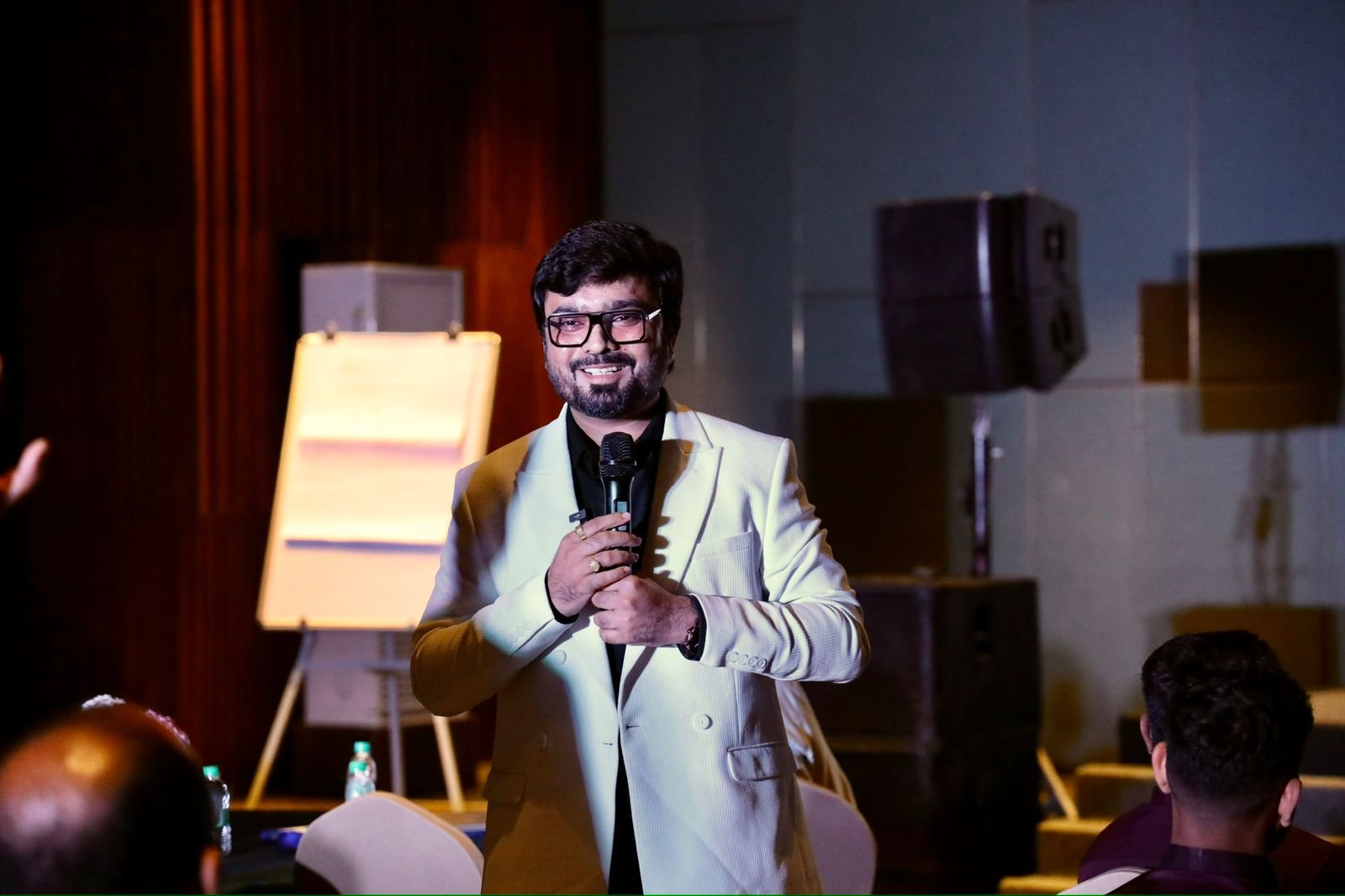
Why Your Best Worker Struggles as a Supervisor — And Why It Is Fixable
Here is what no one says on the day of the promotion: the very thing that made them the best worker is now the wrong instinct. A great operator is judged on their own pair of hands — their output, their speed, their quality. A supervisor is judged on eight or eighteen other pairs of hands they do not directly control. That is not a small step up; it is a different job entirely. Getting work done through people means giving clear instructions, following up without hovering, correcting fairly, listening to a grievance, and standing between the pressure from above and the people below — none of which has anything to do with being fast on the machine.
A capable person handed no training defaults to what worked before: doing it themselves, or leaning on volume and authority. That is not a flaw in the person — it is a gap the company left open. And gaps like this close with the right practice, deliberately, in the room, before the supervisor learns each lesson the expensive way on a live shift with real people and a real target. This programme gives them that practice — the specific, unglamorous, daily skills of first-line leadership that make or break the numbers you actually run on.
Does This Sound Familiar?
If your newly promoted supervisors are showing any of these signs, it is almost never that you picked the wrong person off the floor. It is that no one taught them how to lead one. Here is what you are likely seeing, what it is quietly costing, and exactly which part of the programme closes the gap.
| The symptom you see | What it is costing you | The real cause | How the programme fixes it |
|---|---|---|---|
| Instructions get given, but the work still comes back wrong or half-done | Rework, missed targets, and a supervisor who repeats everything twice | They were never taught how to give an instruction that is clear, checked and owned | The Instructions & Standards module — direction that actually sticks |
| The supervisor can't correct their former teammates, so standards slip | Strong workers carry the slackers, resentment builds, and quality drifts | No one prepared them for the leap from mate to boss over the same people | The Leading Former Peers module — earning respect, not just a title |
| The supervisor is drowning — doing the work themselves instead of running the shift | Your best operator is now a stressed bottleneck and the team stays under-used | They still think their job is their own output, not the team's | The Delegation module — getting the shift done through the team |
| A slacker or a grievance is left to fester because the supervisor avoids it | The problem grows, good people notice the inaction, and it becomes a pattern | They were never shown how to discipline fairly or handle a complaint | The Feedback, Discipline & Grievances module |
| Pressure from above lands on the floor as shouting, panic or blame | Fear-driven shifts, safety shortcuts, higher attrition and lower trust | No one taught them to carry pressure and translate it, instead of passing it on raw | The Pressure from Above and the Floor module |
What Changes When Your Supervisors Are Actually Trained
Picture your shift starting differently. The supervisor briefs the team in two clear minutes and everyone knows exactly what good looks like today. Instructions land the first time. Work gets delegated to the right hands and followed up without a hovering shadow. When someone slacks, it is handled early, fairly and privately — not ignored until it explodes, and not turned into a scene. When a grievance comes up, it is heard and settled before it poisons the shift. And the supervisor stands between the plant head's pressure and the floor's reality like a good filter — taking the heat, keeping their head, and giving the team a clear next step instead of their panic.
Underneath it is the shift that pays for the whole programme: your best worker becomes your best first-line leader, instead of being quietly ground down by a job no one prepared them for. Targets get met through the team, not around them. Rework falls, safety holds, good people stay, and the supervisor goes home steady instead of wrung out. You keep the talent you promoted — and you finally get the leadership out of them that the promotion was supposed to unlock.
What Your Supervisors Will Be Able to Do
- ✓ Make the shift from best worker to leader — and understand why running a shift is a different job
- ✓ Give instructions that are clear, understood and owned, so work comes back right the first time
- ✓ Lead former peers with authority and respect, without shouting and without being a pushover
- ✓ Delegate and follow up so the shift gets done through the team, not on the supervisor's own back
- ✓ Give feedback, discipline fairly and handle grievances early, before small problems grow
- ✓ Carry pressure from above and translate it for the floor, instead of passing it down as panic
- ✓ Hold standards, safety and morale together across a live shift under real targets
What the Programme Covers
Seven connected modules that take your best worker from overwhelmed new supervisor to a steady first-line leader. Every module pairs a short, floor-ready input with real practice on the exact situations a supervisor faces on a live shift — and ends with a concrete change in how they lead.
These are building blocks, not a fixed-length course. A two-hour session goes deep on the two or three that matter most to you; a half or full day covers more; a multi-day intensive — or an ongoing monthly, quarterly or half-yearly rhythm — works through them all, with far more practice. We shape which ones, in what order and how deep, with you.
From Best Worker to Leader — The Shift Nobody Explains
What we cover: Why the skills that earned the promotion are the wrong instinct for the new job. The core reframe — you are no longer paid for your own two hands, you are paid for the whole shift's output. Letting go of being the fastest on the line and taking on being the one who makes everyone else faster. Understanding the supervisor-in-the-middle: belonging to neither management nor the floor, and why that seat feels so lonely at first. Redefining a good day as what the team delivered, not what you personally produced.
What changes: The supervisor stops trying to be the best pair of hands and starts building the best shift — the mental shift everything else stands on.
Instructions That Stick and Standards That Hold
What we cover: Why "I told them" is not the same as "they understood" — and how much rework hides in that gap. Giving an instruction that is specific, checked back and clearly owned, not shouted across a noisy floor. Setting the standard for the shift so everyone knows what good looks like before they start. Confirming understanding without sounding like you doubt them. Following up on quality and holding the line when the standard slips, calmly and consistently.
What changes: The supervisor gives direction the team actually follows the first time — cutting rework, repetition and the endless "that's not what I meant".
Leading People You Worked Beside Yesterday
What we cover: The awkward leap from teammate to boss over the very same people. Setting new boundaries without going cold or arrogant. Handling the friend who now reports to you, the old-timer who has been here longer, and the one who wanted the job and resents that you got it. Why respect is earned through fairness and competence, not demanded through the badge. Neither shouting nor being a pushover — finding the firm, fair, human middle that a former peer will actually follow.
What changes: The supervisor leads former mates with quiet authority and respect, turning the most awkward part of the promotion into a source of trust.
Delegation — Getting the Shift Done Through the Team
What we cover: Why new supervisors grab the hardest jobs themselves, and the real cost of becoming the bottleneck. Deciding what to hand over and what to keep. Matching the task to the person's skill and readiness so you delegate to the right hands. Handing over the outcome with enough context that they can own it, not just a set of steps. Following up without hovering or micromanaging. Building the team's capability so the shift does not depend on the supervisor doing everything.
What changes: The supervisor runs the shift through the team instead of on their own back — freeing themselves to actually lead, and lifting the whole floor's capacity.
Feedback, Discipline and Handling Grievances
What we cover: Why avoiding a problem is the most expensive thing a supervisor does. Giving praise that motivates and correction that lands without a fight. A simple structure for feedback that changes the behaviour without bruising the person. Handling the slacker, the repeat latecomer and the corner-cutter early and fairly, before it becomes the norm. The basics of fair discipline — consistency, dignity and following the process. Listening to a grievance properly, calming it, and resolving what you can before it spreads across the shift.
What changes: The supervisor deals with problems while they are small and settles grievances before they poison the floor — so standards and morale hold together.
Pressure From Above and Pressure From the Floor
What we cover: The vice the supervisor lives in — targets and complaints coming down, reality and grievances coming up. Learning to carry pressure instead of instantly transmitting it as panic or blame. Translating a management demand into a clear, calm next step the team can actually act on. Managing up: giving the plant head honest, early information instead of hiding a problem until it explodes. Protecting the team's focus and safety when everything upstairs is urgent. Staying steady when both sides are pushing, so the shift stays calm.
What changes: The supervisor becomes a filter, not a funnel — absorbing the heat from above and giving the floor clarity instead of chaos.
Practice — Real Supervisor Scenarios on Their Feet
What we cover: Live role plays on the moments that define a first-line leader: the shift briefing, the instruction that has to be clear, the former mate who ignores you, the slacker you finally have to address, the grievance raised mid-shift, the plant head demanding numbers you are not sure you can hit. Practised in the room, on the real situations from your own floor and your own people — so the skill is built before it is needed.
What changes: The supervisor walks out having already lived the hard moments once, in safety — so the real ones, on the next shift, no longer catch them cold.
How It Is Delivered
This is not a classroom lecture about management theory, and it is not a slide deck a supervisor will never open again. It is a workshop where they practise the job on their feet — briefing a shift, giving the instruction, correcting a former peer, handling the grievance, standing up to the pressure — using real situations from your own floor. The models are kept simple and immediately usable in the language of the shop floor; the confidence is built in the practice, not the PowerPoint. It is designed for people who lead with their sleeves rolled up, not from behind a desk.
The format flexes to your operation. It runs as a focused half-day, a full-day workshop, a multi-day intensive for a new-supervisor batch, or a series of shorter modules spread across the crucial first months in the role — and it works especially well as an ongoing rhythm, run every time a fresh set of operators is promoted to supervisor. For 20 to 40 participants it is organised into small batches so every supervisor practises, not just watches. Because so many first-line leaders are promoted from the floor, it is delivered comfortably in English, Hindi and Marathi, or a natural mix. The exact depth, duration and cadence are shaped with you in the design call.
Formats That Fit Your Calendar
Half-day or full-day workshop
A high-impact session to lift a group of new supervisors quickly — ideal right after a promotion round or before a demanding production season.
Multi-day intensive
Two or more days to go deep — perfect for a new-supervisor batch, a shop-floor leadership academy, or operators stepping up across several lines or shifts at once.
Modular series across the first months
Shorter sessions spread across the critical early period in the role, so each skill — instructions, delegation, discipline, handling pressure — is learned just as the supervisor needs it.
An ongoing supervisor-development rhythm
Run it every time you promote a fresh set of workers into supervision — making first-line leadership a permanent part of how the plant grows its own people.
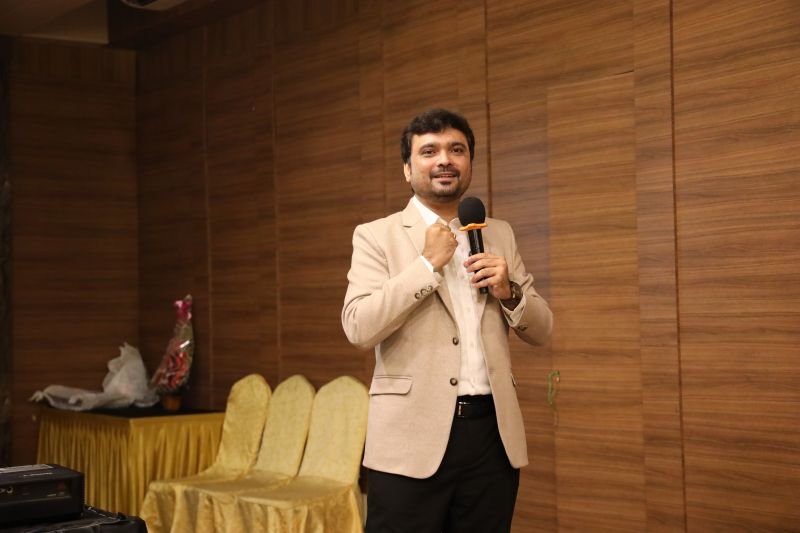
The Thinking Behind It
This programme is not a generic supervision handout. It draws on the best writing and research on the first-line-leadership transition — distilled into a few models a supervisor can use on the floor the same afternoon — and then goes further, into the frameworks Avinash uses to develop first-line leaders inside his own 100-plus member organisation.
Ideas & books we draw on
- From Bud to Boss — Kevin Eikenberry & Guy Harris · the definitive guide to the exact leap this programme is about — going from one of the team to leading it
- The Effective Manager — Mark Horstman · the Manager Tools playbook of the few concrete behaviours — one-on-ones, feedback, delegation — that make a first-line leader effective
- Everyone Deserves a Great Manager — Scott Jeffrey Miller, Todd Davis & Victoria Roos Olsson · FranklinCovey's practical six practices for anyone making the hard first leap into leading a team
- The New One Minute Manager — Ken Blanchard & Spencer Johnson · three simple habits — clear goals, quick praise, fast redirection — a busy supervisor can use on every shift
- The Manager's Path — Camille Fournier · a clear-eyed map of the earliest rungs of leadership — being a tech lead and first-line manager before you are ready
- It's the Manager — Jim Clifton & Jim Harter · Gallup's evidence that the frontline manager, more than anyone, decides engagement, performance and who stays
Models we teach supervisors
- Situational Leadership (Hersey–Blanchard) · flexing your style to each worker's skill and will, instead of leading everyone the same way
- The supervisor-in-the-middle · naming the vice between management and the floor — and learning to lead from inside it
- Levels of delegation (Tannenbaum–Schmidt) · matching how much you hand over to how ready each person is to own it
- The GROW model · Goal, Reality, Options, Will — a simple structure to coach a worker through a problem instead of just fixing it for them
- SBI feedback · Situation, Behaviour, Impact — correction that is specific and fair, so it lands without a fight
And Avinash's own frameworks — the part you won't find anywhere else
Beyond the established thinking, the programme is built on frameworks Avinash has created and written about himself — including his KITE leadership framework and the principles in his book The Winning Edge. These come from actually running a 100-plus member organisation and developing its people year after year, not from a textbook. It is the layer competitors cannot copy, and the one your supervisors remember long after the session ends.
Who It Is For
Anyone stepping into first-line leadership on the floor — newly promoted supervisors, shift in-charges, line leaders, team leaders, foremen and section heads, plus the strong operators and technicians you are about to promote and want to set up to succeed. It is especially powerful run as a batch, so a group of new supervisors builds a shared language and a peer group to lean on when the seat gets lonely. In manufacturing, warehousing, logistics and field operations — and anywhere a skilled worker is asked to start leading the people they worked beside — it is the bridge that turns a great pair of hands into a capable first-line leader.
Taught by Someone Who Builds First-Line Leaders Himself
Avinash Chate does not teach this from a manual. He runs a 100-plus member organisation and promotes his own people into their first supervisory roles — so the instructions, delegation, discipline and pressure-handling taught here are the real thing, tested in his own business. He has trained across sectors, and this programme lives closest to the shop floor: the MIDC plants and manufacturing lines across Maharashtra where the best operator becomes a shift supervisor, alongside warehousing, logistics and field teams making the very same leap. It is grounded in the reality of a live shift with real targets, not a theory of supervision.
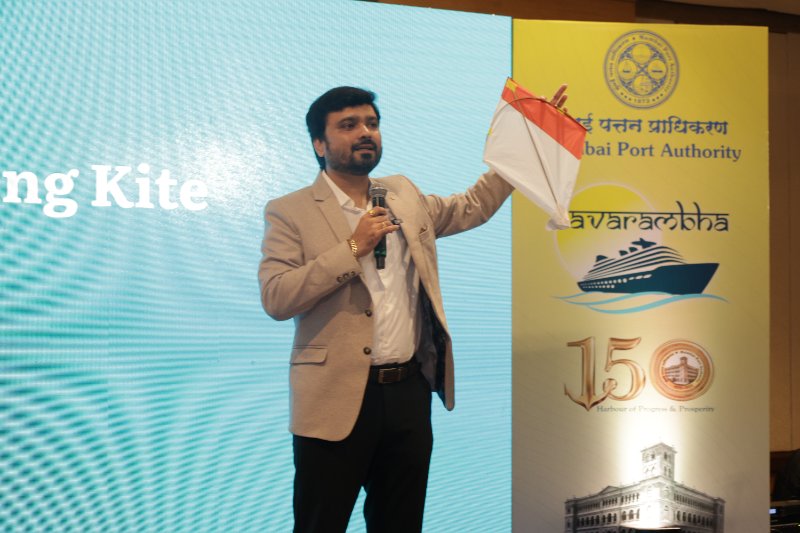
Why Avinash Chate
Avinash Chate is an entrepreneur and corporate trainer who runs ABC Trainings and The Future Corporate & Business Coaching, a TEDx speaker and published author. Over the last decade he has trained teams at 1,000-plus organisations and 15,000-plus professionals.
He teaches these skills not from a manual, but because he practises them himself — leading a 100-plus member team of his own. That is the difference working leaders feel in the room.
Frontline & Supervisor Development Training — FAQ
What is Frontline & Supervisor Development Training?
It is a practical development programme for people stepping into first-line leadership — supervisors, shift in-charges, line leaders and team leaders, usually promoted from the floor. It builds the specific, daily skills a supervisor actually needs: making the shift from best worker to leader, giving instructions that stick, holding standards, leading former peers, delegating and following up, giving feedback and handling discipline and grievances, and carrying pressure from above without dumping it on the floor. Unlike generic management theory, it is built around the real situations a supervisor faces on a live shift, practised in the room until they feel confident.
Who should attend this training?
Newly promoted supervisors, shift in-charges, line leaders, team leaders, foremen and section heads — and, ideally, the strong operators and technicians you are about to promote. It is at its most powerful when run as a batch, so a group of new supervisors learns together and forms a peer group for the lonely middle seat. It is the natural fit for manufacturing, warehousing, logistics and field operations, and for any workplace promoting skilled workers into leading the people they used to work beside.
Why do great workers so often struggle when they become supervisors?
Because the skills that earned the promotion are the wrong instinct for the new job. A great operator is judged on their own two hands — their speed, their quality, their output. A supervisor is judged on a whole team they do not directly control, which means giving clear instructions, delegating, correcting fairly, handling grievances and standing between management and the floor. Those are completely different skills, and almost no one is taught them. Left untrained, a capable worker defaults to doing it themselves or leaning on volume and authority — which is exactly how a strong operator becomes a struggling supervisor. The good news: it is a skills gap, and skills gaps close with the right practice.
What does the programme cover?
Seven connected modules: the shift from best worker to leader; giving instructions that stick and holding standards; leading former peers and earning respect; delegation and getting the shift done through the team; feedback, discipline and handling grievances; carrying pressure from above and the floor; and extensive practice on real supervisor scenarios. Every module pairs a short, floor-ready model with practice on situations drawn from your own operation.
How is the training delivered — and how long does it take?
It is highly interactive — role plays and real scenarios from your own floor, with minimal lecture. The duration is flexible: the same programme runs as a half-day, a full day, a multi-day intensive for a new-supervisor batch, or a series of shorter modules spread across the first months in the role, and it works well as an ongoing rhythm run for each new set of promotions. We shape the exact length and cadence with you. There is no fixed, one-size agenda — for 20 to 40 participants, sessions are organised into small batches so every supervisor practises, not just listens.
Should a worker attend before or after they are promoted to supervisor?
Both work, and the best results usually come from doing it right around the promotion — ideally in the first weeks in the role, while the challenges are fresh and the shouting-or-pushover habits have not yet set. Training strong operators just before you promote them is also powerful: they step into the seat already knowing it is a different job, instead of learning that the hard way on a live shift. Many plants run it as a standing programme for every batch they promote from the floor.
Is the programme customised to our operation?
Yes. Before the first session, the examples and role-play scenarios are built around your context — your industry, your shift structure, your machines and your real situations, from the production line to the warehouse floor. Generic supervision training is exactly what fails; the value is in practising the actual instructions, corrections and grievances your supervisors will face on their very next shift.
Can it be delivered on-site, and in which languages?
Yes. Most engagements are across Maharashtra — Pune, Mumbai, Chhatrapati Sambhajinagar, Nashik, Nagpur and the surrounding MIDC industrial belts — and the programme is equally delivered pan-India and internationally on request. Delivery is available in English, Hindi and Marathi, or a natural mix, which matters especially for first-line supervisors promoted straight from the shop floor.
What outcomes can we expect?
Supervisors who give instructions that stick, delegate instead of drowning, correct former peers without shouting or caving, handle a slacker or a grievance early, and carry pressure from above without dumping it on the floor — from their first weeks in the role rather than after a painful year of mistakes. Shifts that hit their numbers through the team, with less rework, steadier safety and lower attrition. And, over time, a reliable pipeline where your best workers become your best first-line leaders, so you keep and multiply the talent you promote.
Why Avinash Chate for this programme?
Avinash Chate is an entrepreneur and corporate trainer who runs a 100-plus member organisation and promotes first-line leaders himself — so he teaches the transition from lived experience, not theory. He is a TEDx speaker and author of The Winning Edge, creator of the KITE leadership framework, and has trained teams at 1,000-plus organisations and more than 15,000 professionals across manufacturing, services and beyond. That combination of real operating experience, deep shop-floor delivery and his own frameworks is what working supervisors respond to.
Related Training Topics
Turn your best workers into steady first-line leaders
Give your supervisors the skills no one taught them — leading a shift, instructions that stick, handling former peers, delegation, discipline and carrying pressure from above. On-site across Maharashtra, pan-India and internationally, in English, Hindi or Marathi.
Request a Proposal →