Multigenerational Teams Training
The veteran thinks the newcomer is entitled. The newcomer thinks the veteran is stuck. Both are misreading a style, not a person.
For the first time in history, your workplace holds four generations at once — and in some rooms, five. The manager who joined when a job was for life sits across from a graduate who will judge the whole company by the reply speed of their onboarding chat. The senior reads the youngster as an entitled job-hopper who will not put in the hours; the youngster reads the senior as an out-of-touch old guard who will not let go of the reins. Each is convinced the other has a character problem. Almost always, they are simply reading a different playbook — a different sense of what loyalty looks like, how feedback should feel, when hierarchy matters, and what work is even for. This programme teaches your people to read the other playbook.
★ 5.0 client rating · Across Maharashtra, pan-India & internationally · English, Hindi & Marathi
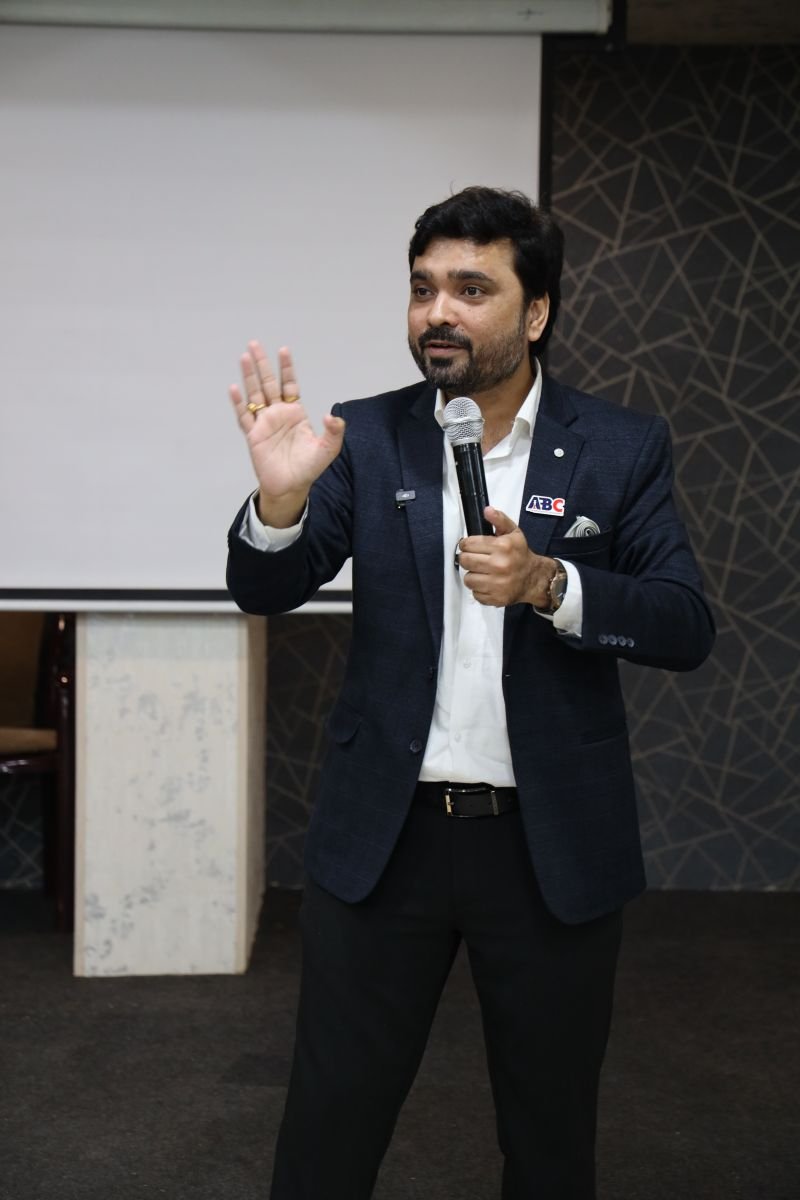
The Quiet Misreading Happening in Every Meeting Room
Nobody says it in the town hall, but it is muttered everywhere else. In the corridor, a team lead calls the new joiners "impossible to keep — they leave the moment something better pings on their phone." In the cafeteria, a two-year hire calls the seniors "dinosaurs who cc the whole floor and call it collaboration." Same building, same goals, two populations speaking past each other — one that grew up earning trust through years on the desk, another that grew up expecting trust on day one and proof of purpose by day thirty.
And the misreading is expensive precisely because it feels like judgment, not difference. The senior, sure the youngster lacks commitment, stops investing in them — so the youngster, sure the senior will never let them grow, updates their CV. Knowledge that should have passed down never does. Fresh thinking that should have travelled up gets rolled at "that is not how we do it here." You are not short of talent across those desks; you are short of translation between them. Left alone, that gap shows up as attrition, as friction in every cross-team project, and as two groups of good people quietly deciding the other group is the problem.
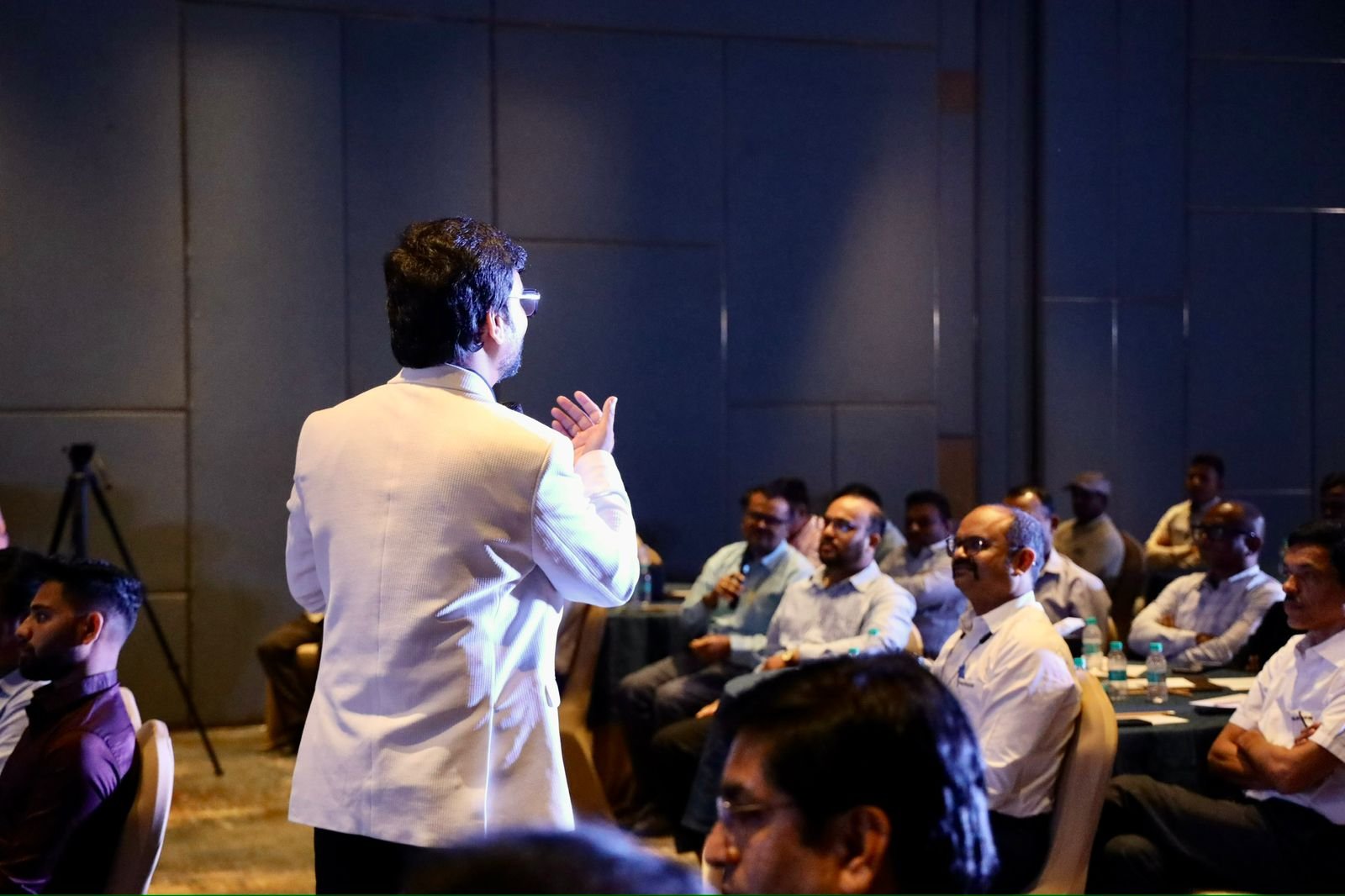
Why It Feels Like Character — And Why It's Actually Style
Here is the shift that changes everything: what looks like a flaw is almost always a difference in generational style. Each cohort was shaped by a different world — different economics, different technology, different promises about what a career would give back — and each drew reasonable conclusions from it. A generation that watched loyalty go unrewarded in a downturn learned to keep its options open; that is prudence, not disloyalty. A generation that earned everything slowly, in person, learned that respect is banked over years; that is discipline, not rigidity. Neither is wrong. They are answers to different questions, and each side mistakes the other's answer for a defect.
So the friction is not a people problem to be endured; it is a literacy problem that can be taught. When your team learns to see the style beneath the behaviour — to hear "I want feedback constantly" not as neediness but as how one generation was coached to grow, and "prove it first" not as gatekeeping but as how another generation was taught to trust — the whole tone changes. And the payoff is not just less friction. A team that can genuinely draw on five decades of perspective at once, and bridge them on purpose, becomes something a single-generation team can never be. Bridging that gap is a skill — and this programme builds it.
Does This Sound Familiar?
If your different generations are grating on each other, it is almost never that you hired the wrong people. It is that no one taught them to read each other's style. Here is what you are likely seeing, what it is quietly costing, and exactly which part of the programme fixes it.
| The symptom you see | What it is costing you | The real cause | How the programme fixes it |
|---|---|---|---|
| Your younger hires leave within a year or two and the seniors say "they just aren't loyal" | Constant re-hiring and re-training, and institutional knowledge that walks out the door | Loyalty is being defined by one generation's rulebook; the younger cohort shows commitment differently and reads "wait your turn" as no future here | The Motivate & Retain Each Generation module — what actually holds each cohort |
| Feedback lands badly both ways — seniors feel disrespected, juniors feel starved or crushed | Defensiveness, silence, and problems that never get named until they are big | Each generation was coached to give and receive feedback on a different frequency and in a different tone, and reads the other's style as rudeness or neglect | The Communicating & Giving Feedback Across Generations module |
| Older staff resist new tools; younger staff bypass process — each rolls their eyes at the other | Duplicated work, shadow workarounds, and a team that will not adopt anything as one | Technology and hierarchy sit at opposite ends of each generation's comfort — one trusts the established way, the other trusts the faster way | The Reverse Mentoring & Two-Way Learning module — each teaches the other |
| "Kids these days" and "OK boomer" have become the running joke on your floor | Stereotypes harden into cliques; people stop expecting anything good from the other group | The team is managing caricatures, not colleagues — reducing whole individuals to a birth-year label | The Busting the Stereotypes module — style, not character |
| Cross-generational projects stall — mixed-age teams talk past each other and lose momentum | Slower delivery, avoidable conflict, and the mix becoming a drag instead of an edge | No shared language for the differences, so every difference is fought rather than used | The Turning Generational Mix Into a Team Advantage module |
What Changes When Your Generations Finally Read Each Other
Picture the same floor a few months on. The senior who wrote off the new hires is now the one they ask for war stories — because he learned that a graduate who wants purpose and quick feedback is not entitled, just wired differently, and worth coaching. The graduate who dismissed the seniors is quietly teaching two of them a tool that saves the team a day a week — and getting mentored on judgment in return. Feedback flows in both directions without anyone flinching. The eye-rolls have gone quiet.
And underneath it, the thing that pays for the programme many times over: the very mix that used to cause friction becomes your sharpest advantage. Decades of hard-won experience and a fresh read on the market, sitting in the same room and finally talking to each other. You stop losing your young talent to a gap you could have bridged — and you stop wasting your senior talent's wisdom on people who had stopped listening.
What Your Teams Will Be Able to Do
- ✓ Recognise what shaped each generation — and read behaviour as style, not as a character flaw
- ✓ Drop the stereotypes on both sides and see the colleague instead of the birth-year label
- ✓ Flex their communication and feedback across generations so it lands the way each one hears it
- ✓ Understand what actually motivates and retains each cohort — and stop losing people to avoidable gaps
- ✓ Set up reverse mentoring so wisdom travels down and fresh thinking travels up
- ✓ Turn a mixed-age team into a genuine advantage instead of a source of friction
- ✓ Name and defuse generational tension early, before it hardens into cliques and attrition
What the Programme Covers
Seven connected modules that take a divided, mutually suspicious set of generations and turn them into one team that can read each other. Every module pairs a short, practical input with real practice on the exact tensions your people feel — and ends with a concrete change in how the generations work together.
These are building blocks, not a fixed-length course. A two-hour session goes deep on the two or three that matter most to you; a half or full day covers more; a multi-day intensive — or an ongoing monthly, quarterly or half-yearly rhythm — works through them all, with far more practice. We shape which ones, in what order and how deep, with you.
The Generations at Work — And Why They See the World Differently
What we cover: Who is actually in the room: Traditionalists, Boomers, Gen X, Millennials and Gen Z, and the very different worlds that formed them. The economics, technology and promises each grew up with, and the reasonable conclusions each drew about loyalty, work and authority. Why "what work is for" is not a settled question but a generational answer. Moving past the caricature to the real, defensible logic inside each cohort's outlook.
What changes: The team stops treating its own generation's assumptions as universal common sense and starts seeing five valid, world-shaped points of view in the same room.
Busting the Stereotypes — Style, Not Character
What we cover: The lazy labels each side reaches for: "entitled kids," "out-of-touch dinosaurs," "no work ethic," "won't let go." Where the grain of truth ends and the caricature begins. Separating a genuine generational tendency from an individual's personality. Why reducing a colleague to a birth year is both unfair and expensive. Replacing "that's just how they are" with a curious, evidence-based read of what is really driving a behaviour.
What changes: Your people manage the individual in front of them, not a stereotype — and the running "OK boomer" and "kids these days" jokes lose their sting.
Communicating & Giving Feedback Across Generations
What we cover: Why the same message lands as warm to one generation and rude to another. Channel preferences — the corridor chat, the long email, the instant message, the formal review — and how to flex without abandoning your own. Feedback frequency and tone: the cohort that wants it constantly versus the one that saves it for the review, and how to bridge both. Giving correction that a younger colleague hears as growth and a senior colleague hears as respect. Reading the difference between disrespect and simply a different register.
What changes: Feedback and everyday communication flow in every direction without anyone feeling talked down to, starved, or disrespected.
Motivating and Retaining Each Generation
What we cover: What actually holds each cohort — and why a one-size reward strategy quietly loses your youngest and least-heard people. Decoding "loyalty" through each generation's lens: the value of stability, the value of growth, the value of purpose and flexibility. Why "wait your turn" reads as "no future here" to some and as fair dues to others. Designing recognition, progression and flexibility that speak to a mixed-age team. Spotting the real reasons people leave before the resignation lands.
What changes: You keep your young talent instead of re-hiring every eighteen months — and every generation feels the workplace is built for them too, not just for one cohort.
Reverse Mentoring & Two-Way Learning
What we cover: Turning the technology-and-hierarchy standoff into an exchange: the younger colleague teaching tools, digital fluency and a fresh market read; the senior colleague teaching judgment, context, relationships and how things actually get done. Setting up reverse-mentoring pairs that feel safe and mutual, not tokenistic. Building the humility on both sides to be taught by someone at a different life stage. Making wisdom travel down and fresh thinking travel up as a normal habit, not a one-off event.
What changes: Knowledge stops getting trapped by seniority or by age — it moves in both directions, and both generations grow because of the other.
Turning the Generational Mix Into a Team Advantage
What we cover: Why a team that spans five decades of perspective can out-think a single-generation team — if it is bridged on purpose. Building a shared language for difference so every difference is used, not fought. Composing and running mixed-age projects so experience and fresh eyes sharpen each other. Turning "that's not how we do it here" and "why are we still doing it that way" into a productive conversation. Making cross-generational strength part of how the team defines itself.
What changes: The very mix that used to cause friction becomes the team's edge — decades of experience and a fresh read on the world, finally pulling the same way.
Practice — Real Cross-Generational Scenarios
What we cover: Live work on the moments that actually divide your generations: the senior who feels sidelined by a younger manager, the graduate who wants a promotion the timeline does not allow, the feedback that landed as an insult, the new tool the floor will not adopt, the "why are they still here / why are they leaving so soon" tension. Practised in mixed-age pairs and groups, on real situations drawn from your own organisation.
What changes: Your people leave having already bridged the hard moments once, together, in safety — so the real ones, back on the floor, are met with curiosity instead of contempt.
How It Is Delivered
This is not a lecture about generational theory, and it is emphatically not an exercise in stereotyping people by birth year. It is a workshop where the generations do the bridging in the room — reading each other's style, practising the feedback that usually misfires, pairing up for reverse mentoring — using the real tensions that exist inside your own teams. The frameworks are kept simple and immediately usable; the value is in mixed-age groups actually hearing each other, often for the first time.
The format flexes to your needs. It runs as a focused half-day, a full-day workshop, a multi-day intensive for a leadership or HR cohort, or a series of shorter modules spread across a quarter — and it works beautifully as an ongoing rhythm, revisited as new generations join and team composition shifts. Sessions are organised so every generation is genuinely represented and heard, not just the loudest or most senior voices. The exact depth, duration and cadence are shaped with you in the design call.
Formats That Fit Your Calendar
Half-day or full-day workshop
A high-impact session to shift a mixed-age team quickly — ideal when generational friction is starting to show in projects or retention.
Multi-day intensive
Two or more days to go deep — perfect for an HR, L&D or leadership cohort that will carry a cross-generational strategy across the organisation.
Modular series across a quarter
Shorter sessions spaced out, so each skill — reading style, flexing feedback, reverse mentoring — is practised and embedded before the next.
An ongoing cross-generational rhythm
Revisited as new cohorts join and teams reshuffle, making generational literacy a permanent capability rather than a one-time fix.
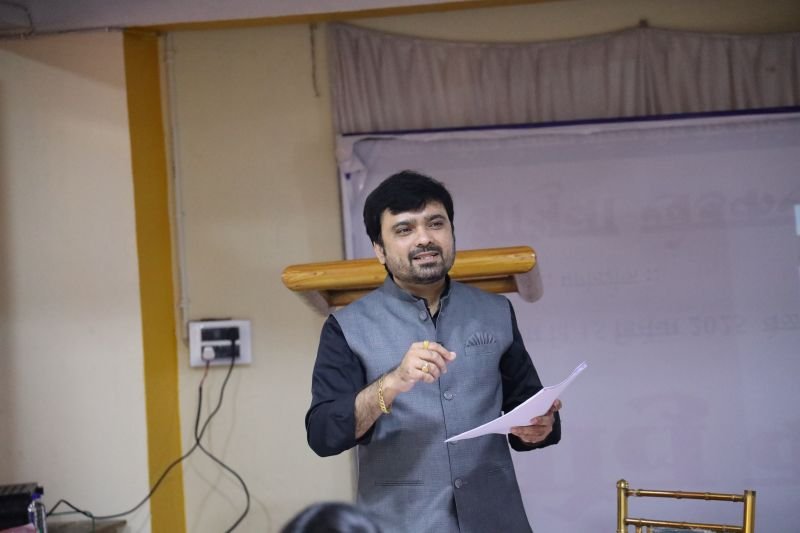
The Thinking Behind It
This programme is not a generic diversity deck, and it never reduces people to a birth-year cliché. It draws on the best research and writing on the multigenerational workplace — distilled into a few models a mixed-age team can use immediately — and then goes further, into the frameworks Avinash uses to lead the five generations inside his own 100-plus member organisation.
Ideas & books we draw on
- The Remix — Lindsey Pollak · the case that you do not pick a generation to please — you remix the best of each into a smarter way to work
- When Generations Collide — Lynne Lancaster & David Stillman · the field guide to who each generation is, why they clash, and how to solve the puzzle at work
- Generations at Work — Ron Zemke, Claire Raines & Bob Filipczak · the classic that traces workplace conflict to its generational roots and gives practical rules for managing across them
- Sticking Points — Haydn Shaw · the twelve specific places generations come apart — from feedback to technology to time — and how to work them out
- Gentelligence — Megan Gerhardt · the shift from generational warfare to generational intelligence: resist assumptions, adjust the lens, strengthen trust, expand the pie
- Managing the Millennials — Chip Espinoza · the research-backed read on the points of tension around younger cohorts — and the competencies that resolve them
Models we use across generations
- The generational cohorts and what shaped them · Traditionalists to Gen Z — reading behaviour through the world each generation grew up in
- Style-flexing · adapting your communication and feedback to how the other generation actually hears it, without abandoning your own
- Reverse mentoring · the deliberate two-way exchange where the junior teaches tools and the senior teaches judgment
- Shared values over stereotypes · leading from the goals and values every generation holds in common, not the birth-year label
- The sticking-points framework (Haydn Shaw) · the specific places generations come apart — naming them so a team can bridge them one by one
And Avinash's own frameworks — the part you won't find anywhere else
Beyond the established thinking, the programme is built on frameworks Avinash has created and written about himself — including his KITE leadership framework and the principles in his book The Winning Edge. These come from actually running a 100-plus member organisation and developing its people year after year, not from a textbook. It is the layer competitors cannot copy, and the one your teams remember long after the session ends.
Who It Is For
Any team where more than one generation has to work as one — which today is very nearly every team. It is especially powerful for managers leading age-diverse teams, for HR and L&D leaders wrestling with the retention of younger talent and the engagement of senior staff, and for cross-functional groups where mixed-age friction is slowing delivery. It works as a whole-team intervention to reset how colleagues read each other, and as a leadership programme to equip managers to get the best from four or five generations at once — on the shop floor, in the office, and everywhere a graduate and a thirty-year veteran now share the same goal.
Taught by Someone Who Leads Five Generations Every Day
Avinash Chate does not teach this from a slide deck of generational clichés. He runs a 100-plus member organisation whose own people span several generations — so the retention, feedback and reverse-mentoring taught here are the real thing, tested inside his own business, where a fresh graduate and a seasoned hand have to pull together every day. Programmes that bridge generational difference and build cohesive, age-diverse teams have been delivered across sectors — from manufacturing shop floors where experienced operators mentor young trainees, to IT, sales and services teams navigating the very same generational mix.
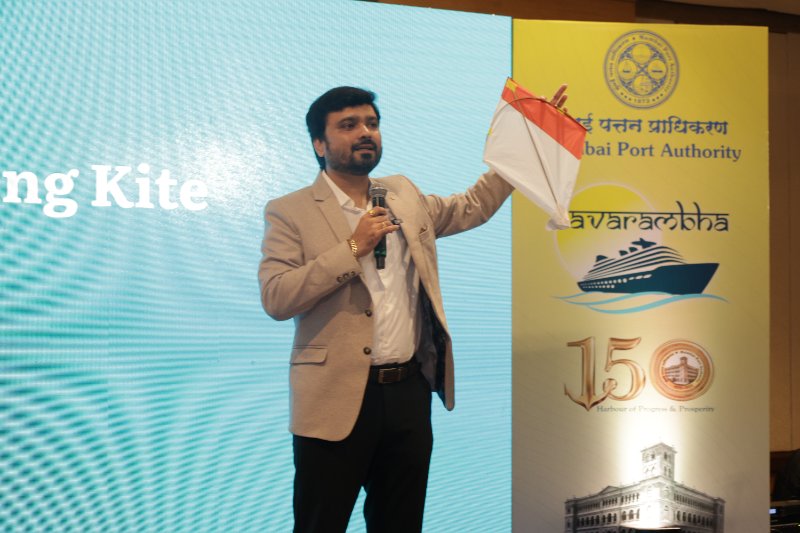
Why Avinash Chate
Avinash Chate is an entrepreneur and corporate trainer who runs ABC Trainings and The Future Corporate & Business Coaching, a TEDx speaker and published author. Over the last decade he has trained teams at 1,000-plus organisations and 15,000-plus professionals.
He teaches these skills not from a manual, but because he practises them himself — leading a 100-plus member team of his own. That is the difference working leaders feel in the room.
Multigenerational Teams Training — FAQ
What is Multigenerational Teams Training?
It is a practical programme for organisations where four or five generations now work side by side. It teaches your people to read each other's generational style — the different senses of loyalty, feedback, hierarchy, technology and what work is for — so seniors and newcomers stop misreading each other as entitled or out-of-touch. It covers busting the stereotypes, communicating and giving feedback across generations, motivating and retaining every cohort, reverse mentoring, and turning the generational mix into a genuine team advantage — practised on the real tensions inside your own teams.
Who should attend this training?
Any team where more than one generation has to work as one — so, in practice, almost everyone. It is especially valuable for managers leading age-diverse teams, for HR and L&D leaders focused on retaining younger talent and engaging senior staff, and for cross-functional groups where mixed-age friction is slowing things down. It works both as a whole-team reset and as a leadership programme, and is equally at home on a shop floor and in a head office.
Isn't this just stereotyping people by their birth year?
It is the opposite. The whole premise is that reducing a colleague to a birth-year label is both unfair and expensive. Generational patterns are a starting lens for understanding what shaped someone — not a box to trap them in. A core module is devoted to busting the stereotypes and separating a genuine generational tendency from an individual's personality, so your people end up managing the real colleague in front of them, not a caricature.
Why do the generations misread each other so badly?
Because each was shaped by a different world — different economics, technology and promises about what a career gives back — and each drew reasonable conclusions from it. A generation that saw loyalty go unrewarded learned to keep its options open; a generation that earned everything slowly learned that respect is banked over years. Neither is wrong. The trouble is that each side mistakes the other's answer for a character flaw. Once your team learns to see the style beneath the behaviour, the judgment drops and the friction eases.
What does the programme cover?
Seven connected modules: the generations at work and why they see the world differently; busting the stereotypes; communicating and giving feedback across generations; motivating and retaining each generation; reverse mentoring and two-way learning; turning the generational mix into a team advantage; and extensive practice on real cross-generational scenarios. Every module pairs a short, usable model with practice on situations drawn from your own organisation.
How does this help us retain our younger employees?
A whole module is built around what actually motivates and retains each cohort. Much youth attrition is not disloyalty — it is a younger generation reading "wait your turn" as "no future here" and leaving for somewhere that signals growth and purpose sooner. The programme decodes what each generation truly values and helps you design recognition, progression and flexibility that speak to a mixed-age team, so you spot the real reasons people leave before the resignation lands.
What is reverse mentoring, and how does it fit in?
Reverse mentoring is a deliberate two-way exchange: the younger colleague teaches tools, digital fluency and a fresh read on the market, while the senior colleague teaches judgment, context, relationships and how things really get done. It turns the usual technology-and-hierarchy standoff into a partnership. The programme shows you how to set up pairs that feel safe and mutual rather than tokenistic, so knowledge moves both up and down instead of getting trapped by age or seniority.
How is the training delivered — and how long does it take?
It is highly interactive — mixed-age groups reading each other's style, practising feedback and pairing up for reverse mentoring, with minimal lecture. The duration is flexible: the same programme runs as a half-day, a full day, a multi-day intensive for an HR or leadership cohort, or a series of shorter modules across a quarter, and it works well as an ongoing rhythm revisited as new generations join. We shape the exact length and cadence with you, and sessions are organised so every generation is genuinely heard.
Can it be delivered on-site, and in which languages?
Yes. Most engagements are across Maharashtra — Pune, Mumbai, Chhatrapati Sambhajinagar, Nashik, Nagpur and the surrounding MIDC industrial belts — and the programme is equally delivered pan-India and internationally on request. Delivery is available in English, Hindi and Marathi, or a natural mix, which matters especially on shop floors where a young trainee and a veteran operator may be most comfortable in different languages.
Why Avinash Chate for this programme?
Avinash Chate is an entrepreneur and corporate trainer who runs a 100-plus member organisation spanning several generations — so he teaches this from the reality of leading a mixed-age team every day, not from a deck of clichés. He is a TEDx speaker and author of The Winning Edge, creator of the KITE leadership framework, and has trained teams at 1,000-plus organisations and 15,000-plus professionals across manufacturing, IT, sales and services. That combination of real operating experience and his own frameworks is what age-diverse teams respond to.
Related Training Topics
Turn four or five generations into one team
Help your people read each other's style instead of each other's birth year — bridging loyalty, feedback, hierarchy and technology into a genuine advantage. On-site across Maharashtra, pan-India and internationally, in English, Hindi or Marathi.
Request a Proposal →