Work-Life Balance & Wellbeing Training
The laptop never really closes anymore. Slack at 11pm, "quick" weekend mails — and your best person is quietly running the battery to zero.
There was a time work ended somewhere. You left the building, and the day closed behind you. That line is gone. The laptop comes home and never quite shuts; a Slack notification lands at eleven; a "quick" mail eats a Sunday morning; the calendar has no white space left to think in. Post-remote, the boundary between work and life did not blur — it dissolved. And the people it costs the most are rarely the ones who complain. It is your most committed performers, the ones who answer everything, who never say no, whose availability everyone has quietly come to depend on. They do not push back. They just run the battery down, week after week, until one ordinary morning they hand in a resignation HR never saw coming — and everyone asks how they missed it. This programme is not beanbags and one yoga afternoon. It is about how a person, and a team, keeps performing at a high level for years instead of months — and how a manager protects the capacity that all of it depends on.
★ 5.0 client rating · Across Maharashtra, pan-India & internationally · English, Hindi & Marathi
The Always-On Default Nobody Chose — and Everybody Now Lives In
No one ever decided that work should follow people into their bedrooms. It happened by accident, one convenience at a time. The phone that made you reachable on the commute made you reachable at dinner. The tool that let a distributed team stay in sync let it never stop pinging. The flexibility that was meant to give people their evenings back quietly took the evenings instead — because when work can happen anywhere, it starts happening everywhere. The office used to close. The laptop does not. And so the default, the thing that happens when nobody actively designs otherwise, is that work expands to fill every hour it is allowed to touch.
The bill for that default is paid slowly, and it is paid by the wrong people. Your steadiest performers do not flame out in a dramatic week — they erode over quarters. The evenings go first, then the weekends, then the small recoveries that used to keep them sharp. They stay productive for a long time, which is exactly what hides the problem, until the productivity itself starts to soften: the ideas thin out, the patience runs short, the sick days creep up. And then a person everyone relied on, who never once said they were struggling, is simply gone. You did not lose them to a competitor's offer. You lost them to a way of working that never let them switch off — and by the time it showed, it was already too late to fix in a conversation.
Why Balance Is Not a Perk — and Why It Is Completely Buildable
Start with the mistake most organisations make: they treat wellbeing as a benefit rather than a capability. A wellness week, a meditation app, a beanbag corner — perks bolted onto a way of working that still quietly rewards being always on. It is theatre, and everyone knows it. The real issue is not that people lack a yoga class; it is that no one has taught them to manage the one resource that actually runs out. Time is fixed — everyone has the same hours — but energy is not. Energy depletes and, crucially, it renews, across four dimensions: the physical, the emotional, the mental, and focus. The best performers are not the ones who spend the most hours; they are the ones who manage their energy so the hours they spend are worth more. That is a skill, and almost no one is taught it.
Here is the part that changes how leaders think about this: sustainable performance is built, not wished for, and the manager is the biggest lever. Boundaries can be designed. Recovery can be protected. Focus can be defended against the ping culture. A relationship with work can be rebuilt so ambition and a life are not at war. And the single strongest signal in any team is what the manager models and permits — because a leader who mails at midnight, honours no boundary, and rewards the always-available person has just set the real rules, whatever the wellbeing poster says. Balance is not softness or a step back from performance. It is the discipline that keeps performance possible for years instead of burning it out in eighteen months. That discipline is exactly what this programme teaches — to the people carrying the load, and to the managers who protect their capacity to carry it.
Does This Sound Familiar?
If your most committed people are showing any of these signs, it is almost never a lack of dedication — it is a way of working that never lets them recover, and a boundary no one taught them to draw. Here is what you are likely seeing, what it is quietly costing, and exactly which part of the programme addresses it.
| The symptom you see | What it is costing you | The real cause | How the programme fixes it |
|---|---|---|---|
| Your best people are reachable at all hours — mails at midnight, replies over the weekend, no real off-switch | A battery that never fully recharges, so the sharpness erodes quarter by quarter until they run flat | Always-available has become the unspoken definition of commitment, and no one has drawn a boundary | The Boundaries & the Off-Switch module — reclaiming the line between work and life |
| People are busy every hour yet the good work — the thinking, the ideas — has quietly thinned out | Long hours producing steadily less value, because tired hours are cheap hours | They are managing time and grinding through hours instead of managing the energy that makes hours count | The Energy, Not Hours module — the four dimensions of sustainable performance |
| Nobody can focus — the day is shredded into pings, notifications and context-switches | Deep work becomes impossible, so the hard, valuable tasks slip to nights and weekends | An always-on communication culture has made constant interruption the normal working state | The Focus in an Always-On World module — protecting attention against the ping culture |
| A dependable performer is running on empty but would never put their hand up or take a real break | Presenteeism now and a resignation later — the loss of someone you cannot easily replace | They treat "always on" as a virtue and have never been taught that recovery is part of performance | The Recovery as Performance module — real rest, sleep and switching off |
| Ambition and a life feel at war — people feel guilty resting and resentful working | A slow drain of engagement and meaning, and the quiet decision to leave for "balance" | They have absorbed a story that says a serious career and a full life cannot coexist | The Rebuilding Your Relationship with Work module — integration without guilt |
| The team takes its cue from a manager who never switches off and rewards those who don't either | An entire team quietly burning down because the real rules are set by what the leader models | No one has shown managers that they are the biggest protector — or destroyer — of a team's capacity | The Manager's Role module — protecting a team's capacity to keep delivering |
What Changes When Your People — and Their Managers — Protect Capacity
Picture the same relentless workload landing on a team that has these skills. People still work hard and still care — but they manage their energy across the day instead of grinding until the tank is dry, so the hours they give are genuinely worth more. They protect a block of real focus and get the hard thinking done in daylight, instead of pushing it to a depleted midnight. They draw a boundary and hold it without guilt, so the evening actually belongs to them and they come back sharper for it. They treat sleep and recovery as part of doing the job well, not a reward for finishing it. And ambition and a life stop being at war — people give the work their best and still have something left over for the rest of who they are.
And underneath the individual habits, the thing that makes it last: the managers change too. They stop mistaking availability for commitment. They model switching off, respect the boundaries they ask people to draw, and stop quietly rewarding the person who never logs out. The team stops burning down in silence, because the leader is actively protecting its capacity to keep delivering — not next month, but for years. The dependable person you were quietly about to lose is still here, still sharp, still yours — because the way of working finally lets them stay.
What Your People Will Be Able to Do
- ✓ Manage their energy across the four dimensions — physical, emotional, mental and focus — instead of just grinding through hours
- ✓ Draw and hold real boundaries around availability, and switch off without guilt in an always-on world
- ✓ Protect blocks of genuine focus and defend their attention against the ping-and-notification culture
- ✓ Treat recovery, sleep and real breaks as part of performance rather than something to feel guilty about
- ✓ Design a sustainable way of working where a serious career and a full life reinforce each other instead of competing
- ✓ Notice the early signs of running on empty — in themselves and their colleagues — and respond before it becomes a resignation
- ✓ As managers, protect a team's capacity by modelling recovery, respecting boundaries, and no longer rewarding always-on by default
What the Programme Covers
Seven connected modules that take a person from quietly running the battery down to performing sustainably for the long haul — and that give managers the tools to protect their team's capacity. Every module pairs a short, practical input with work on the real pressures your people face, and ends with a concrete change in how they work and recover.
These are building blocks, not a fixed-length course. A two-hour session goes deep on the two or three that matter most to you; a half or full day covers more; a multi-day intensive — or an ongoing monthly, quarterly or half-yearly rhythm — works through them all, with far more practice. We shape which ones, in what order and how deep, with you.
The Always-On Trap — Why the Line Dissolved and What It Costs
What we cover: How the boundary between work and life quietly disappeared — the phone, the tools, the flexibility that all made work reachable everywhere and therefore endless. Why the always-on default is nobody's choice yet everybody's reality, and why it costs the most committed people the most. The difference between a demanding season and a permanently on way of working. The slow erosion — evenings, weekends, then sharpness — that hides for months because the person stays productive right up until they don't. Naming the problem honestly, without blame, as the necessary first step to changing it.
What changes: People stop treating always-on as normal and start seeing it as a designed default they can redesign — the shift every other skill in the programme depends on.
Energy, Not Hours — The Four Dimensions of Sustainable Performance
What we cover: The single most important reframe: you cannot manage time — everyone has the same twenty-four hours — but you can manage energy, and energy is what actually determines the value of your hours. The four dimensions of energy — physical, emotional, mental and focus — how each one depletes, and how each one renews. Why the best performers are not the ones who spend the most hours but the ones who protect and renew their energy. Working in rhythms of effort and recovery rather than one long grind. Auditing where your own energy goes and where it leaks.
What changes: People stop measuring their work in hours logged and start managing the energy that makes those hours worth something — the foundation of performing well for years, not months.
Boundaries & the Off-Switch — Reclaiming the Line
What we cover: Why saying no is not disloyalty and switching off is not slacking — and why the people who never draw a line are the ones most at risk. Designing boundaries that actually hold: availability windows, response-time expectations, a genuine end to the working day. Handling the guilt and the fear of looking uncommitted that make people leave the line undrawn. The specific challenge of remote and hybrid work, where the commute that used to separate work and home is gone. Negotiating boundaries with a manager and a team so they stick, rather than collapsing at the first busy week.
What changes: People reclaim a real off-switch — an evening that belongs to them and a boundary they can hold without guilt — and come back to work sharper for having genuinely left it.
Recovery as Performance — Rest, Sleep and Switching Off
What we cover: Why recovery is not the reward for performance but a part of it — and why a mind that never switches off never fully recharges. Rest as a deliberate practice rather than collapse: the difference between real recovery and the fake kind that still has one eye on the inbox. The non-negotiables of sleep and what quietly wrecks it, and why it is the highest-leverage recovery there is. Micro-recoveries across the day, proper breaks, and the deep rest that renews creativity. Treating deliberate rest as the professional's edge, not the amateur's indulgence — because the tired version of a person is the expensive version.
What changes: People stop wearing depletion as a badge and start protecting the recovery that keeps them sharp — trading "always on" for the sustainable edge that real rest gives.
Focus in an Always-On World — Protecting Your Attention
What we cover: Why the always-on culture does not just steal evenings — it shreds the workday into fragments where deep, valuable work becomes impossible. The real cost of constant context-switching and the myth of multitasking. Protecting blocks of genuine focus, and defending them against the ping-and-notification culture that treats instant response as a virtue. Designing when and how you are reachable so communication serves the work instead of fragmenting it. Reclaiming attention as the scarce resource it has become — so the hard thinking happens in daylight, not at a depleted midnight.
What changes: People win back the focus to do their most valuable work inside working hours, so the deep tasks stop leaking into nights and weekends by default.
Rebuilding Your Relationship with Work — Integration Without Guilt
What we cover: The story so many capable people carry — that a serious career and a full life cannot coexist, so one must always lose. Why that story is both false and expensive, driving good people to leave for "balance" they could have had where they were. Moving from a war between work and life to an integration where each supports the other. Reconnecting with what actually matters and why the work is worth doing, so effort feels meaningful rather than merely endless. Designing a personal way of working that fits a whole life — the caregiving, the health, the relationships, the things that make a person more than their output.
What changes: People stop feeling guilty when they rest and resentful when they work, and start building a working life where ambition and a life outside it reinforce each other.
The Manager's Role — Protecting a Team's Capacity to Keep Delivering
What we cover: The truth most wellbeing programmes dodge: the manager is the single biggest protector — or destroyer — of a team's capacity, and no poster overrides what the leader models. How a manager who mails at midnight, honours no boundary and rewards the always-available person sets the real rules of the team. Modelling recovery visibly, respecting the boundaries you ask people to draw, and designing workloads and expectations that are sustainable rather than heroic. Spotting the quiet signs that a dependable person is running down, and having the conversation before it becomes a resignation. Building a team norm where switching off is safe and capacity is treated as the asset it is.
What changes: Managers stop mistaking availability for commitment and start actively protecting their team's capacity — so the best people stay sharp and stay, instead of quietly burning down.
How It Is Delivered
This is not a wellness talk that leaves people mildly inspired and unchanged, and it is not a lecture about balance in the abstract. It is a practical workshop built around the real way your people work — the always-on tools, the dissolved boundaries, the workloads they actually carry. They do the work in the room: auditing where their own energy leaks, designing boundaries they commit to out loud, mapping the focus blocks they will protect, and building a personal sustainable-performance plan they will actually keep. When managers are in the room, they work on the specific signals they send and the norms they set — because a team's capacity is protected or destroyed by what the leader models, not by what a policy says. The models are kept clear and immediately usable; the practice is where the change is made.
The format flexes to your needs. It runs as a focused half-day awareness session, a full-day workshop, a multi-day intensive for a team or function under sustained load, or a modular series spread across weeks so new habits have time to embed — and it works especially well as an ongoing rhythm, revisited quarterly to keep sustainable performance a living standard rather than a one-off event. A dedicated version for managers focuses on their role in protecting team capacity. For 20 to 40 participants it is organised into small groups so everyone works and reflects, not just listens. The exact depth, duration, audience and cadence are shaped with you in the design call.
Formats That Fit Your Calendar
Half-day or full-day workshop
A high-impact session to give a team the core skills quickly — ideal ahead of a demanding quarter, during a shift to hybrid working, or after a punishing stretch that left people running on empty.
Multi-day intensive
Two or more days to go deep into energy management, boundaries, recovery and focus — well suited to a team under sustained load, a high-stakes function, or a leadership group learning to model sustainable performance for others.
A dedicated manager programme
A focused version for team leaders and managers on their role as the biggest protector of a team's capacity — modelling recovery, respecting boundaries, and no longer rewarding always-on by default.
An ongoing wellbeing rhythm
Revisited quarterly or half-yearly to keep sustainable performance a living practice, refresh the habits, and catch the always-on drift before it quietly burns your best people down.
The Thinking Behind It
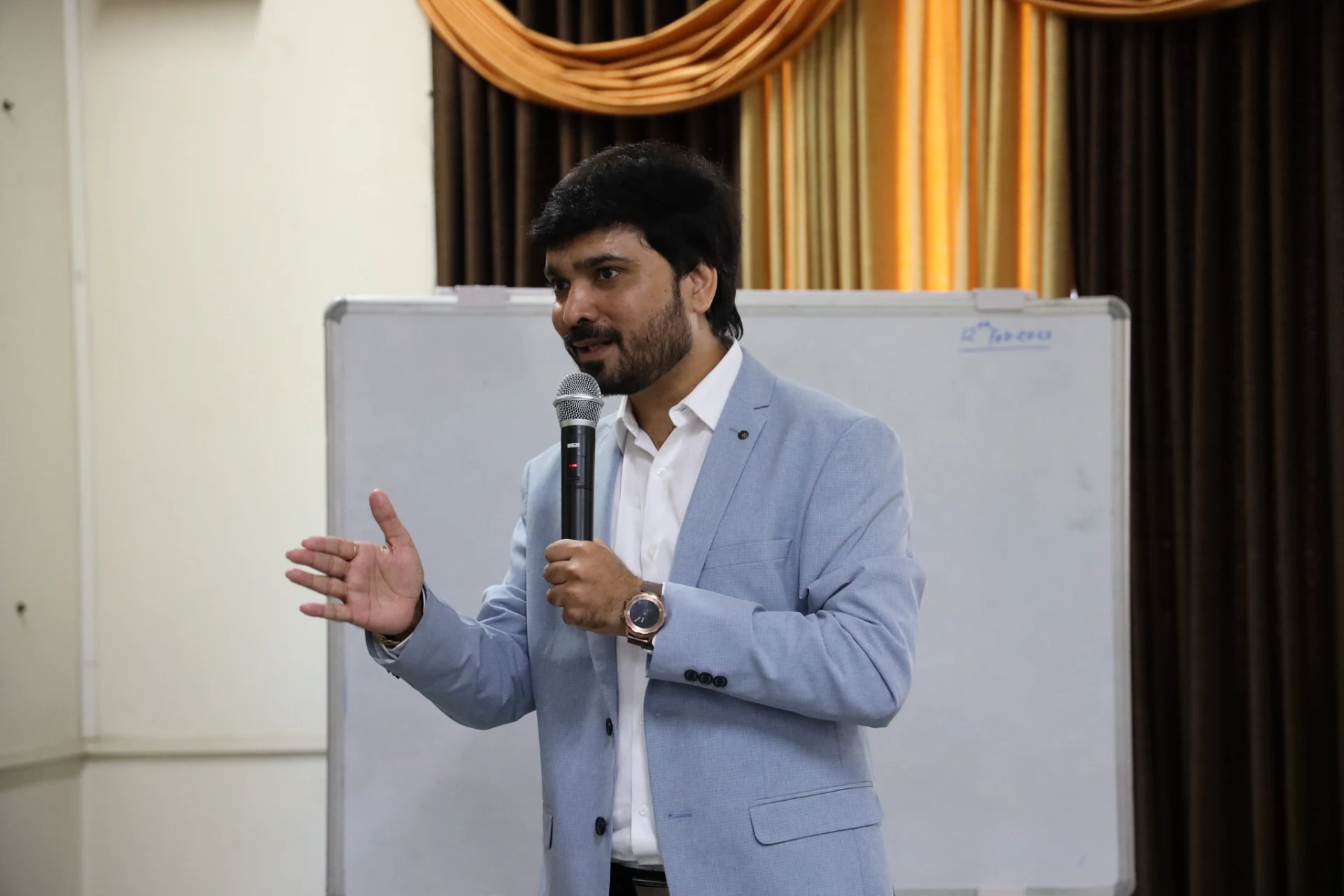
This programme is not a generic wellness deck. It draws on the best writing and research on energy, boundaries, rest and focus — distilled into a few models people can use immediately — and then goes further, into the frameworks Avinash uses to keep his own 100-plus member organisation performing at a high level, for years, without burning its best people out.
Ideas & books we draw on
- Rest — Alex Soojung-Kim Pang · the evidence that deliberate rest is not the opposite of work but the other half of it — why the most productive lives are built on real recovery
- Essentialism — Greg McKeown · the disciplined pursuit of less — the case that protecting your capacity means doing fewer things, better, and saying no to the rest
- Why We Sleep — Matthew Walker · the sleep scientist's landmark on the single highest-leverage recovery there is, and what "always on" quietly does to the mind and body
- Do Nothing — Celeste Headlee · a sharp, historical takedown of the cult of overwork — how efficiency became an identity, and how to reclaim your time and humanity
- Dopamine Nation — Anna Lembke · the Stanford psychiatrist on why the always-on device is engineered to hijack attention, and how to rebuild a healthier relationship with the ping
- The Ruthless Elimination of Hurry — John Mark Comer · a quietly radical case against a life with no white space — why a calendar packed to the edges is the enemy of doing anything well
Models we use to build sustainable performance
- The four dimensions of energy (Loehr & Schwartz) · physical, emotional, mental and focus — managing energy, not just time, as the real driver of sustainable performance
- Effort and recovery cycles · performing in rhythms of full engagement and genuine recovery rather than one long, flattening grind
- The essentialist filter (McKeown) · if it isn't a clear yes, it's a no — protecting capacity by doing fewer things, deliberately
- Deep work versus the shallow default · defending blocks of real focus against the ping culture, so the valuable work happens in daylight
- Boundaries and the off-switch · designing availability windows and a real end to the day — treating switching off as a professional skill, not a lapse
And Avinash's own frameworks — the part you won't find anywhere else
Beyond the established thinking, the programme is built on frameworks Avinash has created and written about himself — including his KITE leadership framework and the principles in his book The Winning Edge. These come from actually running a 100-plus member organisation and developing its people year after year, not from a textbook. It is the layer competitors cannot copy, and the one your people remember long after the session ends.
Who It Is For
Anyone whose work has quietly stopped switching off — and especially the committed performers who carry the most, answer everything, and would never be the first to say they are running low. It is built for whole teams living in the always-on default, for remote and hybrid teams where the line between work and home has dissolved, and for high-load, deadline-driven functions where "always available" has become the unspoken price of belonging. It is equally, and perhaps most, valuable for managers and leaders — because they are the single biggest protector or destroyer of a team's capacity, and a leader who learns to model recovery and respect boundaries changes an entire team's way of working. Run as a cohort, it gives people a shared language and shared permission to switch off — on manufacturing floors, in IT and services, in sales, and across any workplace where the laptop stopped closing and nobody quite noticed when.
Taught by Someone Who Runs a Real Business — Not From a Wellness Slide
Avinash Chate does not teach this from a self-help book. He runs a 100-plus member organisation carrying real deadlines, real targets and the same always-on pressures every business now lives with — so the boundaries, energy management and recovery taught here are the practices he uses to keep his own people performing at a high level for the long haul, not just the next sprint. As a TEDx speaker, author of The Winning Edge and creator of the KITE leadership framework, he has trained 15,000-plus professionals across 1,000-plus organisations, in sectors from high-load manufacturing shop floors to IT, sales and services teams — the exact environments where the line between work and life dissolved and the best people quietly paid for it. That blend of lived operating experience and genuine research is what makes this land, rather than feeling like another wellbeing talk that fades by Friday.
Why Avinash Chate
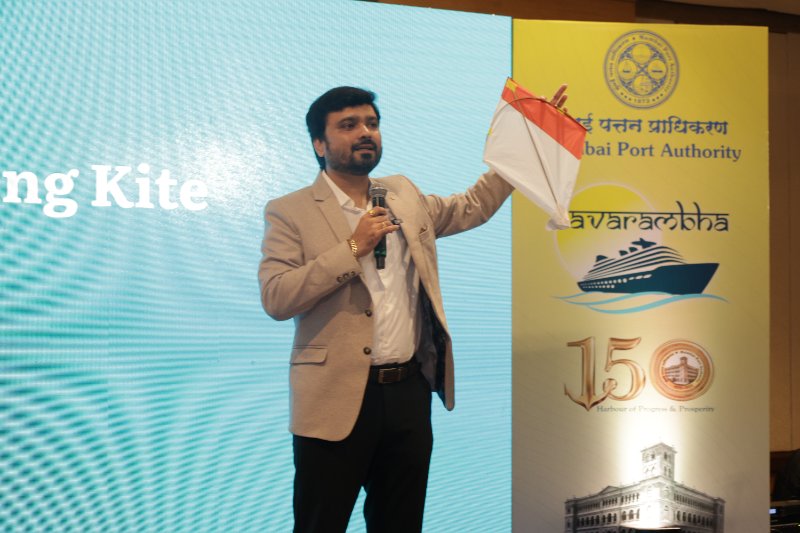
Avinash Chate is an entrepreneur and corporate trainer who runs ABC Trainings and The Future Corporate & Business Coaching, a TEDx speaker and published author. Over the last decade he has trained teams at 1,000-plus organisations and 15,000-plus professionals.
He teaches these skills not from a manual, but because he practises them himself — leading a 100-plus member team of his own. That is the difference working leaders feel in the room.
Work-Life Balance & Wellbeing Training — FAQ
What is Work-Life Balance & Wellbeing Training?
It is a practical programme that builds sustainable high performance — the ability of a person, and a team, to perform at a high level for years rather than months. It teaches people to manage their energy instead of just their hours, draw real boundaries in an always-on world, recover properly so they stay sharp, protect their focus against the ping culture, and rebuild a healthy relationship with work. Crucially, it goes beyond beanbags and one yoga day, and it treats the manager as the single biggest protector of a team's capacity to keep delivering. The frame throughout is performance and longevity, not therapy.
Isn't this just wellness perks — a meditation app and a yoga day?
No — and that is exactly the mistake this programme corrects. Perks bolted onto an always-on way of working are theatre, and everyone knows it. The real issue is that people have never been taught to manage the one resource that actually runs out: energy. This is about designing boundaries that hold, protecting recovery and focus, and changing what managers model and reward — the things that genuinely determine whether people burn out or perform sustainably. It treats balance not as softness or a perk, but as the discipline that keeps performance possible for years instead of burning it out in eighteen months.
How is this different from your Stress Management & Resilience training?
They are complementary but distinct. Stress and Resilience focuses on the biology of the stress response — how to handle acute pressure, regulate in the moment, and recover from setbacks. This programme is about the structural way people work: managing energy across the day, drawing boundaries in an always-on world, protecting focus, and building sustainable performance for the long haul — plus the manager's role in protecting a team's capacity. One is about handling the pressure of a hard week; this is about designing a way of working that does not quietly grind your best people down over years. Many organisations run both.
Who should attend this training?
Anyone whose work has stopped switching off — and especially the committed performers who carry the most and say the least. It is ideal for whole teams living in the always-on default, remote and hybrid teams where the work-home line has dissolved, and high-load, deadline-driven functions. It is equally, and often most, valuable for managers and leaders, because they set the real rules of a team through what they model and reward. It works powerfully as a cohort, giving people a shared language and shared permission to switch off.
What does the programme cover?
Seven connected modules: the always-on trap and what it costs; managing energy rather than hours across the four dimensions; boundaries and reclaiming a real off-switch; recovery as part of performance, including sleep and switching off; protecting focus in an always-on world; rebuilding a healthy, guilt-free relationship with work; and the manager's role in protecting a team's capacity to keep delivering. Every module pairs a short, usable model with practice on the real pressures your people face — and ends with a concrete change in how they work and recover.
How is the training delivered — and how long does it take?
It is highly interactive — energy audits, boundary design, focus planning, and building a personal sustainable-performance plan, with minimal lecture. The duration is flexible: the same programme runs as a half-day awareness session, a full day, a multi-day intensive for a team under sustained load, or a modular series spread across weeks so new habits embed, and it works well as an ongoing quarterly rhythm. There is also a dedicated version for managers. We shape the exact length, audience and cadence with you. For 20 to 40 participants, sessions are organised into small groups so everyone works and reflects, not just listens.
Is the programme customised to our organisation?
Yes. Before the first session, the examples and the work are built around your context — your industry, the real load your people carry, and the specific always-on pressures of your environment, whether that is a shop floor, a distributed engineering team, a sales force or a services desk. Generic wellbeing content is exactly what people tune out; the value is in working on the actual way your people work this quarter — the tools that never stop pinging, the boundaries that have dissolved, and the norms your managers are actually setting.
Can it be delivered on-site, and in which languages?
Yes. Most engagements are across Maharashtra — Pune, Mumbai, Chhatrapati Sambhajinagar, Nashik, Nagpur and the surrounding MIDC industrial belts — and the programme is equally delivered pan-India and internationally on request. Delivery is available in English, Hindi and Marathi, or a natural mix, which matters especially when running sessions for teams and first-line supervisors on the factory floor, where an honest conversation about boundaries and workload comes far more easily in one's own language.
What outcomes can we expect?
People who manage their energy so their hours are worth more, protect a real off-switch without guilt, defend the focus to do their best work in daylight, and treat recovery as part of performance — plus managers who stop mistaking availability for commitment and start actively protecting their team's capacity. Over time, that means less silent burnout, fewer of the resignations no one saw coming, and the dependable people you were quietly at risk of losing staying sharp and staying with you — performing at a high level for years, not just the next sprint.
Why Avinash Chate for this programme?
Avinash Chate is an entrepreneur and corporate trainer who runs a 100-plus member organisation under the same real deadlines and always-on pressures every business now lives with — so he teaches sustainable performance from lived experience, not a wellness slide. He is a TEDx speaker and author of The Winning Edge, creator of the KITE leadership framework, and has trained 15,000-plus professionals across 1,000-plus organisations, from high-load manufacturing shop floors to IT, sales and services teams. That combination of genuine operating experience, real research and his own frameworks is what makes this resonate with people who have heard every "achieve balance" cliché and stopped listening.
Related Training Topics
Help your best people perform for years — not burn out in months
Give your team the skills of sustainable high performance — energy management, real boundaries, proper recovery, and focus in an always-on world — and give managers the tools to protect the capacity it all depends on. On-site across Maharashtra, pan-India and internationally, in English, Hindi or Marathi.
Request a Proposal →