Cross-Cultural Communication Training
The words were English. The meaning got lost anyway.
An Indian team dials into a call with their US or European headquarters. Everyone is speaking English, everyone is polite, and everyone hangs up believing something slightly different happened. The "yes" that meant "I heard you" is filed by the other side as "I agree." The silence your engineer used to think was read as thoughtful diligence; instead it was read as not knowing the answer. The directness the HQ prized as clarity landed on your team as rudeness — and the deference your team offered as respect landed on HQ as a lack of ownership. The same email feels curt to one side and effusive to the other. None of it is a language problem, and none of it is anyone's fault. It is the quiet friction of two cultures using the same words to mean different things — and as Indian companies serve global clients and run offshore-onshore and GCC teams, that friction is costing deals, stalling projects, and holding back brilliant people who simply signal differently. This programme closes that gap.
★ 5.0 client rating · Across Maharashtra, pan-India & internationally · English, Hindi & Marathi
The Friction Nobody Files a Ticket For
Sit on a week of your global calls and the pattern is unmistakable, precisely because no one names it. An Indian team commits to a date the way politeness demands — warmly, agreeably — and the onshore manager books the launch against it, not realising "we will try our best" was a soft no. A German or Dutch counterpart gives feedback the flat, factual way their culture trusts, and a talented developer in Pune spends the weekend convinced they are about to be fired. A senior person on the India side waits to be asked before speaking, out of respect for the hierarchy, and the American on the call reads the silence as disengagement — or worse, incompetence. The words are all correct. The meaning behind them is travelling in two different directions at once.
And it never shows up as what it is. It shows up as a missed deadline, a client who "went quiet," an escalation that a single decoded sentence would have prevented, a brilliant offshore engineer passed over for the visible role because they did not self-promote the way headquarters expects. Everyone reaches for the easy explanation — the timezone, the process, the other side being difficult — and almost no one reaches for the real one: two cultures with different rules for how you say yes, how you disagree, how you show respect and how you claim credit, colliding softly on every call and paying for the collision in trust that quietly erodes. The work is world-class. The cross-cultural wiring around it leaks meaning at every handoff.
Why Fluent English Still Isn't Understanding — And Why It's Learnable
Here is the part almost no one is told: language is the easy half of communication, and culture is the hard half that runs underneath every word. Anthropologists have a name for what is happening — high-context versus low-context communication. In a high-context culture, much of the meaning lives in what is not said: the relationship, the hierarchy, the tone, the pause. In a low-context culture, the meaning is expected to be on the surface, said plainly, with nothing left to infer. India leans high-context; the US, Germany, the Netherlands and much of northern Europe lean low. So an Indian professional softens the no, honours the senior, and lets context carry the message — exactly as their culture taught them — while the other side, trained to trust only the explicit words, hears agreement where there was hesitation and disengagement where there was respect. Neither is wrong. They are running different operating systems, and no one gave them the manual.
So a capable, well-meaning team defaults to the only rules it knows — its own — and assumes the other side shares them. It does not. The good news is that this is not a matter of personality or fluency; it is a set of readable, teachable patterns. How directly to state a disagreement, how to decode a "yes," when silence means assent and when it means doubt, how hierarchy changes who speaks first, how trust is built task-first in one place and relationship-first in another — these differences have been mapped, and once your people can see the map, they can navigate it. This programme gives your teams that map and the practice to use it, on the exact calls, emails and clients they deal with every day — without asking a single person to stop being who they are.
Does This Sound Familiar?
If these sound like your global calls, your client relationships and your offshore-onshore handoffs, it is almost never that your people lack skill or fluency. It is that no one ever taught them to read the other culture's rules. Here is what you are likely seeing, what it is quietly costing, and exactly which part of the programme fixes it.
| The symptom you see | What it is costing you | The real cause | How the programme fixes it |
|---|---|---|---|
| A "yes" on the call turns out to have meant "I heard you," not "I agree" or "it's done" | Commitments slip, HQ plans against dates that were never firm, and trust in the team's word erodes | A high-context "polite yes" is read literally by a low-context counterpart who trusts only the explicit words | The Decoding Yes module — reading commitment, hesitation and the soft no accurately |
| Direct feedback from HQ lands as an insult; your team's soft feedback never actually registers | Talented people feel attacked or overlooked, and real performance issues go unspoken in both directions | Cultures calibrate directness very differently — what reads as clarity to one side reads as rudeness to the other | The Directness Gap module — giving and receiving feedback across cultures |
| Your senior people stay quiet on calls until asked, and headquarters reads it as disengagement | Brilliant contributors look passive, get passed over for visible roles, and the India team seems to lack ownership | High power-distance respect for hierarchy collides with a low power-distance expectation that everyone speaks up | The Hierarchy & Voice module — speaking up, pushing back and being seen across cultures |
| Emails feel curt to one side and long-winded, over-warm or evasive to the other | Constant low-grade misreading of intent, threads that spiral, and relationships that cool without a clear reason | Written norms — greetings, directness, the "ask," how much context to give — differ sharply between cultures | The Written Register module — email and chat that mean the same thing to both sides |
| A global client or stakeholder "goes quiet" after what your team thought was a good meeting | Deals stall, renewals wobble, and no one can name what actually went wrong in the relationship | Trust, decision-making and etiquette signals were misread — relationship-first and task-first cultures talking past each other | The Client & Stakeholder module — etiquette, trust and decisions across cultures |
| Offshore and onshore feel like two tribes — an "us and them" that no process seems to fix | Duplicated work, blame across the timezone line, attrition, and a project that never quite gels into one team | No shared working culture was ever built — each side kept its own unspoken rules and assumed the other shared them | The One Team module — building a shared working culture across geographies |
What Changes When Your Team Can Read the Other Culture
Picture a global call where your people hear the difference between a real "yes" and a polite one — and know how to ask, gently, for the certainty they need. Feedback that crosses the ocean and lands as intended, so a direct German note and a considerate Indian one both actually get heard. Senior contributors who speak up early, push back with respect, and finally look as capable to headquarters as they already are. Email that reads the same way on both ends — clear without being cold, warm without being evasive. A client who stays engaged because your team read the etiquette, built the trust the right way for that culture, and never left them guessing.
And underneath all of it, the shift that pays for the whole programme: offshore and onshore stop being two tribes and become one team with a shared way of working — one that borrows the best of both cultures instead of forcing anyone to abandon their own. The friction that used to cost you deals, deadlines and good people simply drains away. Your work was always world-class. Now the communication around it finally travels across borders intact — and your global reputation grows because of how your team collaborates, not in spite of it.
What Your Team Will Be Able to Do
- ✓ Read the difference between a genuine "yes," a polite "yes" and a soft "no" — and respond to what was actually meant
- ✓ Give and receive feedback across cultures, calibrating directness so it lands as intended in both directions
- ✓ Speak up, push back and be visible with counterparts from flatter, lower-hierarchy cultures — without losing their own
- ✓ Write email and chat that carry the same meaning to a low-context and a high-context reader alike
- ✓ Handle global clients and stakeholders with the right etiquette, trust-building and decision signals for their culture
- ✓ Run global virtual and offshore-onshore collaboration across timezones, accents and unspoken rules
- ✓ Help build one shared working culture across geographies — the best of every side, without anyone having to disappear
What the Programme Covers
Seven connected modules that take a team from "we all speak English, so we understand each other" to genuinely reading and bridging the other culture. Every module pairs a short, practical framework — high and low context, the directness scale, power distance, trust styles — with real practice on the exact calls, emails, clients and handoffs your team lives with, and ends with a concrete change in how they communicate across borders.
These are building blocks, not a fixed-length course. A two-hour session goes deep on the two or three that matter most to you; a half or full day covers more; a multi-day intensive — or an ongoing monthly, quarterly or half-yearly rhythm — works through them all, with far more practice. We shape which ones, in what order and how deep, with you.
The Invisible Half — Why Fluent English Isn't Understanding
What we cover: The idea that reframes everything: language is the easy half, culture is the hard half underneath it. High-context versus low-context communication and where India, the US, the UK, Germany, the Netherlands, the Nordics, Japan and the Gulf sit on the map. Why the same sentence carries different meaning depending on who is decoding it. Surfacing your own cultural defaults — the ones so automatic you never noticed they were choices. Replacing "they are being difficult" with "they are running a different rulebook."
What changes: The team stops assuming shared meaning and starts reading the culture beneath the words — the single shift every other module builds on.
Decoding "Yes" — Commitment, Hesitation and the Soft No
What we cover: Why a polite "yes" so often means "I heard you," not "I agree" — and how a low-context counterpart mishears it as a firm commitment. Reading the soft no: "we will try," "that may be difficult," the pause, the change of subject. How to give a clear, respectful no across cultures without causing offence on either side. Confirming commitment in a way that feels natural, not interrogating. Closing the gap between what was said, what was meant and what the other side wrote down.
What changes: Commitments become reliable across the timezone line — HQ plans against real dates, and the India team's word is trusted because it means what it says.
The Directness Gap — Feedback, Disagreement and Candour Across Cultures
What we cover: Why directness is calibrated so differently — clarity to a Dutch or German colleague, rudeness to an Indian one, and the reverse just as true. Giving negative feedback so it lands as intended, not as an attack, in both directions. Receiving blunt feedback without hearing catastrophe, and reading soft feedback so the real message registers. Disagreeing openly in a low-context room versus signalling disagreement respectfully in a high-context one. Upgrading or softening your own directness to match the person in front of you, on purpose.
What changes: Feedback and disagreement travel cleanly across cultures — problems get named and heard instead of festering behind politeness or bruising behind bluntness.
Hierarchy and Voice — Speaking Up and Being Seen
What we cover: Power distance: why respect for seniority runs deep in India and flat egalitarianism is expected in much of the West — and how the two collide on a call. Why waiting to be asked reads as disengagement to a low power-distance manager, and why interrupting a senior can read as disrespect to a high power-distance one. How to speak up early, offer a view unprompted and disagree upward without discomfort. Making capable but quiet contributors visible. Adapting how you address, defer to and challenge people of different rank across cultures.
What changes: The team's real ability becomes visible to headquarters — quiet experts speak up, ownership shows, and no one is written off for signalling respect the way their culture taught them.
The Written Register — Email and Chat That Mean the Same Thing
What we cover: Why the same email feels curt to one culture and effusive or evasive to another. Calibrating greetings, warmth, directness and the "ask" for a low-context versus a high-context reader. How much context to give before the point — and when leading with the point reads as abrupt. Chat and instant-message etiquette across cultures: response speed, emoji, formality, the one-word reply. Writing so intent survives, and reading incoming messages generously instead of taking imagined offence.
What changes: Written communication stops misfiring — messages mean the same thing on both ends, threads close instead of cooling relationships, and imagined slights disappear.
Clients, Stakeholders and Trust — Etiquette Across Cultures
What we cover: The two ways trust is built — task-first (do good work, trust follows) versus relationship-first (build the relationship, then the work) — and why mixing them loses clients. Reading how decisions get made: consensus-driven Japan, top-down Gulf, individual-owner US, and everything between. Meeting etiquette, punctuality, small talk, gift and hospitality norms, and the signals that quietly build or break credibility. Persuading and negotiating across cultures. Recovering when a global client "goes quiet," and knowing what it usually means.
What changes: Global clients and stakeholders stay engaged because the team reads the etiquette, builds trust the right way for that culture, and never leaves them guessing.
Global Virtual Teams and Building One Working Culture
What we cover: Running offshore-onshore and GCC collaboration so it becomes one team, not two tribes across a timezone. Virtual-team essentials: cameras, accents, turn-taking, timezone fairness and the discipline that stops remote misreads. Co-creating a shared team charter — explicit norms for how this particular group says yes, gives feedback, escalates and decides — so the unspoken rules stop clashing. Borrowing the best of each culture instead of defaulting to headquarters'. Sustaining the shared culture as people, projects and geographies change.
What changes: Offshore and onshore become a single team with a shared, deliberate way of working — "us and them" gives way to "us," and the whole operation runs smoother because of it.
How It Is Delivered
This is not a lecture about culture, and it is emphatically not a list of national stereotypes. It is a workshop where your team practises real cross-cultural moments — decoding an actual ambiguous "yes," rewriting the email that landed wrong, delivering feedback to a low-context manager, speaking up on a mock global call, handling a client from a relationship-first culture — using situations drawn straight from your own accounts, HQ relationships and offshore-onshore handoffs. The frameworks (high and low context, the directness scale, power distance, trust styles) are kept few and immediately usable; the practice, and the feedback on it, is where the fluency is actually built. Nobody is asked to stop being Indian, or to imitate anyone else — the goal is a team that can read the other side and flex on purpose, while staying entirely themselves.
The format flexes to your needs. It runs as a focused half-day, a full-day workshop, a multi-day intensive for a global-delivery or GCC cohort, or a series of shorter modules spread across a quarter so each skill is practised, applied on real calls, then built on — and it works beautifully as an ongoing rhythm that keeps a global operation aligned as teams, clients and geographies change. It can be run for the India team alone, or jointly with onshore counterparts for a shared-language session that resets the whole relationship. For 20 to 40 participants it is organised into small batches so every person practises, not just listens. The exact depth, duration, target cultures and cadence are shaped with you in the design call.
Formats That Fit Your Calendar
Half-day or full-day workshop
A high-impact session to reset how a team works with a specific culture or client — ideal before a major global engagement or after a relationship has started to cool.
Multi-day intensive
Two or more days to go deep across decoding yes, the directness gap, hierarchy, written register, client trust and building one team — perfect for a GCC, a global-delivery cohort or a newly formed offshore-onshore programme.
Modular series across a quarter
Shorter sessions spread over time, so each skill — reading commitment, cross-cultural feedback, speaking up, etiquette — is practised on real calls, applied at work, then built on.
An ongoing global-teams rhythm
Run it as a standing programme for every new offshore-onshore project, GCC cohort and client region — making cross-cultural fluency a permanent part of how the organisation operates globally.
The Thinking Behind It
This programme is not a generic culture deck, and it does not trade in stereotypes. It draws on the foundational research and the sharpest field writing on how cultures actually differ in communication — distilled into a few maps your team can use on their very next global call — and then goes further, into the frameworks Avinash uses to build one working culture across his own 100-plus member organisation and its clients across India and abroad.
Ideas & books we draw on
- The Silent Language — Edward T. Hall · the anthropologist who first mapped high- and low-context cultures — the foundation for why a "yes" means different things in different places
- Riding the Waves of Culture — Fons Trompenaars & Charles Hampden-Turner · the seven dimensions of culture — universalism, individualism, how emotion and relationship are shown — turned into a working tool for global business
- When Cultures Collide: Leading Across Cultures — Richard D. Lewis · the practical field bible — the Lewis model of linear-active, multi-active and reactive cultures, with sharp, usable notes on India and dozens of others
- Cultures and Organizations: Software of the Mind — Geert Hofstede, Gert Jan Hofstede & Michael Minkov · the landmark research behind power distance and the other dimensions — why hierarchy and voice play out so differently across borders
- The Geography of Thought — Richard E. Nisbett · the deep cut on how Asians and Westerners literally think and perceive differently — the cognitive roots beneath the communication gaps
- The Art of Crossing Cultures — Craig Storti · a quietly brilliant guide to the everyday psychology of adjusting to another culture — the human side the frameworks leave out
Maps your team will actually use
- High-context vs low-context (Edward T. Hall) · how much meaning lives in the words versus the relationship, tone and pause — the master key to cross-cultural misreads
- The directness / feedback scale · where a culture sits between blunt candour and diplomatic softening — so feedback lands as intended in both directions
- Power distance (Hofstede) · how deeply hierarchy is respected — why "wait to be asked" and "everyone speaks up" collide on the same call
- Task-first vs relationship-first trust · whether trust is earned through good work or built through the relationship — the make-or-break of global client work
- The Lewis model — linear-active / multi-active / reactive · a practical grouping of cultural styles for reading how counterparts plan, talk and decide
And Avinash's own frameworks — the part you won't find anywhere else
Beyond the established thinking, the programme is built on frameworks Avinash has created and written about himself — including his KITE leadership framework and the principles in his book The Winning Edge. These come from actually running a 100-plus member organisation and developing its people year after year, not from a textbook. It is the layer competitors cannot copy, and the one your teams remember long after the session ends.
Who It Is For
Any team whose work crosses a border — which, for a growing share of Indian organisations, is most of them. Offshore-onshore and global-delivery teams collaborating daily with a US, UK, European or Asian headquarters. Global-capability centres and GCCs building a shared culture between India and the parent company. Client-facing, sales, account-management and support teams serving international customers. Project and programme leads coordinating across timezones and cultures. Leaders and managers on both sides of an offshore-onshore relationship who want to reset it. It is especially powerful run jointly — the India team with its onshore counterparts — so both sides build a shared language at once, and it is a natural foundation for professionals stepping into a global role for the first time. It fits MNCs, GCCs and export-facing businesses across Maharashtra, pan-India and internationally.
Taught by Someone Who Builds One Culture Across Real Teams
Avinash Chate does not teach this from a textbook or a list of national clichés. He runs a 100-plus member organisation and trains teams across India and abroad, so the work of getting people with different rules to genuinely understand each other — and building one shared working culture out of many — is something he does himself, not something he read about. As a corporate trainer and TEDx speaker, and the author of The Winning Edge, communicating across differences is the craft he practises in front of rooms constantly. Programmes that build cross-cultural and global-team capability have been delivered across sectors, from IT and global-delivery floors working with overseas headquarters, to sales, services and manufacturing teams serving international clients — the very people who live this friction every day.
Why Avinash Chate
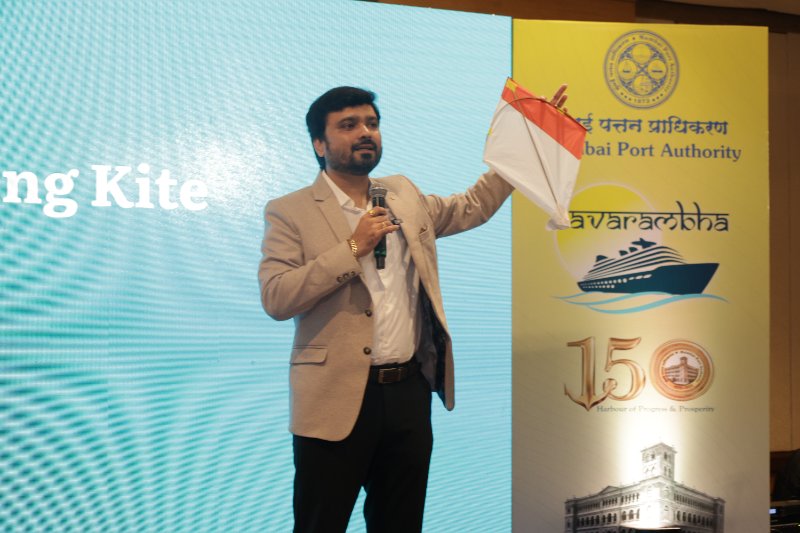
Avinash Chate is an entrepreneur and corporate trainer who runs ABC Trainings and The Future Corporate & Business Coaching, a TEDx speaker and published author. Over the last decade he has trained teams at 1,000-plus organisations and 15,000-plus professionals.
He teaches these skills not from a manual, but because he practises them himself — leading a 100-plus member team of his own. That is the difference working leaders feel in the room.
Cross-Cultural Communication Training — FAQ
What is Cross-Cultural Communication Training?
It is a practical programme that helps teams communicate effectively across cultures — especially Indian teams working with US, European and Asian counterparts, clients and headquarters. Its premise is that language is the easy half of communication and culture is the hard half underneath it: two people can share fluent English and still mean completely different things. So it goes well beyond language and etiquette tips — it teaches your people to decode what a "yes" actually means, to calibrate directness so feedback lands as intended, to read hierarchy and know when to speak up, to write email that means the same thing to both sides, to handle global clients with the right trust and etiquette, and to build one shared working culture across offshore-onshore and GCC teams. It is built around the real calls, emails and relationships your people deal with every day, practised in the room — and it never trades in national stereotypes or asks anyone to stop being themselves.
Who should attend this training?
Offshore-onshore and global-delivery teams, GCC and global-capability-centre staff, client-facing and sales teams serving international customers, project leads coordinating across timezones, and leaders on both sides of a global relationship. It is at its most powerful run jointly — the India team together with its onshore counterparts — so both sides build a shared language at once, though it works equally well for the India team alone. It is also an ideal foundation for anyone stepping into a global role, or joining a team that works with an overseas headquarters, for the first time.
Isn't this just teaching stereotypes about other countries?
No — and avoiding exactly that is the whole point. Stereotypes flatten people into clichés; this programme does the opposite. It teaches readable patterns — high versus low context, how directly a culture states disagreement, how deeply it respects hierarchy, how it builds trust — as starting maps, not boxes, and then trains your people to read the actual individual in front of them and flex on purpose. The frameworks come from decades of serious research; the practice keeps them grounded in real people, not caricatures. The goal is a team that understands the other side and adapts consciously while staying entirely themselves.
What does the programme cover?
Seven connected modules: why fluent English still isn't understanding (high and low context); decoding "yes," hesitation and the soft no; the directness gap in feedback and disagreement; hierarchy and voice — speaking up and being seen; the written register — email and chat that mean the same thing to both sides; clients, stakeholders and trust across cultures; and global virtual teams plus building one shared working culture across geographies. Every module pairs a short, usable framework with practice on real situations drawn from your own accounts, HQ relationships and offshore-onshore handoffs.
How is the training delivered — and how long does it take?
It is highly interactive — real calls, real emails and real client scenarios, with minimal lecture. The duration is flexible: the same programme runs as a half-day, a full day, a multi-day intensive for a global-delivery or GCC cohort, or a series of shorter modules spread across a quarter so each skill is practised and then embedded, and it works well as an ongoing rhythm. We shape the exact length, target cultures and cadence with you. For 20 to 40 participants, sessions are organised into small batches so everyone practises rather than just listening.
Can it focus on the specific cultures we work with — like the US, Germany or Japan?
Yes. While the frameworks are universal, the practice is tailored to the cultures that actually matter to you. If your headquarters is American, we drill the US directness and self-promotion norms; if you work with Germany or the Netherlands, we focus on their low-context candour; if you serve Japan or the Gulf, we go deep on relationship-first trust and consensus or top-down decision-making. The target cultures, and the real scenarios, are set with you before the first session so every minute is relevant to your teams and clients.
Is the programme customised to our organisation?
Yes. Before the first session, the examples, emails and role-play scenarios are built around your context — your industry, your headquarters and client cultures, and the real situations your people face, from the daily standup with onshore to the quarterly client review. We can work with your own actual calls, emails and cross-cultural friction points (suitably anonymised). Generic culture training is exactly what fails; the value is in practising the actual conversations and relationships your teams will handle next week.
Can it be delivered on-site, and in which languages?
Yes. Most engagements are across Maharashtra — Pune, Mumbai, Chhatrapati Sambhajinagar, Nashik, Nagpur and the surrounding MIDC and IT belts — and the programme is equally delivered pan-India and internationally on request, which suits GCCs, MNCs and export-facing businesses well. The India-side sessions run in English, Hindi and Marathi, or a natural mix; joint sessions with onshore counterparts run in English. It can also be delivered virtually across timezones when the team is already distributed.
What outcomes can we expect?
Teams that hear the difference between a real "yes" and a polite one, so commitments across the timezone line become reliable. Feedback that lands as intended in both directions instead of wounding or vanishing. Quiet, capable people who finally look as able to headquarters as they are. Email that means the same thing on both ends. Global clients who stay engaged because the etiquette and trust were read correctly. And, over time, offshore and onshore that operate as one team rather than two tribes — with the friction that used to cost deals, deadlines and good people quietly draining away.
Why Avinash Chate for this programme?
Avinash Chate is an entrepreneur and corporate trainer who runs a 100-plus member organisation and works with teams across India and abroad — so he builds one shared culture out of many for a living, rather than teaching it from theory. He is a TEDx speaker and author of The Winning Edge, creator of the KITE framework, and has trained teams at 1,000-plus organisations and more than 15,000 professionals across IT, global delivery, sales, services and manufacturing. That combination of real cross-cultural operating experience and his own frameworks is what global teams respond to.
Related Training Topics
Turn cross-cultural friction into a global advantage
Give your team the skill to read the other culture — decoding a "yes," closing the directness gap, speaking up across hierarchy, and building one working culture across geographies. On-site across Maharashtra, pan-India and internationally, for GCCs, MNCs and global teams, in English, Hindi or Marathi.
Request a Proposal →