Email & Workplace Etiquette Training
Nobody loses their reputation over the big things. They lose it over the reply-all that shouldn't have gone, and the email that read as rude.
The email was three lines long and perfectly accurate. It still landed like a slap — no greeting, a blunt "As I already said," and a client who quietly decided this person was difficult to work with. Nobody said anything; nobody ever does. That is the strange thing about workplace etiquette: the slips are small, almost invisible, and the judgements they trigger are permanent. A message that assumes a familiarity that isn't there. A reply-all sent to two hundred inboxes. A meeting joined four minutes late, camera off, name mispronounced. Your people are capable and well-meaning — but no one ever taught them the signals that tell everyone else whether they are a pleasure to deal with. This programme teaches those signals.
★ 5.0 client rating · Across Maharashtra, pan-India & internationally · English, Hindi & Marathi
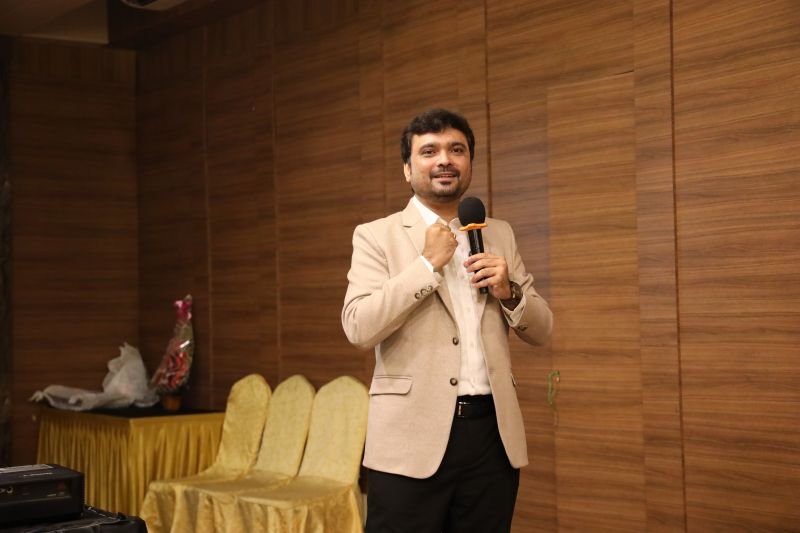
The Small Slips Nobody Points Out — and Everybody Notices
Watch how professionalism is actually judged today and you will notice it is almost never judged in person. It is judged in the inbox, in the group chat, on the video call — in fast, written, half-attended fragments where tone is easy to lose and easy to misread. A competent professional fires off a one-word "Noted." and thinks nothing of it; the reader hears cold, dismissive, annoyed. Someone hits reply-all to say "thanks" and irritates a hundred people at once. Someone else opens a message to a senior client with "Hey" and a first name they were never invited to use. None of it is malice. All of it leaves a mark.
And the marks accumulate where you cannot see them. The client who stops replying quite so warmly. The cross-functional peer who starts routing around a colleague they find abrasive. The junior who is quietly passed over because they "don't read the room." No one files a complaint about a curt email or a late arrival, so the feedback never reaches the person who needs it — they simply carry a reputation they did not intend and cannot explain, while their actual competence goes unrewarded.
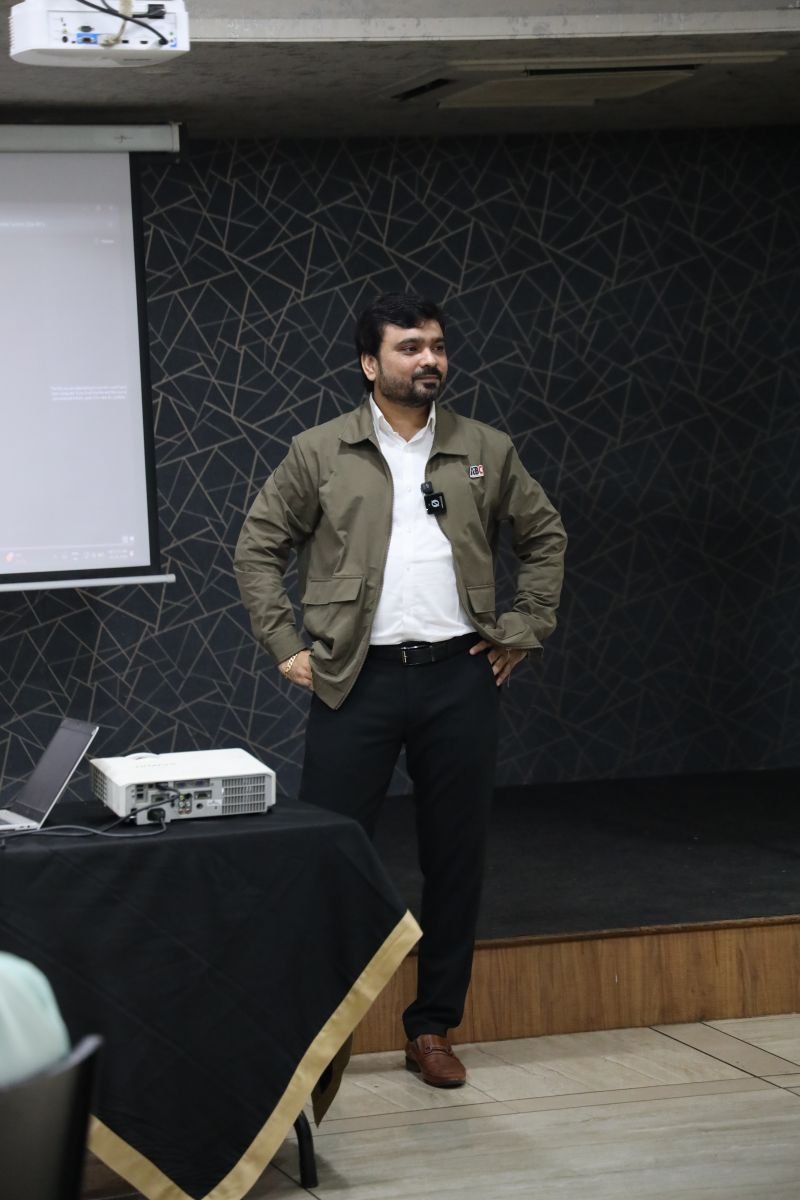
Why Good People Come Across Badly — And Why It Is Entirely Teachable
Here is what almost no one is told: courtesy is a skill, not a personality trait, and in a written, fast-moving, cross-cultural workplace it has to be learned on purpose. Face to face, we have a lifetime of instinct — a smile, a pause, a softened word — that keeps us in good standing. Strip all of that away and leave only text on a screen, sent in seconds between people from different cities, ages and cultures, and the instinct fails. A message that felt neutral to the sender reads as sharp to the receiver, because tone in writing is inferred, not heard. The gap is not character. It is craft that nobody taught.
So a well-meaning professional keeps making the same invisible mistakes — not because they are careless, but because they have never seen the rules named, never learned that "reply-all" and "reply" carry social weight, that a subject line is a courtesy, that how fast you respond is itself a message. Name those signals, practise them on real messages, and they become second nature within a week. This programme does exactly that: it turns the unwritten rules of professional courtesy into things your people can see, understand and use — before the next email quietly costs them a relationship.
Does This Sound Familiar?
If your people are capable but occasionally land the wrong way, it is almost never a character problem — it is that no one ever taught them the quiet signals of courtesy. Here is what you are likely seeing, what it is quietly costing, and exactly which part of the programme fixes it.
| The symptom you see | What it is costing you | The real cause | How the programme fixes it |
|---|---|---|---|
| Emails from your team read as curt, cold or abrupt — even when they don't mean to | Clients and colleagues quietly decide someone is "difficult," and warmth drains out of the relationship | No one taught them that tone in writing is inferred, not heard — a greeting, a softener and a sign-off are courtesy, not fluff | The clear-and-courteous email module — structure, tone and correct addressing |
| Reply-all storms, wrong CCs, and confidential replies sent to the whole thread | Wasted inboxes, embarrassment, and the occasional message that should never have been that widely seen | The social weight of To, CC, BCC and reply-all was never explained — so people guess | The tone, timing and reply-all/CC discipline module |
| Video calls join late, cameras off, people talking over each other or half-distracted | Clients read it as disorganised or disrespectful; internal calls drift and decisions stall | Phone, video and messaging courtesy is assumed to be obvious — it is not, and no one set the norms | The phone, video-call and messaging etiquette module |
| Chronic lateness to meetings, phones answered mid-conversation, overrunning agendas | Everyone's time is quietly devalued; the worst offender is seen as the least professional in the room | Punctuality and in-person courtesy were never framed as respect for other people's time | The meeting, punctuality and in-person courtesy module |
| Messages misfire across cultures or generations — too familiar, too formal, or simply misread | Friction with international clients and within mixed-age teams; avoidable offence taken on both sides | No one showed them how register, directness and formality shift across cultures and generations | The cross-cultural and cross-generational etiquette module |
What Changes When Your People Get the Small Signals Right
Imagine every email leaving your organisation reading the way it was meant — clear, warm, correctly addressed, easy to say yes to. Reply-all used with judgement instead of dread. Calls that start on time with cameras on and people genuinely present. A junior who joins a client meeting and is instantly taken for a seasoned professional, because they greet, they listen, they get the name right, they follow up well.
And underneath the polish, the thing that actually moves: trust. Clients who find your people effortless to deal with give you more of their work. Colleagues stop routing around each other. The quiet, cumulative judgement that used to work against your capable people starts working for them — because professionalism is finally being read the way it is meant to be read.
What Your People Will Be Able to Do
- ✓ Write emails that are clear, courteous and correctly addressed — and never accidentally read as rude
- ✓ Lead with the point using a BLUF structure, so busy readers know what is being asked in the first line
- ✓ Use To, CC, BCC and reply-all with judgement — ending the storms and the embarrassing over-sends
- ✓ Match tone and register to the reader — knowing when to be formal, when warm, when brief
- ✓ Handle phone, video calls and messaging with presence and courtesy, not half-attention
- ✓ Show up to meetings and in person in a way that signals respect — punctuality, attention, follow-through
- ✓ Navigate etiquette across cultures and generations without giving or taking needless offence
What the Programme Covers
Seven connected modules that take a capable professional from unintentionally abrasive to consistently gracious. Every module names the unwritten rule, shows why it shapes reputation, and puts it to work on real messages and real scenarios — ending with a concrete change in how your people come across.
These are building blocks, not a fixed-length course. A two-hour session goes deep on the two or three that matter most to you; a half or full day covers more; a multi-day intensive — or an ongoing monthly, quarterly or half-yearly rhythm — works through them all, with far more practice. We shape which ones, in what order and how deep, with you.
Why the Small Signals Matter — Reputation, Trust and How Professionalism Is Read
What we cover: The uncomfortable truth that competence is judged through courtesy, and mostly in writing. How a reputation is built and eroded one small signal at a time — the greeting, the tone, the timing, the follow-through. Why the feedback almost never reaches the person, so the habit never gets corrected. The real business cost of coming across badly: lost warmth, lost trust, lost work. Etiquette reframed as respect and clarity, not stuffiness or performance.
What changes: Your people stop seeing etiquette as optional polish and start seeing it as the medium through which their professionalism is actually judged — the shift everything else depends on.
Email That Is Clear, Courteous and Correctly Addressed
What we cover: The anatomy of an email that lands well: a subject line that is itself a courtesy, an appropriate greeting, the point up front, and a sign-off that fits the relationship. Leading with BLUF — bottom line up front — so a busy reader knows in the first line what is wanted. Why "Noted." and "As I said" read as cold, and how to be brief without being blunt. Getting names, titles and salutations right. Proofreading as respect. The messages that should never be emails at all.
What changes: Every email your people send reads the way they meant it — clear, warm and easy to act on — instead of accidentally reading as curt.
Tone, Timing and the Reply-All / CC Discipline
What we cover: How tone is inferred in writing, and the small moves that soften or sharpen it — a greeting, a "please," a "thanks," an exclamation used with care. The social weight of To, CC, BCC and reply-all, and a simple discipline for who really needs to be on a message. When reply-all is generous and when it is a menace. Response timing as a signal in itself — acknowledging quickly even when you cannot answer fully. Handling the email sent in anger with the cool-off rule before you hit send.
What changes: The reply-all storms and awkward over-sends stop, and your people wield tone and timing deliberately instead of tripping over them.
Phone, Video-Call and Messaging Etiquette
What we cover: Presence on a call: joining on time, camera on when it matters, muting well, not talking over people, and reading a virtual room. Phone courtesy — answering, holding, transferring and taking messages without leaving the other person stranded. The etiquette of instant messaging and chat: when it is fine, when it is too familiar, when a call would be kinder. Voice notes, emojis and read-receipts across a professional relationship. Managing the phone answered mid-conversation and the notification that steals your attention from the person in front of you.
What changes: Your people bring genuine presence and courtesy to every channel — so calls and chats build trust instead of quietly signalling that no one is really paying attention.
Meeting, Punctuality and In-Person Courtesy
What we cover: Punctuality as respect for other people's time — arriving ready, starting and ending on time, and what lateness silently communicates. Meeting manners: preparing, contributing without dominating, letting others finish, and keeping the phone off the table. Introductions and handshakes, greeting and remembering names, and first impressions that open doors. Hosting and being hosted well — visitors, clients, and the small hospitalities that matter. Business dining and event courtesy for when the real relationship is built outside the meeting room.
What changes: Your people show up — on calls and in the room — in a way that signals respect and competence, becoming the colleague and host others are glad to deal with.
Cross-Cultural and Cross-Generational Etiquette
What we cover: Why the same message reads as polite to one person and abrupt to another, depending on culture, seniority and age. How directness, formality, hierarchy and even silence carry different meanings across regions and countries. Working courteously with international clients and distributed teams across time zones. Bridging generations in one workplace — the colleague who prefers a call, the one who lives in chat, and the assumptions each makes about the other. Adjusting register with grace rather than stereotype.
What changes: Your people flex their etiquette to whoever is on the other side — sparing themselves and others needless offence, and building trust across cultures and generations.
Practice — Fixing Real Emails and Real Scenarios
What we cover: Hands-on rework of real, anonymised messages: the email that reads as rude turned gracious, the rambling request made clear, the reply-all untangled, the awkward decline made warm. Live scenarios drawn from your own workplace — the difficult client email, the late-joined call, the cross-cultural misunderstanding, the message that needed the cool-off rule. Building each person's own etiquette checklist and a shared team standard everyone can hold.
What changes: Your people leave having already rewritten their worst habits into their best ones — so the next real email, call or meeting comes out right the first time.
How It Is Delivered
This is not a lecture on manners. It is a working session where your people fix their own communication in real time. They rewrite genuine (anonymised) emails until a curt one reads as warm, untangle a real reply-all mess, and run the awkward call and the cross-cultural misunderstanding as live scenarios — all using situations pulled from your own organisation. The rules are named plainly and made memorable; the practice is where the new habit is actually built.
The format flexes to your needs. It runs as a focused half-day, a full-day workshop, a multi-day intensive for a larger cohort, or a series of shorter modules spaced across a few weeks so each habit has time to stick — and it works beautifully as an ongoing rhythm, refreshed with every new intake or onboarding wave. For 20 to 40 participants it is organised into small batches so everyone reworks their own messages, not just watches. The exact depth, duration and cadence are shaped with you in the design call.
Formats That Fit Your Calendar
Half-day or full-day workshop
A high-impact session to lift a whole team's written and in-person courtesy quickly — ideal before a big client push or after an onboarding wave.
Multi-day intensive
Two or more days to go deep across email, calls, meetings and cross-cultural courtesy — well suited to client-facing, sales, support and campus-to-corporate cohorts.
Modular series across a few weeks
Shorter sessions spaced out — email one week, calls and meetings the next, cross-cultural courtesy after — so each habit is practised and embedded before the next.
An ongoing etiquette rhythm
Run it with each new intake or as a periodic refresher, making professional courtesy a permanent part of how your people represent the organisation.
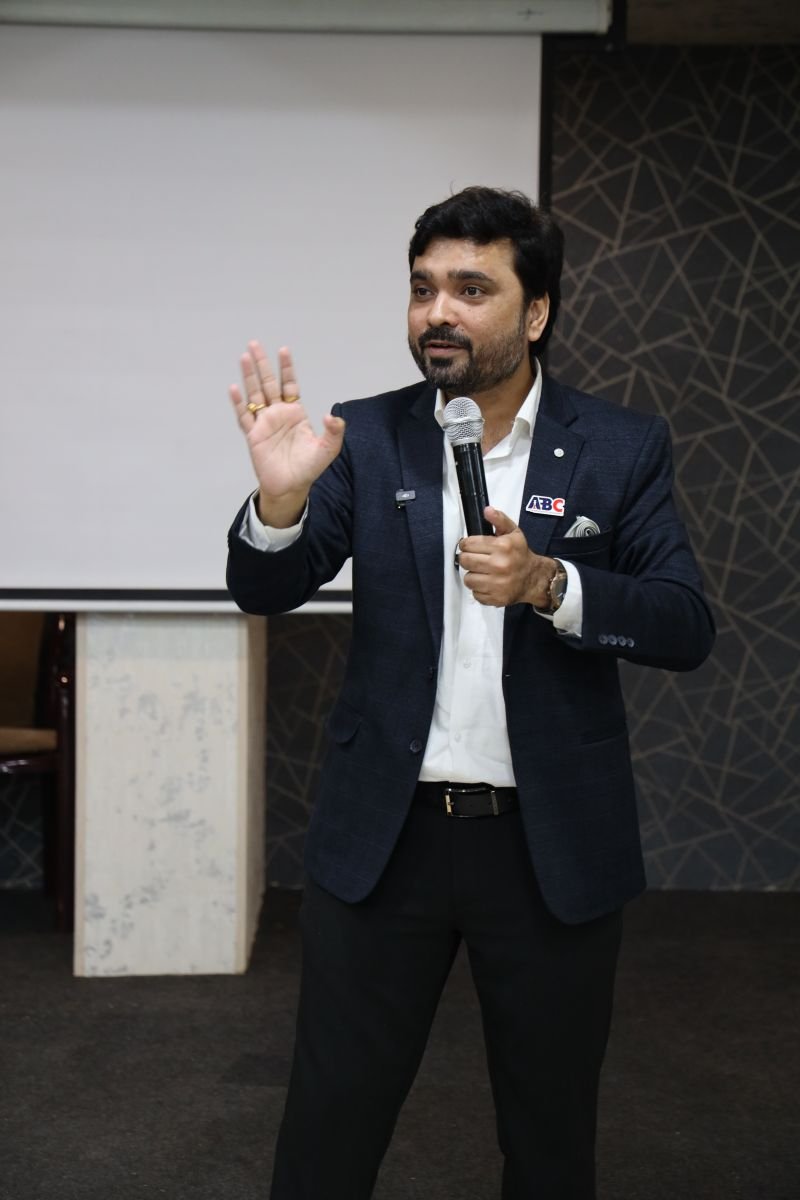
The Thinking Behind It
This programme is not a generic etiquette deck. It draws on the best writing on business communication and professional courtesy — distilled into a few rules your people can use the same afternoon — and then goes further, into the frameworks Avinash uses to hold a consistent standard of courtesy across his own 100-plus member organisation.
Ideas & books we draw on
- Send: Why People Email So Badly and How to Do It Better — David Shipley & Will Schwalbe · the definitive book on the daily disaster of email — why messages misfire and how to write ones that don't
- The Essentials of Business Etiquette — Barbara Pachter · a crisp, modern field guide to the hundred small behaviours — email, phone, meetings — that shape a professional reputation
- The Etiquette Advantage in Business — Peggy Post & Peter Post · the authoritative Post reference on conducting professional relationships with courtesy and confidence
- Business Etiquette For Dummies — Sue Fox · broad, practical coverage from introductions to dining to digital manners — the everyday situations people actually face
- Unsubscribe — Jocelyn K. Glei · a sharp rethink of our relationship with email — response timing, attention and the courtesy of not drowning everyone
- Manners That Sell — Lydia Ramsey · how everyday business courtesy quietly wins and keeps clients — etiquette framed as commercial advantage
Etiquette frameworks we teach
- BLUF — Bottom Line Up Front · lead with the point so a busy reader knows in the first line what is being asked
- The CC / BCC / reply-all discipline · a simple rule for who truly belongs on a message — ending the storms and over-sends
- Tone and register matching · calibrating formality, warmth and directness to the reader and the relationship
- The 24-hour (cool-off) rule · never send the angry email in the moment — draft, wait, and rewrite before it hits send
- Professional presence and first impressions · the greeting, the name, the punctuality and the follow-through that decide how you are read
And Avinash's own frameworks — the part you won't find anywhere else
Beyond the established thinking, the programme is built on frameworks Avinash has created and written about himself — including his KITE leadership framework and the principles in his book The Winning Edge. These come from actually running a 100-plus member organisation and developing its people year after year, not from a textbook. It is the layer competitors cannot copy, and the one your professionals remember long after the session ends.
Who It Is For
Any professional whose work runs on written and spoken contact — which is to say, almost everyone. Client-facing teams in sales, support and account management, whose every email is the relationship. Fresh graduates and campus-to-corporate joiners learning the unwritten rules for the first time. Technical and back-office specialists who are brilliant at the work but come across sharply in writing. Managers who want a consistent standard of courtesy across a team, and organisations working with international clients and mixed-generation workforces where the signals shift. It is especially powerful run as a cohort, so a whole team adopts one shared standard of professional courtesy at once.
Taught by Someone Who Holds This Standard in His Own Organisation
Avinash Chate does not teach courtesy from a manners manual. He runs a 100-plus member organisation whose reputation lives in every email, call and client meeting his people send — so the standards taught here are the ones he holds his own team to daily. A TEDx speaker and author of The Winning Edge, he has trained 15,000-plus professionals across 1,000-plus organisations, from manufacturing and IT to sales and services — the very people for whom a clear, courteous, correctly-pitched message is the difference between a client won and a client quietly lost.
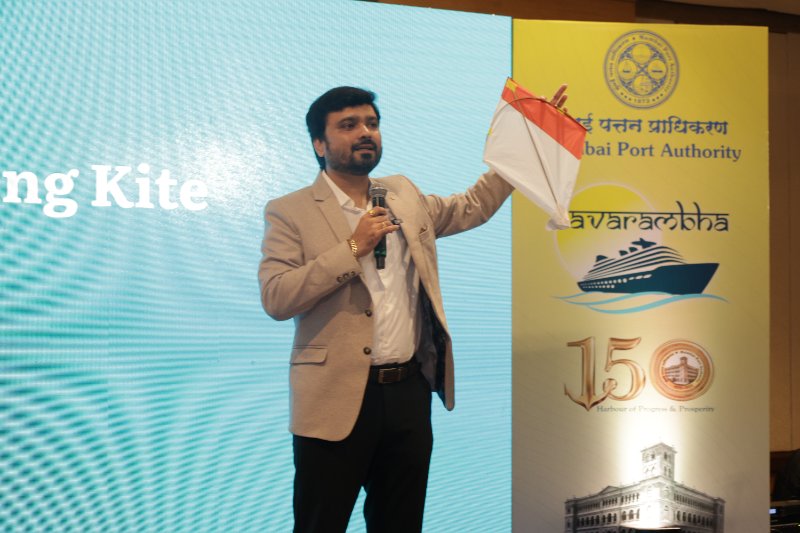
Why Avinash Chate
Avinash Chate is an entrepreneur and corporate trainer who runs ABC Trainings and The Future Corporate & Business Coaching, a TEDx speaker and published author. Over the last decade he has trained teams at 1,000-plus organisations and 15,000-plus professionals.
He teaches these skills not from a manual, but because he practises them himself — leading a 100-plus member team of his own. That is the difference working leaders feel in the room.
Email & Workplace Etiquette Training — FAQ
What is Email & Workplace Etiquette Training?
It is a practical programme that teaches professionals the quiet signals of courtesy that shape how their competence is read — especially in a workplace where most contact is written, fast and cross-cultural. It covers email that is clear and correctly addressed, the reply-all and CC discipline, tone and timing, phone, video-call and messaging etiquette, meeting and punctuality courtesy, and cross-cultural and cross-generational manners. Unlike a lecture on stuffy rules, it works on your people's own real messages and scenarios until graciousness becomes a habit.
Who should attend this training?
Anyone whose work runs on communication — client-facing sales, support and account teams, fresh graduates and campus-to-corporate joiners, technical and back-office specialists who come across sharply in writing, and managers who want one consistent standard across a team. It is at its most powerful run as a cohort, so a whole team adopts the same courtesy standard together, and it is especially valuable for organisations dealing with international clients or a mix of generations in the workforce.
Why do capable, well-meaning people still come across as rude?
Because courtesy in a written, fast-moving workplace is a skill, not a personality trait — and almost no one is taught it. Face to face we rely on a lifetime of instinct: a smile, a pause, a softened word. Strip that away and leave only text on a screen, and tone is inferred rather than heard, so a message that felt neutral to the sender reads as sharp to the receiver. The gap is craft, not character. Name the signals and practise them, and a well-meaning professional stops accidentally landing the wrong way within a week.
What does the programme cover?
Seven connected modules: why the small signals shape reputation and trust; email that is clear, courteous and correctly addressed; tone, timing and the reply-all and CC discipline; phone, video-call and messaging etiquette; meeting, punctuality and in-person courtesy; cross-cultural and cross-generational etiquette; and a hands-on practice module where your people fix real emails and run real scenarios. Every module names an unwritten rule, shows why it matters, and puts it to work on situations drawn from your own organisation.
How is the training delivered — and how long does it take?
It is highly interactive — reworking real messages and running live scenarios, with minimal lecture. The duration is flexible: the same programme runs as a half-day, a full day, a multi-day intensive, or a series of shorter modules spaced across a few weeks so each habit has time to stick, and it works well as an ongoing rhythm refreshed with each new intake. We shape the exact length and cadence with you. For 20 to 40 participants, sessions are organised into small batches so everyone reworks their own communication.
Is this just about email, or workplace etiquette more broadly?
Both. Email is where the most damage is quietly done, so it gets real depth — structure, tone, addressing and the reply-all discipline. But the programme covers professional courtesy across every channel your people use: phone and video calls, instant messaging and chat, meetings and punctuality, in-person first impressions and hosting, and etiquette across cultures and generations. The through-line is the same everywhere — the small signals that decide whether someone is a pleasure to deal with.
Is the programme customised to our organisation?
Yes. Before the first session, the examples, rewritten emails and role-play scenarios are built around your context — your industry, your client base, the actual situations your people face, whether that is a demanding international client, a mixed-generation team, or a campus-to-corporate cohort learning the rules for the first time. Generic etiquette training is exactly what fails to stick; the value is in your people fixing their own real messages and habits, not a stranger's.
Can it be delivered on-site, and in which languages?
Yes. Most engagements are across Maharashtra — Pune, Mumbai, Chhatrapati Sambhajinagar, Nashik, Nagpur and the surrounding MIDC industrial belts — and the programme is equally delivered pan-India and internationally on request. Delivery is available in English, Hindi and Marathi, or a natural mix, which matters when a team's own communication style has to serve clients in different languages and cultures.
What outcomes can we expect?
Emails that read the way they were meant — clear, warm and easy to act on — instead of accidentally curt. Reply-all storms and awkward over-sends that stop. Calls and meetings that start on time with people genuinely present. Client-facing people who are effortless to deal with, so relationships stay warm and work keeps coming. Over time, a consistent standard of courtesy across the organisation, so your capable people are finally read as the professionals they already are.
Why Avinash Chate for this programme?
Avinash Chate is an entrepreneur and corporate trainer who runs a 100-plus member organisation whose reputation lives in every email, call and client meeting — so he teaches professional courtesy as a standard he holds daily, not as theory. He is a TEDx speaker and author of The Winning Edge, creator of the KITE framework, and has trained 15,000-plus professionals across 1,000-plus organisations spanning manufacturing, IT, sales and services. That mix of real operating experience and his own frameworks is what makes the etiquette stick.
Related Training Topics
Make sure your people are read as the professionals they already are
Fix the small signals that quietly shape reputations — the reply-all disaster, the email that reads as rude, the late-joined call — and turn courtesy into an advantage. On-site across Maharashtra, pan-India and internationally, in English, Hindi or Marathi.
Request a Proposal →