Customer-Centricity Training
"Customer-first" is on every wall in the building — and in no box on the org chart.
Your values say the customer comes first. Your posters say it, your induction deck says it, your CEO says it warmly at every town hall. And yet look at how the company is actually built: divided into products, functions and quarterly targets, each team measured on its own slice, none of them measured on the one thing the customer actually lives — the whole experience of dealing with you. So sales promises what operations was never asked to deliver, service spends its day apologising for both, and the customer's journey falls through every crack between the boxes. Everyone is doing their job well. The customer still quietly leaves. This programme is about the discipline that closes those cracks — seeing your own business from the outside in, and making customer-centricity something the whole organisation does, not something the service team is blamed for.
★ 5.0 client rating · Across Maharashtra, pan-India & internationally · English, Hindi & Marathi
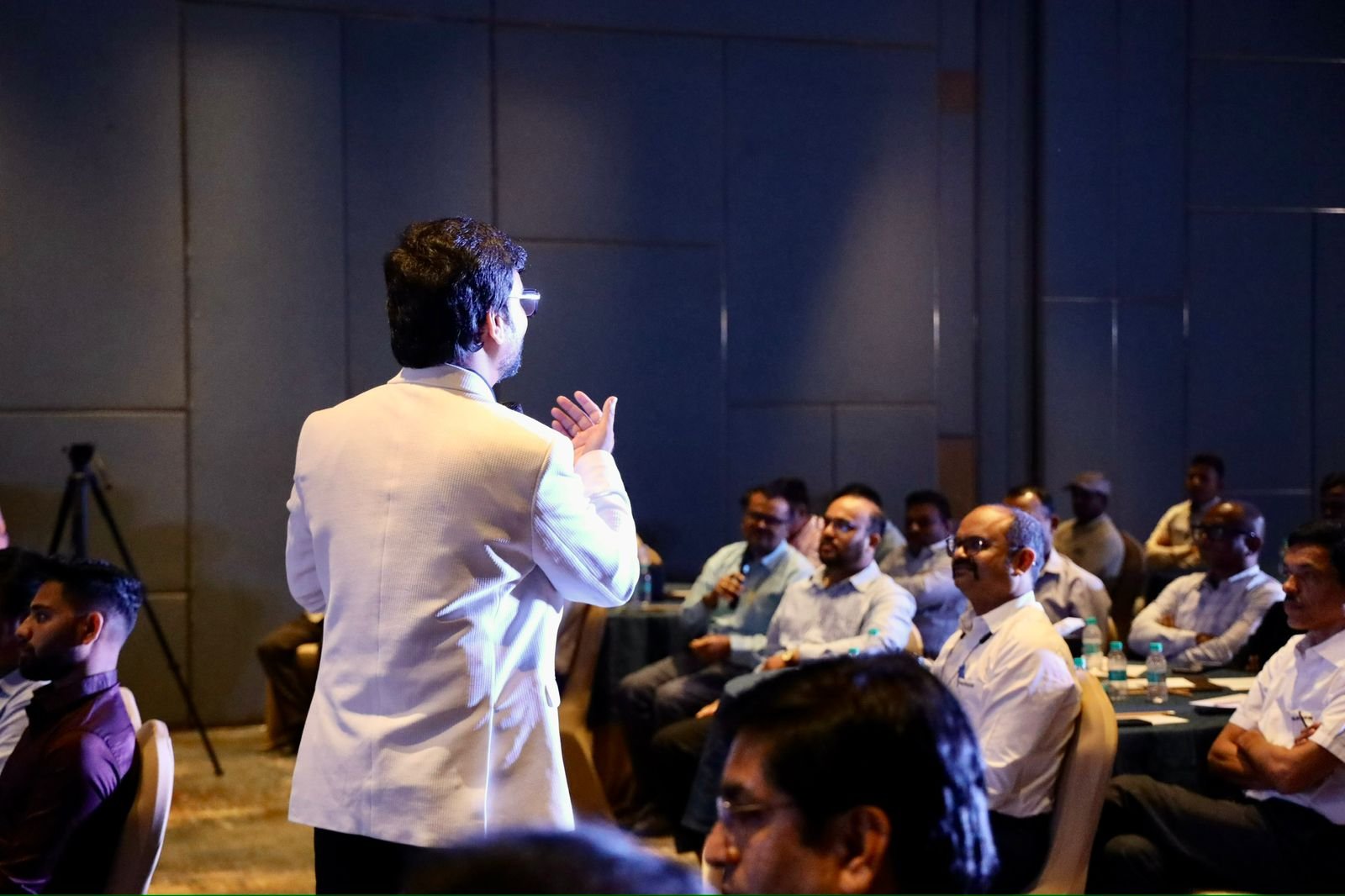
The Gap Between "Customer-First" on the Wall and How the Company Actually Runs
Almost every company believes it is customer-centric. Ask the leadership team and they will say it without hesitation. Then watch a real customer try to get something done — a query that touches two departments, an order that goes slightly wrong, a simple request that does not fit the system — and a different truth appears. The customer is passed between teams, asked to repeat their story three times, told "that's not our department," and left holding a problem that every individual employee is too narrowly scoped to own. Nobody is unkind. Nobody is lazy. The organisation is simply built around itself, and the customer experiences the seams.
And the cost of those seams is enormous precisely because it is invisible. No single team's numbers look bad. Sales hit target, operations cleared the queue, the service SLA was met — and yet the customer churned, and the review was harsh, and the referral never came. Because the company measures its own convenience while the customer measures their own experience, the leadership genuinely does not see the leak. The best customers, the ones with the most choices, are usually the first to slip away — quietly, without a complaint form, straight to a competitor who simply made it easier to be their customer.
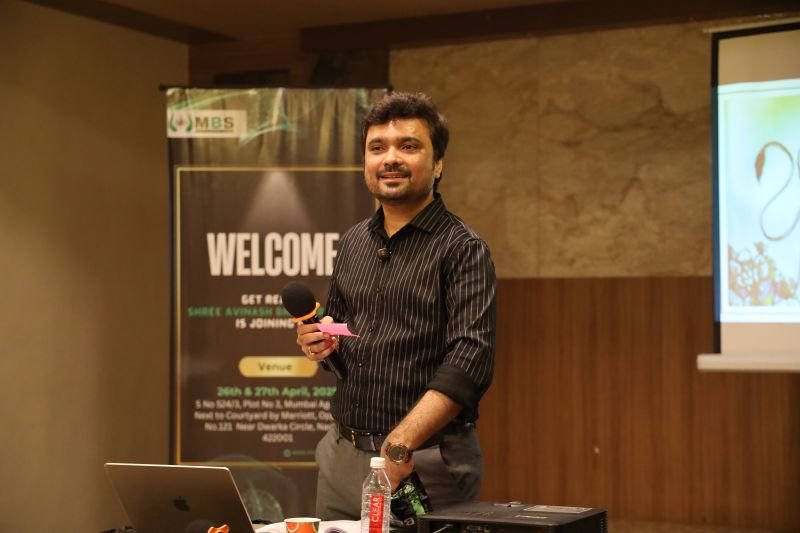
Why "Customer-First" Stays a Slogan — And How to Make It Real
The reason is structural, not attitudinal. Organisations are designed for efficiency, and efficiency means specialisation — split the work into functions, give each a clear metric, optimise each part. That is a fine way to run a factory and a terrible way to deliver an experience, because the customer does not consume a function; they travel across all of them. Nobody set out to make the customer's life hard. It is the unintended sum of a hundred sensible internal decisions, each made from the inside looking out, none made from the customer's chair looking in. Customer-centricity is not a nicer attitude bolted onto that machine — it is a different way of seeing, where every team learns to reason from the customer's experience backwards to their own work.
And that way of seeing can be taught. Outside-in thinking is a skill: knowing the customer's real job and not just your product, mapping the journey they actually take and finding where it breaks, agreeing who owns the whole experience across the silos, and making the small everyday decisions in the customer's favour rather than the system's. None of it is soft. All of it is learnable, and all of it can be built into how your people work — which is exactly what this programme does, deliberately, in the room, using your own customers' real journeys.
Does This Sound Familiar?
If your organisation says "customer-first" but keeps losing customers it should have kept, the problem is rarely that people do not care. It is that the business is organised from the inside out. Here is what that looks like in practice, what it is quietly costing you, and exactly which part of the programme closes the gap.
| The symptom you see | What it is costing you | The real cause | How the programme fixes it |
|---|---|---|---|
| Everyone says "the customer comes first," yet no single person owns the customer's whole experience | Problems that cross departments fall between them; the customer becomes the one carrying their own case | The company is organised around functions and products, not around the journey the customer actually lives | The silo-breaking module — agreeing who owns the whole experience end to end |
| Decisions are made for internal convenience, and only later discovered to hurt the customer | A steady drip of small frictions that no one team sees, adding up to churn no one can explain | People reason from the inside out — from the process and the system — rather than from the customer's chair | The outside-in thinking module — reasoning from the customer's experience backwards |
| You are sure you know what customers want, but the belief is built on assumption, not listening | Effort and money poured into things customers never asked for, while their real need goes unmet | No disciplined way to capture the voice of the customer or understand the job they are hiring you to do | The know-your-customer module — voice of customer and jobs-to-be-done |
| Your dashboards are green, but customers are still frustrated and quietly leaving | Leadership optimises internal metrics while the experience decays unseen until the churn shows up | You measure your own efficiency, not what the customer actually feels — effort, trust, willingness to return | The measurement module — NPS, customer effort and closing the loop |
| Sales promises what operations cannot deliver, and service spends its day apologising for the gap | Broken promises, eroded trust, and your best people burning out managing a handover no one designed | No shared map of the real customer journey, so each team optimises its stage and ignores the seams | The journey-mapping module — finding and fixing the cracks between stages |
What Changes When the Whole Organisation Sees From the Outside In
Picture your teams reasoning from the customer's chair by instinct — asking "what will this feel like for them?" before "what is easiest for us?" A sales team that promises only what the business can actually deliver, an operations team that understands the promise it is keeping, and a service team that spends its day building loyalty instead of apologising. A real map of the customer's journey on the wall, with the cracks named and owned rather than argued over. And a customer who, for once, feels like they are dealing with one company that has its act together — not five departments stapled loosely to a logo.
Underneath it sits the shift that pays for the whole programme: customer-centricity stops being the service team's burden and becomes the organisation's shared discipline. You keep the customers you were quietly losing — especially the best ones, the ones with the most choices — and each of them becomes an advocate rather than a churn statistic. "Customer-first" finally means something, because it lives in how people decide and act, not on a poster in reception.
What Your Teams Will Be Able to Do
- ✓ See the business from the outside in — reasoning from the customer's experience backwards to their own work
- ✓ Understand the customer deeply — capturing the voice of the customer and the real job they are hiring you to do
- ✓ Map the customer's actual journey and pinpoint the cracks where the experience quietly breaks
- ✓ Break the silos between sales, operations and service so someone owns the whole experience end to end
- ✓ Make everyday decisions in the customer's favour, even when the internal system pulls the other way
- ✓ Measure what the customer truly feels — using NPS and customer effort, and closing the loop on what they say
- ✓ Turn customer-centricity from a slogan into a shared, repeatable discipline the whole organisation lives by
What the Programme Covers
Seven connected modules that take an organisation from "customer-first on the wall" to customer-centric in how it actually decides and acts. Every module pairs a short, practical input with real work on your own customers, your own journeys and your own silos — and ends with a concrete change in how your people see and serve the customer.
These are building blocks, not a fixed-length course. A two-hour session goes deep on the two or three that matter most to you; a half or full day covers more; a multi-day intensive — or an ongoing monthly, quarterly or half-yearly rhythm — works through them all, with far more practice. We shape which ones, in what order and how deep, with you.
What Customer-Centricity Really Means — Thinking From the Outside In
What we cover: The difference between being product-centric and genuinely customer-centric — and why most companies that claim the second are quietly the first. Seeing your own business from the customer's chair rather than the org chart. Why "the customer comes first" fails when it is a value and not a discipline. The shift from optimising internal efficiency to reasoning from the customer's experience backwards. Naming the difference between what your company measures and what the customer actually experiences.
What changes: Your teams stop reasoning from the process outward and start reasoning from the customer inward — the mental shift everything else in the programme depends on.
Knowing Your Customer Deeply — Voice of Customer and Jobs-to-be-Done
What we cover: Replacing "we know what our customers want" with a disciplined way of actually finding out. Capturing the voice of the customer through listening, not just surveys — complaints, front-line signals, the things customers never say on a form. Understanding the real job the customer is hiring you to do, beyond the product they buy. Separating what customers ask for from what they actually need. Turning scattered customer signals into insight the whole organisation can act on.
What changes: Decisions get grounded in what customers genuinely need rather than what the organisation assumes — so effort goes where it actually matters to them.
Mapping the Real Customer Journey — and Its Cracks
What we cover: Building an honest map of the journey the customer actually travels, not the tidy one the process diagram shows. Seeing every touchpoint the way the customer experiences it, including the ones no single team owns. Finding the moments that matter most — and the seams between departments where the experience quietly breaks. Spotting the hand-offs where promises are dropped and stories have to be repeated. Reading the emotional highs and lows of the journey, not just the steps.
What changes: Your teams share one honest picture of the customer's real experience, with the cracks named and visible — so they can finally be fixed instead of argued about.
Breaking Silos to Own the Whole Experience
What we cover: Why the customer's biggest problems live in the gaps between functions — and why no one owns those gaps. Moving from "that's not my department" to shared accountability for the whole journey. Aligning sales, operations and service around one promise the whole company can keep. Designing hand-offs so the customer never has to repeat themselves or carry their own case. Deciding who owns the end-to-end experience, and how teams coordinate across the seams every day.
What changes: The cracks between departments get owned rather than ignored, so the customer experiences one joined-up company instead of a relay race between silos.
Everyday Customer-Centric Decisions and Behaviours
What we cover: Turning customer-centricity from a workshop insight into a daily habit. The small everyday decisions — a policy, a reply, a judgement call — where teams choose between the customer's interest and the system's convenience. Giving front-line and back-office people the permission and the judgement to decide in the customer's favour. Handling the real tension between internal efficiency and customer experience without pretending it does not exist. Building customer-centric instincts into ordinary work, not just special initiatives.
What changes: Customer-centricity shows up in the hundred small decisions people make every day, which is the only place a customer ever actually feels it.
Measuring What the Customer Feels — NPS and Customer Effort
What we cover: Why green internal dashboards can hide a decaying customer experience. Measuring what the customer actually feels — their likelihood to recommend, and the effort it took them to deal with you. Using NPS and customer-effort signals as a shared organisational scorecard rather than a vanity number. Closing the loop — acting on what customers tell you and showing them it changed something. Connecting the customer measure to the internal work, so improvement is real and not cosmetic.
What changes: Leadership starts steering by what the customer genuinely experiences, so improvement targets the real leak instead of polishing metrics the customer never sees.
Practice — Map and Fix a Real Customer Journey
What we cover: A live working session on one of your own customer journeys, from the customer's first touch to the moment they decide whether to stay. Mapping the real experience together across functions, surfacing the cracks and dropped hand-offs, and locating where internal convenience is quietly costing you the customer. Agreeing who owns each seam, and designing concrete fixes the teams commit to. Turning the day's insight into a short, practical plan the organisation can act on next week.
What changes: Your teams leave with a real customer journey mapped, its cracks owned, and a concrete set of fixes already agreed — customer-centricity turned from idea into action on your own business.
How It Is Delivered
This is not a lecture about customer-experience theory. It is a working session where your teams do the outside-in work on your own customers — mapping the journeys real people actually take, surfacing the cracks between departments, and confronting the everyday decisions where internal convenience quietly beats the customer's interest. The models stay simple and immediately usable; the value is in applying them across functions, in one room, to problems your organisation genuinely has. Because the seams live between teams, it works best with sales, operations and service in the room together rather than any one of them alone.
The format flexes to your needs. It runs as a focused half-day, a full-day workshop, a multi-day intensive for a cross-functional cohort, or a modular series that follows one customer journey from mapping to fixed over several sessions — and it works especially well as an ongoing rhythm, revisited each quarter as journeys change and new cracks appear. For 20 to 40 participants it is organised into small cross-functional batches so every team practises the outside-in view, not just listens to it. The exact depth, duration and cadence are shaped with you in the design call.
Formats That Fit Your Calendar
Half-day or full-day workshop
A high-impact session to shift a cross-functional group into the outside-in view and map a real customer journey together — ideal as the kick-off to a customer-first push.
Multi-day intensive
Two or more days to go deep across the whole journey — perfect for a customer-experience task force or a leadership team rebuilding how the company serves its customers.
Modular series across one journey
Shorter sessions that follow a single customer journey from honest map to owned cracks to committed fixes, so the learning lands as real change rather than a one-off event.
An ongoing customer-centricity rhythm
Revisit the journeys each quarter as they evolve — making outside-in thinking and the customer scorecard a permanent part of how the organisation runs.
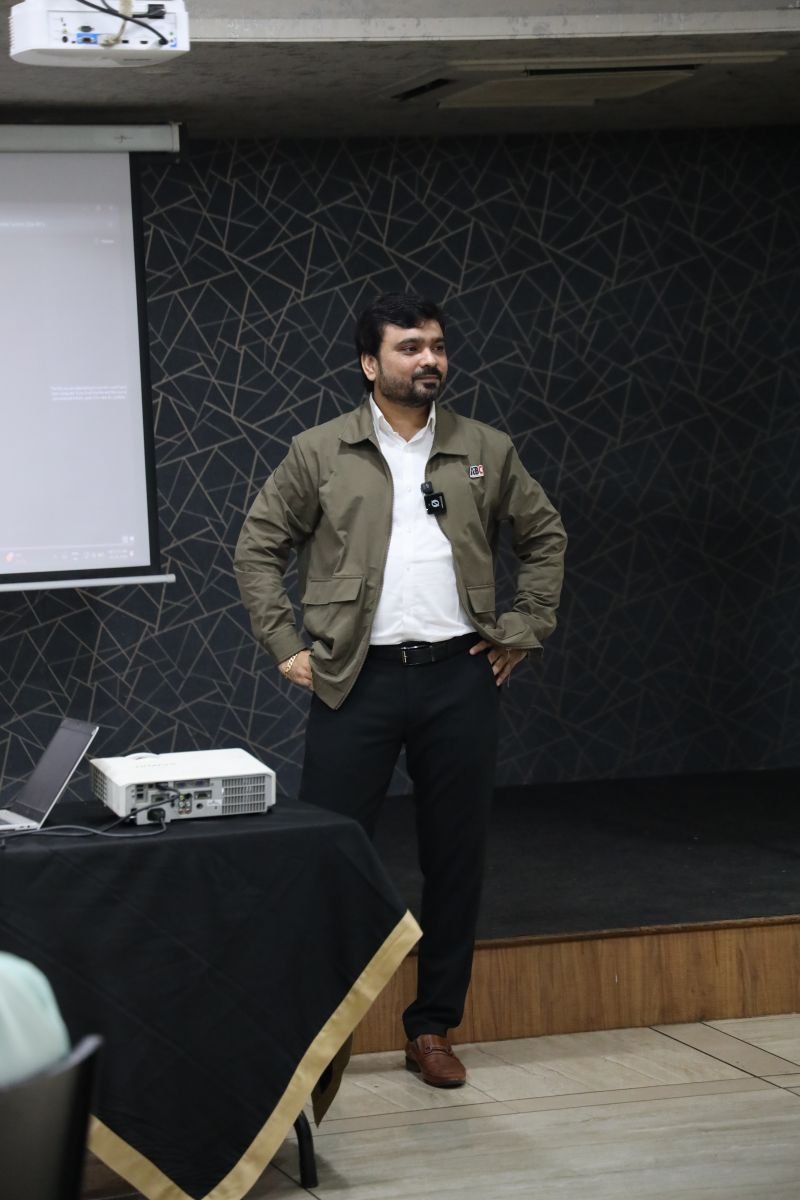
The Thinking Behind It
This programme is not a generic customer-experience deck. It draws on the sharpest thinking on customer-centricity — from the economics of which customers to build around to the discipline of owning the whole journey — distilled into a few models teams can use immediately, and then goes further, into the frameworks Avinash uses to keep his own 100-plus member organisation genuinely customer-centric.
Ideas & books we draw on
- Customer Centricity — Peter Fader · the Wharton case that customer-centricity is a hard strategy about building around your best customers, not a soft slogan about pleasing everyone
- Chief Customer Officer 2.0 — Jeanne Bliss · the competencies for making customer experience one company's shared accountability rather than one department's job
- Outside In — Harley Manning & Kerry Bodine · the Forrester classic proving the roots of customer experience lie behind the scenes, in every silo, not just at the front line
- The Customer of the Future — Blake Morgan · how the most customer-obsessed companies shift from product-focused to customer-focused across the whole organisation
- Never Lose a Customer Again — Joey Coleman · the case that the customer's experience after the sale is where loyalty is won or quietly lost
- The Ten Principles Behind Great Customer Experiences — Matt Watkinson · a designer's clear, practical principles for getting the customer's experience right, whatever the business does
Models we use for customer-centricity
- The customer journey map · seeing every touchpoint as the customer actually experiences it, and finding the cracks between them
- Jobs-to-be-Done (Clayton Christensen) · understanding the real job the customer is hiring you to do, beyond the product they buy
- Voice of the Customer (VoC) · a disciplined way to capture what customers actually need, not just what the company assumes
- The Service-Profit Chain (Heskett et al.) · the proven link from engaged people to customer loyalty to growth
- NPS and the Customer Effort Score · measuring what the customer truly feels — willingness to recommend, and how hard you made it to deal with you
And Avinash's own frameworks — the part you won't find anywhere else
Beyond the established thinking, the programme is built on frameworks Avinash has created and written about himself — including his KITE leadership framework and the principles in his book The Winning Edge. These come from actually running a 100-plus member organisation and developing its people year after year, not from a textbook. It is the layer competitors cannot copy, and the one your teams remember long after the session ends.
Who It Is For
Any organisation that says "customer-first" and wants it to be true — from the leadership team setting the culture to the sales, operations, service, product and support teams whose everyday decisions the customer actually feels. It is at its most powerful run cross-functionally, with the silos in the room together, because the customer's biggest problems live in the gaps between them. It suits companies scaling fast enough that the cracks are starting to show, businesses where service is left carrying a problem the whole organisation created, and leadership teams who suspect their green dashboards are hiding customers quietly walking away.
Taught by Someone Who Keeps His Own Organisation Customer-Centric
Avinash Chate does not teach this from a textbook. He runs a 100-plus member organisation whose reputation lives and dies on the experience it delivers — so the outside-in thinking, the journey mapping and the everyday customer-centric decisions taught here are the real thing, practised in his own business rather than borrowed from a slide. Programmes that build a customer-first culture have been delivered across sectors — from manufacturing and MIDC industrial belts where the customer is a demanding B2B account, to IT, sales, services and retail teams where the customer's whole experience is the product.
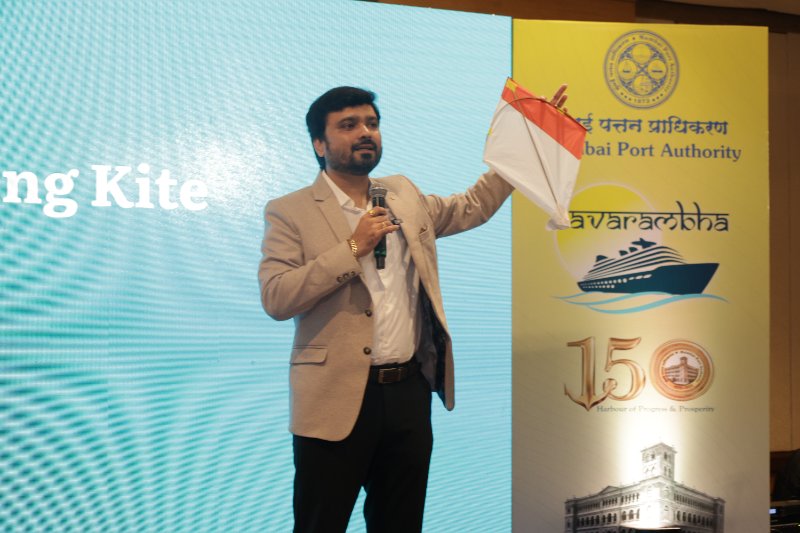
Why Avinash Chate
Avinash Chate is an entrepreneur and corporate trainer who runs ABC Trainings and The Future Corporate & Business Coaching, a TEDx speaker and published author. Over the last decade he has trained teams at 1,000-plus organisations and 15,000-plus professionals.
He teaches these skills not from a manual, but because he practises them himself — leading a 100-plus member team of his own. That is the difference working leaders feel in the room.
Customer-Centricity Training — FAQ
What is Customer-Centricity Training?
It is a practical programme that turns "customer-first" from a value on the wall into a discipline the whole organisation actually practises. It builds the specific skills a customer-centric company needs — seeing the business from the outside in, capturing the real voice of the customer, mapping the journey the customer actually takes, breaking the silos between sales, operations and service so someone owns the whole experience, making everyday decisions in the customer's favour, and measuring what the customer genuinely feels. Unlike a generic customer-service course, it treats customer-centricity as an organisation-wide discipline, worked on using your own customers' real journeys.
How is customer-centricity different from customer service?
Customer service is what one team does when a customer needs help. Customer-centricity is how the whole organisation is built — how it decides, designs and prioritises with the customer's experience in mind. The service team can be excellent and the company still lose customers, because the frustration was created upstream, in a product decision, a broken hand-off or a policy written for internal convenience. This programme deliberately widens the responsibility beyond the service desk, because the customer's experience is made everywhere, not just at the front line.
Why does "customer-first" so often stay just a slogan?
Because organisations are designed for efficiency, which means splitting the work into functions and giving each its own metric — a sensible way to run operations and a poor way to deliver an experience, since the customer travels across all the functions the company keeps apart. Nobody sets out to make the customer's life hard; it is the unintended sum of many reasonable internal decisions, each made from the inside looking out. "Customer-first" becomes real only when it is a taught discipline — outside-in thinking, journey ownership, customer-centric everyday decisions — rather than a value on a poster.
What does the programme cover?
Seven connected modules: what customer-centricity really means and thinking from the outside in; knowing your customer deeply through voice of customer and jobs-to-be-done; mapping the real customer journey and its cracks; breaking silos to own the whole experience; everyday customer-centric decisions and behaviours; measuring what the customer feels through NPS and customer effort; and a hands-on practice module where teams map and fix one of your own real customer journeys. Every module pairs a short, usable model with work on situations drawn from your own organisation.
How is the training delivered — and how long does it take?
It is highly interactive — real journey mapping, cross-functional work and honest cases, with minimal lecture. The duration is flexible: the same programme runs as a half-day, a full day, a multi-day intensive for a cross-functional cohort, or a modular series that follows one customer journey from map to fix, and it works well as an ongoing quarterly rhythm. We shape the exact length and cadence with you. For 20 to 40 participants, sessions are organised into small cross-functional batches so every team practises the outside-in view.
Should this be run for one team or across departments?
Across departments, wherever possible. The customer's biggest problems live in the gaps between functions, so the most valuable work happens with sales, operations, service and product in the room together, mapping the same journey and owning the same cracks. It can be run for a single team to build the mindset, but the breakthrough — someone finally owning the whole experience end to end — needs the silos present together, which is exactly how the programme is designed to work.
Is the programme customised to our organisation?
Yes. Before the first session, the journeys, examples and exercises are built around your context — your industry, your customers, your real hand-offs and the actual friction your customers hit, whether they are demanding B2B accounts or end consumers. Generic customer-experience training is exactly what fails; the value is in mapping and fixing the real journeys your own customers travel, so the outcomes are changes your teams can act on next week rather than theory.
Can it be delivered on-site, and in which languages?
Yes. Most engagements are across Maharashtra — Pune, Mumbai, Chhatrapati Sambhajinagar, Nashik, Nagpur and the surrounding MIDC industrial belts — and the programme is equally delivered pan-India and internationally on request. Delivery is available in English, Hindi and Marathi, or a natural mix, which matters especially when front-line and back-office teams from different backgrounds need to build one shared customer-first language.
What outcomes can we expect?
Teams that reason from the customer's chair rather than the org chart; sales that promises only what the business can deliver; hand-offs where the customer no longer has to repeat their story; and a leadership team steering by what customers actually feel instead of by green internal dashboards. Over time, the customers you were quietly losing — especially the best ones, with the most choices — stay and become advocates, because "customer-first" finally lives in how people decide and act rather than on a wall.
Why Avinash Chate for this programme?
Avinash Chate is an entrepreneur and corporate trainer who runs a 100-plus member organisation whose reputation depends on the experience it delivers — so he teaches customer-centricity from lived practice, not theory. He is a TEDx speaker and author of The Winning Edge, creator of the KITE leadership framework, and has trained teams at 1,000-plus organisations, having worked with 15,000-plus professionals across sectors. That combination of real operating experience and his own frameworks is what makes the outside-in discipline land with teams rather than staying a poster.
Related Training Topics
Make "customer-first" true, not just painted on the wall
Give your whole organisation the discipline to see from the outside in — mapping the real journey, breaking the silos, and owning the experience the customer actually lives. On-site across Maharashtra, pan-India and internationally, in English, Hindi or Marathi.
Request a Proposal →