Critical Thinking Training
Under pressure, your team seizes the first plausible answer — and mistakes confidence for correctness.
Watch any capable team the moment the clock is running and the stakes are real. Someone offers the first answer that sounds reasonable, heads nod, and the room moves on — before anyone has asked whether it is actually right. The loudest, most certain voice wins the decision, not the best-reasoned one. And the assumption everyone is quietly building on — the one nobody has named out loud — goes completely unexamined. This is not a team of unintelligent people. It is a team that was never taught the difference between what is true and what merely sounds true. In an age drowning in information and flooded with AI-generated everything, that difference has quietly become the whole game.
★ 5.0 client rating · Across Maharashtra, pan-India & internationally · English, Hindi & Marathi
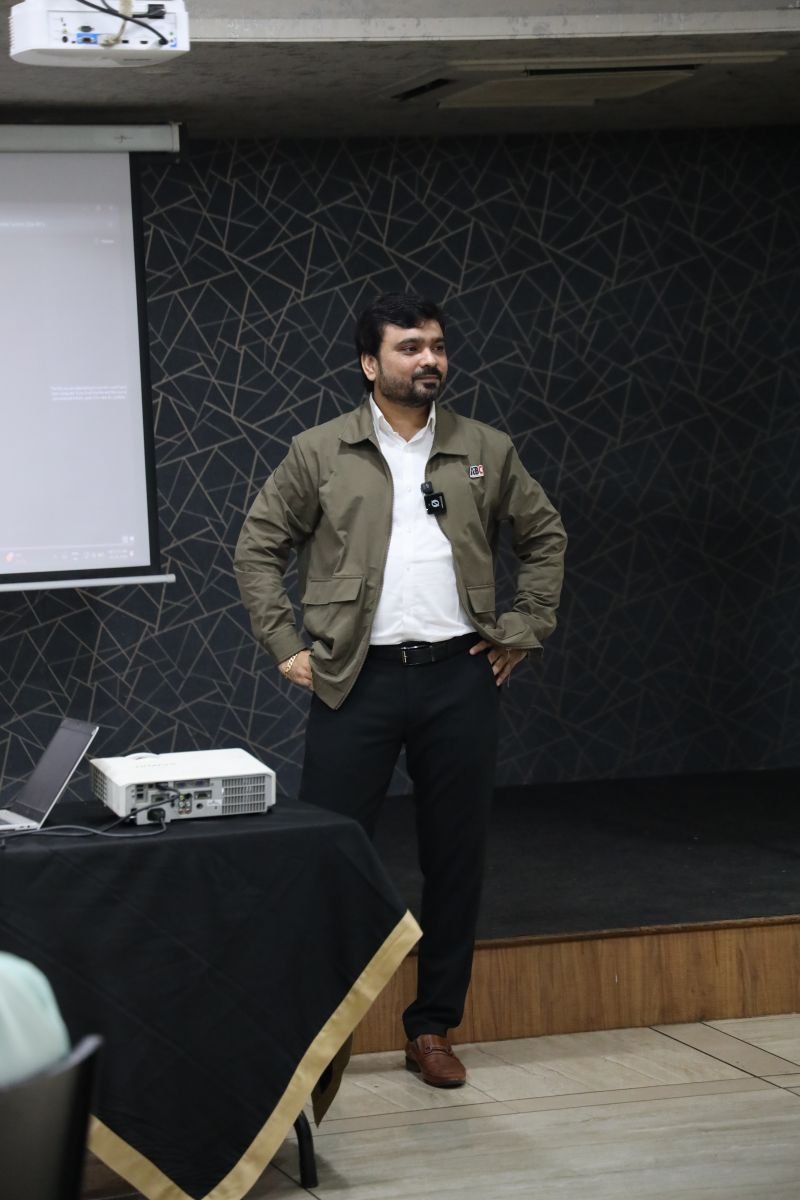
The First Plausible Answer — and the Argument Nobody Questioned
It rarely looks like a disaster in the moment. A meeting reaches a confident conclusion in ten minutes and feels productive for it. A vendor's claim, a competitor rumour, a striking chart, a forwarded article — each is repeated until it hardens into a fact nobody can trace to a source. A senior person states an opinion with enough conviction that it stops being questioned. Everyone leaves satisfied. The trouble is that satisfaction and accuracy are not the same thing, and a team optimised for the comfortable feeling of agreement will reliably talk itself into the wrong call.
The cost of unclear thinking almost never arrives with a label attached. It shows up as the project everyone endorsed that should have been killed at the whiteboard, the "obvious" market read that turned out to be a shared blind spot, the money spent chasing a number that was never real, the confident forecast that missed by a mile. Nobody logs these as thinking failures. They get filed under bad luck, a shifting market, a supplier who let us down. And so the same reflex — grab the plausible, defer to the confident, never name the assumption — survives untouched into the next decision, and the one after that.
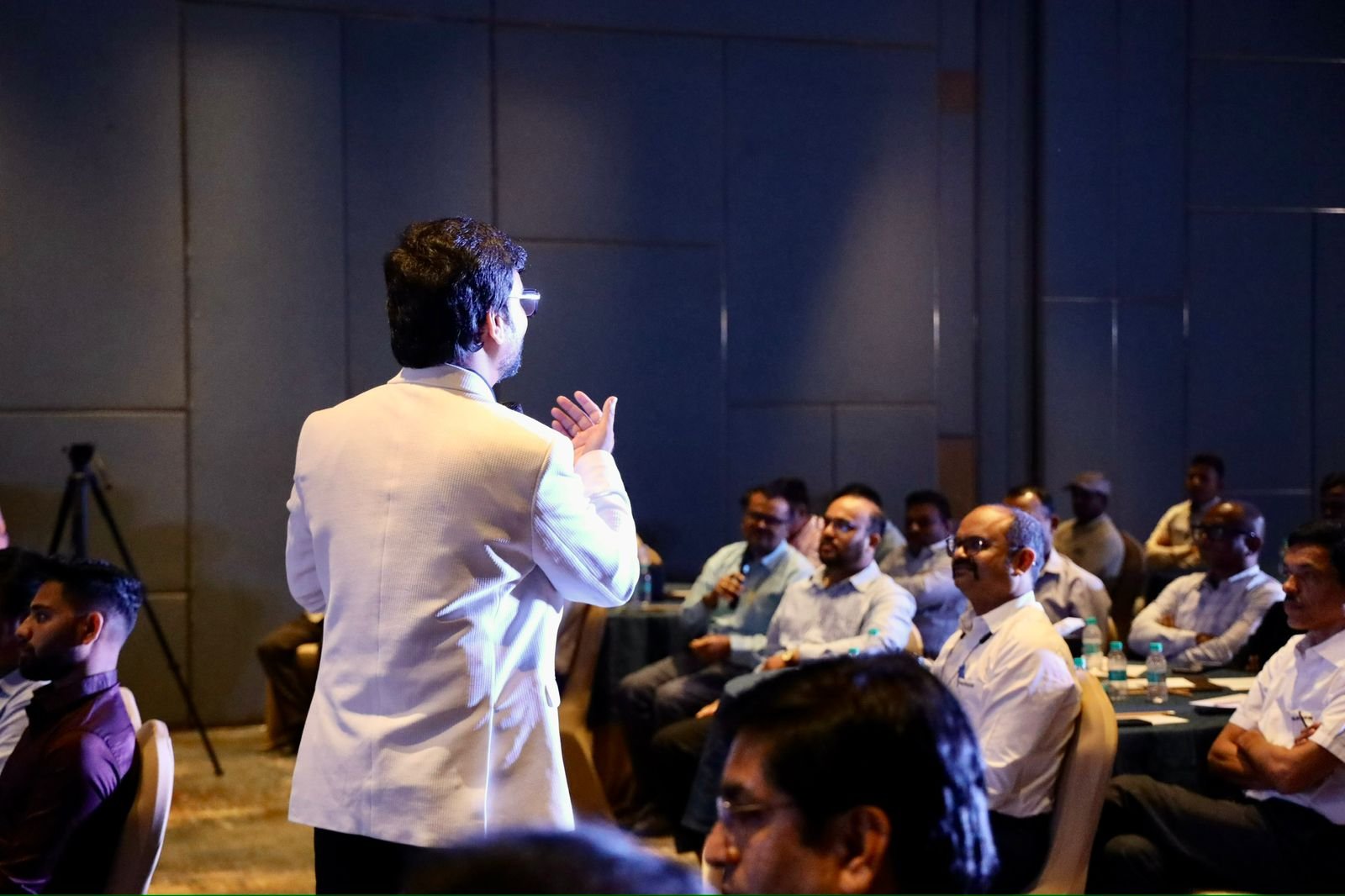
Why Smart Teams Reason Badly — And Why It Can Be Trained
Here is the part that is genuinely liberating once you see it: critical thinking is not intelligence, and clever people are not automatically good at it. In fact, a sharp mind is often better at inventing convincing reasons for a conclusion it already wanted to reach. The human brain did not evolve to be accurate; it evolved to be fast, to fit in with the group, and to defend what it already believes. Confirmation bias, anchoring on the first number heard, following the confident voice, mistaking a fluent story for a true one — these are not personal failings. They are the factory settings everyone ships with.
Which is exactly why clear thinking can be taught. It is not a personality trait you either have or lack; it is a discipline — a set of habits, questions and mental moves that anyone can learn and a team can practise until they become reflex. Learning to notice your own bias in the act. Asking what would have to be true for this to be wrong. Separating a claim from the evidence for it. Steel-manning the argument you want to dismiss. Thinking in probabilities instead of certainties. None of it requires a higher IQ. It requires the right practice — which is precisely what this programme provides, on the real decisions your team is making now.
Does This Sound Familiar?
If your team keeps arriving at confident conclusions that later prove shaky, it is rarely a shortage of intelligence. It is that no one taught them the discipline of thinking clearly. Here is what you are likely seeing, what it is quietly costing, and exactly which part of the programme addresses it.
| The symptom you see | What it is costing you | The real cause | How the programme fixes it |
|---|---|---|---|
| The team locks onto the first plausible answer and stops looking | Better options are never surfaced; avoidable mistakes get baked into the decision early | Nobody was taught to slow down, question assumptions and consider what they might be missing | The Questioning Assumptions module — the ladder of inference and deliberate reasoning |
| Whoever sounds most certain wins the argument, not whoever is most right | Confident errors go unchallenged while quieter, better-reasoned views get buried | The team confuses confidence with competence and has no shared way to pressure-test a claim | The Spotting Flawed Arguments module — separating rhetoric from reasoning |
| Claims, charts and forwarded articles are repeated as fact without anyone checking the source | Decisions rest on numbers and stories that turn out to be wrong, misleading or AI-fabricated | No habit of asking where a claim came from, who benefits, and whether the evidence holds | The Weighing Evidence & Sources module — built for an AI age |
| The team argues from gut certainty and treats every estimate as either true or false | Risks are misjudged, rare events are ignored, and forecasts are consistently overconfident | No one thinks in base rates or probabilities — reasoning is binary when the world is uncertain | The Structured, Probabilistic Reasoning module |
| Under deadline the thinking collapses and everyone defers to the boss or the group | Groupthink and pressure produce a decision nobody actually examined and few privately believe | The team never learned to reason well when it is stressed, rushed or reluctant to dissent | The Thinking Under Pressure & As a Team module |
What Changes When Your Team Learns to Think Clearly
Picture the same meeting after the training. The first plausible answer gets a hearing — and then someone quietly asks what it assumes and what would prove it wrong. The confident assertion is met not with deference but with a fair, specific question about the evidence behind it. The forwarded chart is traced to its source before it becomes a fact. The quiet dissenter is drawn out rather than steamrolled, because the team now knows the lone doubt is often the valuable one. Decisions take a little longer to reach and turn out to be far more right.
Underneath the visible behaviour is the shift that pays for the whole programme: a team that can tell the true from the merely plausible, that is hard to fool with confident nonsense and harder still to stampede into a bad call. In a world where anyone — and now any machine — can generate a fluent, authoritative-sounding argument for anything, that is not a soft skill. It is the discipline that protects every decision the business makes.
What Your Team Will Be Able to Do
- ✓ Recognise the common cognitive biases — in others and, harder, in themselves — as they happen
- ✓ Surface and question the hidden assumptions a decision is quietly resting on
- ✓ Weigh evidence and judge sources critically, including AI-generated content and misleading statistics
- ✓ Take apart a flawed argument — spotting logical fallacies, rhetoric and manipulation for what they are
- ✓ Reason in probabilities and base rates instead of false certainties
- ✓ Steel-man the opposing view and change their mind when the evidence warrants it
- ✓ Think clearly under time pressure and hold reasoning together as a group without sliding into groupthink
What the Programme Covers
Seven connected modules that take a team from confident guessing to disciplined reasoning. Every module pairs a short, practical input with hands-on practice on the real judgements your team is making — dissecting actual claims, arguments and decisions — and ends with a concrete change in how they think.
These are building blocks, not a fixed-length course. A two-hour session goes deep on the two or three that matter most to you; a half or full day covers more; a multi-day intensive — or an ongoing monthly, quarterly or half-yearly rhythm — works through them all, with far more practice. We shape which ones, in what order and how deep, with you.
What Critical Thinking Is — and the Biases That Sabotage It
What we cover: What critical thinking actually is, and the myth worth demolishing first: that it is the same as being clever. Why intelligent people are often no better — and sometimes worse — at reasoning well. The mental machinery working against you: confirmation bias, anchoring, the availability trap, motivated reasoning, and the pull to agree with the group and the confident voice. Fast, intuitive thinking versus slow, deliberate thinking, and knowing which one a decision deserves. Seeing your own biases in the moment, which is the hardest and most valuable skill of all.
What changes: The team stops mistaking confidence and cleverness for clear thinking and starts recognising the predictable ways every mind — including their own — gets things wrong.
Questioning Assumptions and the Ladder of Inference
What we cover: The assumption nobody names is the one that sinks the decision. How we leap from a sliver of data to a firm conclusion in an instant — the ladder of inference — and how to climb back down it deliberately. Surfacing the beliefs a plan is quietly built on and stress-testing them. The discipline of asking "what would have to be true for this to work?" and "what am I assuming here?" Slowing down the reflex to grab the first plausible answer long enough to see what it takes for granted.
What changes: The team learns to make its hidden assumptions visible and examine them — before they harden into an expensive, unquestioned mistake.
Weighing Evidence and Sources — in an AI Age
What we cover: Telling a claim apart from the evidence for it. Judging the quality and independence of a source, and asking the ruthless question: who benefits if I believe this? How numbers mislead — cherry-picked statistics, misleading charts, correlation dressed up as causation, and figures with no traceable origin. Reading data critically without needing to be a statistician. The new frontier: AI-generated text, images and "facts" that sound authoritative and are simply invented, and how a team stays grounded when anything can be fabricated convincingly.
What changes: The team stops taking claims, charts and confident content at face value and starts tracing them to evidence that actually holds — human or machine-made.
Spotting Flawed Arguments and Manipulation
What we cover: The anatomy of an argument — claim, reasons, evidence — and how to test whether it actually holds together. The common logical fallacies in plain language, from straw men and false dilemmas to slippery slopes and ad hominem, spotted in real workplace and media arguments. How rhetoric, emotion and confident delivery are used to win agreement that reasoning alone would not earn. Recognising manipulation, spin and persuasion techniques for what they are — and steel-manning the view you disagree with so you argue against its strongest form, not a caricature.
What changes: The team can take an argument apart, separate the sound reasoning from the rhetoric, and stop being swayed by whatever merely sounds convincing.
Structured, Probabilistic Reasoning
What we cover: Moving from binary "true or false" thinking to reasoning in degrees of confidence. Base rates and why ignoring them is one of the most common and costly reasoning errors. Thinking in probabilities and expected value rather than gut certainties. Simple, powerful tools to structure a messy problem — weighing evidence for and against, considering the opposite, and updating a view as new information arrives. Calibrating confidence honestly, so a strong opinion and strong evidence are no longer confused.
What changes: The team reasons in probabilities and base rates instead of false certainties, judging risk and likelihood far more accurately.
Thinking Clearly Under Pressure — and As a Team
What we cover: Why clear thinking is the first thing to break when a team is stressed, rushed or afraid to disagree. Groupthink, and how consensus can quietly form around a conclusion no one has actually examined. Building the psychological safety for a team to voice doubt, name the uncomfortable question and disagree without friction. Techniques that make a group smarter rather than dumber — assigning a genuine devil's advocate, surfacing dissent before deciding, and separating the generation of ideas from their evaluation. Holding reasoning together when the clock is running.
What changes: The team thinks better together under pressure — resisting groupthink, protecting the lone doubt, and reaching decisions it has genuinely examined.
Practice — Dissecting Real Cases
What we cover: Putting every skill to work on real material: a news story or viral claim taken apart for its evidence, a persuasive argument dismantled for its fallacies, a confident business proposal pressure-tested for its hidden assumptions, a striking statistic traced back to see whether it holds. Working through decisions and claims drawn from your own organisation and from the wider world, so the discipline is rehearsed on the exact kind of thinking your team faces every week.
What changes: The team leaves having actually practised clear thinking on live cases — so the discipline is a working habit, not a concept they nodded along to.
How It Is Delivered
This is not a lecture on logic. It is a workshop in which a team practises thinking — pulling apart real arguments, claims, charts and decisions, catching the biases as they happen, and rebuilding the reasoning properly. Participants spend most of the time actively working: dissecting a viral claim, steel-manning a view they dislike, tracing a statistic to its source, arguing a decision from base rates rather than gut. The models are kept few and immediately usable; the practice, on real material from your own world and the wider one, is where the discipline is built.
The format flexes to your needs. It runs as a focused half-day, a full-day workshop, a multi-day intensive for a leadership or analyst cohort, or a series of shorter modules spread across a quarter so the habit has time to set — and it works beautifully as an ongoing rhythm that keeps clear thinking alive as a team norm rather than a one-off event. For 20 to 40 participants it is organised into small groups so everyone reasons out loud, not just listens. The exact depth, duration and cadence are shaped with you in the design call.
Formats That Fit Your Calendar
Half-day or full-day workshop
A high-energy session to give a team a shared language for clear thinking fast — ideal before a big planning cycle or an important set of decisions.
Multi-day intensive
Two or more days to go deep — perfect for a leadership team, an analytics or strategy function, or any group whose whole job is judgement under uncertainty.
Modular series across a quarter
Shorter sessions spaced over weeks, each followed by real-world practice, so bias-spotting and evidence-weighing become genuine habits rather than a day's inspiration.
An ongoing clear-thinking rhythm
A recurring cadence that keeps critical thinking a living team norm — revisiting real decisions, dissecting new cases, and holding the discipline in place over time.
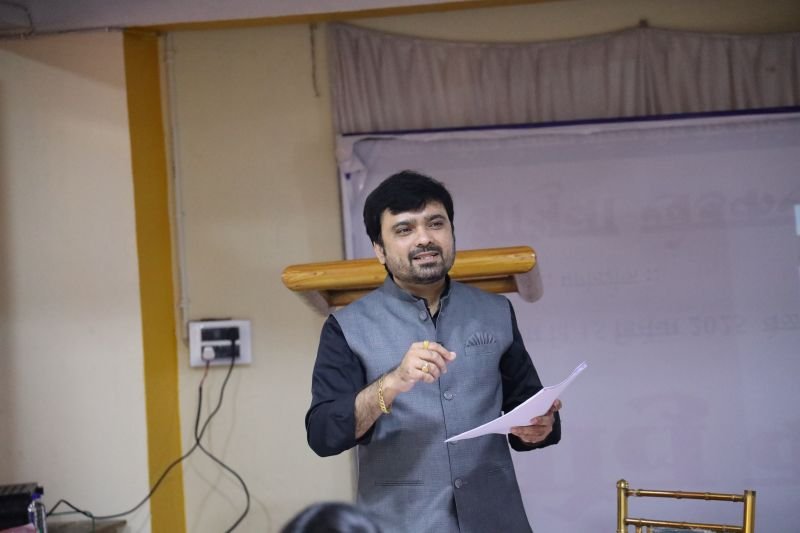
The Thinking Behind It
This programme is not a generic reasoning deck. It draws on the sharpest writing on rationality, evidence and clear thinking — distilled into a few models a team can use immediately — and then goes further, into the frameworks Avinash uses to keep judgement clear inside his own 100-plus member organisation.
Ideas & books we draw on
- The Scout Mindset — Julia Galef · the crucial shift from defending your beliefs to actually wanting to see what is true
- Factfulness — Hans Rosling · how our instincts systematically distort the facts — and the habits that correct for them
- Calling Bullshit — Carl Bergstrom & Jevin West · a practical field guide to spotting misleading data, dodgy charts and confident nonsense
- The Demon-Haunted World — Carl Sagan · the timeless case for scepticism and the original "baloney detection kit"
- A Rulebook for Arguments — Anthony Weston · the pocket classic on building sound arguments and seeing straight through weak ones
- Being Logical — D.Q. McInerny · a clear, no-nonsense primer on logical thinking and the many ways reasoning goes wrong
Models we use to think clearly
- The ladder of inference · climbing back down from snap conclusions to the data they were actually built on
- Steel-manning · arguing against the strongest version of a view, not a convenient caricature of it
- Base rates and probabilistic thinking · judging likelihood from the underlying odds instead of a vivid gut feeling
- The common cognitive biases · confirmation bias, anchoring, availability and the rest — named, so they can be caught
- Argument mapping · laying out claim, reasons and evidence so a flaw in the logic becomes visible
And Avinash's own frameworks — the part you won't find anywhere else
Beyond the established thinking, the programme is built on frameworks Avinash has created and written about himself — including his KITE leadership framework and the principles in his book The Winning Edge. These come from actually running a 100-plus member organisation and developing its people year after year, not from a textbook. It is the layer competitors cannot copy, and the one your teams remember long after the session ends.
Who It Is For
Any team whose work turns on judgement — leadership groups making high-stakes calls, strategy and planning functions, analysts and researchers, product and marketing teams weighing claims and data, and managers who want their people to reason before they react. It is especially powerful run as an intact team, so a group builds a shared language for challenging assumptions and pressure-testing arguments together. And it matters most exactly where information overload and AI-generated content are heaviest — anywhere a team must separate signal from noise and truth from what merely sounds true, every single day.
Taught by Someone Who Reasons Under Real Pressure Every Week
Avinash Chate does not teach this from a textbook. He runs a 100-plus member organisation, where the cost of a decision made on the first plausible answer — or on a number nobody checked — lands on a real business, so the bias-spotting, evidence-weighing and assumption-testing taught here are the disciplines he lives by. Programmes that sharpen thinking, judgement and reasoning have been delivered across sectors, from manufacturing and engineering teams to IT, banking, sales and services groups whose everyday work is deciding well with incomplete and often misleading information.
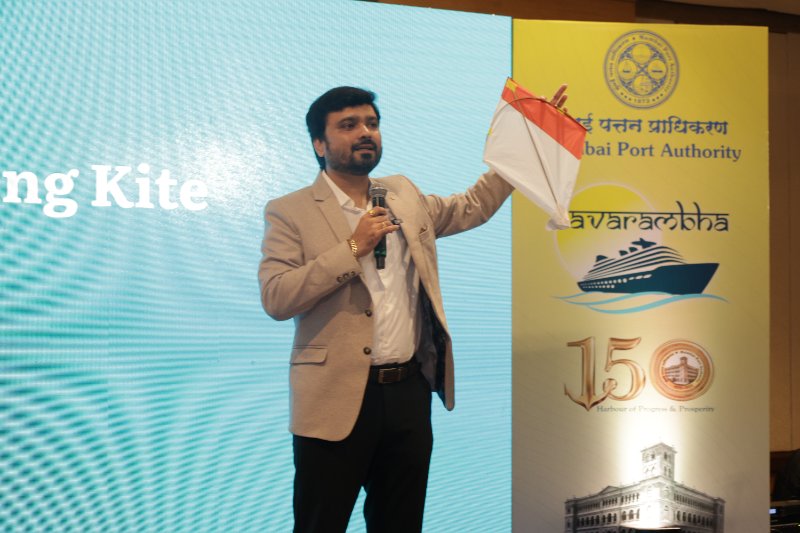
Why Avinash Chate
Avinash Chate is an entrepreneur and corporate trainer who runs ABC Trainings and The Future Corporate & Business Coaching, a TEDx speaker and published author. Over the last decade he has trained teams at 1,000-plus organisations and 15,000-plus professionals.
He teaches these skills not from a manual, but because he practises them himself — leading a 100-plus member team of his own. That is the difference working leaders feel in the room.
Critical Thinking Training — FAQ
What is Critical Thinking Training?
It is a practical programme that teaches teams the discipline of thinking clearly — noticing the cognitive biases that distort judgement, questioning the assumptions a decision quietly rests on, weighing evidence and sources critically, spotting flawed arguments and manipulation, reasoning in probabilities rather than false certainties, and holding good thinking together under pressure and as a group. Unlike an abstract logic course, it is built around the real claims, arguments and decisions your team faces, practised in the room until clear thinking becomes a habit.
Who should attend this training?
Any team whose results depend on judgement — leadership and management teams, strategy and planning functions, analysts and researchers, and product, marketing and operations groups who must weigh evidence and decide under uncertainty. It is at its most powerful run as an intact team, so a group develops a shared language for challenging assumptions and testing arguments. It is equally valuable for high-potentials and campus-to-corporate cohorts who need to build the reasoning habits their careers will run on.
Isn't critical thinking just intelligence — either you have it or you don't?
No, and that is the most useful thing to understand about it. Critical thinking is not intelligence; clever people are often better at inventing convincing reasons for what they already believe. It is a discipline — a set of habits and mental moves like questioning assumptions, weighing evidence, spotting fallacies and thinking in probabilities — and every one of them can be taught and practised. The training does exactly that, so improvement comes from the right practice, not from raising anyone's IQ.
What does the programme cover?
Seven connected modules: what critical thinking is and the biases that sabotage it; questioning assumptions and the ladder of inference; weighing evidence and sources in an AI age; spotting flawed arguments and manipulation; structured, probabilistic reasoning; thinking clearly under pressure and as a team; and a practice module that dissects real cases. Every module pairs a short, usable model with hands-on practice on claims, arguments and decisions drawn from your own organisation and the wider world.
Why does this matter so much in an age of AI and information overload?
Because it has never been easier to produce a fluent, confident, authoritative-sounding argument for anything — and now machines can generate it at scale, including "facts" that are simply invented. When anyone and anything can manufacture convincing content, the ability to separate what is true from what merely sounds true stops being a nice-to-have and becomes a survival skill. The programme deals directly with AI-generated content, misleading statistics and dubious sources, and builds the habits a team needs to stay grounded.
How is the training delivered — and how long does it take?
It is highly interactive — dissecting real arguments and claims, catching biases live, with minimal lecture. The duration is flexible: the same programme runs as a half-day, a full day, a multi-day intensive, or a series of shorter modules spread across a quarter, and it works well as an ongoing rhythm that keeps clear thinking a team norm. We shape the exact length and cadence with you. For 20 to 40 participants, sessions are organised into small groups so everyone reasons out loud rather than just listening.
Is the programme customised to our organisation?
Yes. Before the first session, the examples, cases and exercises are built around your context — your industry, the kinds of decisions your team makes, and the real claims and arguments they encounter. Generic reasoning training is exactly what fails to stick; the value is in practising on the actual judgements your people will face next week, from the meeting room to the market, so the discipline transfers straight into the work.
Can it be delivered on-site, and in which languages?
Yes. Most engagements are across Maharashtra — Pune, Mumbai, Chhatrapati Sambhajinagar, Nashik, Nagpur and the surrounding MIDC industrial belts — and the programme is equally delivered pan-India and internationally on request. Delivery is available in English, Hindi and Marathi, or a natural mix, so the reasoning language fits the room and every participant can think and argue in the words they are most comfortable with.
What outcomes can we expect?
Teams that question assumptions instead of grabbing the first plausible answer, ask for the evidence behind a confident claim, trace a striking statistic before treating it as fact, and reason in probabilities rather than gut certainties. Meetings that reach conclusions that are slower to form and far more likely to be right. And, over time, a group that is genuinely hard to fool with confident nonsense and hard to stampede into a bad decision — which protects the quality of everything the business chooses to do.
Why Avinash Chate for this programme?
Avinash Chate is an entrepreneur and corporate trainer who runs a 100-plus member organisation, where the cost of muddled thinking lands on a real business — so he teaches clear reasoning from lived experience, not theory. He is a TEDx speaker and author of The Winning Edge, creator of the KITE leadership framework, and has trained teams at 1,000-plus organisations including RBI, JSW Steel, BARC, the Indian Army and Ferrero. That mix of real operating judgement and his own frameworks is what makes the discipline land with working teams.
Related Training Topics
Give your team the discipline to think clearly
Teach your people to question assumptions, weigh evidence, see through flawed arguments and reason under pressure — so they tell the true from the merely plausible. On-site across Maharashtra, pan-India and internationally, in English, Hindi or Marathi.
Request a Proposal →